Could a ship accident occur in a potential Marmara earthquake? Critical statement from experts
The possibility that seas and ships could be affected in a potential major earthquake in Istanbul is on the agenda. Experts are evaluating the risks that could lead to ship accidents and environmental disasters. However, assessments regarding earthquake magnitude indicate that major disaster scenarios are less likely.
12punto
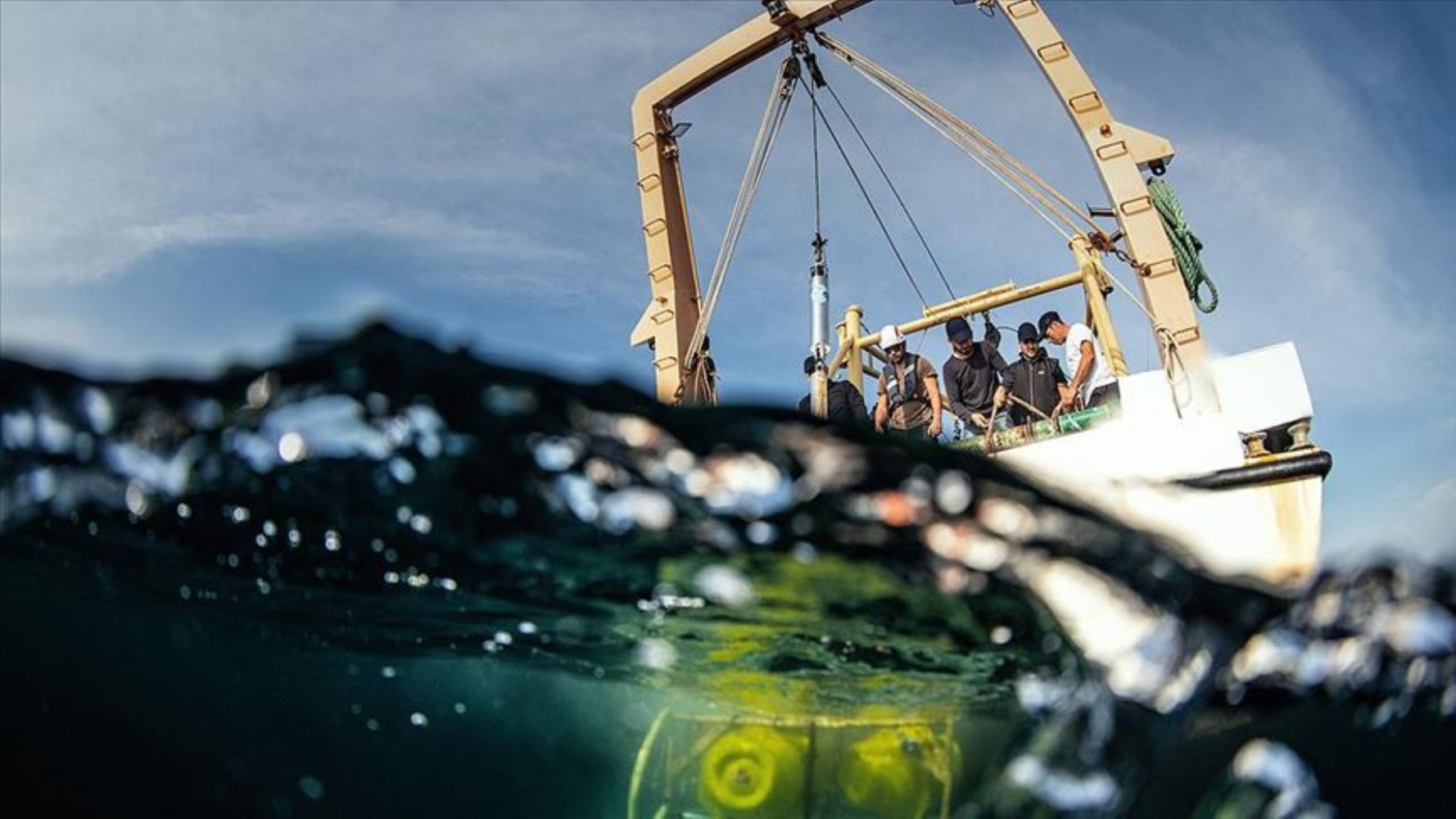
It is possible for the sea to be affected just as much as the land during an earthquake. Especially in regions close to active fault lines like the Sea of Marmara, claims are being discussed that ships could collide during major earthquakes, or even that tankers carrying hazardous materials could explode, causing environmental disasters.
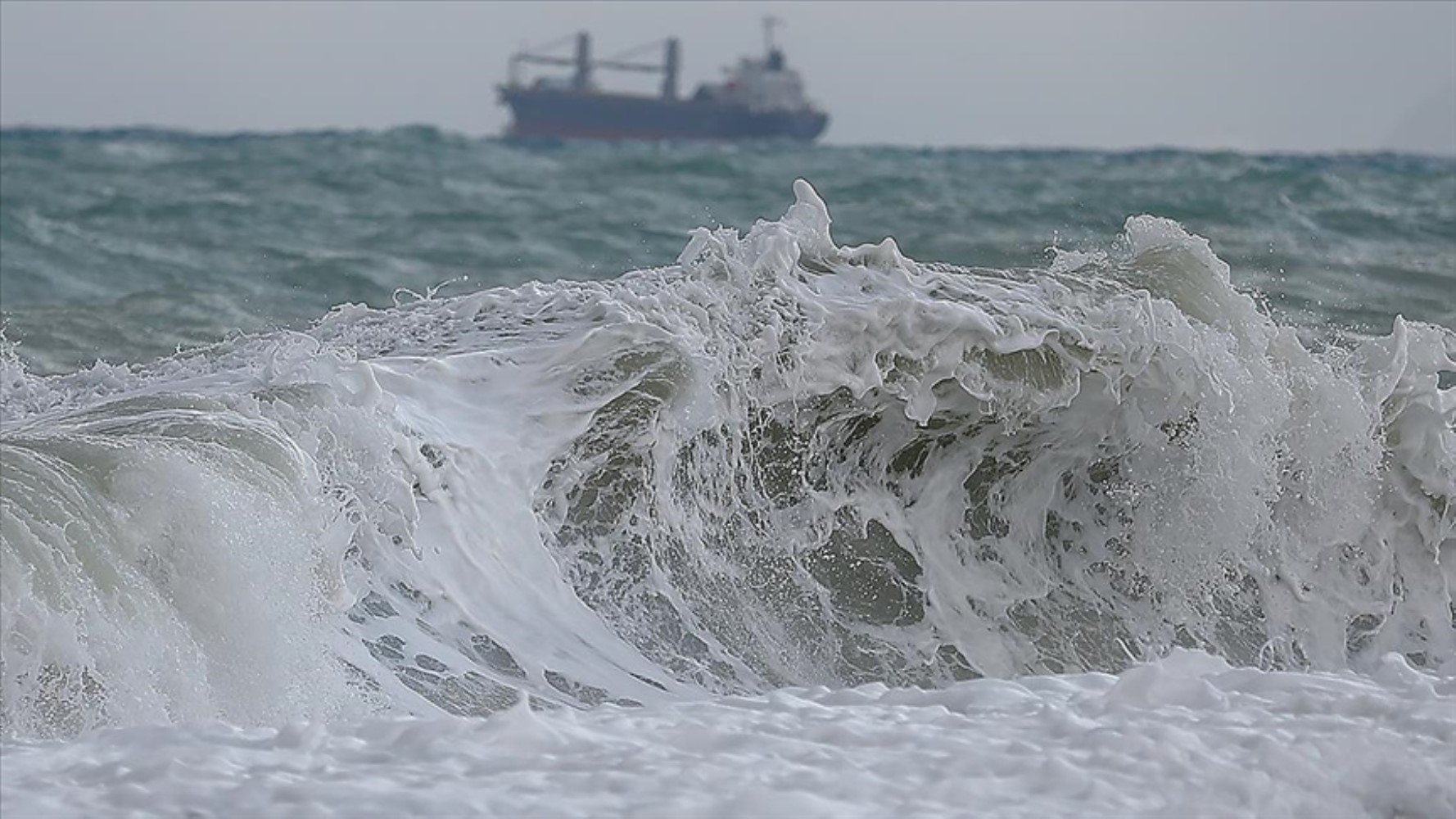
According to research conducted by The Nautical Institute, although an earthquake with a magnitude of 8 to 9.5 is not expected in Istanbul, major tremors could lead to ship accidents.
A HISTORICAL EXAMPLE
There are also historical examples of how ships are affected during earthquakes. In the 7.2 magnitude earthquake that occurred off the coast of Newfoundland in 1929, the giant transatlantic ship Olympic felt strong tremors. However, no serious accident occurred. Nevertheless, in places with heavy ship traffic like the Marmara, the situation can become more complex.
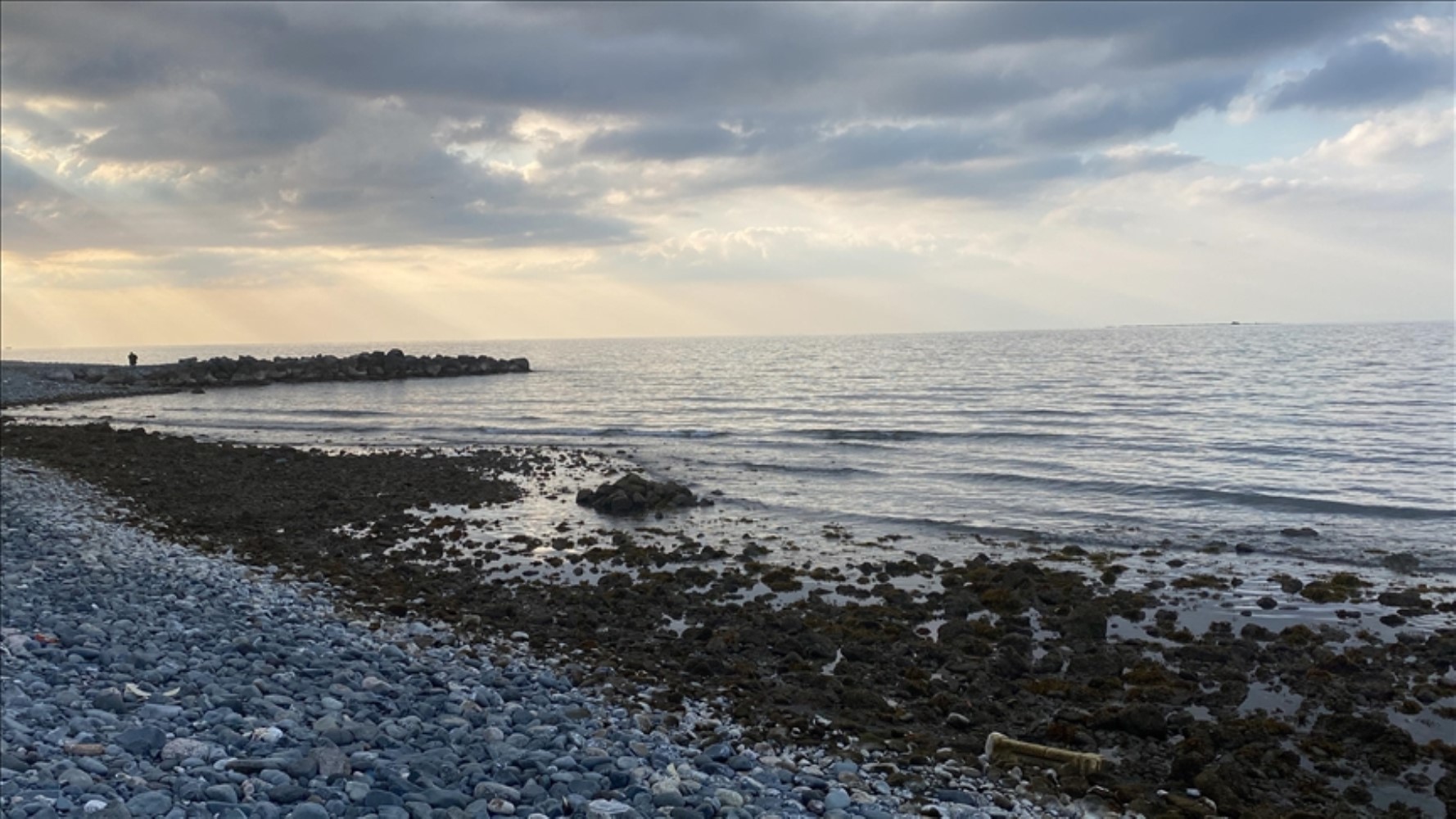
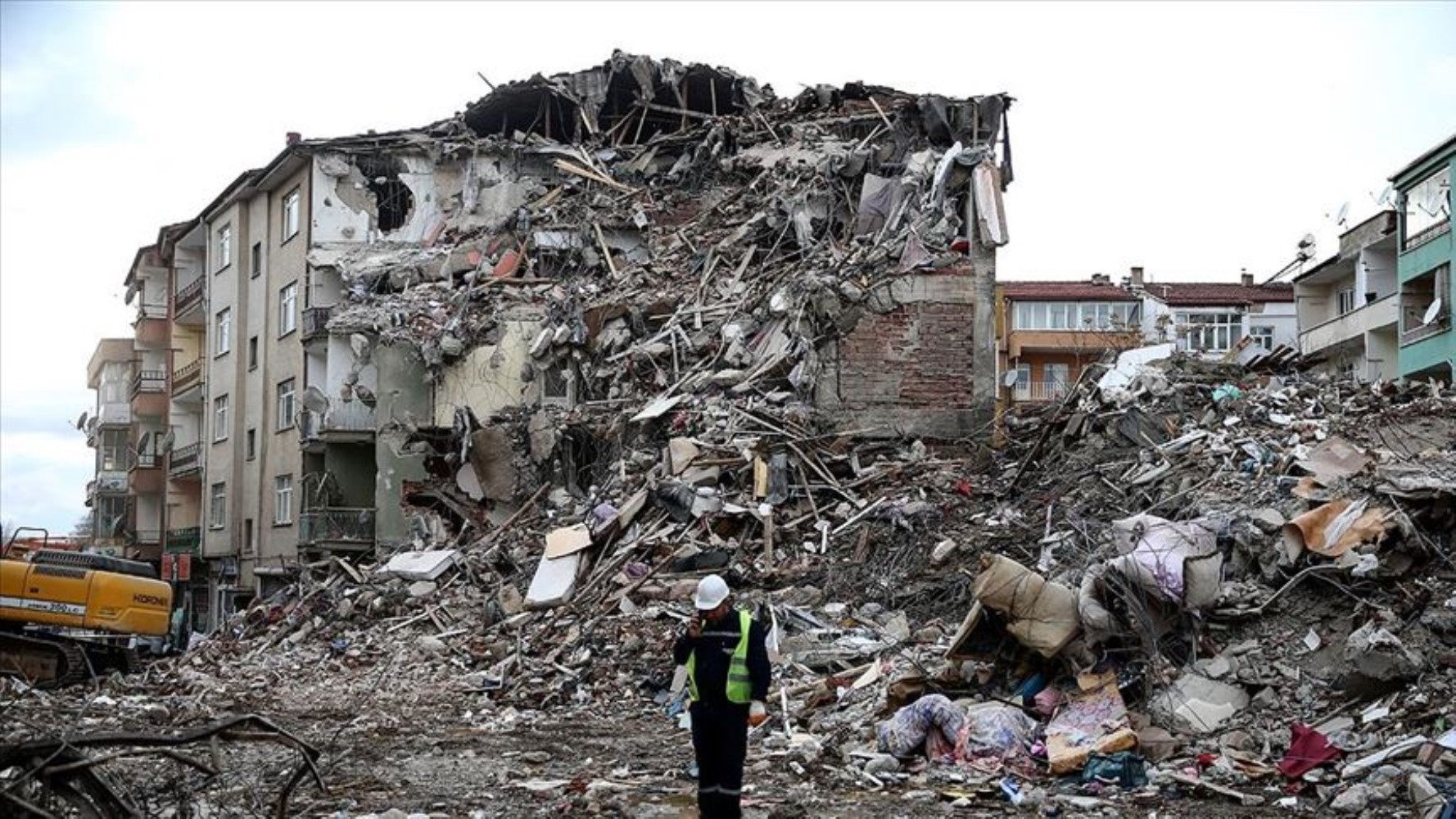
During the 1999 Gölcük earthquake, filled land areas and ports along the Marmara coast collapsed, causing ships to collide with one another. One of the claims put forward at that time was that tankers carrying harmful substances such as ammonia or oil could explode after the earthquake, affecting large areas.
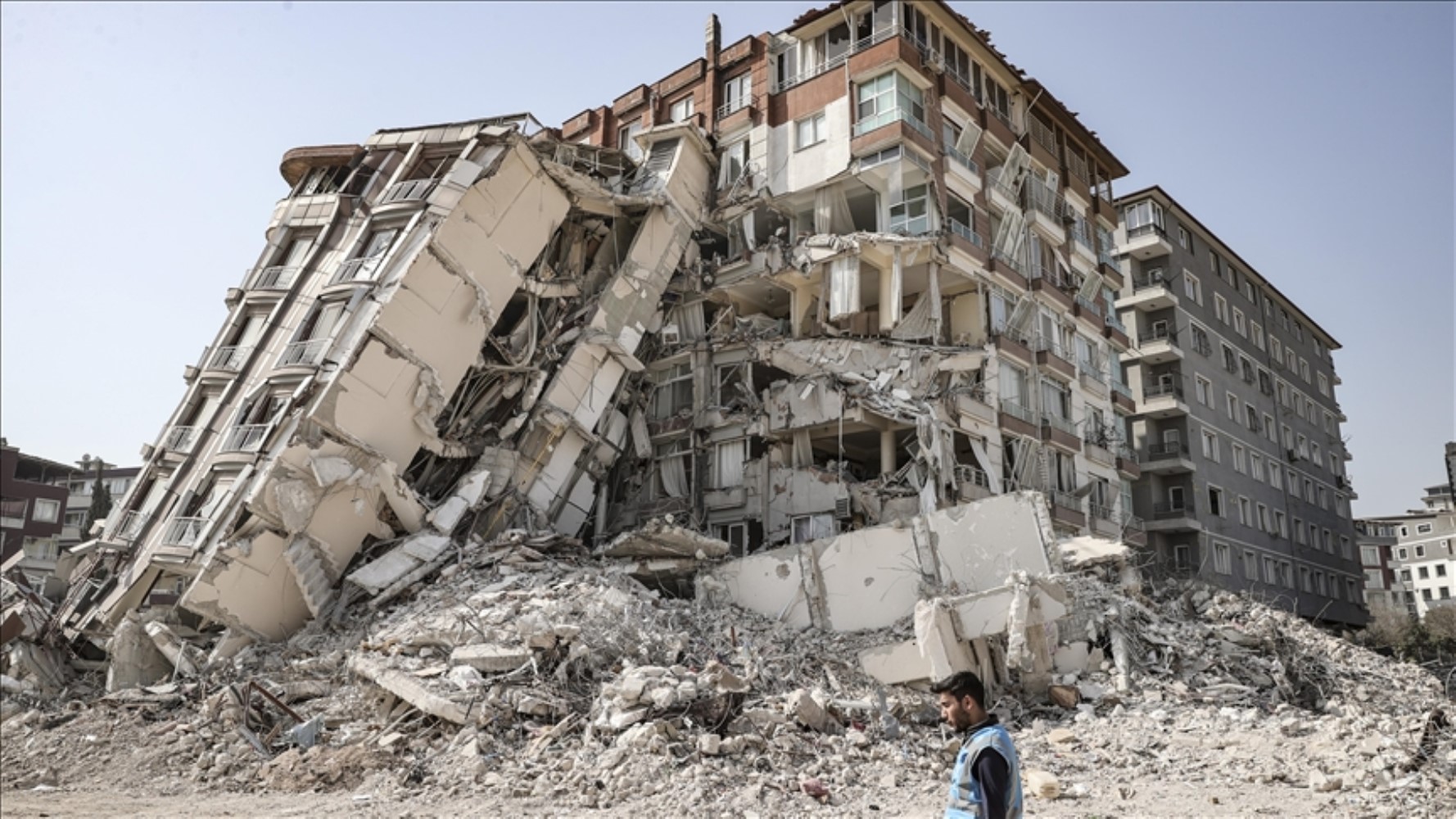
8 OR 9.5 MAGNITUDE EARTHQUAKE
METU Faculty Member Prof. Dr. Ahmet Cevdet Yalçıner stated that an earthquake of 8 or 9.5 magnitude is not expected in the Marmara:
"The fault movement in the Marmara could produce an earthquake of 7.2 or 7.4 magnitude. The tsunami effect might cause some movement on the sea surface, but it would not have a serious impact on ships in deep waters."
Yalçıner noted that boats smaller than 15 meters could be affected by a tsunami or tremors. For example, boats in Sığacık collided with each other due to tsunami waves. In regions with heavy traffic like the Marmara, however, deep waters allow ships to remain safer.
Scenarios regarding ships carrying hazardous materials are more striking. According to a study conducted by the Nautical Institute, an accident involving an ammonia-laden tanker could affect a wide area from Üsküdar to the Fatih Sultan Mehmet Bridge. However, it is emphasized that specific conditions must be met for this scenario to occur.
RULES FOR SHIPS UNDERWAY
ITU Faculty Member Prof. Dr. Serdar Kum said that ships operate according to safe distance rules:
"There are special rules for ships carrying dangerous cargo in maritime traffic. However, the main cause of collisions is human error. Earthquake-related accidents are rarely seen."
TSUNAMI AND RISKS
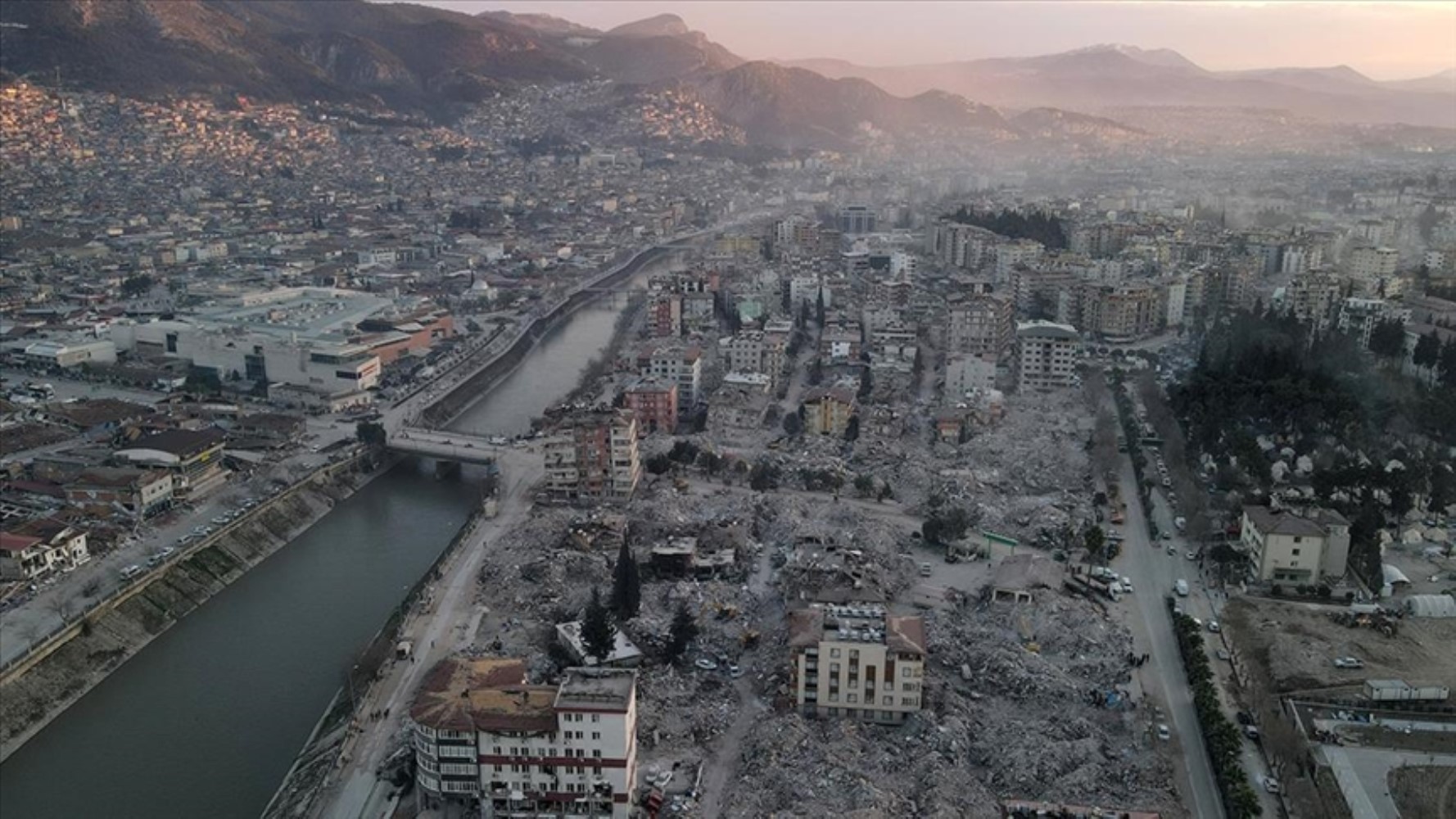
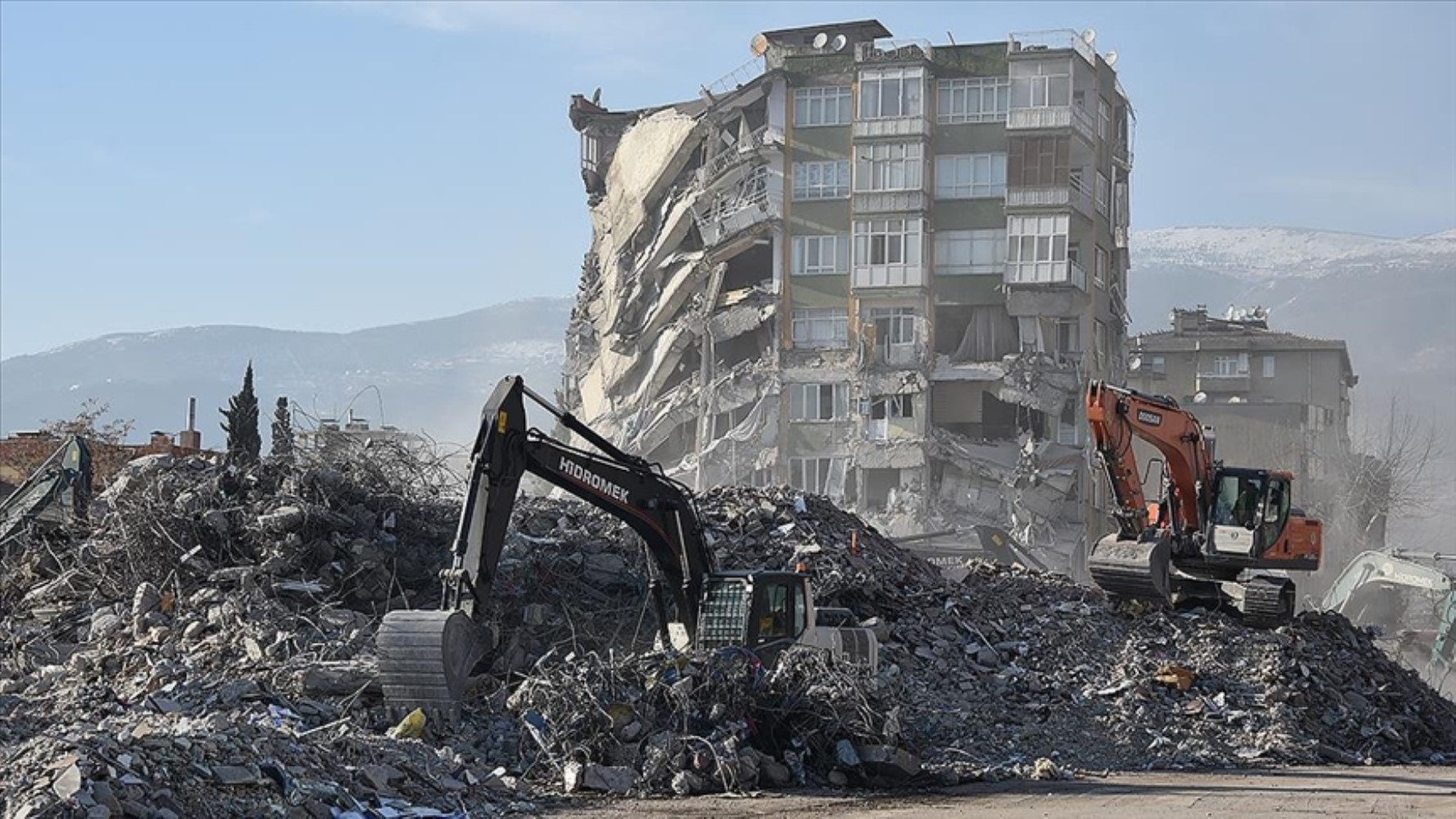
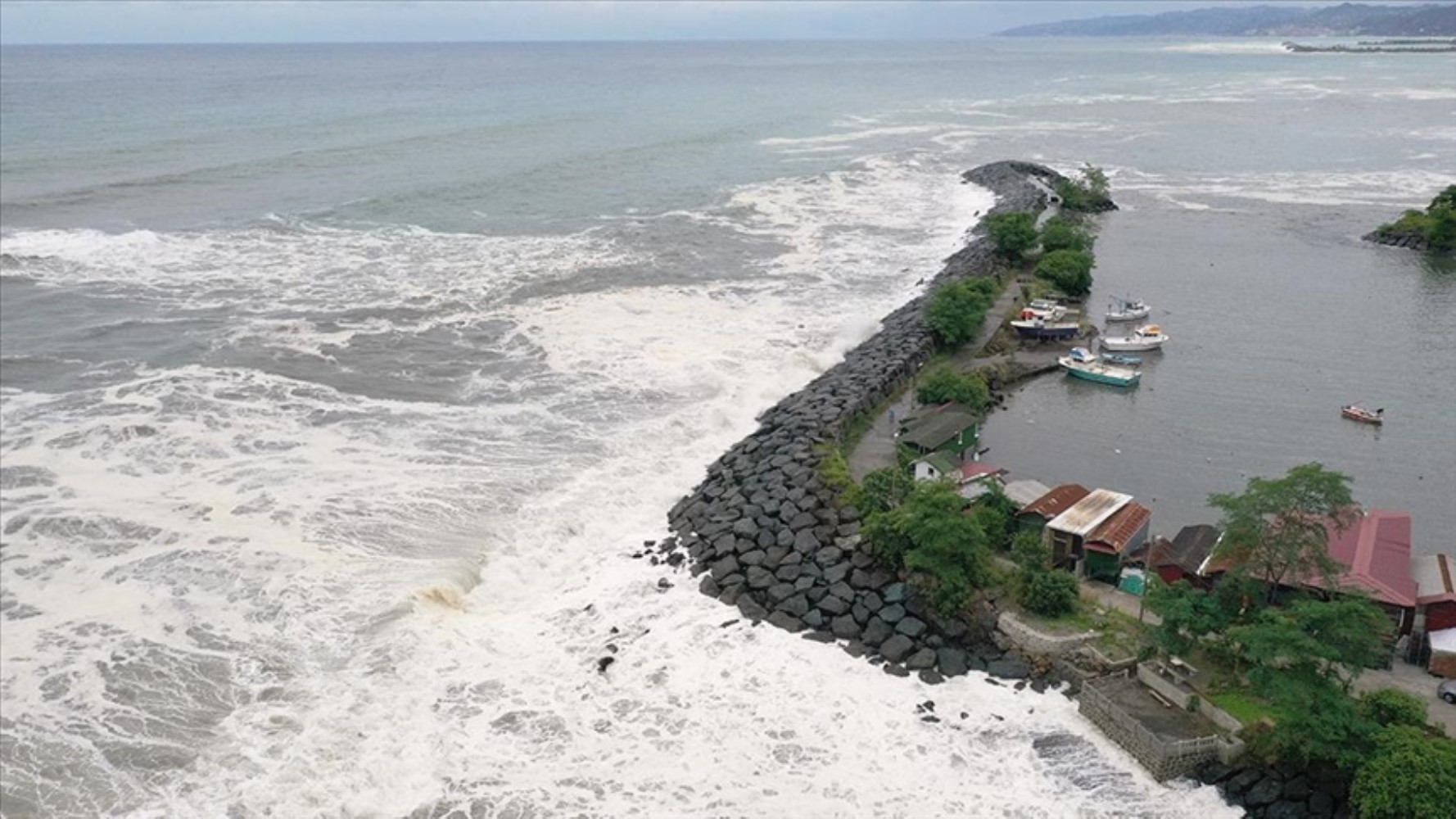
As seen in the 1999 Değirmendere earthquake, a tsunami can cause serious damage in shallow coastal areas. Ports and filled land areas are at risk due to the displacement of the seabed during an earthquake. It is emphasized that regulations should be made for ports and shipping routes by taking such risks into account.
IS THERE A MAJOR DANGER IN THE MARMARA?
Experts state that although they see the probability of ship accidents that could lead to a large-scale environmental disaster in the Sea of Marmara as low, the risks that could be created by human error and the tsunami effect should not be ignored. Istanbul's heavy ship traffic and population density in coastal regions make potential scenarios more critical.