Crisis allegations in the resolution process... Ankara reacts! 'Autonomy crisis' sparks debate: Did expectations of dissolution fall flat?
The final declaration of the Kurdish National Conference has caused disappointment in Ankara. The emphasis on federation and autonomy has changed the course of the process, while eyes have turned to the PKK's potential decision to dissolve and the stance of terrorist leader Öcalan.
12punto
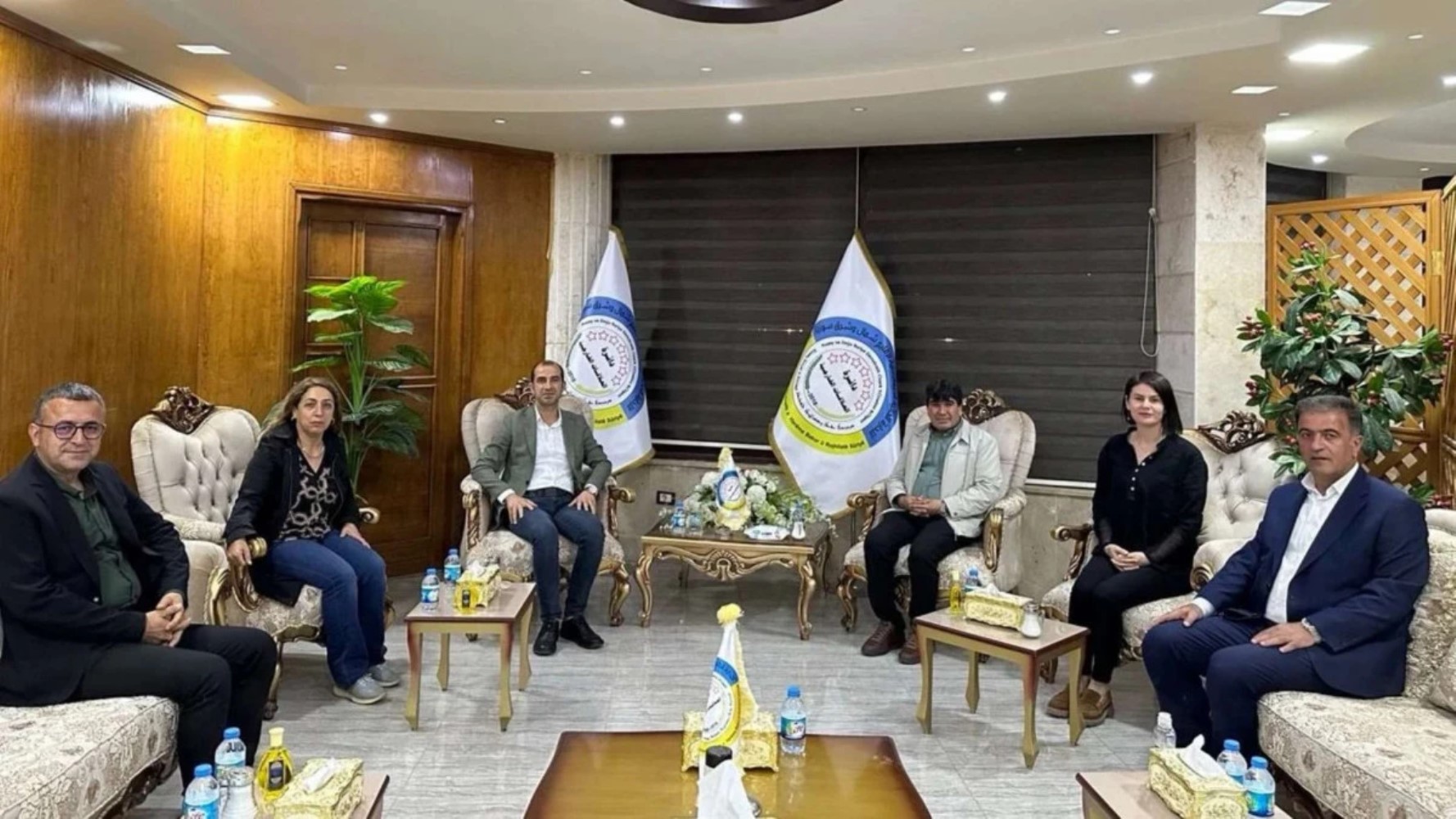
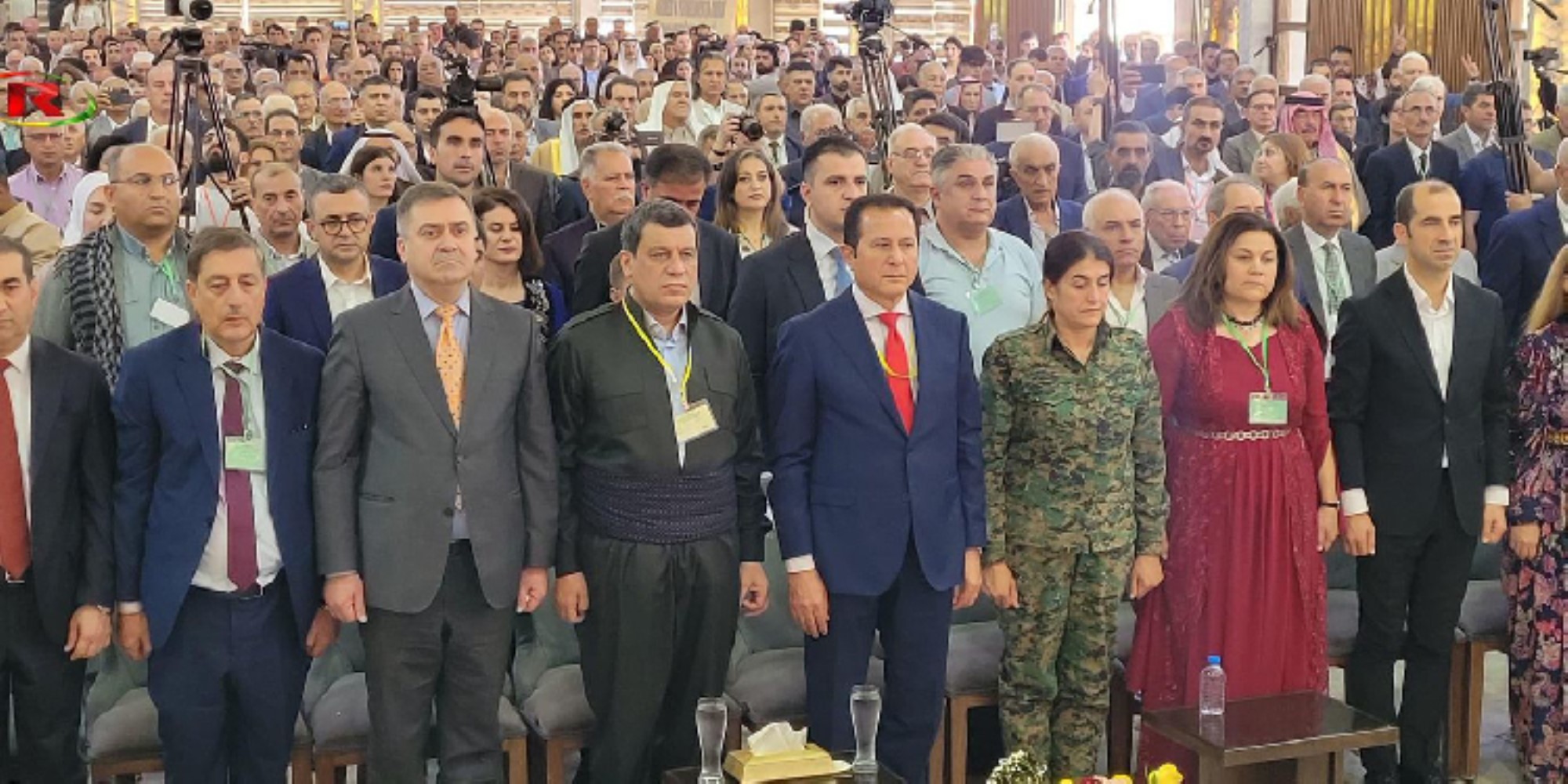
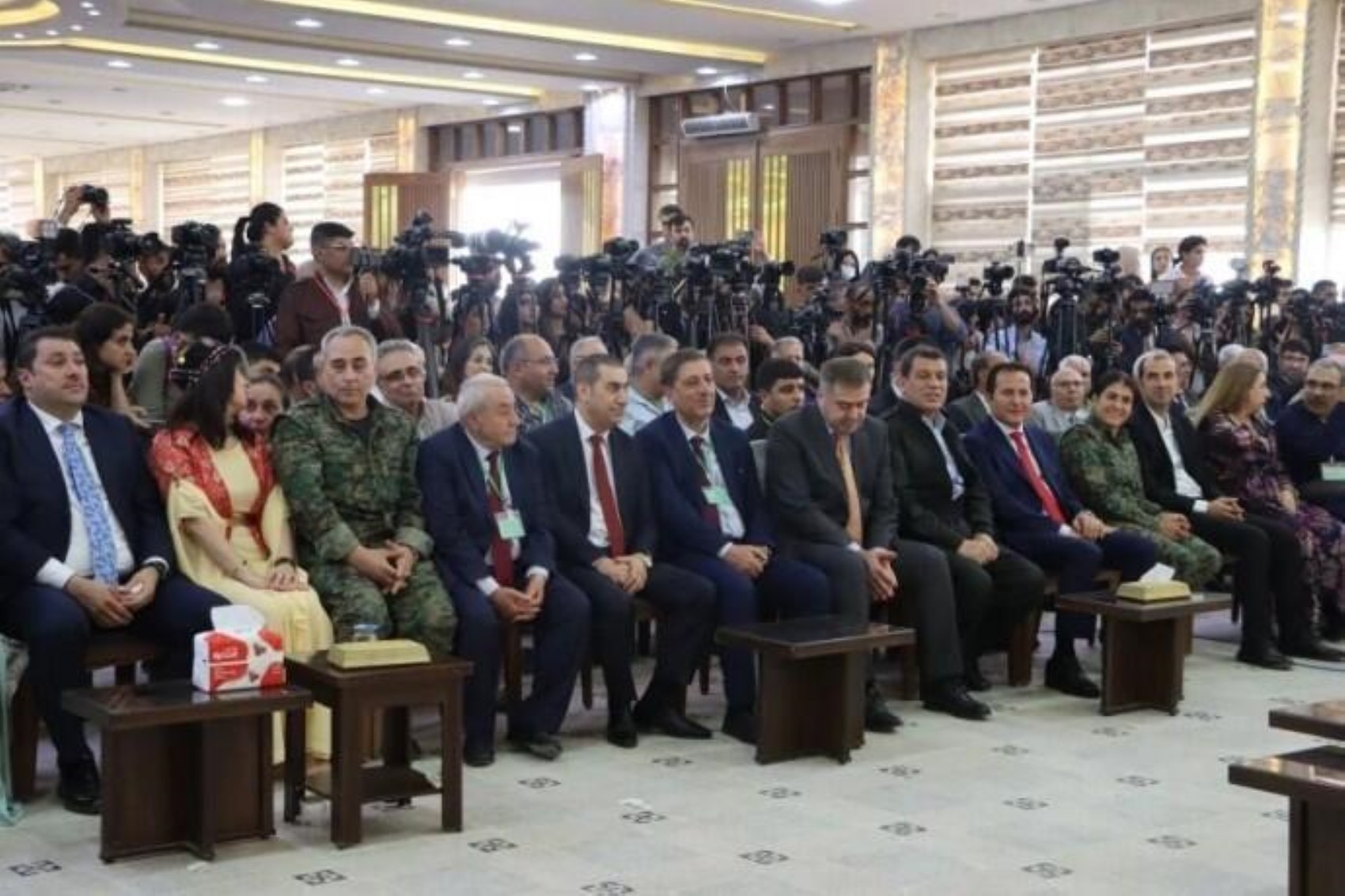
At a time when expectations regarding the reconciliation process and the potential dissolution decision of the terrorist organization PKK are rising, the final declaration of the Kurdish National Conference has caused serious discomfort in Ankara. Expressions in the declaration pointing to autonomy and a federal structure, in particular, led to comments in government circles that "they are provoking the process."
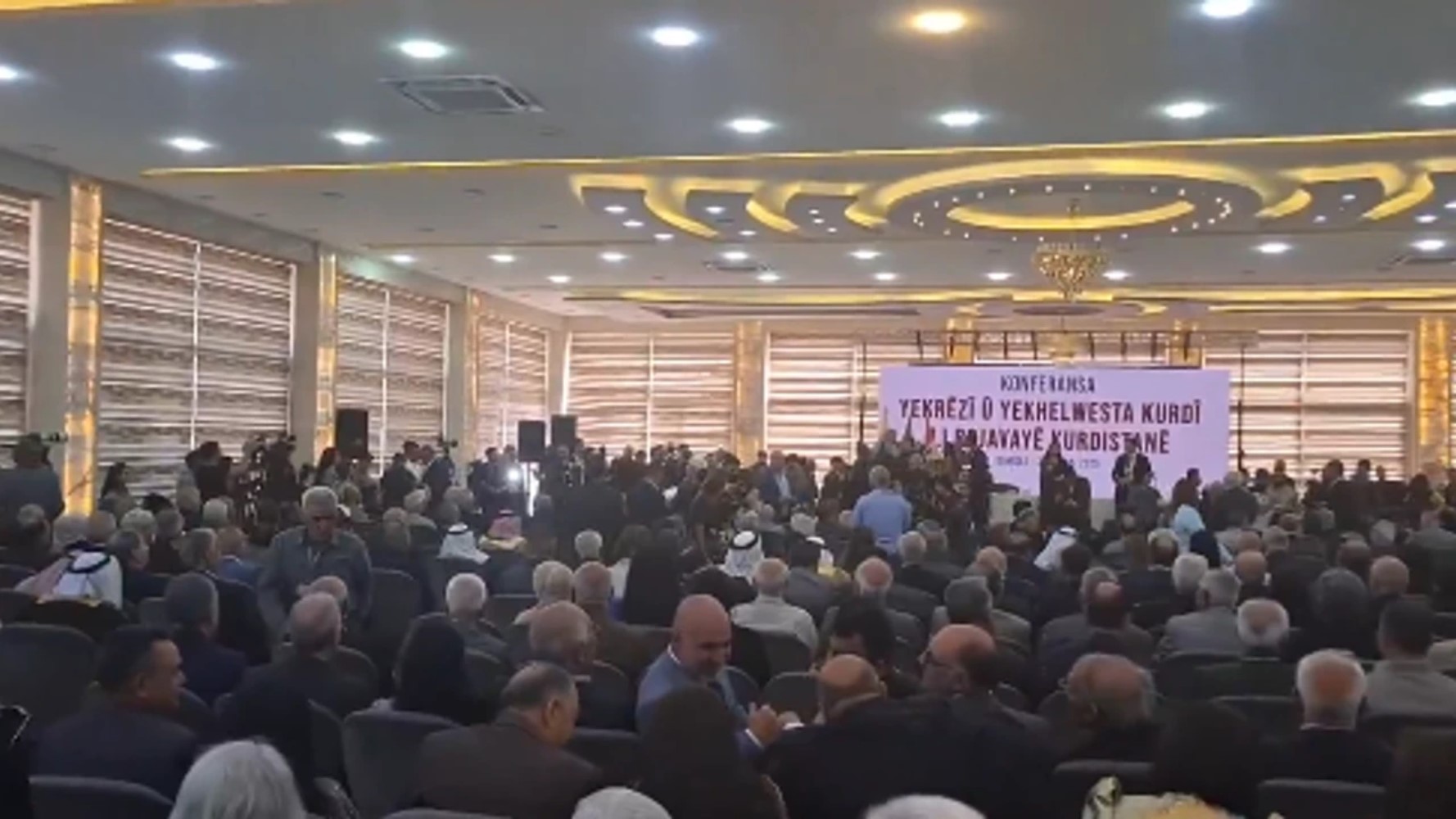
According to an article by Nuray Babacan from Nefes, Ankara had no objections to the general assessments in the declaration regarding the future of Syria, the establishment of a democratic infrastructure, and the protection of the rights of all minorities. However, the term "decentralized administration" requested for northeastern Syria was interpreted in Turkey as an "explicit demand for a federation or autonomous region" and was met with a reaction.
Ankara states that these demands represent a red line for Turkey. Government officials closely following the process stated, "No structure imposed as a fait accompli without the approval of the Syrian people can be accepted," and expressed that Turkey would interpret such an approach as an "intention to continue the war."
On the other hand, it is emphasized that the Syrian administration's statement that "the territorial and popular integrity of Syria is a red line for us" is also being closely monitored by Ankara. Turkey believes that any model based on separation in Syria poses a threat in terms of its own border security and the balance of ethnic structures in the region.

Highlights from Nuray Babacan's article are as follows:
The final declaration of the Kurdish National Conference, which will determine the fate of the reconciliation and clarify the PKK's dissolution process, has caused disappointment in Ankara. Expressions meaning federation and autonomous region are clearly rejected. The Ankara administration is commenting, "We read this as them wanting to continue the war."
AUTONOMY CRISIS
It is understood that there were no problems with the general assessments in the meeting's final declaration regarding the future of Syria, the creation of a democratic infrastructure, and the protection of the rights of all minorities.
However, the demand for a decentralized form of administration for the northeastern region of Syria was interpreted as clearly meaning a federal structure or an autonomous region, and that is where the situation broke down.
The Syrian administration's statement, referring to these expressions in the declaration, that "the territorial and popular integrity of Syria is a red line for us, and any violation or deviation from this is considered an attack on Syria's unified identity" is considered important by Ankara.

ANKARA WILL HARDEN ITS STANCE
Officials closely monitoring this process evaluated what this expression means for Turkey, stating, "It is unacceptable for Turkey. No one accepts a fait accompli without the consent of the Syrian people. Turkey reads this approach as 'they want to continue the war'..."
Ankara's position is at the point of, "The government's position is clear. A separate structure in Syria is unacceptable and will be fought against. The Syrian administration will also not compromise on its unitary structure. What happens after this is their business..."
EYES ON ÖCALAN
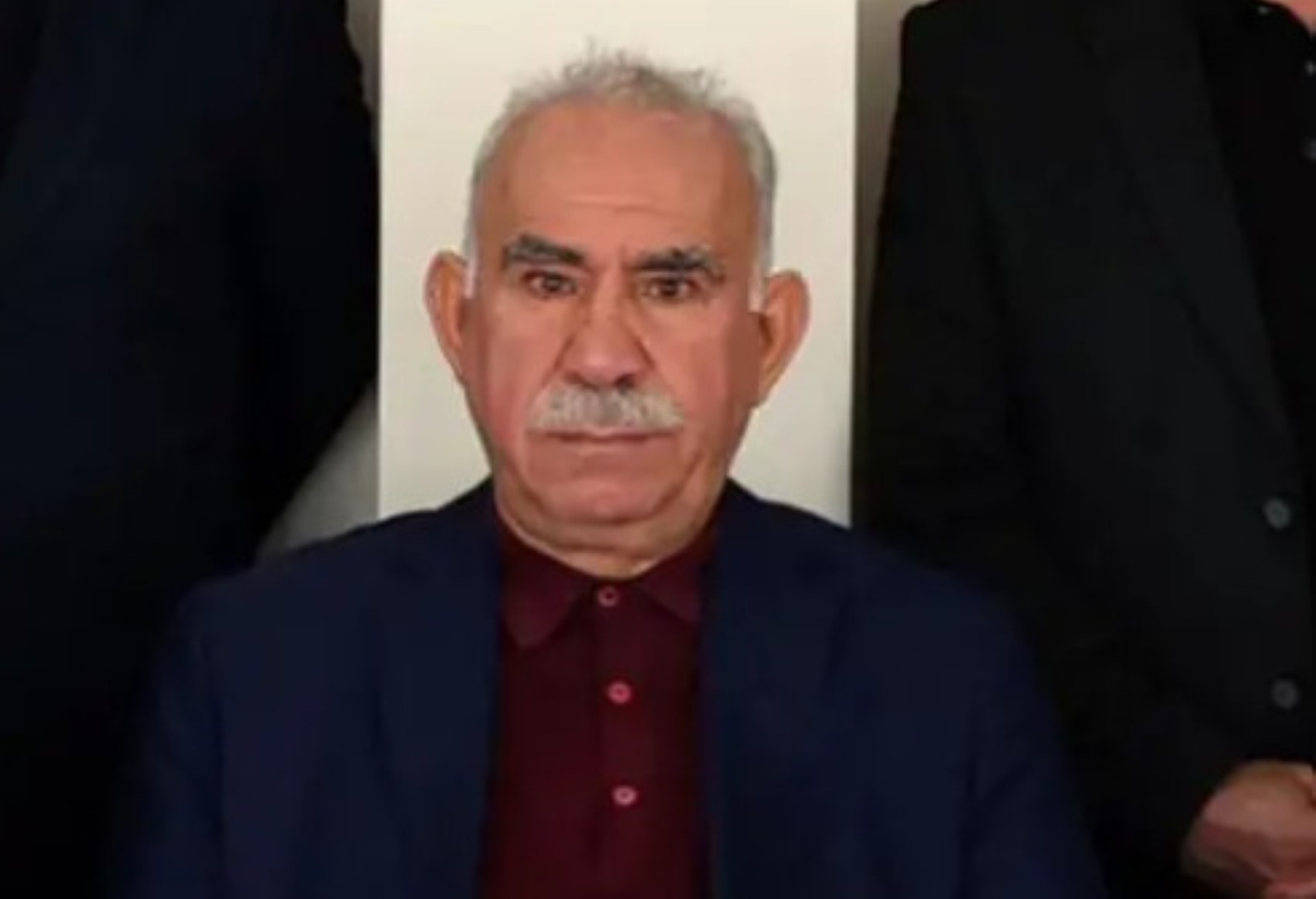
Naturally, all these developments concern how they will affect the potential congress where the PKK is expected to announce its decision to dissolve itself—a decision that was said to be made in the first half of April, then the second half of April, and now at the beginning of May. What PKK leader Abdullah Öcalan will say is particularly important.
This is because some of the assessments made in Ankara suggest that the process is being provoked by certain factions within the PKK and that this is being exploited by some countries. Although the US is not playing an effective role in the equation, the factors of Israel, the UK, and Iran are being openly discussed. Comments are being made that "they are looking to create subcontractors in the region."
THOSE SAYING 'LET'S GIVE IT TIME'
Some AKP members, who state that they have said from the beginning that the process would be painful, say that it is necessary to give it some time and see how developments unfold. They argue that the initial plan is still in effect and that the process will return to this route over time.