Earthquake storm in the Aegean! Will the activity in Santorini affect Turkey?
The earthquake storm that has been ongoing in the Aegean Sea for 4 days has caused great anxiety in Turkey and Greece. In the region where more than 500 earthquakes have been recorded, experts are issuing warnings regarding potential tsunamis and major earthquakes. Here are the effects of the activity in the Aegean on Turkey and the striking statements from experts...
12punto
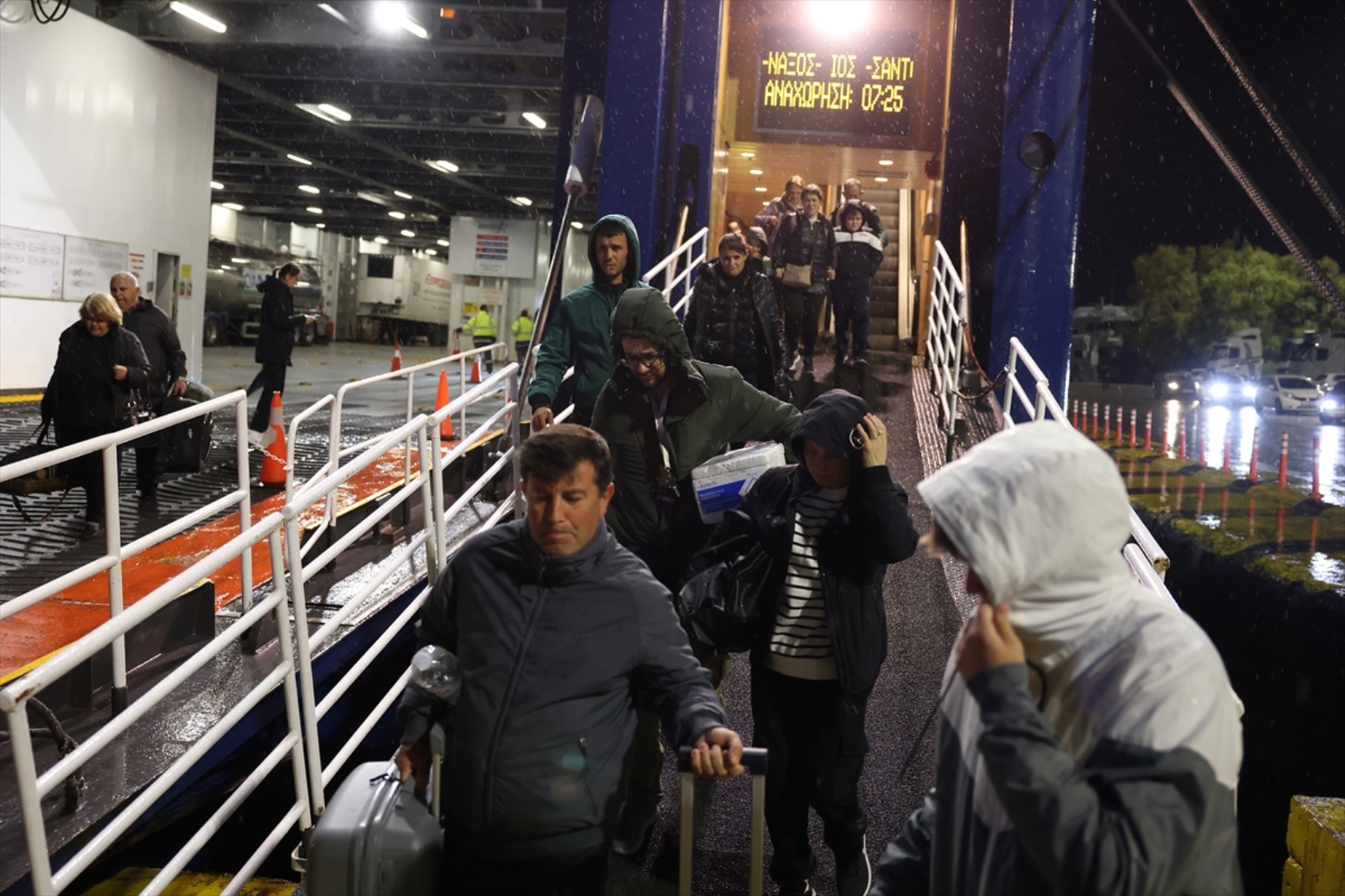
Santorini Island has been associated with earthquakes, volcanic eruptions, and tsunamis throughout history. The region took on a crescent shape after a massive volcanic eruption in the 1600s B.C. The earthquake storm, last seen in 2012, has shown its effect again in the first days of February.
Two earthquakes with a magnitude of 7.4 that occurred in 1956 caused a major tsunami.
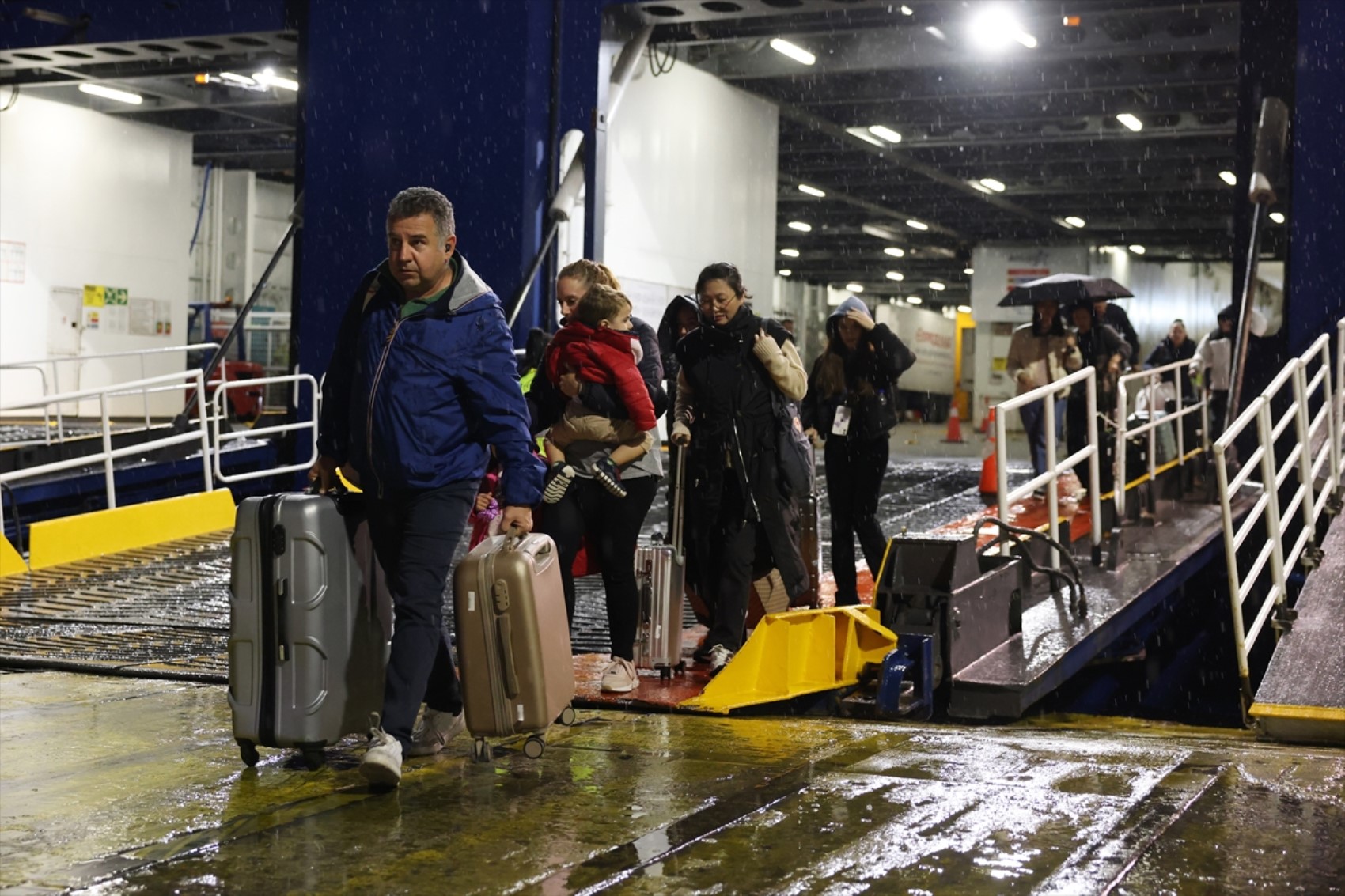
A CRITICAL POINT FOR VOLCANIC ACTIVITIES
Santorini and its surroundings are located at a critical point in terms of volcanic activity as they are situated on the Aegean Volcanic Arc.
The activity in the region, which is 180 km from Muğla and 250 km from İzmir, could also affect the Turkish coast.
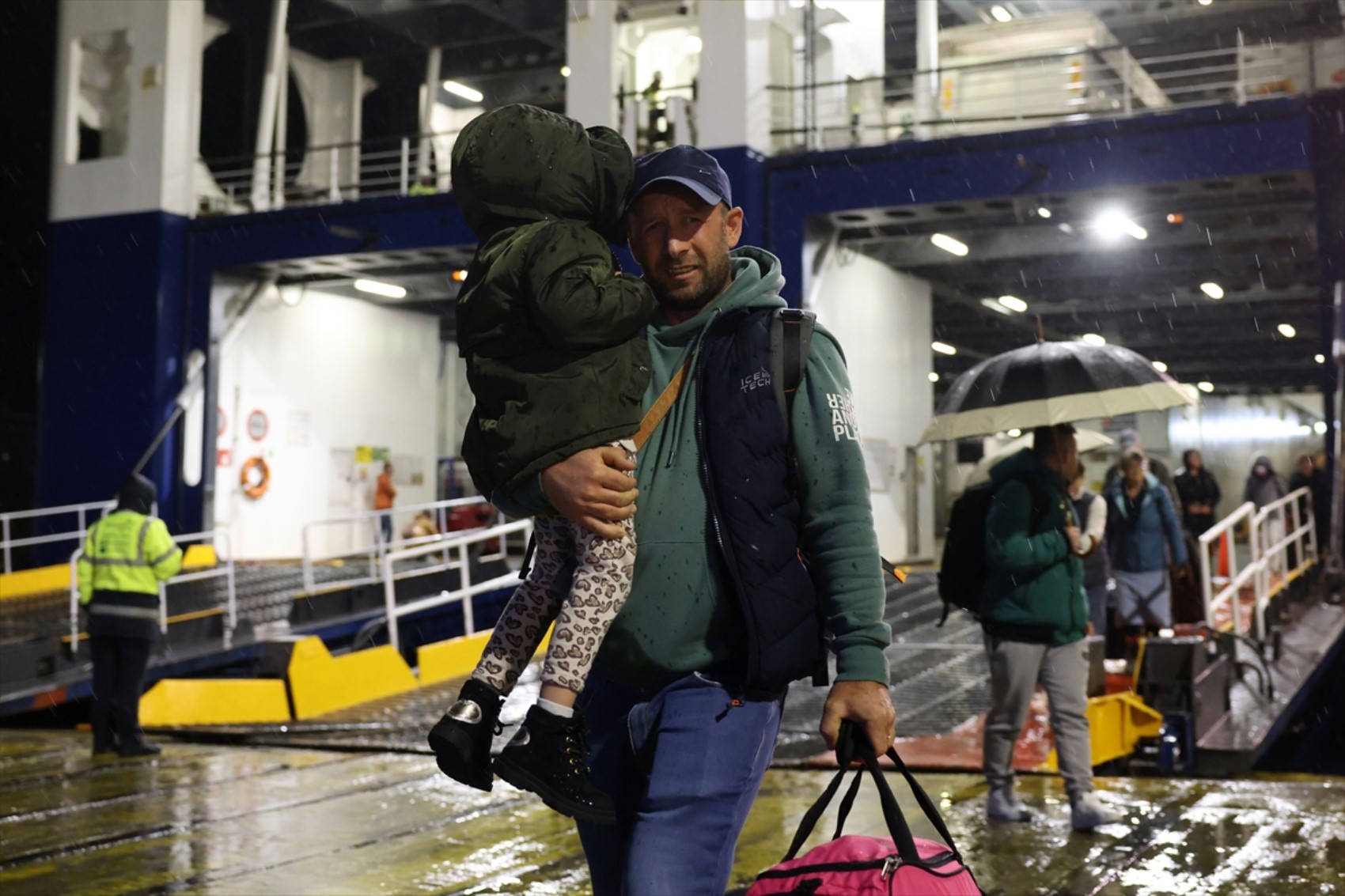
"EARTHQUAKE STORM COULD LEAD TO A TSUNAMI"
Speaking to Milliyet, Prof. Dr. Ahmet Cevdet Yalçıner, a faculty member at the METU Department of Civil Engineering, stated that the earthquakes occurring in the Aegean are linked to active fault movements located on the Hellenic Arc.
"The seismic activity observed in Santorini shows that the active faults and volcanic structure in the region are still alive. After the 1956 Amorgos Earthquake, tsunami waves reaching 1 meter were recorded in Fethiye. The current activity reveals that there is a similar risk."
Yalçıner also emphasized that if the duration of an earthquake exceeds 25-30 seconds on the Turkish coast, one should move to higher ground against the risk of a tsunami.
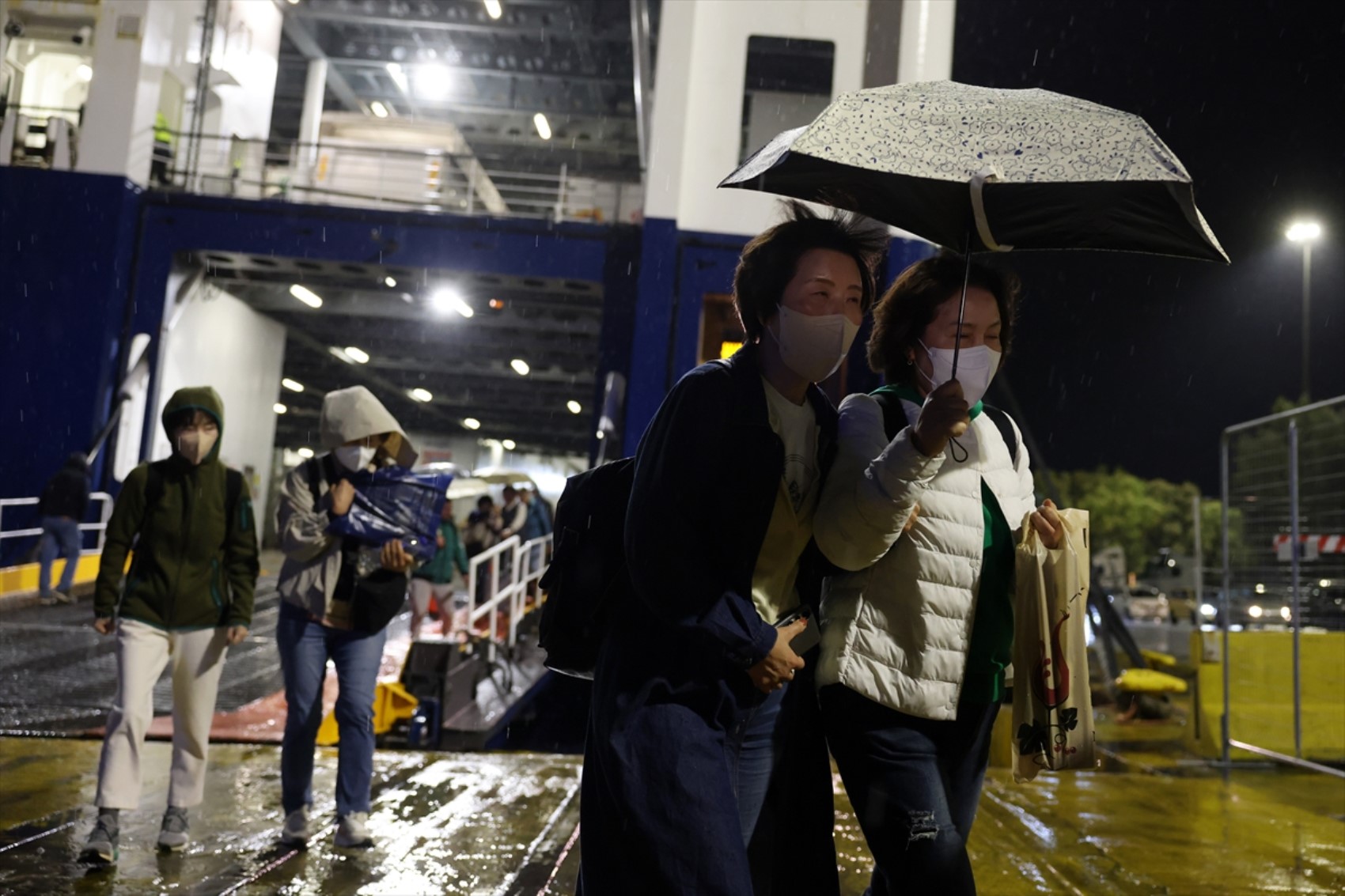
"SIMILAR SOUNDS WERE HEARD DURING THE 1999 GÖLCÜK EARTHQUAKE"
Assoc. Prof. Dr. Bülent Doğan, a geologist and faculty member at the Kocaeli University Department of City and Regional Planning, stated that the rumblings heard along with the seismic activity in and around Santorini could be related to underground gas releases or seafloor movements.
"Similar sounds were heard during the 1999 Gölcük Earthquake. If there is currently a temperature change or gas release in the Earth's crust in Santorini, this could be a sign of volcanic activity."
Stating that the activity in the region could have serious consequences on the Mediterranean and Aegean coasts, Doğan emphasized that earthquakes of magnitude 6 and above could also occur within Turkey's blue borders.
CAN AN EARTHQUAKE STORM PRODUCE A MAJOR EARTHQUAKE?
Prof. Dr. Şerif Barış, a faculty member at the Kocaeli University Department of Geophysical Engineering, stated that earthquake storms may not always result in a major earthquake.
"Sometimes earthquake storms can last for a few days, sometimes for months. However, it is not a requirement that they always produce a major earthquake. During the 1995 Dinar Earthquake, there were first earthquakes of magnitude 4-5, people went outside, but the major earthquake occurred 3 days later. A similar scenario could happen in Greece."
Prof. Dr. Barış added that emergency plans against the risk of a tsunami on the Turkish coast should be updated.
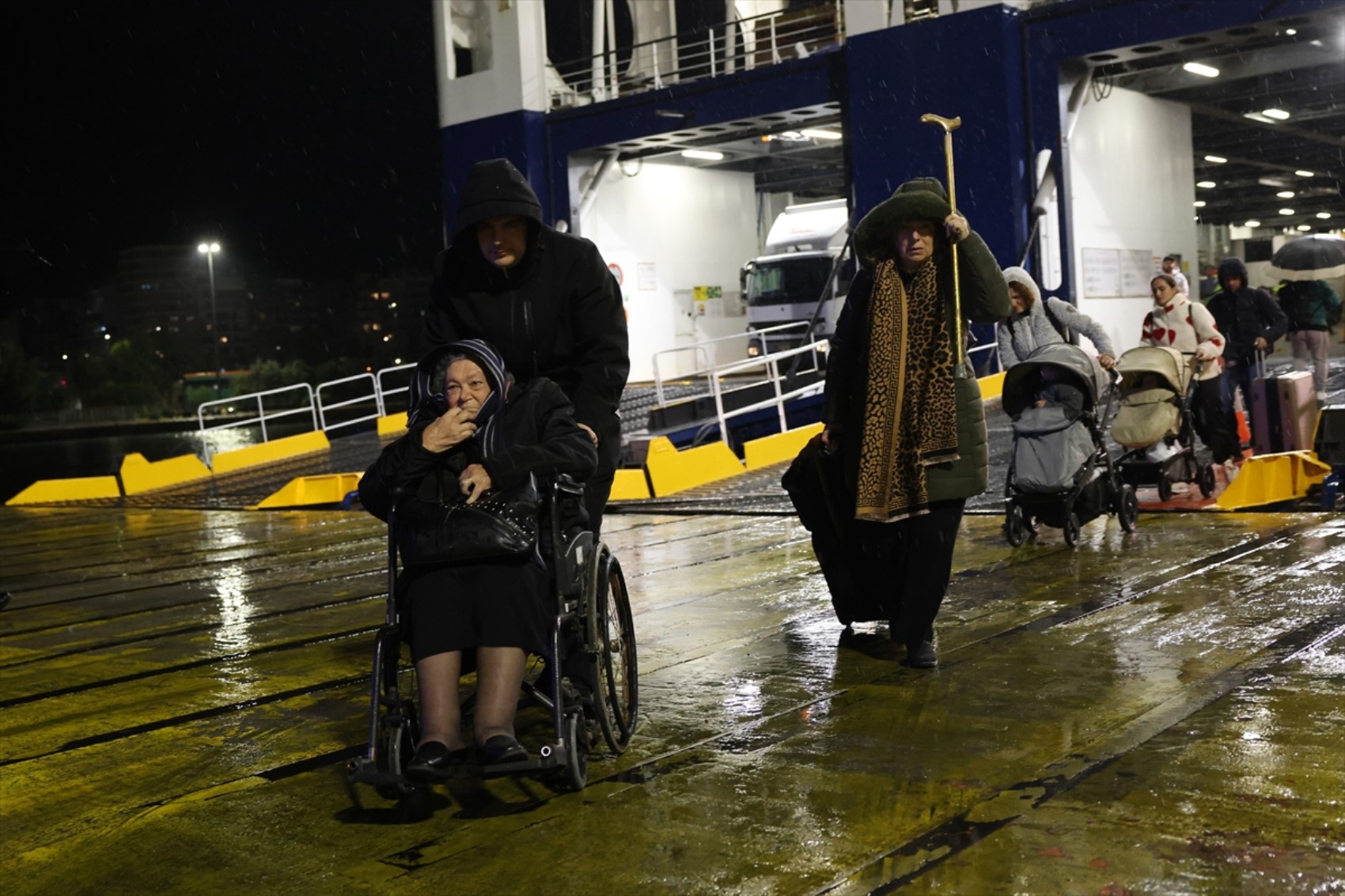
IS TURKEY READY FOR AN EARTHQUAKE AND TSUNAMI?
Turkey is a country located on active fault lines and can face a major earthquake at any moment. According to experts, increasing individual and institutional disaster plans is of vital importance.
The "Provincial Risk Reduction Plans" carried out by AFAD across Turkey must be implemented completely.
Tsunami drills and early warning systems should be strengthened in coastal cities.
Companies and public institutions should create disaster scenarios.
With the suggestion of Prof. Dr. Şerif Barış, the need to establish a Ministry of Disaster in Turkey, as is the case in European Union countries, Japan, and the USA, has once again come to the agenda.