Earthquake swarm in the Aegean Sea causes alarm! Additional ferry and flight services arranged
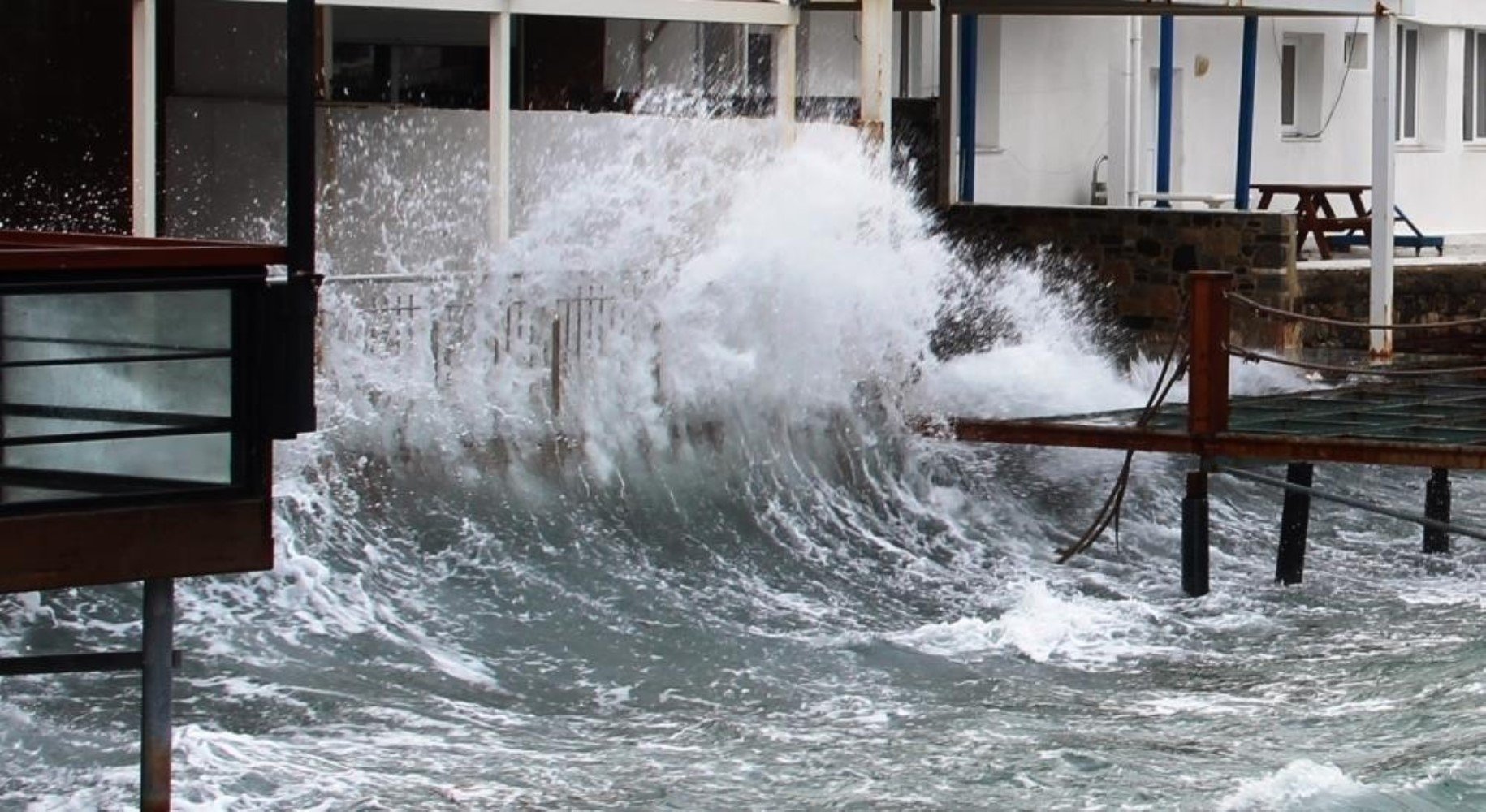
More than 500 earthquakes in the Aegean Sea have put Greece on high alert, with tsunami warnings issued and a state of emergency declared for volcanic eruptions on several Greek islands, most notably Santorini. Schools have been closed, outdoor events have been banned, and calls have been made for people to stay away from the sea and swimming pools.
12punto
An earthquake swarm is occurring in the Aegean Sea. Over the past week, more than 400 earthquakes with magnitudes ranging from 1.3 to 4.8 have occurred in the region. The tremors were felt in parts of Turkey as well. As the earthquakes have put Greece on high alert, tents have been set up in the outdoor stadium in Santorini, and police and fire departments are on standby. Special disaster response teams and search-and-rescue dogs are being kept ready.
"STAY AWAY FROM 4 SMALL PORTS"
Island residents have been advised to avoid large outdoor events and to stay away from four small ports, particularly the Fira Port, which serves cruise ships.
Greek Prime Minister Mitsotakis called for calm among the public following the tremors.
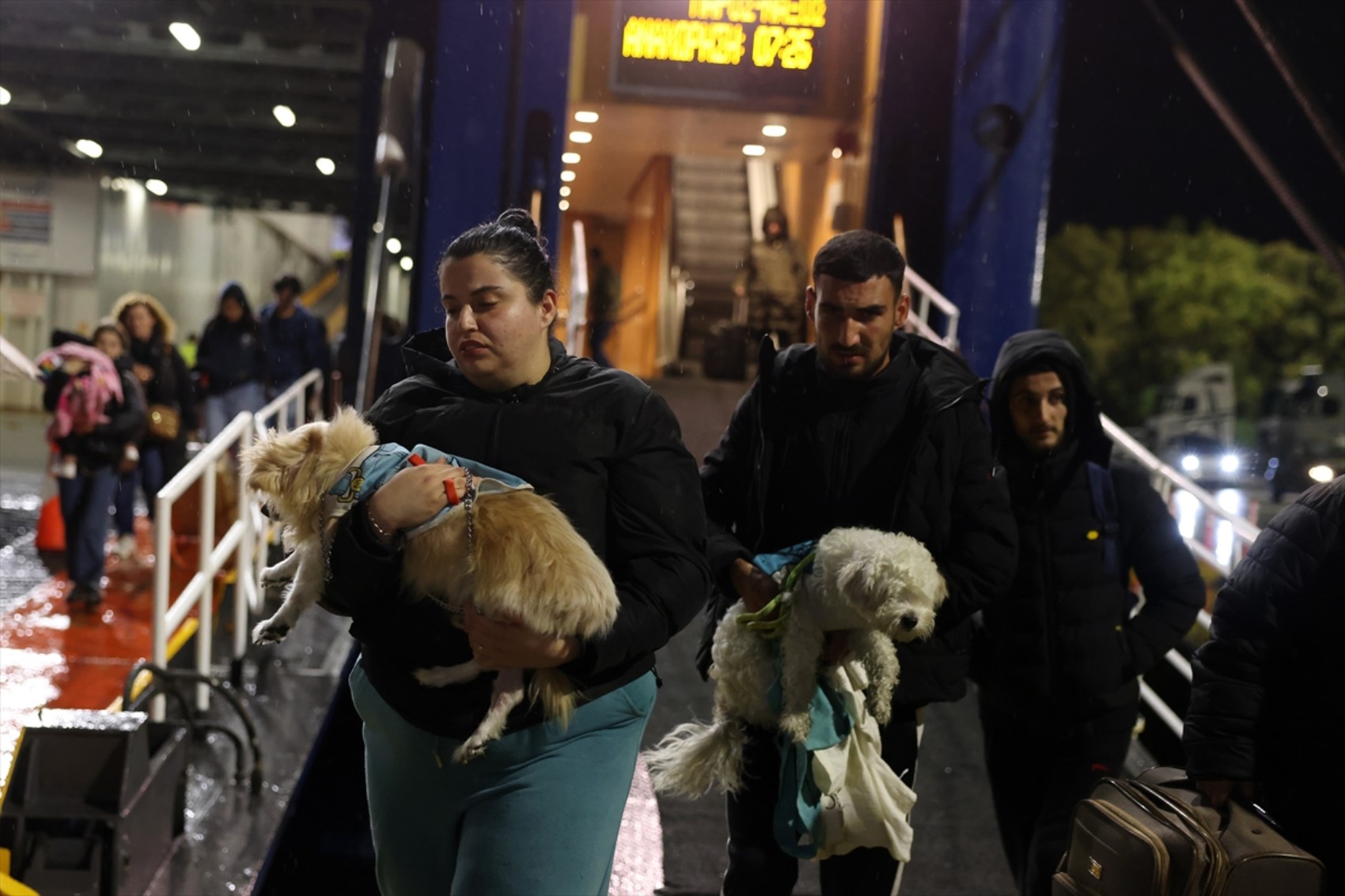
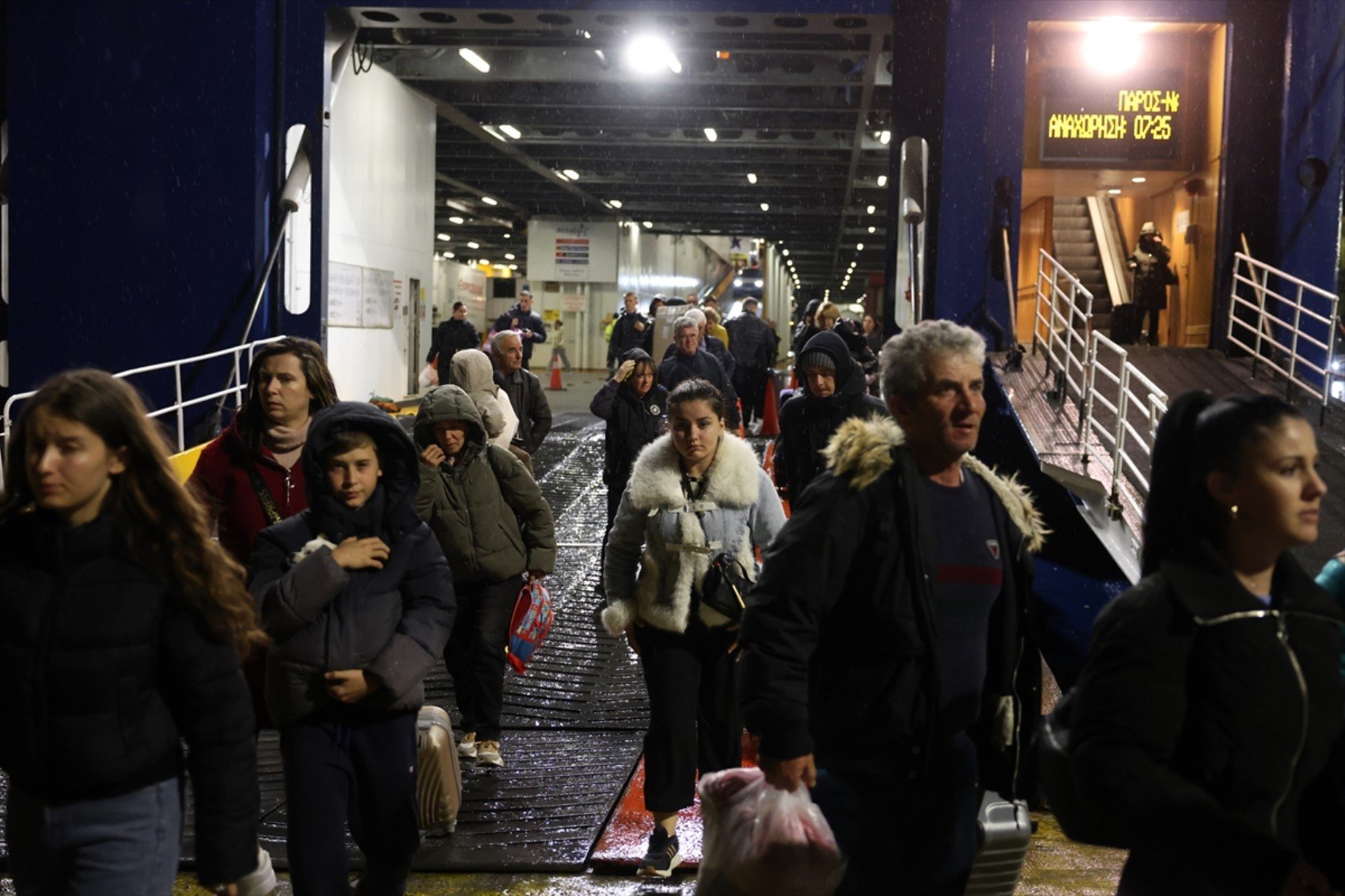
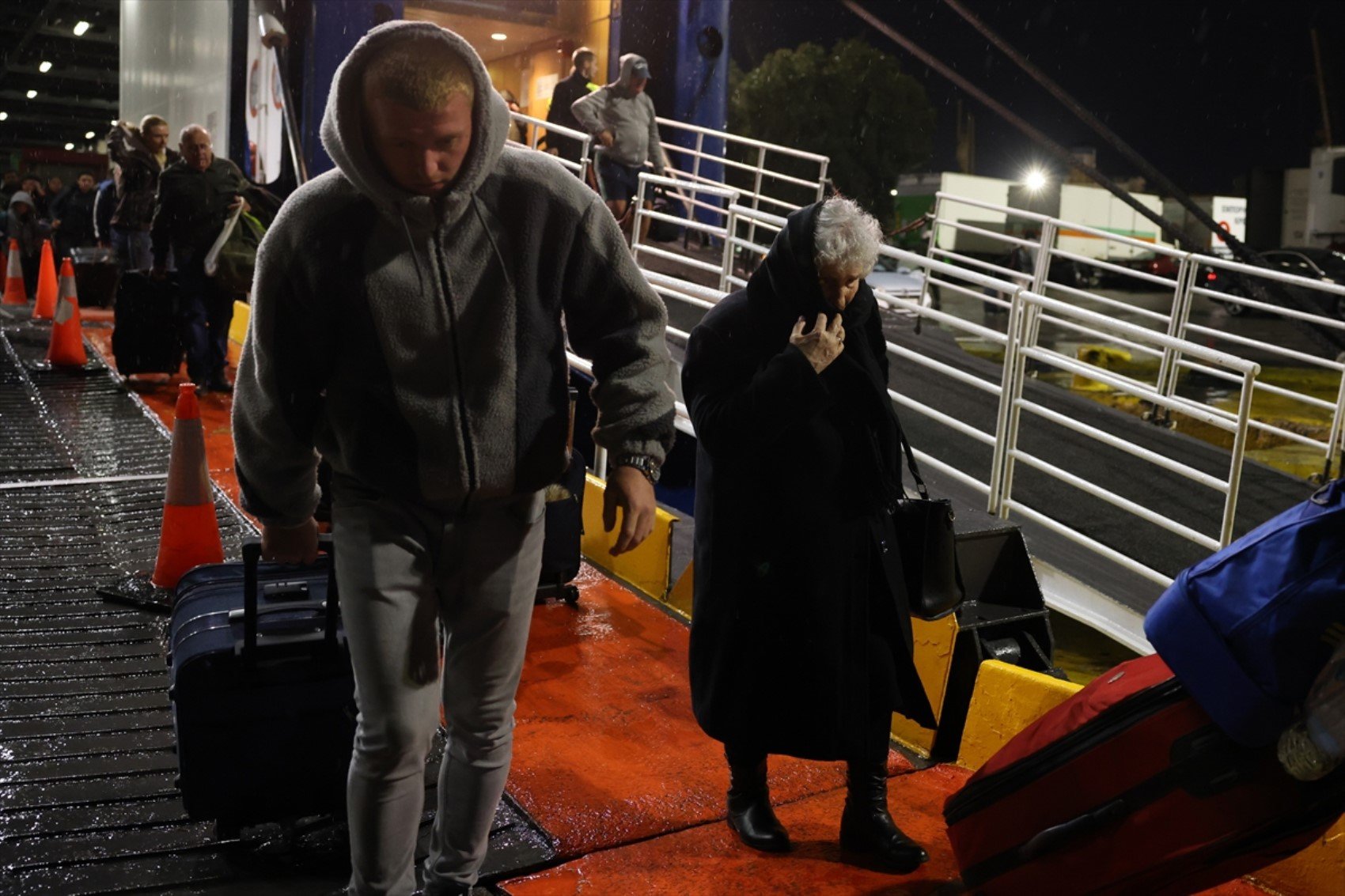
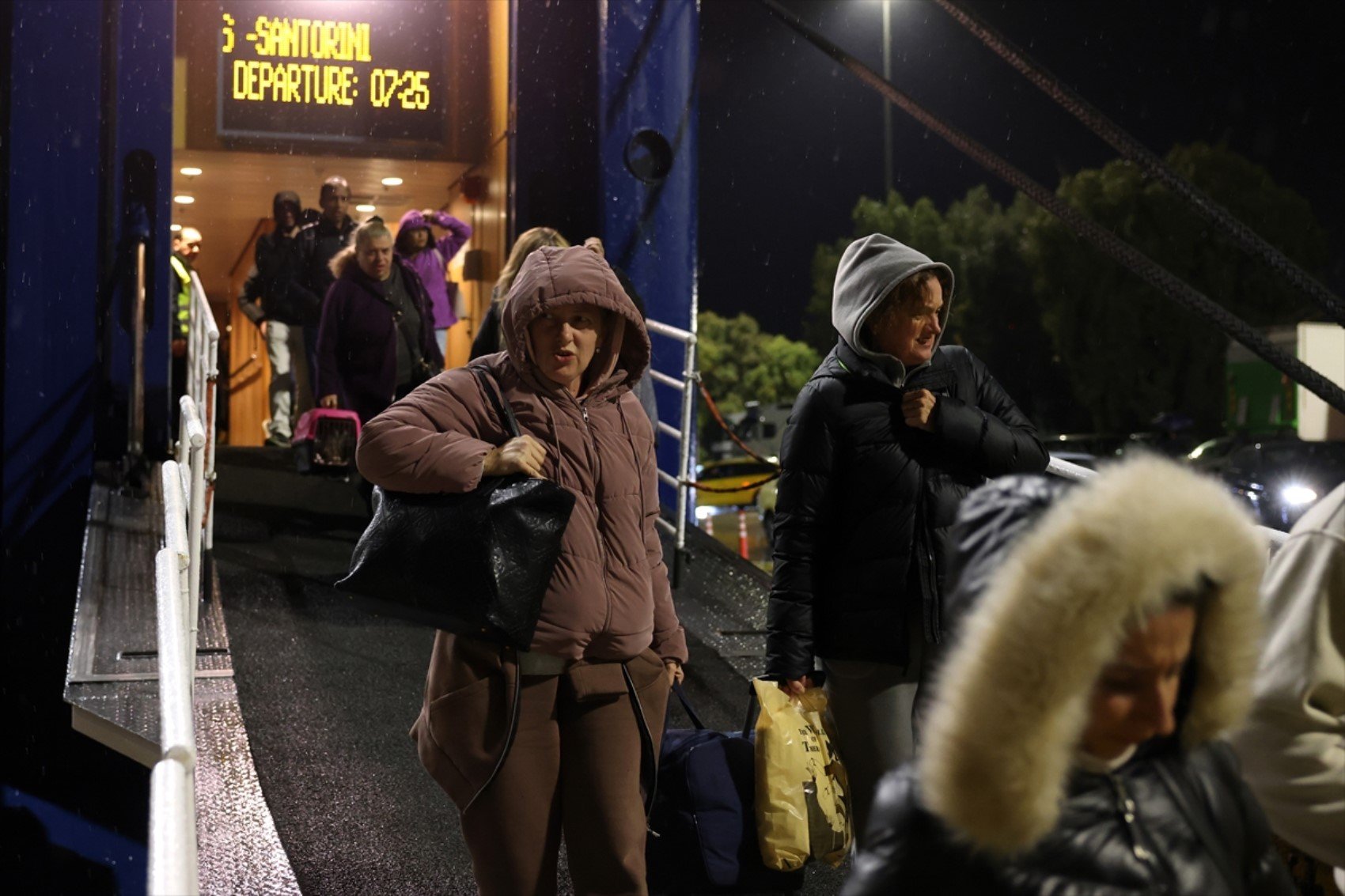
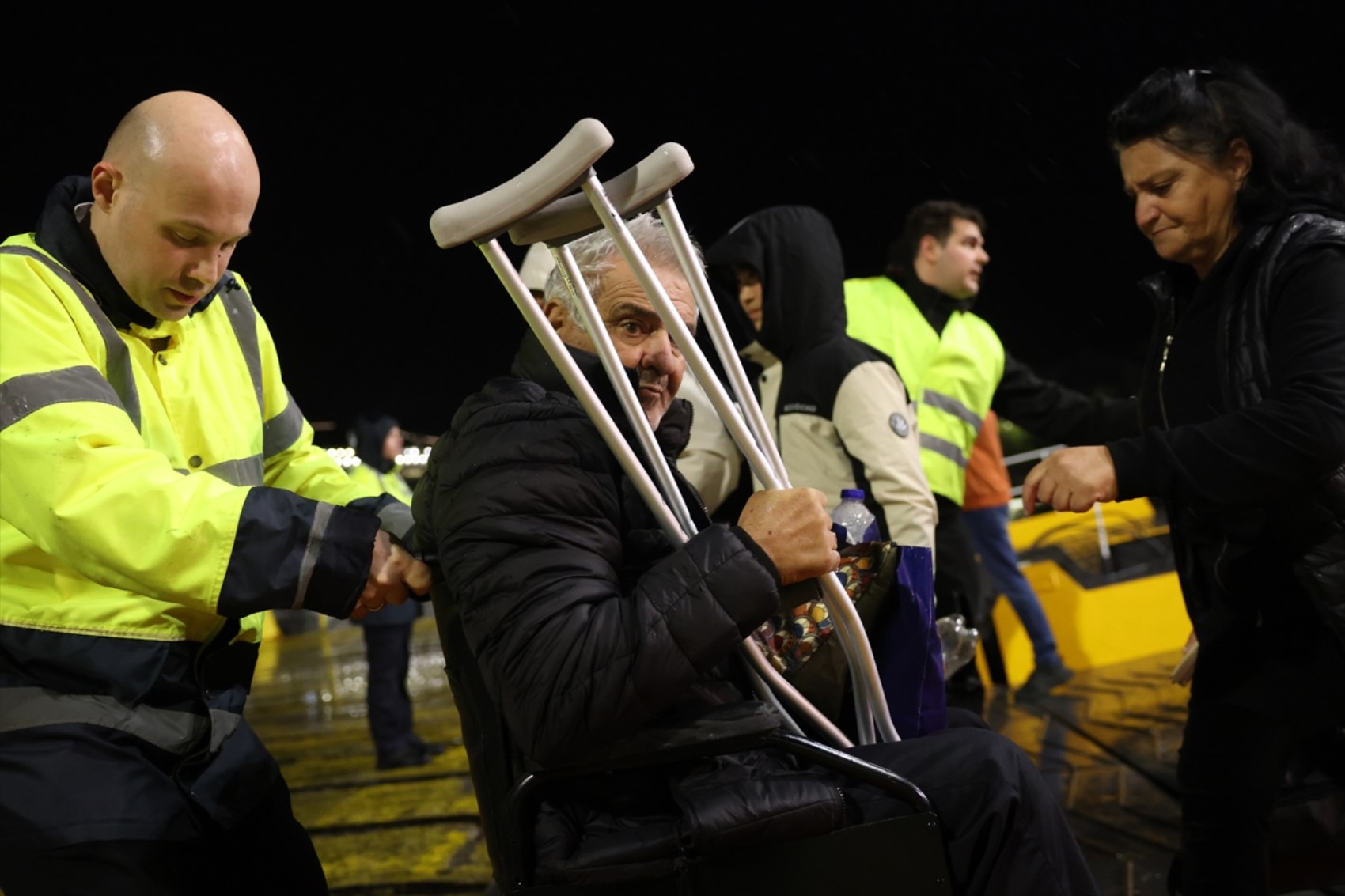
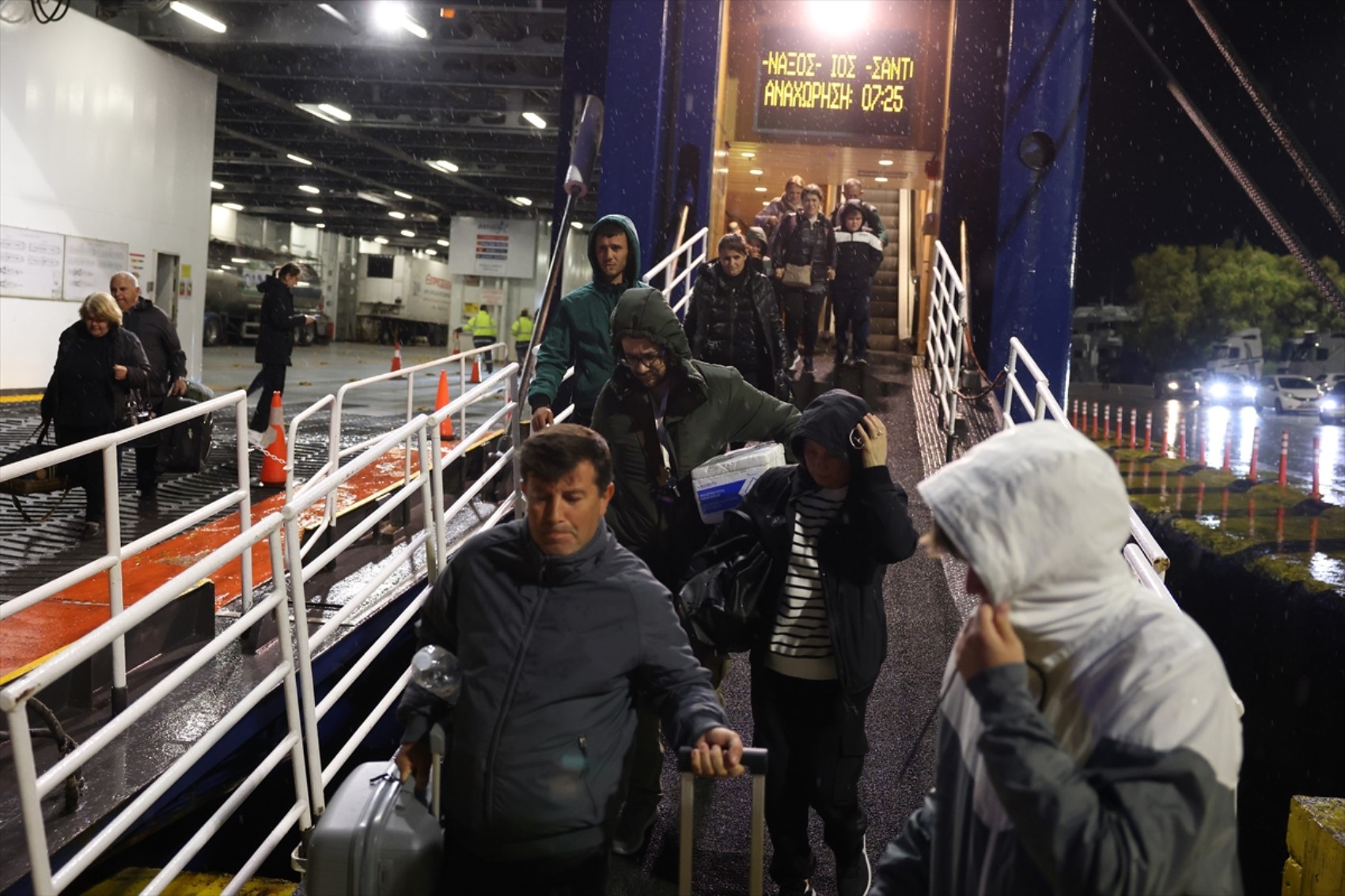
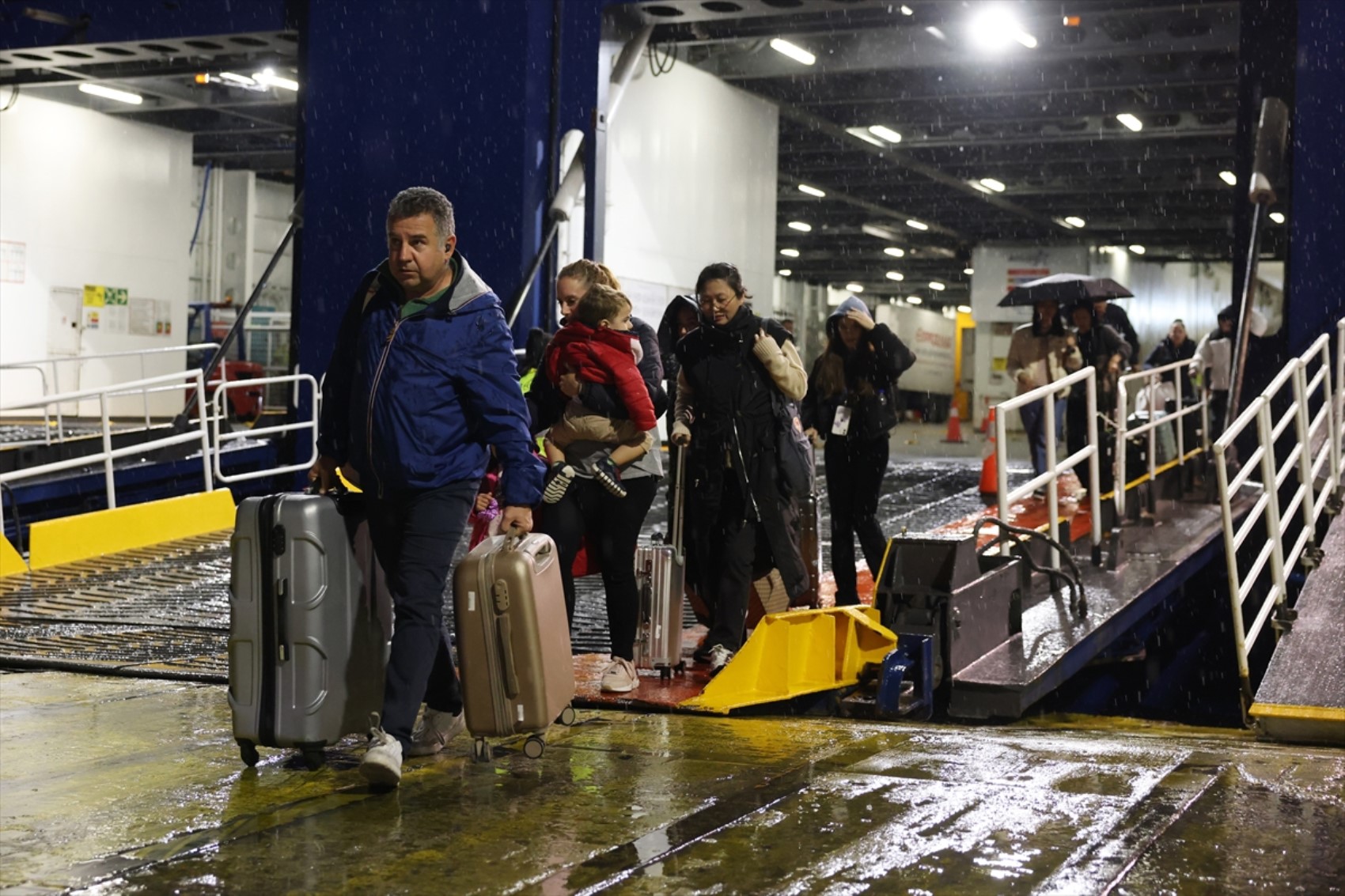
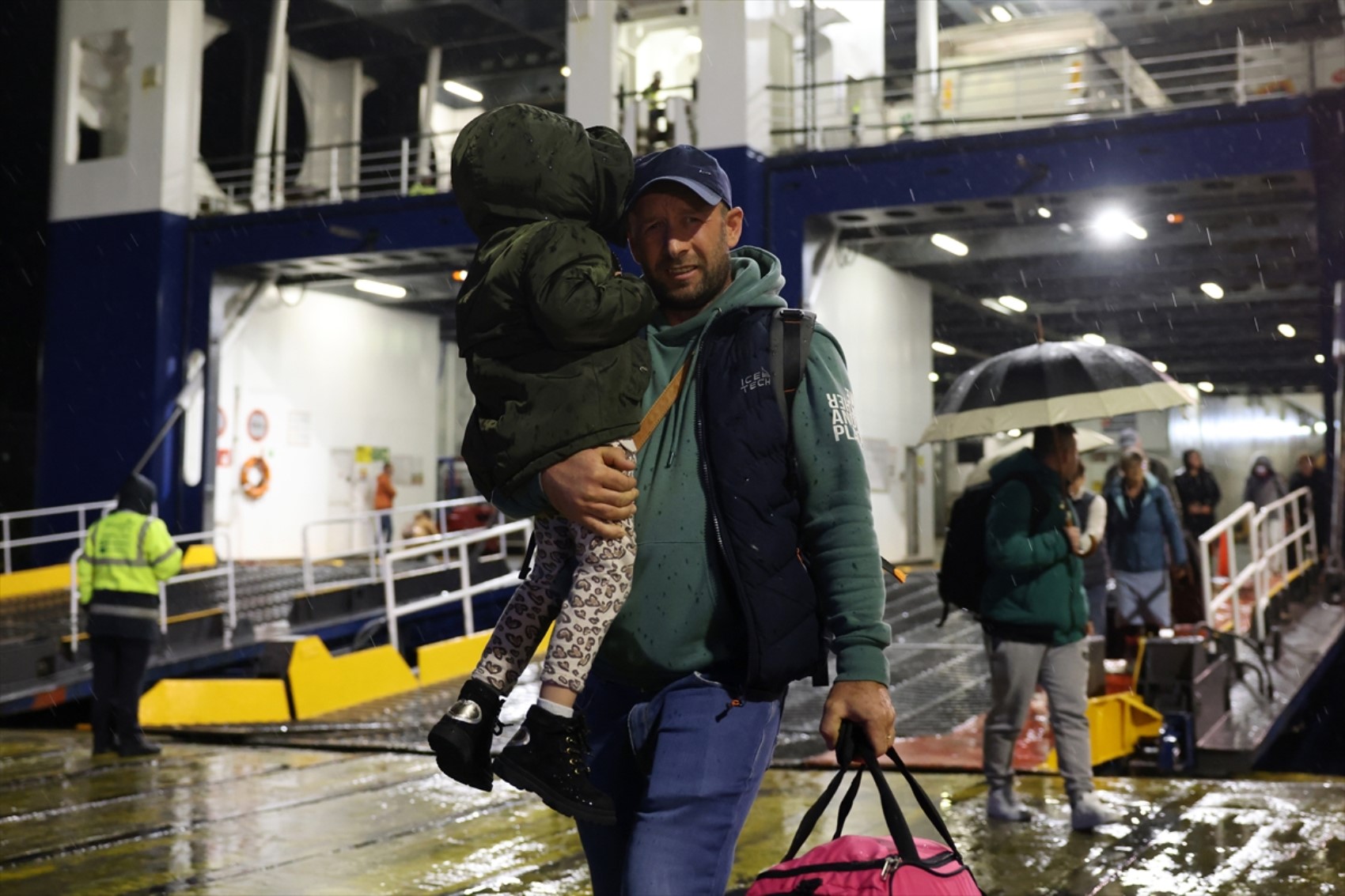
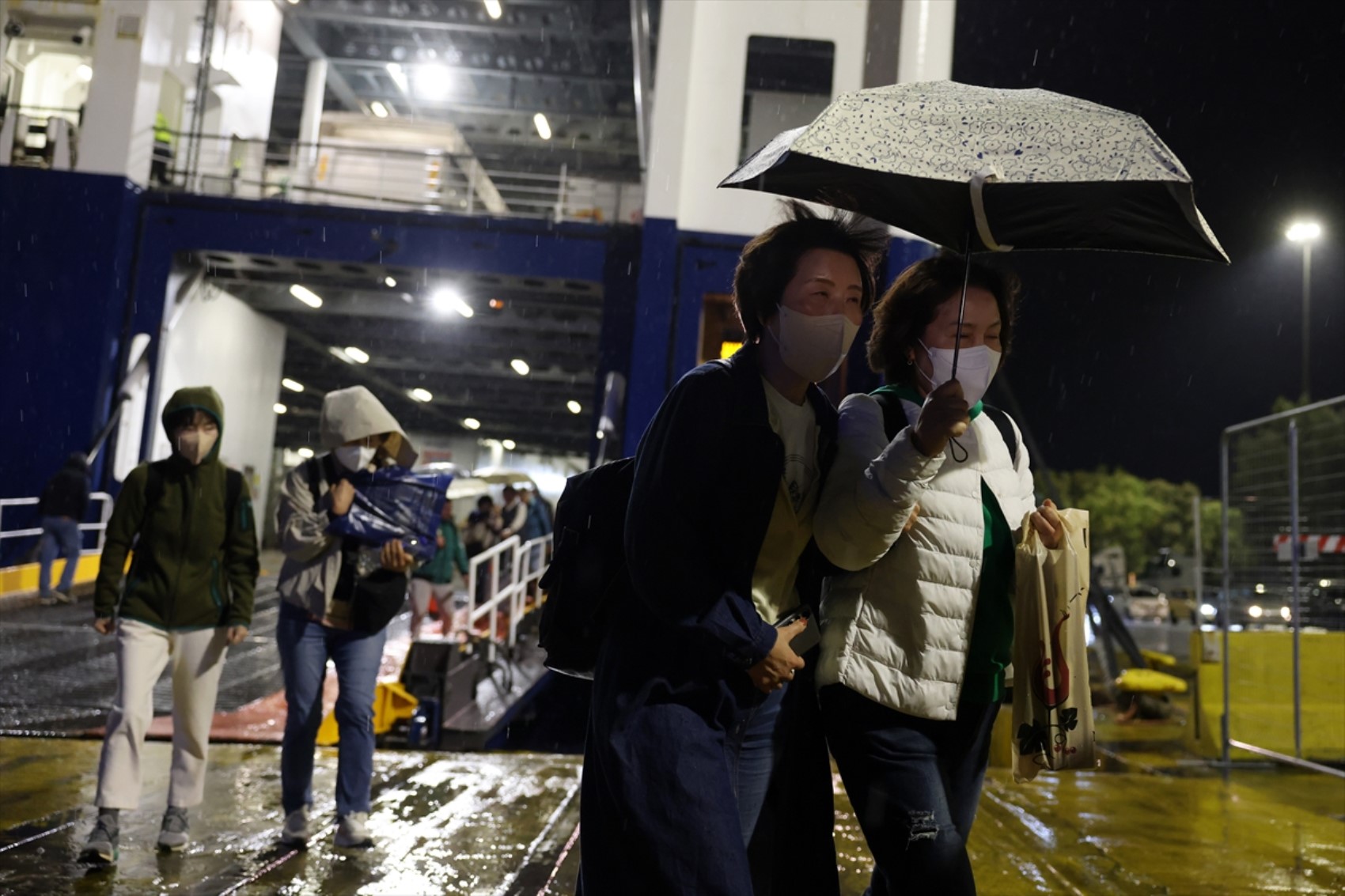
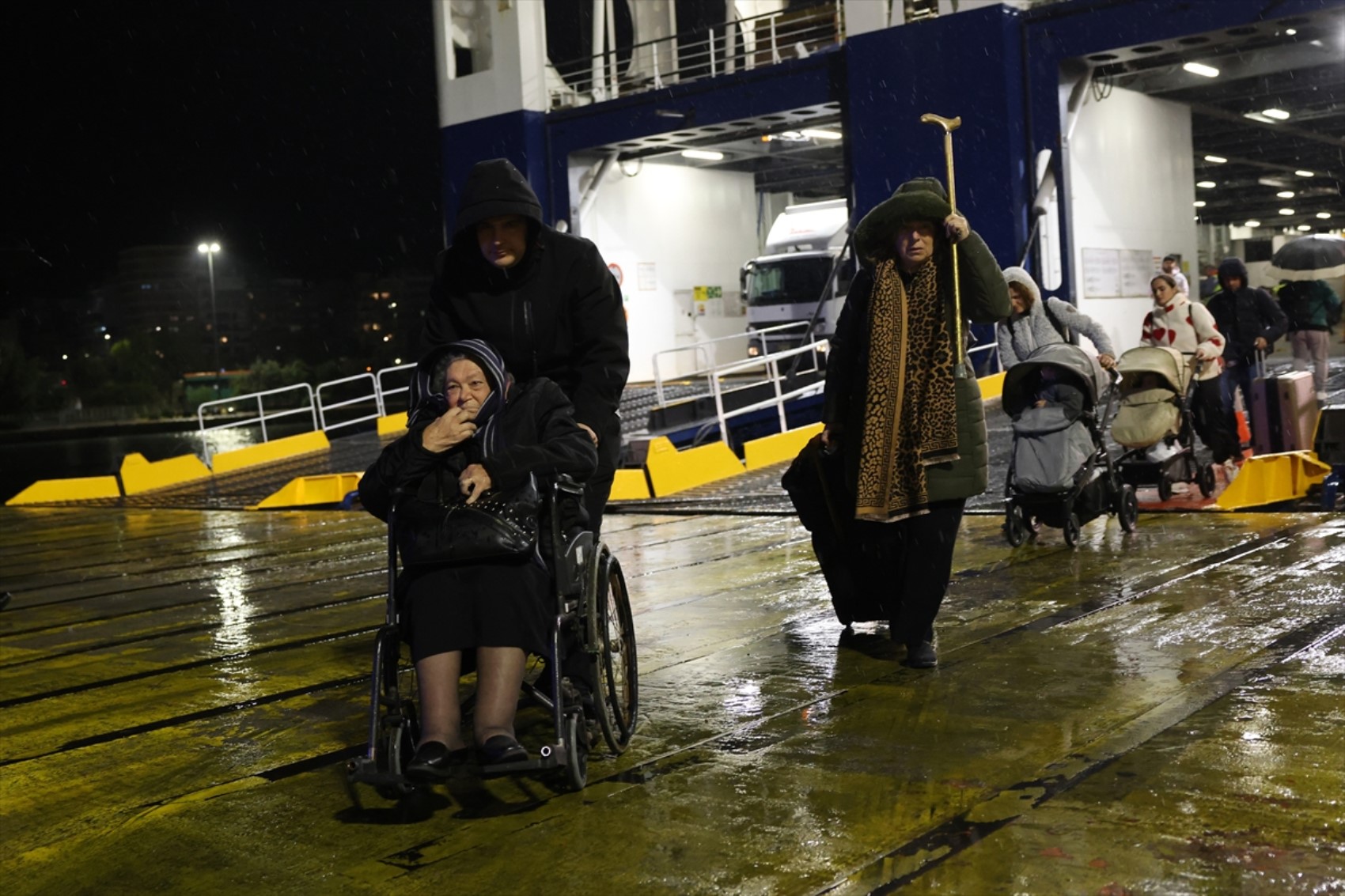
Home and hotel owners have been instructed to empty their swimming pools due to concerns that a large amount of water could destabilize buildings in the event of a severe earthquake. Ferry companies have reported an increase in the number of foreign workers leaving the island.
The UK government's travel advice cites the guide published by the Greek Ministry of Civil Protection regarding the earthquakes. Greek media have reported on the latest situation regarding the consecutive earthquakes in the Aegean Sea over the past few days, including expert commentary.
CITIZENS ARE LEAVING THE REGION
Speaking to the Kathimerini newspaper, Vassilis Karastathis, Director of the National Observatory of Athens' Geodynamic Institute, said that numerous earthquakes were recorded on February 1-2 in terms of both frequency and magnitude, and that many of them exceeded a magnitude of 4.
Karastathis stated, "What we are aiming for is a gradual decrease in seismic activity, but currently the exact opposite is happening."
According to Karastathis, the attention of seismologists has shifted from the Caldera to the Anydros region, where the activity is attributed entirely to tectonic causes.
Karastathis emphasized that it is risky to compare these tremors to the 1956 earthquake. The earthquake centered in Amorgos on July 9, 1956, had a magnitude of 7.8. Fifty-four people lost their lives in that earthquake, and 35 percent of the buildings were destroyed.
LOUD RUMBLING HEARD AFTER EARTHQUAKES
Anafi Mayor Iakovos Rousos made the following statement after the tremors:
"We are calm. We are a small island, we know each other, we are all together. We are shaken many times during the day, it gets more intense every day, but the hardest part is that loud rumbling before the earthquake, something we heard intensely last night."
Stating that the damage on the island was minimal when the Amorgos fault created a major earthquake in 1956, Rousos said that a team from the National Observatory of Athens would go to Anafi and Amorgos to install new seismographs on the islands.
The mayor added, "Ours will be placed at the Anafi helipad."
Costas Papazachos, Professor of Seismology at Aristotle University of Thessaloniki and chairman of the board of the Institute for the Study and Monitoring of the Santorini Volcano (ISMOSAV), emphasized that "preventive measures have been taken" and said, "There is no need to panic. However, measures and instructions must be followed very carefully, especially regarding overcrowding."
SCHOOLS WILL REMAIN CLOSED
According to the Earthquake Planning and Protection Organization of Greece, the largest earthquake expected to occur is not predicted to exceed 5.5 on the Richter scale. It was also emphasized that the tsunami risk is low, but citizens were advised to avoid areas near the sea.
The organization recommended closing schools in Santorini and preventing mass gatherings in indoor spaces, and it was announced that schools would remain closed today.
On the other hand, citizens were advised to avoid entering and exiting the Ammoudi ports and the Old Port of Fira for their safety in case of more severe tremors.
Especially on the islands of Santorini, Amorgos, and Ios, the Special Disaster Medicine Department team, consisting of doctors, rescuers, and ambulances, has been reinforced.
"TAKE SCIENTISTS' STATEMENTS SERIOUSLY"
According to a report in the Naftemporiki newspaper, Santorini Mayor Anastasios Zorzos stated in an interview with the island's local television channel, Volcano TV, "These earthquakes reach up to 4.5 on the Richter scale; we are in constant communication with scientists, and they do not foresee a very large earthquake. Because it takes many years for the fault to load."
He called on the island's public and residents not to be deceived by "headlines with exaggerated claims" and to only take into account valid updates from scientists. According to the report, while seismic activity is constant in the Cyclades region, the highest number of earthquakes has been recorded in the sea area between Santorini and Amorgos.
RESCUE TEAMS REACHED THE REGION
As rescue teams reached Santorini, tents were also set up. The tents were designed solely for the accommodation and operational needs of the teams, who are standing by for any eventuality.
Authorities urged citizens to obtain information only from official sources and to avoid spreading unfounded news that could lead to unjustified panic. Citizens are asked not to gather in indoor spaces and not to approach abandoned buildings.
Kostas Papazachos, Professor of Geophysics at Aristotle University of Thessaloniki, stated to ERT that there are "quite significant faults" in the region, adding that the possibility of a strong earthquake cannot be ruled out.
"WHEN WE TALK ABOUT VOLCANOES..."
Professor of Natural Disaster Management Efthimis Lekkas emphasized that the seismic activity is not related to the volcanic area.
Volcanologist Dr. Stavros Meletlidis said in a statement to Naftemporiki TV, "What we are seeing right now are some earthquakes concentrated in the Anydros basin, and they are quite far from the volcano."
However, he added:
"When we talk about volcanoes, we must know that earthquakes mostly move horizontally, and their epicenters can shift by 10 to 20 kilometers. These are geological events that started hundreds of thousands of years ago, having nothing to do with the space and time we live in. While it is easy for us to talk about an earthquake measured in seconds, these are events that last much longer over time."
Stating that no one can say for sure whether this will have an impact, Meletlidis said, "There is a fault there, but we do not know if it will trigger other faults or if these earthquakes will turn back toward the island of Santorini."
THE EXODUS CONTINUES AT FULL SPEED
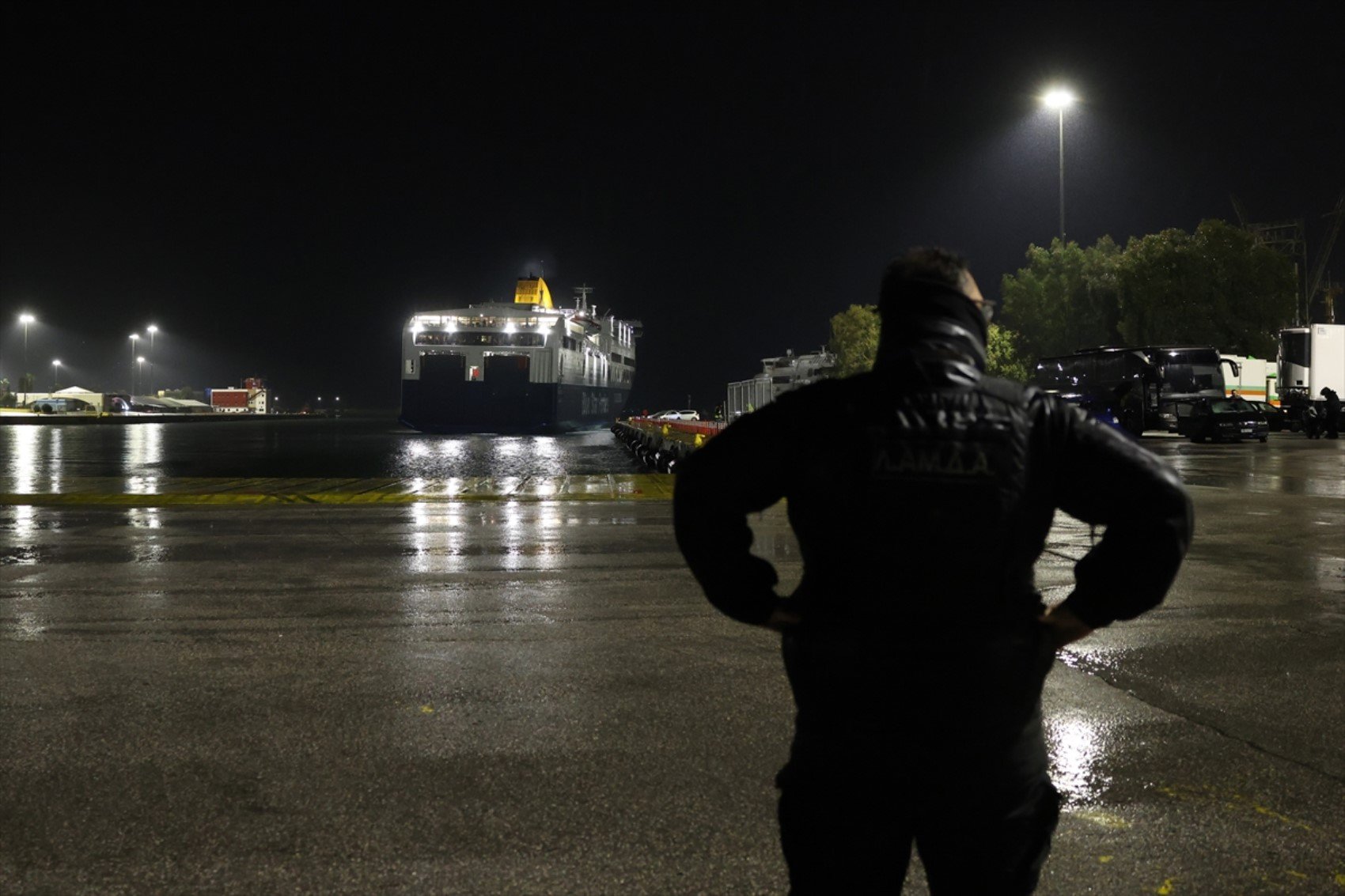
Meanwhile, the exodus from the islands continues at a great pace. As the public, wanting to leave the region after the consecutive earthquakes, flocked to the ferries, additional flights were also scheduled for evacuation.