Forensic medicine sources: Saran used cocaine within the last 2 months! Why didn't it show up in blood and urine?
İsmail Saymaz reported on his discussion with Forensic Medicine Institute sources regarding the case of Fenerbahçe President Sadettin Saran, whose hair sample was reported to contain traces of narcotics.
12punto

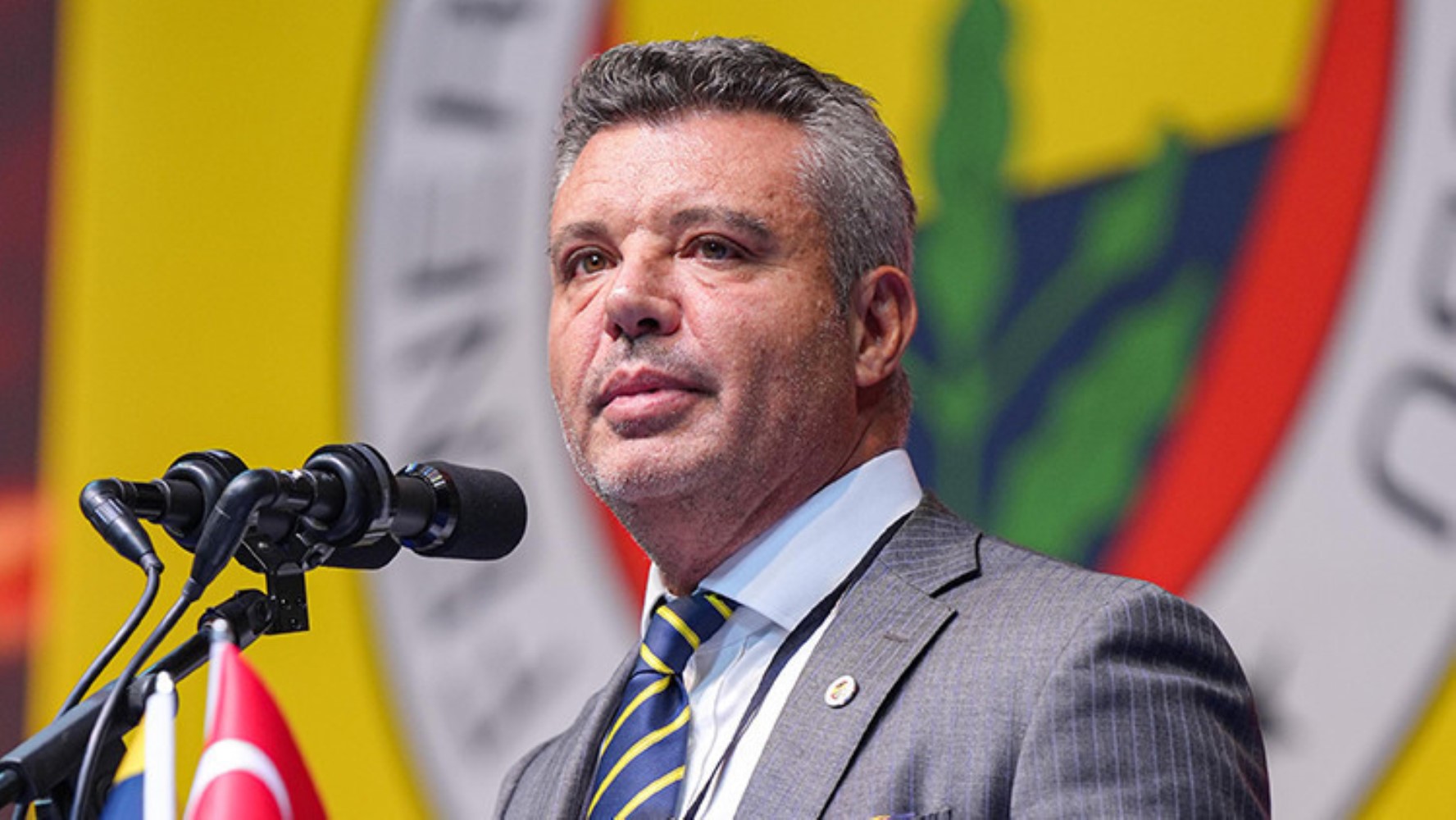
Fenerbahçe President Sadettin Saran has been detained after a hair sample taken as part of an investigation conducted by the Istanbul Chief Public Prosecutor's Office tested positive for narcotics. Halk TV columnist İsmail Saymaz shared details regarding Sadettin Saran, whose processing by gendarmerie teams has been completed and who is expected to be referred to the courthouse and appear before a judge this afternoon.

İsmail Saymaz spoke with officials from the Forensic Medicine Institute and relayed the answers given to his questions regarding Sadettin Saran's test results and the objection process concerning these results.

“THE HAIR WAS ALREADY TWO CENTIMETERS LONG…”
Saymaz stated, “A two-centimeter-long hair sample was taken from Saran at the Department of Chemistry. Let there be no misunderstanding. The two-centimeter portion of the hair was not cut off. The hair was already that length, and the examination detected cocaine.”

Saymaz's statements are as follows:
"Officials say: We are of the opinion that he used cocaine within the last two months. We consider each one-centimeter section of hair to represent one month. Hair generally grows one centimeter per month. The one centimeter from the root indicates cocaine use in December, and the one centimeter at the tip indicates use in November.

WHY DID IT SHOW UP IN THE HAIR?
Why in the hair and not in the blood, urine, or nails?
It is emphasized that cocaine is a substance with an ‘affinity’ for hair. Affinity refers to ‘binding energy.’ Therefore, the probability of it appearing in hair is high.
“BECAUSE HIS NAILS WERE CLIPPED, ONLY A SMALL SAMPLE COULD BE TAKEN”
Why didn't it show up in the blood and urine?
Blood tests provide results for one day, and urine tests for one week.
Because Saran's nails were clipped, only a tiny sample could be taken, which was insufficient to provide a result.

This report was approved by two experts, a branch manager, and the head of the Department of Chemistry. The department has a laboratory accredited by the Turkish Accreditation Agency since 2009. It is a member of the European Academy of Forensic Science and is audited by international organizations.

Officials provide the following information:
“The analysis is performed without knowing that the hair belongs to Saran. A code is used for the sample. The person writing the report is different from the person performing the analysis. The report is not issued with the knowledge that it is Saran's analysis.”

“THERE IS NO MARGIN OF ERROR…”
Is there a possibility that the report is incorrect?
Officials respond, “In our view, there is no margin of error; it is close to zero.”
No one remembers an erroneous report being issued to date.

How will the process work in case of an objection?
Saran will submit his private report to the prosecutor's office through his lawyers. If the prosecutor's office states that “there is a contradiction,” the file will go to the 5th Specialized Board, which conducts drug examinations.
This board makes the final decision.