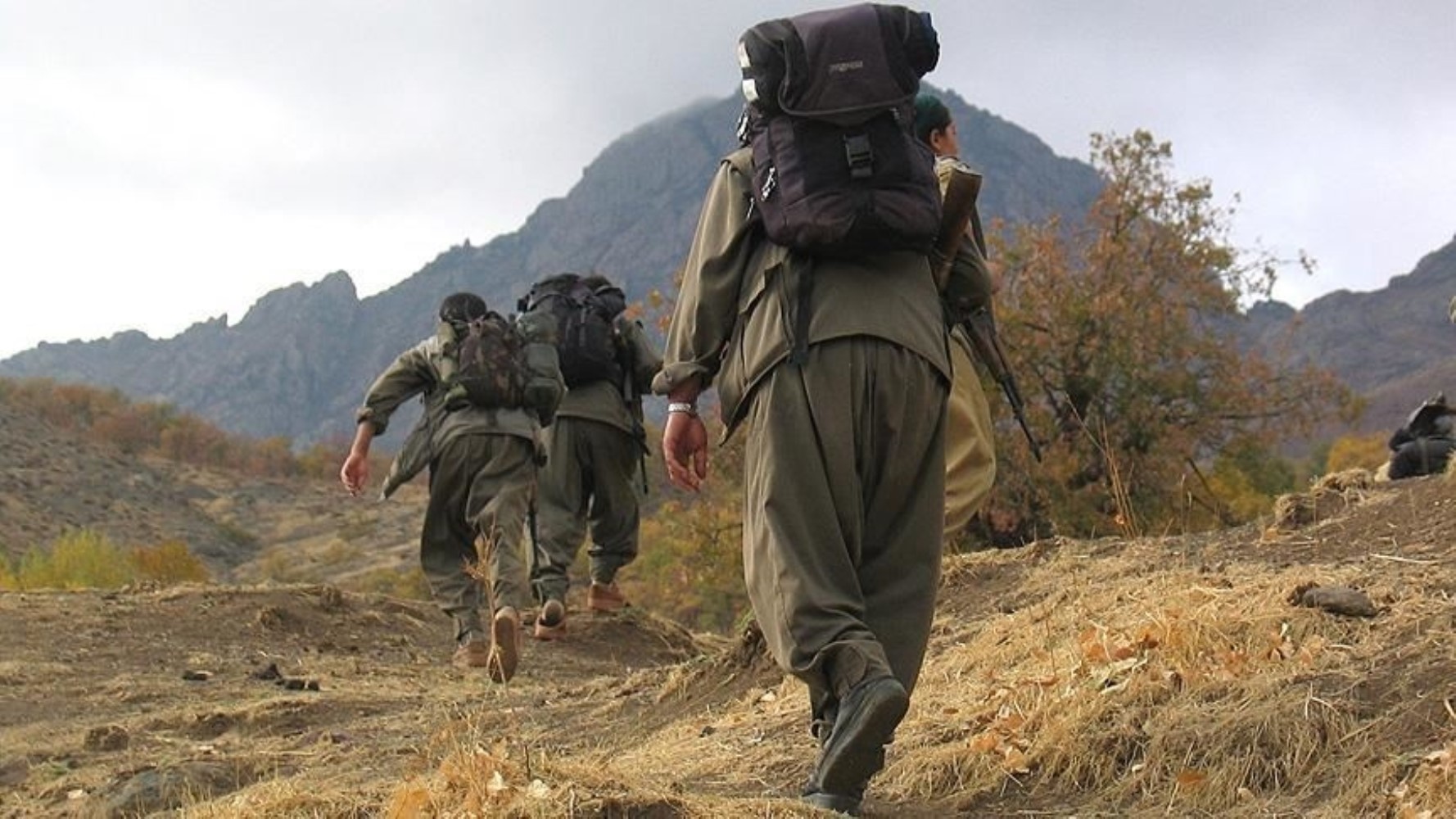
How will the PKK terrorist organization's disarmament process work? A five-stage plan is in effect
The third stage of the process, which the government calls a "Terror-Free Turkey," has begun. Security sources announced that the goal is to complete the disarmament process of the PKK terrorist organization within four months. Different mechanisms will be established in Iraq, Syria, Iran, and Turkey.
12punto
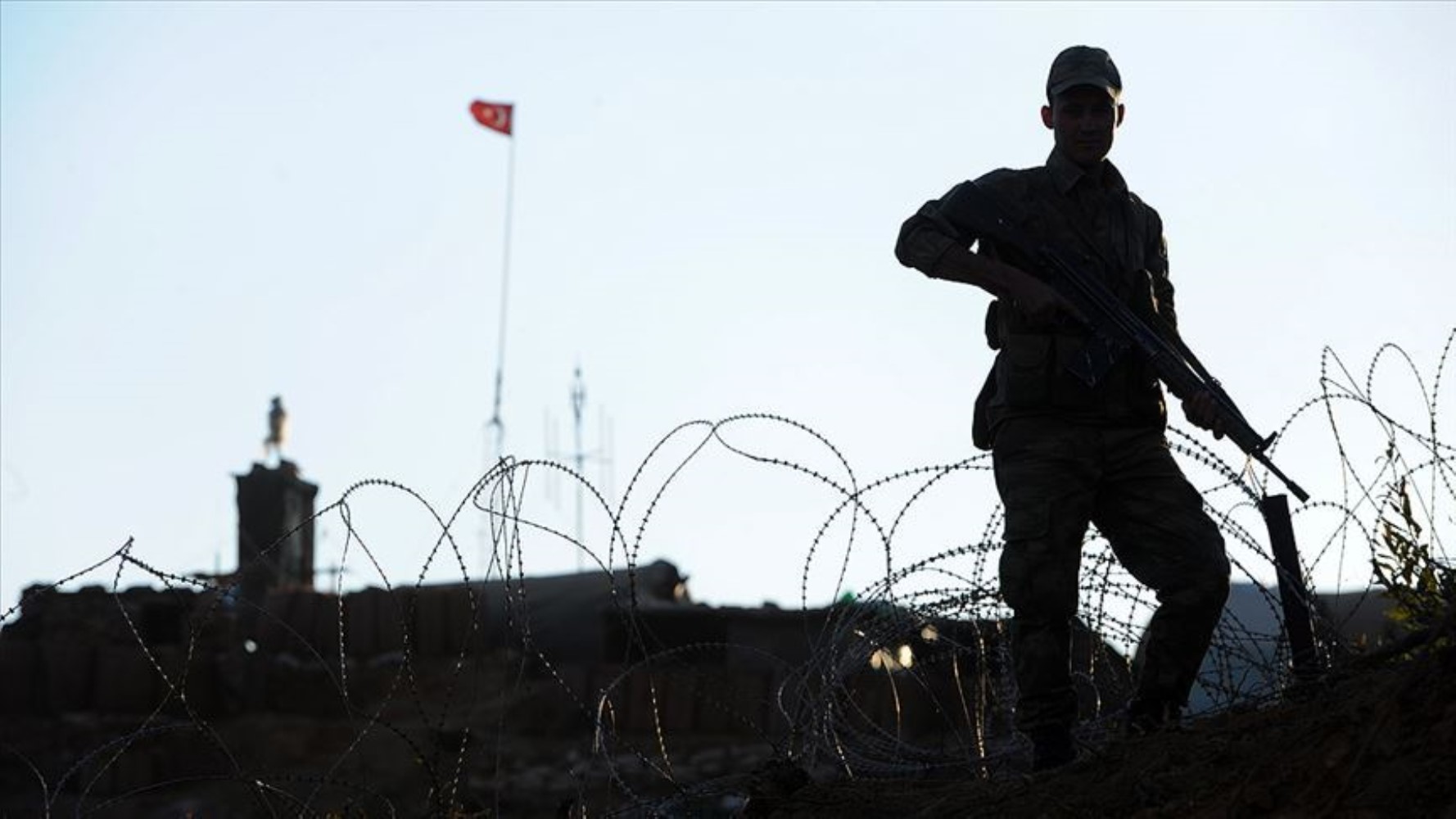
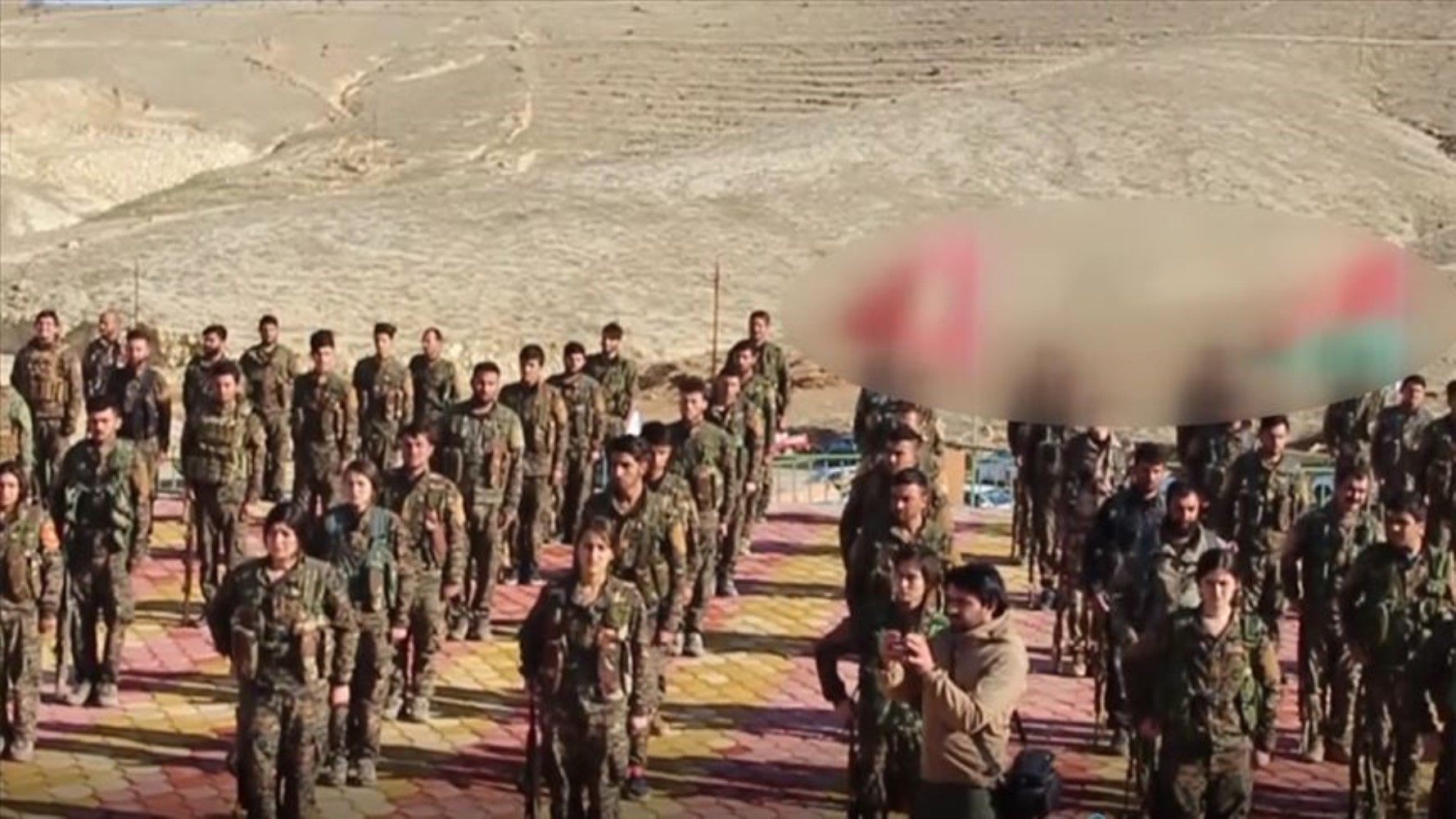
According to information obtained from security and intelligence sources, the "Terror-Free Turkey" process, initiated to end the long-standing presence of the separatist terrorist organization PKK, has been planned in five phases. The process has reached a critical threshold, moving into the third phase, which is the disarmament of the organization.
HOW WAS THE PROCESS SHAPED?
According to intelligence units, the process consists of the following five phases:
First Phase: The process began with President Recep Tayyip Erdoğan's call to "strengthen the internal front" in Ahlat. This call was followed by the move from MHP leader Devlet Bahçeli.
Second Phase: Messages from Imralı Prison, contacts made by the DEM Party, and the decision for the PKK to dissolve took place during this stage.
Third Phase (Current Stage): The disarmament phase. In this stage, special plans are being made for the disarmament of the organization in Turkey, Iraq, Syria, and Iran.
Fourth Phase: This stage, which includes democratization and legal regulations, envisions an active role for Parliament.
Fifth Phase: Social integration and psychological adjustment process. According to sources, this final stage will be the most challenging and prone to provocation.
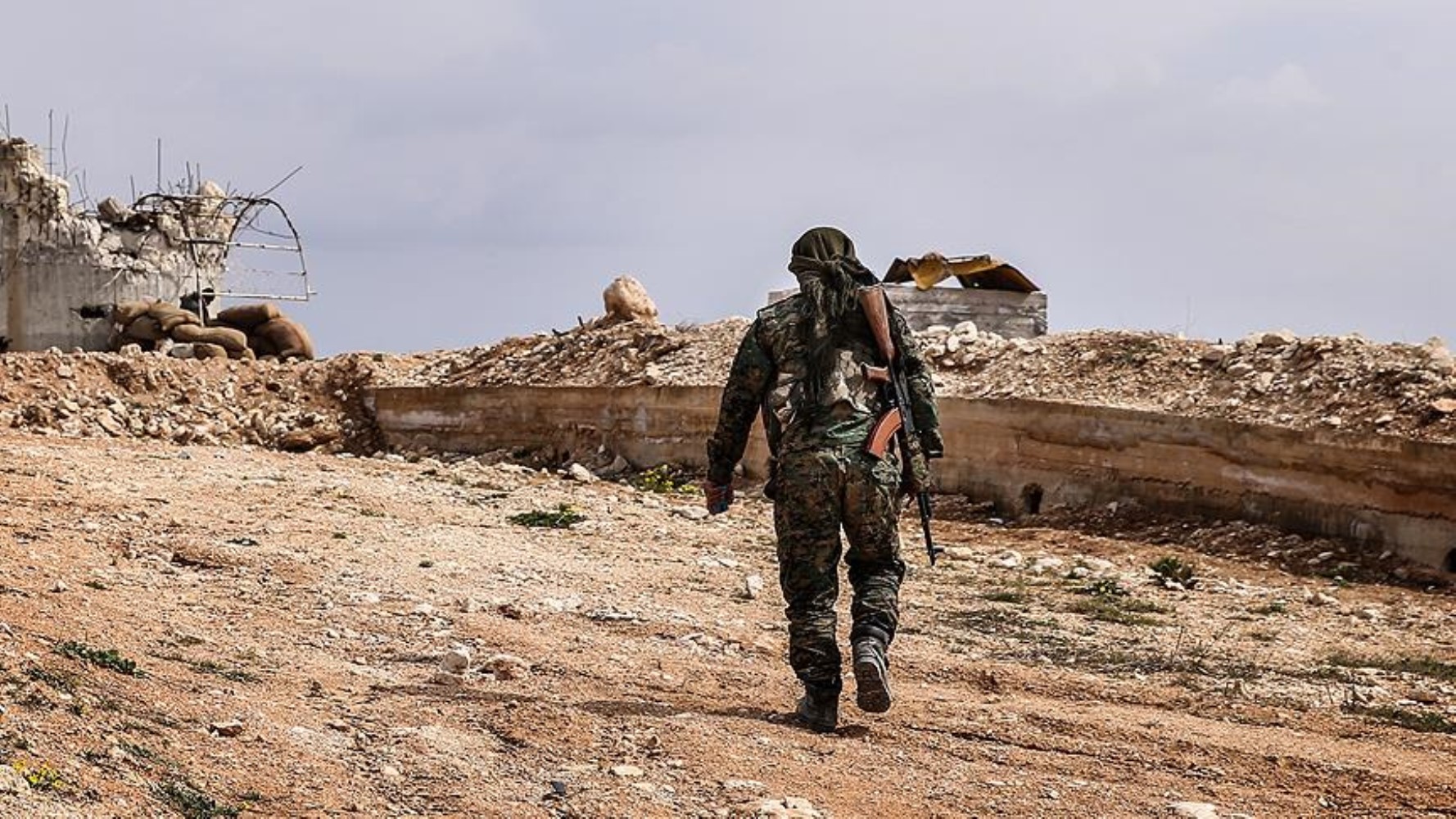
SEPARATE APPROACHES FOR FOUR COUNTRIES IN THE DISARMAMENT PLAN
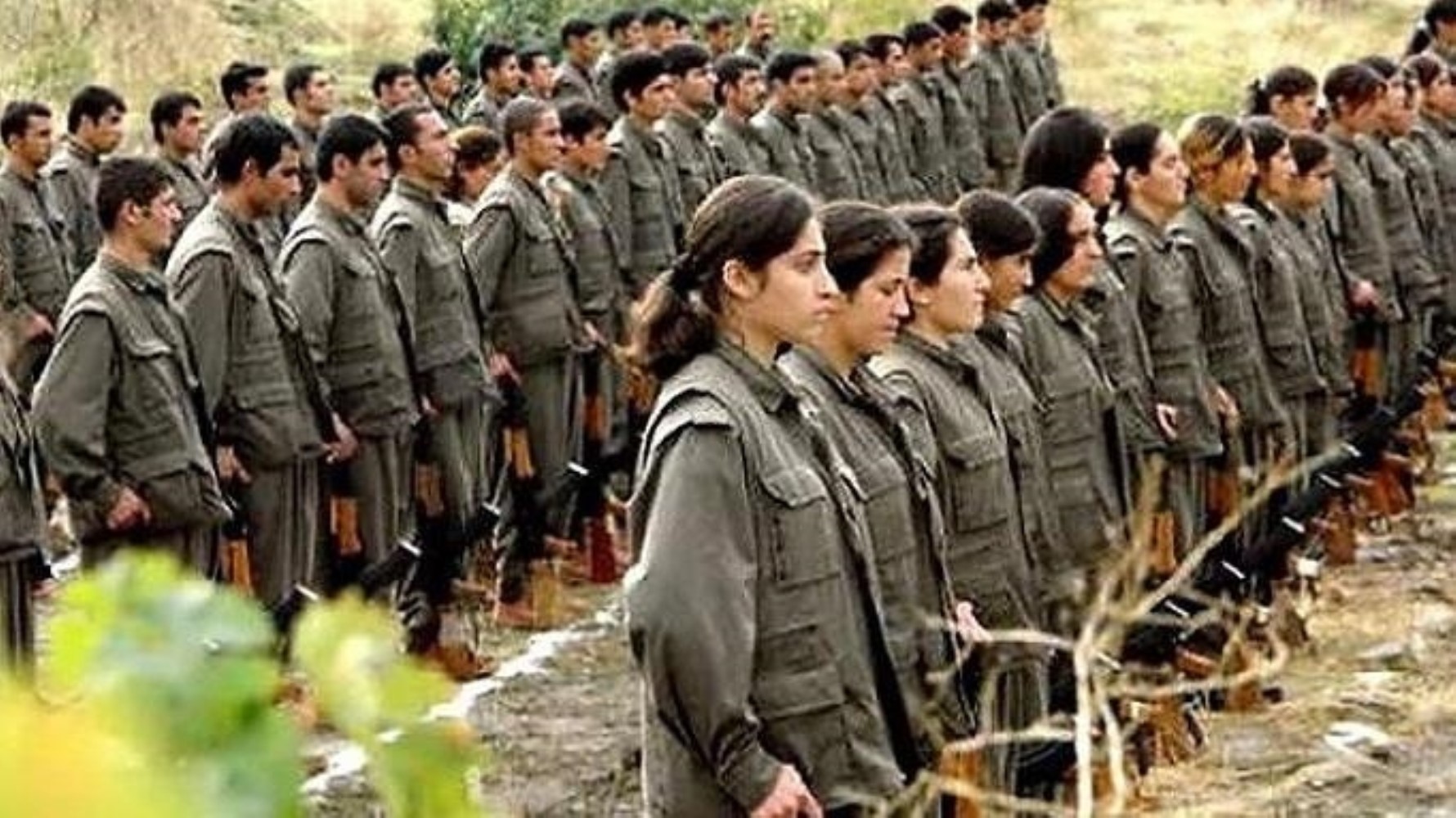
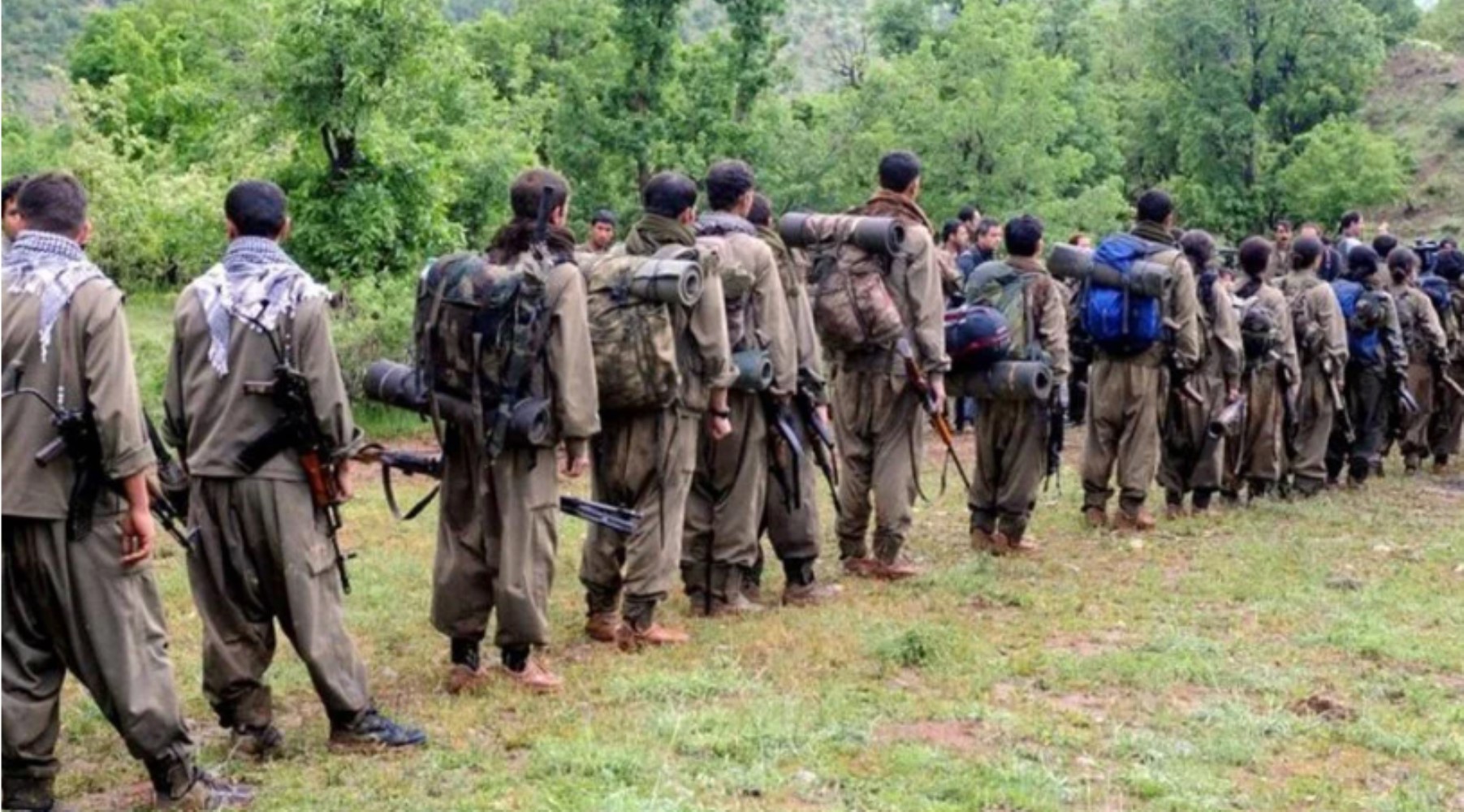
As reported by NTV, it is estimated that the terrorist organization has around 8,000 to 10,000 members. Methods appropriate to the geopolitical structure of each country will be implemented during the disarmament process.
In Iraq: As part of the negotiations conducted with the government, the goal is to evacuate the Qandil, Metina, and Zap regions and collect the weapons.
In Syria: The implementation of the 8-point agreement reached between the Damascus administration and the YPG is being demanded. Terrorists are expected to lay down their arms and join the Syrian army. Officials state that it is not possible to accept demands for autonomy.
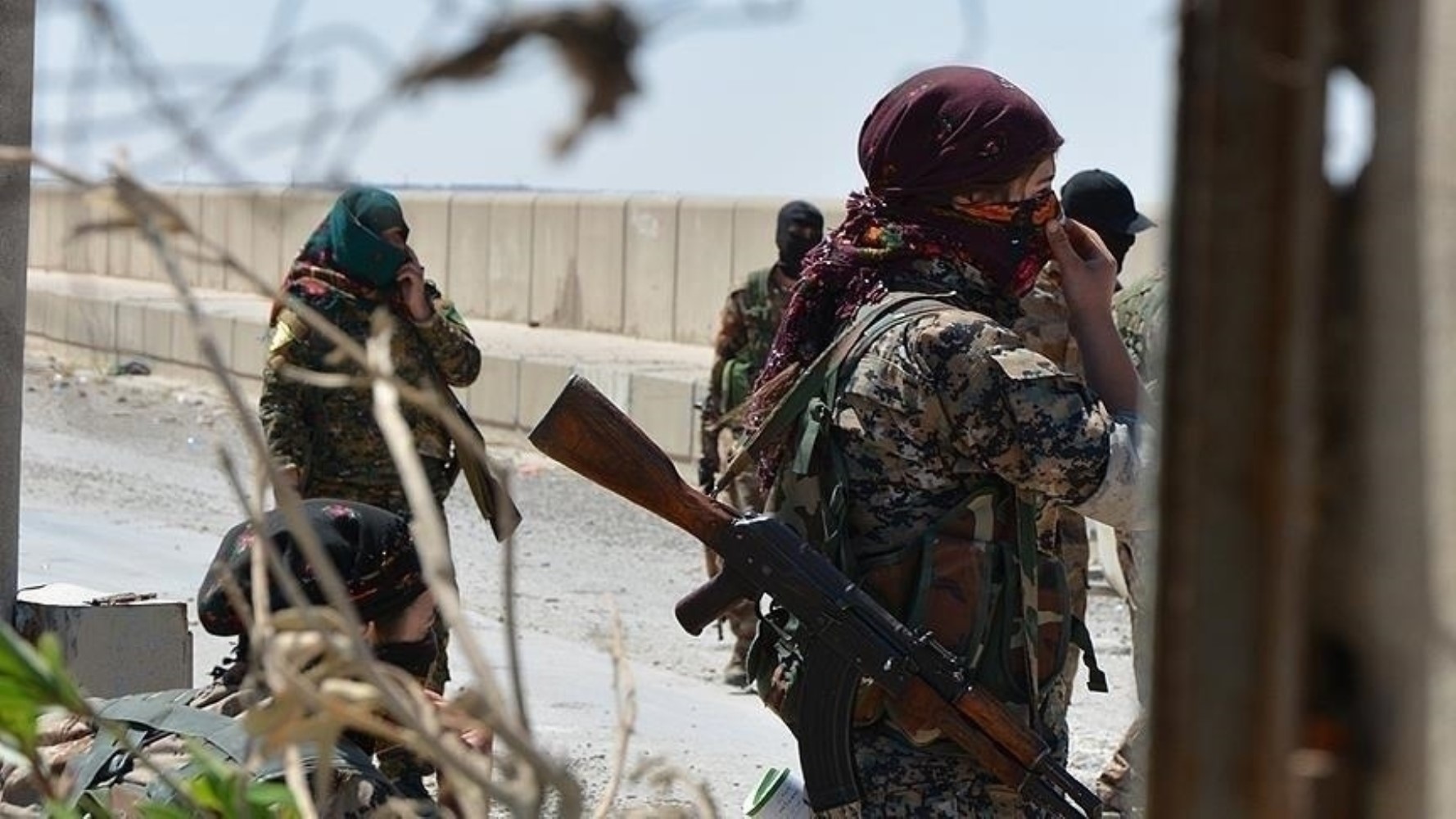
In Iran: The Tehran administration is being asked to support the process. Iran's stance against the PKK's armed presence in the region is being closely monitored.
In Turkey: The Turkish Armed Forces (TSK) and intelligence units are working together to ensure the surrender of the terrorists, whose numbers are stated to be between 50 and 100.
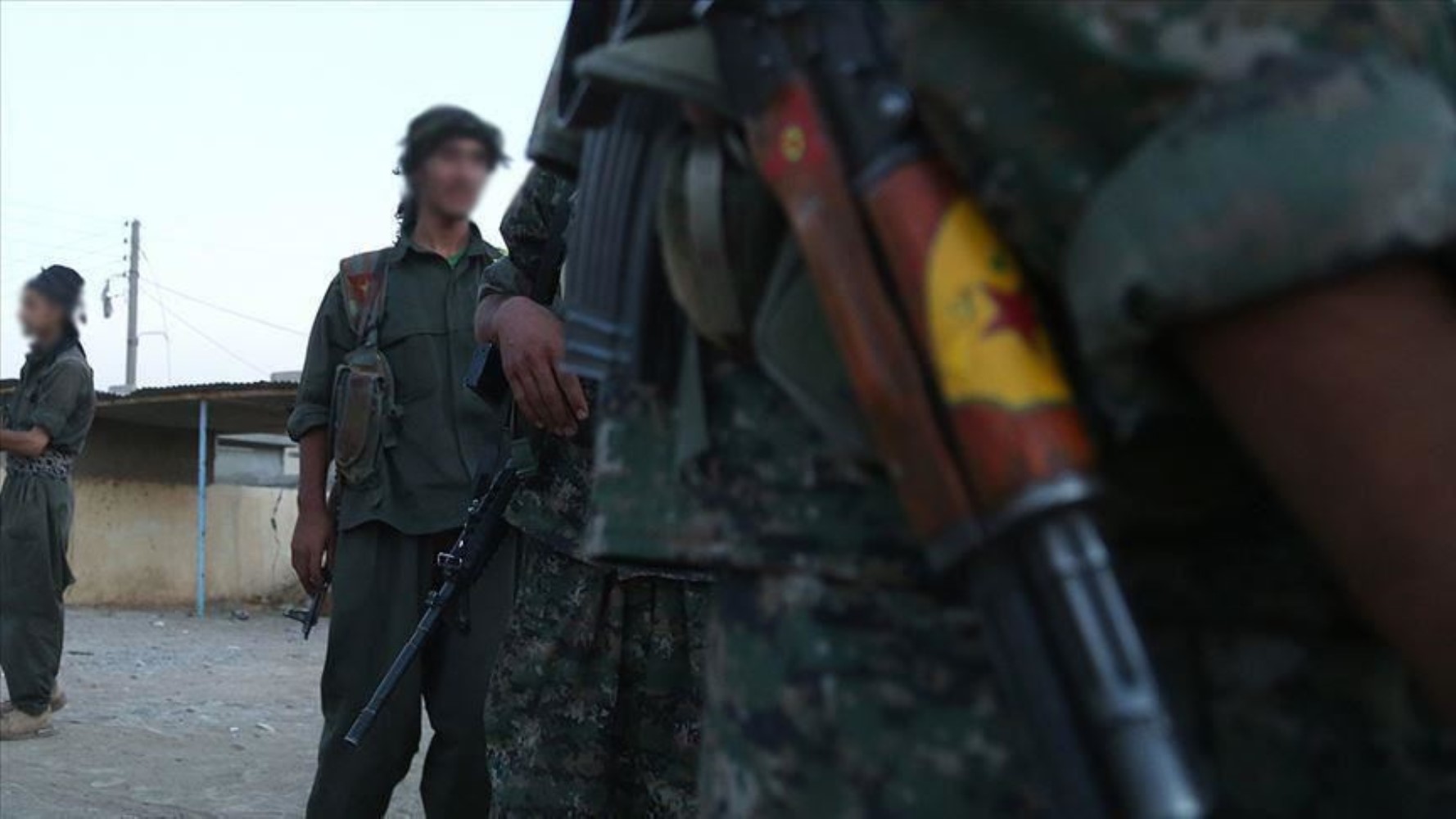
WHERE WILL THE TOP LEADERSHIP GO?
The future of the PKK's top-level cadre of 30 to 50 people is also part of the planning. Security sources assess that these individuals will most likely remain in the Sulaymaniyah region of Iraq, while some may move to Europe.
EXPECTED TO BE SPREAD OVER FOUR MONTHS
Sources announced that the process is not limited to a specific date, but the goal is to complete the third phase within four months. The National Intelligence Organization (MİT) will verify on the ground whether the weapons have been laid down and will report directly to the President.
SIMULTANEOUS STEPS MAY FOLLOW
If the third phase proceeds without issues, some legal steps may be taken simultaneously. Topics on the agenda in this context include:
The release of sick and elderly prisoners,
Limiting the practice of appointing trustees (kayyum),
New regulations for lawyers, family members, and visitors to visit Imralı Prison,
Changes to the execution law currently under preparation.