Imrali message from the separatist terrorist organization PKK to the government: 'The only condition for the success of the process is Ocalan's freedom'
Duran Kalkan, one of the so-called leaders of the terrorist organization PKK, stated that meetings with Abdullah Ocalan have not been held for a month, and claimed that the only condition for the success of the "National Solidarity, Brotherhood and Democracy Commission" established in Parliament is the "physical freedom" of Ocalan.
12punto
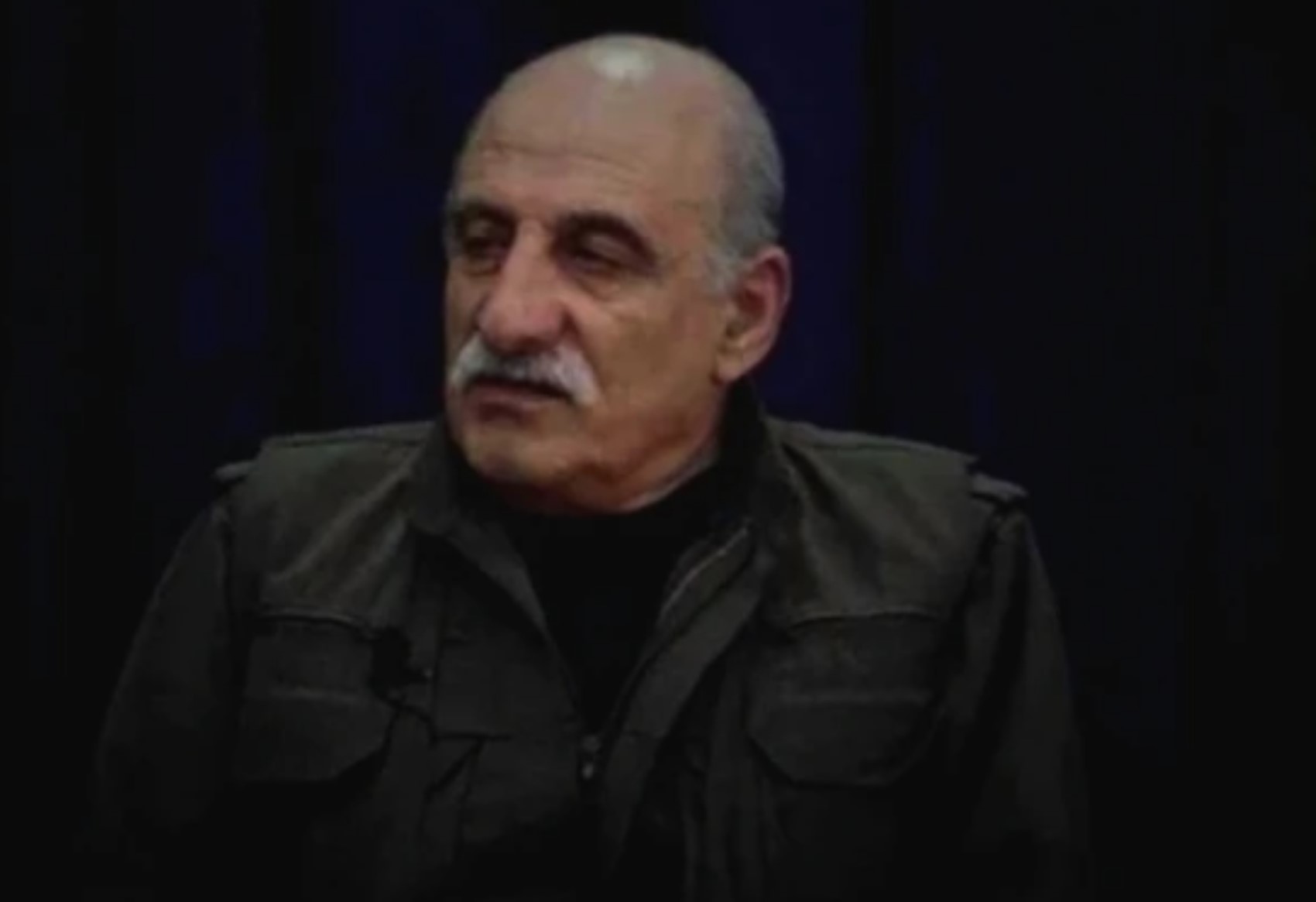
Terrorist Duran Kalkan, one of the ringleaders of the terrorist organization PKK, stated in an interview with a television channel close to the separatist organization that no meetings have been held with terrorist leader Abdullah Öcalan for the last month and that they have not received any information from Imrali.
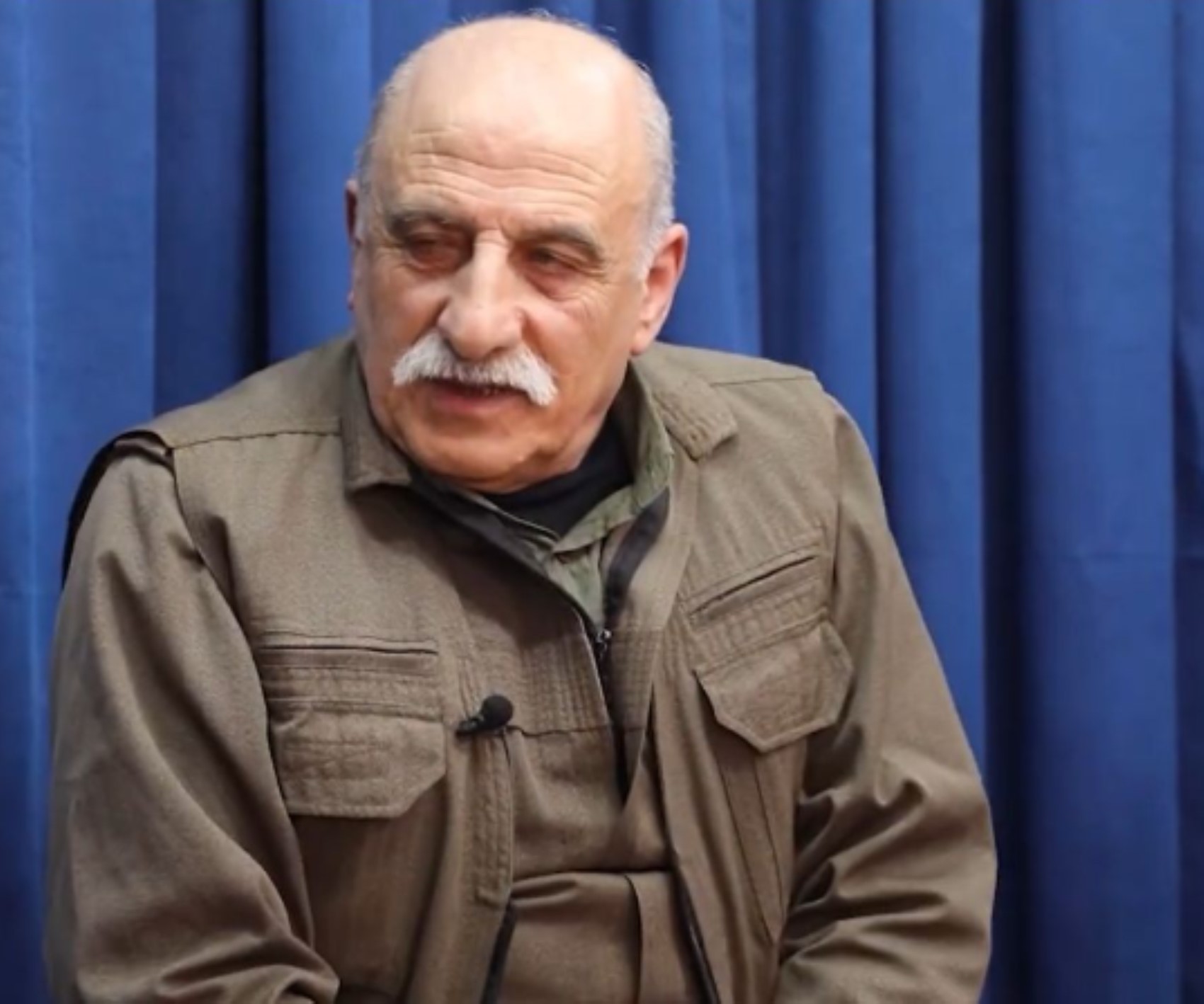
Terrorist Kalkan described this situation as a "hostage position," stating that any assessment made without Öcalan's freedom would be flawed.
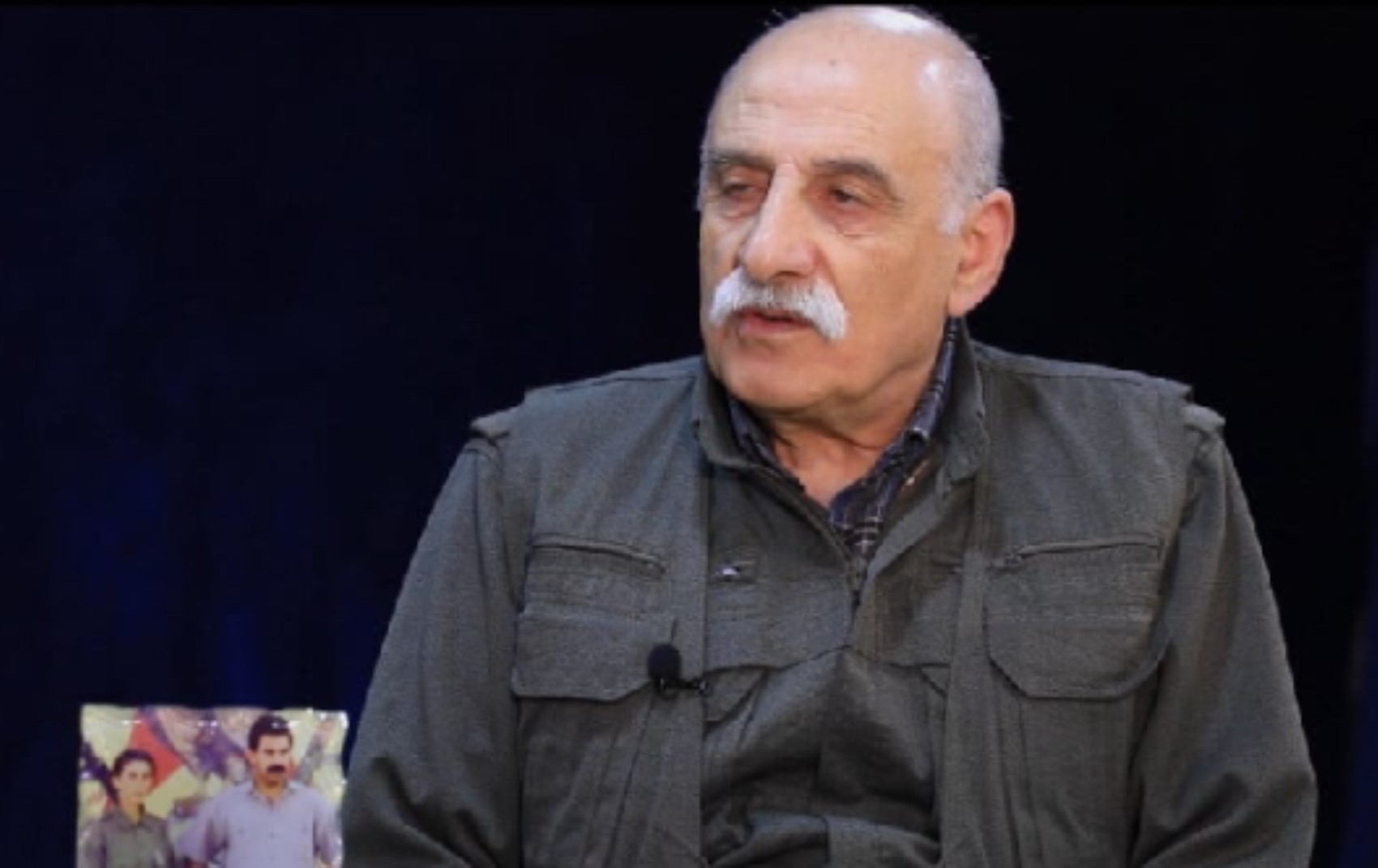
“ÖCALAN AND HIS DELEGATION SHOULD BE BROUGHT TO PARLIAMENT”
Emphasizing that the conditions of terrorist leader Öcalan in Imrali have not changed, Kalkan argued that for the National Solidarity, Brotherhood and Democracy Commission in Parliament to achieve success, Öcalan must first be physically released. Kalkan said, "Going to Imrali and meeting with a hostage under the same conditions cannot be described as a peace and democracy meeting."
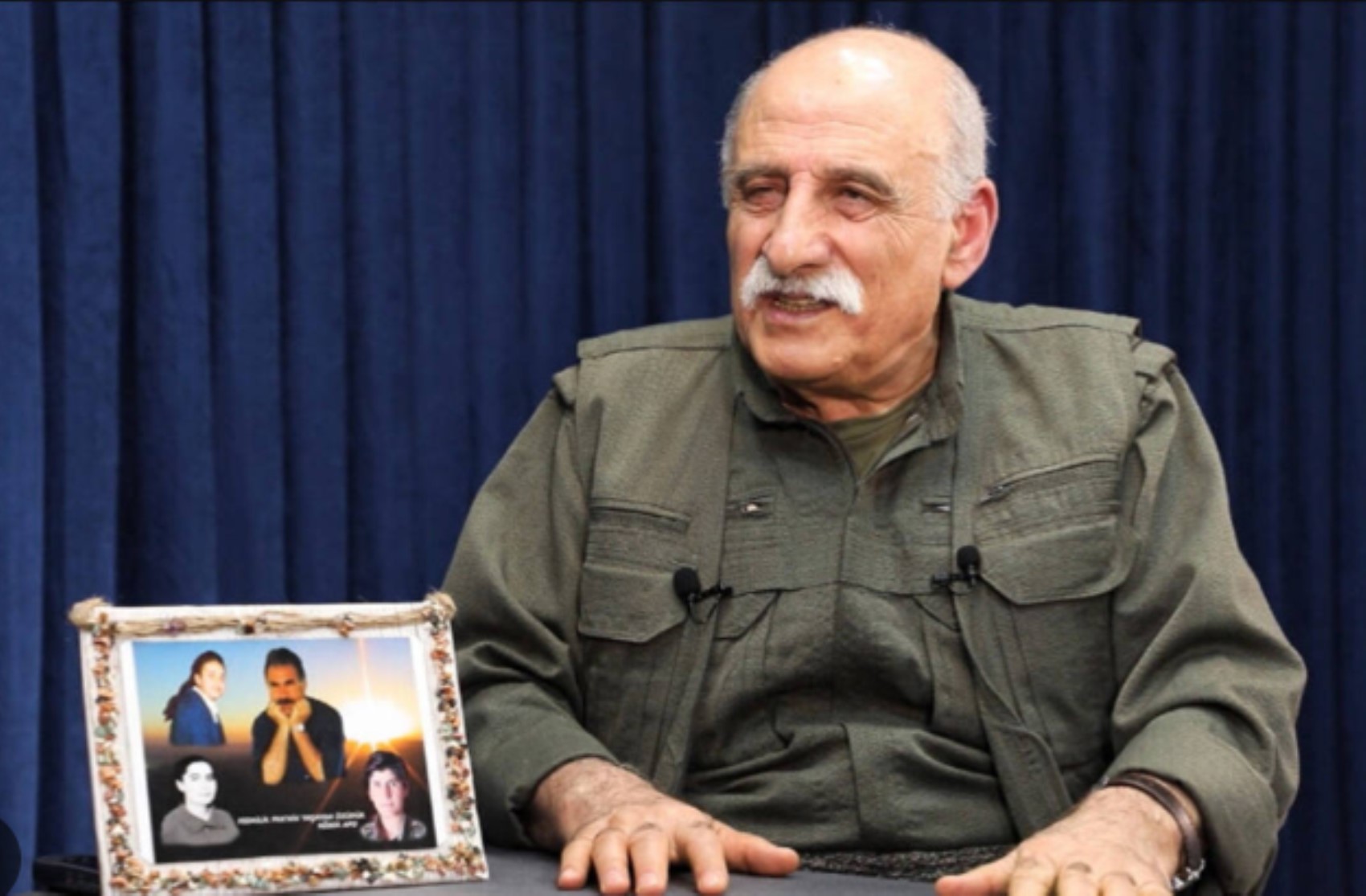
“THE COMMISSION SHOULD NOT GO TO IMRALI, BUT TO PARLIAMENT”
Arguing that instead of the commission going to Imrali, the separatist terrorist organization ringleader Abdullah Öcalan and his delegation should be brought to Parliament and heard there, terrorist Kalkan referred to the previous statement by MHP Chairman Devlet Bahçeli, "Let Öcalan speak in Parliament," and stated, "While everyone goes to Parliament, Leader Apo should also be taken to Parliament with his delegation. Only then can a correct and sufficient study be carried out."
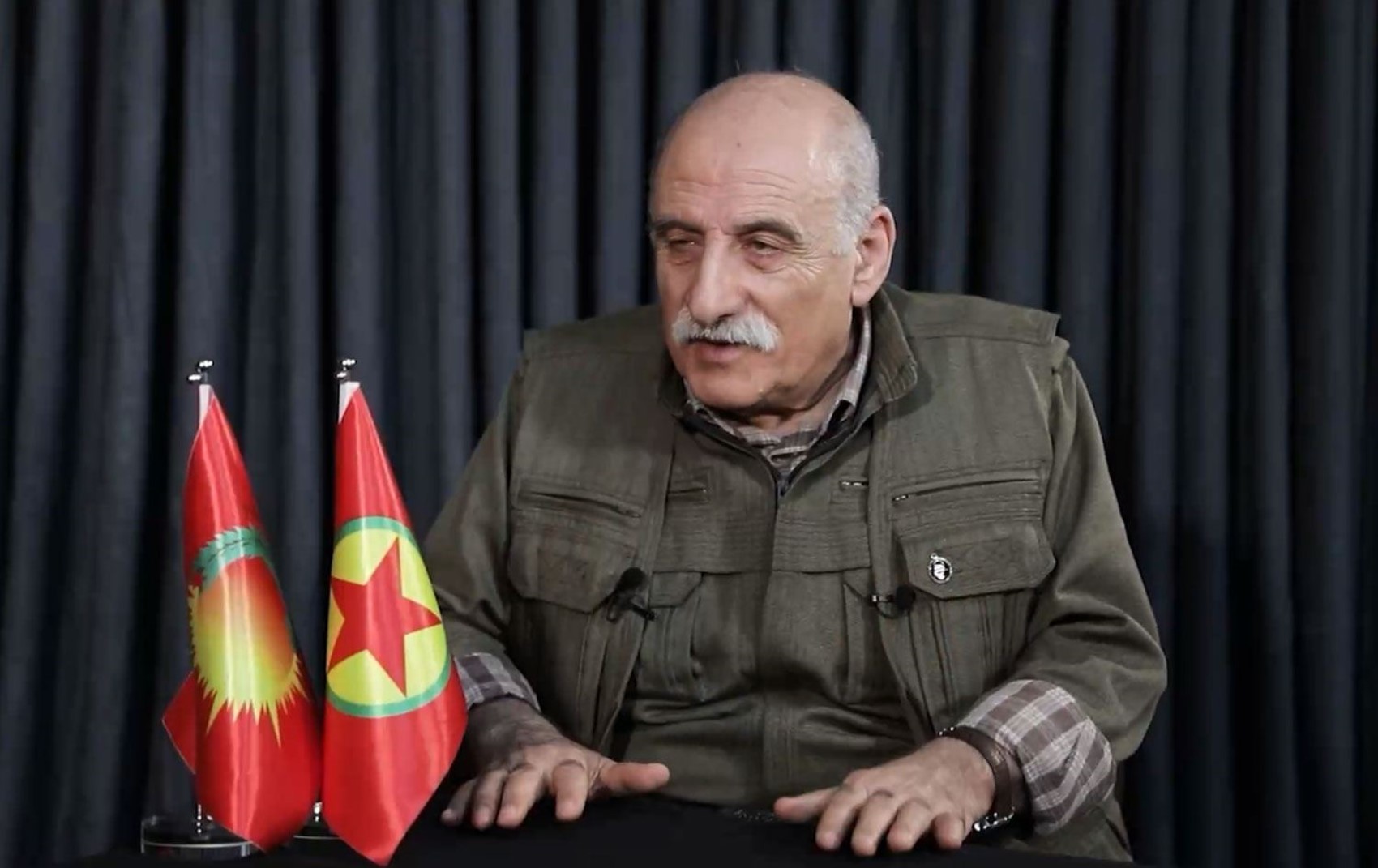
Duran Kalkan criticized the government's policies towards Kurds, claiming that the AKP is still pursuing an "anti-Kurdish" policy.
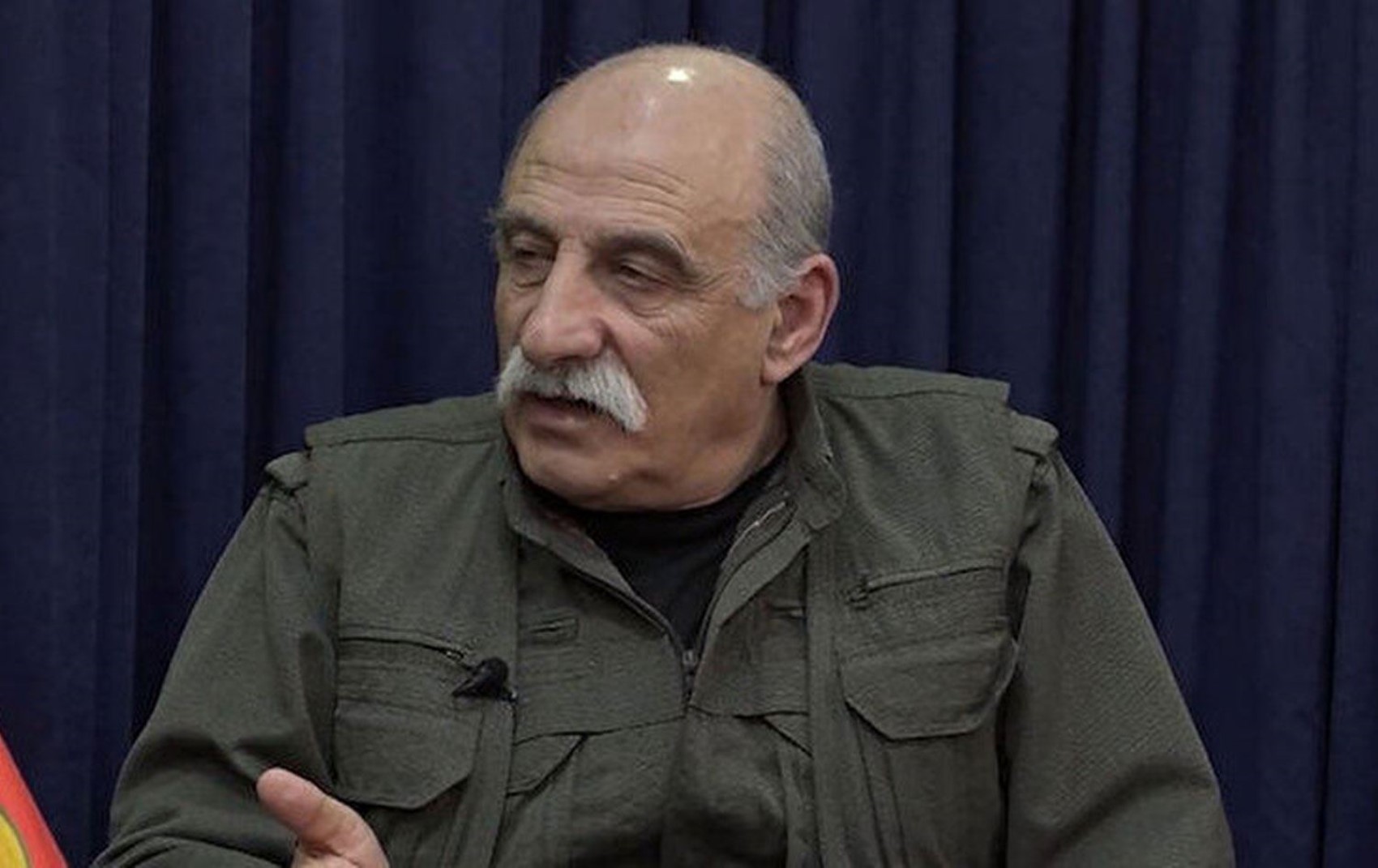
Citing the obstruction of democratic unification processes in Syria as an example of policies opposing the inclusion of Kurds in these processes, Kalkan said, "When Kurds participate, establishing a democratic union in Syria is blocked. With what logic will this policy solve the Kurdish issue?"