Mucilage alarm in the Sea of Marmara
The mucilage alarm in the Sea of Marmara is back on the agenda. Fishermen in Tekirdağ are unable to go fishing due to the mucilage in their nets. Experts state that one of the primary causes of mucilage is the nitrogen and phosphorus released into the sea and emphasize that biological treatment plants must be established as a solution.
İHA
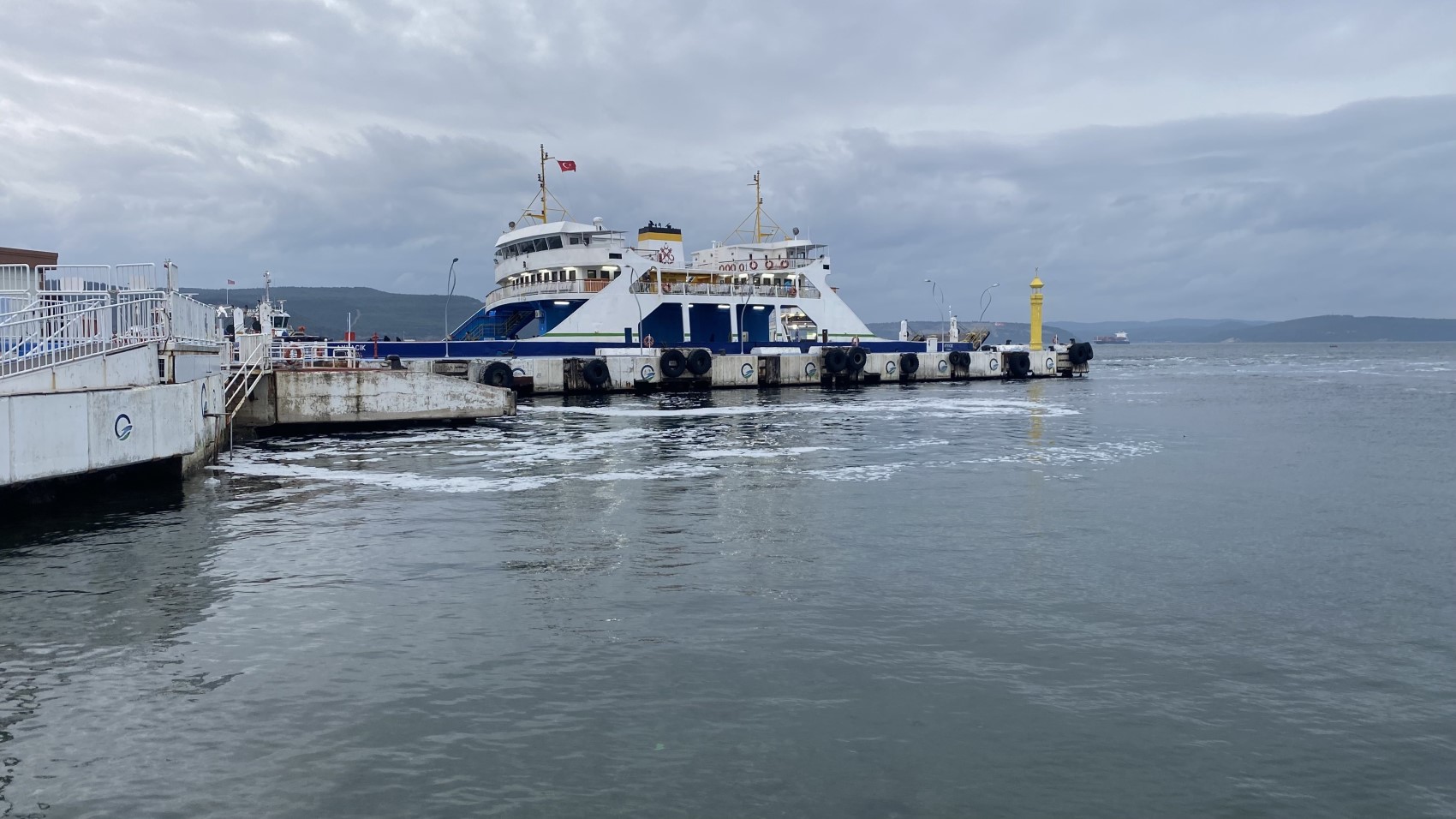
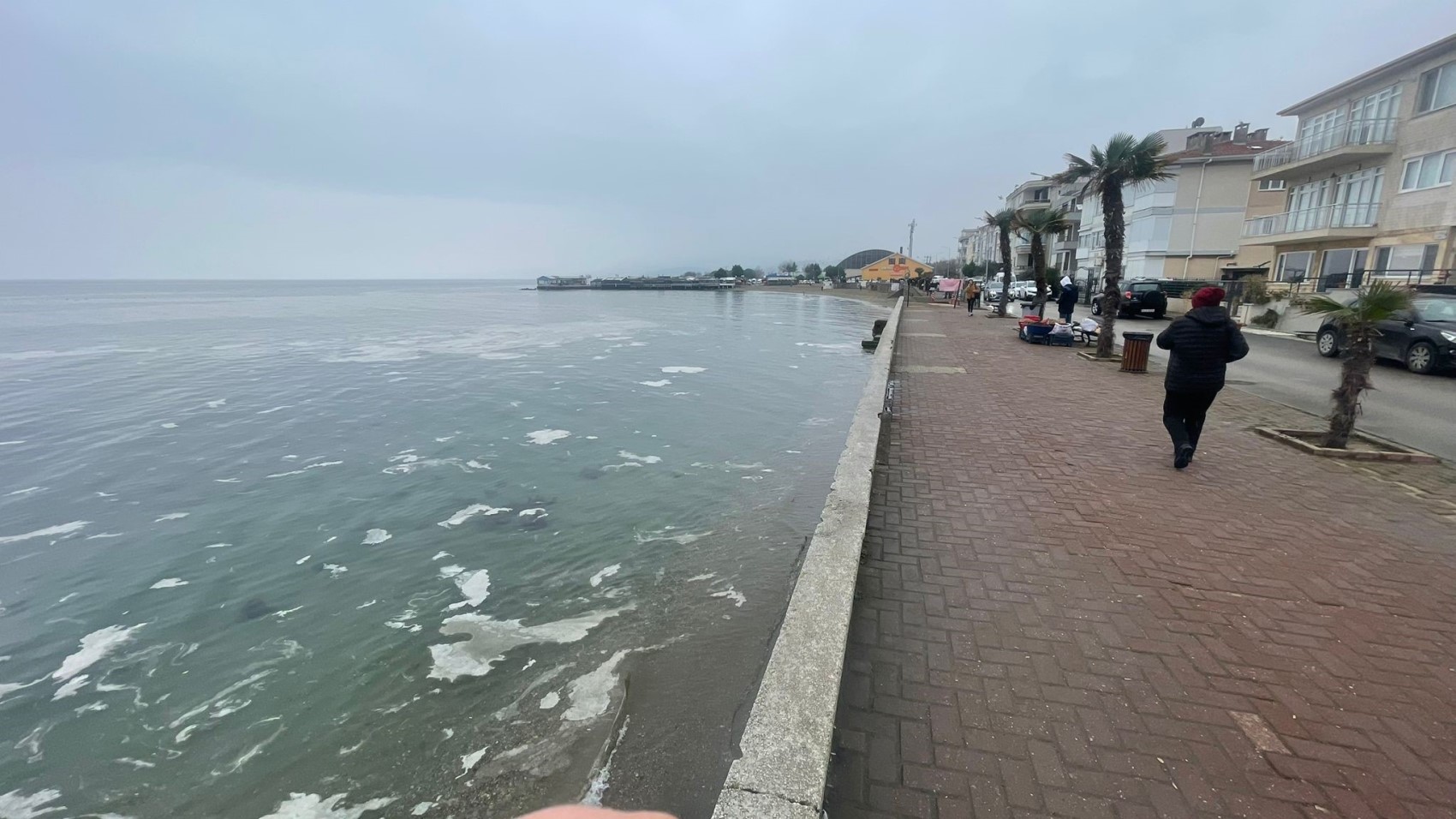
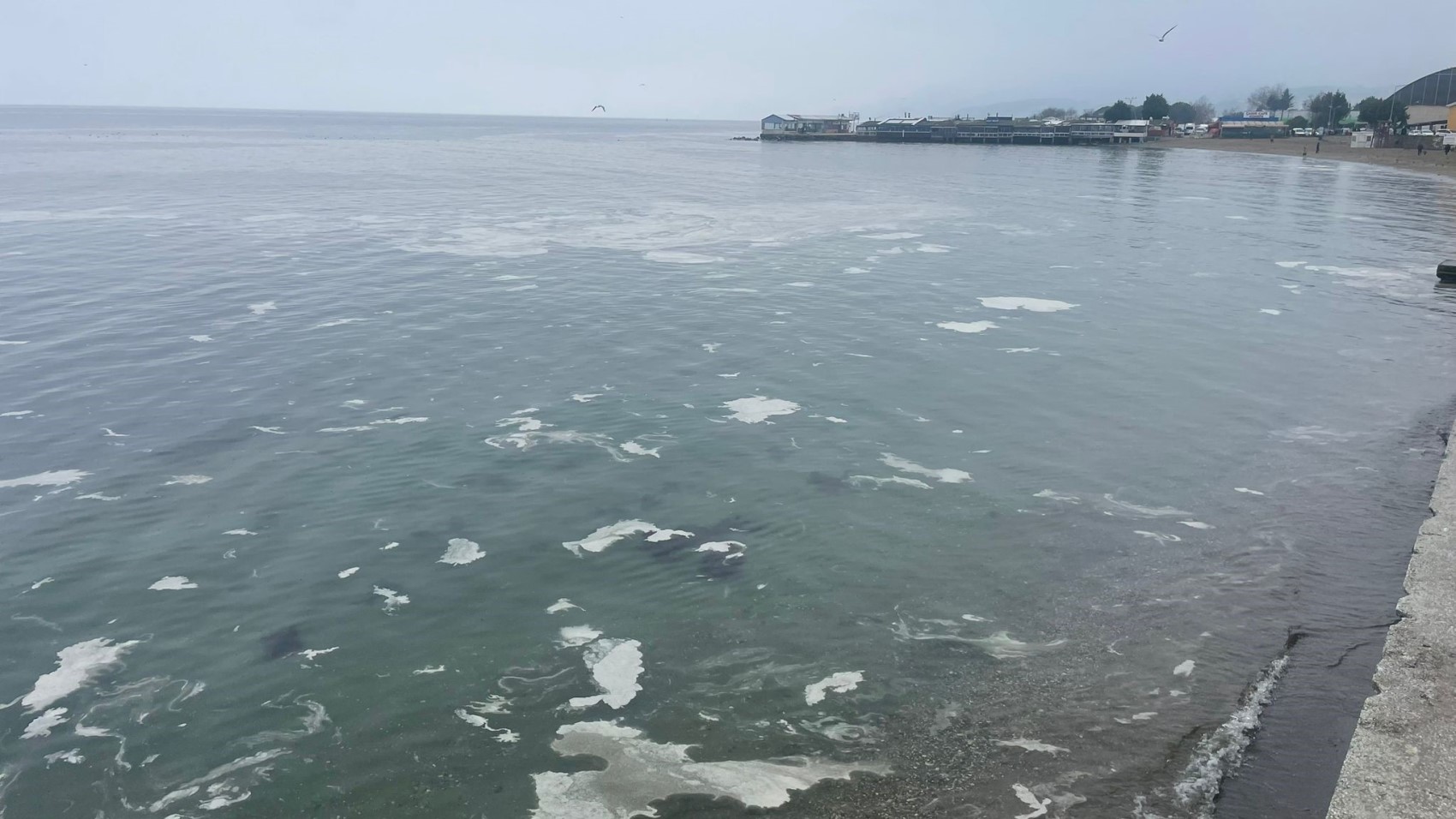
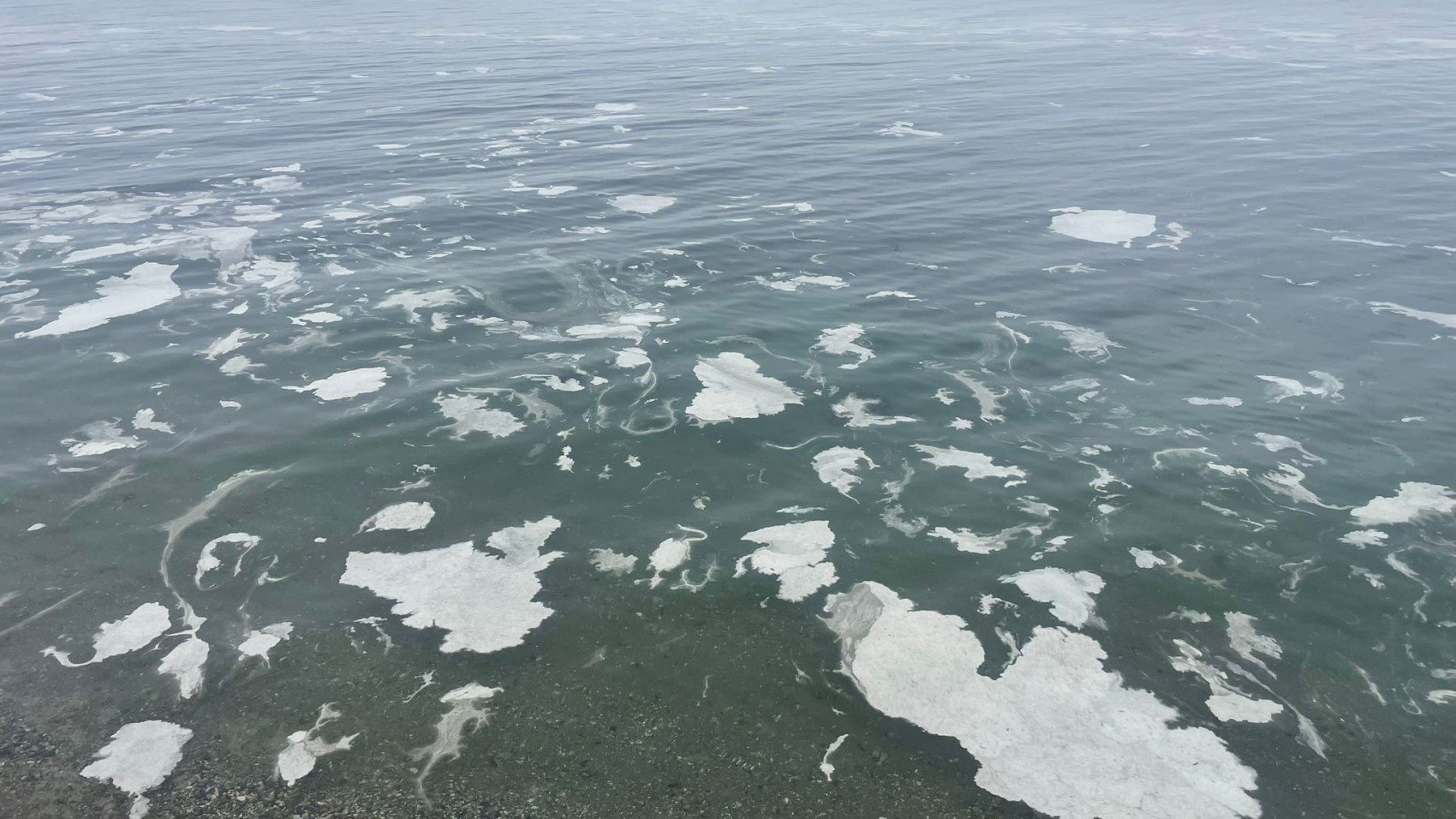
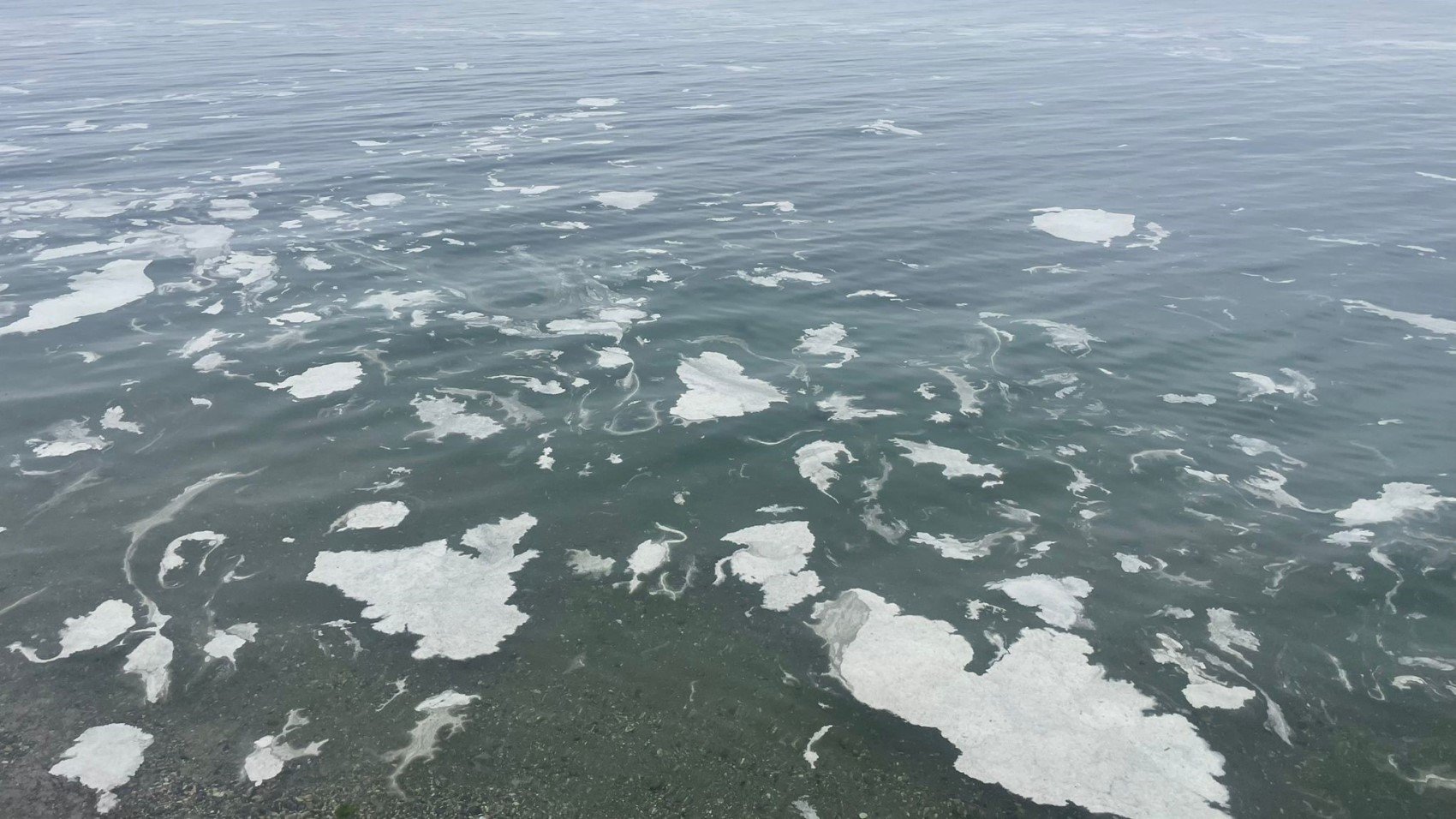
Mucilage (sea snot), which emerged intensely in the Sea of Marmara in 2021 and has begun to reappear this year, has started to stick to and damage the nets of fishermen in Tekirdağ. While fishermen state that they cannot go out to fish due to the mucilage, Prof. Dr. Lokman Hakan Tecer from Tekirdağ Namık Kemal University (NKÜ) said, "One of the biggest reasons for the formation of mucilage is the nitrogen and phosphorus released into the sea through discharges. As long as we do not remove this nitrogen and phosphorus load from the Sea of Marmara, we will have to deal with mucilage problems from time to time."
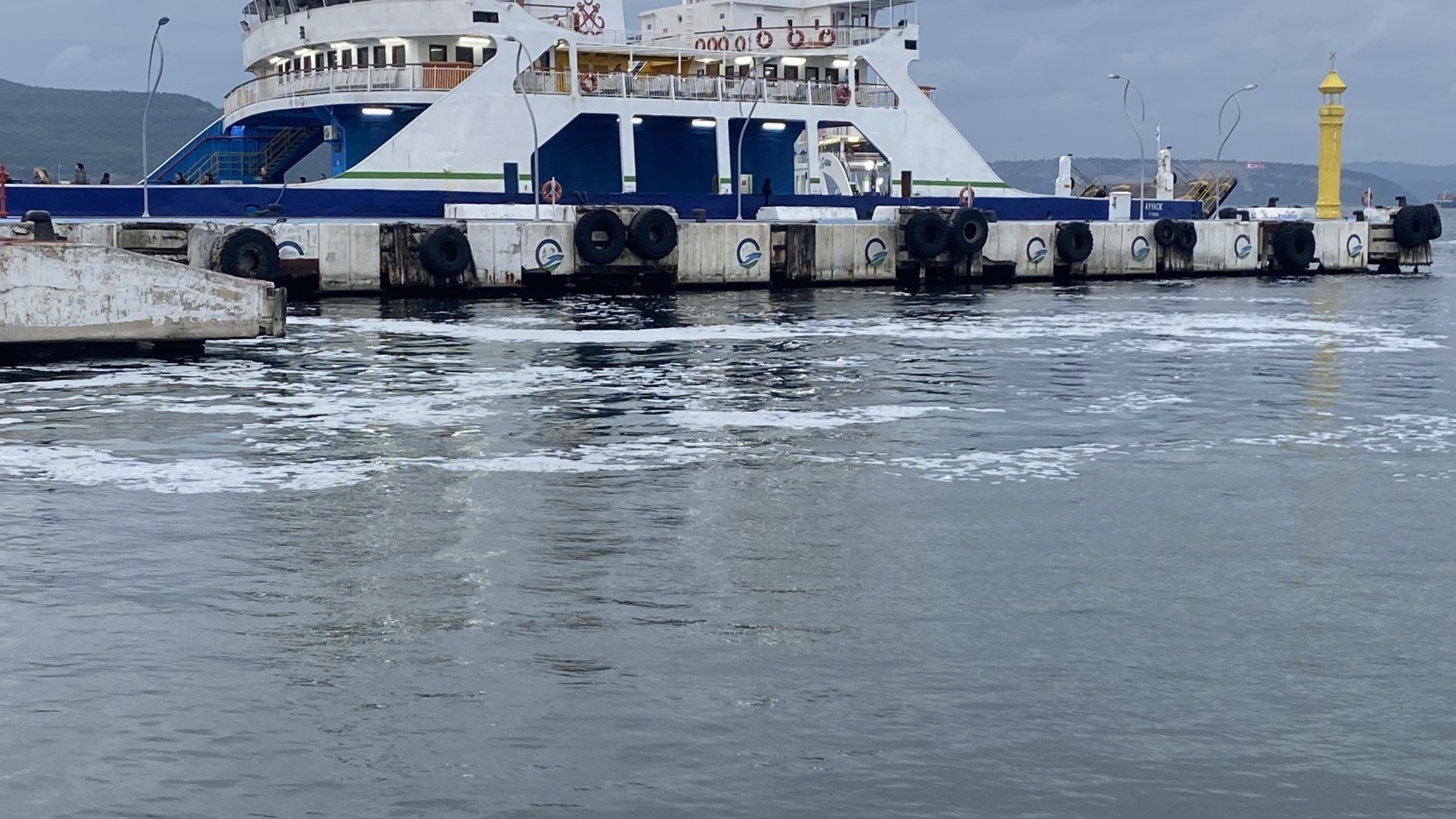
The mucilage seen in the Sea of Marmara in 2021 has begun to show itself again. Mucilage stuck to the nets of fishermen who set out from the Marmaraereğlisi district of Tekirdağ with their boats to fish in the Sea of Marmara. Stating that the mucilage damages the nets, the fishermen explained that they could not go out fishing because of this.
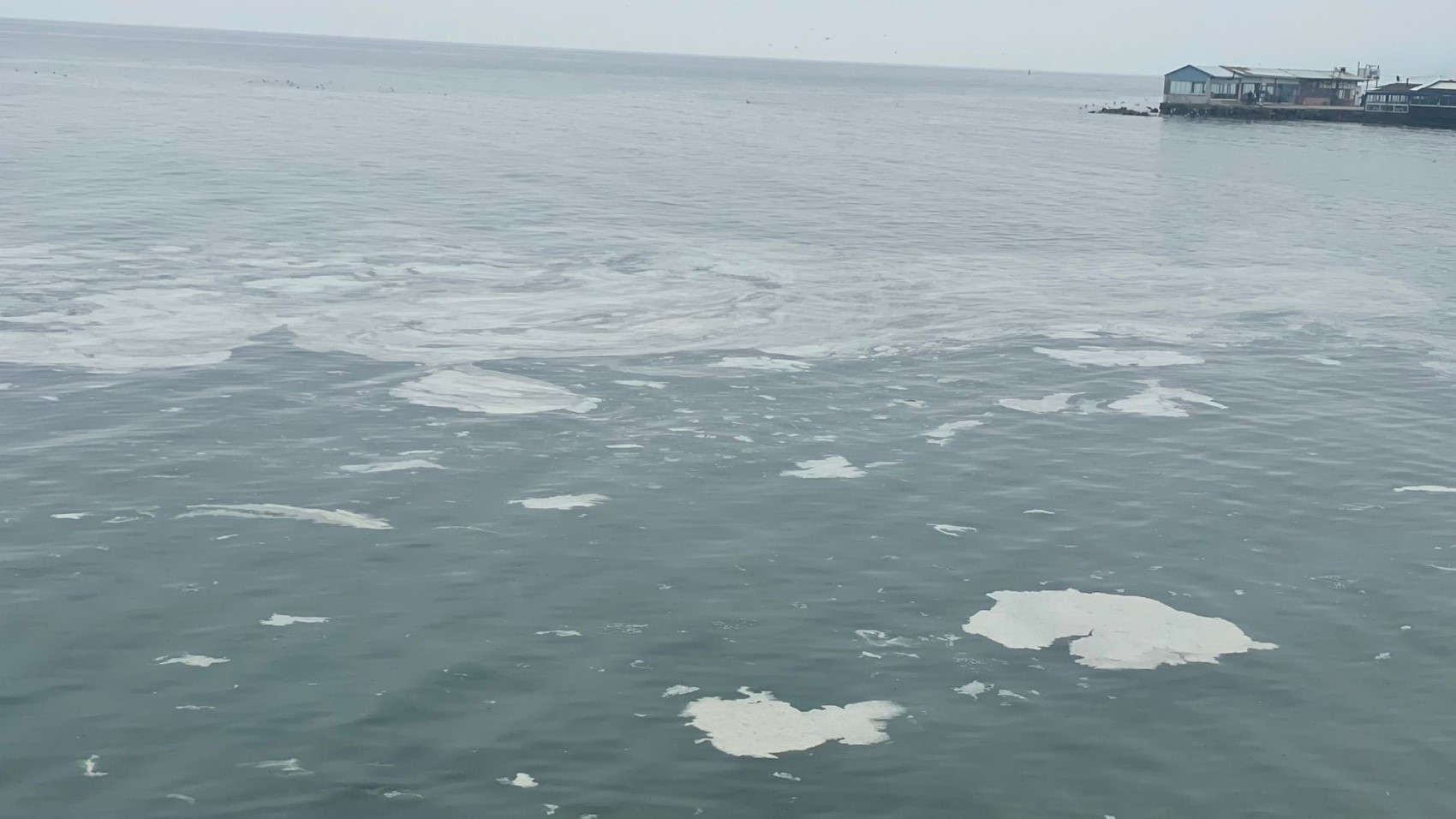
'IT DAMAGES THE NETS'
Fisherman Mehmet Ali Tuncer said, "Now we are facing this phenomenon called mucilage. You can see the nets; because of this, we cannot go fishing. It strains the boat, and we have trouble with the winch. We cannot pull it because it is heavy. It damages the nets, it damages everything. Think about it, it even harms the living creatures in the sea, the algae. This happened 2 years ago too, there were no crabs left, our job is difficult."
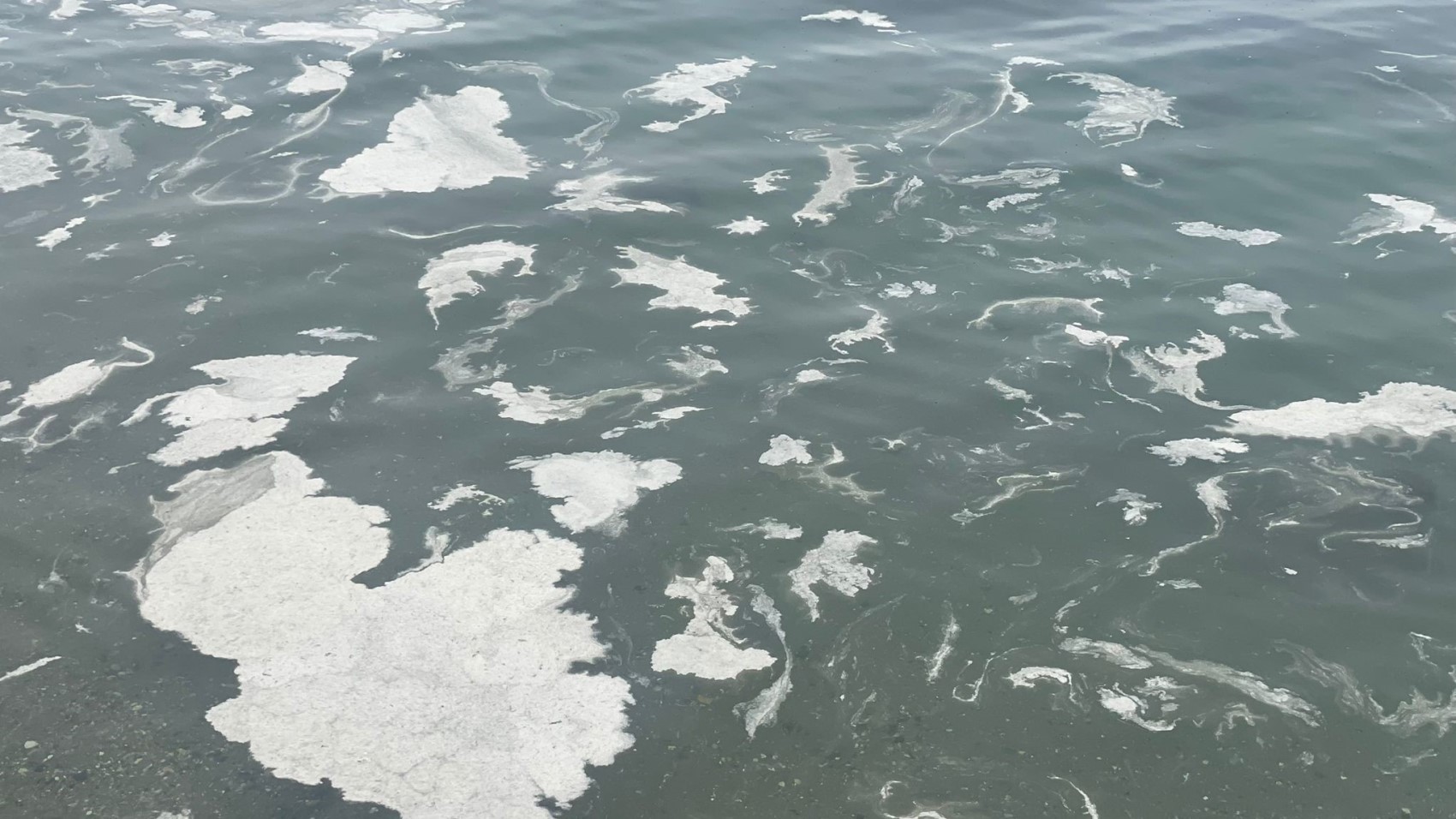
'THE SEA OF MARMARA IS FINISHED'
Aydın Şengül, who has been fishing for 70 years, said, "Including this year, we are facing mucilage for the second time. The nets were torn because of the mucilage, I am repairing our nets. The mucilage affects us; because of this, fish never entered the Marmara. The fish stayed in the Black Sea. Bonito and bluefish stayed in the Black Sea constantly. The Sea of Marmara is finished. We haven't been able to go fishing for 3 months."
'THERE IS NO YIELD DUE TO MUCILAGE'
Cezmi Koç, one of the 45-year veteran fishermen in the district, said, "We go fishing, but you see the state of the nets, we have problems. There is no yield due to the mucilage. Since the pores of our nets are clogged, fish are not caught either. You see our situation, the state needs to find a remedy. We want the mucilage to be cleaned as soon as possible."
'THERE WERE 3 MAIN REASONS FOR THE FORMATION OF MUCILAGE'
NKÜ Çorlu Faculty of Engineering Dean Prof. Dr. Lokman Hakan Tecer said that the mucilage problem seen in the Sea of Marmara in 2021 has not ended. Stating that the mucilage sometimes descends to the depths of the sea and sometimes rises to the surface, Tecer said, "In the studies conducted these days, it is understood that the mucilage, which is at the bottom and depths of the sea, is rising towards the surface. You know; there were three main reasons for the formation of mucilage. We need to focus on these. One is the increase in sea water temperature due to climate change, the slowing of the current, and thirdly, the discharges made into the Sea of Marmara. Now, it is not very accurate to attribute the increase in sea water temperature only to climate change. Because when we look at it, we see that the sea water temperature in this region, especially in the Sea of Marmara, has increased by 2.5 degrees Celsius in the last 50 years. The average temperatures are 17.8 degrees Celsius. This is 1 degree Celsius in the Black Sea. It is 1.4 degrees Celsius in the Aegean Sea. Therefore, it is not correct to attribute the temperature of the Sea of Marmara's water only to global warming. There are reasons for this. The reasons for this are actually related to the other reason, which is the discharges made into the Sea of Marmara."
'ADVANCED BIOLOGICAL TREATMENT PLANTS MUST BE ESTABLISHED'
Prof. Dr. Tecer said, "Approximately 25 million people live on the coast of the Sea of Marmara. There are several large cities, and 8 million cubic meters of wastewater are discharged into the sea daily, either partially treated or untreated. At the same time, cooling waters from the industry on the coast of the Sea of Marmara also cause the sea water temperature to rise. Let's record and know this once. One of the biggest reasons for the formation of mucilage is the nitrogen and phosphorus released into the sea through discharges. The removal of nitrogen and phosphorus in wastewater is only possible with the establishment of advanced biological treatment plants. When we look at it, we see that most of the treatment methods for sewage and industrial waste, especially in Istanbul and surrounding cities, are not advanced biological treatment. Therefore, as long as we do not remove this nitrogen and phosphorus load from the Sea of Marmara, as long as we do not find a permanent solution to these discharges, we will have to deal with mucilage problems from time to time."
'IT IS NOT POSSIBLE TO SAY IT IS NATURAL'
Stating that such a temperature change in the Sea of Marmara in a period of 50 years means a tremendous magnitude and abnormality, Tecer said, "A 1-degree increase in sea water temperature is not something that will happen in 50 years. But unfortunately, when we look at it since the 1970s, the Sea of Marmara has increased by 2.5 degrees Celsius. It is not possible to say that this is natural. There is an anthropogenic effect here. There is an effect created as a result of human activities here. When we look at this effect, we can talk about the effect of 8 million tons of water discharged here daily. We can talk about the discharge of cooling waters used in industries on the coast of the Sea of Marmara as hot water, which is a tremendous temperature change."