A new era for credit card passwords begins today! What should you do to prevent the ATM from swallowing your card?
The BRSA has introduced a new regulation to protect credit and debit card users against fraud. From now on, date combinations and popular years cannot be used as passwords. Users who insist on using old passwords will face the risk of their cards being blocked at ATMs. This measure aims to prevent fraud by encouraging more secure password habits.
12punto
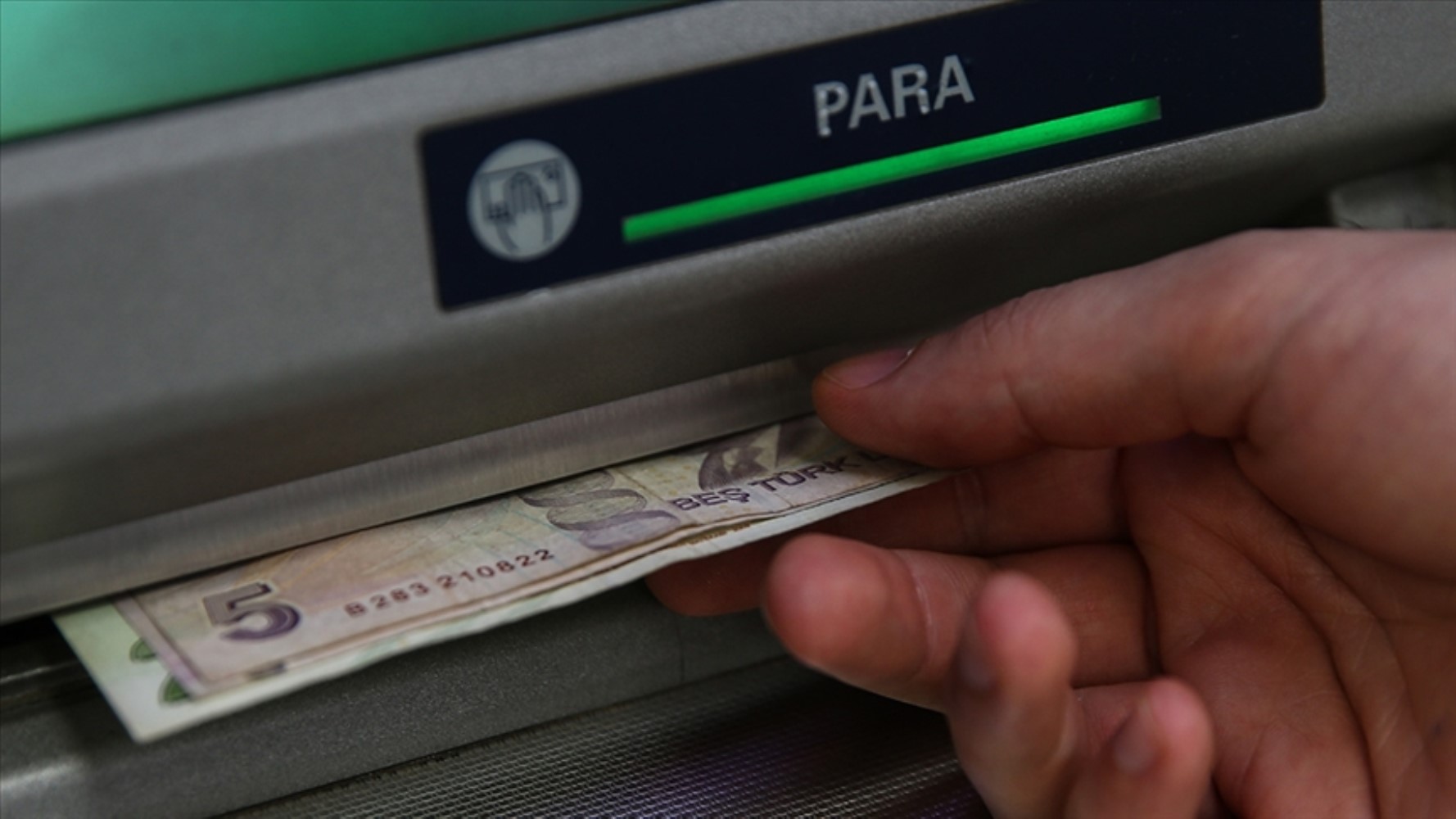
The Banking Regulation and Supervision Agency (BRSA) has implemented a comprehensive regulation to protect credit and debit card users against fraud. Starting today, users' birth dates and popular date combinations can no longer be set as credit card PINs. Years such as "1453, 1881, 1903, 1905, 1907", as well as common license plate codes and other sequential numbers, have been banned for security reasons.
This decision aims to encourage cardholders to use more secure PINs while eliminating combinations that are easy for fraudsters to guess.
ATMS WILL STRENGTHEN THE SECURITY WALL
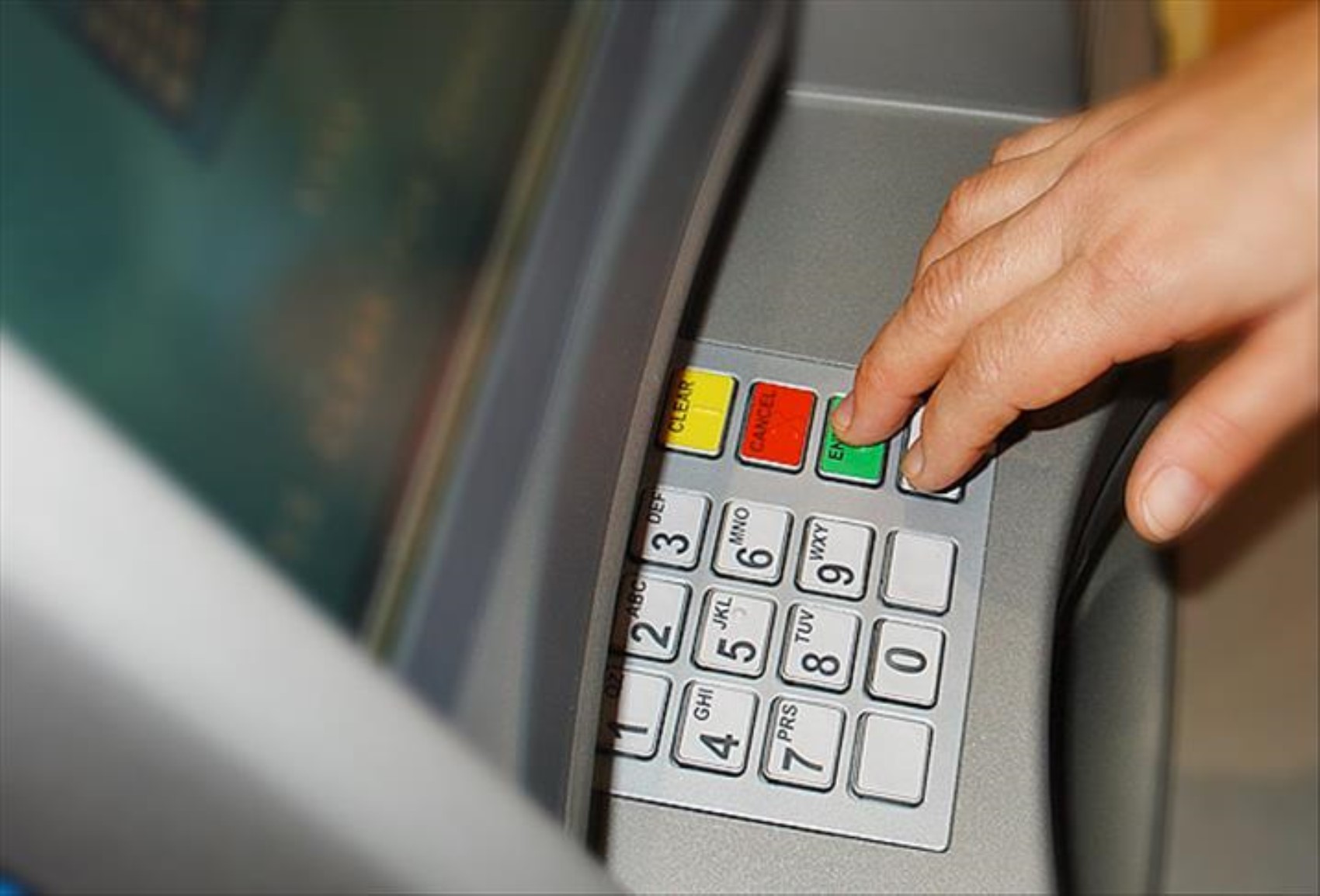
The new regulation will increase PIN security used at ATMs. When users enter banned PIN combinations, the system will automatically issue a security warning. Users who do not want to change their old PINs will face the risk of having their cards blocked at ATMs.
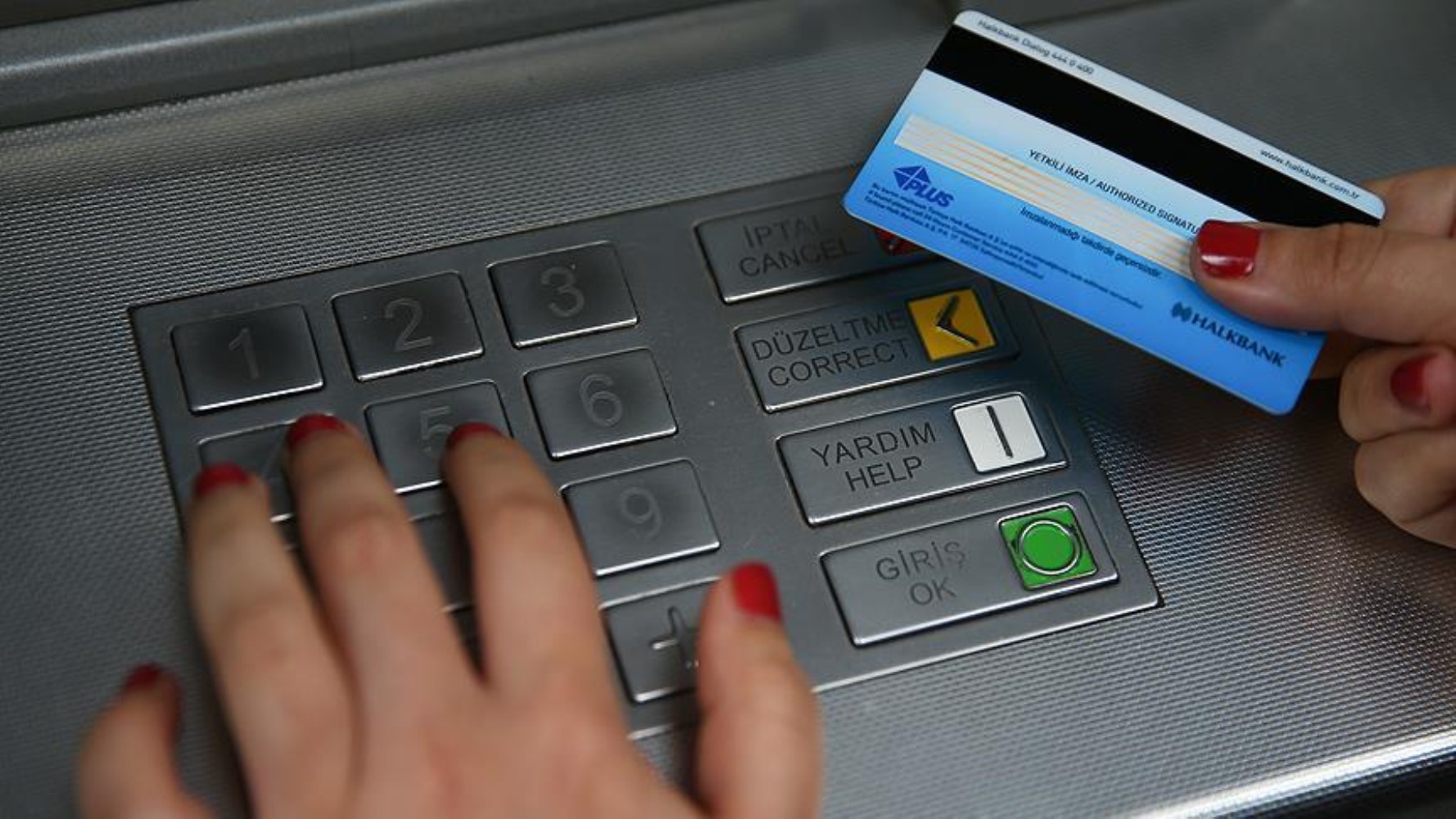
Blocked cards will be reissued by banks and sent to users. Along with the new card, more secure PIN options independent of dates will be offered.
WHY IS THIS REGULATION NECESSARY?
The BRSA has drawn attention to the increase in credit card fraud in recent years, emphasizing that such combinations are easily guessable. In particular, the founding years of football clubs, birth dates, and license plate codes are easily guessed by malicious individuals.
With this step, it aims to ensure the financial security of users and encourage them to develop more complex PIN habits.
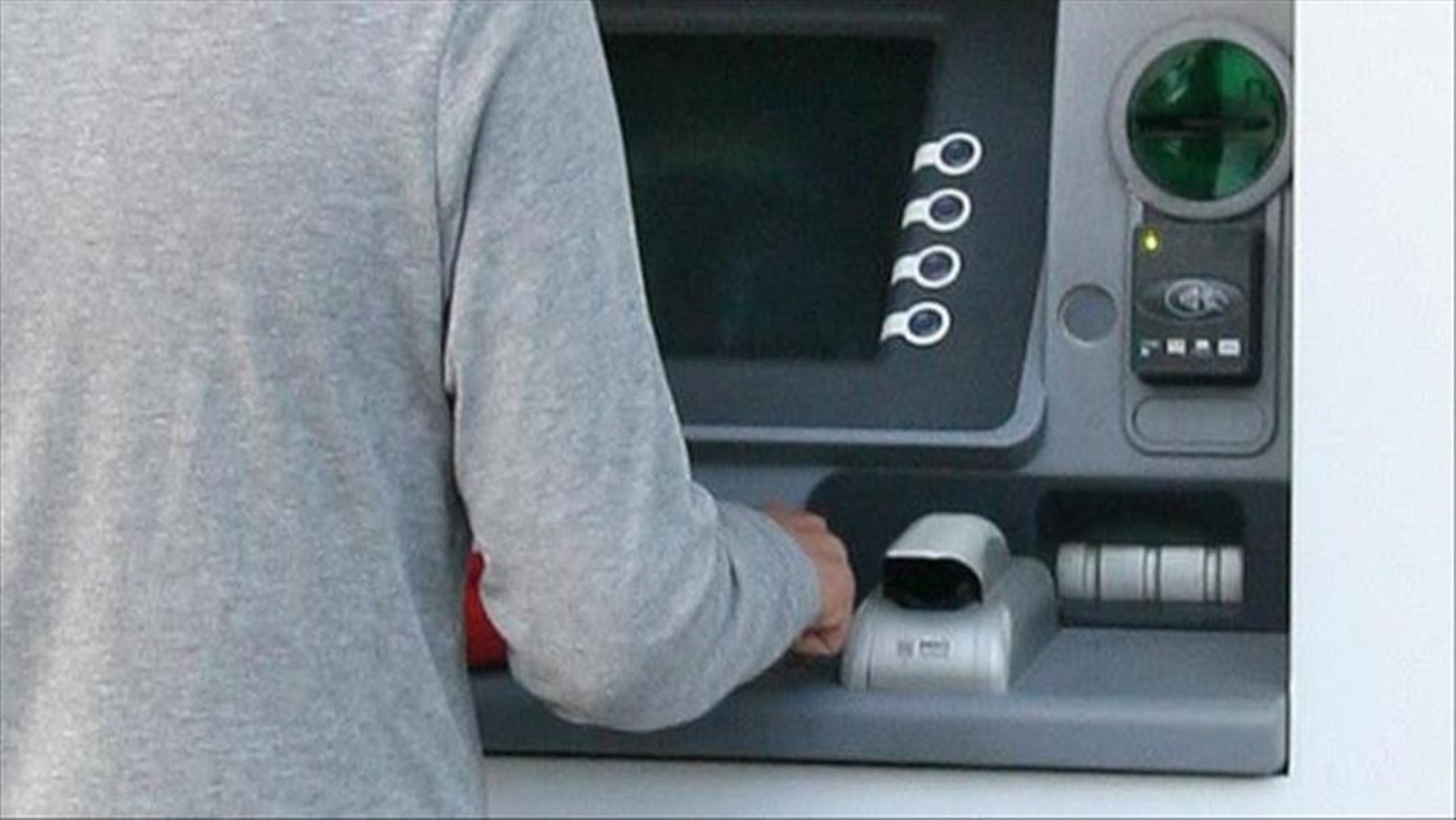
For users who insist on their old PINs, various sanctions of the system will come into play. While performing transactions at an ATM, users will be warned to set a new PIN. The cards of those who do not heed the warnings and continue to use banned combinations will be blocked for security purposes.
Blocked cards will be reissued under the bank's guarantee and delivered to the user.
MORE RELIABLE PINS IN THE NEW ERA
This regulation is an important step toward changing the PIN creation habits of credit card users. Experts encourage users to create hard-to-guess PINs that include combinations of letters and numbers instead of historical data.
For example, it is stated that more complex PINs such as "A1bC3d!" significantly reduce the risk of fraud.