New findings in C-130 disaster: Aircraft broke into three pieces in mid-air
Investigations into the C-130 crash in Georgia, which resulted in the martyrdom of 20 soldiers, suggest that the aircraft first lost its tail section. Minister of National Defense Yaşar Güler announced that the black box analysis could take two months.
12punto

Technical examinations and a judicial investigation are ongoing regarding the C-130 plane crash in Georgia that resulted in the martyrdom of 20 soldiers. In the latest statement made by Minister of National Defense Yaşar Güler, it was stated that the process of decoding the black box could take approximately two months.
TAIL LOSS HIGHLIGHTED IN PRELIMINARY ASSESSMENTS
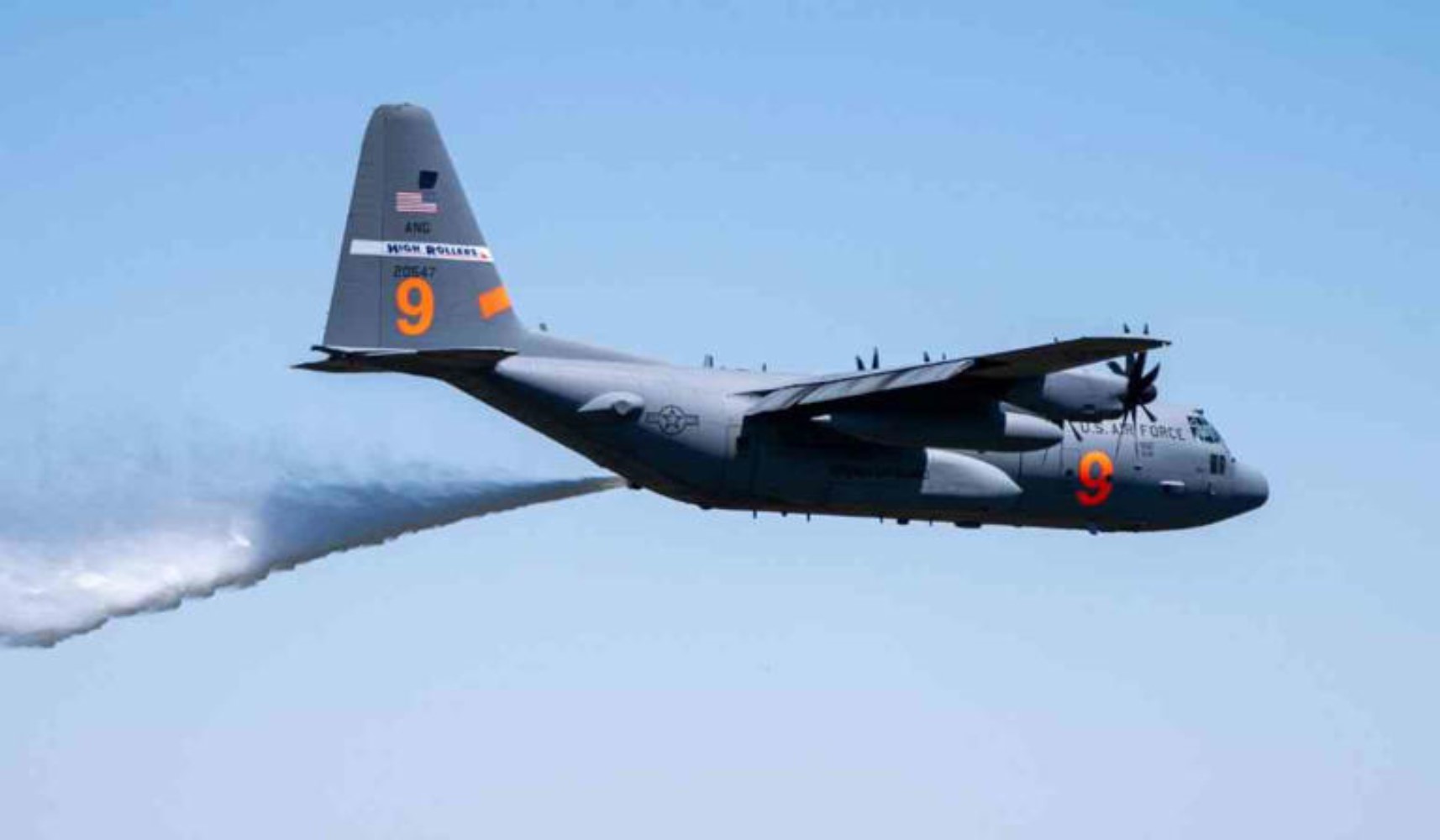
According to the initial findings shared by Minister Güler, it was stated that the aircraft lost its tail section in the air before the crash. Güler shared the information, "According to preliminary findings, although not definitive, the tail breaks off first. Then it breaks into three. These will emerge from the black box. The black box is currently being examined by TUSAŞ."

Güler also noted that C-130 type aircraft have been serving in the Turkish Armed Forces inventory for many years, stating, "We have been using C-130s since 1957. There was one engine fire in 1999, and it landed safely. Therefore, it is generally a safe aircraft."
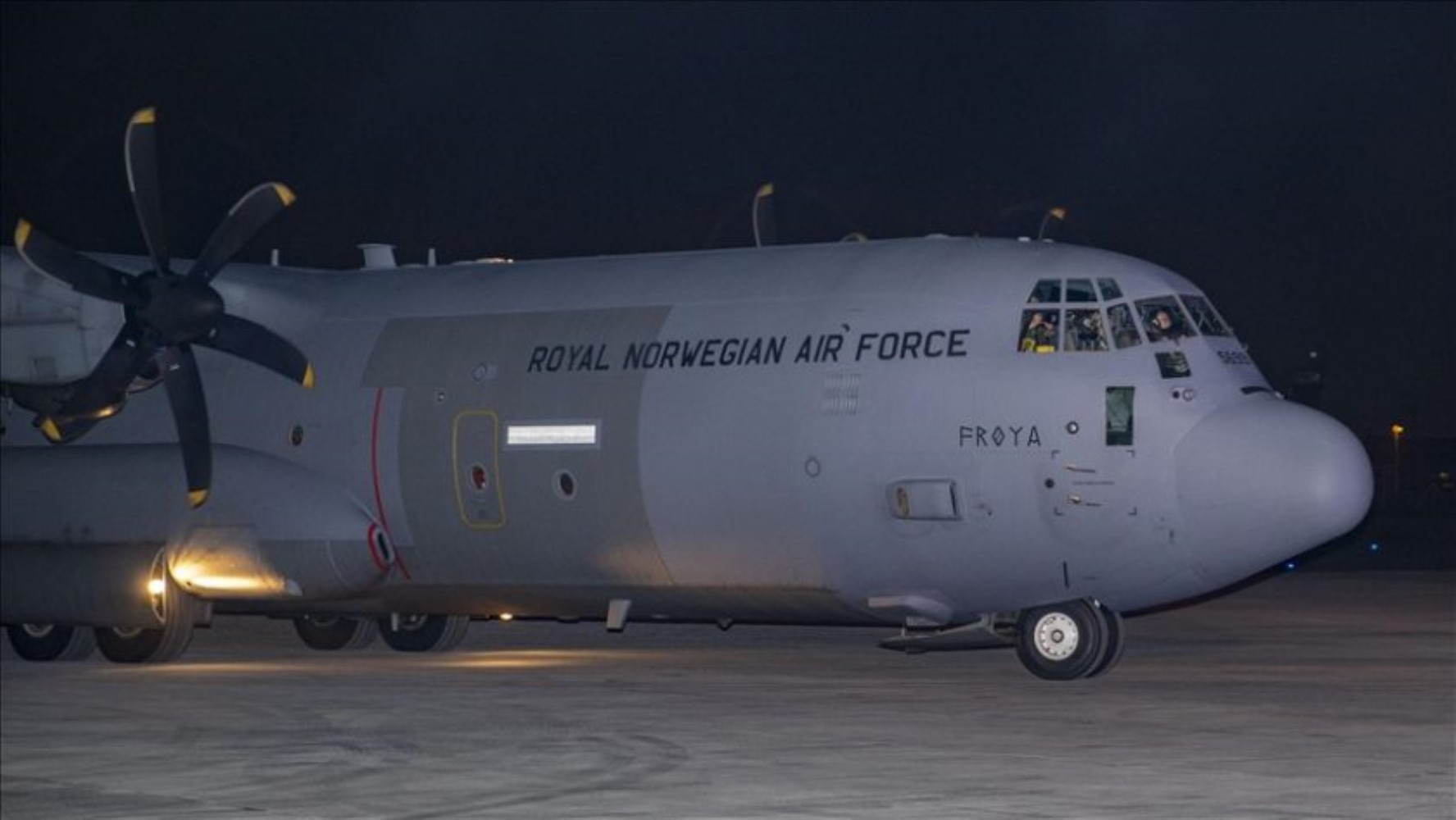
Technical assessments indicate that the aircraft became completely uncontrollable after the tail section broke off. According to aviation principles, the loss of the rudder and altitude control parts located in the tail section completely eliminates the aircraft's ability to steer and maintain balance. In this situation, it is stated that the aircraft's center of gravity shifts forward, the nose points downward uncontrollably, and very high structural loads are placed on the fuselage.
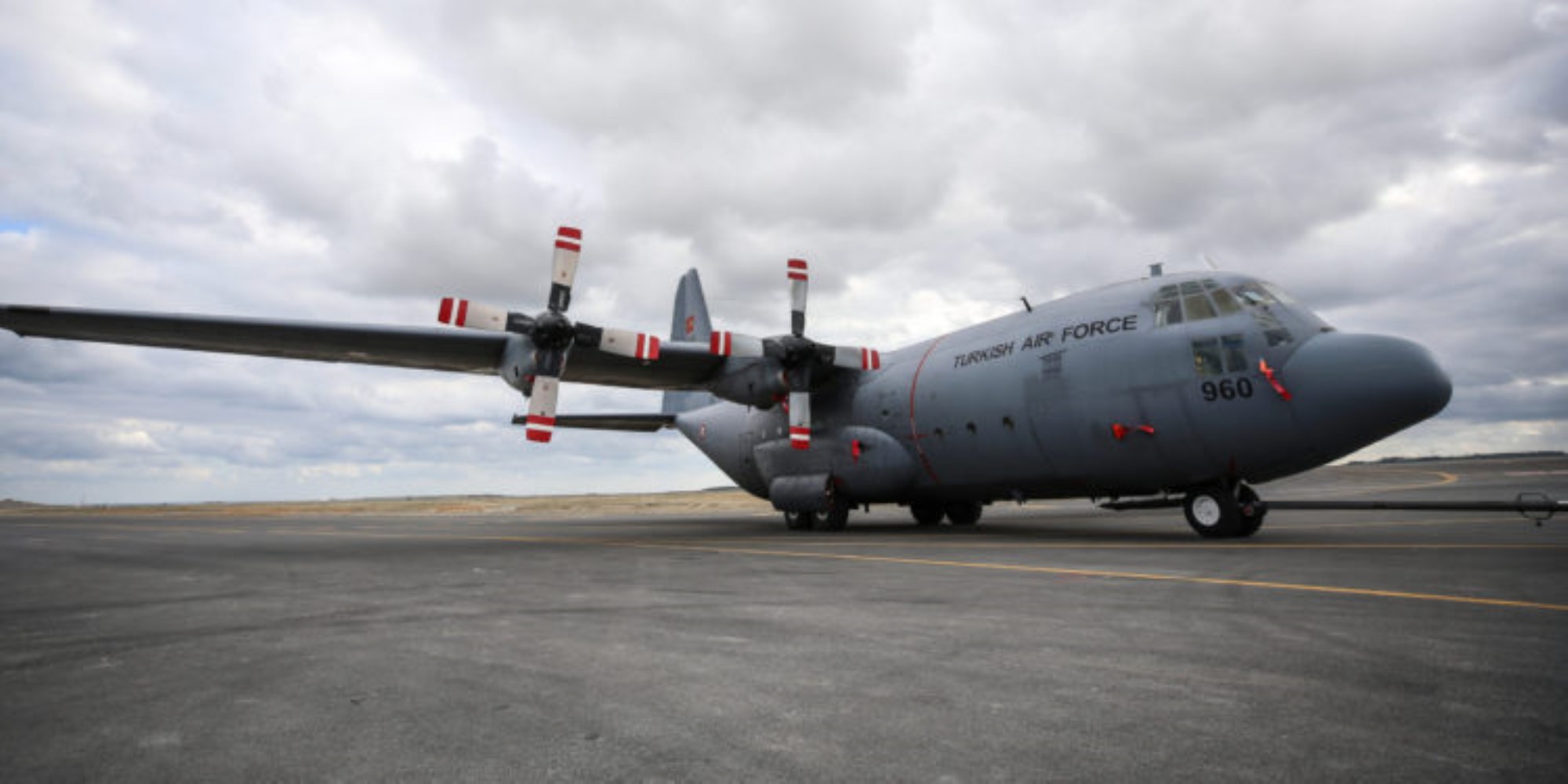
According to information reported by NTV, it is assessed that these loads could also strain the aircraft's additional parts, leading to fractures in the nose, wings, and engine mounts.
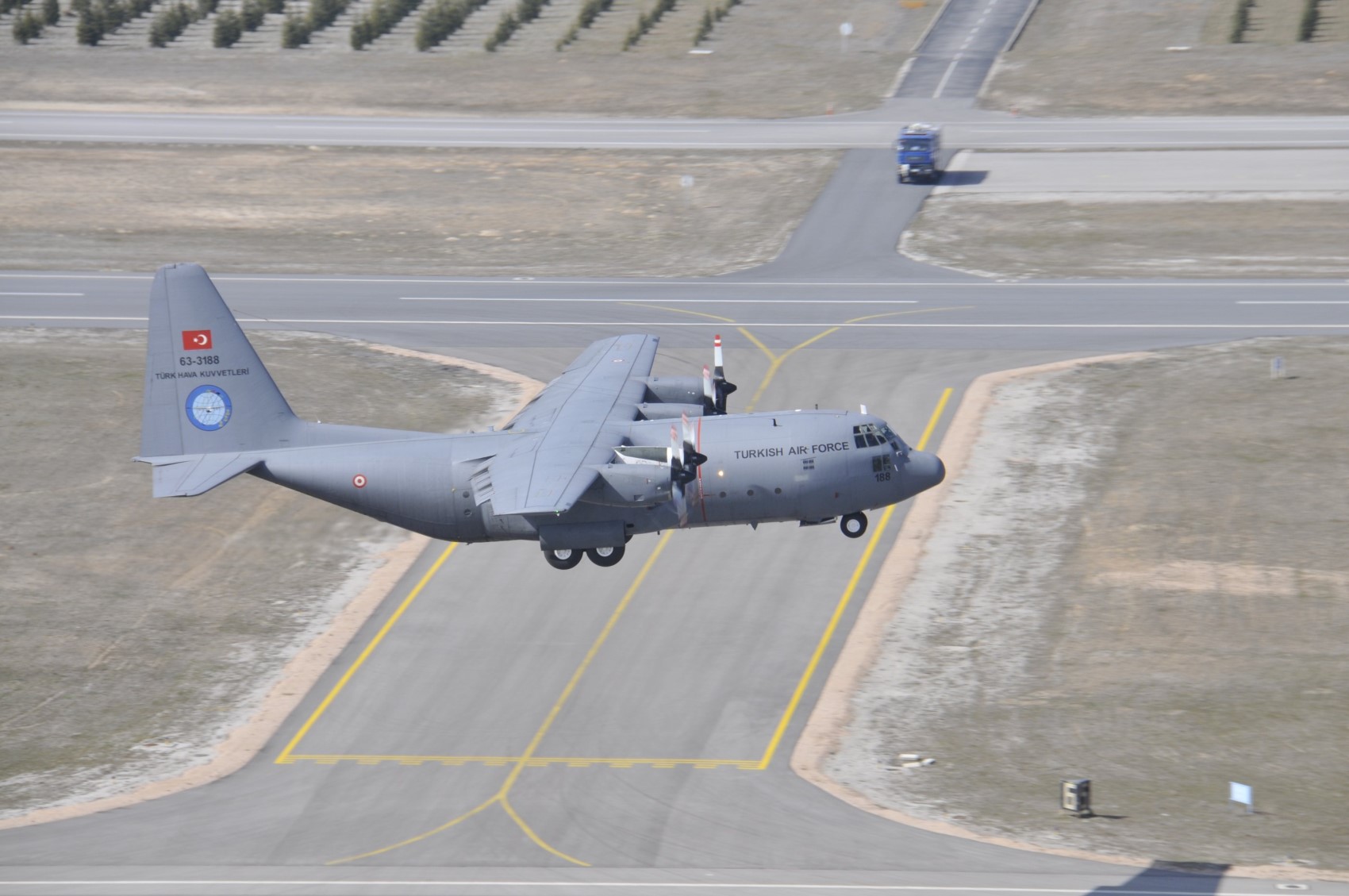
While images of the moment of the crash show that all four engines of the plane were in place, it is suggested that the nose may have broken off during flight due to air resistance.

In the footage of the crash, it is clearly visible that the tail section of the plane separated from the main body in the air. It was determined that the tail piece crashed into an area quite far from the point where the fuselage fell.
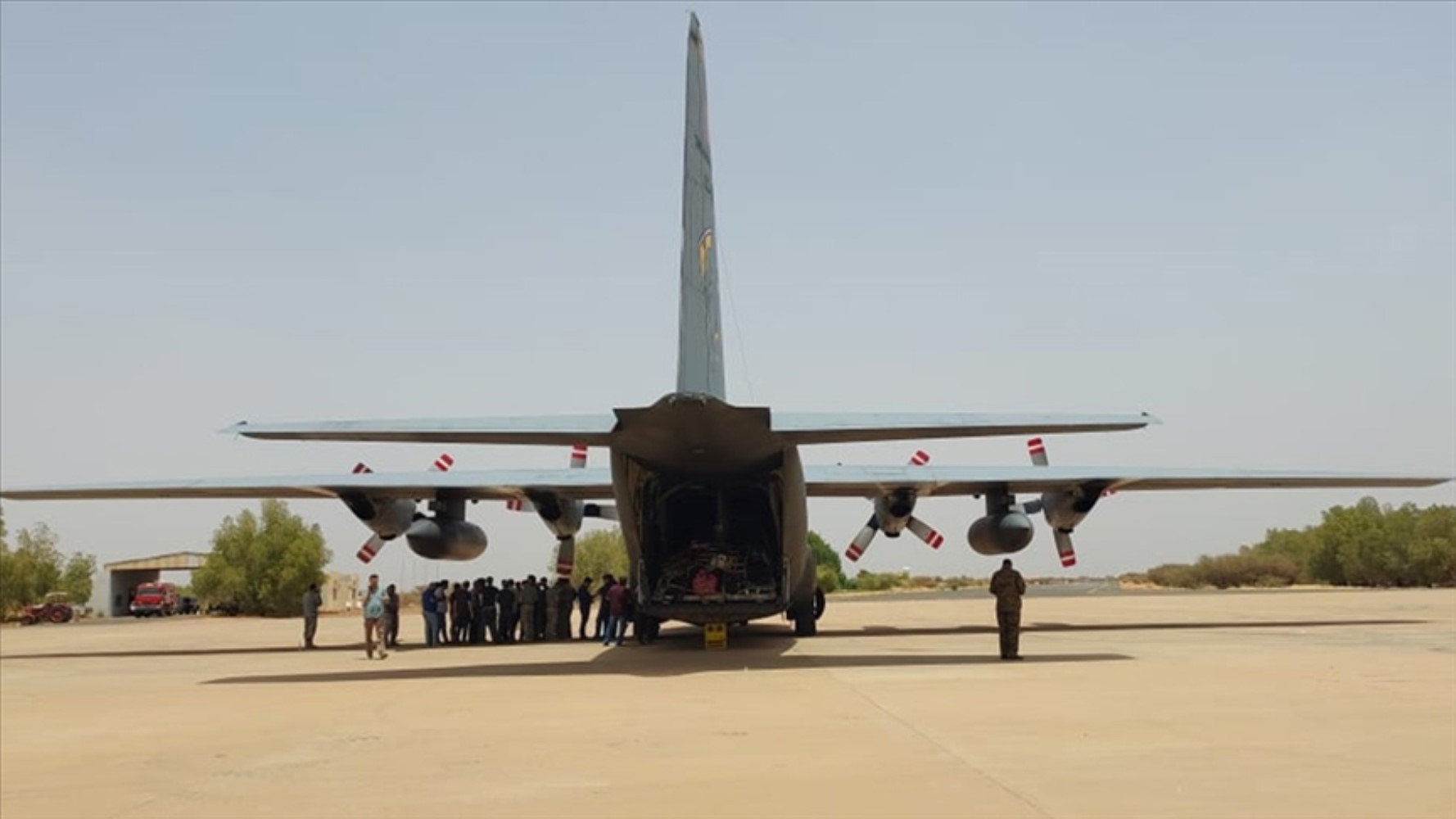
This situation has been interpreted in technical circles as an indication that the pilots may have made a brief attempt to regain control after the separation.
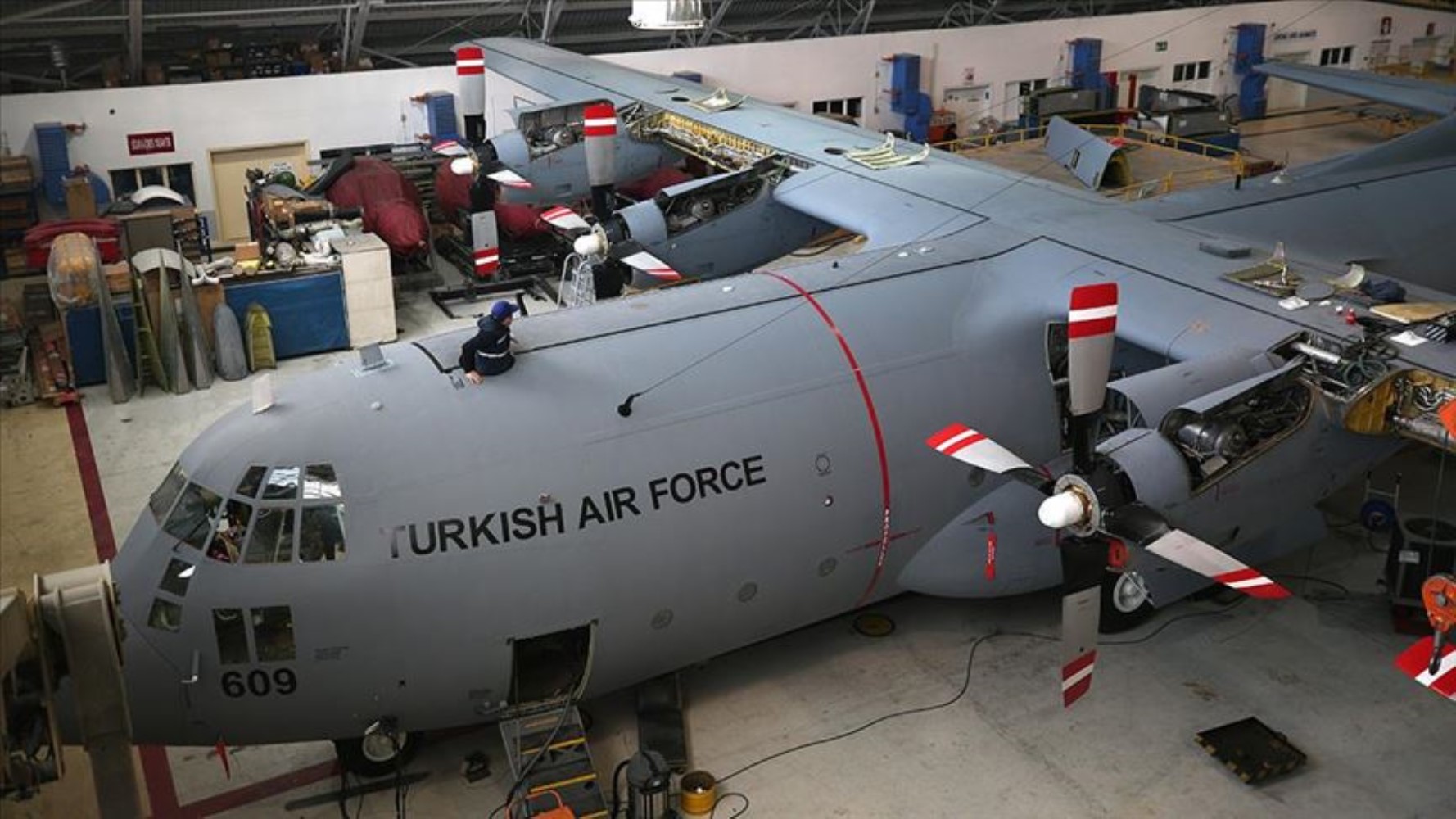
It is believed that shepherds in the region noticed the plane's abnormal flight path and began recording, and that the footage was taken during the moments when the plane was losing significant altitude.
THE PLANE WAS CARRYING 6 TONS OF CARGO
One of the elements the investigation is focusing on is the 6-ton cargo pallets on the plane. It was stated that the cargo was placed in the rear section of the plane and consisted of materials being transported back for fighter jets that had participated in events in Azerbaijan.
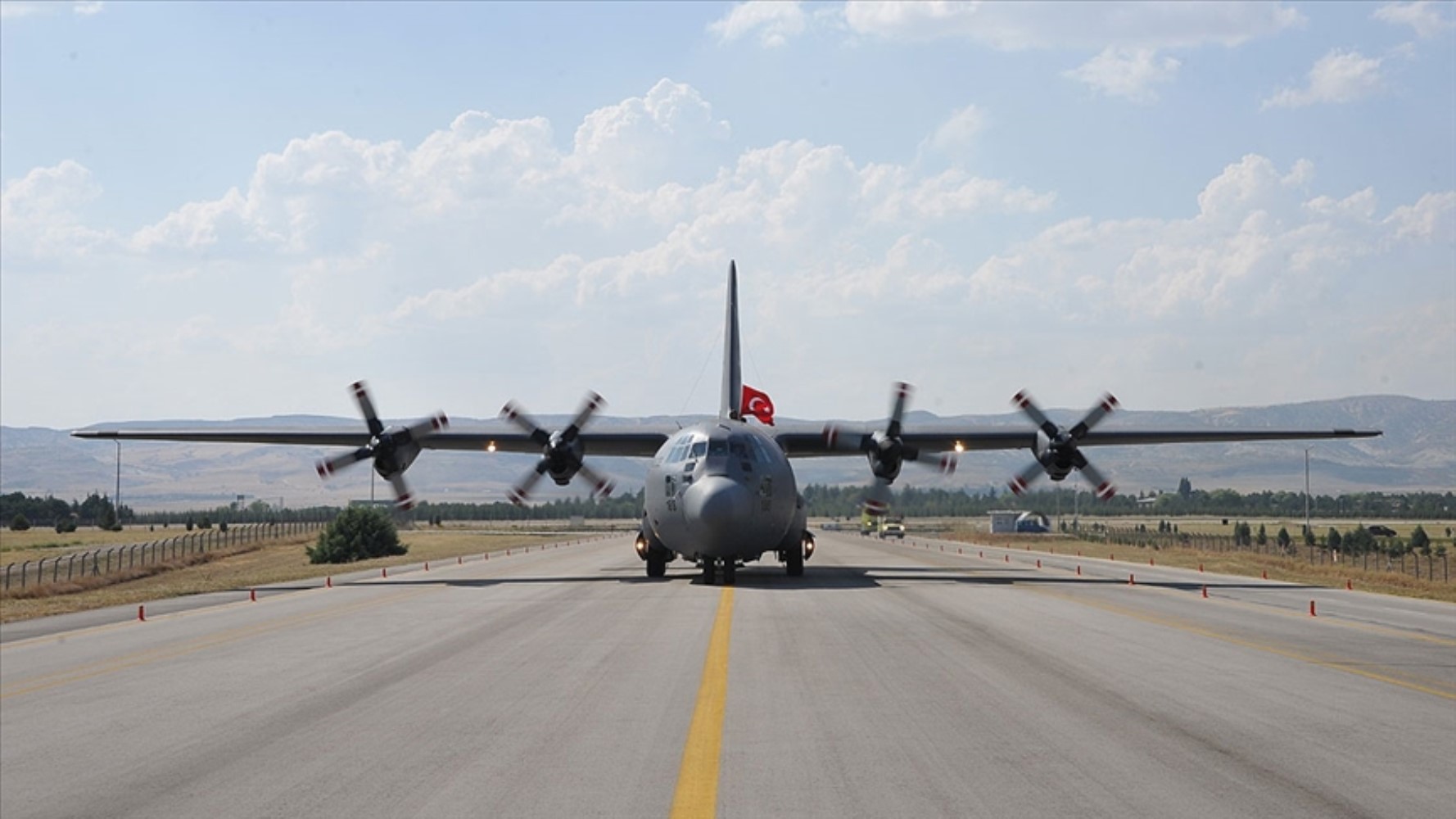
While it is known that C-130 aircraft can technically carry up to 19 tons of cargo, it is stated that the current 6-ton load did not pose a problem in terms of weight. However, the possibility that this cargo shifted the moment the plane lost control is among the possibilities being investigated. The possibility that the cargo may have placed excessive load on the tail section during the separation is also being evaluated.