They had fallen as martyrs in İskenderun... Test results obtained: Here are the causes of death for the soldiers
Cumhuriyet columnist Barış Terkoğlu wrote about the background of the incident at the Naval Recruit Training Regiment in İskenderun where two soldiers lost their lives. The test results for the soldiers involved in the tragic event have been obtained.
12punto
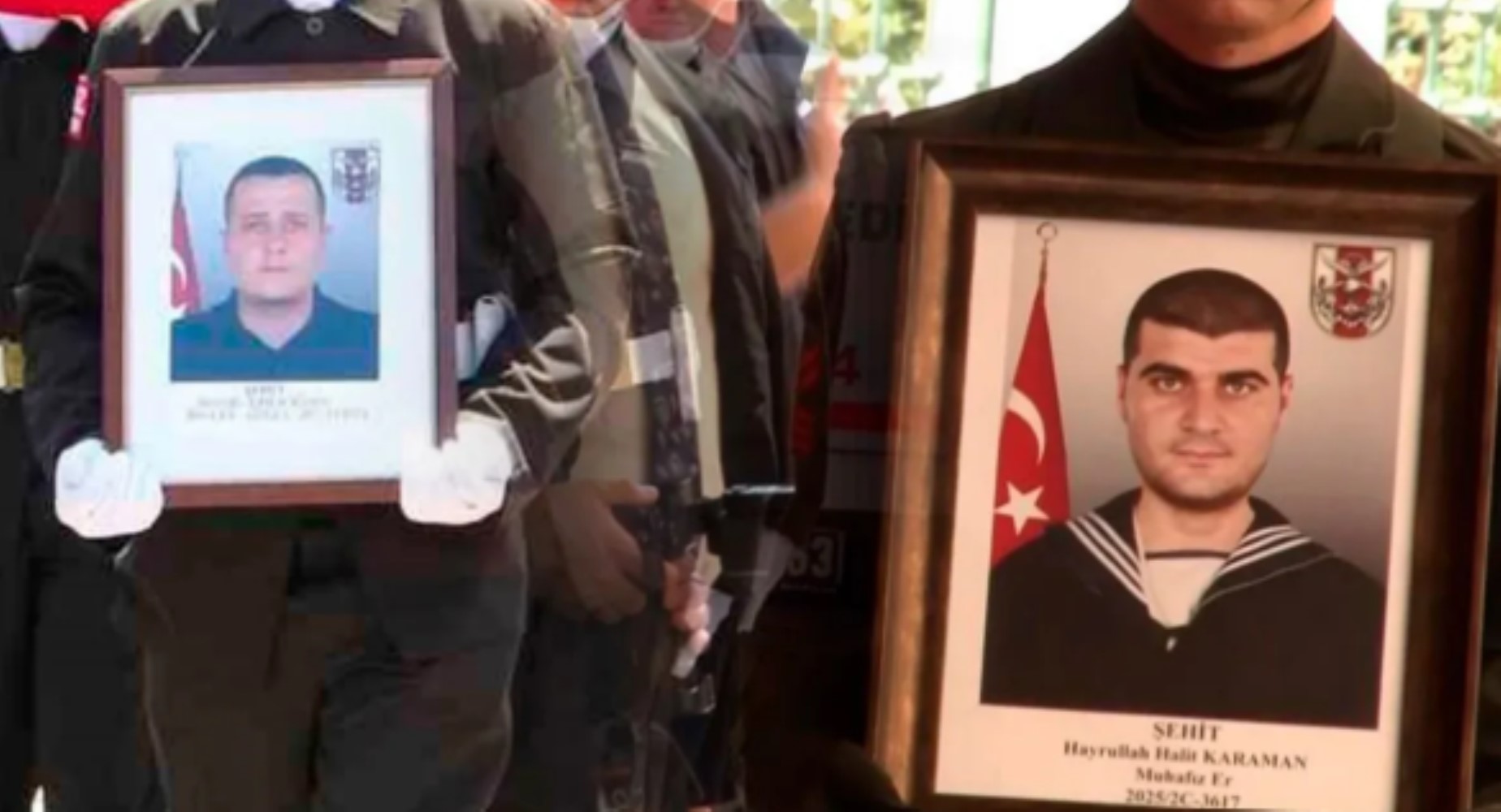
Cumhuriyet newspaper columnist Barış Terkoğlu addressed the background of the tragic incident in which two soldiers were martyred at the Naval Recruit Training Regiment in İskenderun in his column today. Including the statements of the surviving privates and the comments of military sources, Terkoğlu pointed out that the incident might be linked to serious lapses in supervision and arbitrary practices.
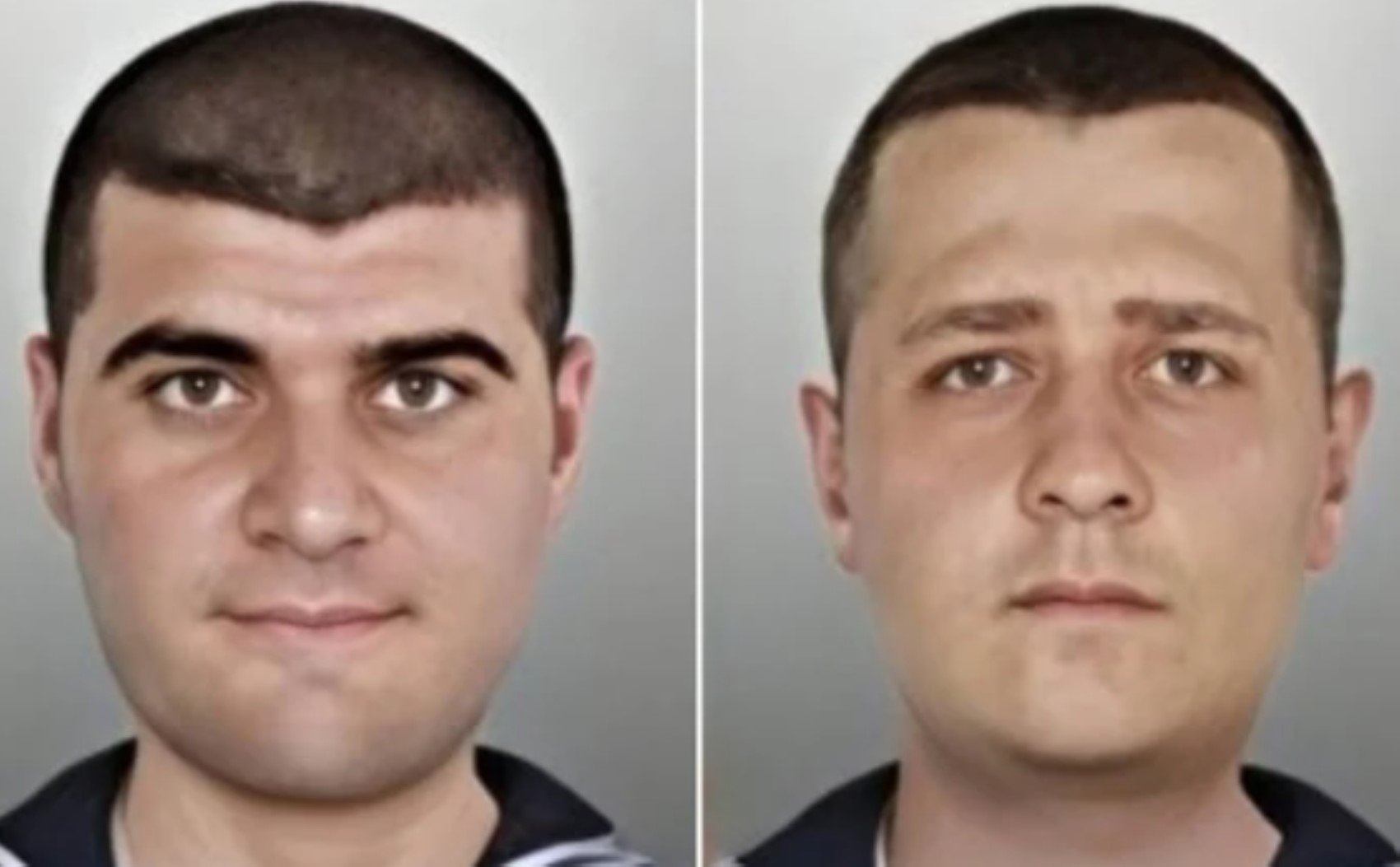
According to the information obtained by Terkoğlu, the soldiers were kept waiting under intense heat for a long time on the day the incident occurred. According to the statements of the surviving privates:
“They were kept under the sun for hours and were not allowed to drink water. Despite reporting health problems, they were not taken seriously.”
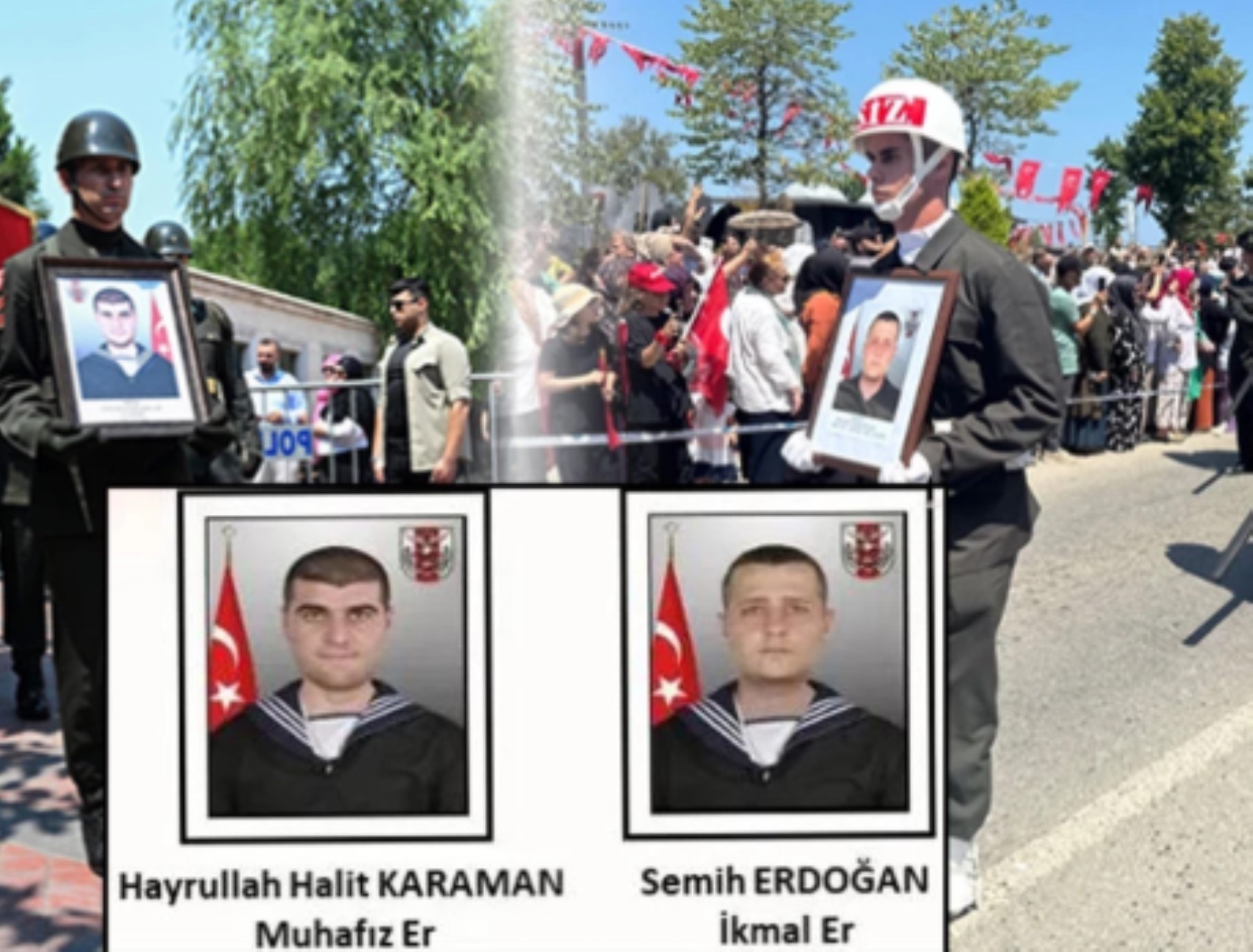
Military sources interviewed by Barış Terkoğlu state that the incident may have stemmed directly from a lack of supervision in the chain of command. It is noted that arbitrary practices that exceed the limits of military discipline can lead to dangerous consequences, especially during recruit training processes.
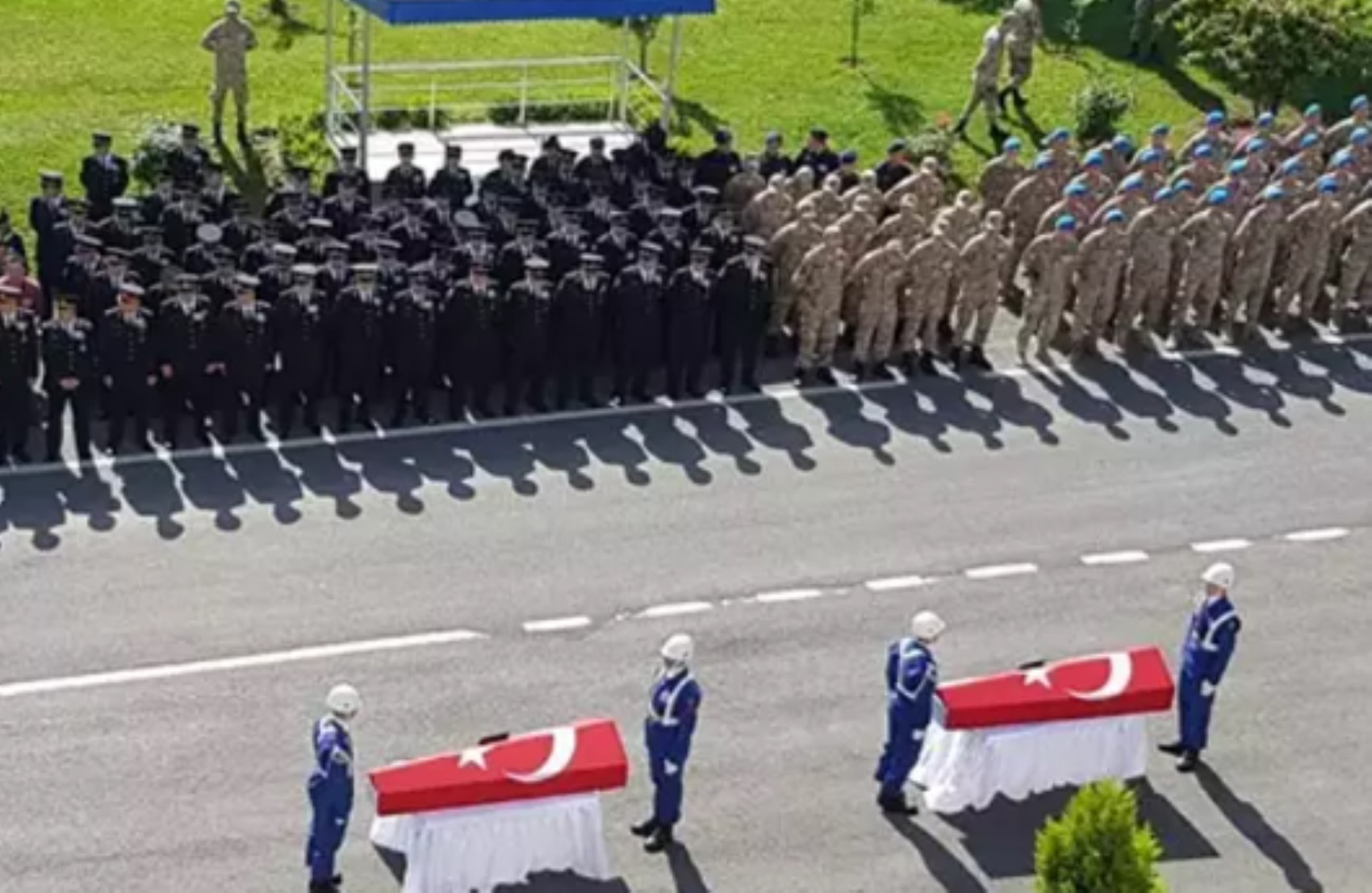
TEST RESULTS: NO POISONING, STRONG POSSIBILITY OF HEATSTROKE
Terkoğlu reported that he also obtained the blood test results taken when the two martyred privates were taken to the hospital. Stating that he is not a medical expert and had the data interpreted by doctors, Terkoğlu shared the expert opinions as follows:
“The test findings point to signs of heatstroke and dehydration (excessive fluid loss). The disruption of electrolyte balance and the failure to provide fluid replacement in a timely manner also worsened the situation. There were no significant findings regarding poisoning.”
Journalist Barış Terkoğlu reported the following in the relevant section:
"For Hayrullah Halit Karaman’s values, they said: “The individual’s electrolytes have dropped. The low Na and Cl levels may have been lost from the body through sweat, diarrhea, or vomiting. When evaluated on the basis of the incident, it can be thought that they were lost through sweating in the heat. It can be thought that they could not be replaced in time with physiological serum fluids (which contain Na and Cl), and the deficiency could not be met. There is deterioration in heart, pancreas, blood clotting, complete blood cells, kidneys, and liver functions. Lactate is present, but not at clinically very deep levels of deterioration. It is noteworthy that the deterioration is at a level that could be easily tolerated, especially considering the person’s age and youth. The slight increase determined in the lactate level indicates insufficient perfusion=blood flow in organs and vital systems.
There is a significant drop in the amount of oxygen in the blood and, consequently, in its transport to tissues/cells. This situation likely developed due to respiratory distress. The excessive carbon dioxide level in the blood (88) and the deep acidosis in the blood are quite serious.”
For Semih Erdoğan, they said: “There is some drop in Na and Cl, but it is not at a level that would threaten life. What is essential and important in this case is the degree of damage to the pancreas functions, the blood-clotting system, and the heart muscle, which is quite serious. According to the blood gas analysis at the beginning, this person also arrived in deep acidosis; oxygen in hemoglobin was low, it was corrected/or improved rapidly in repeated measurements, and even shifted to the alkalosis side. The lactate elevation was more serious. (It rises in cases of decreased oxygenation in the body and blood flow to tissues). Although there are over 120 substances recorded as causes of poisoning, only 5 substances were checked in the blood level here. (Benzodiazepine, cannabinoid, opiates, cocaine, amphetamine). These are also negative, meaning there is no evidence of poison.”
So what does this mean?
The doctors’ initial conclusion from the tests is as follows: Heatstroke, dehydration, and the failure to provide electrolyte fluids in a timely and sufficient manner are a strong possibility in both cases.
In terms of poisoning, there is no conformity to a specific poisoning profile in the cases. (For a definitive diagnosis, the substance/molecule causing the poisoning must be detected in body fluids and tissues.)
Tests confirm the account
As a result, the doctors’ view of the tests confirms what the soldiers described. Doctors see death as more likely as a result of exerting effort under the heat. They say that every constitution can react differently to what happened under these conditions, and that the fact that 7 soldiers in the same unit fell ill and two died is not an inconsistency. It is more difficult for only seven people to be poisoned by food in a situation where a unit of 1,300 people ate the same meal. However, this picture could have been formed due to reasons such as intentional poisoning or tick bites, but there is no finding to confirm these.”