Will there be a major earthquake in Istanbul? Another expert speaks out: 'There is no single fault line in the Marmara'
Speaking following the series of earthquakes in the Sea of Marmara, Geological Engineer Dr. Mehmet Salih Bayraktutan emphasized that energy migration is shifting from east to west and addressed claims regarding a potential major earthquake in Istanbul. Here are the details...
12punto
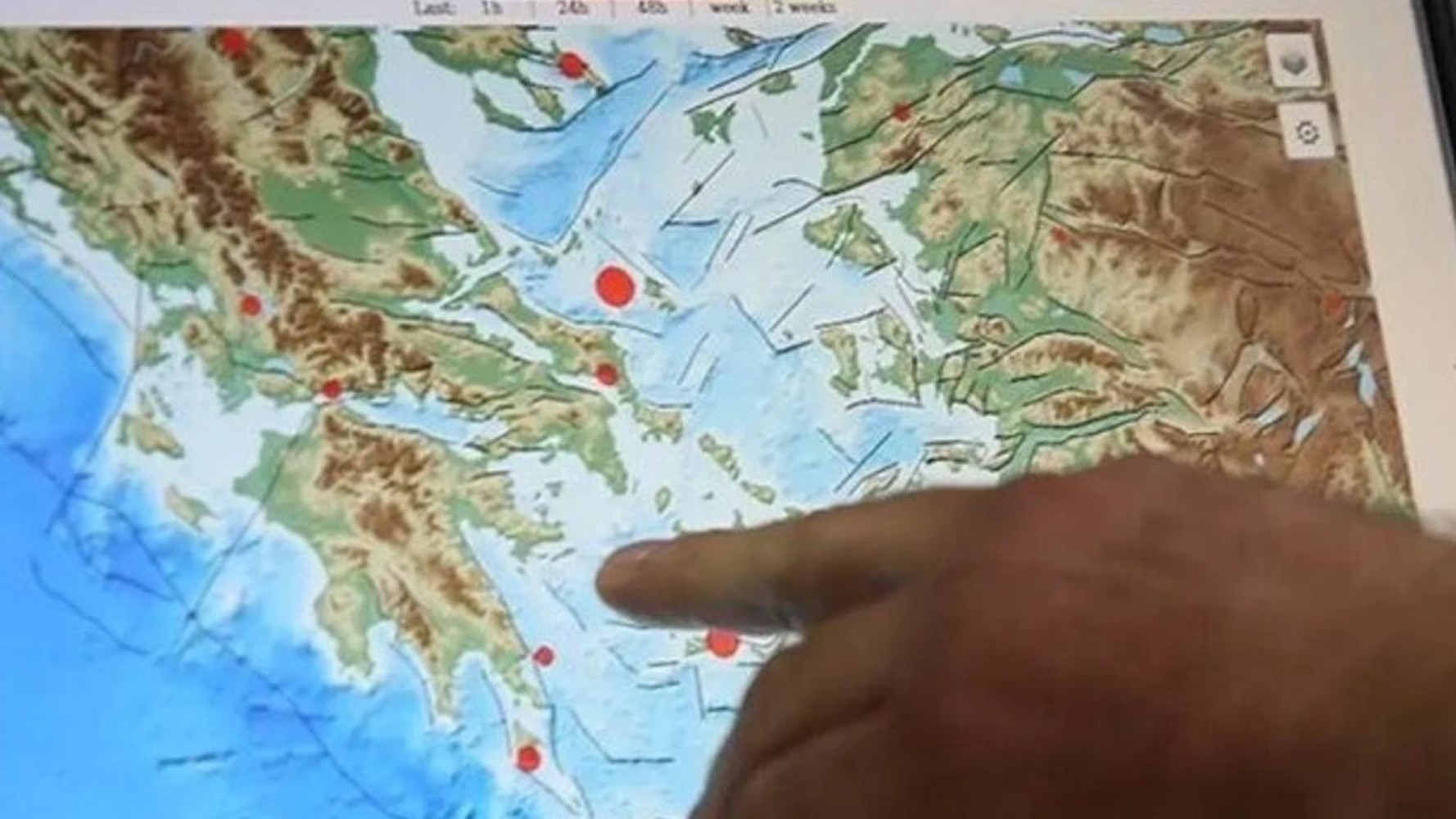
Dr. Mehmet Salih Bayraktutan, founder of the Atatürk University Earthquake Research Center in Erzurum and a retired Geological Engineer, evaluated the earthquakes that occurred in the Sea of Marmara off the coasts of Silivri, Istanbul, and Marmaraereğlisi, Tekirdağ, and made notable statements.
Bayraktutan emphasized that the tremors are an indicator of an earthquake migration occurring from east to west.
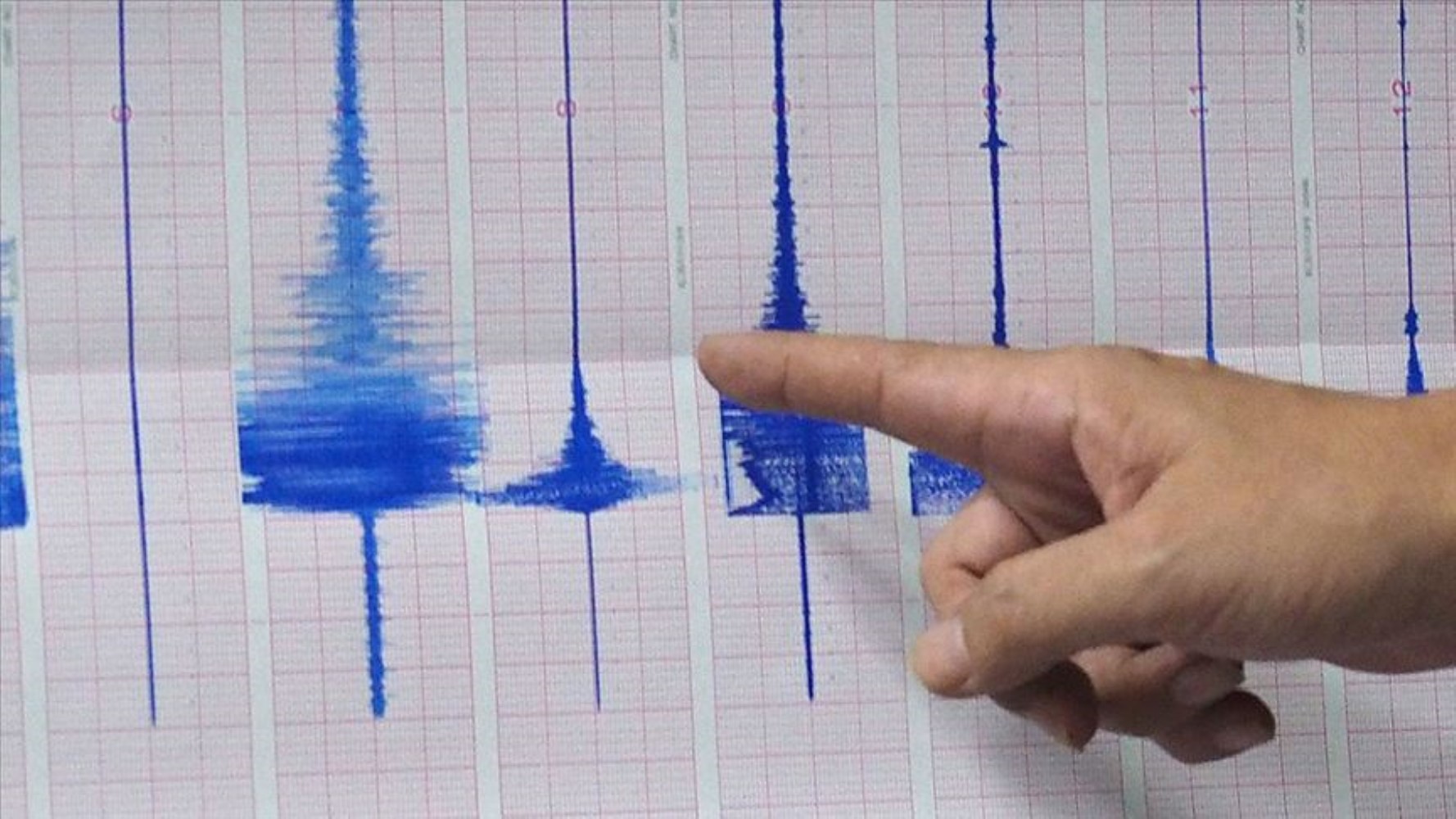
He stated that the 6.2-magnitude earthquake that occurred off the coast of Silivri on April 23, followed by the 3.7-magnitude aftershock off the coast of Marmaraereğlisi, reflects an energy movement progressing westward.
CONDUCTED INSPECTIONS WITH AN ROV IN 2007
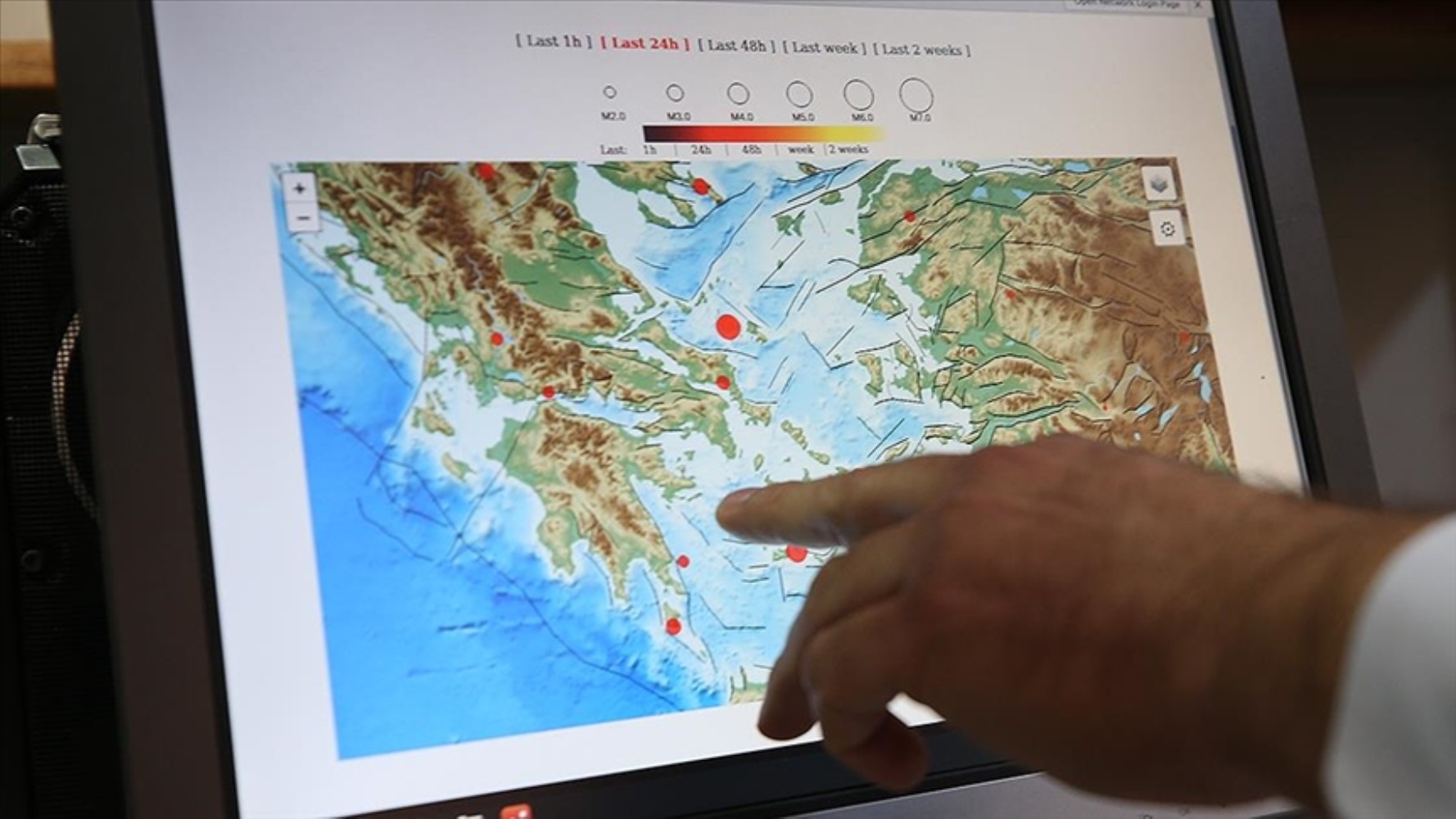
Bayraktutan stated that in 2007, he inspected the points where the Turkey-Greece Natural Gas Pipeline passes using a remotely operated underwater vehicle (ROV) and prepared a geotechnical report on the region as a result of this study.
Noting that he has been following the seismic activity in the Marmara for a long time, Bayraktutan expressed that he is evaluating potential earthquakes in light of current data.
Reminding that the 6.2-magnitude earthquake on April 23 occurred in the middle of the Sea of Marmara, approximately 20 kilometers south of Silivri, Bayraktutan said that the aftershocks were recorded 25 kilometers south of Marmaraereğlisi, Tekirdağ.
Criticizing statements that drive the public into fear and panic, Bayraktutan said, “Such incorrect and exaggerated interpretations also negatively affect the state's urban transformation policies. Disturbing the public's psychology and causing injuries by inducing panic is contrary to scientific ethics. Moreover, it is a great misfortune for our country that these false claims are perpetuated by some famous professors and that the media is being used as a tool for this.”
“THERE IS NO SINGLE-PIECE FAULT IN THE MARMARA”
Stating that the North Anatolian Fault does not cross the Sea of Marmara as a single segment, Bayraktutan indicated that the fault consists of many small segments and that there are landslide zones formed by mudflows between these segments.
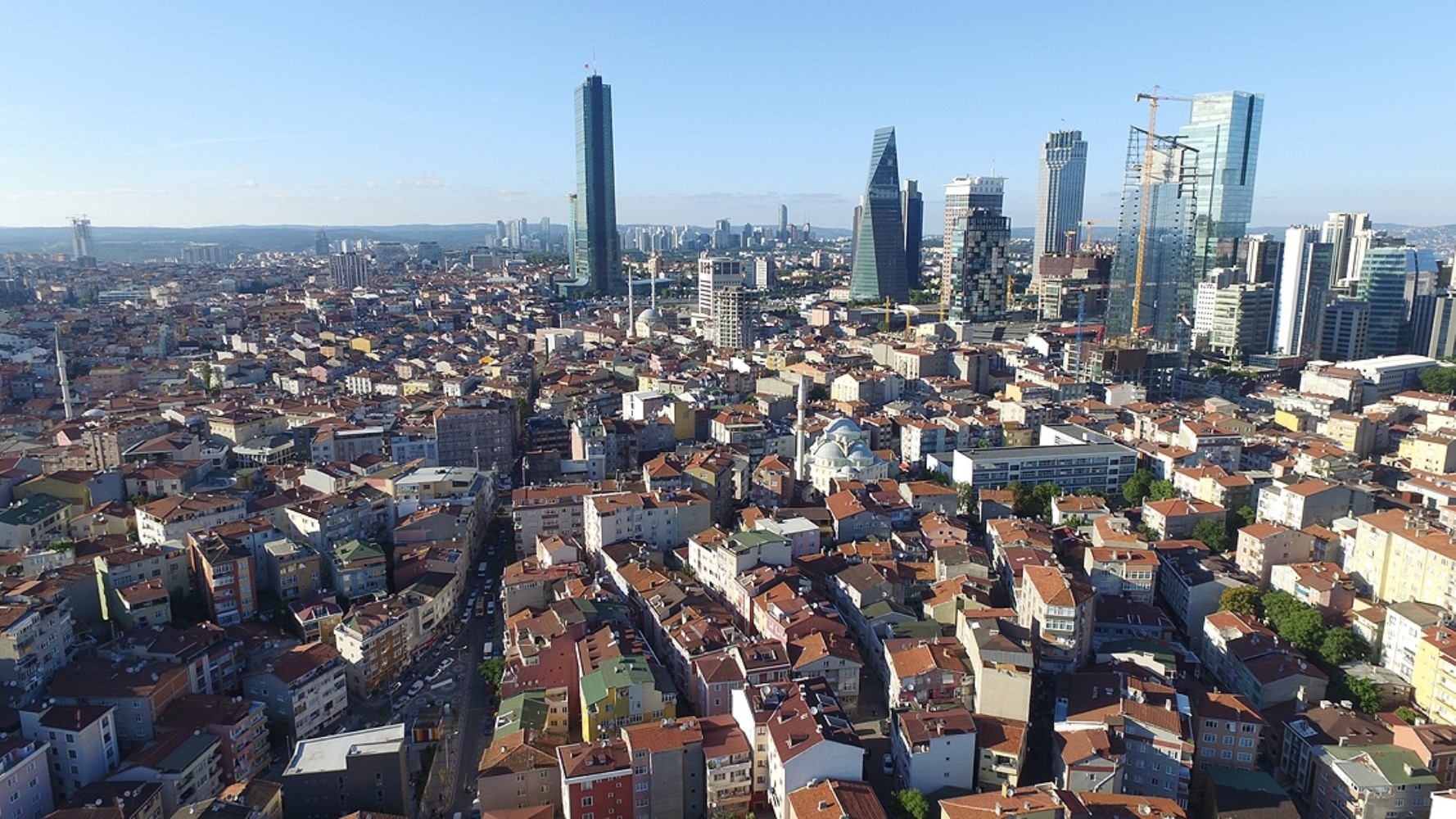
“The activity coming from the east with the August 17, 1999 earthquake ended in Gebze. It lost its strength off the coast of Çınarcık via Gölcük, Karamürsel, and Yalova. Between Gebze and Büyükçekmece, the character of the fault has changed; it has turned into a normal fault, not a strike-slip fault. Due to the intense mudslides here, there is no ground suitable for producing seismic energy.”
“THE SILIVRI EARTHQUAKE WAS NOT THE EXPECTED MAJOR EARTHQUAKE, AND IT WON'T HAPPEN ANYWAY”
Reminding that the 6.2-magnitude earthquake off the coast of Silivri was interpreted by some experts as a “harbinger of the major earthquake,” Bayraktutan firmly opposed this view and stated the following.
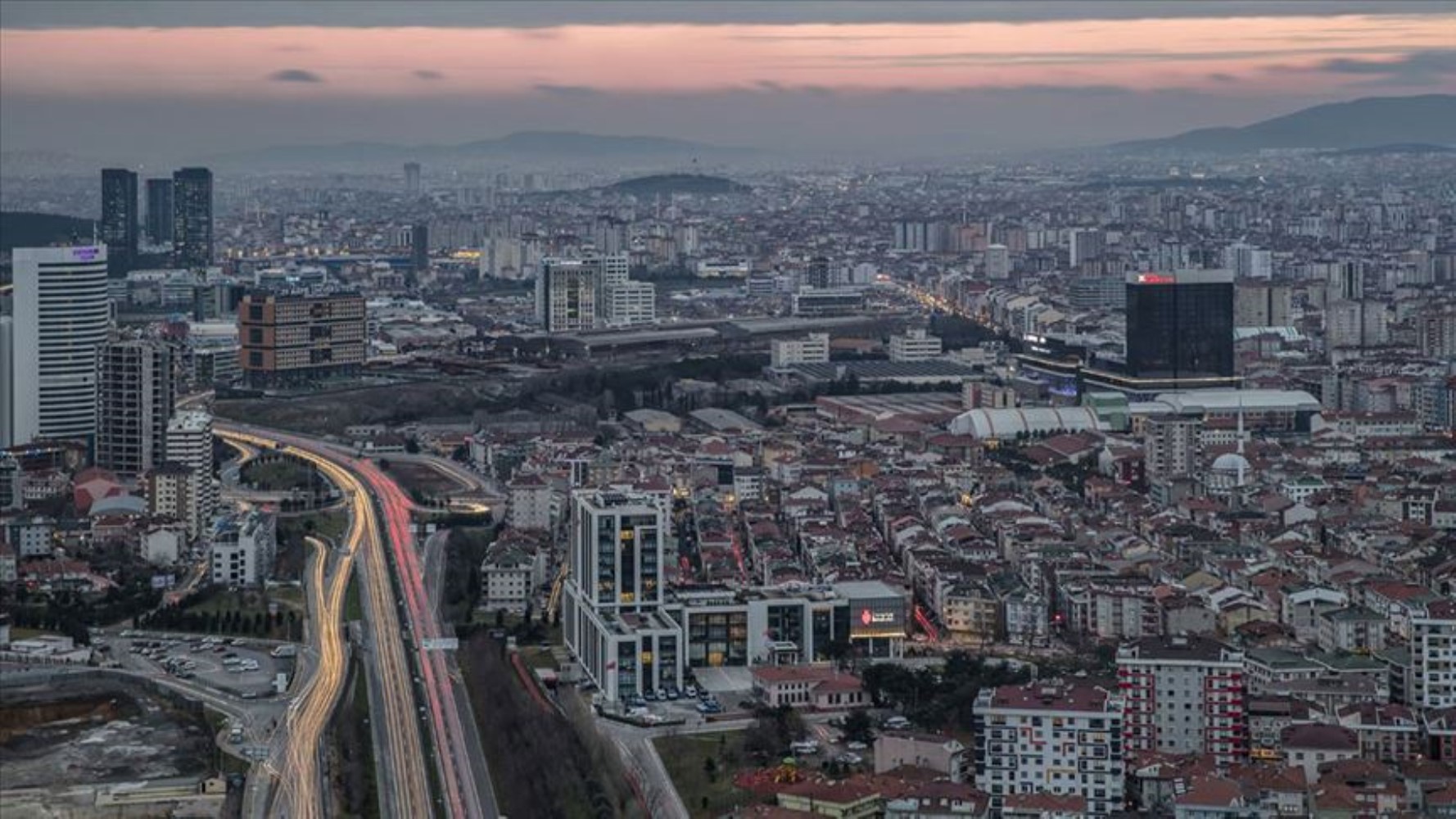
“In this region, especially in the approximately 25-kilometer area on both sides of the Bosphorus, there is no structure suitable for seismic activity. Larger earthquakes may occur west of Silivri, for example towards Tekirdağ. Indeed, a 7.3-magnitude earthquake occurred in Şarköy-Mürefte on August 9, 1912. But the same risk does not apply to Istanbul.”
“DRIVING THE PUBLIC TO PANIC IS NOT SCIENTIFIC”
Dr. Mehmet Salih Bayraktutan stated that one must act with a sense of responsibility in the scientific community, emphasizing that speculative statements made in front of the media threaten public safety, and concluded his words as follows: