Woman bitten by a viper in Tunceli under treatment
While 76-year-old Emine Gündüz, who was bitten on the leg by a blunt-nosed viper during a cemetery visit in Tunceli, continues to receive treatment, emergency medicine specialist Dr. Zeki Doğan issued critical warnings regarding what should and should not be done in the event of a snakebite.
İHA
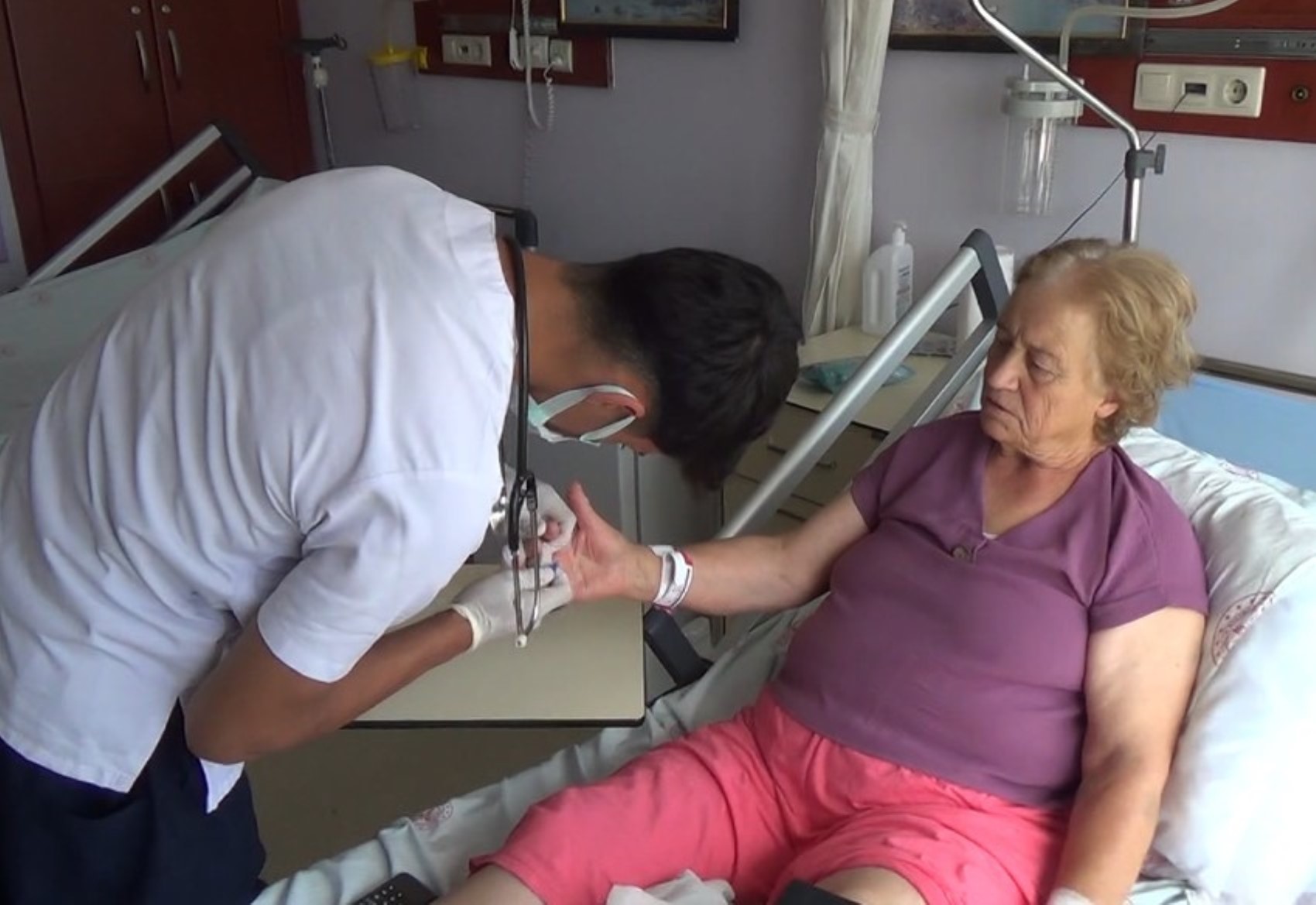
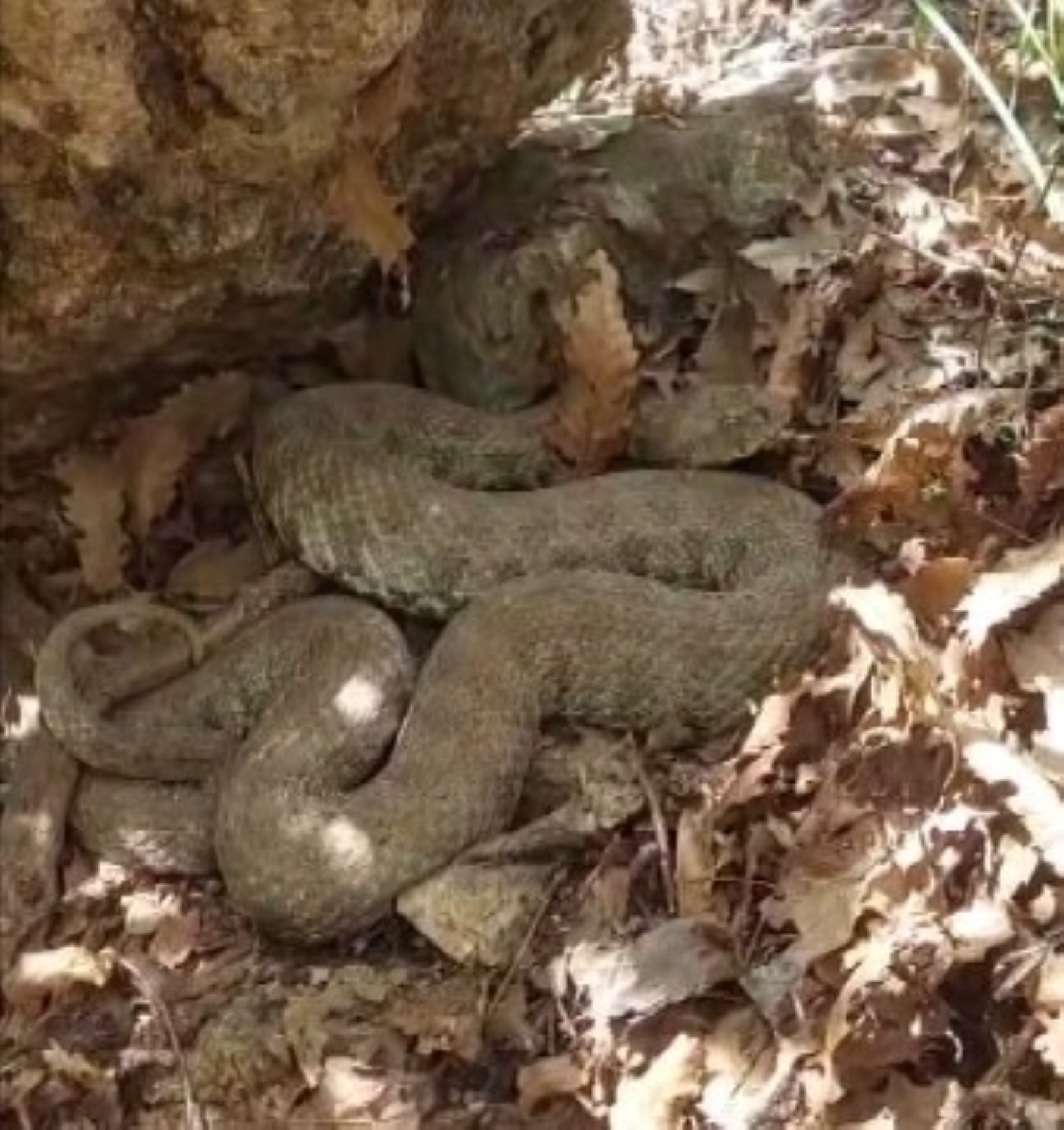
Emine Gündüz, a 76-year-old resident of Tunceli city center, went to visit her family cemetery in Kutudere during the holiday. While there, she was bitten by a large viper and was set on the road to the hospital by her son who was with her. Upon being notified, the 112 emergency team met the patient on the way, and emergency medicine specialist Dr. Zeki Doğan, who was on the team, immediately administered antivenom after the woman stated she had been bitten by a viper. The woman was taken to Tunceli State Hospital, where her treatment continues in the internal medicine ward.
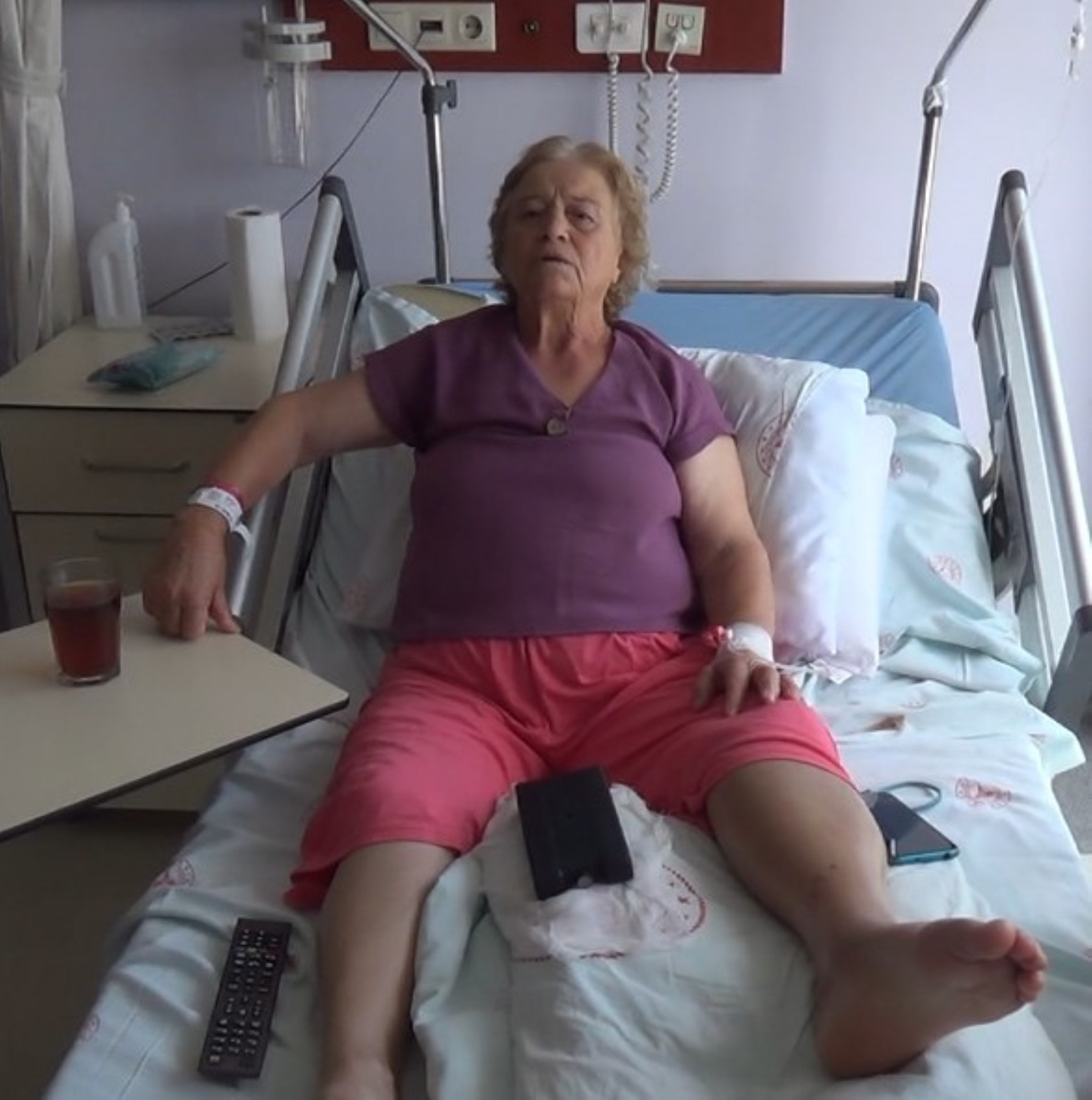
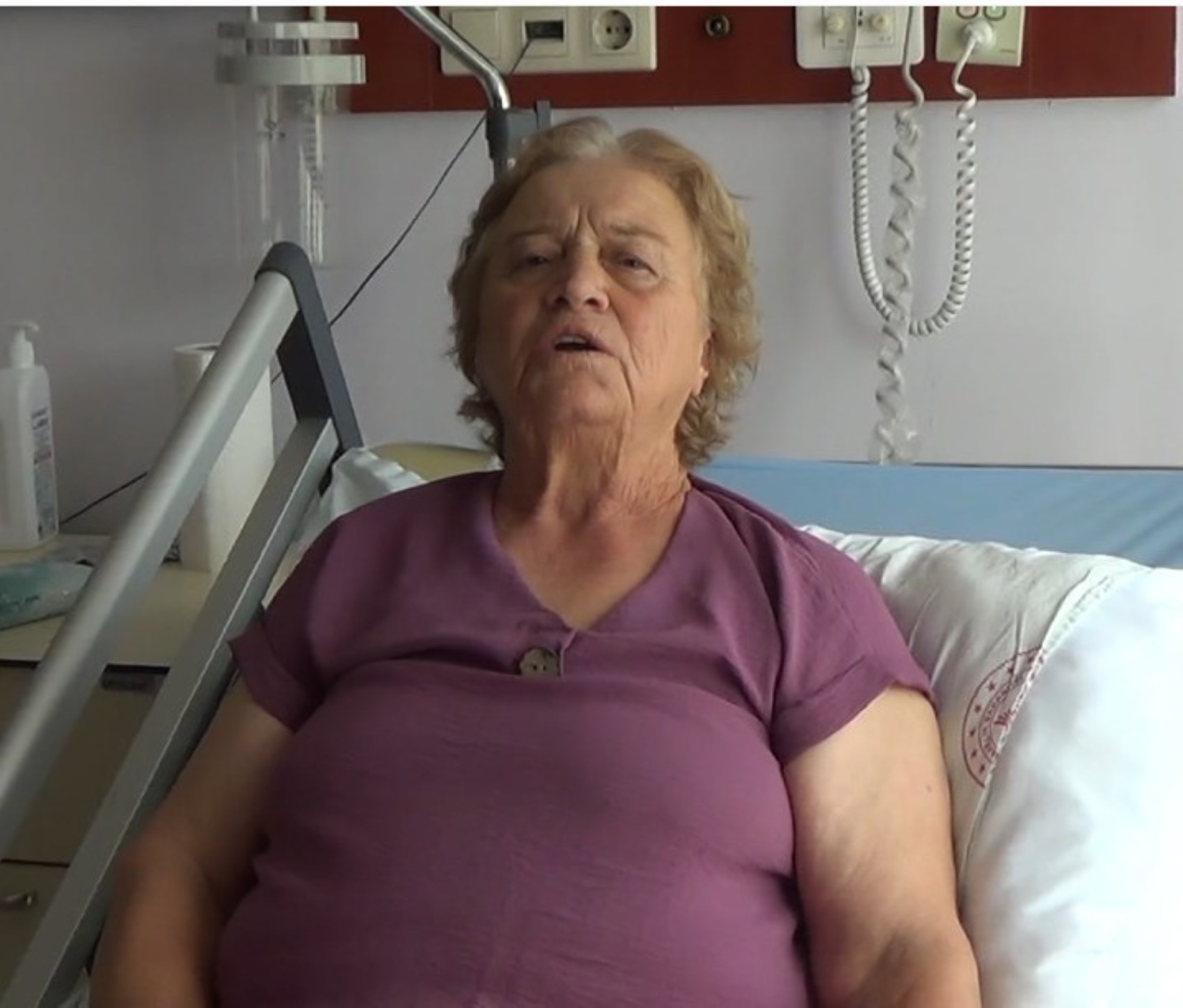
Recounting the unfortunate incident, Emine Gündüz said, "I went to visit the grave during the holiday and lit a candle. I was going to get water to pour on the grave. I neither felt the snake nor heard it. It was as if a bullet had been fired into my leg all of a sudden. When I grabbed and pulled my trousers, a huge snake fell off my leg. It fell to the ground. I screamed and called my son. The snake tried to attack my son too. He threw a water bottle at its head, but it didn't stop, then he hit the snake with a stone. My son brought me to Kutudere at full speed. He was talking to 112 at the same time. The doctor there told him to come quickly. I didn't know whether to endure my son's high-speed driving or my pain. The ambulance picked us up on the way. They washed the area where the snake bit and performed the first intervention in the ambulance."
Tunceli State Hospital Emergency Service Supervisor and emergency medicine specialist Dr. Zeki Doğan provided information about snake-related deaths, stating, "It is stated in the literature that there are around 3 thousand species of snakes. There are publications suggesting that 15 percent to 25 percent of these are venomous, depending on the source. According to publications by the World Health Organization, there are between approximately 4.5 million and 5.4 million snake bite cases annually. And these cases result in between 81 thousand and 138 thousand deaths. Therefore, it is significant. These cases are seen during the summer months. With the summer season, the population increases due to reproduction and the emergence of hatchlings. In Turkey, the snake population is generally highest in the southern region and the Southeastern Anatolia region. However, with climate change, I believe this population will increasingly move towards the north."
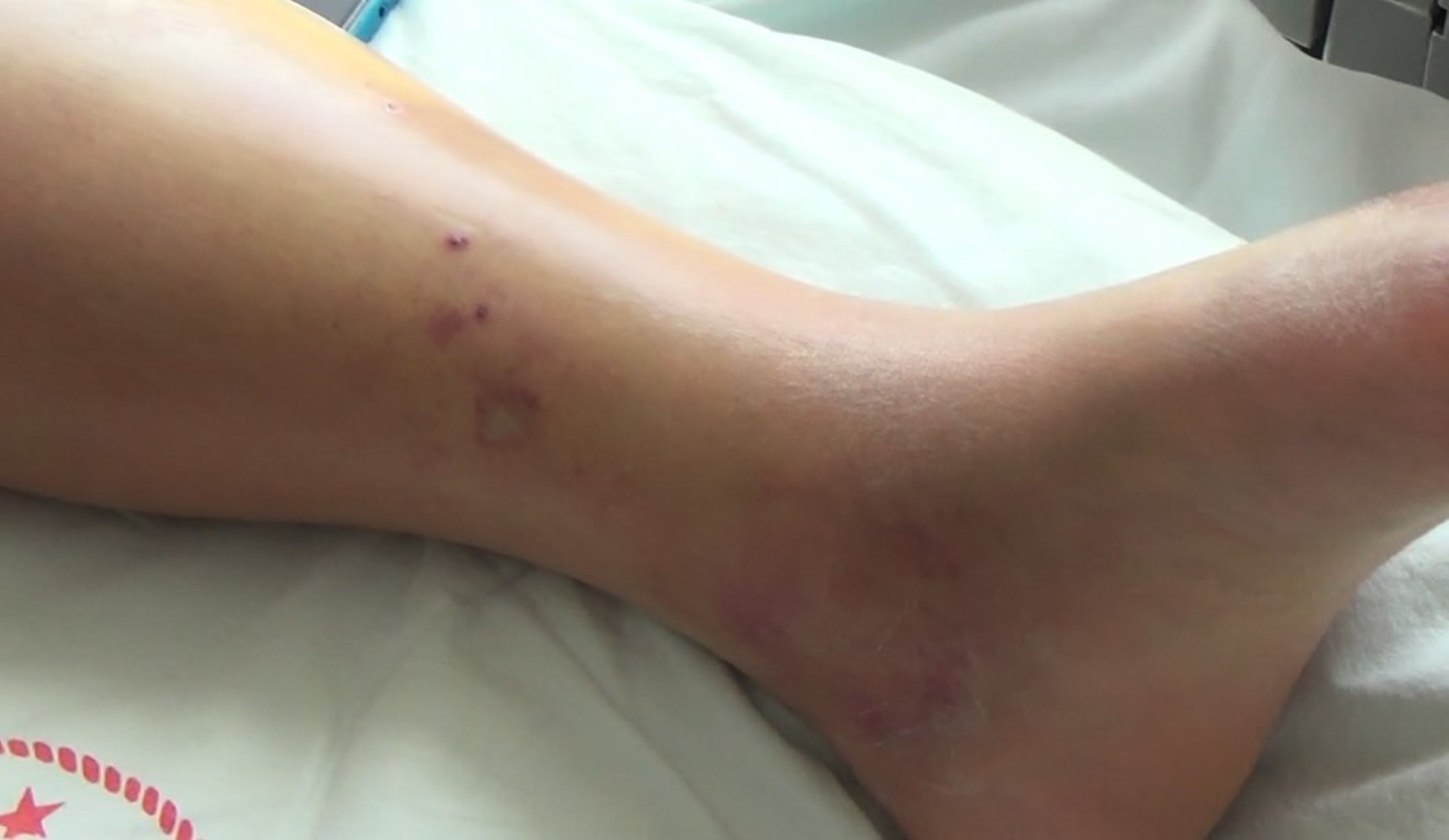
Noting that there are 59 snake species in Turkey, 17 of which are venomous, and 14 of those 17 venomous species are in the viper category, Dr. Doğan said, "When our case arrived, there were two fang marks about ten centimeters above her left ankle. Our patient recognized the animal and said it was a viper. This is actually important for identification. Most of the time, this patient group presents to the emergency department with a panic attack and anxiety-like clinical picture. Therefore, the species of the snake that bit the patient often remains ambiguous. Generally, methods used in the past such as applying a tourniquet, cutting the wound site, or sucking and spitting out the bitten area are no longer recommended. There are several reasons for this. A snake bite contains many enzymes that break down proteins, creating a disease or poisoning profile. When our patient arrived, there was a lesion entry mark on her ankle, and pain was the primary symptom. Swelling did not manifest clinically in the initial period. In such bites, 80-90 percent of bite marks are on the legs. The most dangerous group is bites on the head and torso. The probability of these resulting in death is slightly higher."
Providing information about the stages of bites, Specialist Dr. Zeki Doğan said, "Some bites are defined as stage zero, also known as dry bites, where there is a bite but no venom is transferred to the body. These are usually discharged after 8 hours of observation in emergency departments. In stage one, pain and redness occur, and bruising occurs due to partial bleeding from ruptured capillaries. Patients without any other findings are usually discharged after 12 hours of observation. In stages two and three, heart, kidney, and brain functions can be affected. Bleeding can occur in the gastrointestinal system. Therefore, hospitalization is required. Our patient is at stage one. Normally, antivenom is not given at stages zero and one. However, because our patient identified it as a viper, we started it immediately. There were no problems or pathologies in her follow-ups. However, in prolonged processes, a lymphedema profile can emerge. Because depending on the localization of the bite and the bleeding, toxins sometimes spread through the blood and sometimes through the lymph channels. The probability of death is much higher in cases that spread through the bloodstream. In our case, a lymphedema-like clinical picture emerged later on. In venomous snake bites, pathologies that can lead to amputation of hands and feet can occur. In dangerous cases reaching stages three and four, it may sometimes be necessary to administer antivenom repeatedly in intensive care. When she first applied to us, she was a patient with high blood pressure and palpitations; she was stable. Pain was at the forefront. Pain is a structure that requires some time. The patient is sent home with the recommendation to re-apply to the hospital if edema in the legs increases, bruising increases, or if a functional impairment occurs. There was no pathology in her follow-ups. There is no serious problem, but it is known that it can sometimes cause vascular occlusion in such patients. At the same time, in some patient groups, such as those with diabetes or vascular diseases where there is narrowing of the vessels due to age, these snake bites lead to more pathological results. Since the deterioration in the vessels providing nutrition is at the forefront, it is necessary to be more careful in that patient group. Treatment should actually be chosen according to the patient. Therefore, this is important in terms of careful information exchange."
Speaking about the precautions to be taken in the field, emergency medicine specialist Dr. Zeki Doğan said, "Wearing boots, wearing gloves, carrying a stick, and walking with a bit of noise will help the animal escape. I don't think it is a creature that is very harmful within its own nature. After all, it is a living species that sustains its life by consuming rodents. Perhaps we are encountering them frequently because we are interfering with their habitats. It is necessary to show respect for its habitat and approach it in a way that is preventive. Not every patient may have the chance to identify a viper in such bites. A triangular head and the vertical appearance of the pupil are among the differential diagnoses. Also, the fangs are at the front and sharp. The fangs of non-venomous ones are small and set back. A person encountering such an event may have a low ability to identify this. It seems more logical to me to intervene in patients presenting to emergency departments based on the 'venomous snake bite' protocol. Antivenom is not administered at stages zero and one, but the clinical condition can worsen if the waiting period is too long. The venom will activate, and its effectiveness will be much greater. Stage zero and one is textbook knowledge. Considering chronic diseases, I think it should be given."
Emphasizing that in such cases, a tourniquet should not be applied, the wound should not be cut, and it should not be sucked, Specialist Dr. Doğan said, "Just washing the area where the snake bit with clean water is a sufficient approach in the field. After that, it is necessary to apply directly to the emergency department via 112."