1,500 TL bill for a cup of tea! 'Spending limits' at restaurants in Istanbul
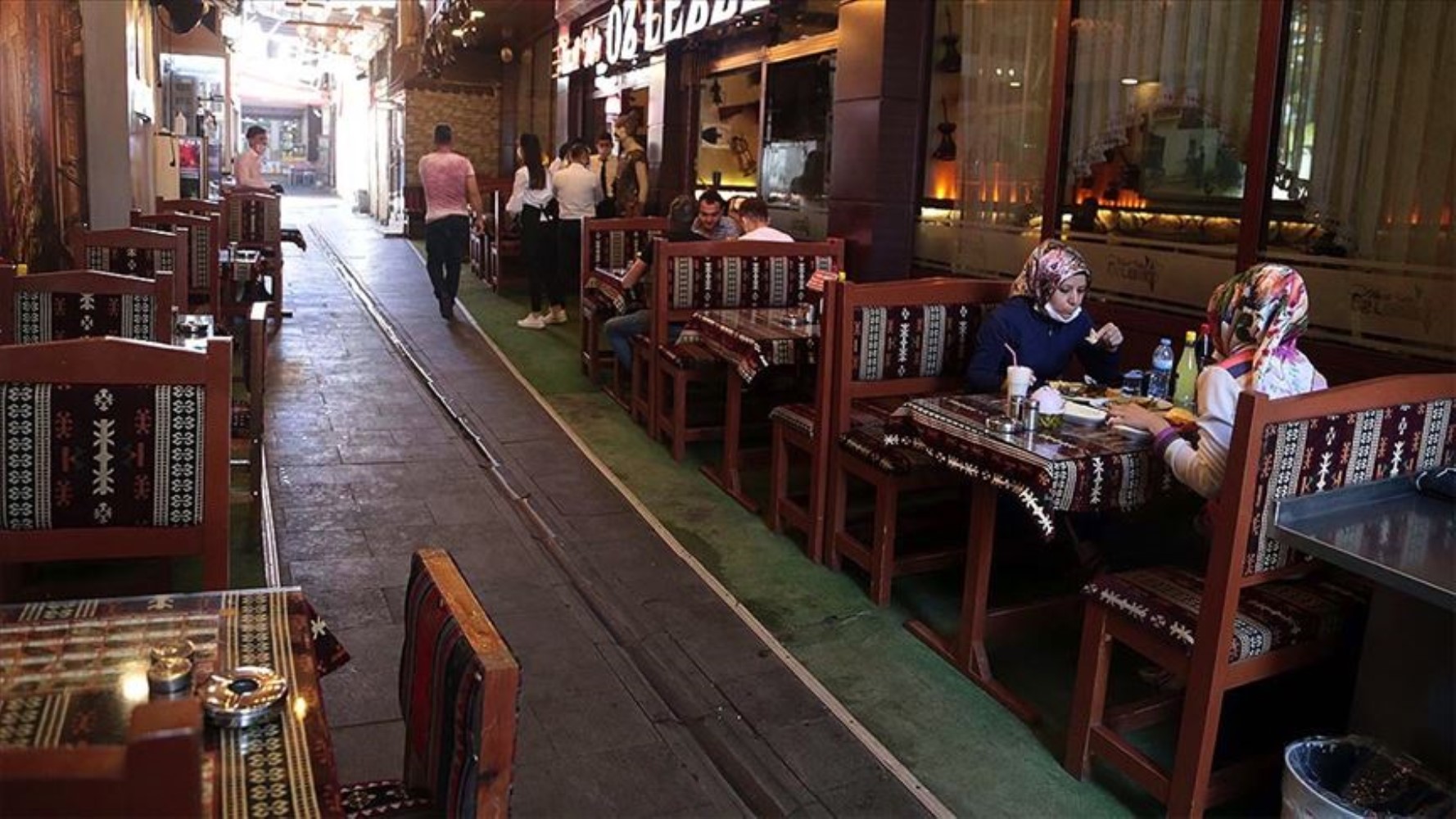
Some restaurants in Istanbul have begun imposing 'spending limits' on customers, similar to practices seen in certain tourist areas. These limits can sometimes reach as high as 1,500 TL. Legal experts state that this practice is irregular and have called on consumers to file complaints.
12punto

Restaurants in Istanbul have begun implementing the 'spending limit' policy, which is applied at some private beaches in tourism cities during the summer season. So, what can those subjected to this practice do?

THEY IMPOSED A LIMIT ON THE CUSTOMER
Some businesses have set a limit for every customer who enters the establishment. Even if a customer only drinks a cup of tea, they are forced to pay the set limit. Some restaurants have set this limit at 1,500 liras.

SPENDING LIMIT PRACTICE
While debates over cover charges and service fees added to restaurant bills continue, according to a report by Ekonomim, businesses have now introduced a 'spending limit'.

The 'spending limit' requirement for entry, which is applied and frequently criticized in popular holiday cities, has also begun to be implemented in Istanbul.

IT CARRIES A PENALTY
While authorities have issued a 'penalty' warning for businesses demanding the set fee, the practice of charging high amounts like 1,500 liras continues.

Regarding the obligation to pay the requested amount even if only a cup of tea is consumed, legal experts emphasized that this is an 'irregularity'.

WARNING FROM EXPERTS
Legal experts reacted to the practice, commenting, "There is no such thing as a spending limit; this is an irregularity." Speaking to ATV Haber, legal experts stated, "There is no legal basis for demanding a fee from a customer that is not on the menu.
Consumers should file a complaint with the Advertising Board under the Ministry of Trade and request that necessary action be taken.

Furthermore, they can file a complaint with the Human Rights and Equality Institution of Turkey on the grounds that this practice constitutes discrimination," they urged.