Retirement calculations back to square one! Costs will skyrocket from that date
New rates set to take effect in the social security system as of 2026 will significantly increase borrowing costs. According to an analysis by SGK expert Özgür Erdursun, the combination of the rate difference and the minimum wage hike will result in an additional cost of approximately 78% for military service, maternity, education, and Bağ-Kur debt restructuring.
12punto

The 2025–2026 period in the social security system is on the verge of a significant change regarding debt restructuring calculations. According to assessments by SGK expert Özgür Erdursun from Dünya Gazetesi, the new rates and the minimum wage increase that will be valid starting in 2026 will directly affect hundreds of thousands of people planning their retirement.

While currently, debt restructuring is calculated at a rate of 32%, this rate will rise to 45% for many items in the new year. Although it may appear as only a “13-point increase” in percentage terms, the total cost difference reaches approximately 41%.

MINIMUM WAGE INCREASE WILL MULTIPLY ADDITIONAL COSTS
An increase of at least 25% is expected in the minimum wage at the beginning of 2026. Since debt restructuring amounts are directly indexed to the minimum wage, this increase, when combined with the rate change, will significantly raise costs.

According to Erdursun’s analysis:
A 41% rate difference,
A 25% minimum wage increase,
and the combination of these two effects,
will lead to a total cost increase of approximately 78%.
Accordingly, a debt restructuring file currently amounting to 100,000 TL will rise to approximately 178,000 TL at the beginning of 2026.

WHICH DEBT RESTRUCTURINGS WILL SEE AN INCREASE?
Under Article 41 of Law No. 5510, many types of debt restructuring will be calculated at a higher rate as of 2026.
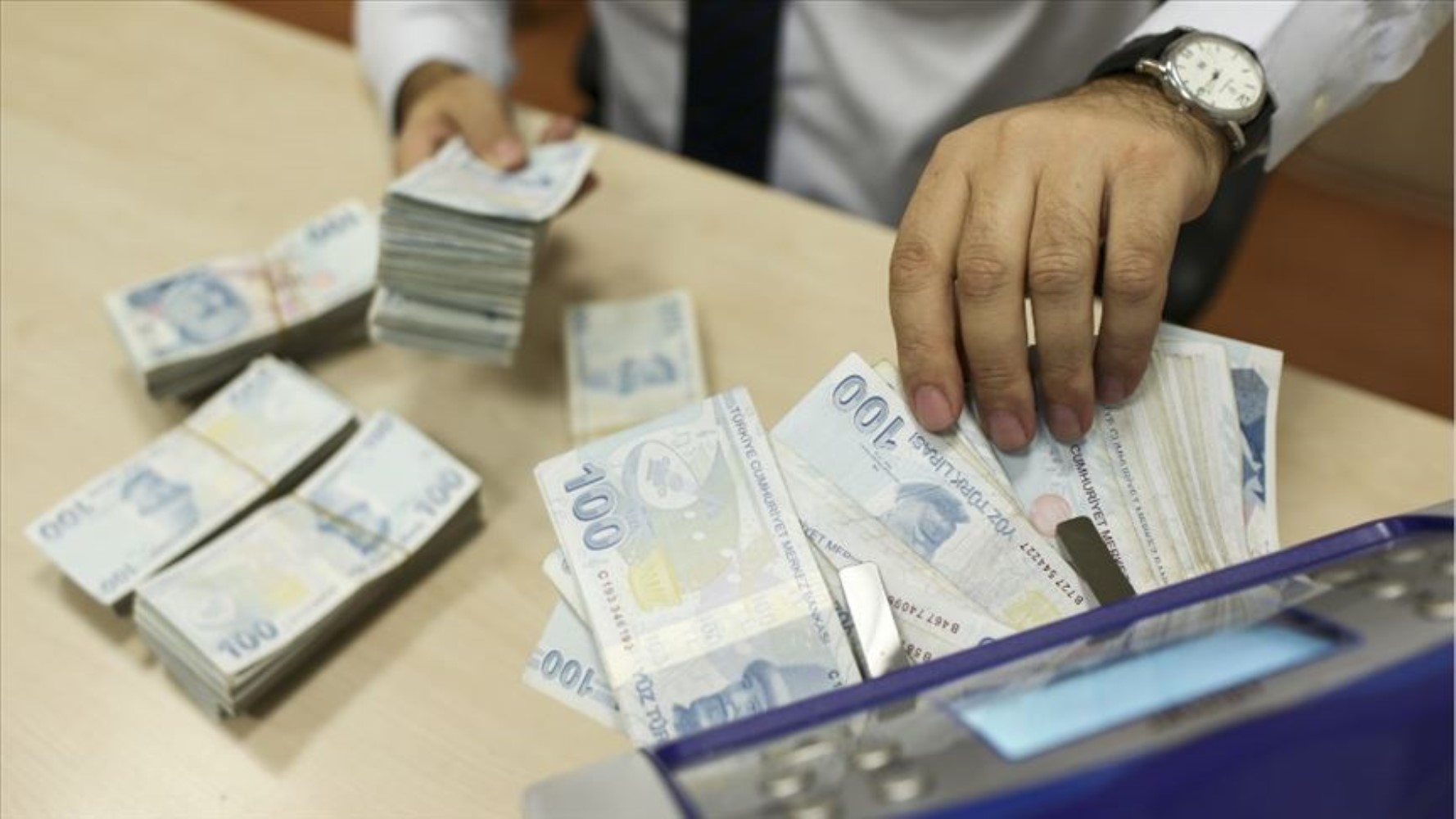
Debt Restructurings with Increasing Rates:
Military service debt restructuring: 32% → 45%
Education, PhD, medical specialization debt restructuring: 32% → 45%
Legal internship debt restructuring: 32% → 45%
Detention/custody debt restructuring: 32% → 45%
Unpaid leave periods: 32% → 45%
Bağ-Kur revival: 34.5% → 45%
Debt Restructurings with Fixed Rates but Increasing Costs:
Maternity debt restructuring (32% fixed)
International debt restructuring (45% fixed)

While the rate remains fixed for these items, debt restructuring amounts will rise due to the minimum wage increase.

According to Erdursun, applications made until December 31, 2025, will be evaluated based on the current rate and minimum wage level. In this way, applicants will be protected from:

The 41% rate increase,
The effect of the 25% minimum wage hike,
and the total additional cost burden of up to 78%.
For this reason, it is stated that applications made by December 31, 2025, will be much more advantageous in terms of cost.
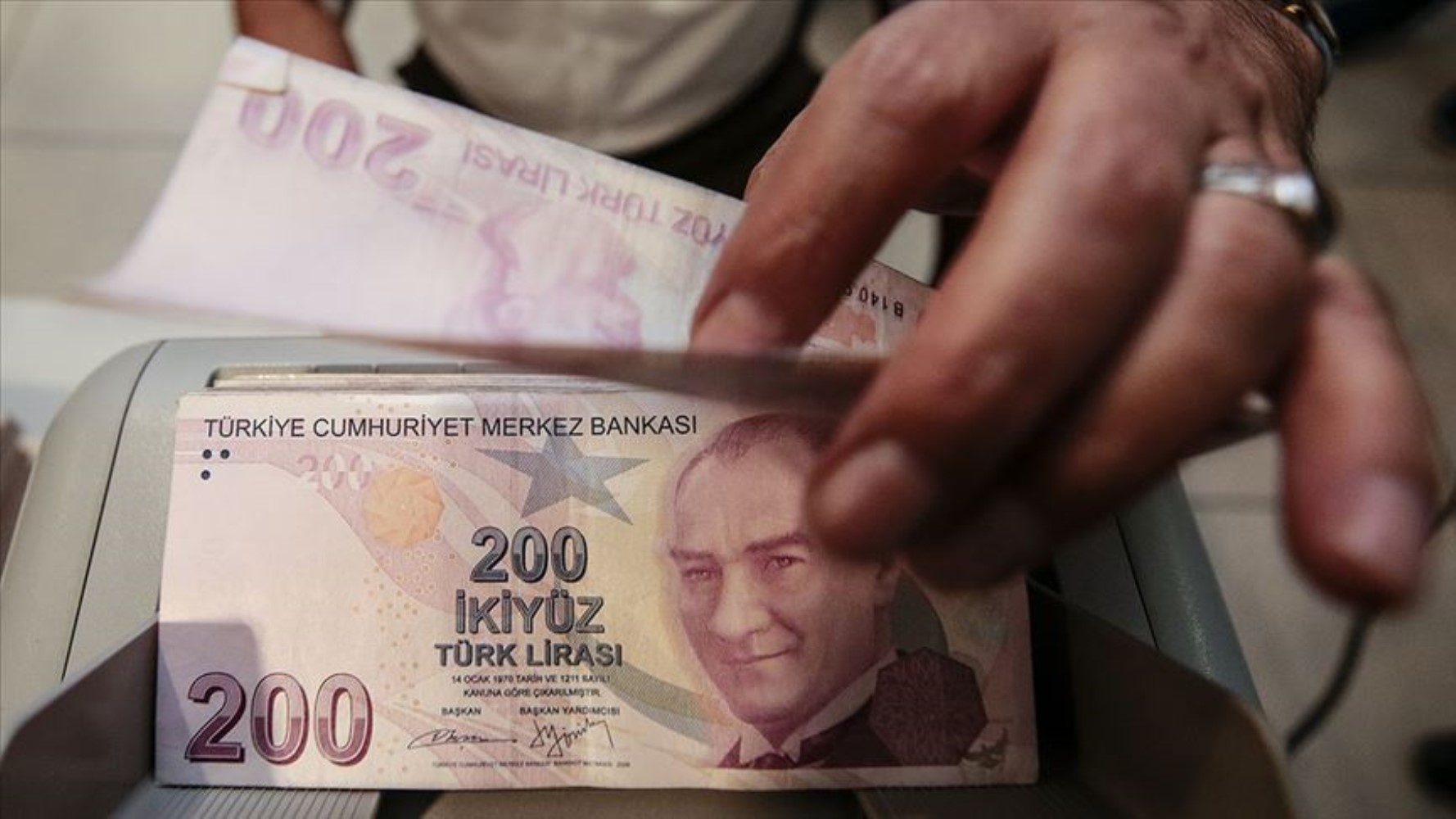
THOSE WHO WAIT UNTIL 2026 WILL FACE ADDITIONAL COSTS
According to Erdursun’s statement, those who postpone their debt restructuring application to 2026 will face an irreversible cost increase due to both the rate difference and the wage hike.
In other words:
A debt restructuring that can be done for 100,000 TL today will require paying approximately 78,000 TL more in the new year.
2025 SEEN AS ADVANTAGEOUS FOR RETIREMENT PLANNING
The Central Bank’s inflation expectation for 2025 is in the 31–33% range. In line with this data, a raise of around 13–14% is expected for SSK and Bağ-Kur retirees, and around 19–20% for civil servant retirees.

According to Erdursun’s assessment, individuals who postpone their retirement to 2026 may experience a loss of 2–5% due to the coefficient difference in salary calculations.
FINAL WARNING FROM EXPERTS: THERE IS NO TURNING BACK
As emphasized by Özgür Erdursun in his column in Dünya Gazetesi, the date of December 31, 2025, serves as a “threshold” in social security planning.
When the rise in debt restructuring rates, the minimum wage increase, and salary coefficient differences are combined, 2026 will be a period when costs peak.
Therefore, an application made today prevents the 78,000 TL that would have to be paid tomorrow; if delayed, costs will increase in an irreversible manner.