Experts warn: 7 measures to take to protect eye health
Eye health is of critical importance for overall health. Experts state that regular examinations and healthy lifestyle habits are essential for protecting eye health. Prof. Dr. Sinan Tatlıpınar, an Ophthalmology Specialist at Yeditepe University Hospitals, lists what we need to pay attention to for our eye health. Here are 7 measures we should take for our eye health:
12punto

1- Keep Sunglasses Handy in Every Season
Sunglasses are of great importance in protecting our eyes from the sun. Therefore, one should not wait for intense sunlight to use them. It is important to wear sunglasses in every season to protect against the sun's harmful rays. This helps protect the eyes against diseases such as cataracts, macular degeneration, and pterygium. However, it is also important to be careful when choosing sunglasses and to consult an expert.

2- Do Not Smoke
Smoking, which paves the way for many diseases, also negatively affects eye health. It is known to cause many conditions, primarily cataracts and macular degeneration. Furthermore, smoking can disrupt the structure of tears, leading to complaints of dry eyes and redness in the eyes. Therefore, one should not smoke for the sake of eye health as well.
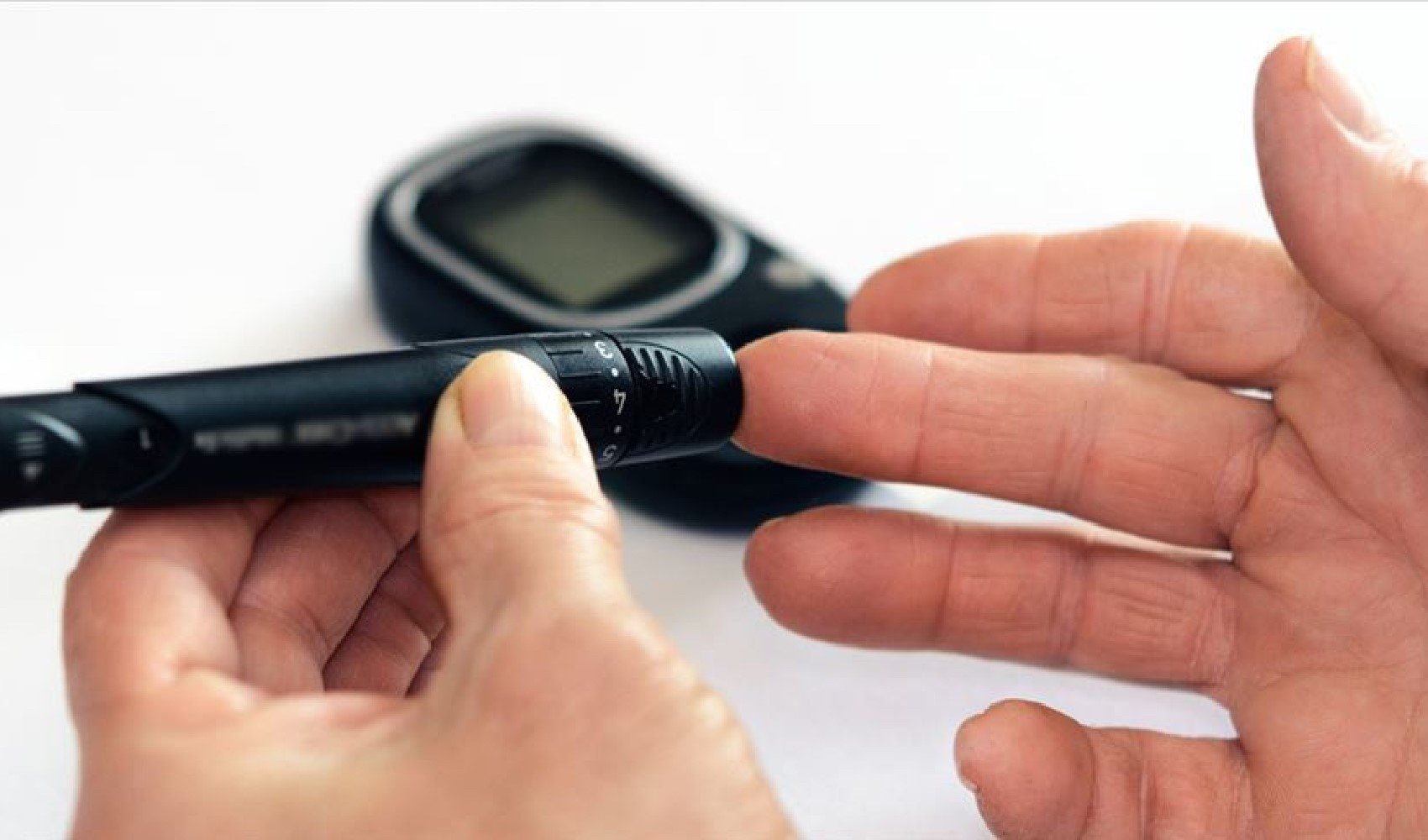
3- If You Have Diabetes, Do Not Neglect Regular Eye Exams
Diabetes is a condition closely related to the eyes. Prof. Dr. Sinan Tatlıpınar, who states that uncontrolled blood sugar can cause complications in the eyes, notes that the risk of damage increases, especially as the duration of diabetes increases. “Retinal damage caused by diabetes is among the most common and significant causes of vision loss. Furthermore, it is known that glaucoma (eye pressure) and cataracts (clouding of the eye's lens) are more common in people with diabetes than in the general population. For this reason, people with diabetes need to be examined by an ophthalmologist without waiting for any problems to occur and make this a regular practice. This is because problems detected at an early stage can be treated much more effectively,” he says.
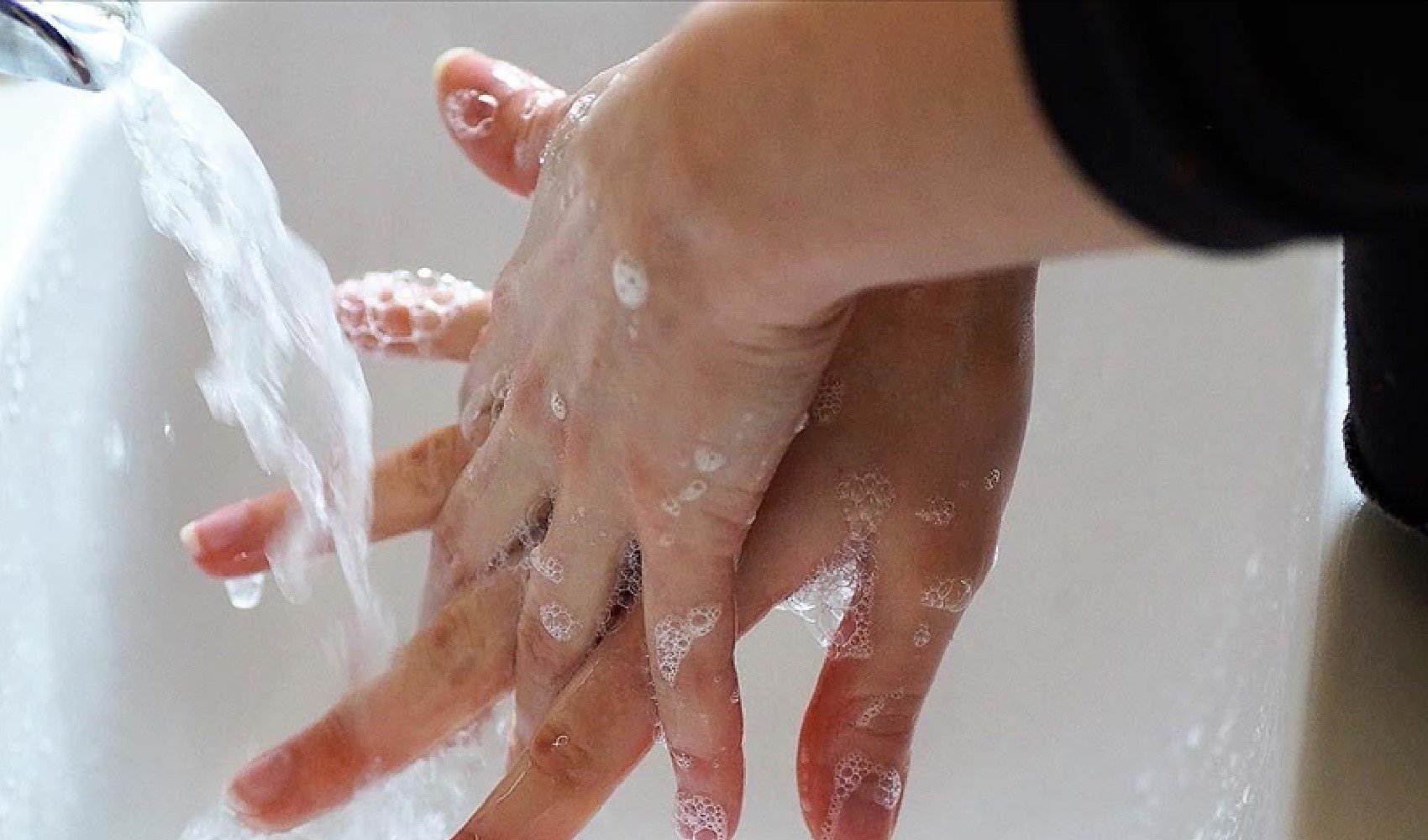
4- Wash Your Hands Frequently
Our eyes are among the organs affected by upper respiratory tract infections. In particular, conjunctivitis, which manifests itself with redness, discharge, stinging, and swelling of the eyelid, can occur in association with upper respiratory tract infections. If these symptoms are ignored, the cornea, the transparent layer at the front of the eye, becomes affected. Consequently, blurred vision problems may occur. To prevent this, it is necessary to minimize hand contact with the eyes and wash hands frequently.
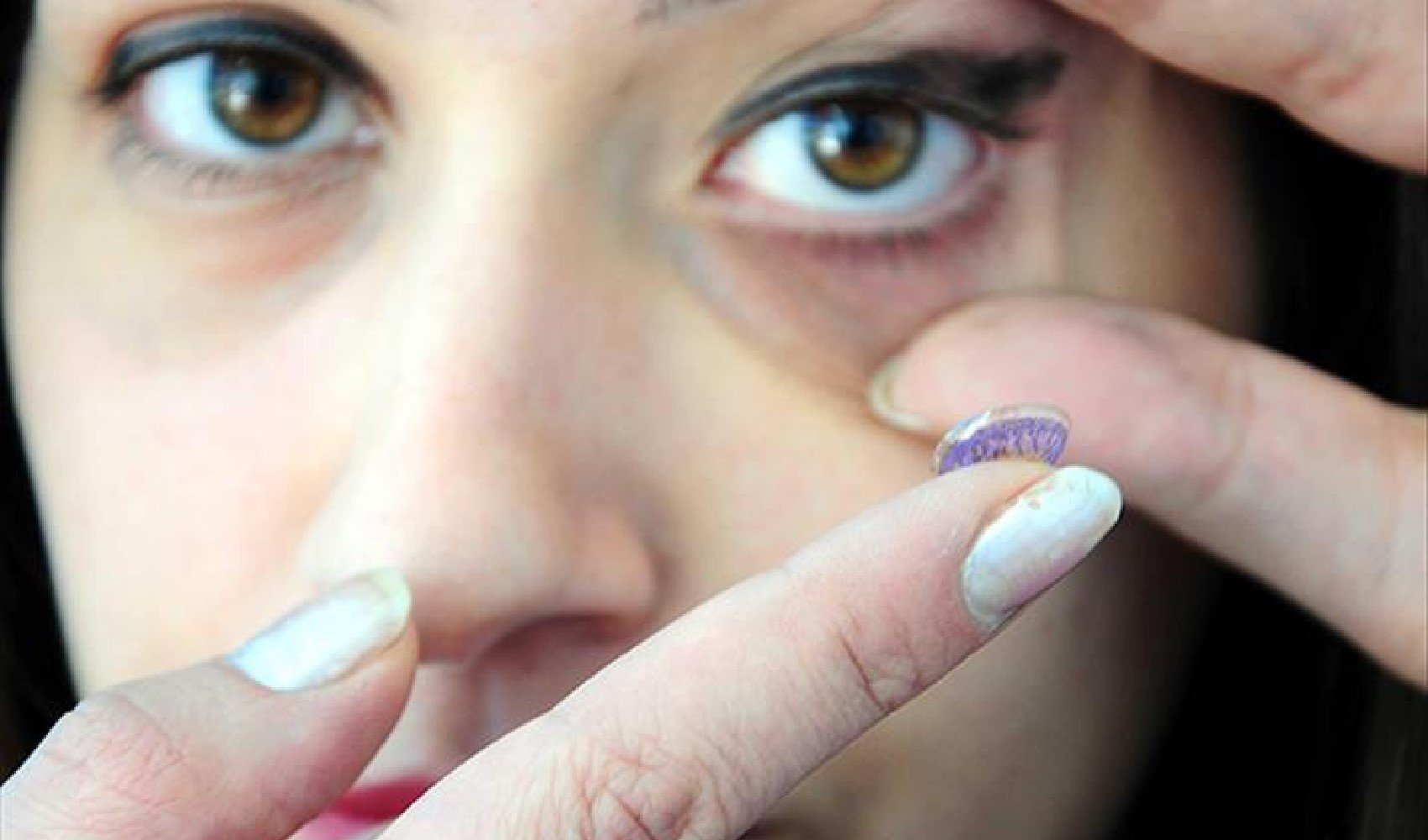
5- Pay Attention to Contact Lens Hygiene
Improper use of contact lenses also negatively affects eye health. For this reason, it is important to use lenses under a doctor's supervision. Additionally, it is necessary to pay attention to hand cleanliness and general hygiene conditions when inserting and removing them, and to take care of their general maintenance when not in use. It is important to use them within the timeframe determined by the physician, make necessary replacements, and consult a specialist even in the event of the slightest discomfort.

6- Keep Your Distance from Technological Devices
With the development of technology, keeping phones, computers, and tablets—which have become indispensable parts of our lives—too close and using them for long periods also negatively affects eye health. This is because when we look at a screen intently, we eventually forget to blink. This causes tears to evaporate, leading to dryness in the eyes. Furthermore, for those who have to focus on screens and work at close range, pseudomyopia can occur because the eyes cannot relax after stress, fatigue, and excessive strain. Therefore, to avoid all these undesirable consequences, it is important to view mobile phones, computers, and tablets from a distance of at least 40 cm and to take short breaks throughout the day.
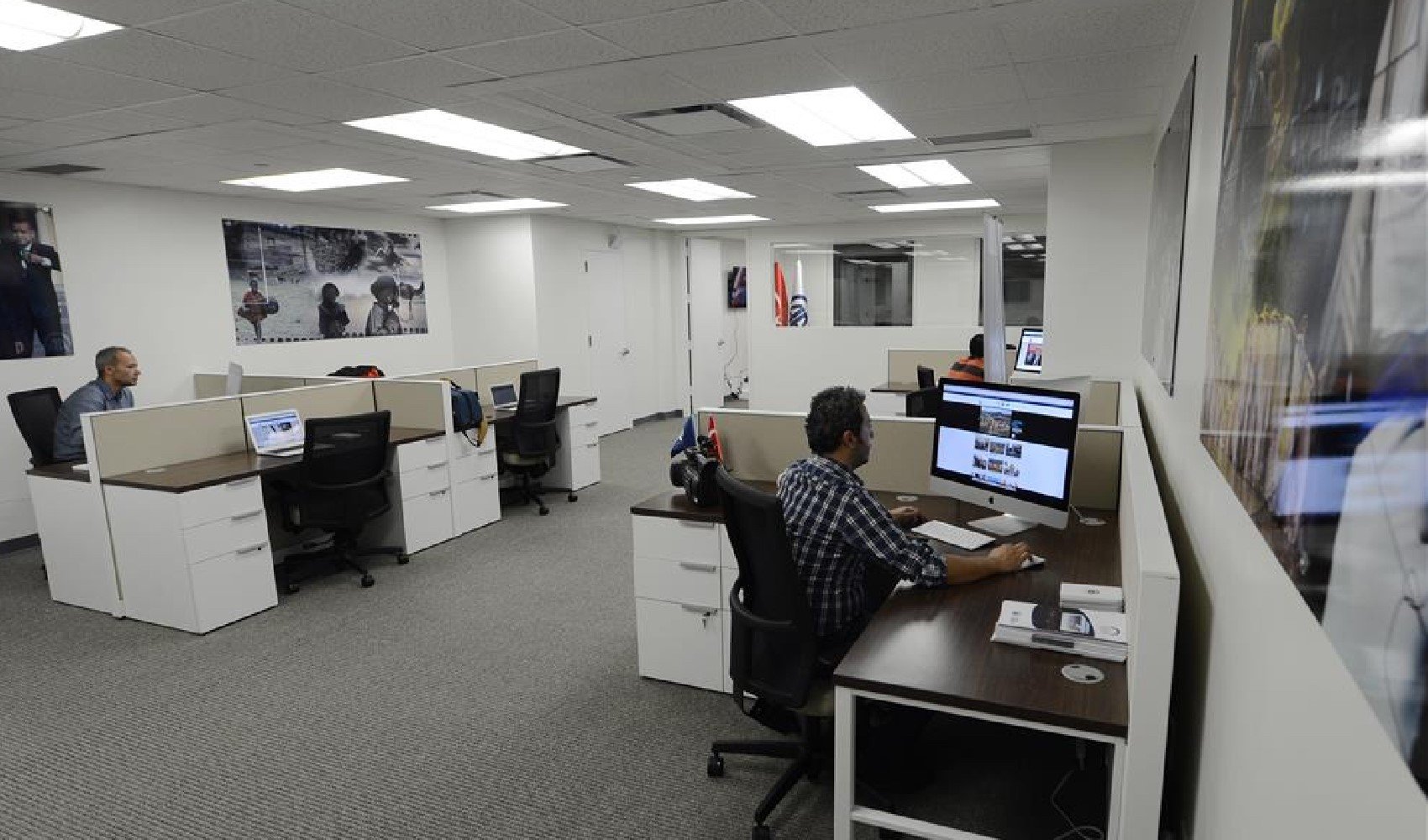
7- Adjust Your Workspace Lighting
Stating that one of the most important points for those who have to work on a computer for long periods is the lighting of their environment, Prof. Dr. Sinan Tatlıpınar lists his recommendations as follows: “Your monitor's screen brightness should be at a slightly lower level than the light in your environment. Since spending too much time in an area lacking natural light can impair eye health, it is beneficial for your workspace to receive daylight.”