4 effective ways to strengthen your baby's immunity
From the very first moment of conception, certain important points must be considered to ensure the baby is born healthy and to protect the health of both mother and baby. So, what are the points that affect the development process of babies and require attention? Here are the details...
12punto

A STRONG IMMUNE SYSTEM PROTECTS AGAINST DISEASES
The expectant mother's age, hereditary diseases, diet, lifestyle, sleep patterns, and many other factors can affect the baby's development process. Having a strong immune system protects babies from diseases and plays a major role in them leading a healthy life. Immunity is not dependent on a single factor but is expressed as a result that emerges from many factors combined. Therefore, for baby health, immunity needs to be supported by adhering to multiple criteria. Specialist Dr. Aycan Yıldız from the Department of Pediatrics at Memorial Dicle Hospital shared recommendations for boosting immunity in babies.
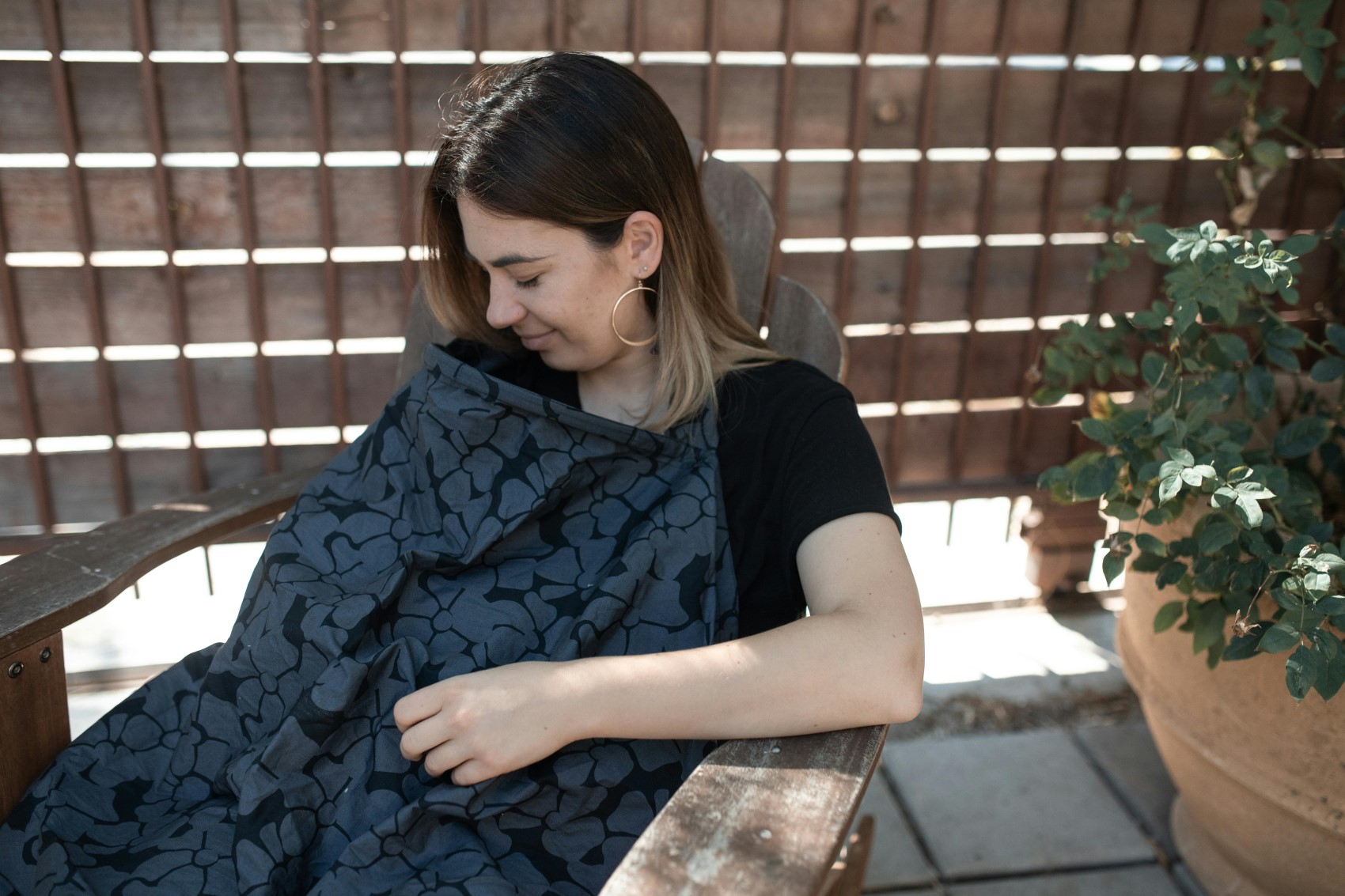
BREAST MILK PROTECTS BOTH YOU AND YOUR BABY
Receiving breast milk, especially for the first 6 months and if possible for the first 24 months, helps strengthen the immune system and allows babies to overcome illnesses more mildly. All nutrients required to ensure the baby's growth and development are contained within breast milk. This is not only for growth but also, due to its rich content, includes protective substances known as antibodies to maintain the baby's health. It is believed that this nutrition is not only for the baby's health but also significantly reduces the risk of breast cancer in nursing mothers in the community. Breastfeeding is of great importance for both maternal and infant health.
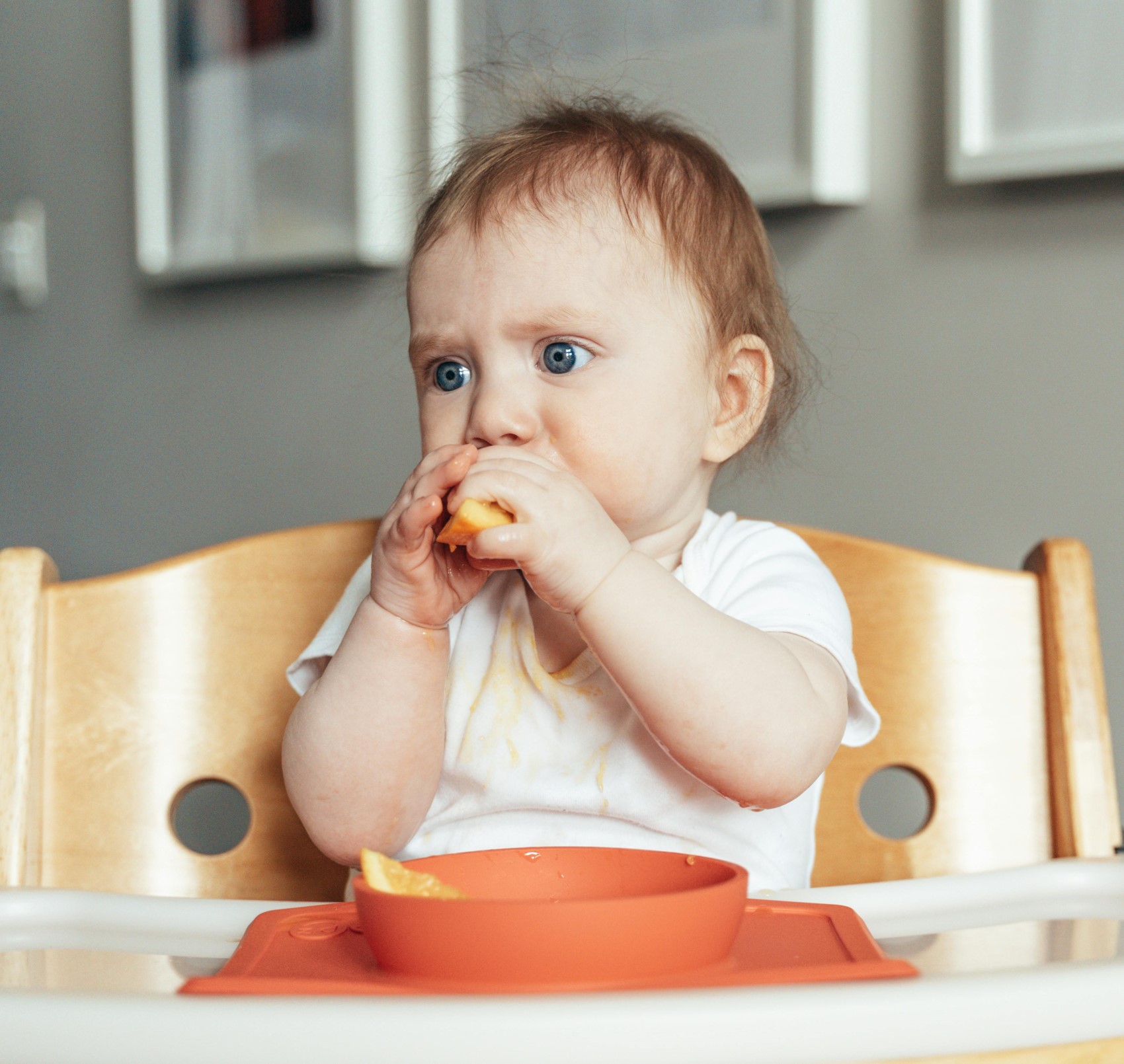
THE TRANSITION TO SUPPLEMENTARY FOOD IS IMPORTANT
In babies whose development and growth process is progressing healthily, it is generally recommended to start the transition to supplementary food after the first 6 months by starting with tasting portions in addition to breast milk. The perception that exists in society that "a chubby baby is a healthy baby" is a misconception. Sometimes this perception leads to the consumption of foods containing excessive sugar to accelerate weight gain in babies who have just started supplementary food. This will do more harm than good to the baby. What is important here is that the baby is at a weight close to the ideal weight. Rather than how much the baby is fed, attention should be paid to how they are fed. It should not be forgotten that the immune system, which begins to form in infancy, is a condition that will affect your baby's health throughout their entire life.
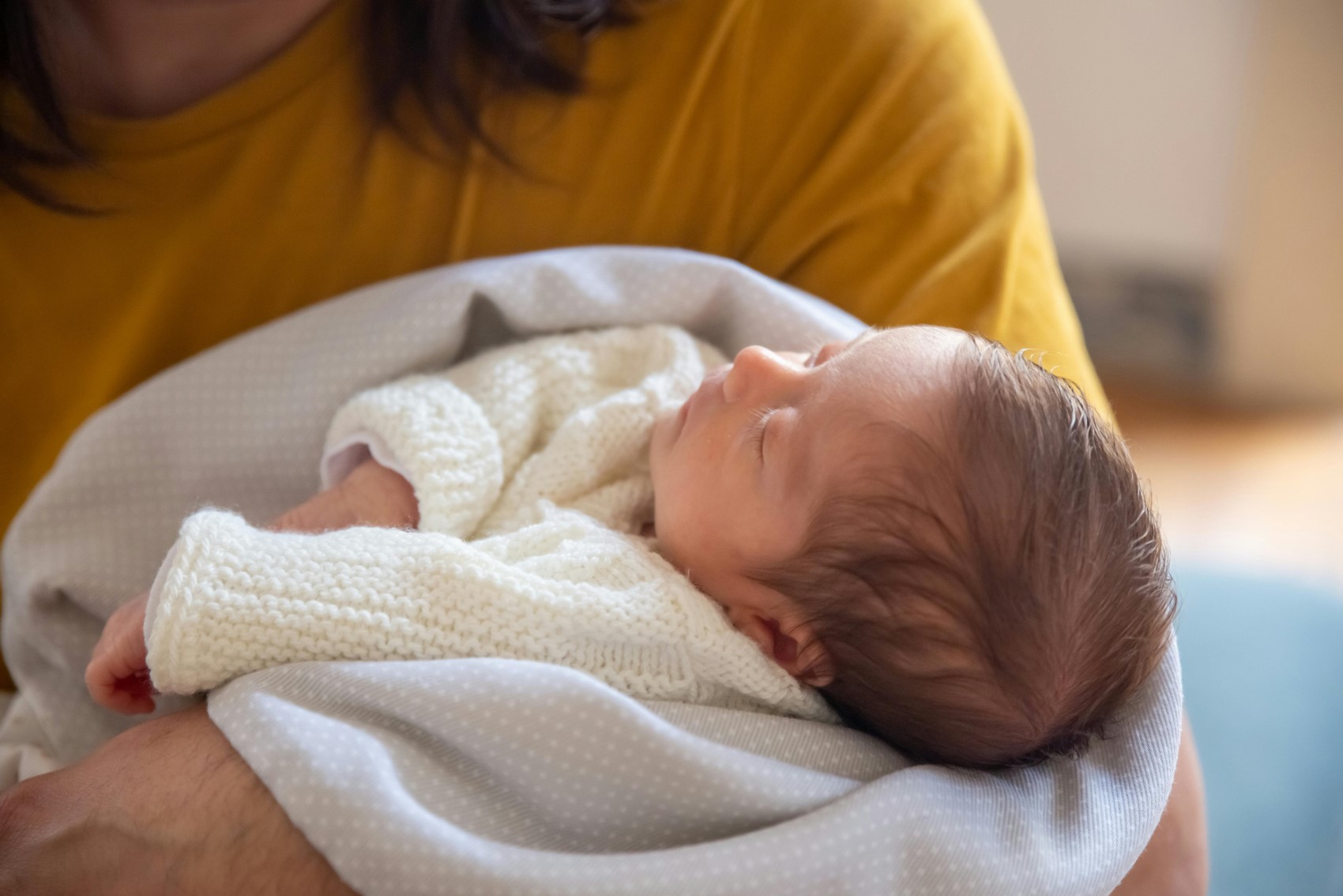
ESTABLISH A PROPER SLEEP ROUTINE
In the early stages, babies should be put to sleep on their backs on a medium-firm mattress. In early infancy, the return of milk, known as spitting up, or the baby vomiting can be dangerous in certain sleep positions due to the possibility of it escaping back into the mouth. Sleep, which forms the basis of cognitive, physical, and emotional development, is also related to the immune system. Babies can sleep between 13-18 hours at 0-3 months, 14-16 hours between 3-6 months, and 10-12 hours between 6-12 months. Sleep is also an important criterion for growth and immunity. Putting the baby to sleep at the right time of day without going significantly below or above the specified scales will support their developmental process.
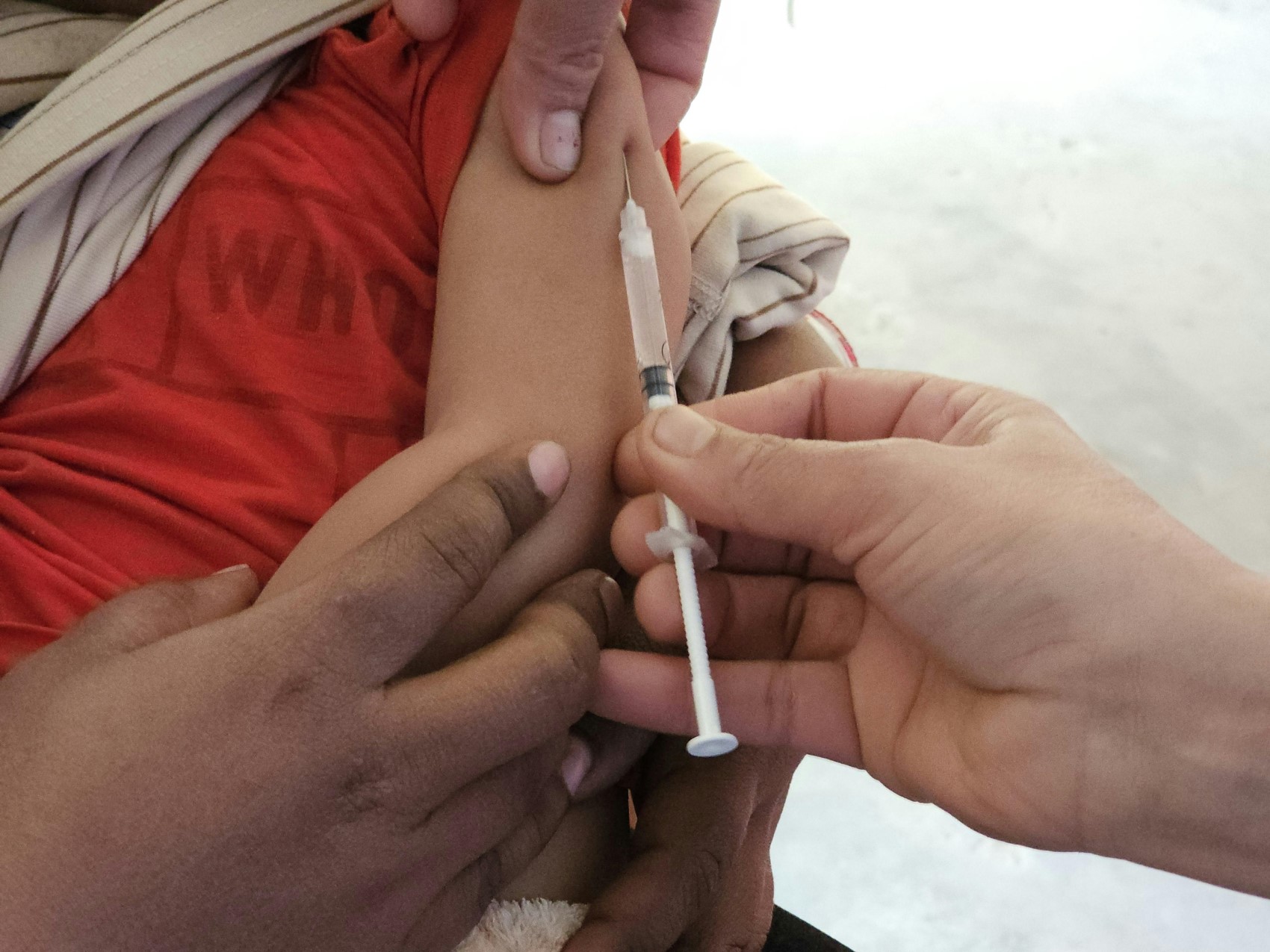
BE SURE TO FOLLOW THE VACCINATION SCHEDULE
Compared to adults, the fact that babies' immune systems are weaker and still in the process of forming can cause some diseases to be experienced more severely in babies. Severe illnesses can lead to permanent damage in some cases, as well as sudden losses. It is necessary to administer vaccines that are accepted in our country and given at certain periods to protect infant and child health as well as public health. It is recommended that some special vaccines included in our vaccination schedule be administered at the right time and under appropriate conditions. Especially in the case of rotavirus, which every child catches at least once by the age of 5, this virus, which mostly leads to hospitalization for unvaccinated children and babies with complaints such as watery diarrhea, fever, and vomiting, can be overcome more mildly with vaccination.