A fascinating discovery from James Webb: 'Red Monsters'
Researchers using the James Webb Space Telescope have discovered 3 galaxies in the early universe that are as large as the Milky Way, which they believe should not exist.
12punto
JAMES WEBB SPACE TELESCOPE
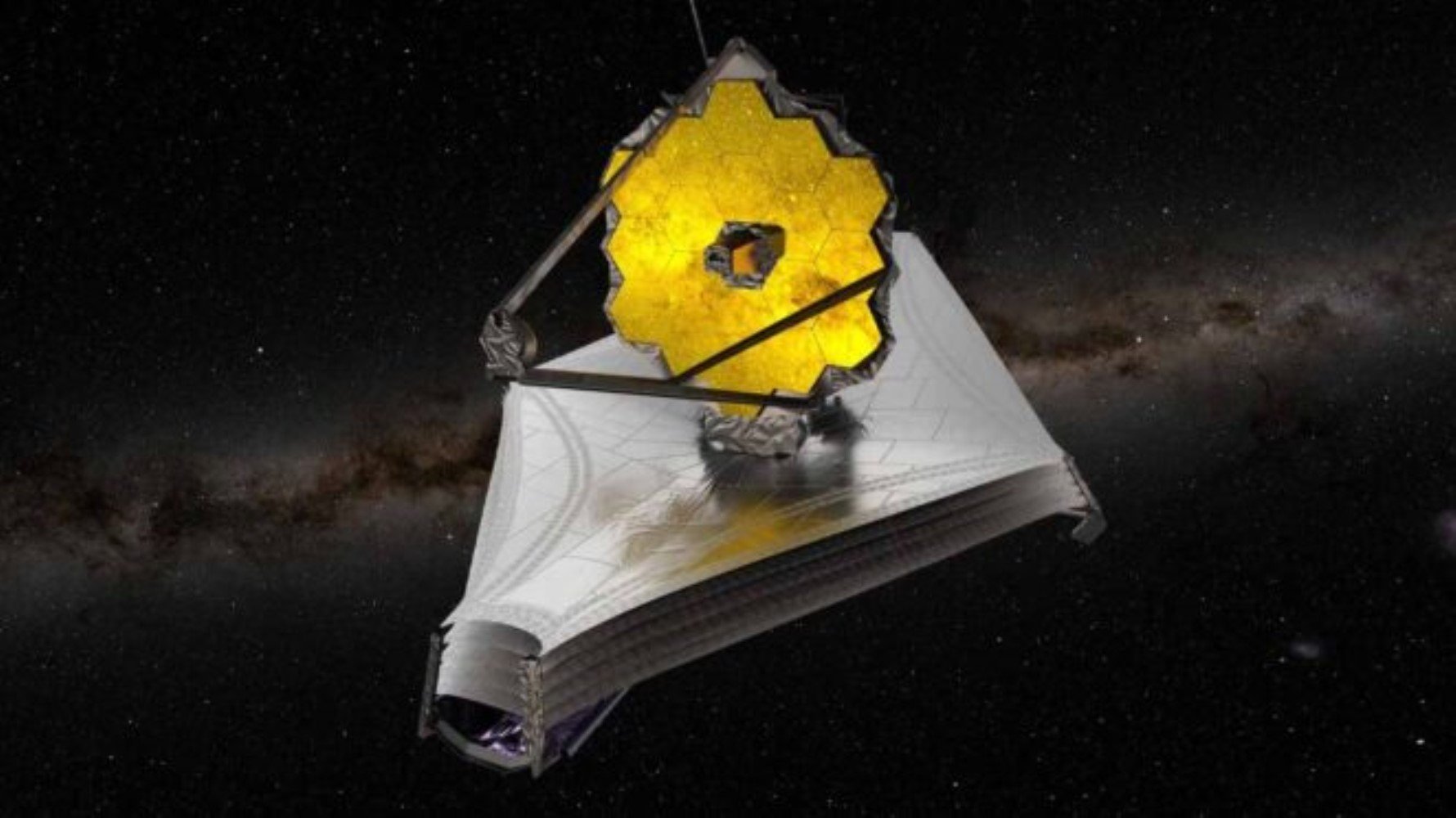
The James Webb Space Telescope (JWST), the most powerful telescope ever sent into space, is a space telescope developed by NASA for infrared astronomy. Representing humanity's insatiable curiosity and desire to solve the mysteries of the universe at the highest level, the James Webb Space Telescope exceeded astronomers' expectations in its first year of scientific operations and captivated the world with stunning images.
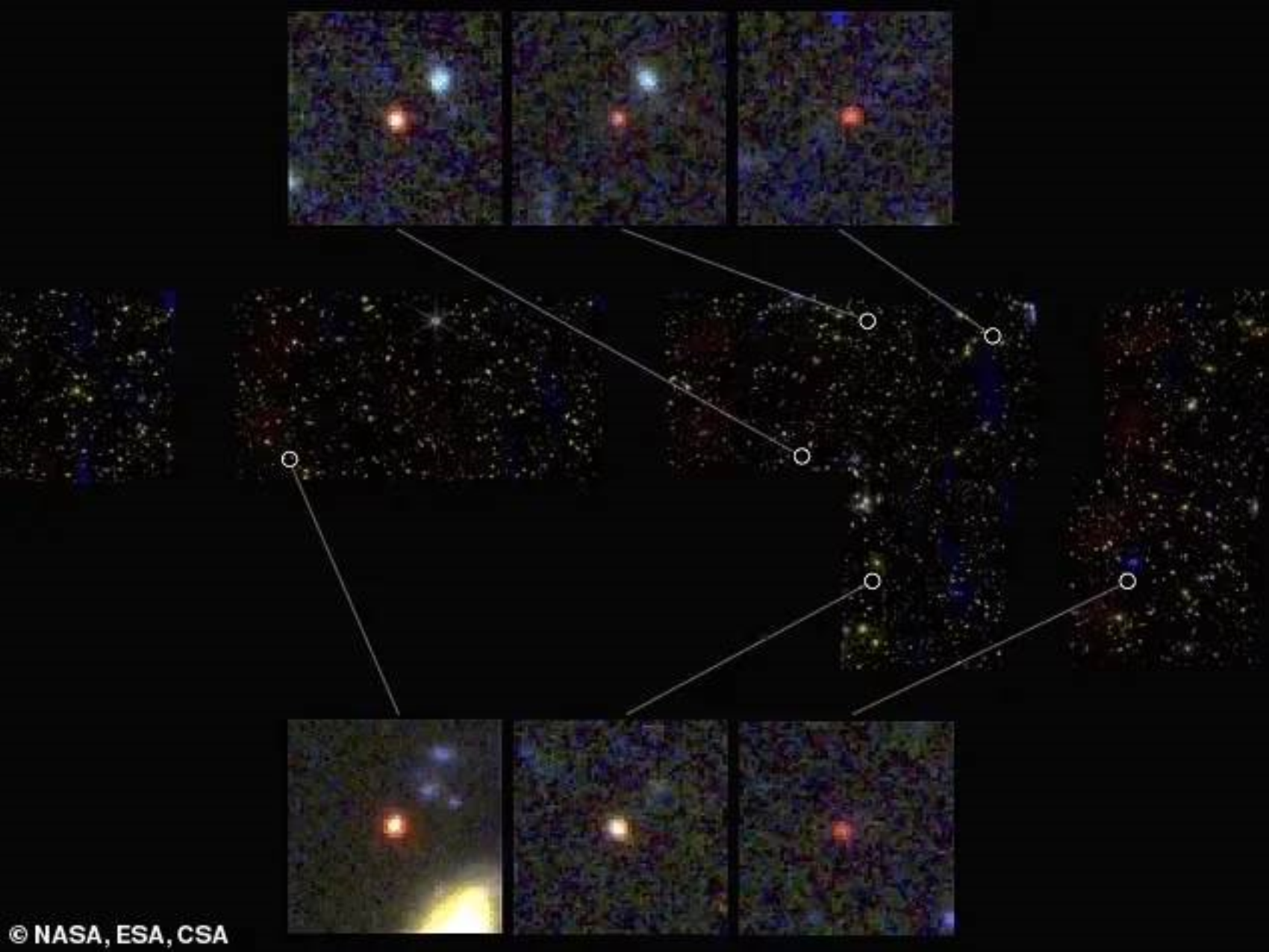
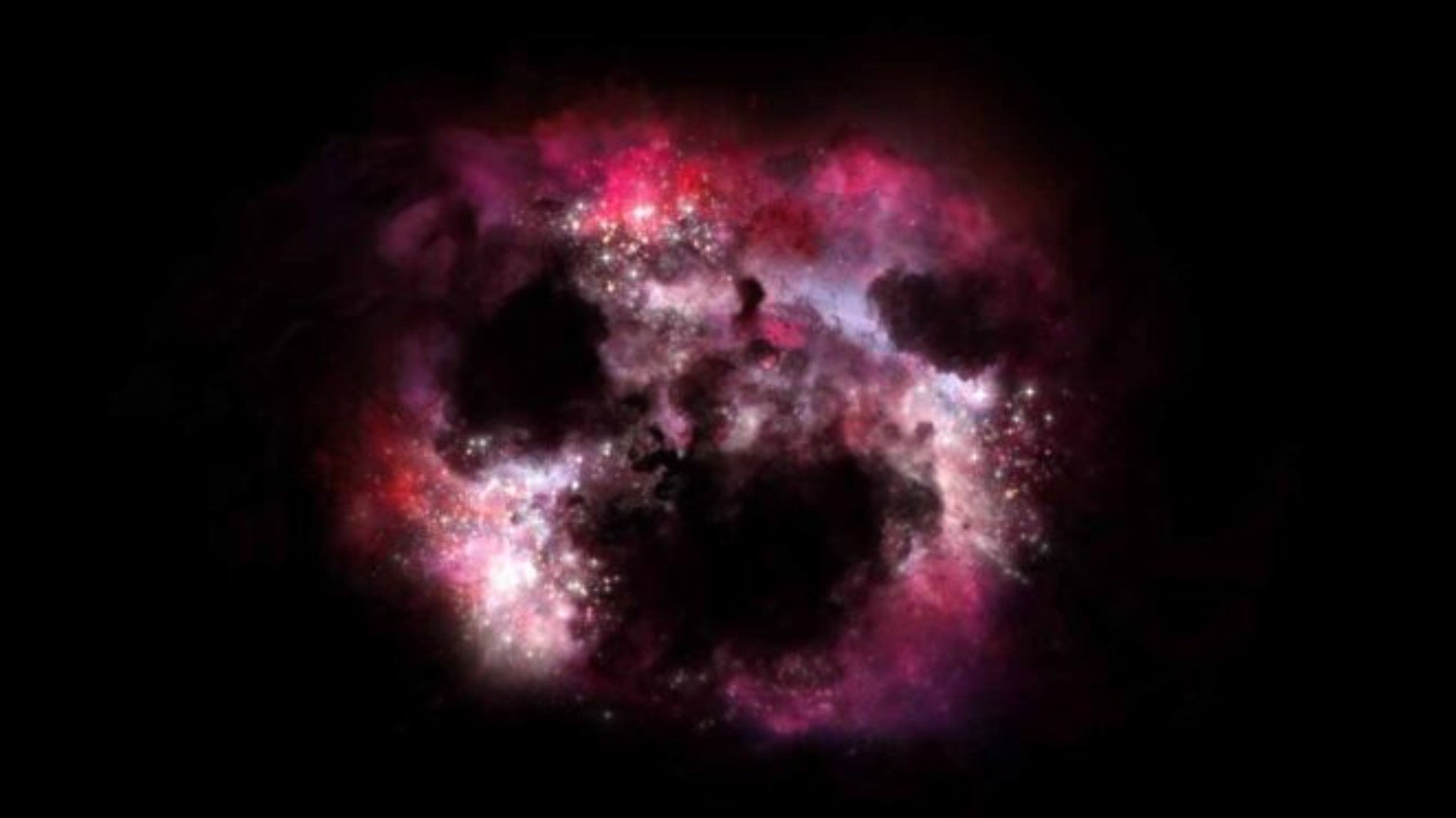
The telescope obtained images of three 'Red Monster' galaxies that formed one billion years after the Big Bang (estimated to have occurred approximately 13.7 billion years ago), with sizes averaging that of the Milky Way.
THREE GALACTIC 'RED MONSTERS' DISCOVERED IN THE EARLY UNIVERSE
Researchers state that according to the Lambda Cold Dark Matter model, or LCDM (a mathematical model of the Big Bang theory consisting of three main components), which is a generally accepted cosmological model, these 'Red Monster' galaxies should not actually exist in the early universe.
Stijn Wuyts, the Hiroko Sherwin Chair of Extragalactic Astronomy at the University of Bath and one of the authors of the study, said in a statement: "Finding three monsters of such massive size among the sample brings with it an exciting puzzle that we need to solve.
Many processes in galaxy evolution require a speed limit that restricts the conversion of gas into stars. However, these red monsters seem to have insulated themselves from most of these obstacles."
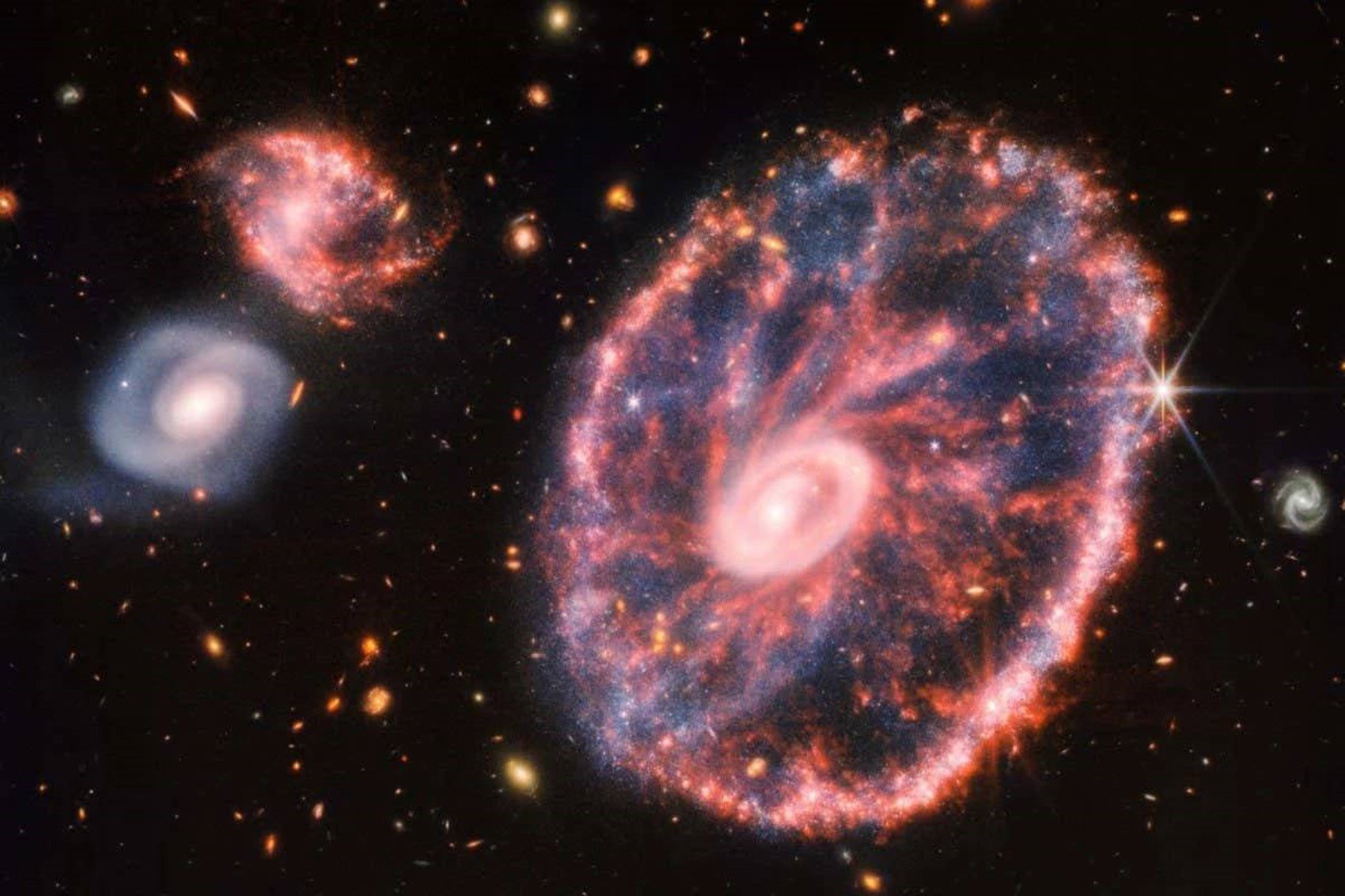
The JWST is not the first to detect massive ancient galaxies. These three galaxies are the latest in a series of discoveries that have caused astronomers to question their understanding of how early galaxies formed.
MYSTERIOUS GALAXIES
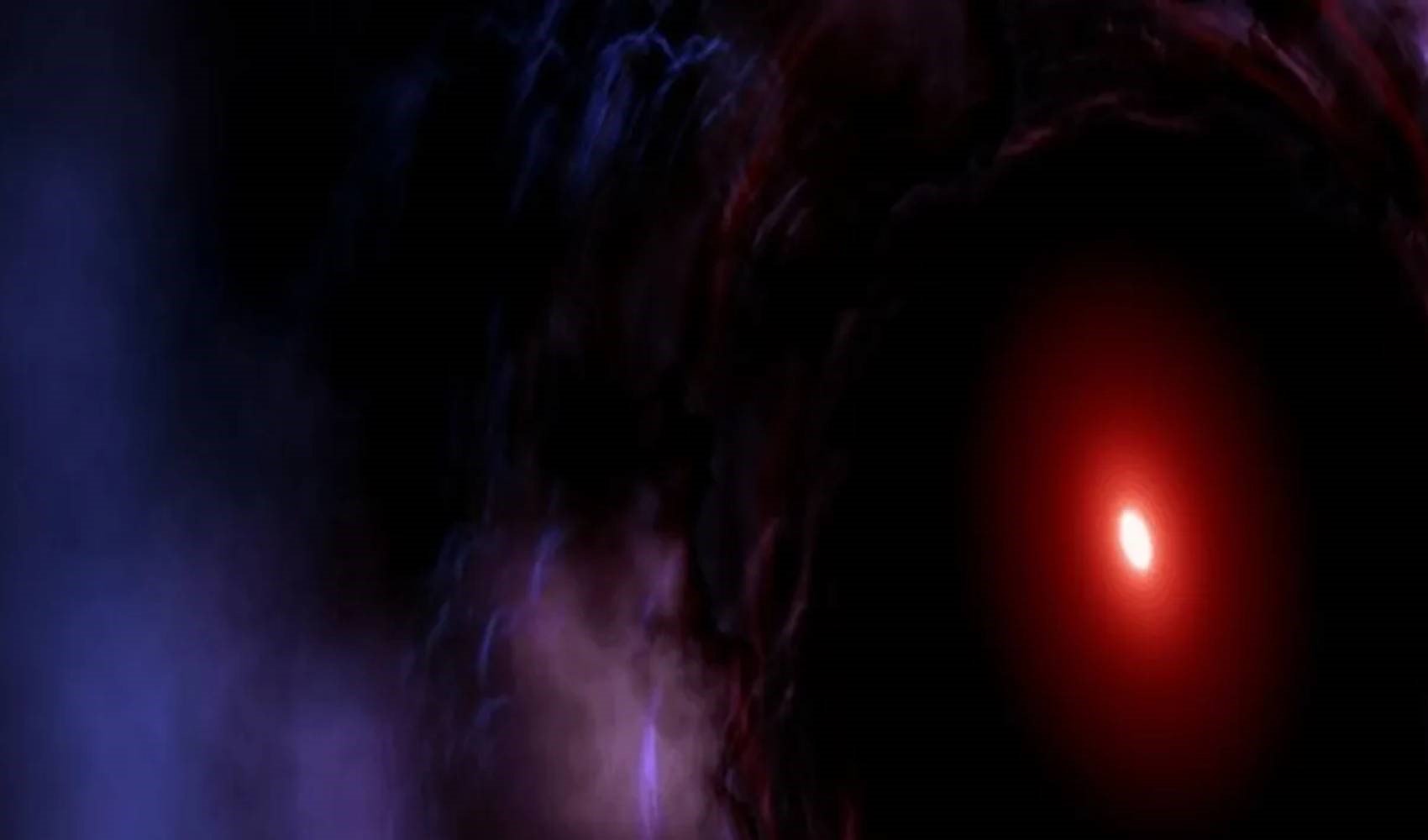
The reason researchers named these three discovered galaxies Red Monsters lies in their massive size and the high amount of dust they contain. These characteristics of the galaxies give them a red appearance that makes them stand out in telescope images.
RED MONSTERS
While most of the galaxies studied fit existing models, three turned out to be surprisingly large; these were the Red Monsters.
Researchers stated that according to the most widely accepted cosmological model, the Lambda Cold Dark Matter (LCDM) model, these 'Red Monster' galaxies should not exist.
The astronomers, who published the results of their research in the journal Nature on November 13, believe that the galaxies formed within a spherical cloud of stars around massive dark matter that captures gravitational gas and forces it into gravitationally bound structures.
At most 20 percent of this gas turns into stars and galaxies. Therefore, it takes much longer for galaxies to reach massive sizes.
However, the newly discovered Red Monsters seem to challenge this view. Researchers concluded that for these galaxies to reach their current size, they would have needed to form stars about twice as fast as galaxies that formed later in cosmological history.
SURPRISING FEATURES OF THE JAMES WEBB SPACE TELESCOPE
The James Webb Space Telescope (JWST) will play a significant role in visual astronomy by providing unprecedented high-resolution images and spectroscopy of distant celestial objects. Its primary mirror, which is 6.5 meters in diameter, is about 100 times larger than the primary mirror of the Hubble Space Telescope, allowing it to capture much more detailed images. In terms of visual astronomy, the JWST is currently capable of capturing stunning images of distant galaxies, nebulae, and other celestial objects that are beyond the reach of existing telescopes. Thus, it will also provide detailed images of the oldest galaxies in the universe for us to study the formation of stars and planets.
Scientists state that more research is needed to solve the mystery of the "red monsters."
Future observations by the JWST may help us understand how these galaxies formed and grew.