An era of reducing carbon emissions in flights: Fuel from food waste
While air transport is among the largest environmental polluters, a new technology called "Sustainable Aviation Fuel" (SAF) offers promise in the sector. This new type of fuel aims to replace traditional jet fuels and reduce carbon emissions. It is anticipated that the aviation industry will significantly reduce its negative impact on the environment with this transformation.
12punto

As air travel begins to grow again following the pandemic, solutions are also being sought for high carbon emissions. A type of fuel called Sustainable Aviation Fuel (SAF) is emerging as a key way to reduce the aviation industry's carbon footprint.
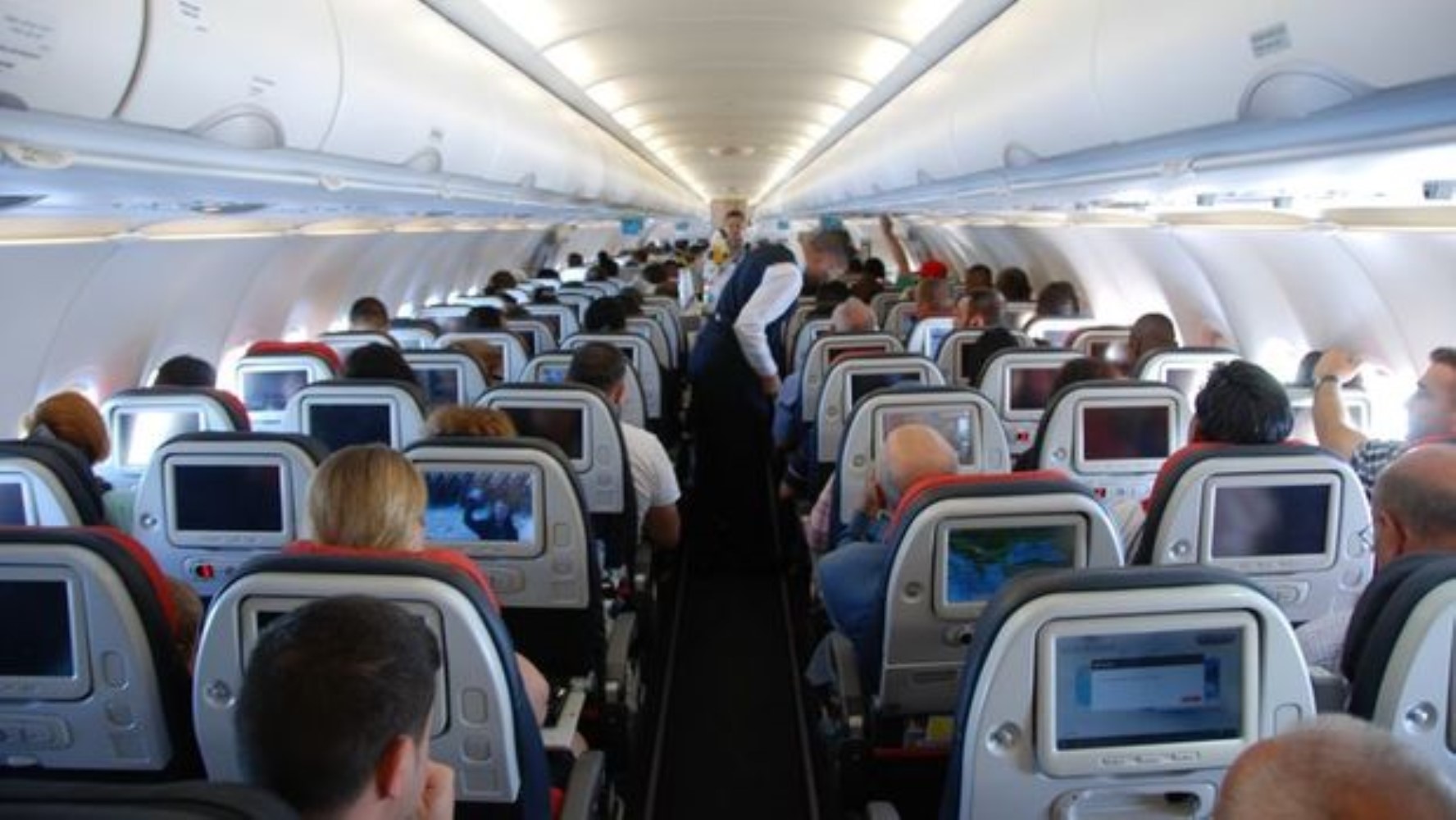
It is stated that SAF, which is primarily produced from renewable biomass and waste sources, has the potential to make aviation more sustainable and prevent it from being one of the primary drivers of global warming.

According to a study prepared by the European Union Aviation Safety Agency, as reported by Haberglobal, the use of "Sustainable Aviation Fuel" (SAF) can reduce most greenhouse gas emissions. In the research, this situation is explained with the statement: "Compared to fossil-based jet fuel, SAF is equivalent to the amount of carbon dioxide absorbed by plants during the growth of biomass feedstocks."

Some typical feedstocks used to produce Sustainable Aviation Fuel include used cooking oil, animal waste fats, municipal solid waste, and specially grown energy crops intended for such purposes.

The study provides the following information: "In addition to efforts aimed at reducing the carbon footprint, Sustainable Aviation Fuel contains fewer 'impurities.' These, such as sulfur, lead to significant reductions in particulate matter emissions behind the aircraft."
Previous studies had shown that using only a 50 percent SAF blend could reduce particulate matter by 50-70 percent. According to the European Union Aviation Safety Agency, if the transition to SAF is scaled up globally, there will be an improvement in local air quality around airports worldwide, and the warming effects caused by aviation will be reduced."

The research, which states that ambitious SAF targets have been set for the near future, included the following: "For example, the U.S. aims to produce three billion gallons of SAF per year by 2030 and enough to meet 100 percent of aviation fuel demand by 2050.
To reach these goals, policy support and financiers willing to invest in new production facilities will be needed. Governments on both sides of the Atlantic and in Asia are beginning to implement policies that support SAF."