Another challenge from Google to OpenAI: Google announces AI video tool Veo 2!
Tech giant Google has announced the new version of its video generation system, Veo, a competitor to Sora. Taking video generation capabilities a step further, the new Veo 2 AI model has the capacity to create long videos in 4K resolution.
12punto
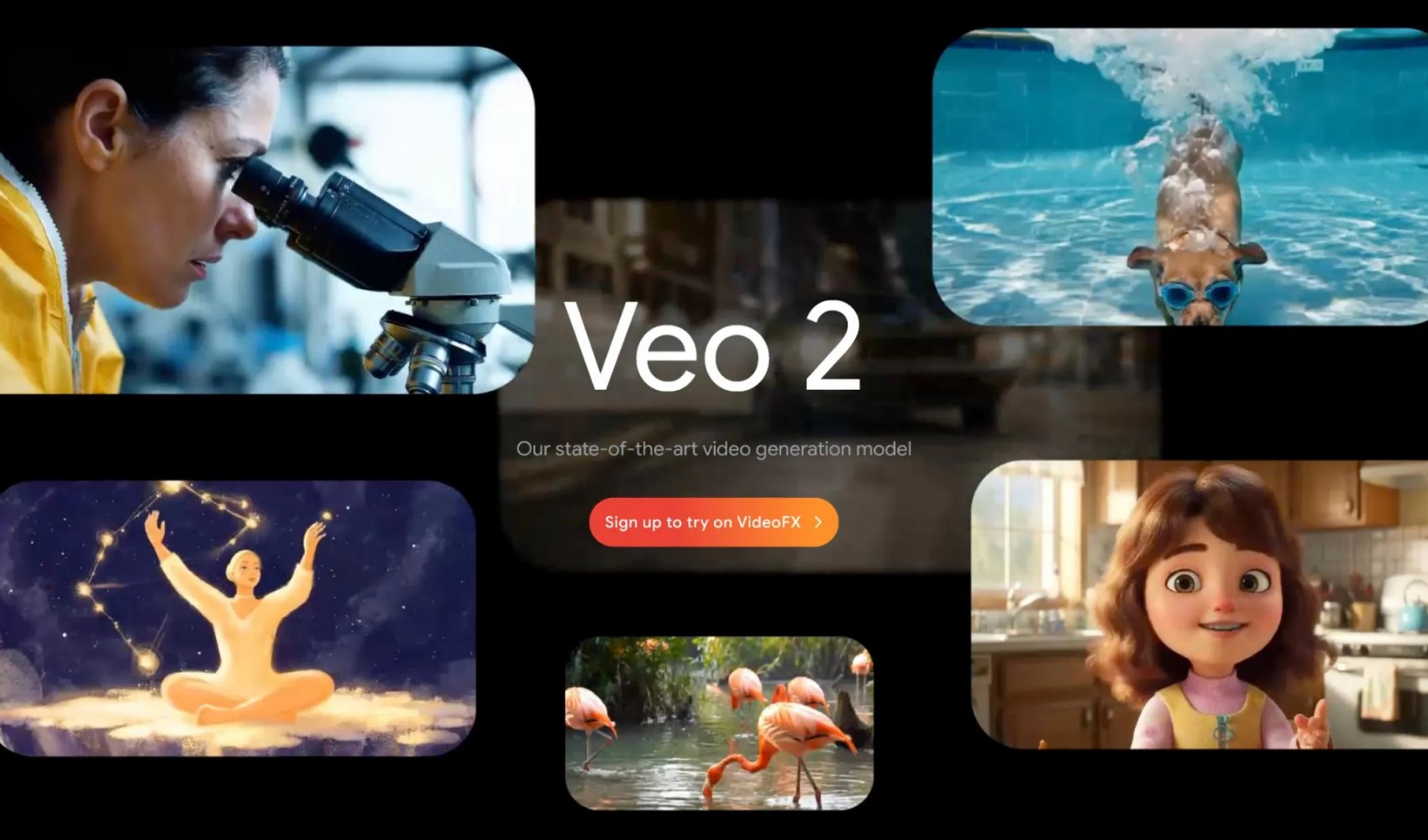
Google's AI research laboratory, DeepMind, has announced its latest developments in the field of video production.
The company introduced a new AI model called Veo 2, which will take video generation capabilities a step further. Veo 2 has the capacity to create long videos in 4K resolution.

WHAT ARE THE TECHNICAL CAPABILITIES OF VEO 2?
DeepMind's next-generation AI, Veo 2, can create videos with a resolution of 4096 x 2160 pixels and longer than two minutes.
This technology was developed as the successor model to Veo, which supports many products in Google's portfolio.

HOW CAN YOU CREATE VIDEOS WITH VEO 2?
As with the previous version, users can create videos with Veo 2 using text prompts and reference images.
However, this new model stands out with improved lighting effects and advanced camera controls.
Thanks to these innovations, content can be presented in a clearer and more cinematic way.

WHAT ARE THE SHORTCOMINGS OF VEO 2?
Although Veo 2's innovative features stand out, it is noted that some shortcomings persist.
In particular, there are still areas where the model needs improvement regarding its ability to adapt to long-term and complex prompts.
HOW WILL IT COMPETE WITH SORA?
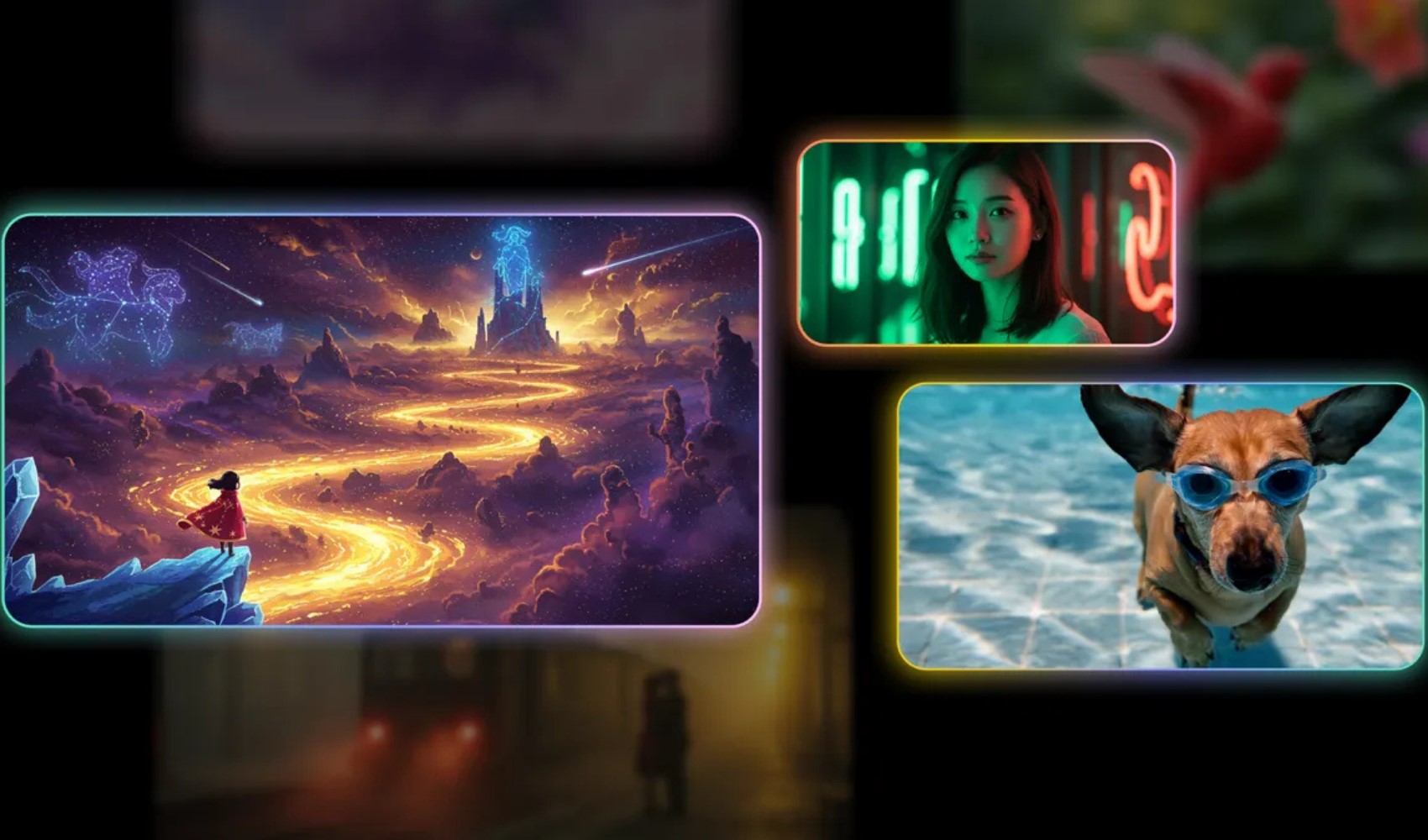
Google's Veo 2 model seems set to heat up the competition with rival AI platforms like OpenAI's Sora.
Google plans to conduct pilot tests for this new technology in specific areas. Following the tests, the model is planned to be made available for wider use.