Artificial intelligence and art: Can machines truly be creative?
Throughout history, art has been accepted as a product of human creativity. However, today, artificial intelligence is creating a revolutionary change in this field. Paintings, poems, and compositions produced by machines are causing us to redefine the concept of “art.” So, what is the place of artificial intelligence in the art world? Can machines truly be creative?...
12punto
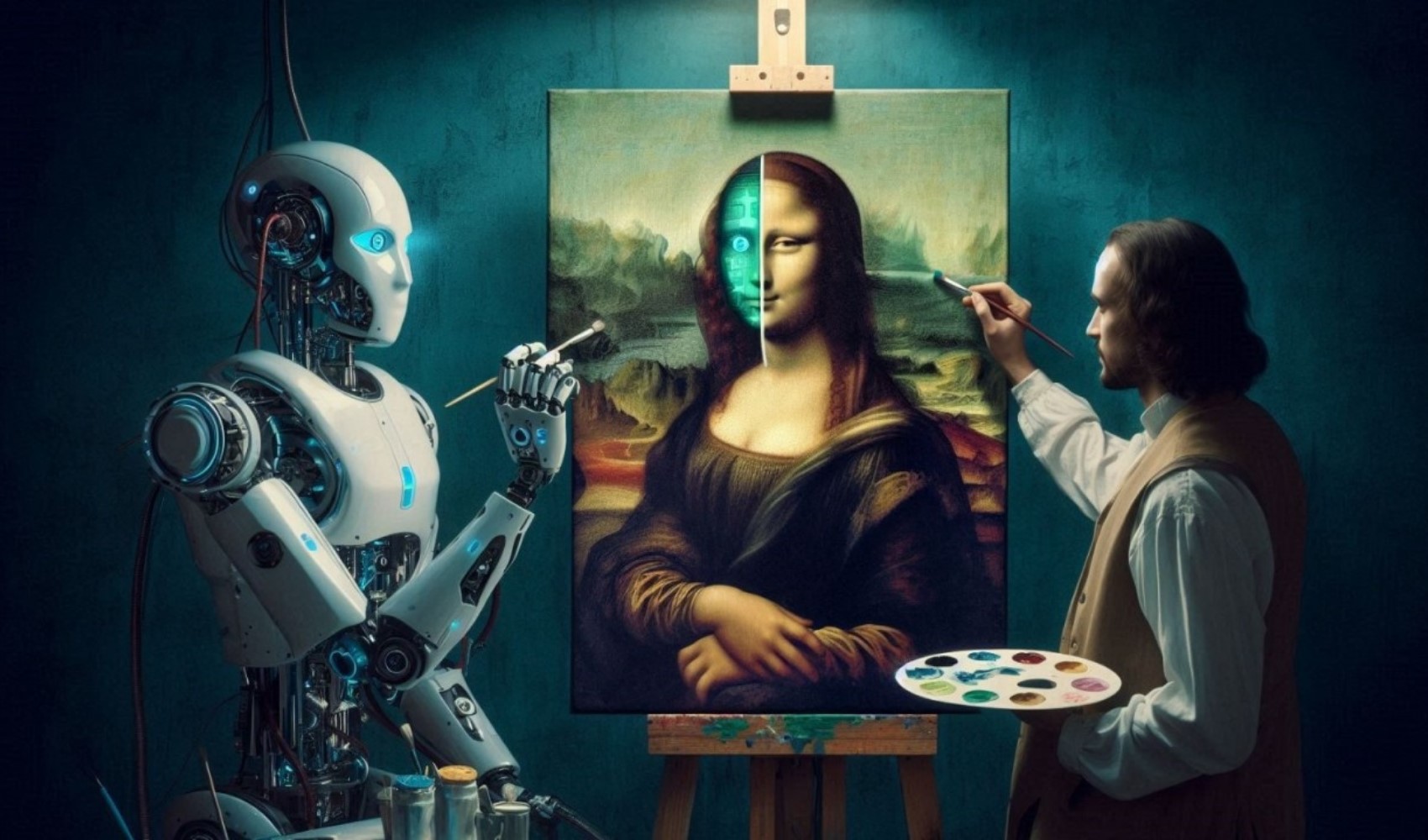
Throughout history, art has been accepted as a product of human creativity, emotions, and imagination. Humans have expressed their inner worlds and themselves through various means, from painting to music, literature to sculpture. However, today, artificial intelligence is challenging this traditional understanding and creating a revolutionary change in the field of art. Paintings, poems, musical compositions, and other creative works produced through machine learning and algorithms show that art is not a field unique to humans. This situation causes us to redefine the concept of "art" and deeply question what creativity means.
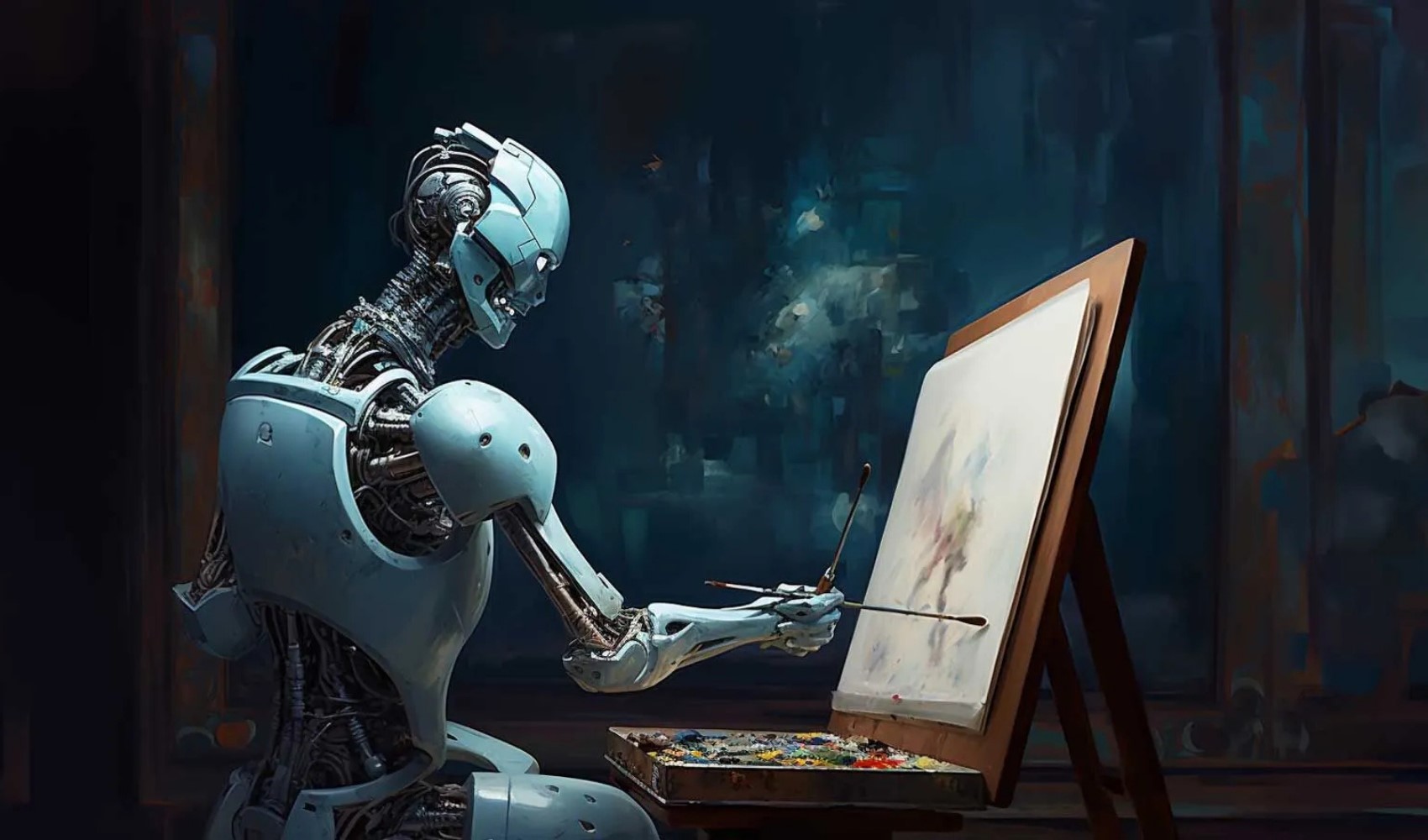
WHAT IS CREATIVITY? CAN A MACHINE BE CREATIVE?
Creativity is generally associated with imagination, original thought, and emotional expression. However, artificial intelligence handles these elements in a different way. Machine learning and deep learning algorithms analyze large datasets and create content that appears new and original from this data. Therefore, the creativity of artificial intelligence is based more on a "data processing" process than human creativity. Thus, the debate over whether artificial intelligence is creative is directly related to how we define creativity.
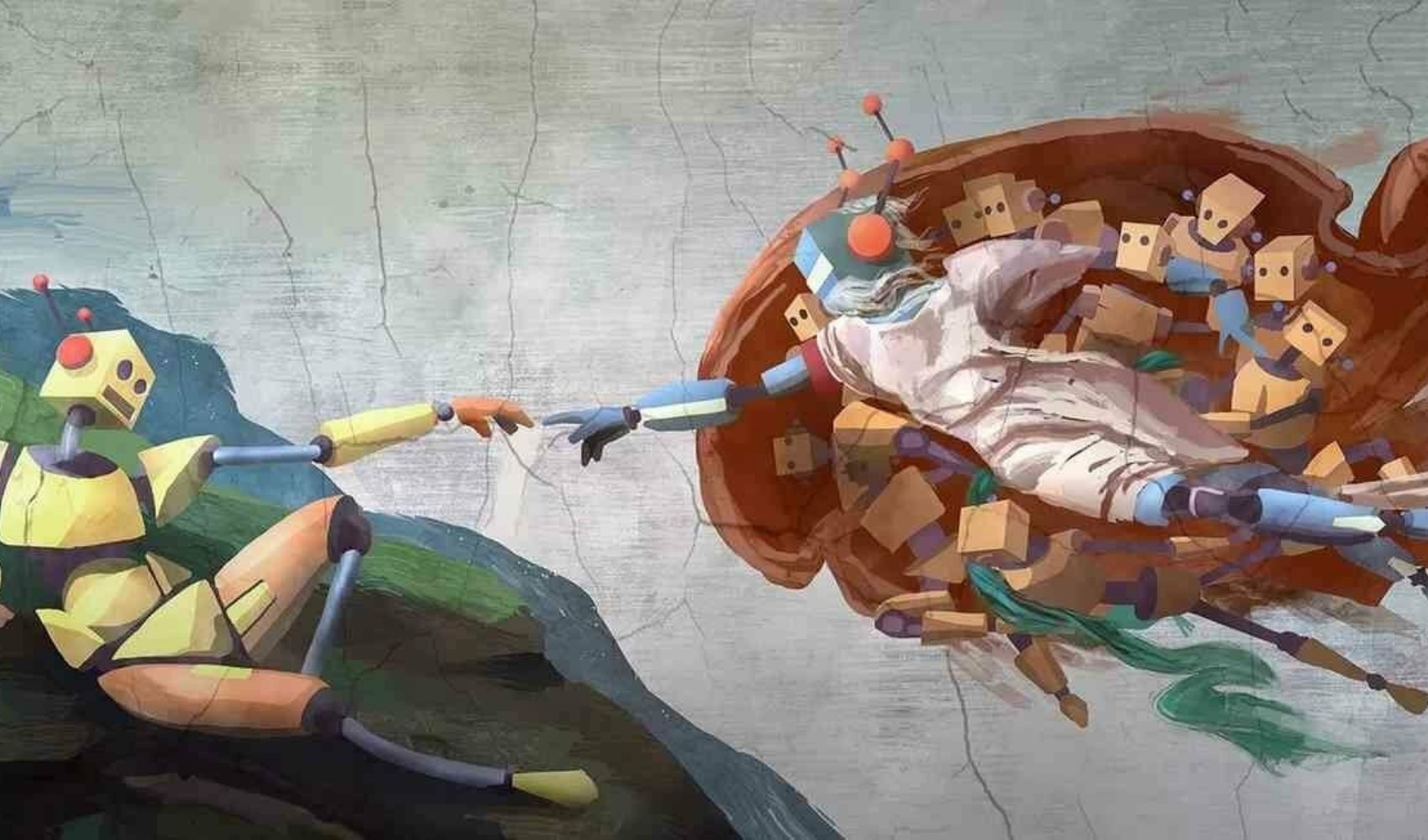
HOW IMPORTANT IS THE HUMAN FACTOR IN ARTIFICIAL INTELLIGENCE ART?
The ability of artificial intelligence to produce art relies entirely on human programming and guidance. Algorithms are directed by human decisions regarding which datasets to use and which styles or themes should be at the forefront. For example, for an artificial intelligence to create a painting in the style of Van Gogh, it must first analyze Van Gogh's works. This shows that artificial intelligence art cannot be independent of the human factor.
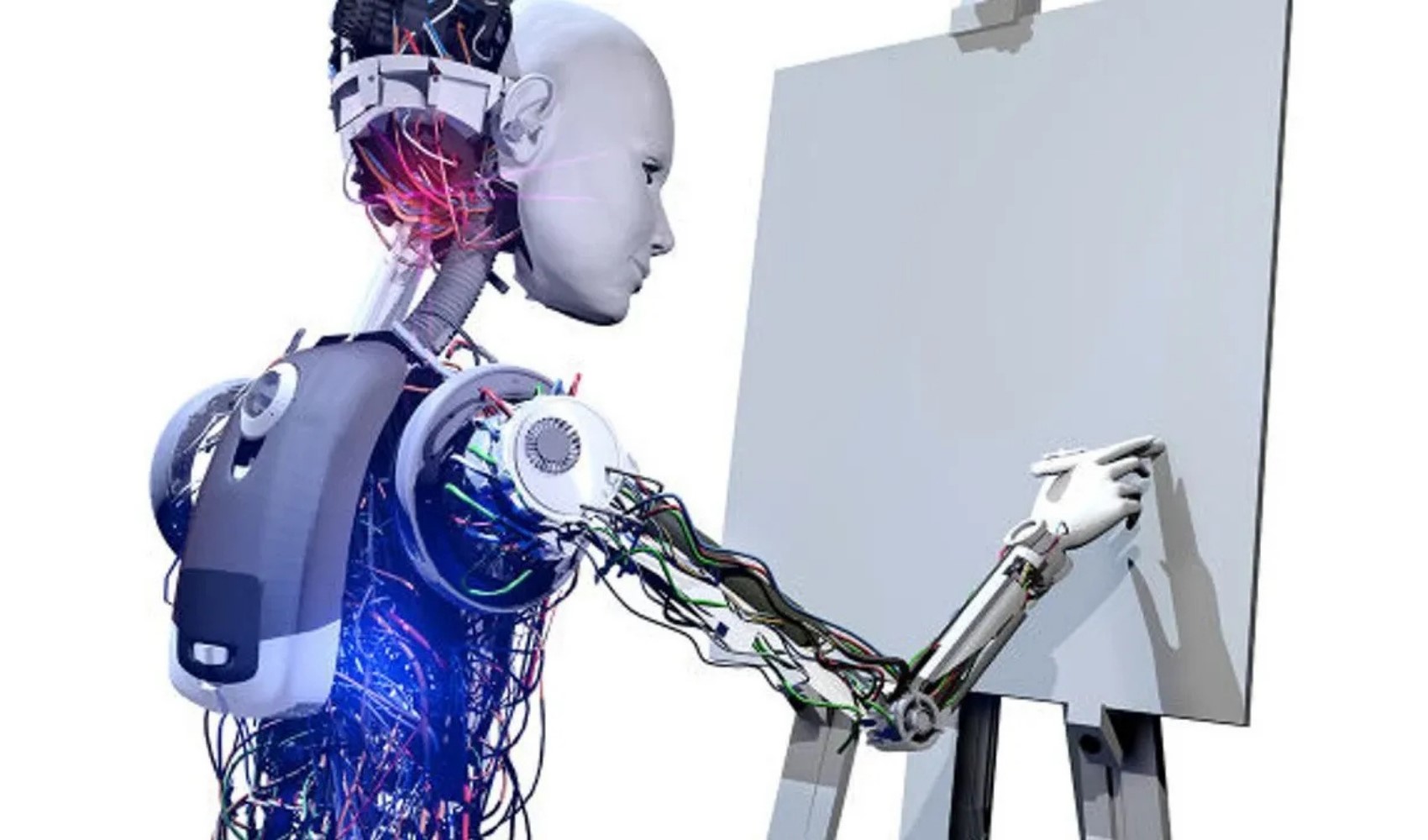
HOW IS ART PRODUCED BY ARTIFICIAL INTELLIGENCE EVALUATED?
Artworks produced by artificial intelligence are generally evaluated based on their aesthetic values. However, whether these works carry "meaning" or "emotion" is debatable. People tend to view works created by artificial intelligence as a product of technology. Nevertheless, some artificial intelligence works have been able to compete with human works by winning awards in art competitions. This situation shows that the perception of artificial intelligence art may change.
THE ROLE OF ARTIFICIAL INTELLIGENCE IN ART: ASSISTANT OR COMPETITOR?
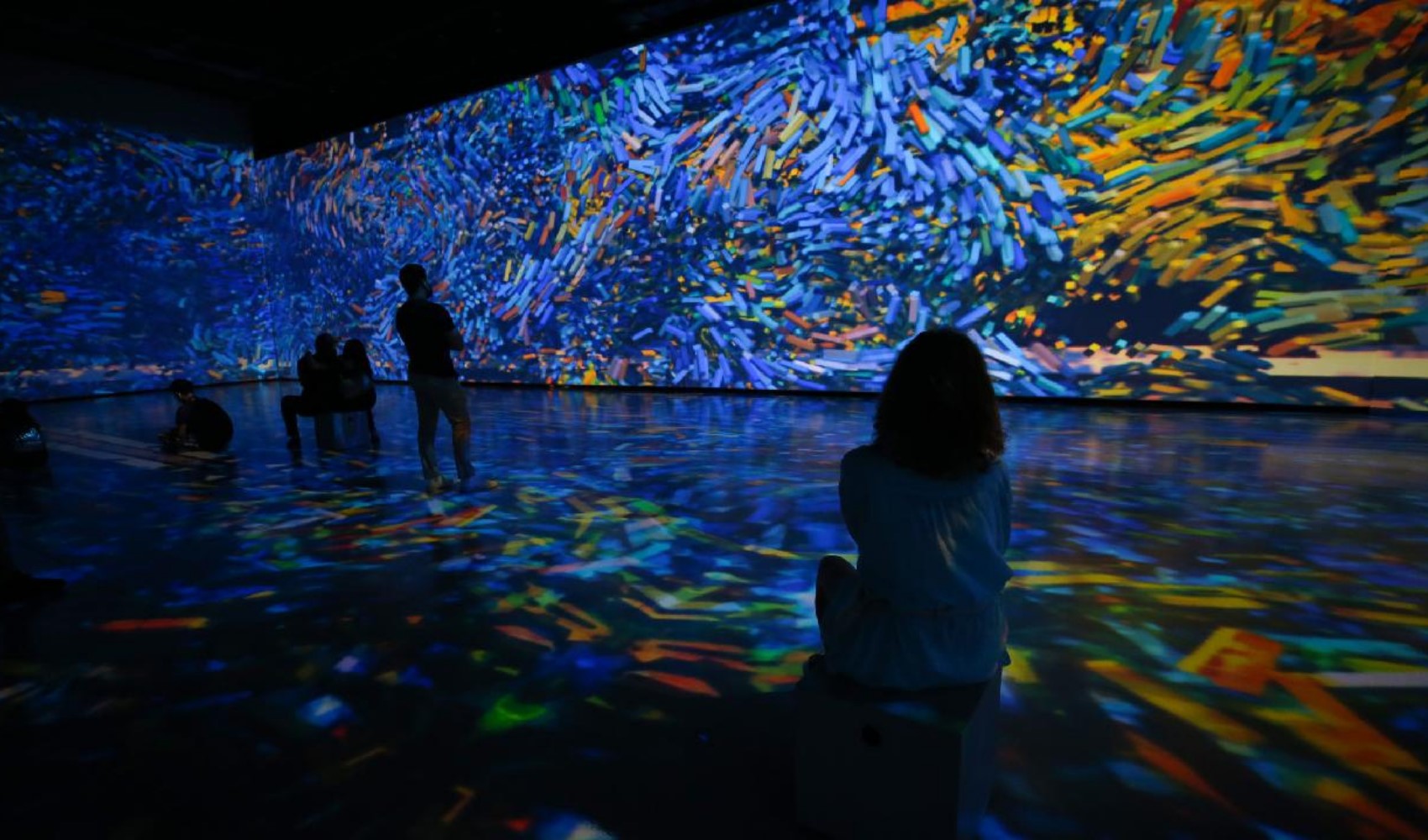
Artificial intelligence is used as a tool by many artists. The speed and variety provided by artificial intelligence in digital drawings, musical compositions, and visual effects open new horizons for artists. However, some artists are concerned that artificial intelligence will one day become an independent artist capable of competing with them. This situation brings with it different perspectives on the role of technology in art.
HOW IS ARTIFICIAL INTELLIGENCE ART AFFECTING THE ART MARKET?
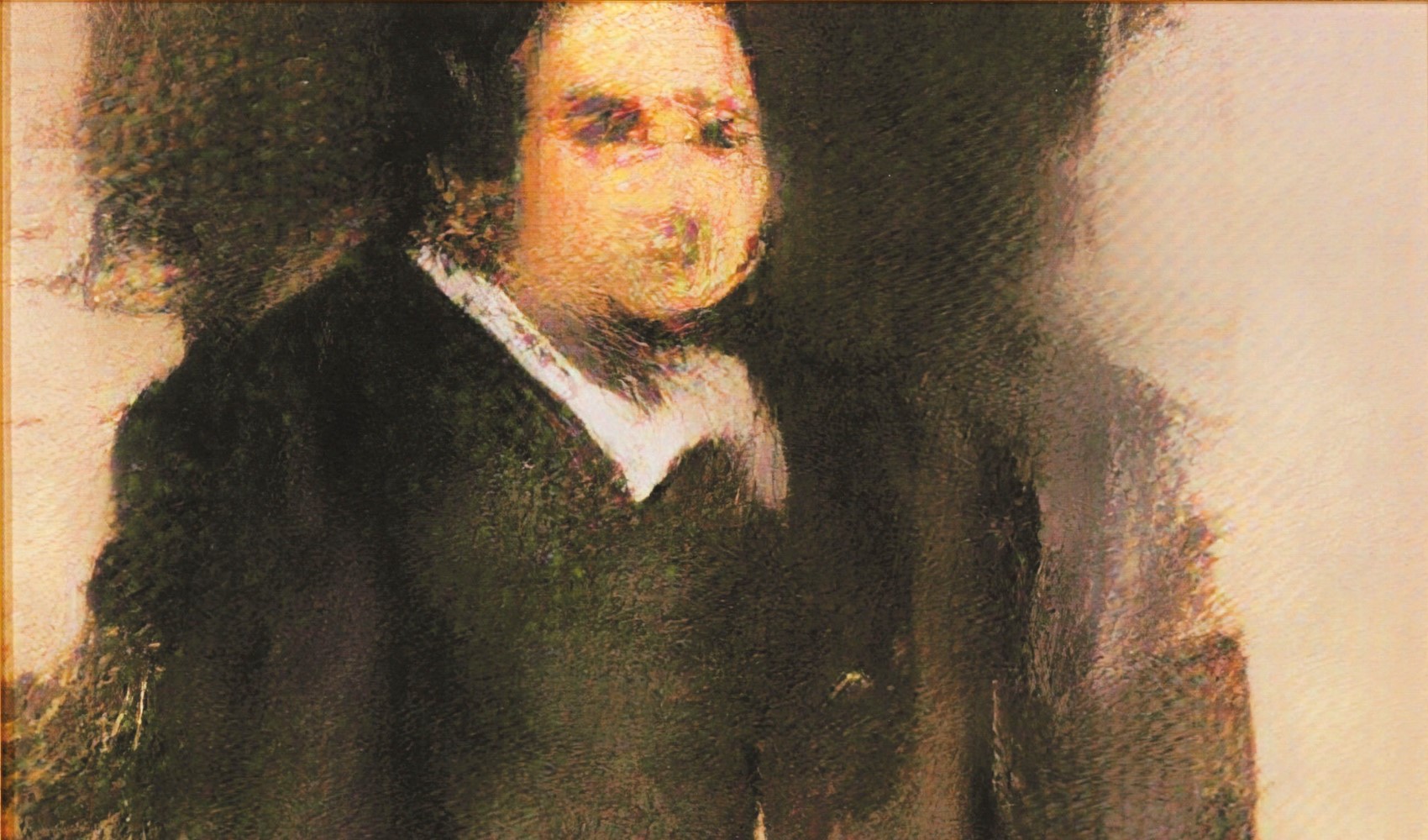
Works produced by artificial intelligence have begun to attract great attention in the art market. For example, a painting titled "Edmond de Belamy" produced by an artificial intelligence was sold at auction for 432,500 dollars. Such events show that artificial intelligence has become a commercial force in the art world. However, this situation also creates question marks regarding the future of human artists.
THE FUTURE: CAN ARTIFICIAL INTELLIGENCE CREATIVITY SURPASS HUMAN ART?
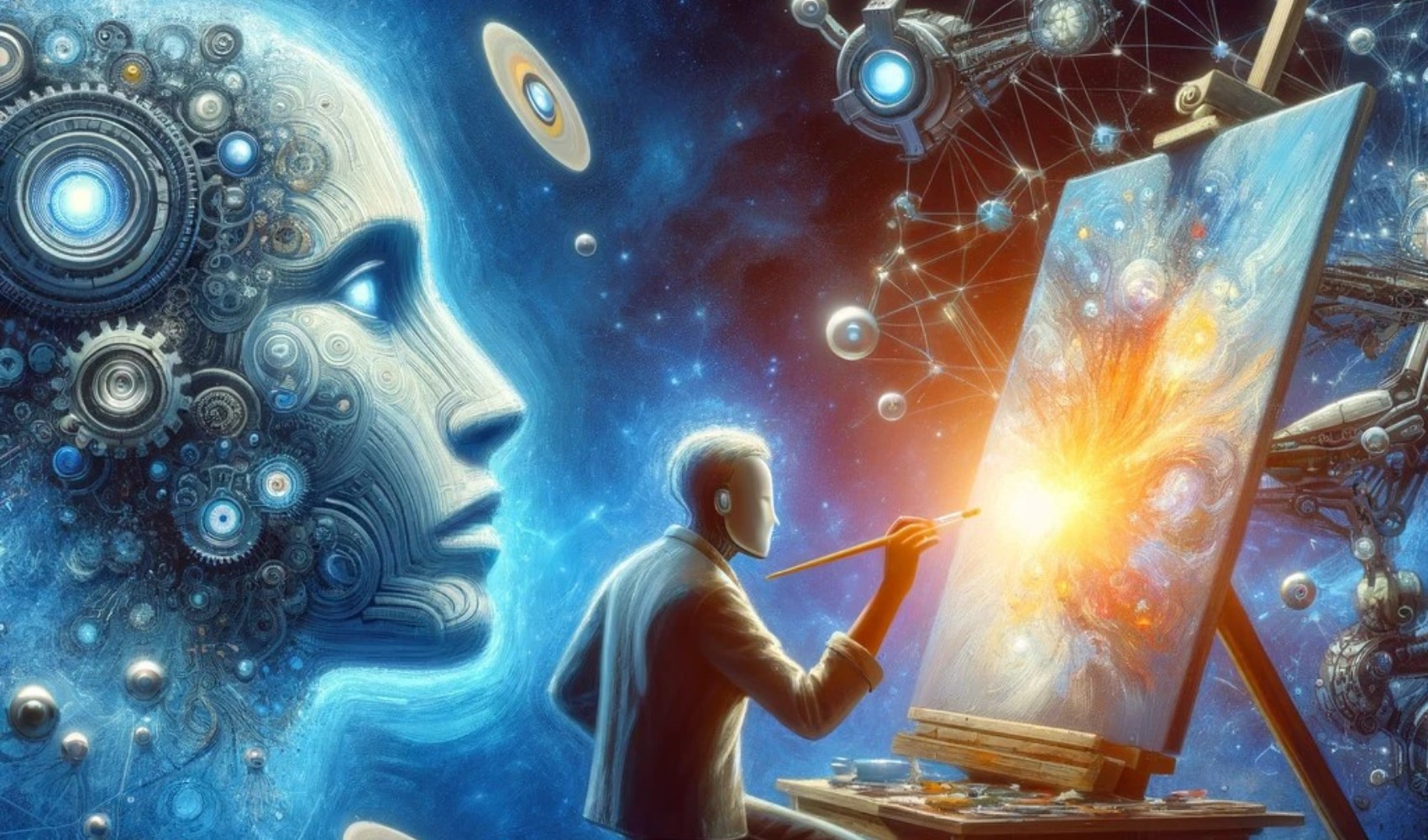
In the future, artificial intelligence is expected to become even more independent in art production. Advanced algorithms may become capable of producing completely original works without human intervention. However, can artificial intelligence replace human art? The answer to this question depends on whether we view art merely as a technical skill or as an expression of human experience.
CAN HUMAN AND MACHINE CREATIVITY EXIST TOGETHER?
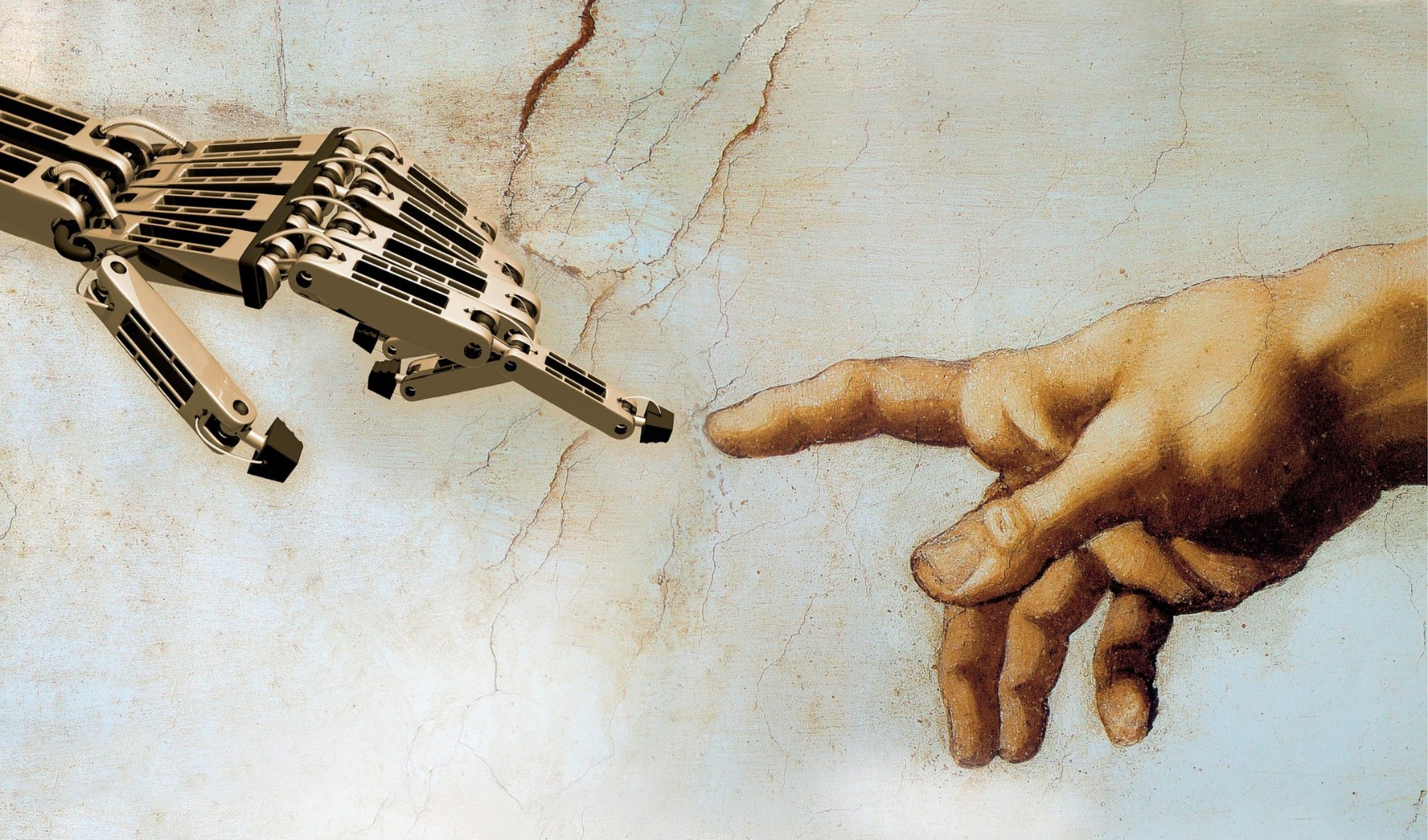
Artificial intelligence is reshaping the ways art is created and its meaning. However, instead of completely eliminating human creativity, this could give it a new dimension. In the future, humans and machines could work together to expand the boundaries of art. Can artificial intelligence be seen as a partner rather than a competitor? Time will tell.