Atatürk's Kocatepe photograph: The memoirs of Western Front photographer Reserve Officer Etem Tem
On the 102nd anniversary of the August 30 victory, the story behind the iconic photograph of Atatürk taken on the first day of the Great Offensive has emerged.
12punto
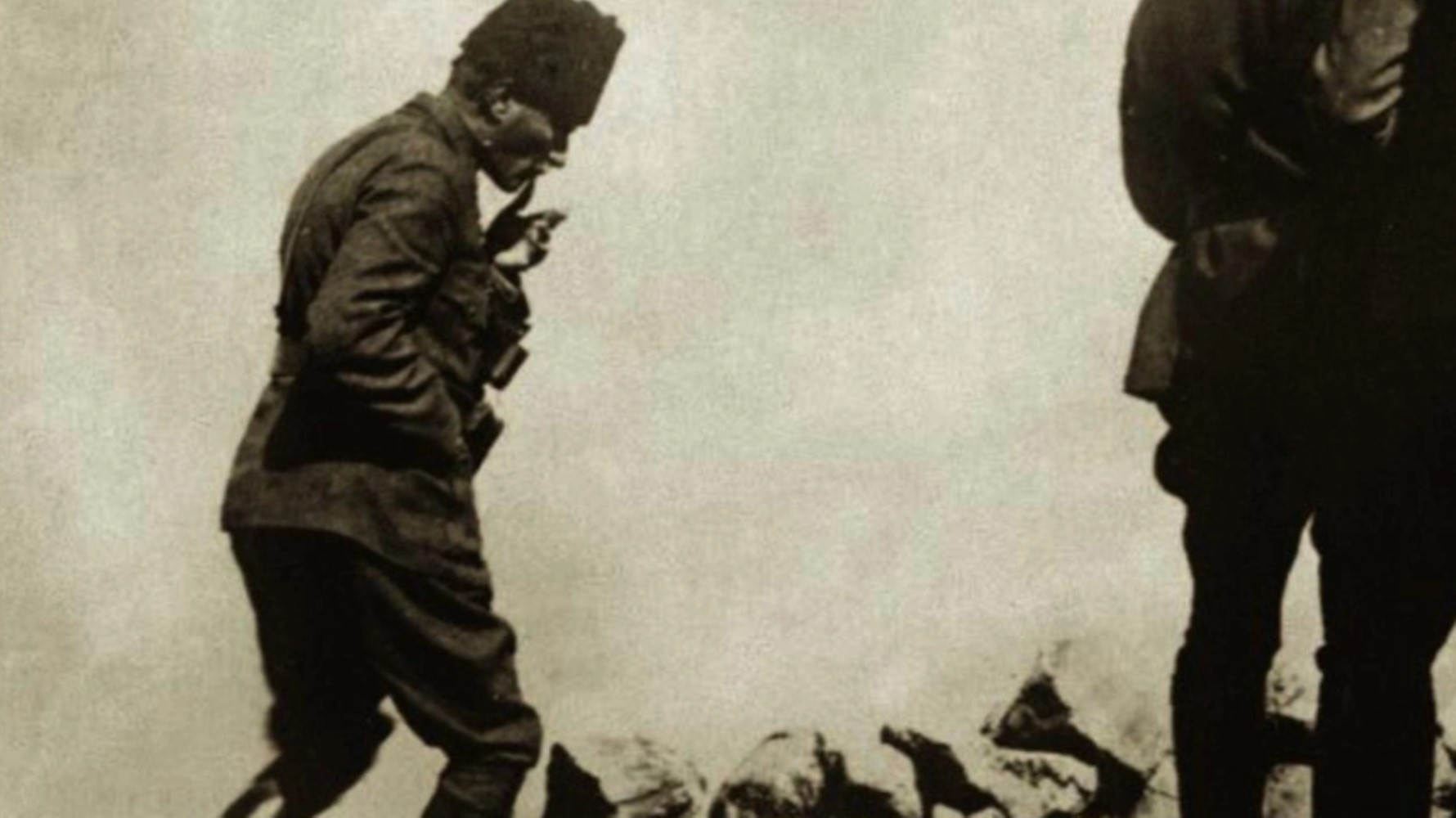
According to the memoirs of Reserve Officer Etem (Hamdi) Tem, who was appointed as a photographer for the Western Front, Commander-in-Chief Mustafa Kemal Pasha, who followed the developments on the front step by step, at one point left the side of the commanders and walked alone through the rocks toward the edge of the hill.
When Etem Tem witnessed the moment when Commander-in-Chief Mustafa Kemal Pasha, in a "thoughtful and distracted" state, leaned forward slightly and brought his thumb to his lip, he held his breath and pressed the shutter.
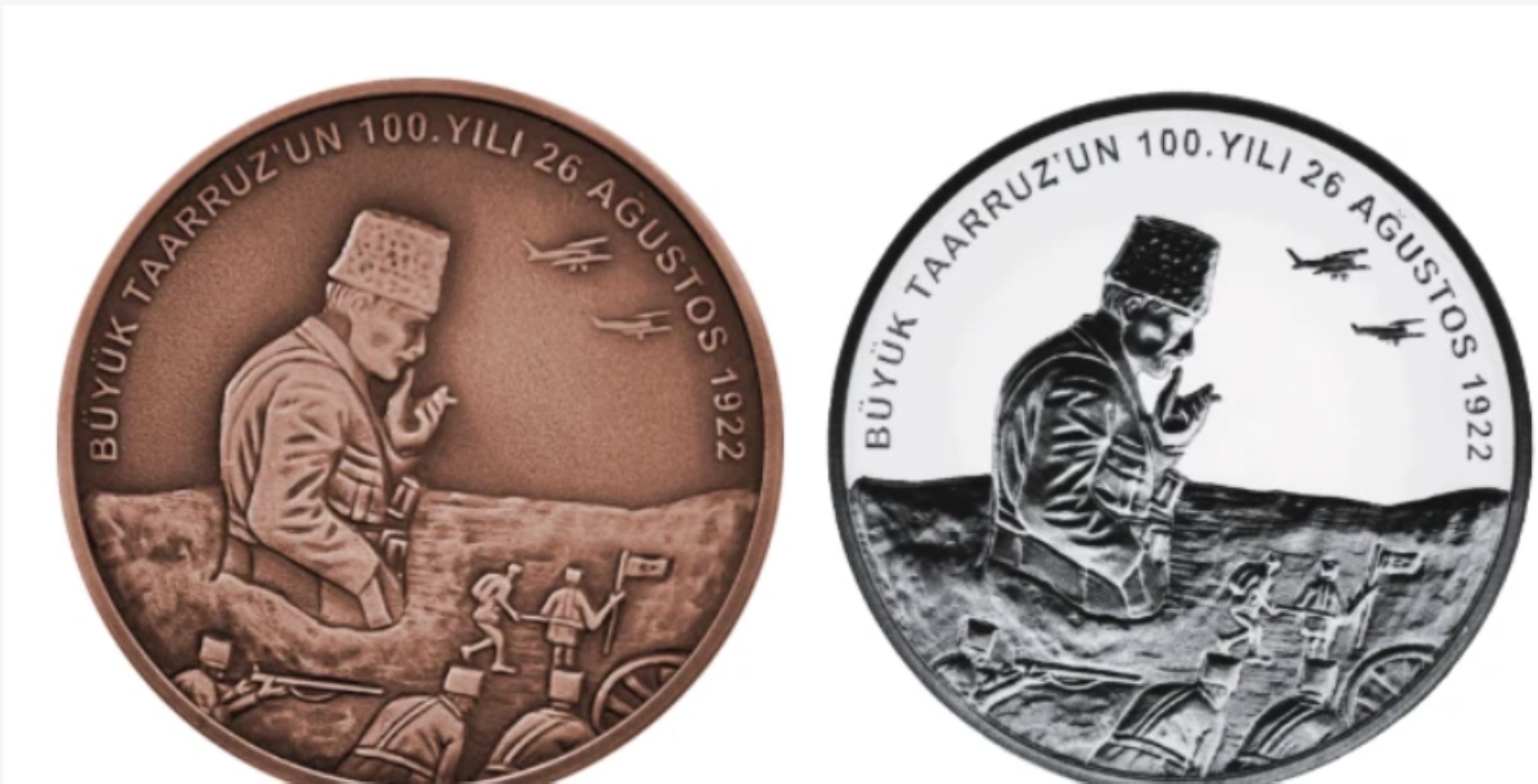
This is how the monumental photograph of the history of the National Struggle was immortalized. The photograph also became the symbol of Victory Day, celebrated on August 30, when the Great Offensive was successfully concluded.
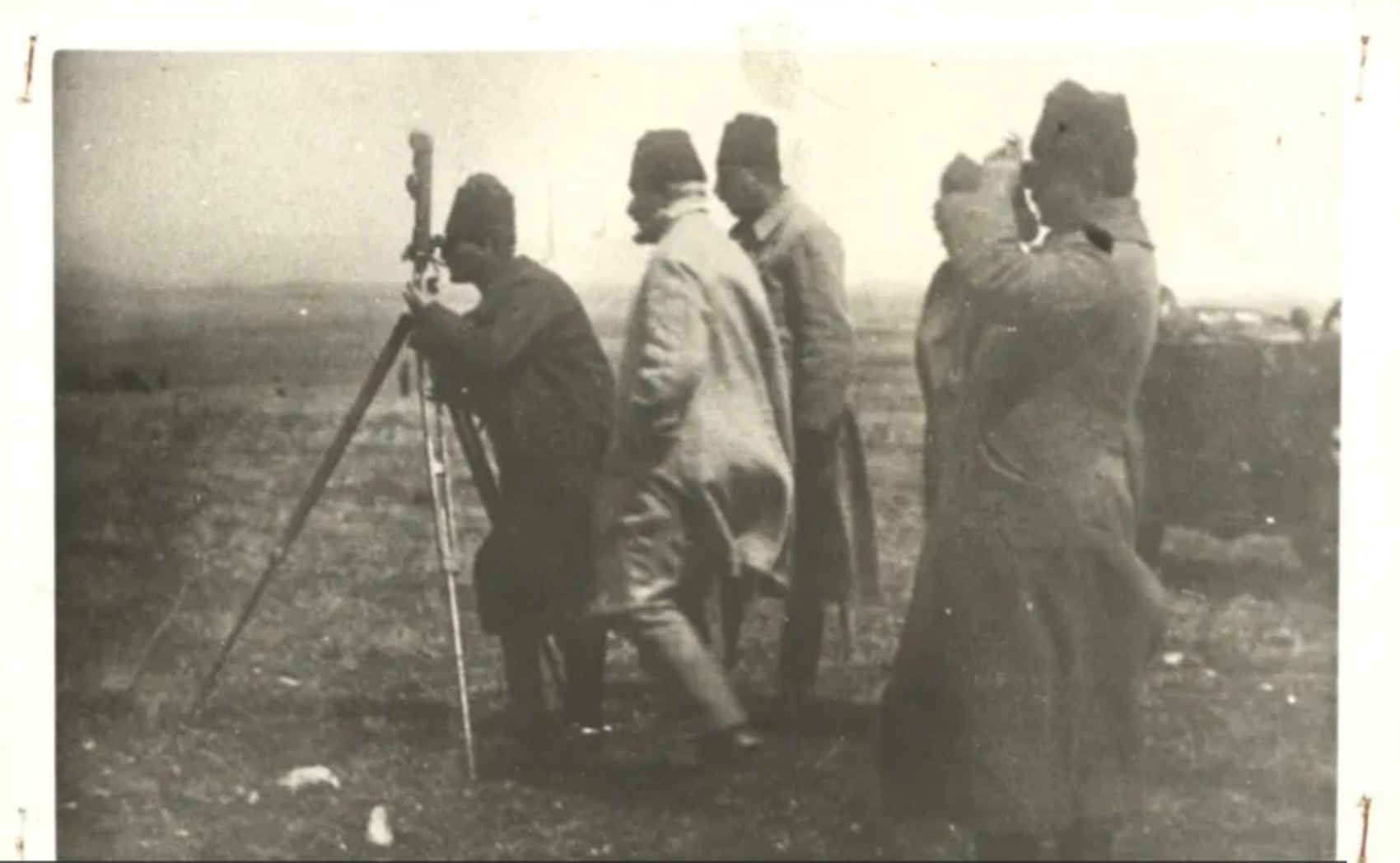
Tem noted regarding this frame: “A simple soldier’s uniform, an informal posture, an agile physique, and then that head—that extraordinary human head—which gave birth to and kneaded all the events within itself… Look at the picture once more. No nation has a monument of liberation more beautiful than this ordinary photograph…”
Journalist, writer, and politician Falih Rıfkı Atay draws attention to the immortality of the frame with the words, “The camera lens has not left such a vivid work to history.”
Historians speaking to BBC Türkçe interpret the Kocatepe photograph as representing the moment the “final point” was placed in the National Struggle against occupying forces following the victory won at the Battle of Sakarya (August 23, 1921 – September 13, 1921), while also noting that Mustafa Kemal’s stance and thoughtful demeanor represent the “responsibility on his shoulders.”
The war preparations conducted in secrecy by Mustafa Kemal Pasha and his comrades-in-arms, as well as the strategy regarding the timing of the offensive, are highlighted.
Experts researching Greek sources state that this period represents loss and defeat in the narratives of the opposing side, as well as a country that was "divided in the military, political, and economic spheres" and "bankrupt."
Following the Ottoman Empire's defeat in the First World War, Greece, having received the support of the Allied Powers, occupied Western Anatolia and had also voiced its territorial demands, which were concentrated in the region in line with the "Megali İdea" (Great Idea), at the Paris Peace Conference convened in January 1919.
In the summer of 1922, the Kuva-yi Milliye army, realizing that the only way to expel the Greek army from Anatolia was a decisive offensive, accelerated its preparations for an attack on the Western Front, shifting the weight of the army from Eskişehir to Afyonkarahisar.
Upon the orders of Commander-in-Chief Mustafa Kemal Pasha, the Great Offensive began on August 26, 1922, at 05:30 with artillery fire.
The offensive concluded on August 30, 1922, with the defeat of the Greek forces.
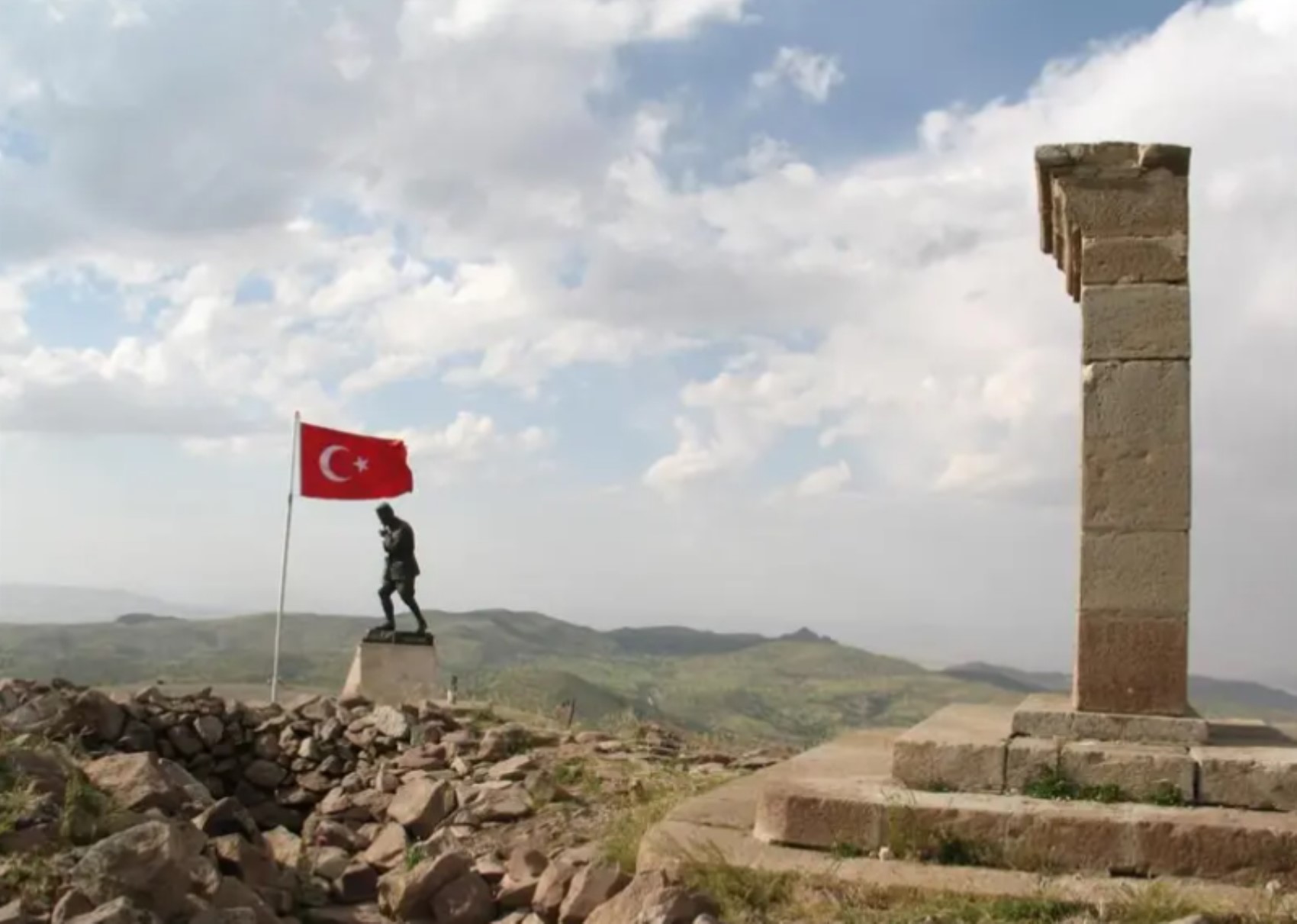
Reserve officer Etem Tem was at Kocatepe, a rocky hill overlooking the plains of Afyonkarahisar and Sinanpaşa where the offensive was directed and managed, with his camera in hand.
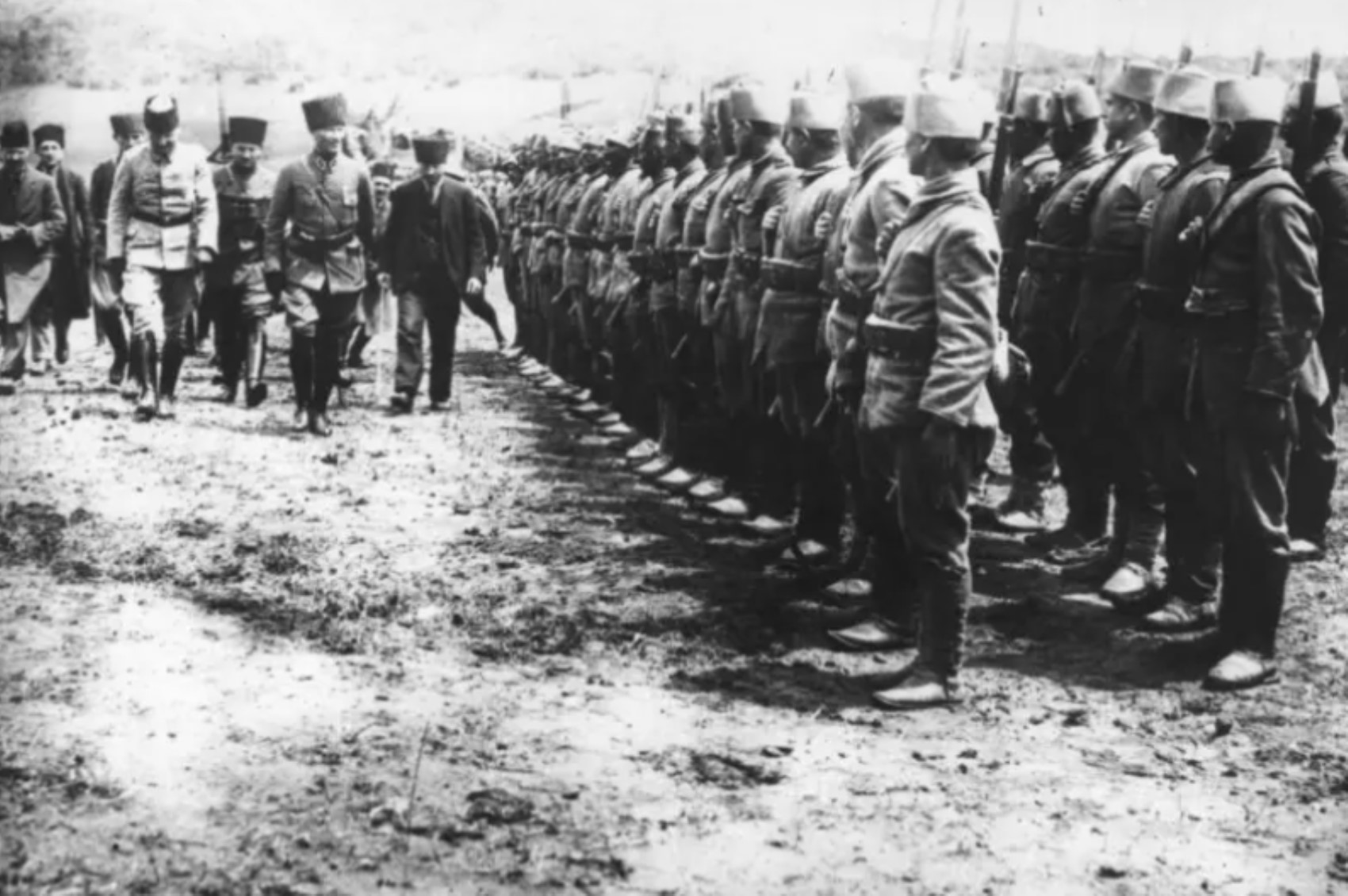
Memories regarding the photograph of this monument were published in the 2020 book titled "The War of Independence Through a Lens That Witnessed History," prepared for publication by Prof. Dr. Tülay Alim Baran, Director of the Atatürk Institute for Modern Turkish History at Yeditepe University.
Etem Tem, who said, "I jumped up at dawn and grabbed my cameras. I got on my horse and galloped to Kocatepe. By the time I arrived, our offensive had begun. The Commander-in-Chief, the Chief of the General Staff (Zeki Pasha), the front and army commanders, and officers belonging to the war echelon were there," recounted his memories of the moments the photograph was taken as follows:
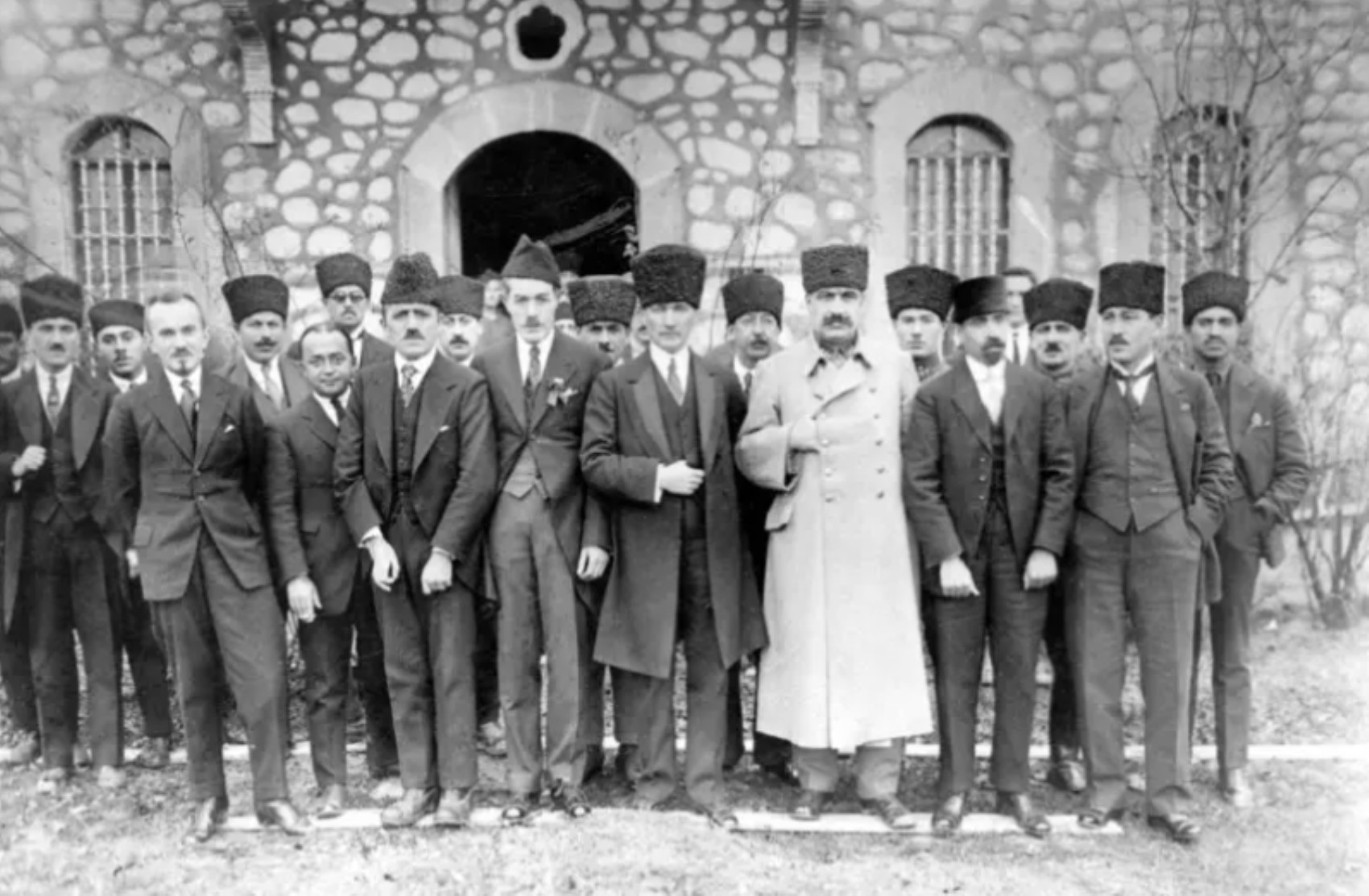
“Everyone was following the bloody battle visible on the hill. Reports coming in via field telephones set up by the communications branches were being written down and delivered to the command staff minute by minute. Often, after reading these reports collectively with the commanders, the Commander-in-Chief would separate from them and walk alone among the rocks.
“The reports were coming in succession, and after reading one of them, I took that picture of him at Kocatepe while he was walking among the rocks in a very active and excited manner, having separated from the group.”
Speaking to BBC Türkçe, Prof. Dr. Tülay Alim Baran interprets Atatürk’s thoughtful stance with the words, “When I look at the photograph, I see a great soldier who has taken on the responsibility of an entire country at Kocatepe, one who is about to determine the fate of an entire nation.”
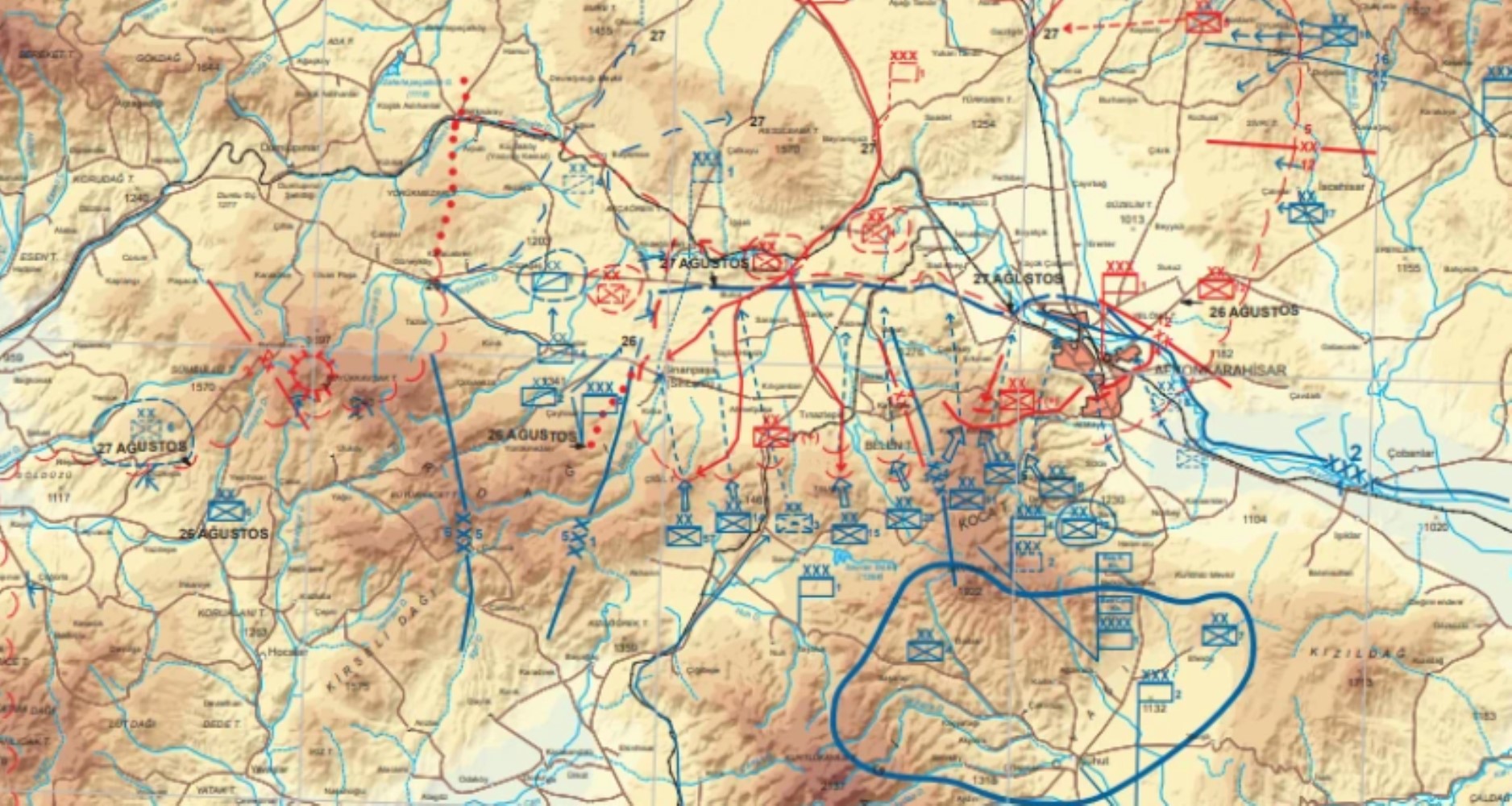
Baran says, "The Inönü battles and the Battle of Sakarya are very important. But now you have to put an end to it with an offensive. That is, you will either win or you will lose. This is life or death now, the final step."
Baran states that during the approximately 11-month preparation period between the Battle of Sakarya and the Great Offensive, while debates were ongoing in the Grand National Assembly of Turkey (TBMM) regarding the extension of the 'Commander-in-Chief Law,' questions from opposition voices about "why the offensive had not started sooner" placed a "great burden" on Mustafa Kemal Pasha.
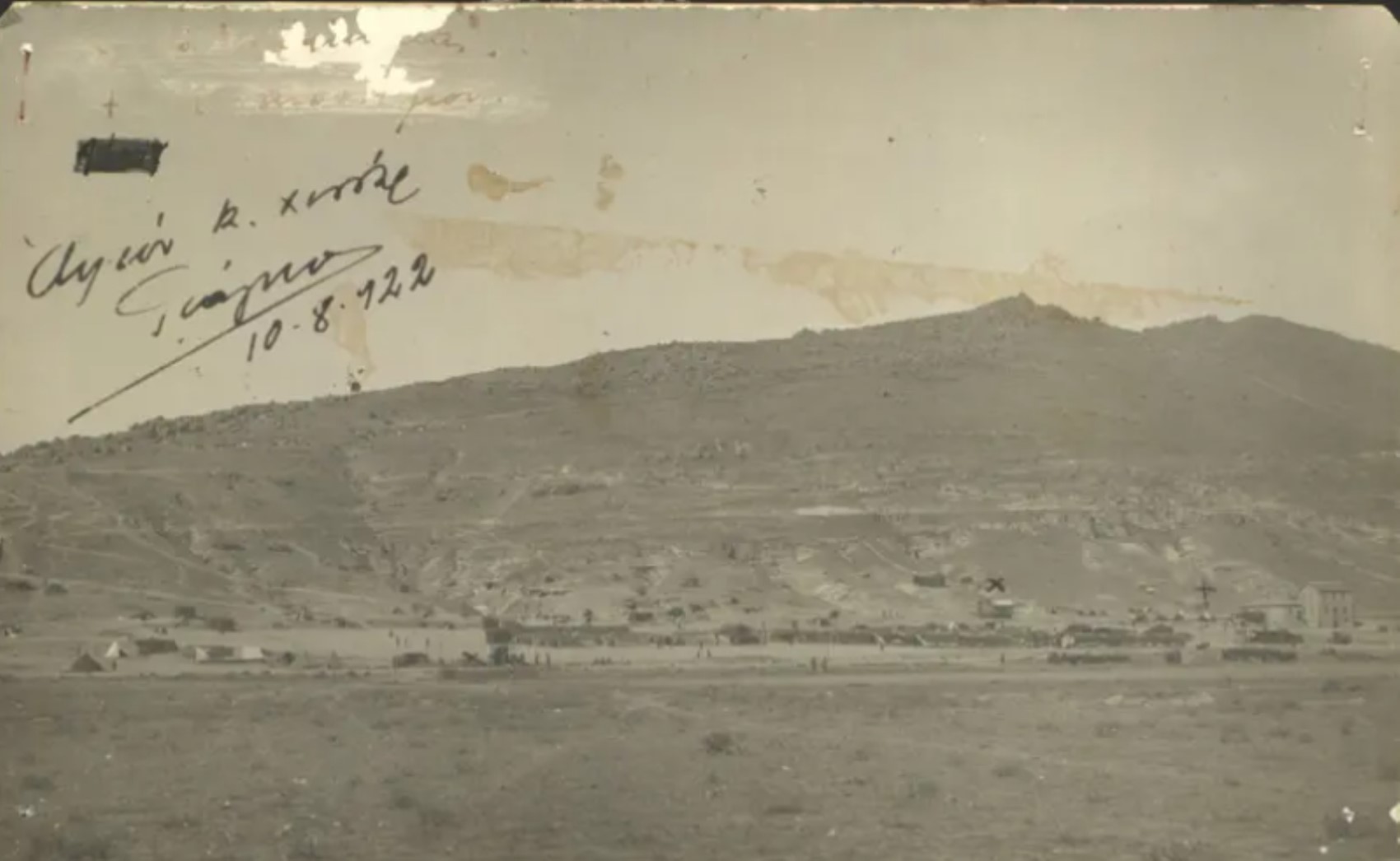
‘There was frankly an expectation like, “Sakarya was a huge success, let’s put an end to this right now.” However, Mustafa Kemal does not do that. The waiting period between Sakarya and the offensive shows that he was planning a very thorough preparation.”
Tem, regarding the moments the photograph was taken, recounted that Mustafa Kemal was murmuring the name of the Greek commander-in-chief and repeating the words, “Come on then, Hacıanesti,” saying the following:
“He was smoking cigarette after cigarette, taking breath after breath, and saying to himself, ‘Come on then, Hacıanesti!’ There were at most 40-50 people at Kocatepe. Among them, very few understood what Mustafa Kemal meant by this remark. It was a response to Hacıanesti telling newspaper reporters, ‘We toured the entire front, we did not come across anyone called Mustafa Kemal.’”
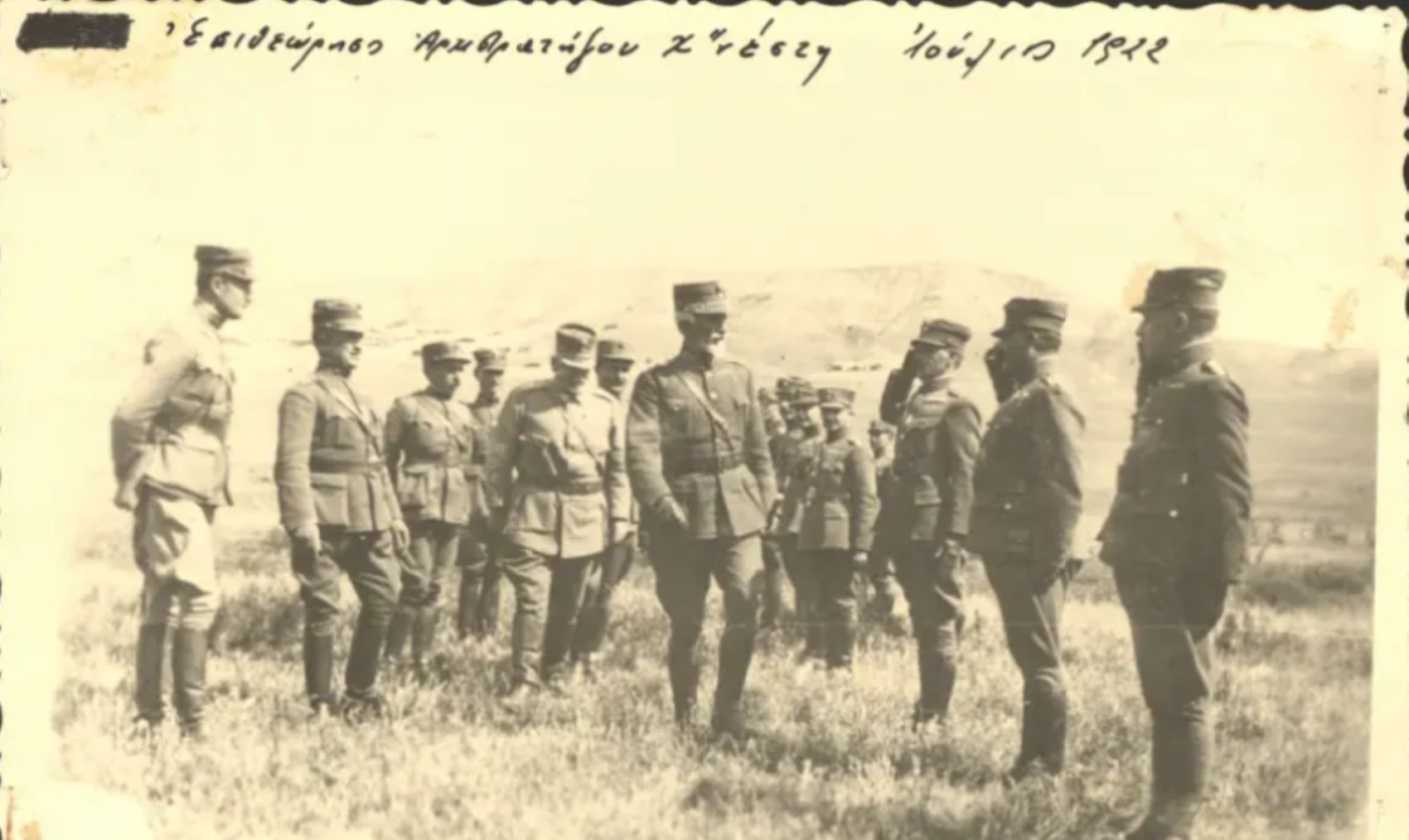
Journalist and author Niyazi Ahmet Banoğlu, who examined the press coverage of the Great Offensive, also noted, with reference to the writings of his colleague Falih Rıfkı Atay, that Hacıanesti had told a journalist, "Yes, I hear a name called Mustafa Kemal, but I have not yet had the honor of meeting him on the front."
In some Greek sources, Hacıanesti is described as the primary person responsible for the military defeat, while in others, he is characterized as a "scapegoat."
On the second day of the offensive, which began on August 26, the army achieved the main result with the liberation of Afyon, and the offensive reached success with the Battle of the Commander-in-Chief on August 30, 1922.