Attention deficit in children lowers academic success! How is ADHD treated in children?
Experts state that attention deficit and hyperactivity disorder, which is common in childhood, negatively affects academic success and can lead to serious problems in social and emotional development if left untreated.
12punto

Child and Adolescent Psychiatrist Dr. Samira Hüseynova stated that Attention Deficit and Hyperactivity Disorder (ADHD), one of the most common neurodevelopmental disorders in childhood, negatively affects school success in particular.
Stating that ADHD is not a condition that arises from a child's own will, Dr. Hüseynova said, “This disorder has a neurodevelopmental basis.
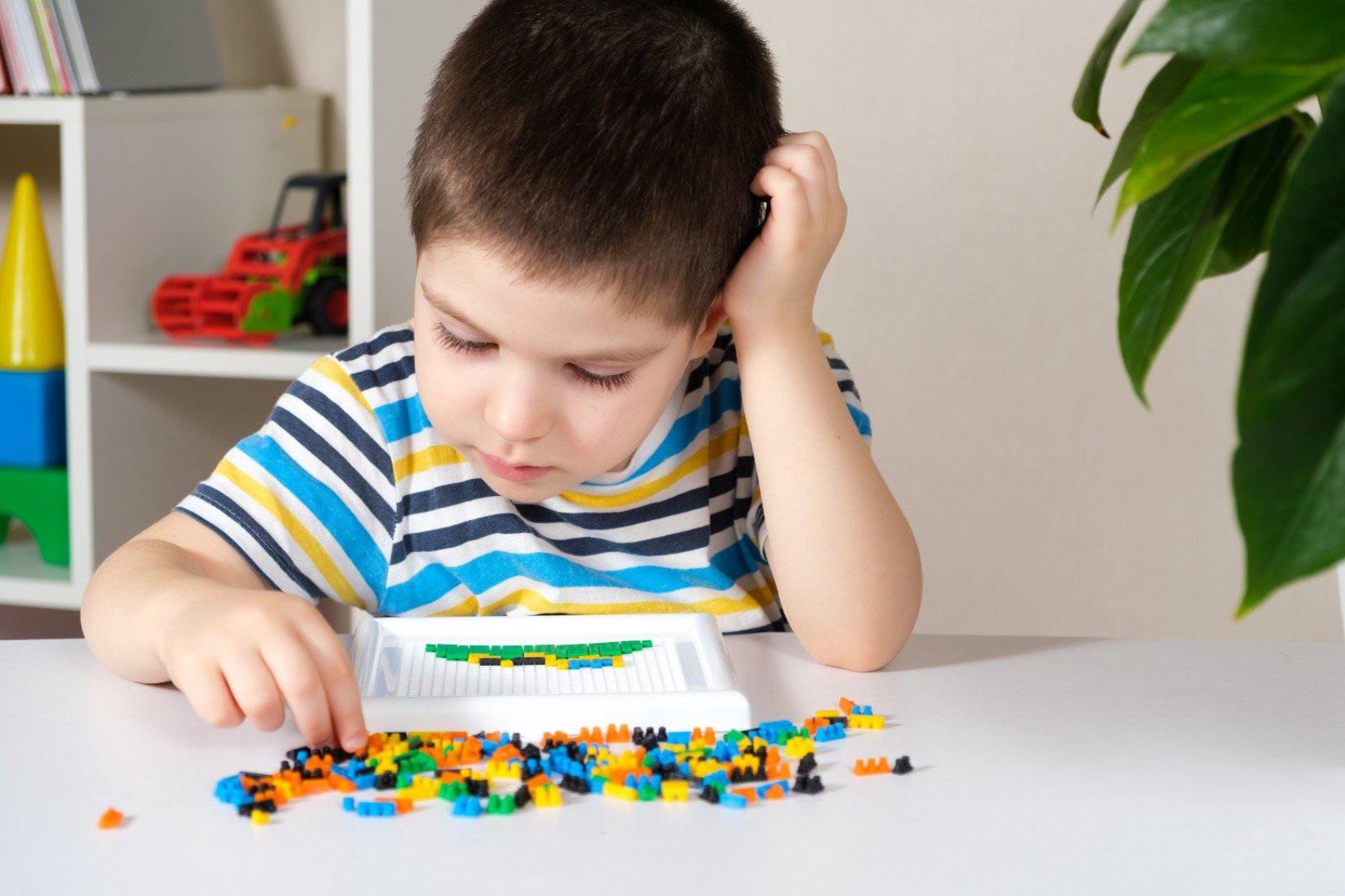
Some children can focus on technology-related topics for long periods. This situation can mislead families. However, children with ADHD have difficulty concentrating, especially on tasks that require responsibility,” she said.
THEY HAVE DIFFICULTY KEEPING UP WITH LESSONS
Stating that children with attention deficit daydream during lessons, have difficulty following what is being taught, and get bored quickly while doing homework, Hüseynova expressed that in children with hyperactivity, symptoms such as being unable to sit still, being fidgety, and constant movement are observed.

RISK INCREASES IF NOT TREATED
Emphasizing that untreated ADHD negatively affects children's social, emotional, and academic development, Hüseynova warned, “Consequences such as loss of self-confidence, problems in peer relationships, tendency toward substance use, risk of accidents, and a decrease in quality of life may arise.”
TREATMENT IS DETERMINED ACCORDING TO AGE
Stating that ADHD treatment is planned according to the child's age and individual needs, Dr. Hüseynova said, “Psychosocial approaches are prioritized in children under 6 years of age. In the period after age 6, medication also comes to the fore.
Scientific data show that medication is the most effective method for ADHD,” she said.