Attention those planning to retire! When can you receive a higher pension? Here is the formula
The forecast that the difference between pension payments could reach up to 36 percent this year has prompted many to take action. Millions of citizens preparing to submit their retirement applications are wondering when they should make the most accurate retirement decision during this period when inflation is having an impact. Here are the details...
12punto
The update coefficient, calculated based on the inflation and growth rates of the year prior to the year in which a worker applies for a retirement pension, directly affects the retirement salary. This year, estimates that the salary difference could reach up to 36 percent have prompted many workers to take action. Here are the details regarding the matter...
Every year, a pension gap can emerge between those who retire at the end of the year and those who retire at the beginning of the new year. While this difference has typically ranged between 10 and 20 percent in previous years, the possibility of the gap rising to 36 percent this year has prompted workers to take action. Many workers have begun to consider retiring due to this pension gap. So, is it possible to close this gap? When might the pension gap be resolved?
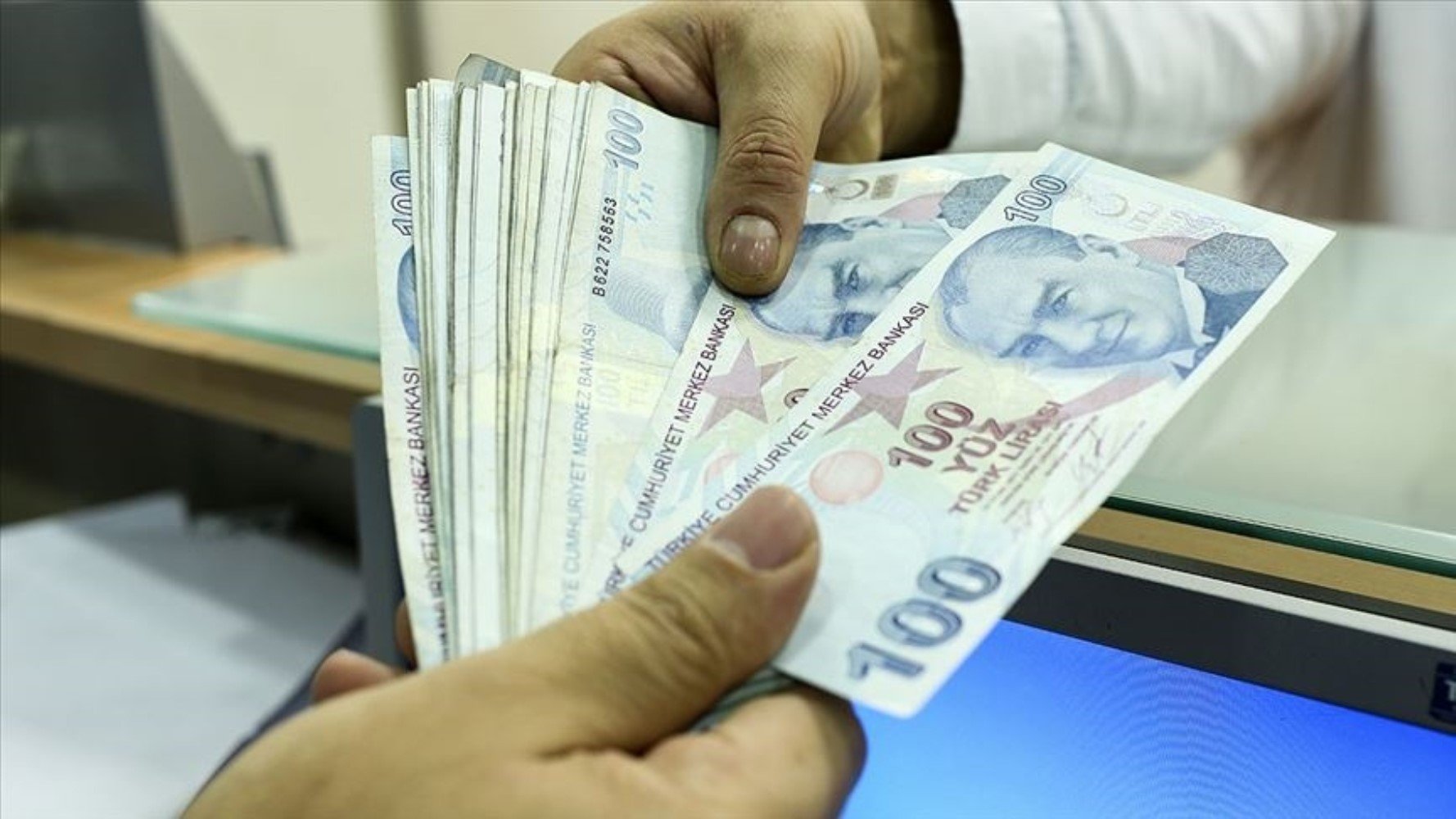
THREE DIFFERENT SYSTEMS FOR PENSION CALCULATION
There are three different periods and three different systems for calculating pension benefits: pre-1999, between 1999 and 2008, and post-2008. For individuals who have worked during these three periods, their pension is calculated according to three separate systems. The calculated monthly amounts are then brought to the beginning of the year in which the worker requests their pension, and are paid after applying the January and July raises based on the date of the request.
THE UPDATING COEFFICIENT AFFECTS PENSIONS
The updating coefficient is calculated based on annual inflation and growth. The updating coefficient, which is calculated using the inflation and growth figures of the year preceding the year in which the worker applies for a pension, affects the pension amount.
Due to the high annual inflation that occurred in 2023, the updating coefficient for 2023 is higher than the updating coefficient for 2024. Furthermore, a total increase of 86.16 percent was applied in the January and July raises of 2024. Those who retire this year will be able to benefit from both the updating coefficient and this cumulative raise. For this reason, workers who apply for a pension before the end of the year may be granted a pension that is up to 36.5 percent higher.
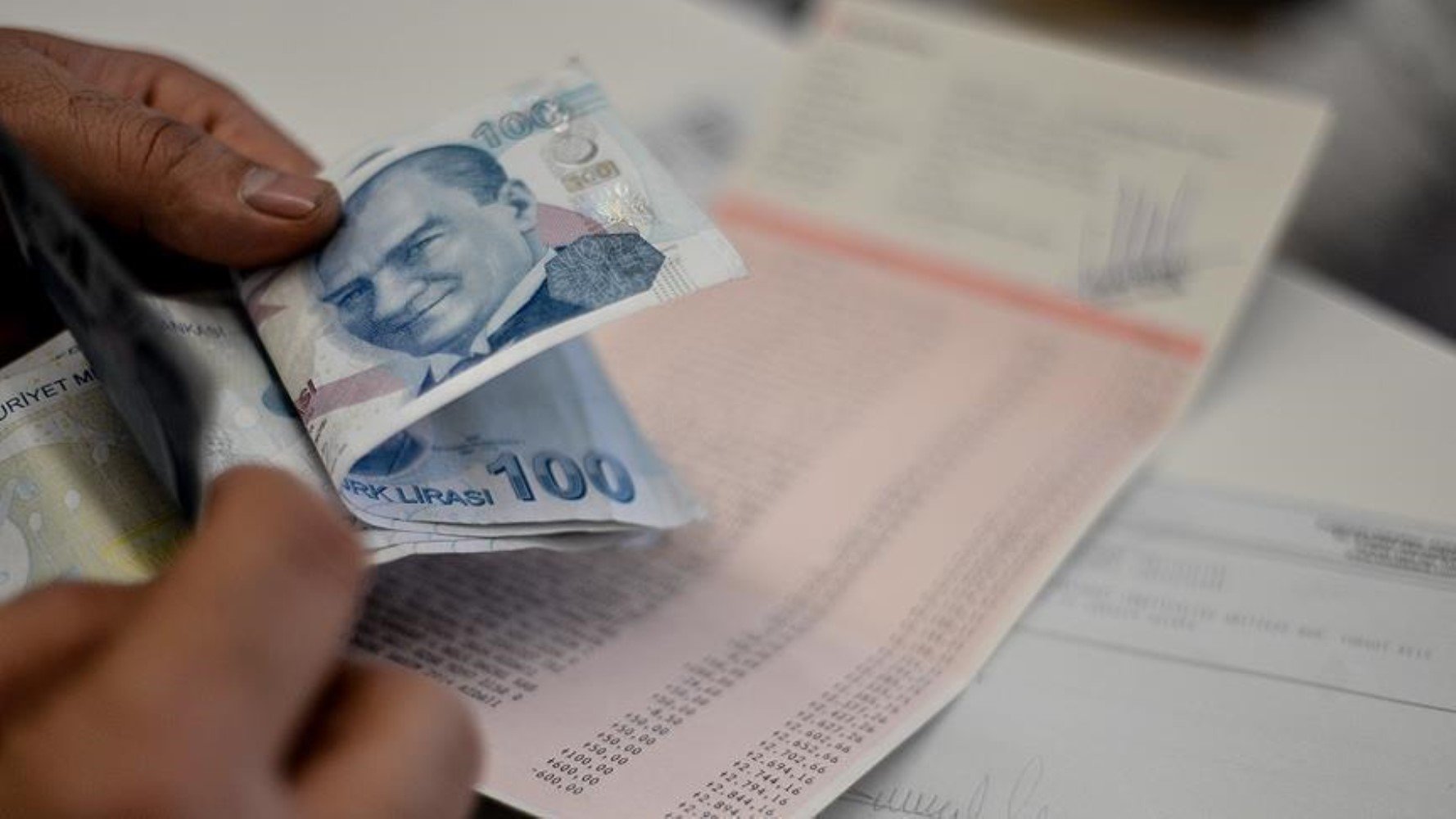
INFLATION WILL DETERMINE THE DIFFERENCE
The difference between those who will retire this year and those who will retire in the new year depends on growth and annual inflation. Currently, 8-month inflation has reached 31.94 percent. If annual inflation reaches 38 percent by the end of the year, the pension gap between those retiring this year and those retiring in 2025 will reach 36.5 percent. If inflation reaches 42 percent, the gap will decrease to 33 percent. However, it appears that if no regulation is introduced on this matter, there will be a pension gap of at least 30 percent. This is causing many workers to start considering retirement, even if they had not previously planned to do so.
MANY WORKERS ARE PLANNING TO RETIRE
For workers, the salary gap that cannot be closed even in 6 years has started to make even those who were not considering retirement think about it. Many workers in the private sector are planning to retire before the year ends. This will result in employers losing their qualified and senior employees. In the public sector, despite the fact that one cannot continue working after retiring, many public workers are considering retirement.
This decision can be made more easily in sectors where, particularly while working, the salary is low but the earnings subject to premiums are high, resulting in a higher pension. On the other hand, the simultaneous retirement of all workers in key positions within certain critical sectors could result in the inability to maintain public services. To eliminate these risks, there is an expectation that a regulation on this matter will be introduced as soon as Parliament reconvenes in October. It would be advisable for workers to wait regarding this issue, which is expected to come to the agenda after Parliament opens.
SALARY GAP WILL NOT CLOSE FOR 6 YEARS
According to a report prepared by TÜRK-İŞ on the matter, the pension gap between those retiring this year and those retiring in 2025 will remain significant for 6 years. In other words, even if a person who does not retire this year continues to work until 2031, they will not be able to receive the pension they would have received had they retired this year.
Calculations made for an employee based on the average earnings subject to premiums reveal a striking reality, based on inflation and earnings projections. A worker who does not retire this year will not be able to reach this year's pension level even if they work for another 6 years. Workers who have earned the right to retire will choose to do so unless a regulation is introduced. On the other hand, those who have not yet met the retirement requirements will face a significant risk of income loss.