Beware of grapefruit and pomegranate during chemotherapy! Expert answers: Here are the most frequently asked questions about the post-chemotherapy process!
Although cancer has become quite widespread worldwide in recent years, the methods applied to prevent and treat the disease continue to develop every day. Chemotherapy, one of the most frequently used treatment methods, can cause prejudice in patients due to its various side effects. Prof. Dr. Duygu Derin answered the most frequently asked questions about the processes that develop during and after chemotherapy.
12punto
There are new developments in cancer treatment every day. Many treatments provide a new ray of hope. Chemotherapy, one of the most frequently used treatment methods in the fight against cancer, also brings many fears with it.
However, the chemotherapy applied in treatment can arouse prejudice in many people. Prof. Dr. Duygu Derin answered the most frequently asked questions about chemotherapy.
WHEN DO THE EFFECTS OF CHEMOTHERAPY WEAR OFF?
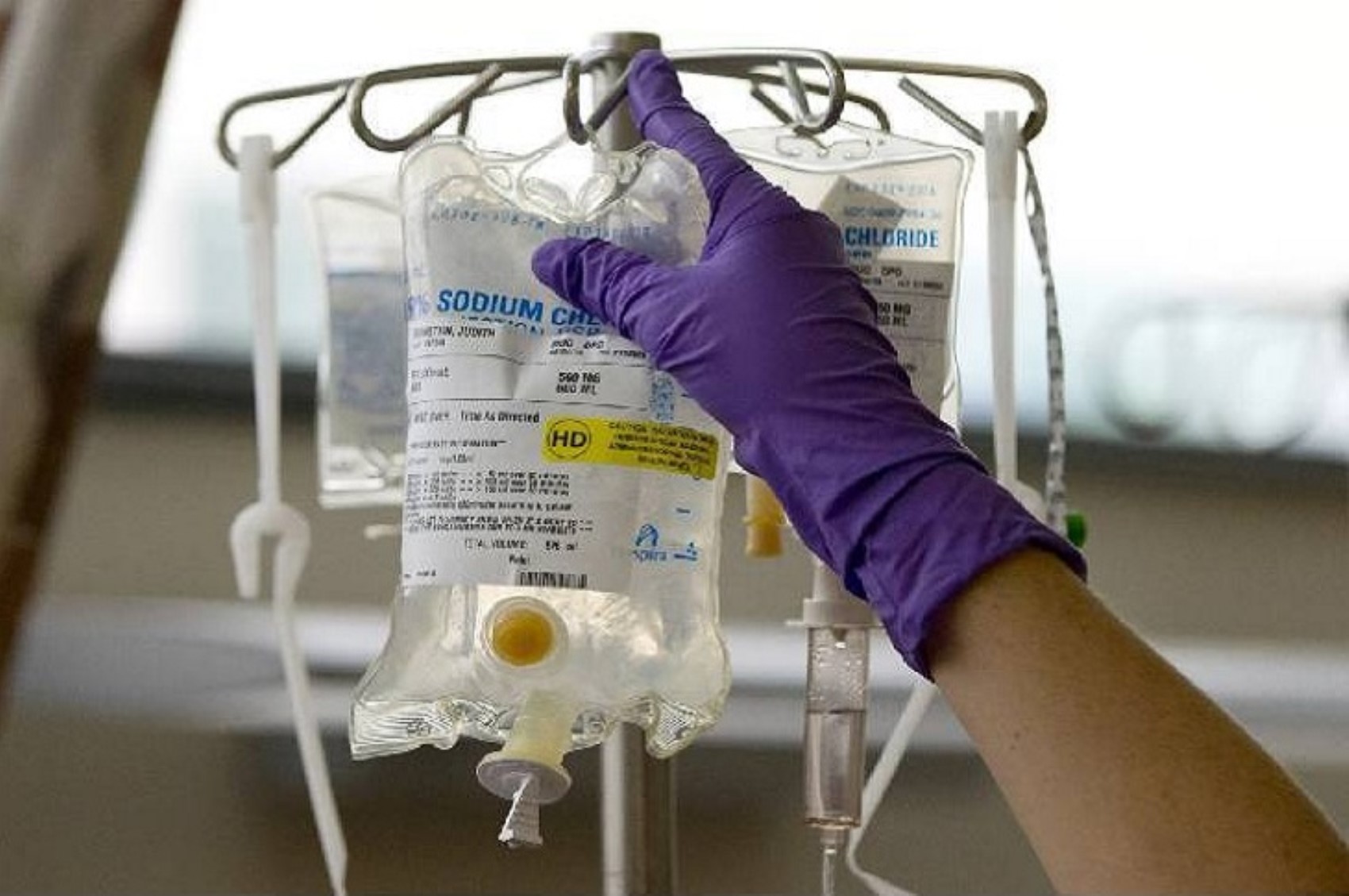
Some of the drugs used in chemotherapy are excreted by the liver and some by the kidneys. Some chemotherapy drugs can also have a negative effect on the heart. Before and after chemotherapy, the kidneys and organs are protected by administering plenty of fluids to the patient intravenously under doctor supervision.
After the chemotherapy cycle ends, blood values return to the normal range on average after 3 weeks, and immunity largely recovers. After this period, the patient can largely return to daily life. However, fatigue in particular may last for a few more months.
It is very important for the patient to adjust what is best according to their own situation, that is, to be their own doctor during this process, to rest when they feel tired, and to manage stress correctly.
Although the complete elimination of chemotherapy drugs from the body varies from person to person, this process can take between 6 months and 1 year.
Female patients can only get pregnant after this period if they are considering pregnancy. On the other hand, after breast cancer, the patient should be followed up for 3 to 5 years and, if possible, should not have children during this process.
HOW SHOULD NUTRITION BE DURING THE TREATMENT PERIOD? BEWARE OF GRAPEFRUIT AND POMEGRANATE!
During chemotherapy, one should be fed with foods rich in protein and vitamins that are easy to digest. Due to chemotherapy, foods that the person previously liked may cause nausea and disgust. This will pass later.
Even if it is a food we consider beneficial, if it causes nausea in the patient, one should not force them to eat it. It is appropriate to provide foods of a similar structure that they would prefer to eat.

Grapefruit should not be consumed during chemotherapy. This fruit affects the liver metabolism of chemotherapy drugs. On the other hand, there is no harm in consuming oranges, lemons, and all other citrus fruits, which are from the same family as grapefruit.
In addition to grapefruit, pomegranate is also not recommended to be consumed during chemotherapy as it is thought to interact with chemotherapy drugs. Most chemotherapy drugs slow down bowel movements, causing constipation, while some cause diarrhea. One should act according to the doctor's advice.
Consuming plenty of water protects the kidneys and is very necessary, especially when using chemotherapy drugs that are excreted by the kidneys.
WHAT ARE THE POSSIBLE SIDE EFFECTS?
Nausea and Vomiting
Nausea and vomiting are most common during chemotherapy. Today, there are very strong drugs to eliminate these side effects, and these side effects are significantly reduced by administering them both intravenously and orally.
Constipation and Diarrhea
Depending on the drug used, constipation is frequent, and sometimes diarrhea can occur. For these side effects, the diet is regulated first, and if that is not enough, medication is given for constipation or diarrhea.
Loss of Appetite
There may be a loss of appetite and a decrease in the sense of taste. Adequate food intake can be ensured by increasing the number of meals and adding snacks according to preference. Gums and candies containing mint, lemon, and coffee suppress the patient's bad taste sensation and make them feel better.
Fatigue
Especially in the first week after chemotherapy, the patient experiences fatigue and may want to rest. The second week is more comfortable, and the third week usually returns to normal. Walks in the open and fresh air are good.
Formation of Thrush in the Mouth
During the period when chemotherapy is used, sores and thrush may appear in the mouth. Oral hygiene should be paid attention to in order to prevent the formation of thrush. In addition, mouthwash with baking soda water four times a day is recommended.
High Fever Carries Risk!
The period between 7-14 days after chemotherapy is usually the time when immunity is most suppressed. If there is a fever of 38 degrees or higher during this period, it is necessary to go to the hospital and see a doctor immediately. Due to chemotherapy, the leukocytes in our blood, that is, our white cells that defend us against germs, may have dropped significantly in number. The doctor will perform the necessary treatment at this point.
During this period, one should not be in stuffy environments and should not meet with sick people.
Hair Loss
Hair falls out as an unwanted side effect, especially with drugs used in breast cancer treatment. This is a temporary side effect, and the hair will return after chemotherapy ends. Wigs, bandanas, and similar tools can be used during this period.
WHEN SHOULD ONE RETURN TO SEXUAL LIFE?
Fatigue, weakness, sadness, and physical weakness can negatively affect sexual life. This situation is temporary. There is generally no ban on sexual intercourse during the chemotherapy process. However, due to the location of the cancer (cervical and vaginal cancer), sexual life may have been temporarily banned by your doctor.
Or, when some special situations occur during chemotherapy; for example, when leukocytes drop, it may be necessary to take a break from sexual life to protect against infections. Apart from these situations, sexual life can continue during chemotherapy.
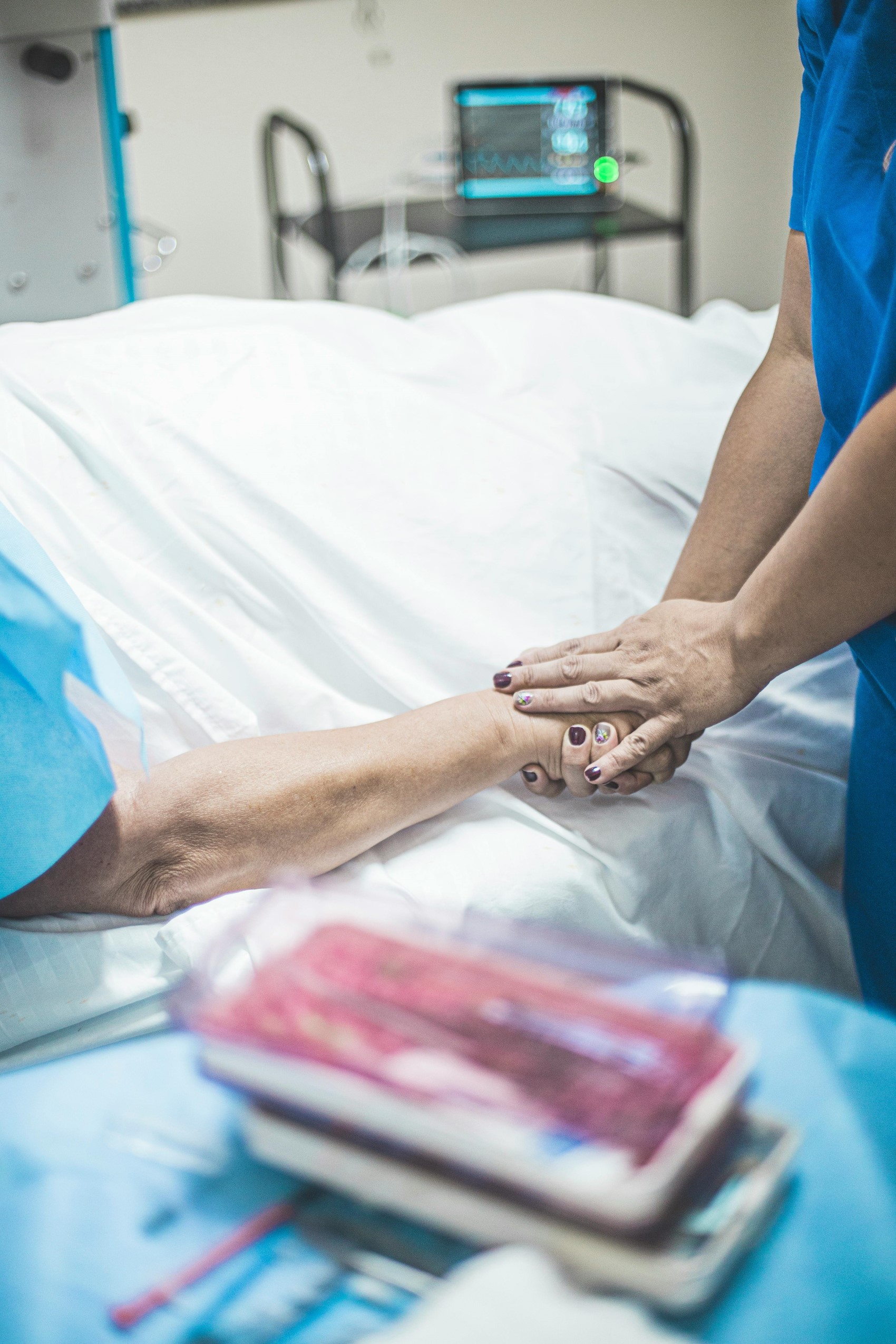
In fact, experiencing sexual intercourse during the treatment process with love and affection gives the patient morale, strengthens them, and makes them happy.
Drugs taken into the body through chemotherapy and radiotherapy are not transmitted to the other party through sexual intercourse; this claim is false.
WHAT IS THE IMPORTANCE OF THE DOCTOR-PATIENT RELATIONSHIP DURING TREATMENT?
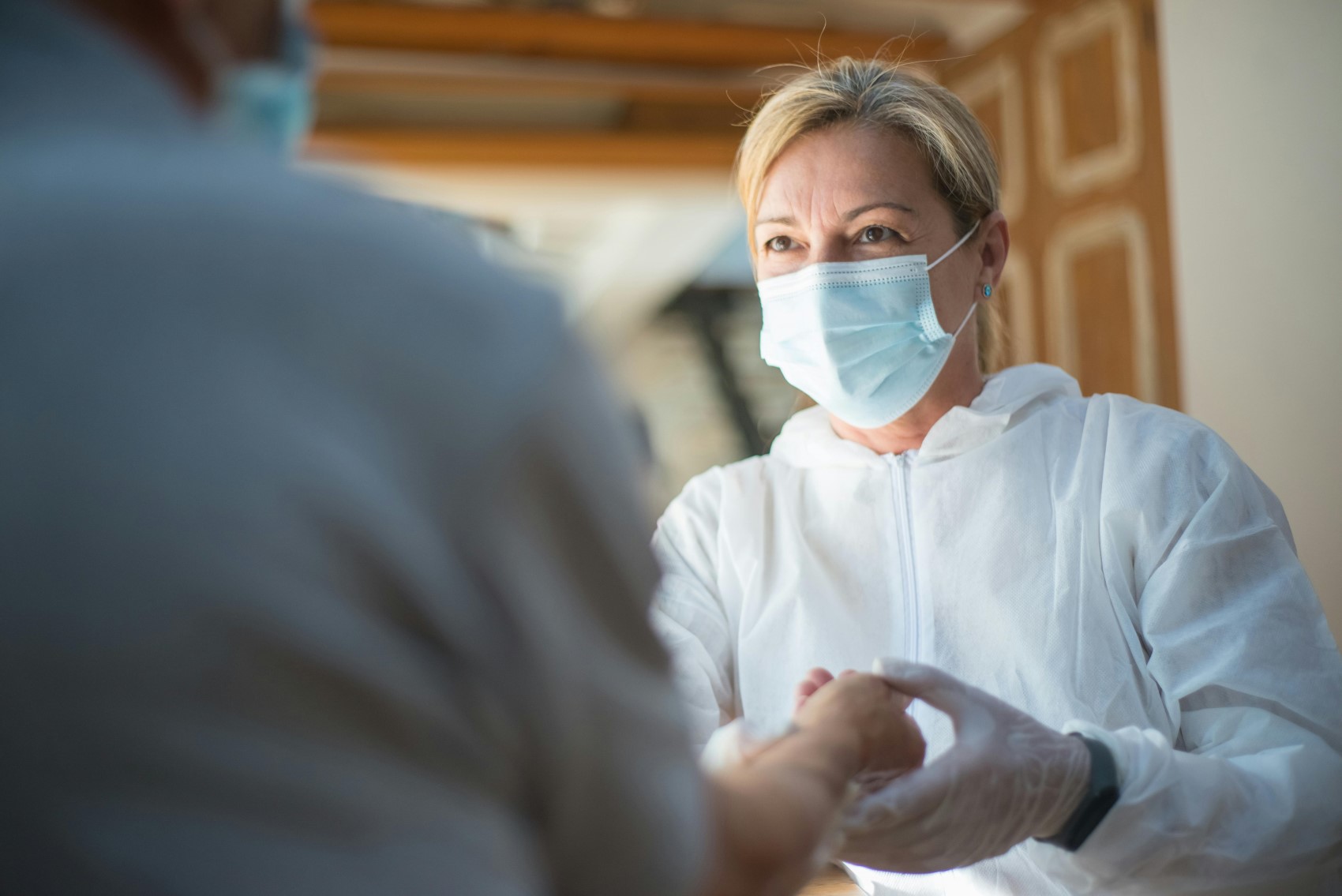
Chemotherapy is a difficult treatment with many side effects. It is necessary for the patient to be well-informed about side effects and well-guided to cope with them. For this reason, communication between the patient and the doctor is very important.
It is important for the doctor to be able to spare time for the patient and to establish a sincere and warm communication so that the patient is comfortable. It is also very important that the patient can reach their doctor when there is a problem in the times after chemotherapy. They can do this by phone, message, or by coming in person.
In this period when they are also very sensitive and fragile emotionally, good relationships with their doctors can also provide serious psychological support to patients.