Boiling or steaming? How to cook vegetables while preserving their vitamins?
Vegetables are among the essential components of a healthy diet. However, our cooking methods significantly affect the vitamin and mineral content of these valuable nutrient sources. Water-soluble vitamins, in particular, can easily be lost due to incorrect cooking techniques. So, which cooking method should be preferred to maximize the nutritional value of vegetables? Here are the tips for cooking your vegetables in the healthiest way...
12punto
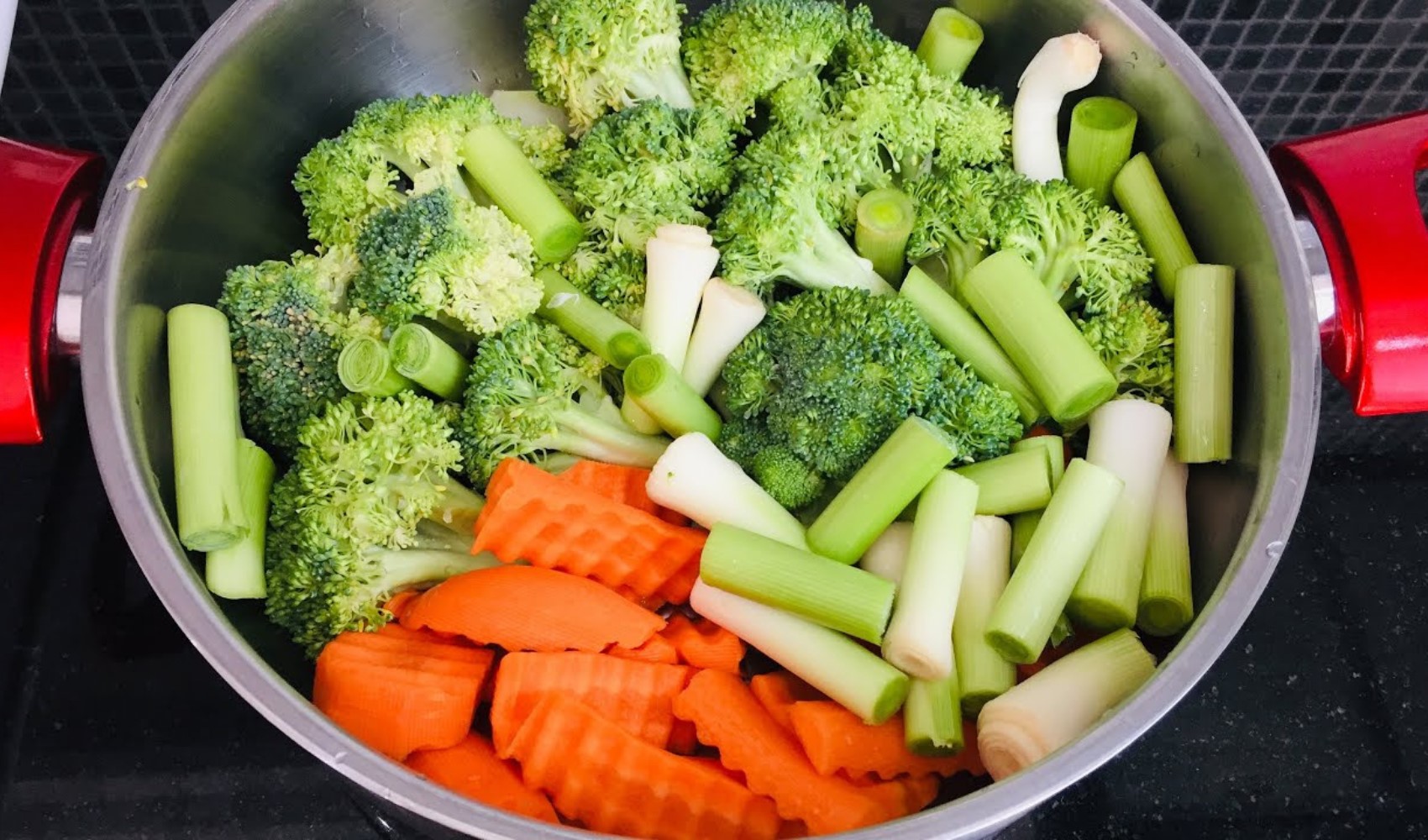
Vegetables, which are cornerstones of a healthy diet, can lose a significant portion of their nutritional value if not cooked correctly. While boiling and steaming are among the most frequently used methods, both have different advantages and disadvantages in terms of vitamin preservation. Here are the tips for maximizing the nutritional value of vegetables...
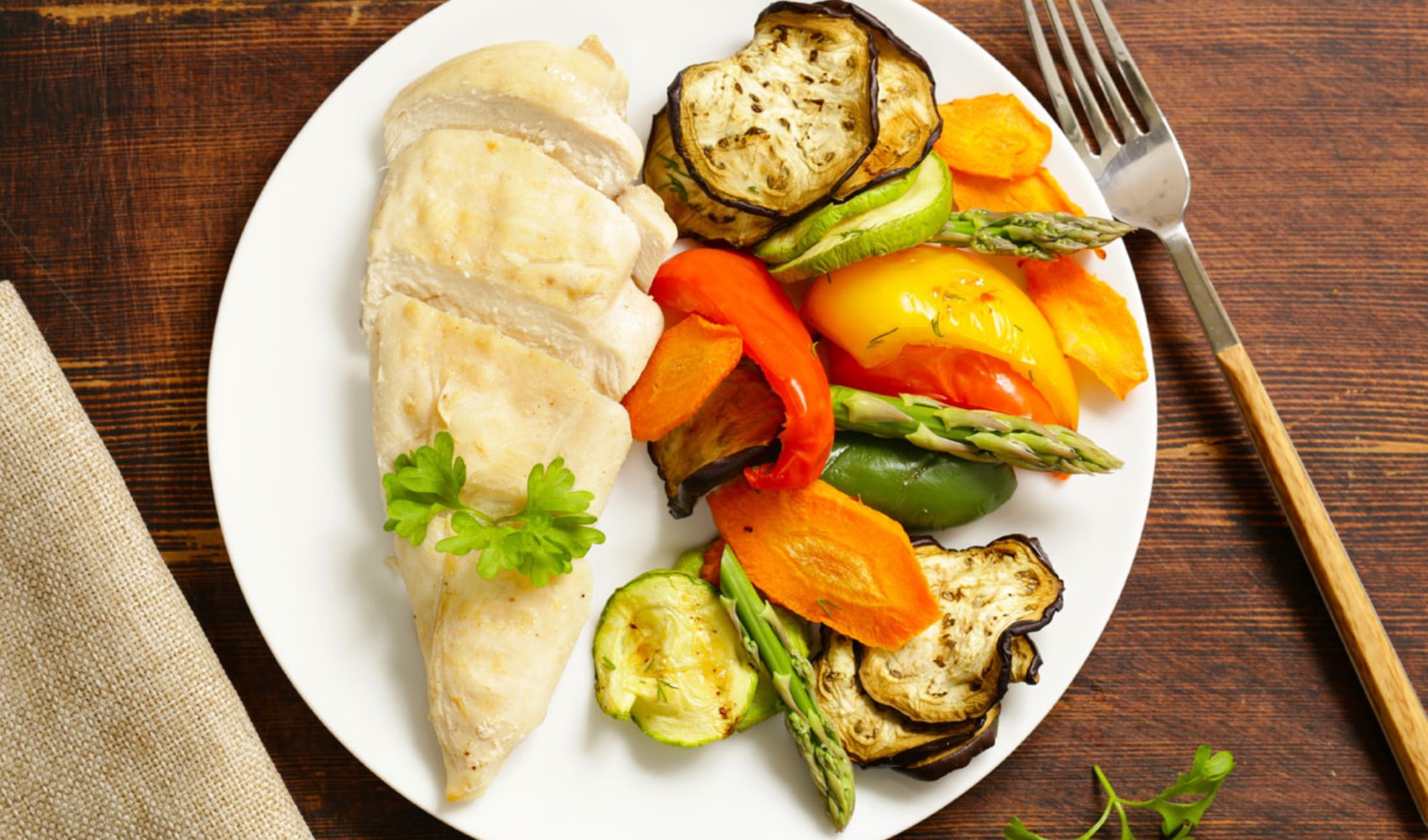
ADVANTAGES OF STEAMING
Steaming is considered one of the most effective methods for preserving the nutritional value of vegetables. In this technique, since the vegetables do not come into direct contact with water, the loss of water-soluble vitamins (such as vitamin C and B-group vitamins) is minimized. Furthermore, the ability to cook at a lower temperature and in a shorter time ensures that the vegetables retain their texture and color.
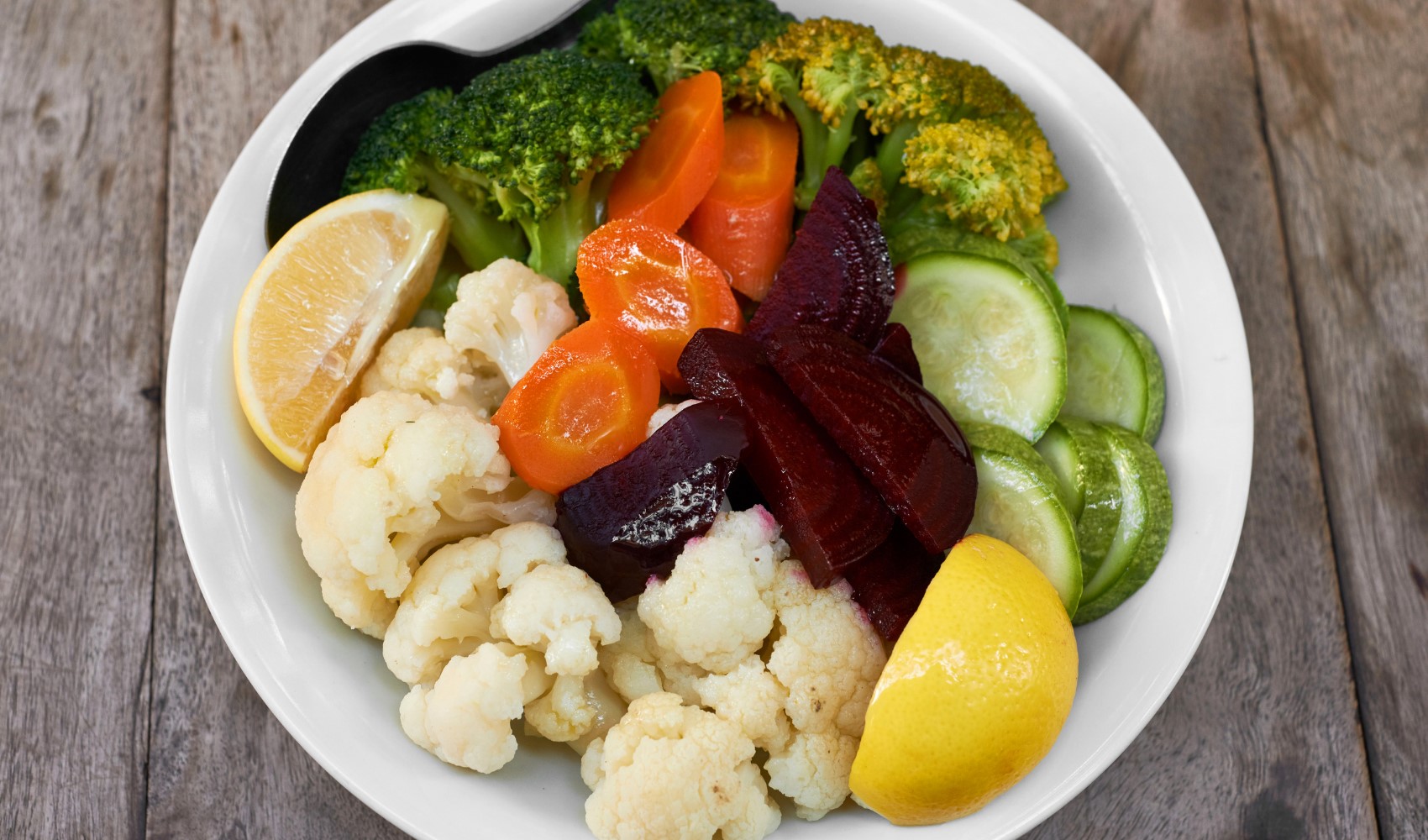
THINGS TO CONSIDER WHEN BOILING
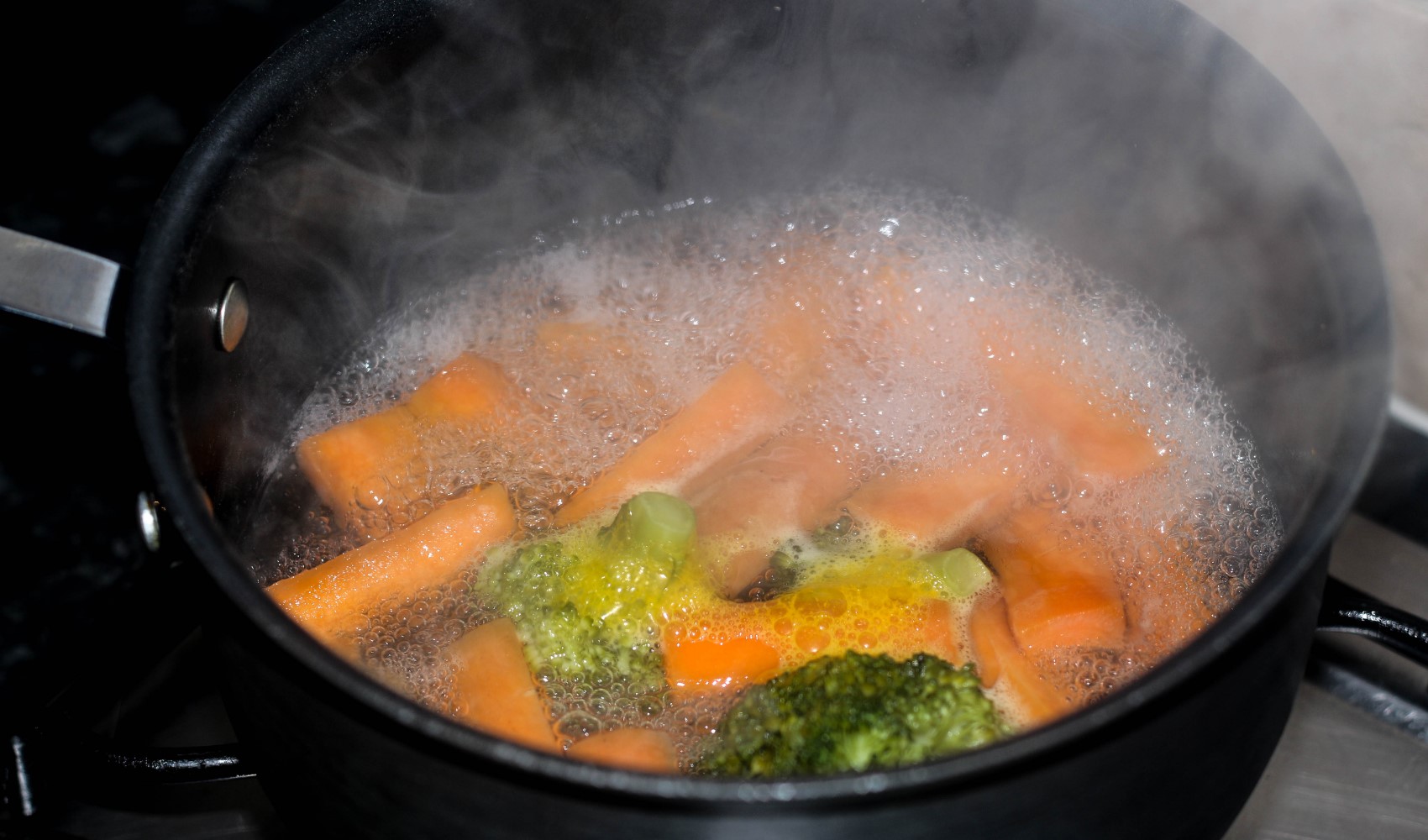
The boiling method can lead to vitamin loss, especially when too much water is used and when cooked for a long time. Since a large portion of water-soluble vitamins passes into the cooking water, discarding this water causes a serious decrease in nutritional value. However, if you are going to boil, cutting the vegetables into as large pieces as possible and not using too much water helps reduce losses.
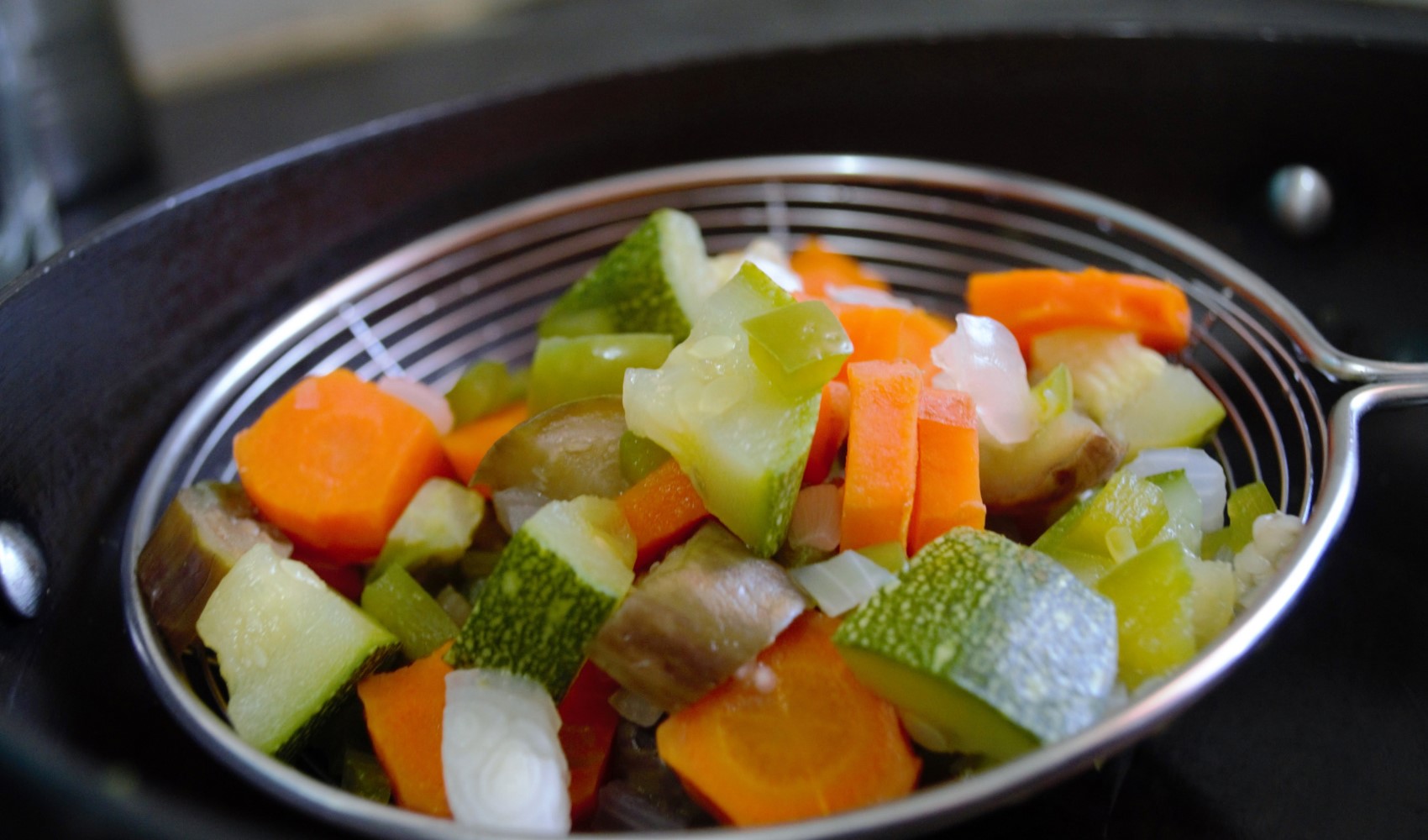
THE IMPORTANCE OF COOKING TIME
In both methods, the cooking time plays a decisive role in preserving vitamins. Overcooking vegetables leads to both a decrease in nutritional value and a loss of flavor. Research shows that cooking vegetables so that they retain their crispness (al dente) is the most ideal method. Especially for vegetables like broccoli and Brussels sprouts, a cooking time of more than 5-7 minutes is not recommended.
WHICH VEGETABLE IS SUITABLE FOR WHICH METHOD?
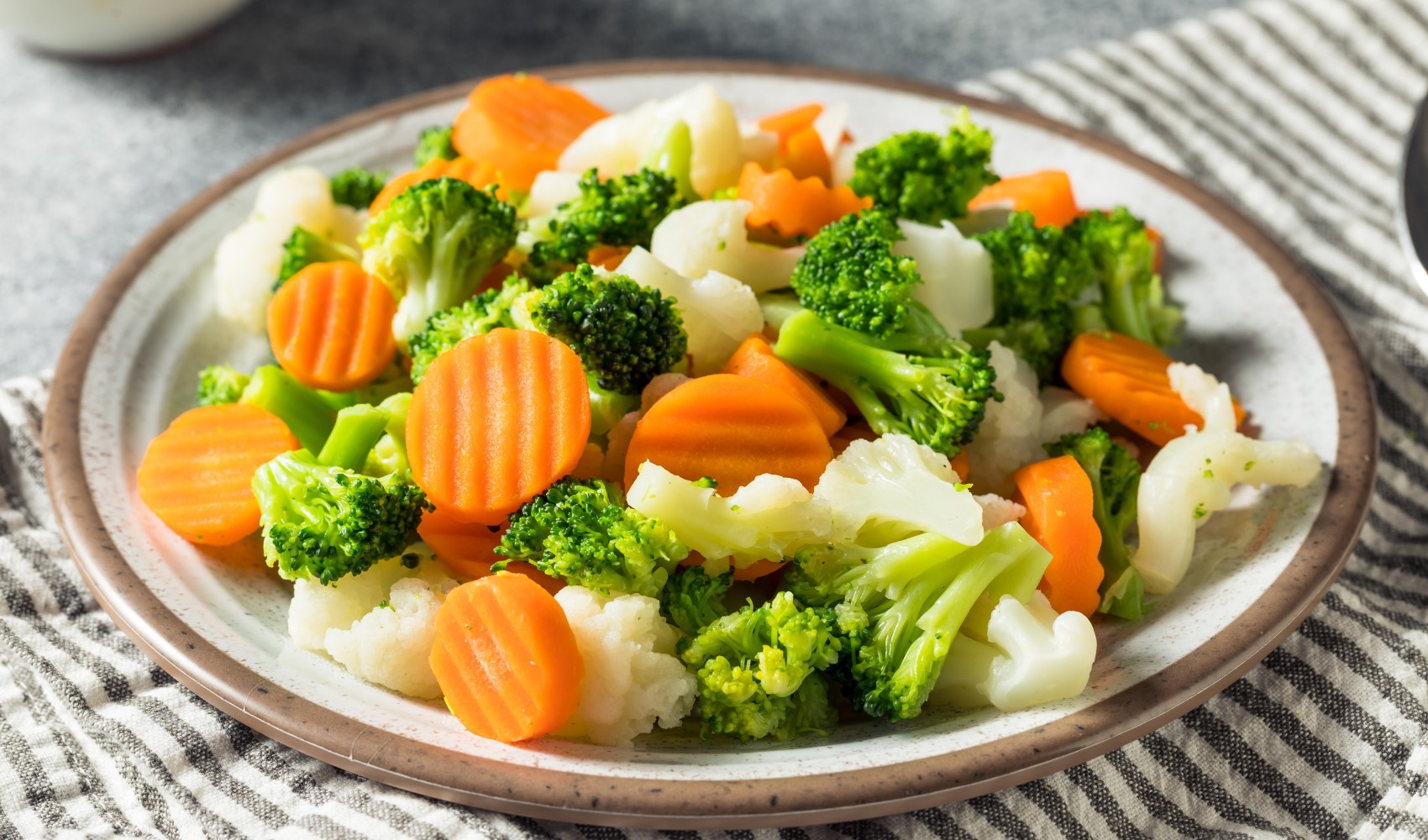
Some vegetables may be more suitable for specific cooking techniques. For example, while leafy vegetables like spinach and purslane preserve their nutritional value better when steamed, root vegetables like potatoes and carrots are more resistant to boiling. However, not peeling the skins when boiling root vegetables significantly reduces vitamin and mineral loss.
OTHER COOKING ALTERNATIVES
Beyond steaming and boiling, methods such as baking or sautéing can also be effective in preserving the nutritional value of vegetables. Sautéing with olive oil, in particular, allows fat-soluble vitamins (A, D, E, K) to be better absorbed by the body. However, it is necessary to avoid cooking at high temperatures for a long time.