Details of the new legal regulation revealed! Bank obligation for payments over 7 thousand liras!
With the new communiqué from the Ministry of Treasury and Finance, it has become mandatory for payments exceeding 7 thousand liras to be made through banks or financial institutions. Those who do not comply with this rule will face fines starting from 5 thousand liras. Furthermore, in installment transactions, if the total amount exceeds 7 thousand liras, each payment must be made through a bank. The new regulation also covers those who are not taxpayers.
12punto

With a communiqué published in the Official Gazette on October 18, 2024, by the Revenue Administration of the Ministry of Treasury and Finance, it has become mandatory for non-taxpayers to make payments exceeding 7,000 lira to taxpayers through banks, financial institutions, or the postal service.

According to the infographic on the obligation to document (verify) purchases of goods or services over 7,000 lira prepared by the Revenue Administration (GİB), those subject to the documentation obligation, including final consumers, are required to make all collections and payments related to purchases of goods or services exceeding 7,000 lira through intermediary financial institutions and to document these collections and payments with documents issued by said institutions.

AT LEAST 5,000 LIRA FINE FOR CONSUMERS
According to the report by Hürriyet, a special irregularity fine of 10 percent of the transaction amount will be imposed, provided it is not less than 20,000 lira for first-class merchants (balance sheet basis) and self-employed professionals, 10,000 lira for second-class merchants (business account basis), farmers keeping books, and those whose earnings are determined by the simple method, and 5,000 lira for others who do not comply with the 7,000 lira mandate.

In this case, consumers could face a fine of at least 5,000 lira.
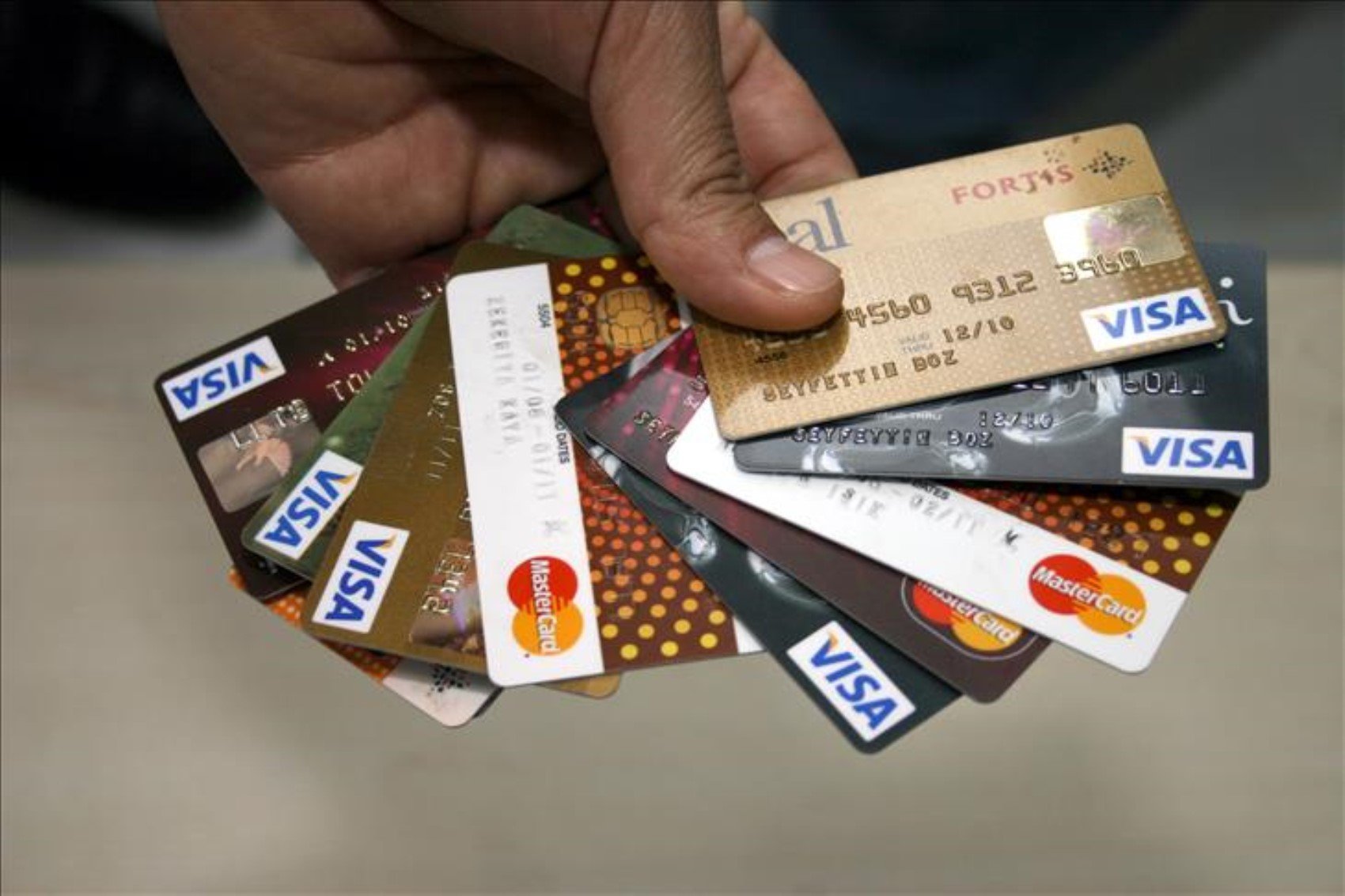
In its study on the subject, the GİB provided an example of how and to whom the fine will be applied. According to one example provided, a final consumer, Ms. Ayşe, bought a gold bracelet worth 25,000 lira from a jeweler.

She paid the entire amount in cash. 10 percent of the transaction amount corresponds to 2,500 lira. In this case, since 2,500 lira is below the minimum fine amounts determined for 2024, a 5,000 lira fine will be imposed on the final consumer, Ms. Ayşe.

If the seller, the jeweler, is a first-class merchant, they will face a 20,000 lira fine, and if they are a second-class merchant, they will face a 10,000 lira fine. If those who make payments in violation of the documentation obligation report the situation to the administration voluntarily within 5 business days following the payment, no special irregularity fine will be imposed on the payer.

ALSO CONCERNS THOSE WITHOUT CARDS
According to the communiqué published in the Official Gazette as of October 18, 2024, it had become mandatory for non-taxpayers to make payments exceeding 7,000 lira to taxpayers through banks, financial institutions, or the postal service. With the regulation, if the documentation obligation regarding collections and payments is not met, a separate fine will be imposed on both the recipient and the payer.

Whether the payer is a taxpayer or not will not be considered for the imposition of the fine. Since individuals who do not have a bank account or do not use a credit card will also be required to document payments over 7,000 lira, the documentation obligation will be considered fulfilled if these individuals make their payments to the sellers' accounts by going to bank or PTT branches and ATMs.

In installment transactions, if the total amount of the good or service exceeds 7,000 lira, each collection and payment must be made through intermediary financial institutions, even if the installment amounts are below this limit. If the total amount of transactions made with the same person or institution on the same day exceeds 7,000 lira, it will be mandatory for the collections and payments subject to the transaction to be made through intermediary financial institutions from the transaction that exceeds the limit, even if each of the transactions is below the threshold determined on a per-transaction basis.