Does remaining sedentary harm our organs?
Long hours of desk work brought on by modern life, technology addiction, and decreasing physical activity are making people increasingly sedentary. Yet, regular movement, which is critical for the human body, plays a significant role in preventing chronic issues such as muscle and joint diseases, hypertension, diabetes, depression, cardiovascular diseases, and osteoarthritis. So, what are the damages caused by remaining sedentary in our bodies? Here are the details...
12punto

Acıbadem Maslak Hospital Physical Therapy and Rehabilitation Specialist Prof. Dr. Meral Bayramoğlu says, "The human body was created to move. Inactivity is not a natural state. Unfortunately, the conveniences provided by technology have accustomed us to a comfortable but unhealthy life. We pay the price for this with pain, early-onset calcification, metabolic diseases, and mental collapse."
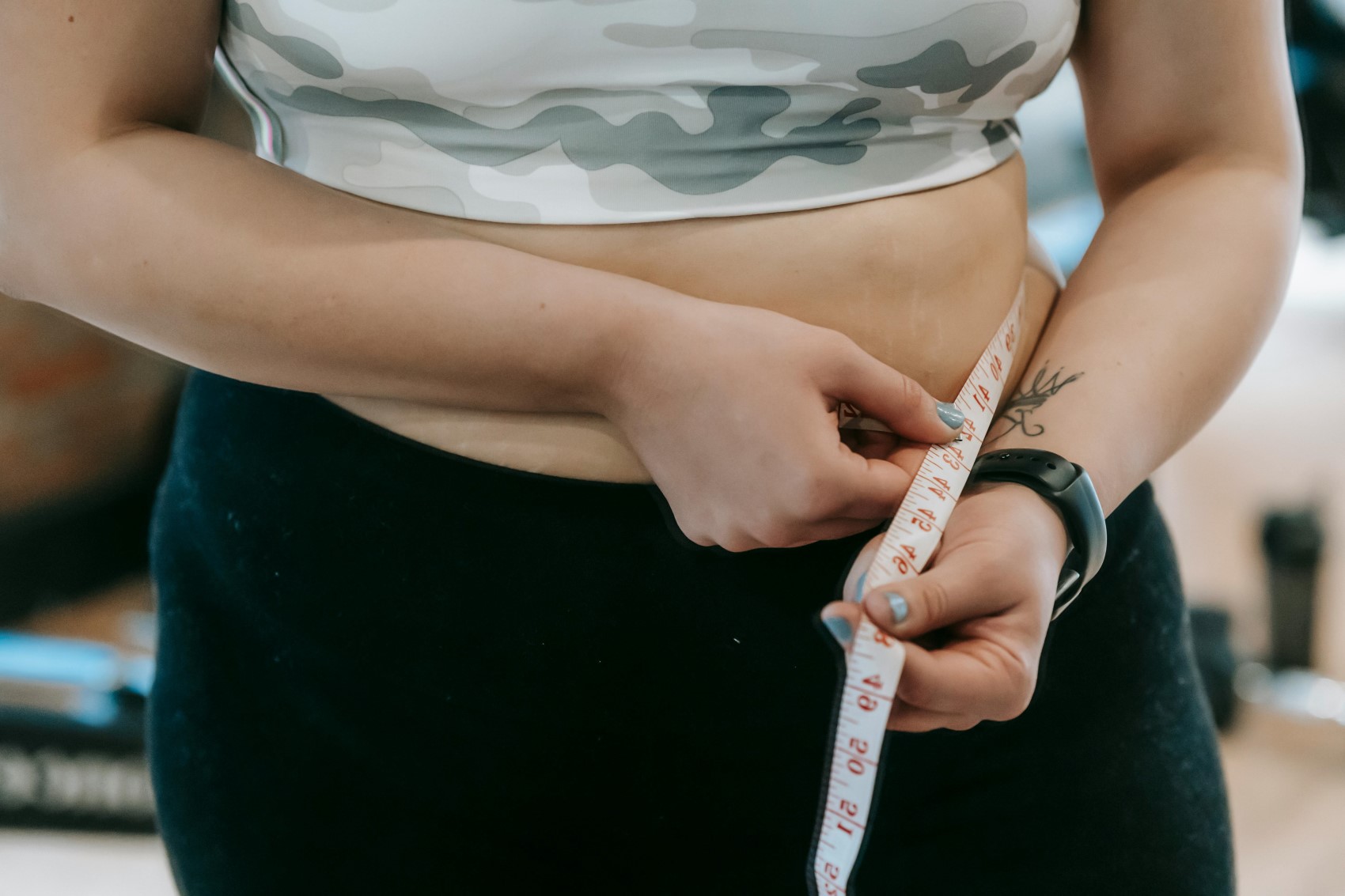
Emphasizing that neck, lower back, and back pain, as well as muscle and joint diseases linked to inactivity, have also been increasing among young people in recent years, Bayramoğlu says, "We have started to see pain related to postural problems very frequently, even in the young age group. Furthermore, weight gain due to inactivity has become widespread. Excess weight paves the way for degenerative joint diseases, meniscus, and ligament problems by increasing the load on the knees, hips, and lower back, and the pain becomes chronic. Moreover, a sedentary life dulls not only the body but also mental functions."
Within the scope of May 10th Move for Health Day, Bayramoğlu explained the damage caused by inactivity in our bodies and provided important warnings and recommendations.

MUSCULOSKELETAL SYSTEM DISEASES
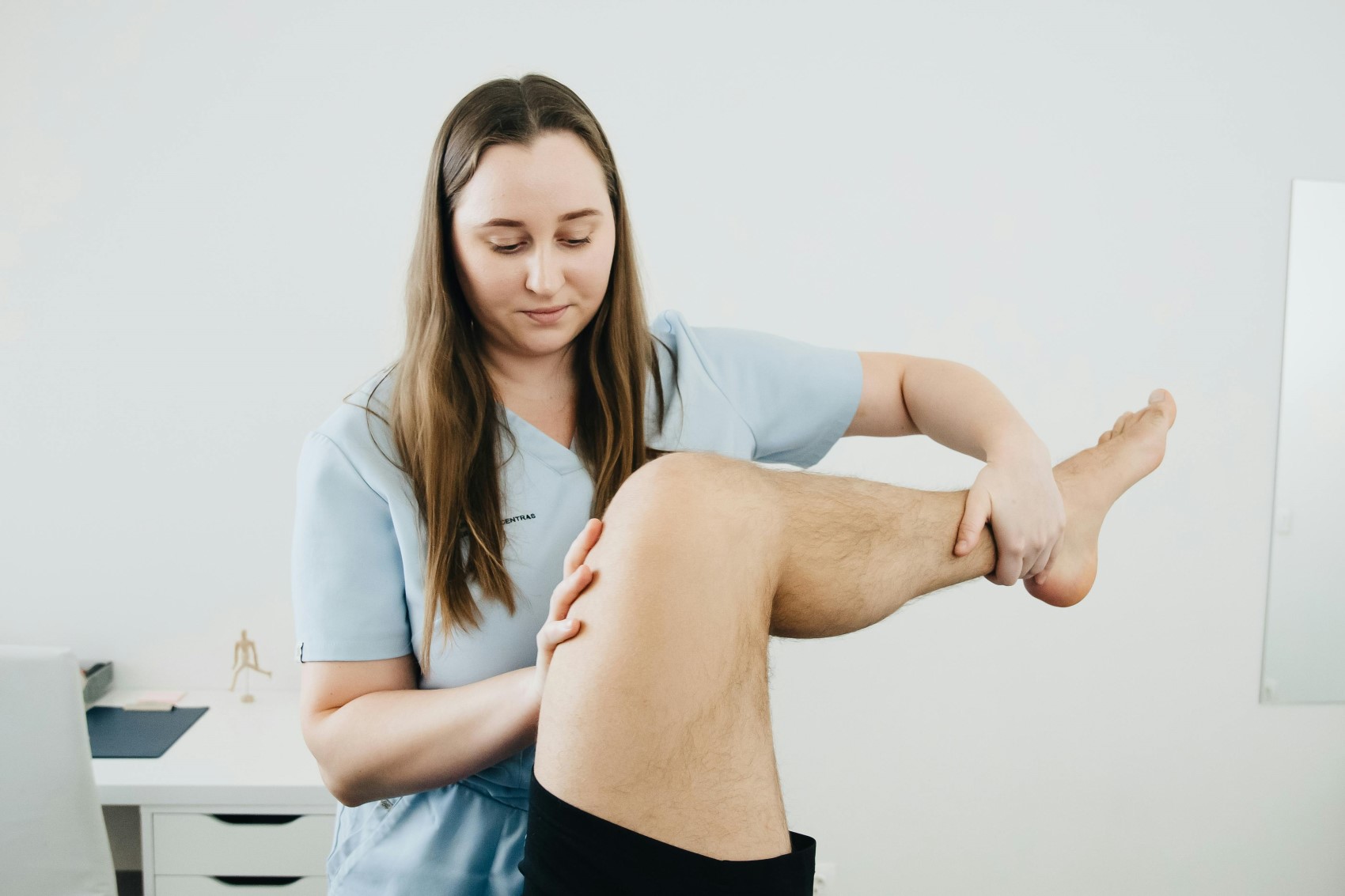
Muscles shrink and lose their strength when not used. This makes performing daily movements difficult. Inactivity reduces the flexibility of joint capsules and ligaments. This leads to problems such as lower back and knee stiffness. Postural deformities such as hunchback (kyphosis) and neck straightening can develop, especially in individuals who work at a desk for long periods. Additionally, when joint surfaces remain inactive, their nutrition is impaired, which paves the way for degeneration.
CARDIOVASCULAR DISEASES
Inactivity slows down venous return (the transport of blood back to the heart), which increases the risk of edema, varicose veins, and vascular occlusion. When regular exercise is not performed, the heart works less efficiently and fitness declines. A sedentary life reduces the elasticity of vessel walls, which raises blood pressure.
METABOLIC DISEASES
With inactivity, calorie expenditure decreases, which leads to weight gain. Furthermore, when muscles are not active, they use less glucose. This reduces the effect of insulin. Inactivity can also increase bad cholesterol (LDL) levels.

RESPIRATORY SYSTEM DISEASES
In a person with a sedentary lifestyle, shallow breathing develops over time, which limits the air capacity of the lungs. Regular movement and regular exercise encourage deep breathing, ensure better oxygen transport to tissues, and reduce shortness of breath.

DIGESTIVE SYSTEM DISEASES
Lack of movement can also lead to many negative effects on the digestive system. It slows down bowel movements, causing problems such as constipation, gas, and bloating. At the same time, inactivity and sitting for long periods also increase the risk of reflux.
DEPRESSION AND SLEEP DISORDERS
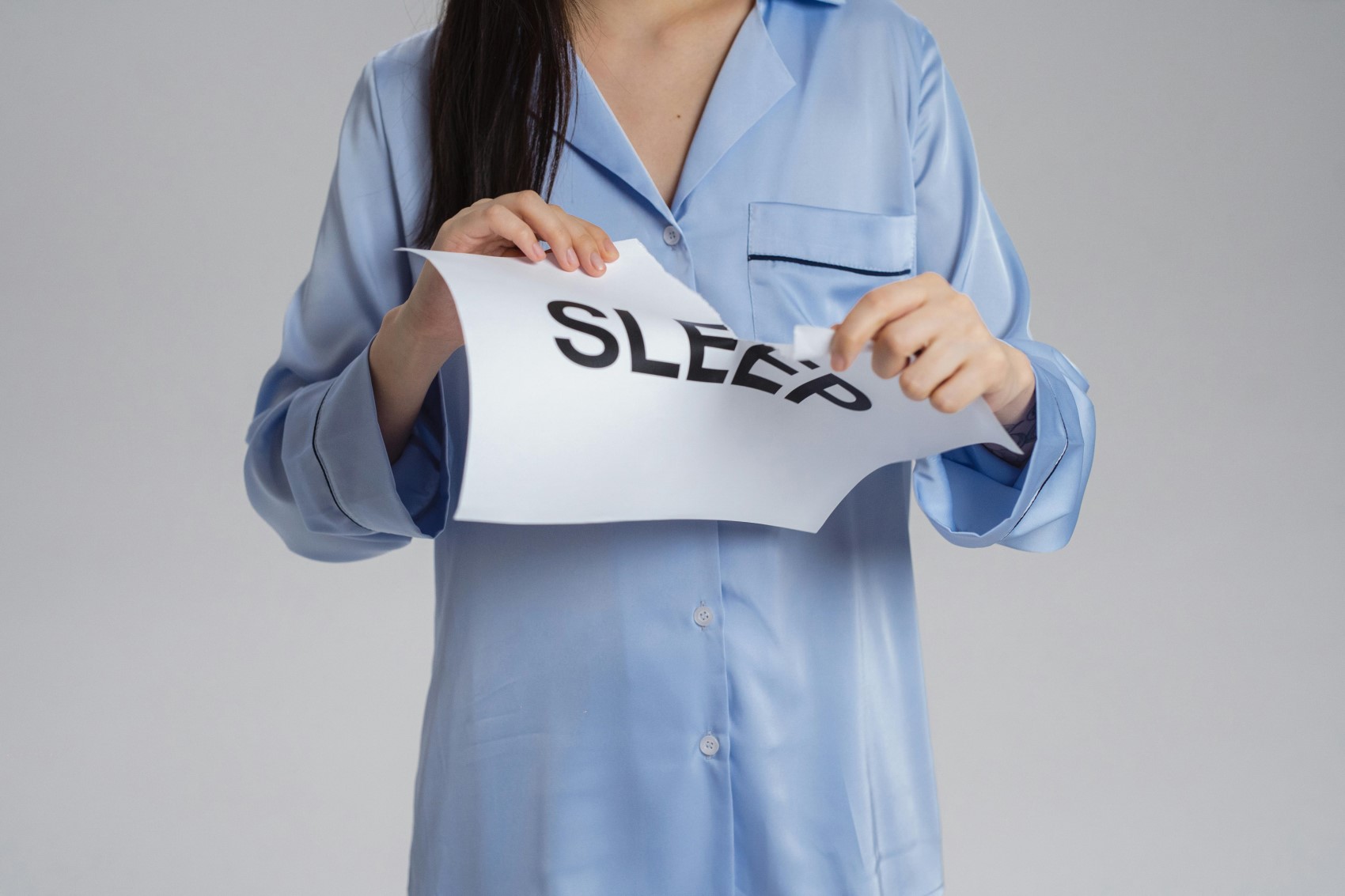
Physical activity increases the release of serotonin and endorphins, which are happiness hormones. Inactivity disrupts this balance. Especially in elderly individuals, problems with attention, memory, and concentration can develop along with physical inactivity. Individuals who do not expend energy during the day may sleep more restlessly and intermittently at night. Increased cerebral blood flow with exercise supports cognitive functions such as learning, memory, and decision-making. Regular movement reduces the risk of Alzheimer's and dementia.
LYMPHATIC SYSTEM AND IMMUNITY
The lymphatic system, which progresses through the pumping effect of muscles, stalls with inactivity. This prevents the removal of toxins and edema from the body. When blood circulation and lymphatic flow slow down, the effectiveness of immune cells also decreases.