End to Insomnia: Tips for a Good Night's Sleep
Sleep disorders are a common health issue among individuals with busy work or school lives that can seriously negatively impact quality of life. Insufficient sleep can lead to the emergence of clinical symptoms that may hinder daily activities and increase the risk of developing various ailments.
12punto

Sleep disorders are a significant health problem frequently seen in a large segment of society with intense work or school lives, and they seriously negatively affect the quality of life.
If sleep quality and duration are insufficient, the risk of developing various ailments increases, and various clinical symptoms may appear to a degree that prevents the performance of daily life activities. In this respect, measures that are necessary for a good sleep and that facilitate falling asleep are quite important.

Sleep is indispensable for individuals to maintain a healthy life. As a result of insufficient sleep, serious tissue damage can develop in almost all tissues that make up the body, and functional disorders and failures can occur in organs, especially in brain functions. In people who cannot sleep for a certain period of time, life-threatening serious problems can develop.

Sleep quality defines the characteristics of sleep in terms of different parameters such as depth, continuity, efficiency, timing, alertness level, and sleep satisfaction. Healthy sleep must be both of sufficient duration and high quality. The parameters that constitute sleep quality can be summarized as follows:

1- Pay attention to your bedtime
The first requirement for quality sleep is going to bed and waking up at times that align with your biorhythm. Therefore, make an effort to go to bed when you feel sleepy and wake up at the time you need to.
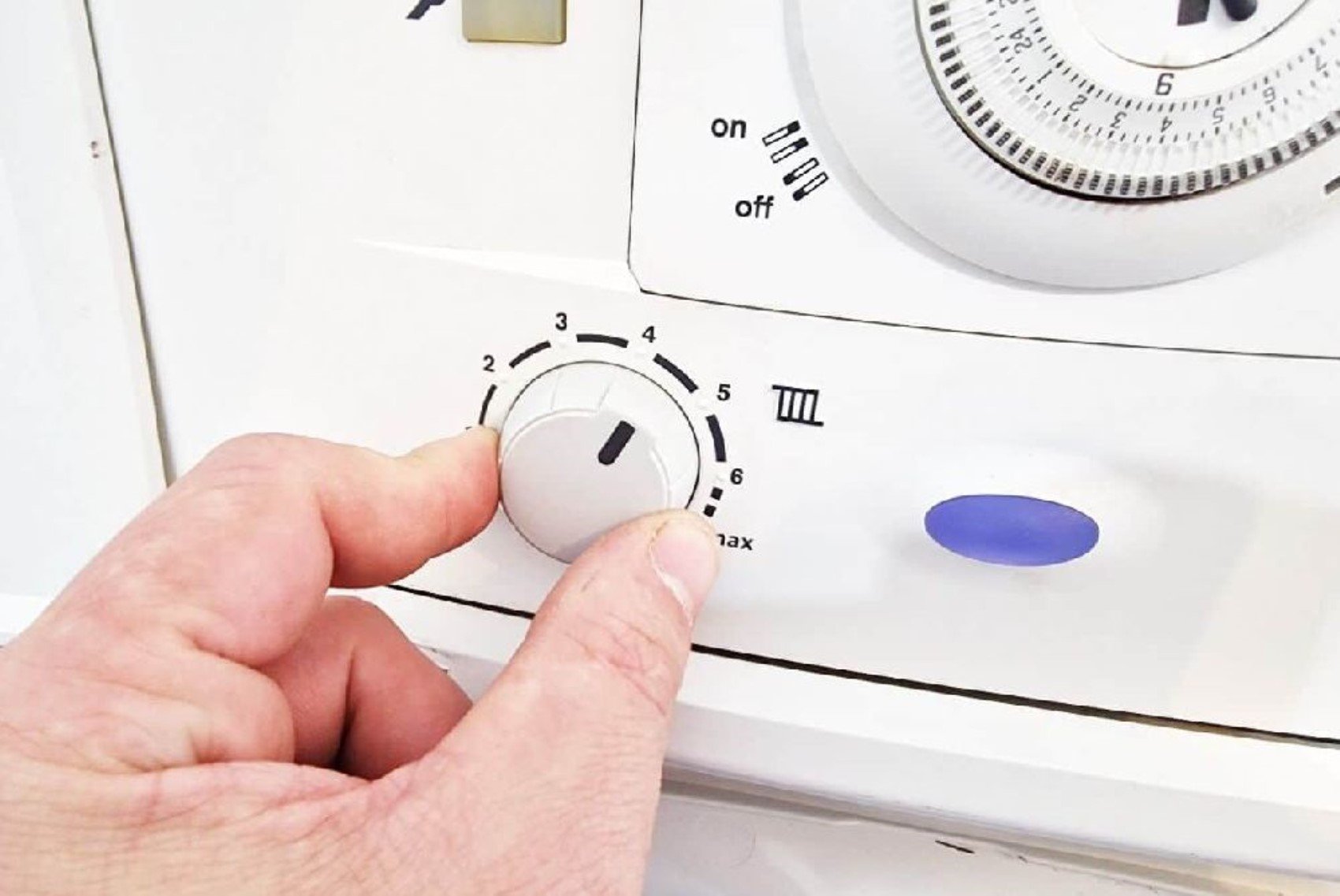
2- Keep your room temperature between 20-22 degrees
Rising temperatures and humidity lead to sweating, which in turn causes frequent sleep interruptions. As we fall asleep, our body gradually cools down. Therefore, if the room is too cold, the body will cool down too suddenly, while in a hot room, the body will not be able to cool down sufficiently.
For this reason, room temperatures below 16°C and above 24°C make it difficult to sleep. The ideal room temperature is between 20-22 degrees. To maintain the ideal temperature, you can use air conditioners that do not blow directly onto the bed and do not make too much noise. Another point you should pay attention to is the humidity of the room. Take care to ensure that the humidity in your room is between 40-50 percent.

3- Do not take sleeping pills indiscriminately
It is very important that you do not take sleeping pills without medical supervision. The reason for this is that sleep disorders are very diverse and their treatments differ accordingly. When necessary, your physician will organize your treatment in a specific order (step-care therapy) and with close follow-up.

4- Drink plenty of water
Make it a habit to consume 2.5 liters of water throughout the day to help you fall asleep more easily. If possible, stop drinking water 1-2 hours before bedtime. This will reduce your thirst during the night and decrease the need to get up to use the restroom.

5- Choose cotton pajamas
Make sure to wear cotton pajamas or nightgowns that absorb sweat and allow the skin to breathe. Similarly, ensure that your bed sheets are also made of cotton.

6- Ensure your bed and pillow are comfortable
Another point you should pay attention to for quality sleep is choosing your mattress according to your weight. Pillows should also be neither too high nor too low. The ideal pillow is one that does not cause neck problems and does not disrupt your sleep.

7- Sprinkle dried lavender
It is stated that having dried lavender in the room helps people relax and makes it easier to fall asleep.

8- Pay attention to these rules in your diet
Especially during the summer months, you should eat your dinner at least 4-5 hours before going to bed. This is because going to bed with a full stomach disrupts sleep structure as the digestive process continues. Also, avoid fatty foods as they cause acid reflux. Chocolate and cocoa-based foods have stimulating properties that make it difficult to fall asleep. Similarly, beverages containing caffeine such as tea, coffee, energy drinks, and cola also lead to poor-quality sleep.
Therefore, stop consuming such stimulants 2-3 hours before going to bed. Vegetable-based dinners would be a more suitable choice. Milk and yogurt make it easier to fall asleep. You can consume them 1-2 hours before bedtime.
Herbal teas such as fennel, chamomile, and valerian root can also help you fall asleep. Although it is thought that alcohol makes it easier to fall asleep, studies have proven that it impairs sleep quality. For this reason, avoid alcohol consumption.
9- Do not engage in strenuous exercise
Sports such as walking and swimming help the body relax, thereby laying the groundwork for quality sleep. Strenuous exercises like long-distance running or weightlifting, however, stimulate the nervous system, making it difficult to fall asleep as a result. For this reason, stop strenuous exercise at least 3 hours before going to bed.

10- Do not use your mobile phone in bed
You should avoid using artificial light sources such as mobile devices and televisions in your bed. Inappropriate light sources make it difficult to fall asleep. Furthermore, do not watch television or use a computer in your bedroom, as these can cause you to wake up during the night. Reading a book that relaxes your mind before going to bed will make it easier for you to fall asleep.

11- Take a warm shower
It is beneficial to take a warm shower before going to bed. Warm water helps you relax and lowers your body temperature. Thanks to this effect, it makes it easier to fall asleep. Also, be careful that the water is not too cold or too hot, as it can have a stimulating effect on the body and make it harder to transition into sleep. (Acıbadem)