Excavations in Düzce shed light on history
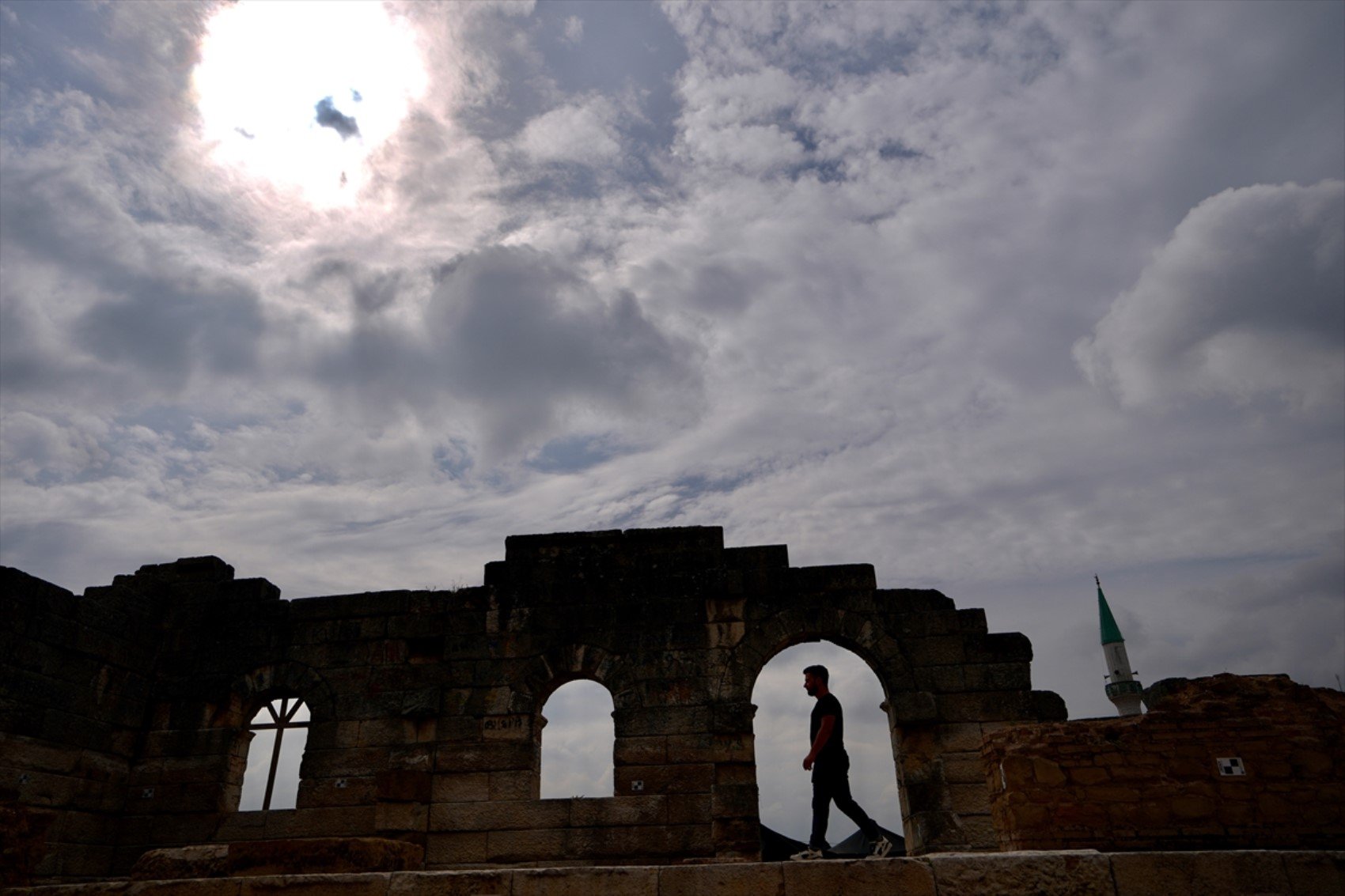
Ongoing excavations at the ancient city of Prusias ad Hypium in the Konuralp region of Düzce are uncovering historical remains dating back to the 3rd century BC. Work that has been underway for approximately 5 years has yielded a Medusa head statue, reliefs from Greek mythology, and an 1800-year-old portrait bust.
AA
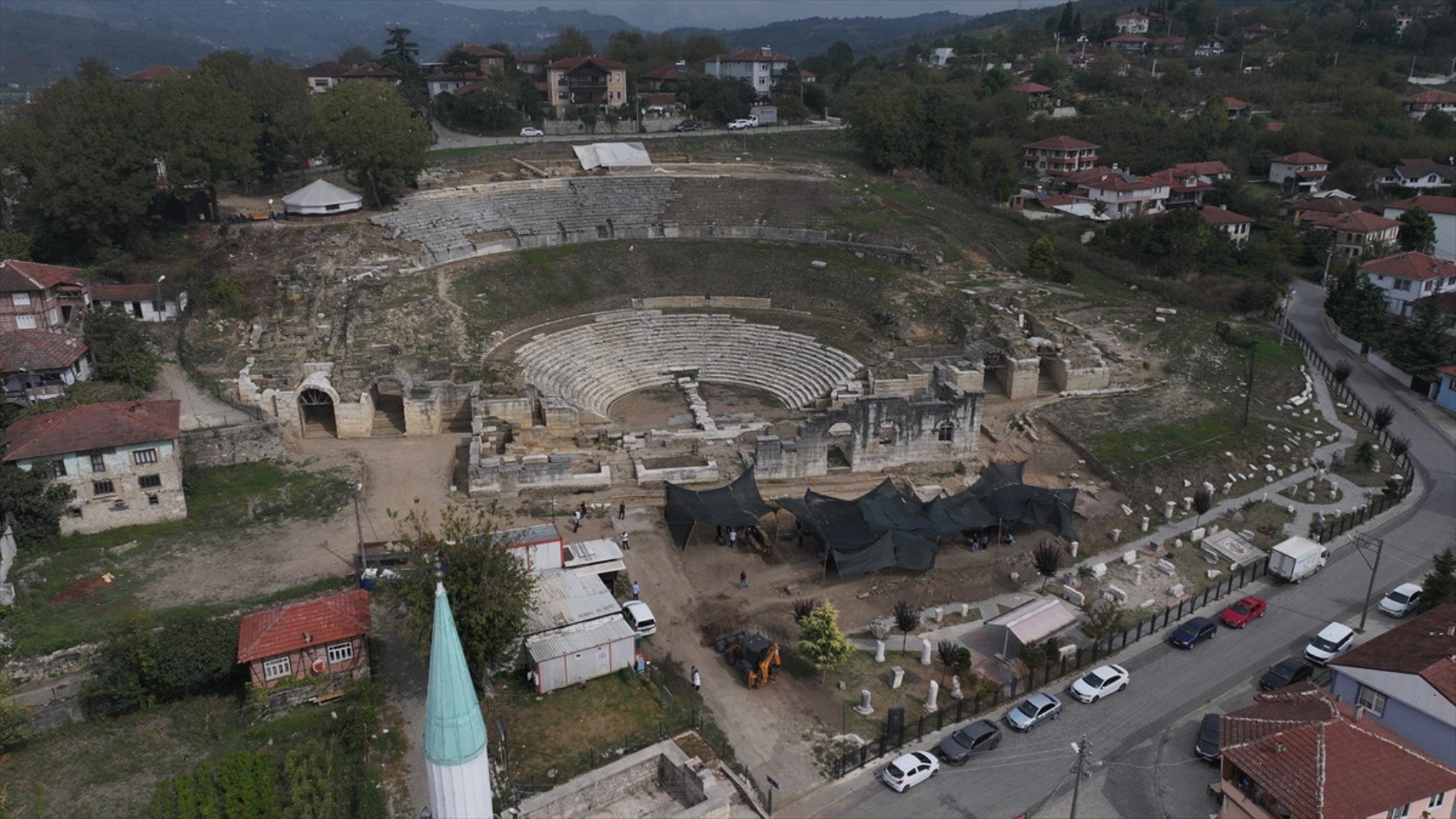
In the ancient city, which dates back to the 3rd century BC, significant findings are being unearthed through excavations that have been carried out uninterruptedly for 12 months a year for approximately 5 years, under the leadership of the Konuralp Museum Directorate, with the permission of the General Directorate of Cultural Heritage and Museums and the support of the municipality.
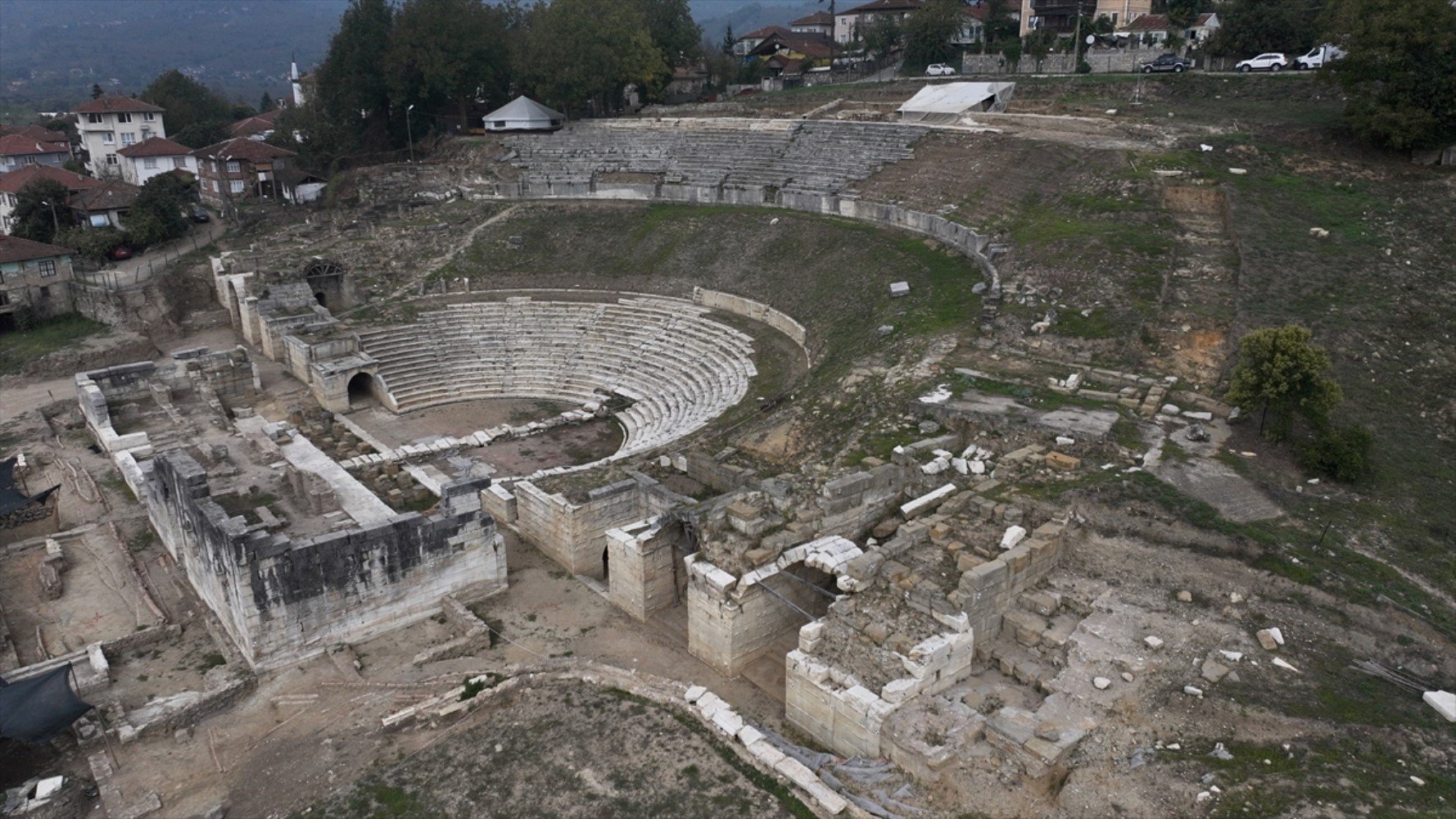
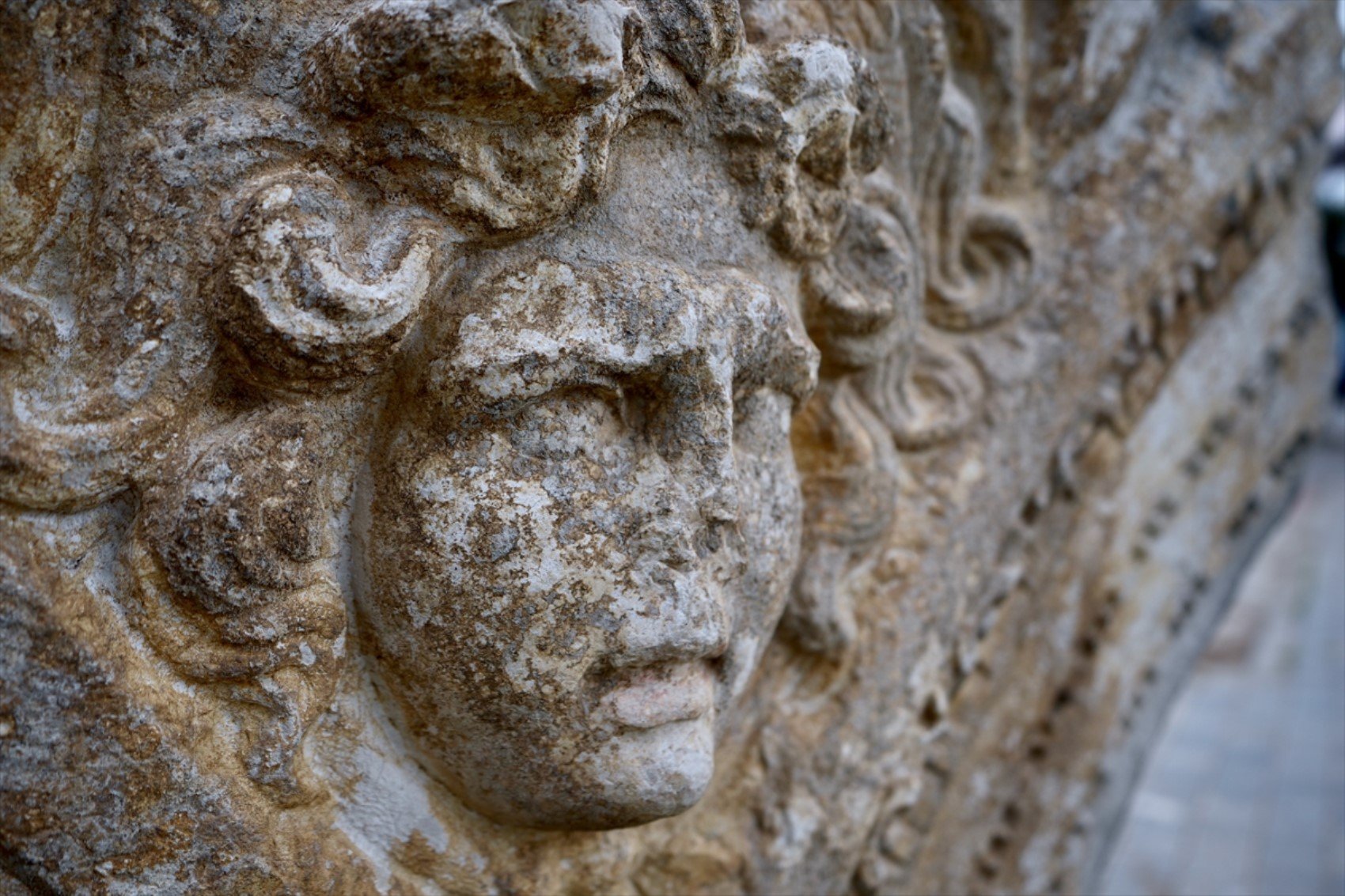
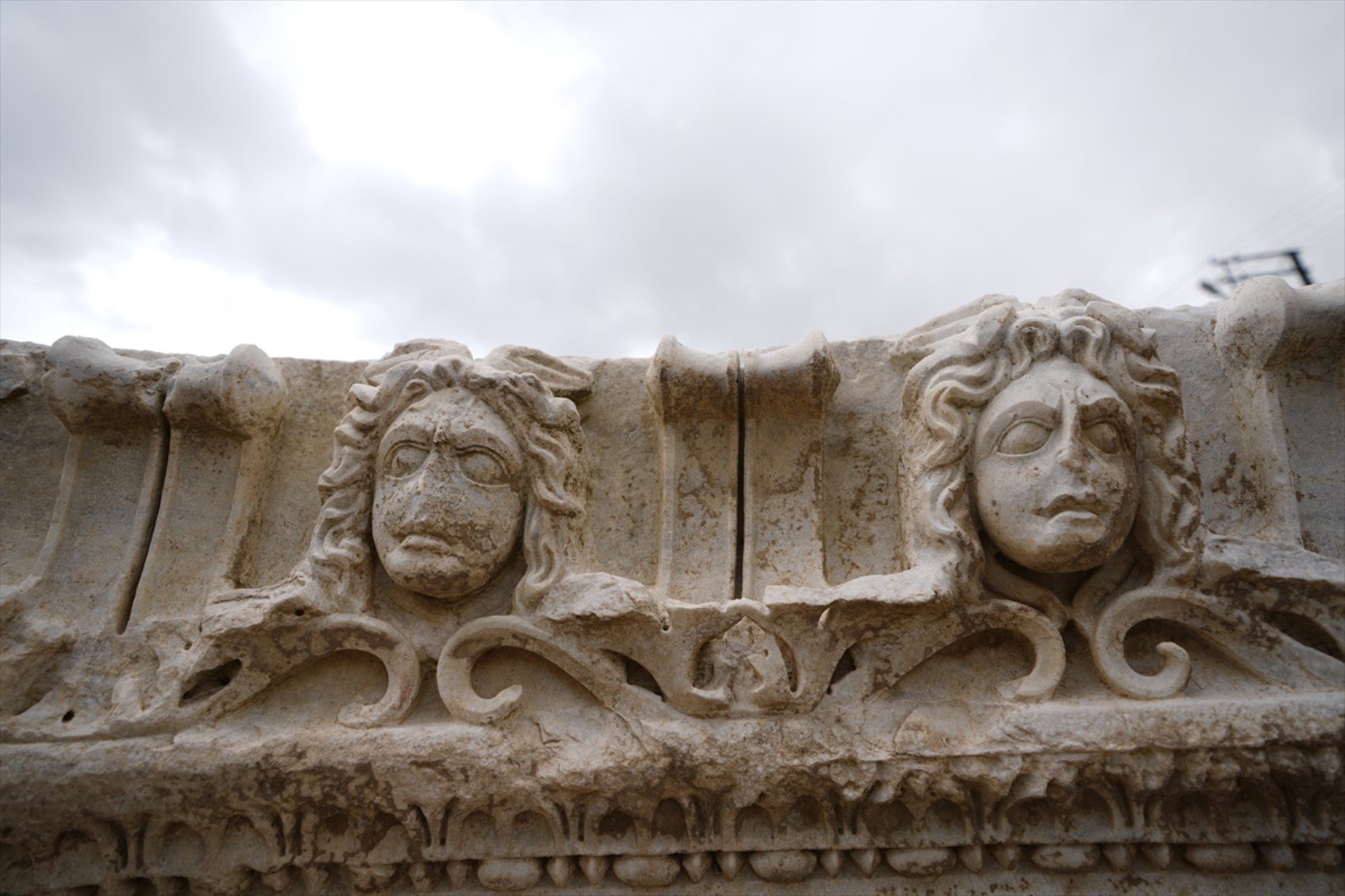
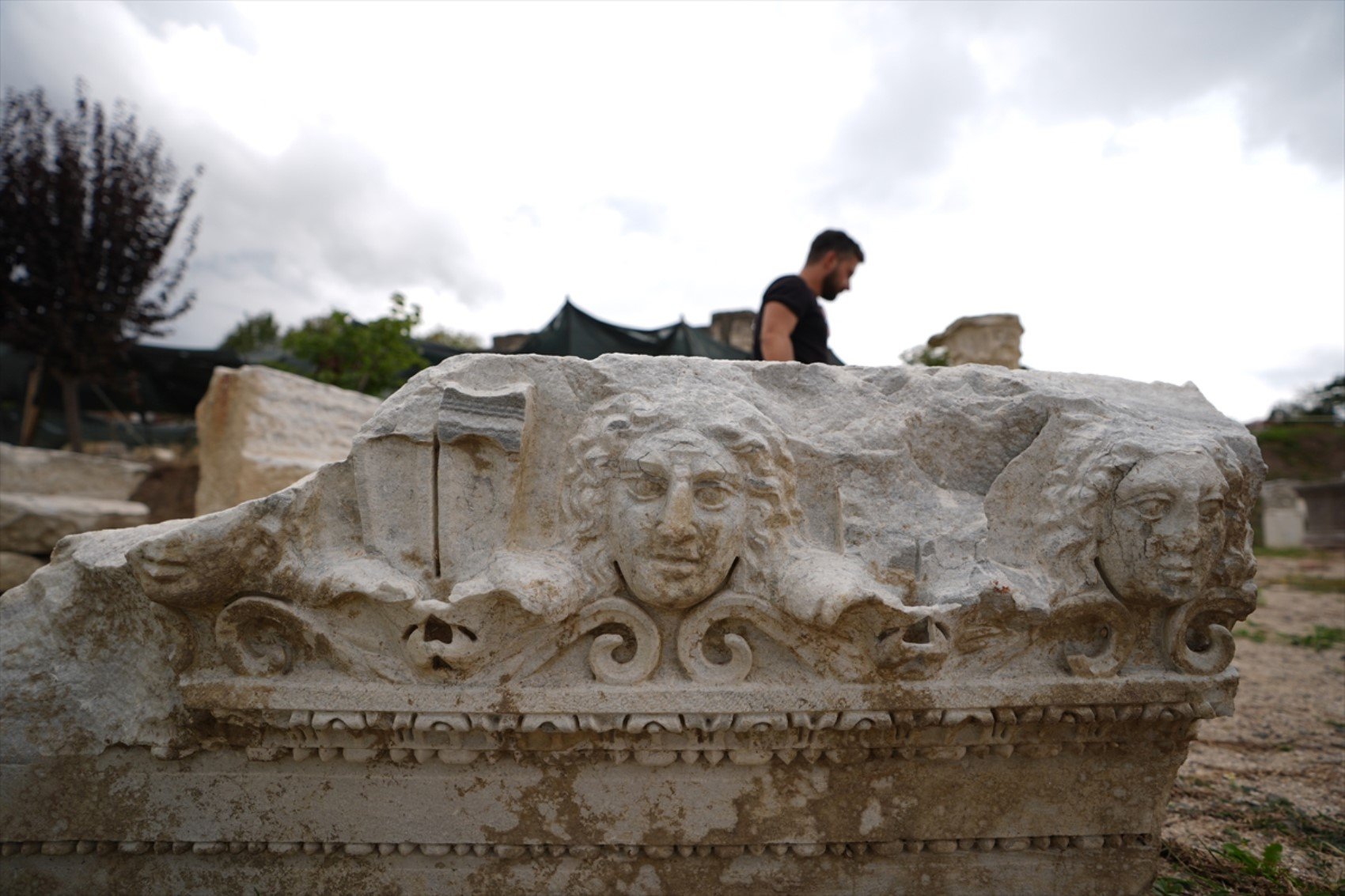
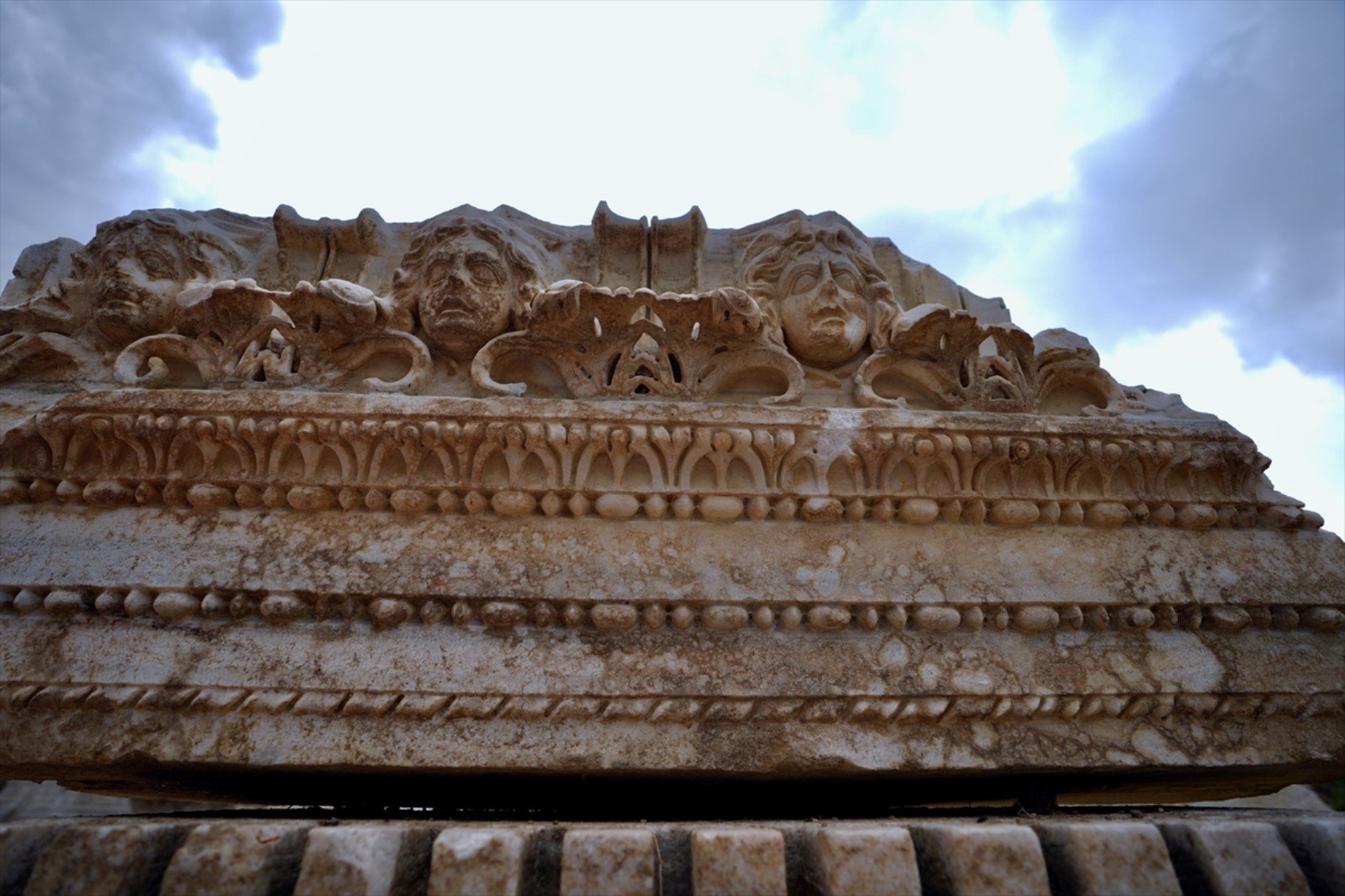
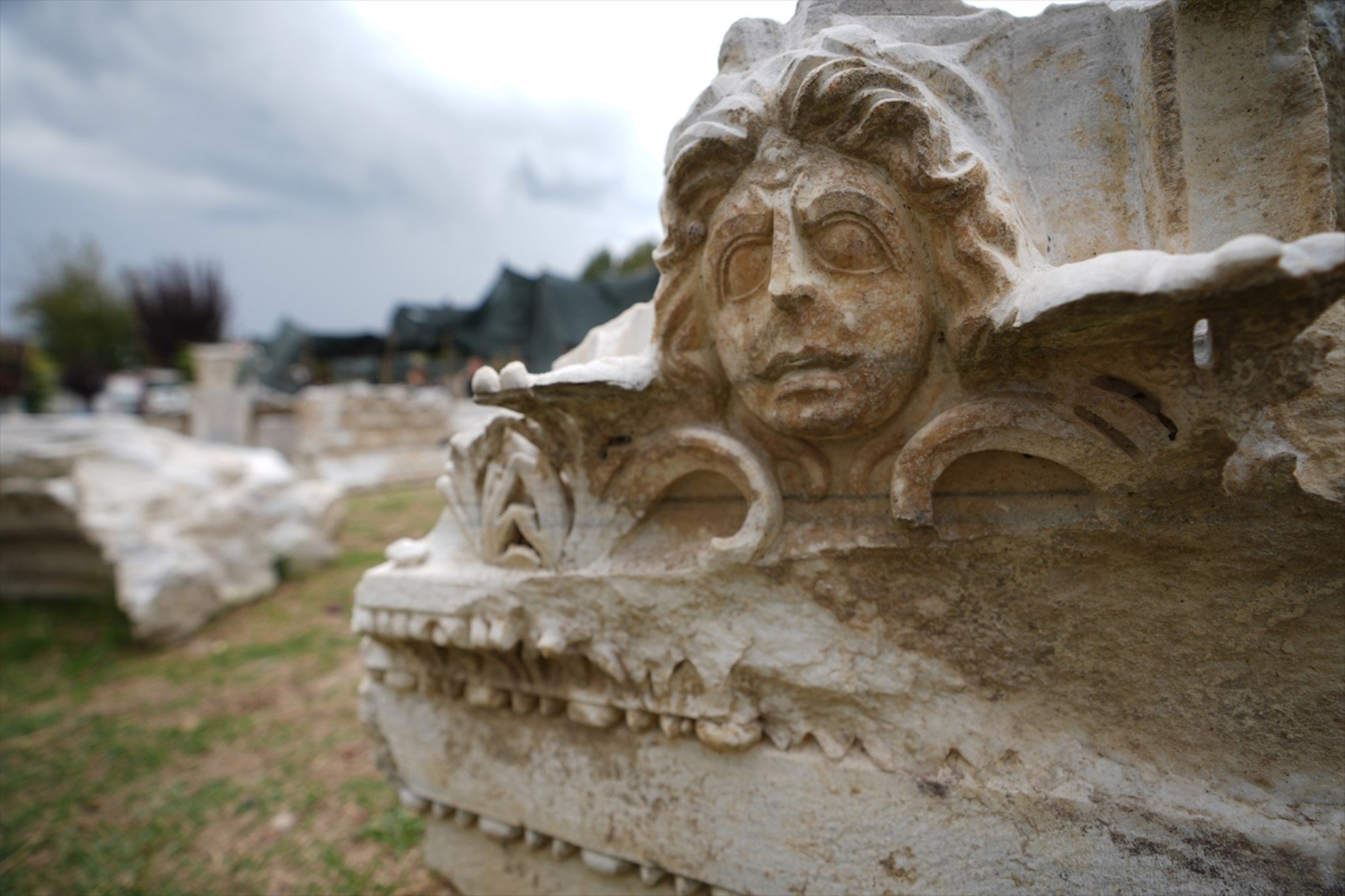
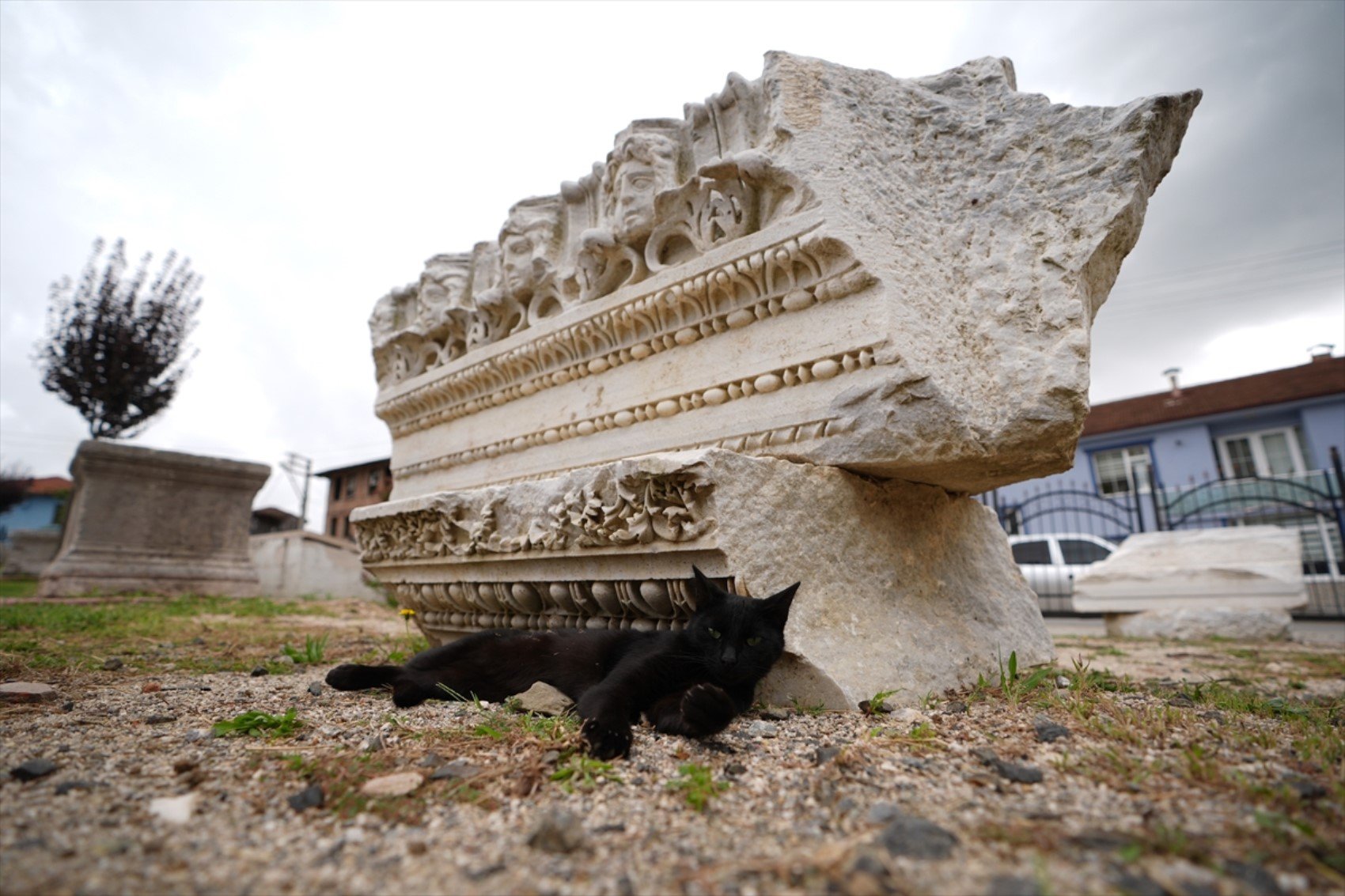
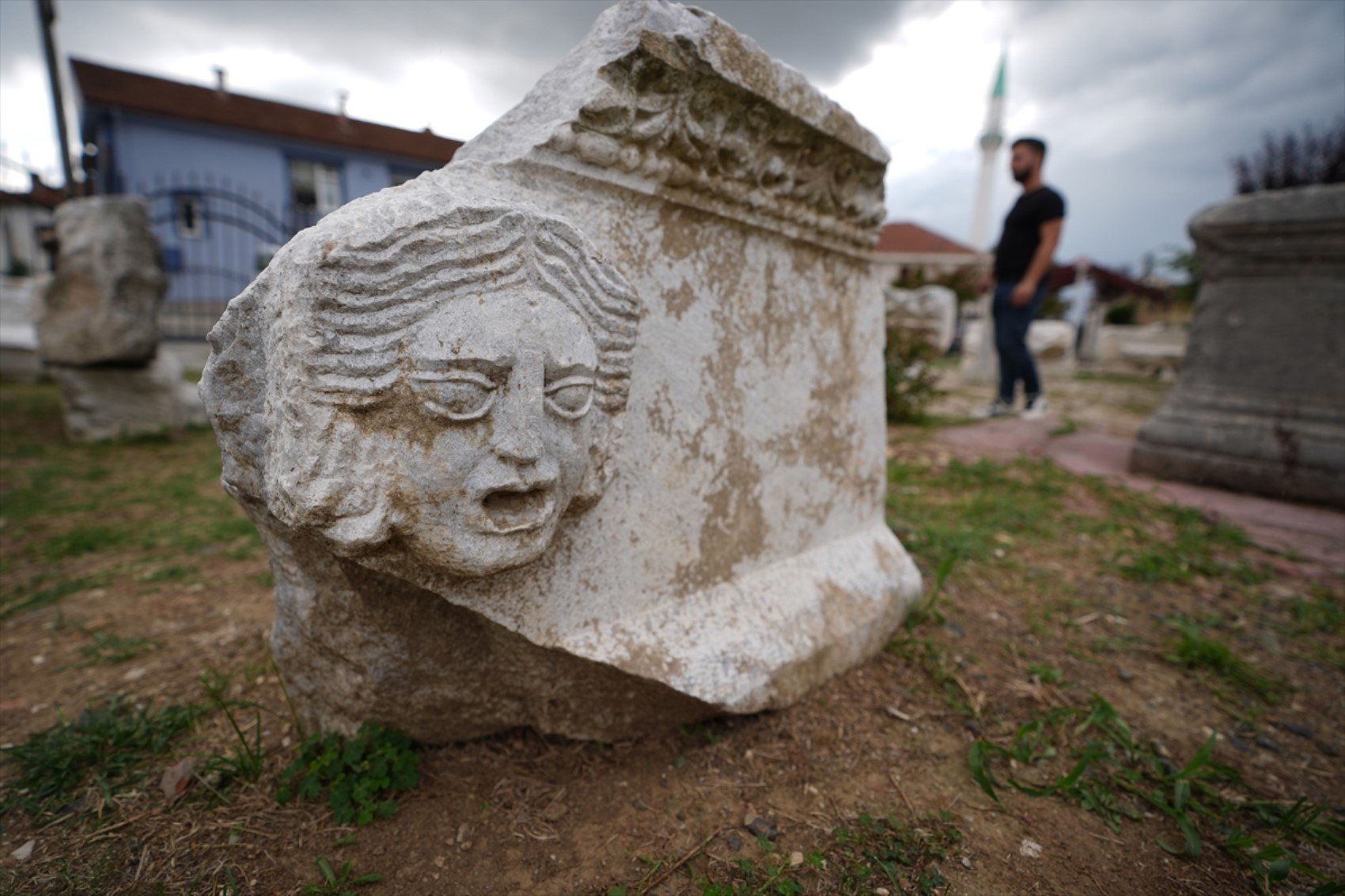
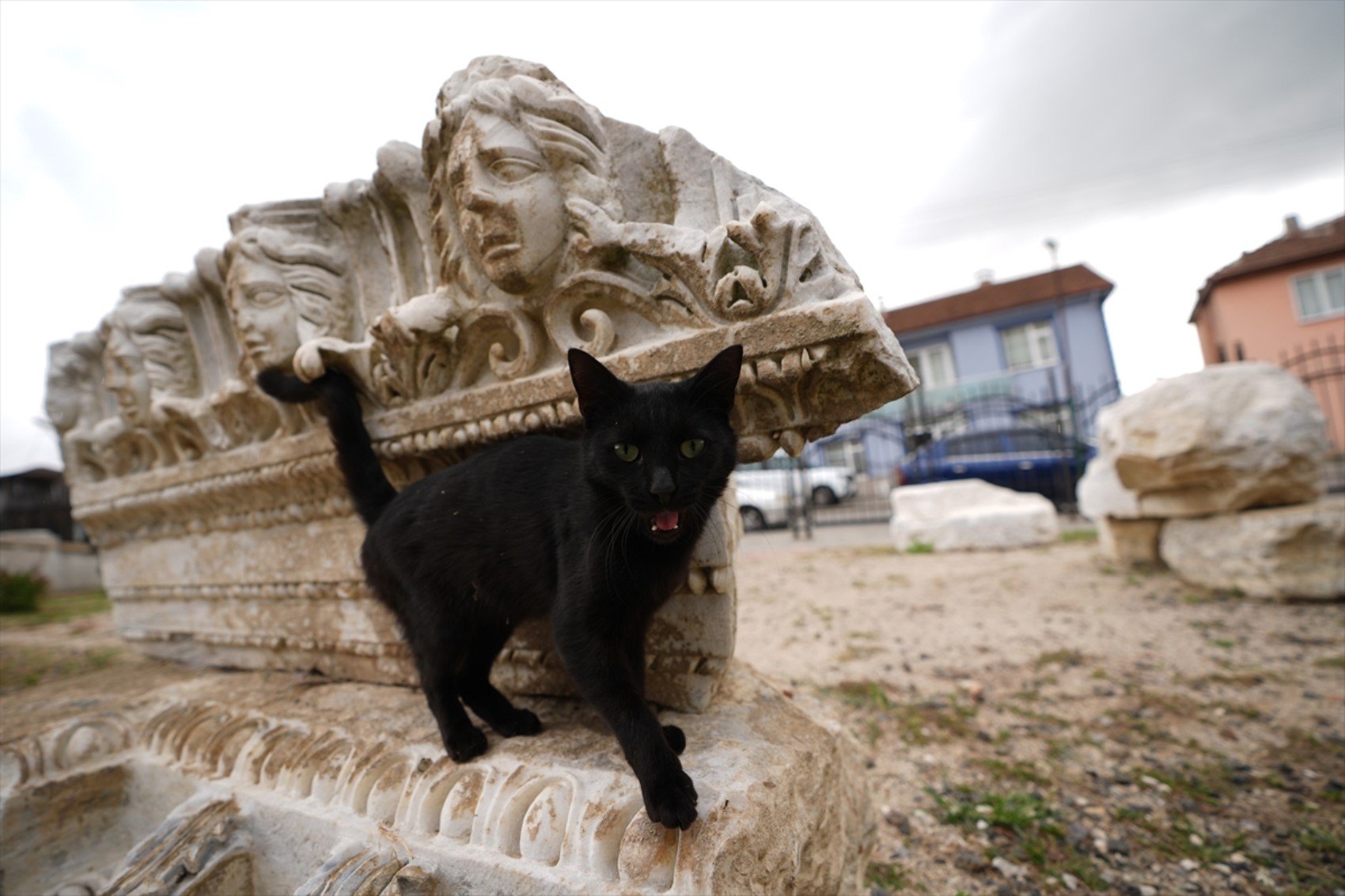
Excavations at the ancient city, which has been found to have undergone destruction and changes due to earthquakes and restorations in past periods, have so far uncovered a Medusa statue head believed to be 2,000 years old—known in Greek mythology as the "snake-haired female monster who turns those who look into her eyes to stone"—as well as mask sculptures, and a grotesque figure (an ornament consisting of strange, ridiculous figures found in ancient Roman structures) and a vault (ceiling covering).
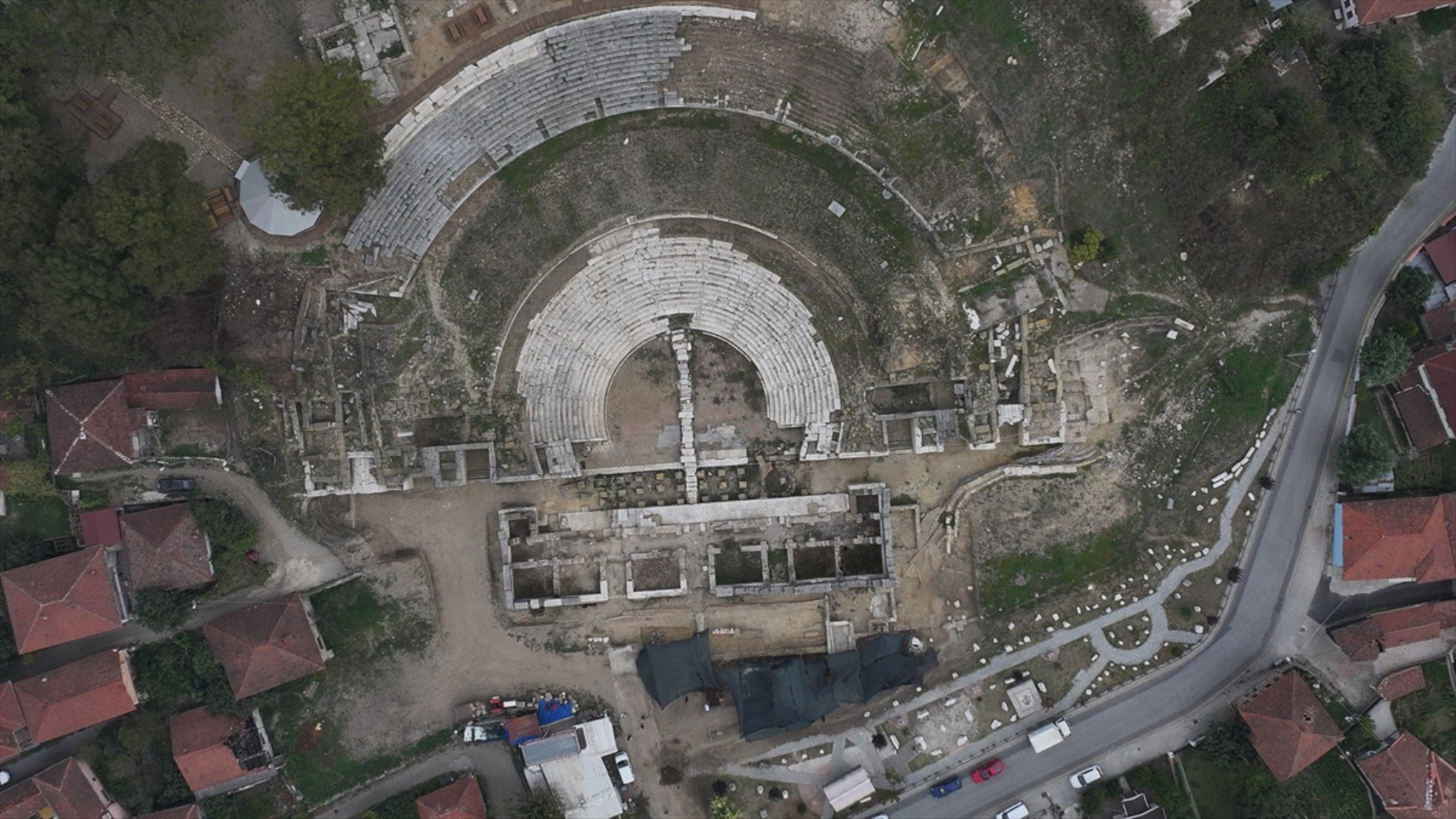
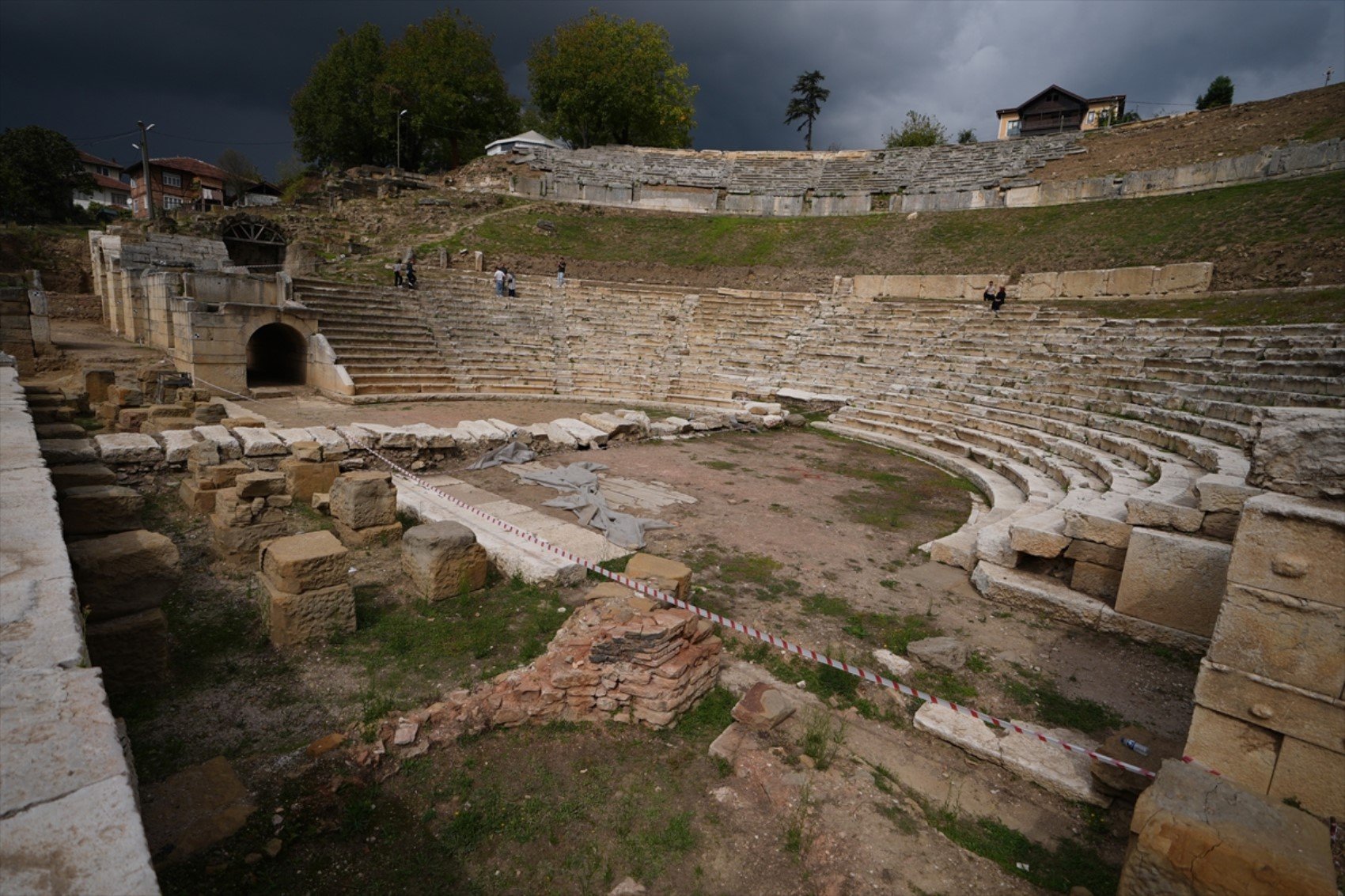
During the excavations carried out in the middle of the stage section, relief sculptures of the Greek god Apollo, the goddess of victory, and the hunter Actaeon were also discovered.
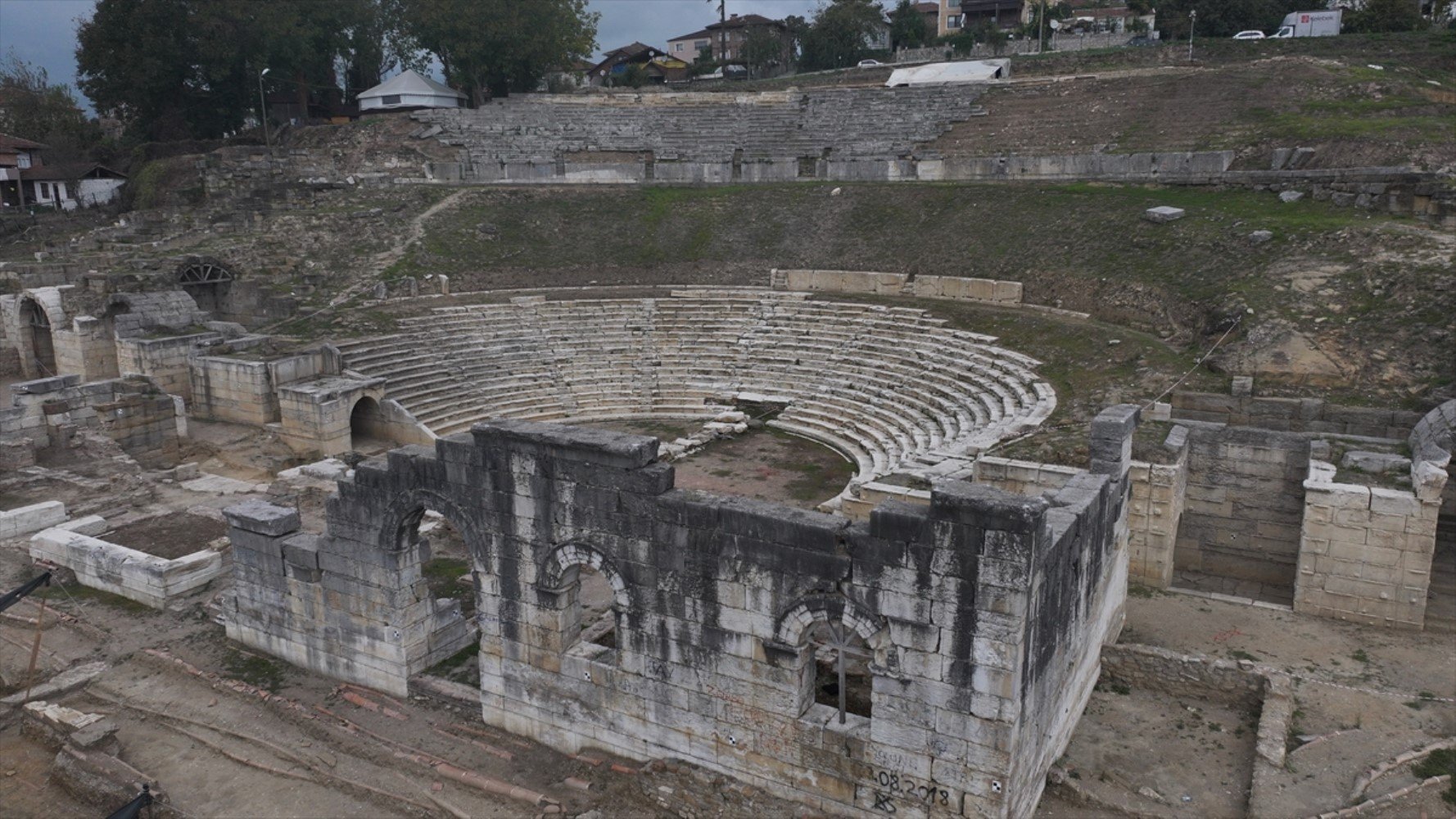
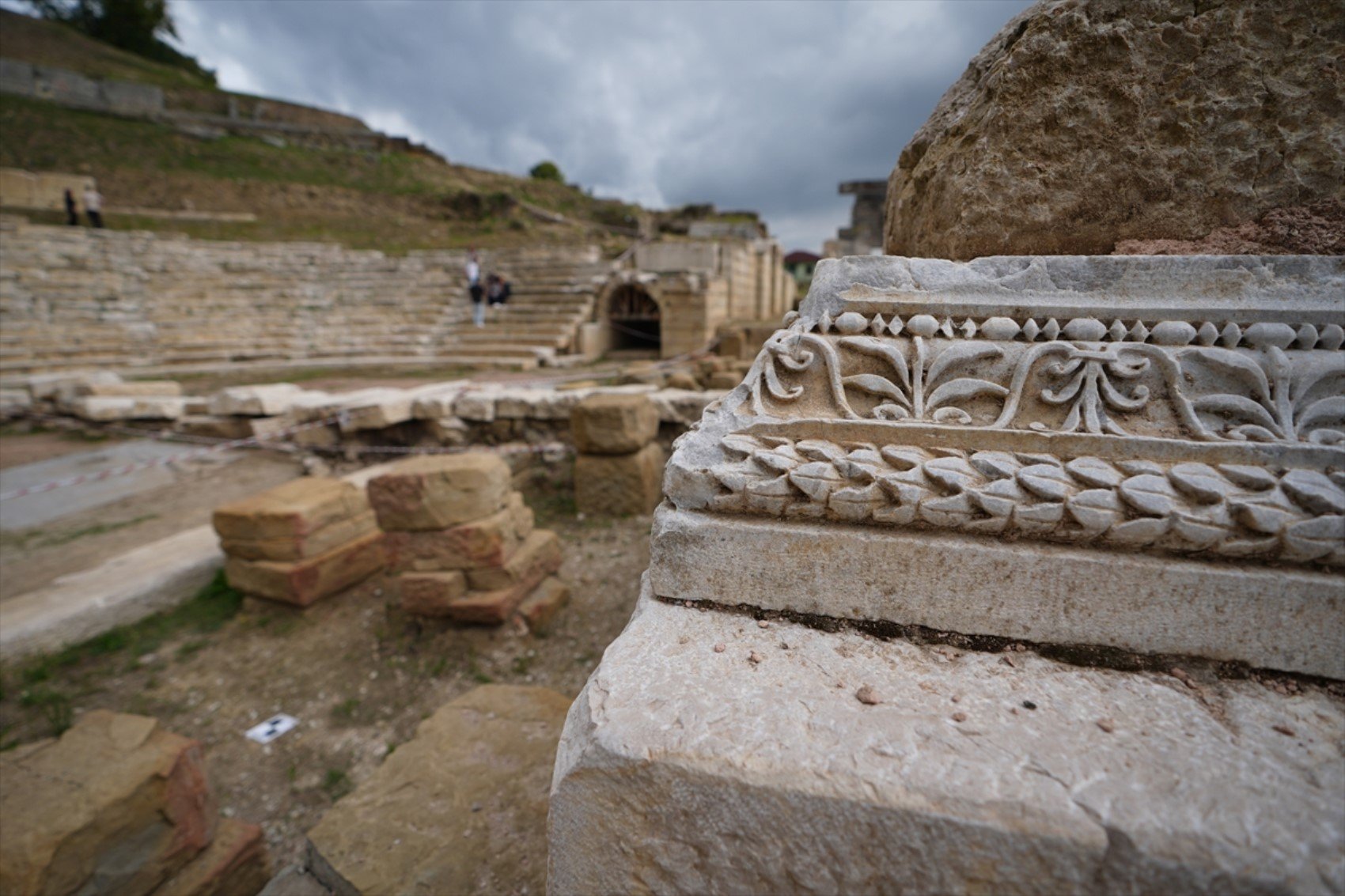
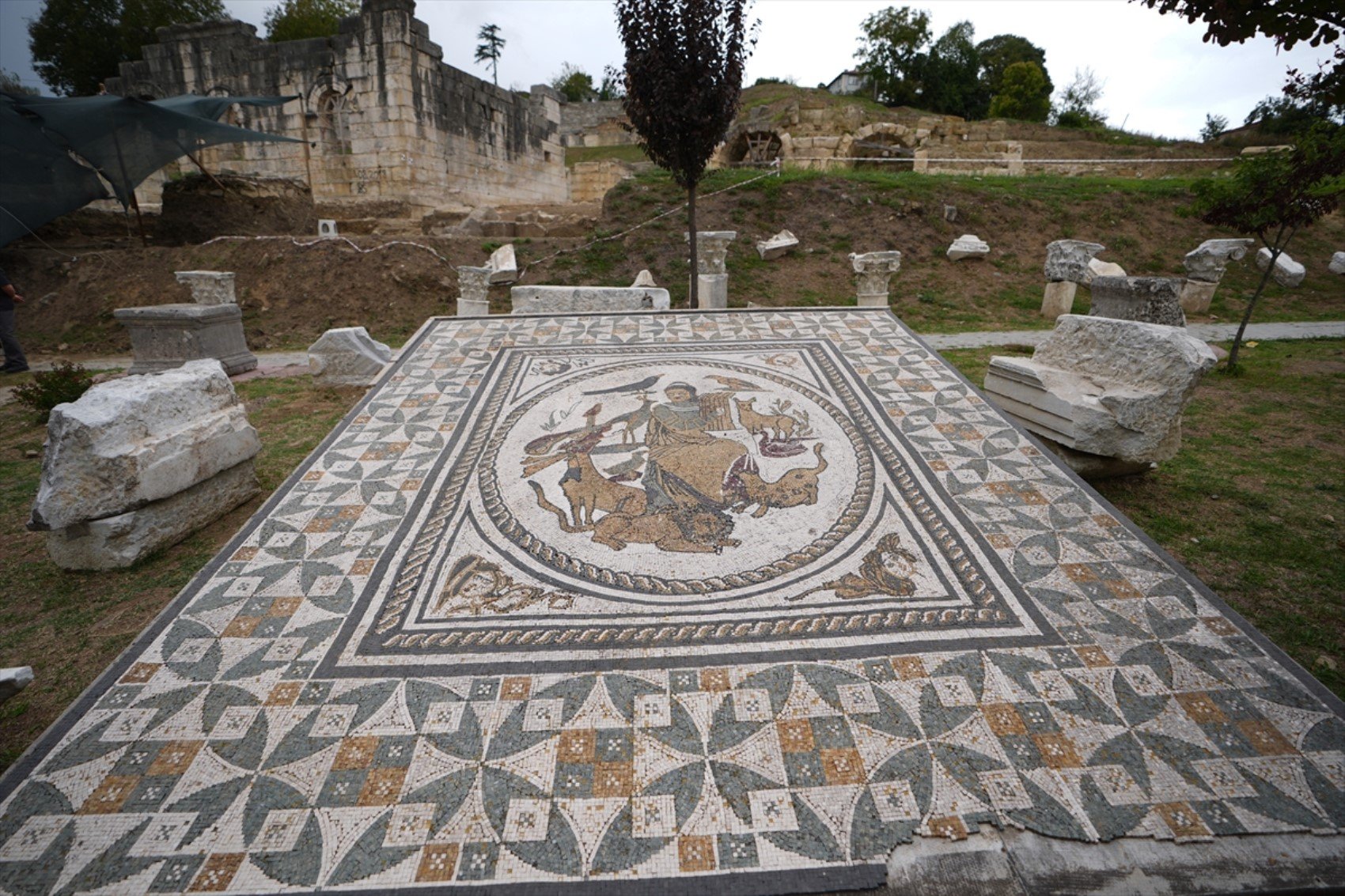
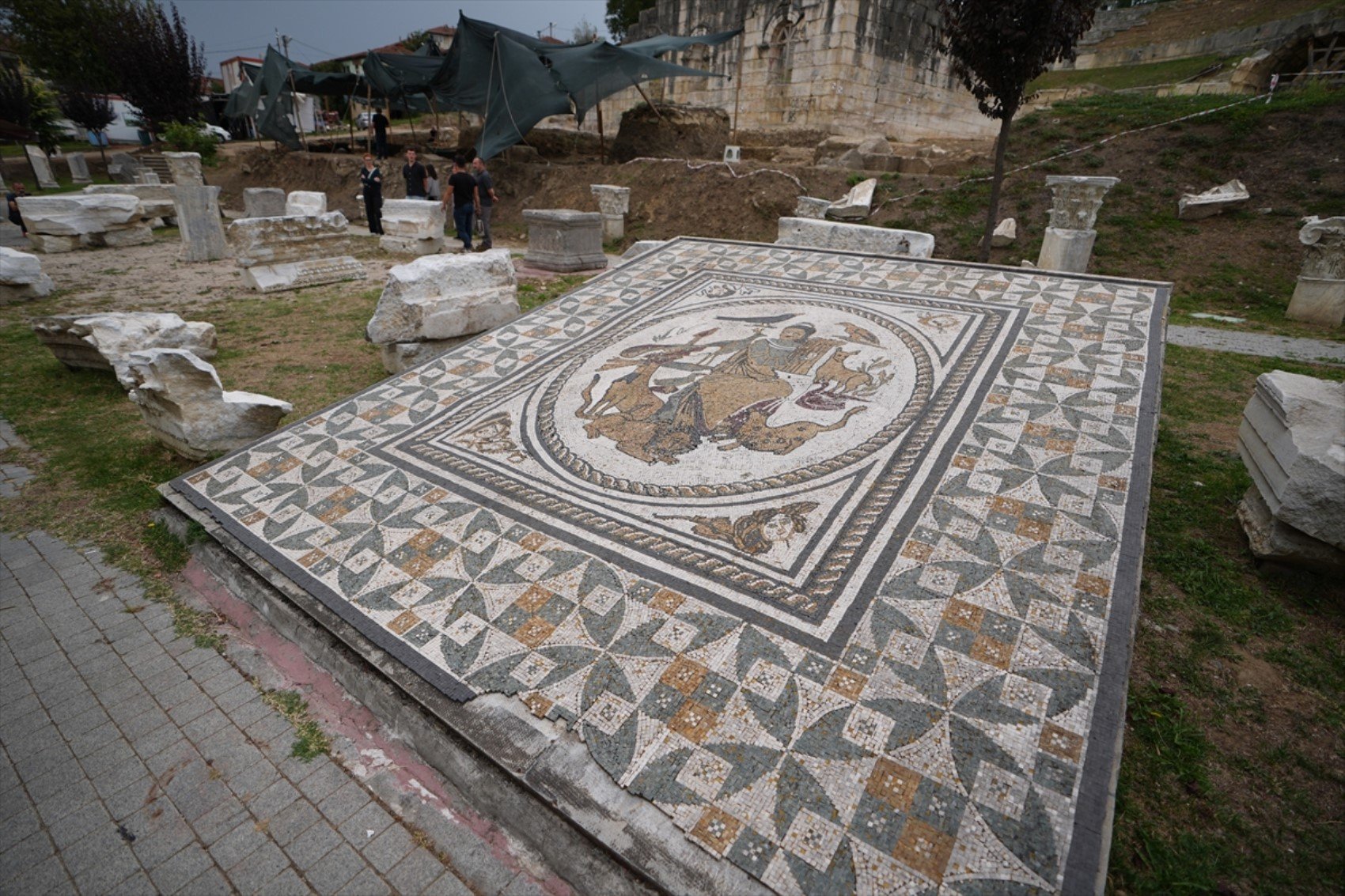
In the excavations where a large part of the theater structure has been unearthed, the discovery of a mosaic with lions reflecting the "Dionysos Cult Space" and a statue head belonging to Alexander the Great in the latter part of last year excited archaeologists.
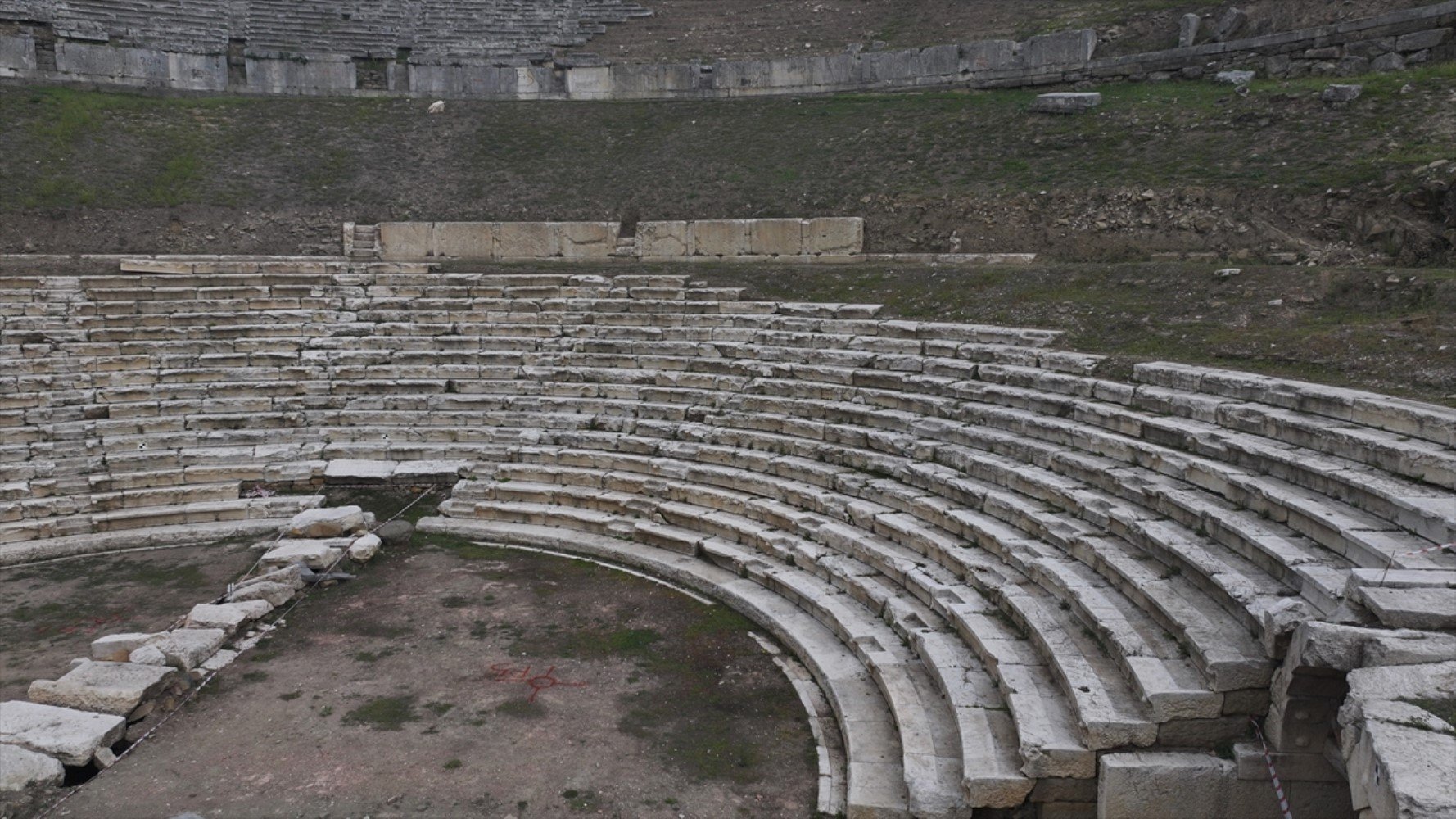
Excavations have revealed that the theater began to be used for purposes other than its original intent during the Eastern Roman period, and that it was used as a residential area, particularly starting from the Ottoman period.
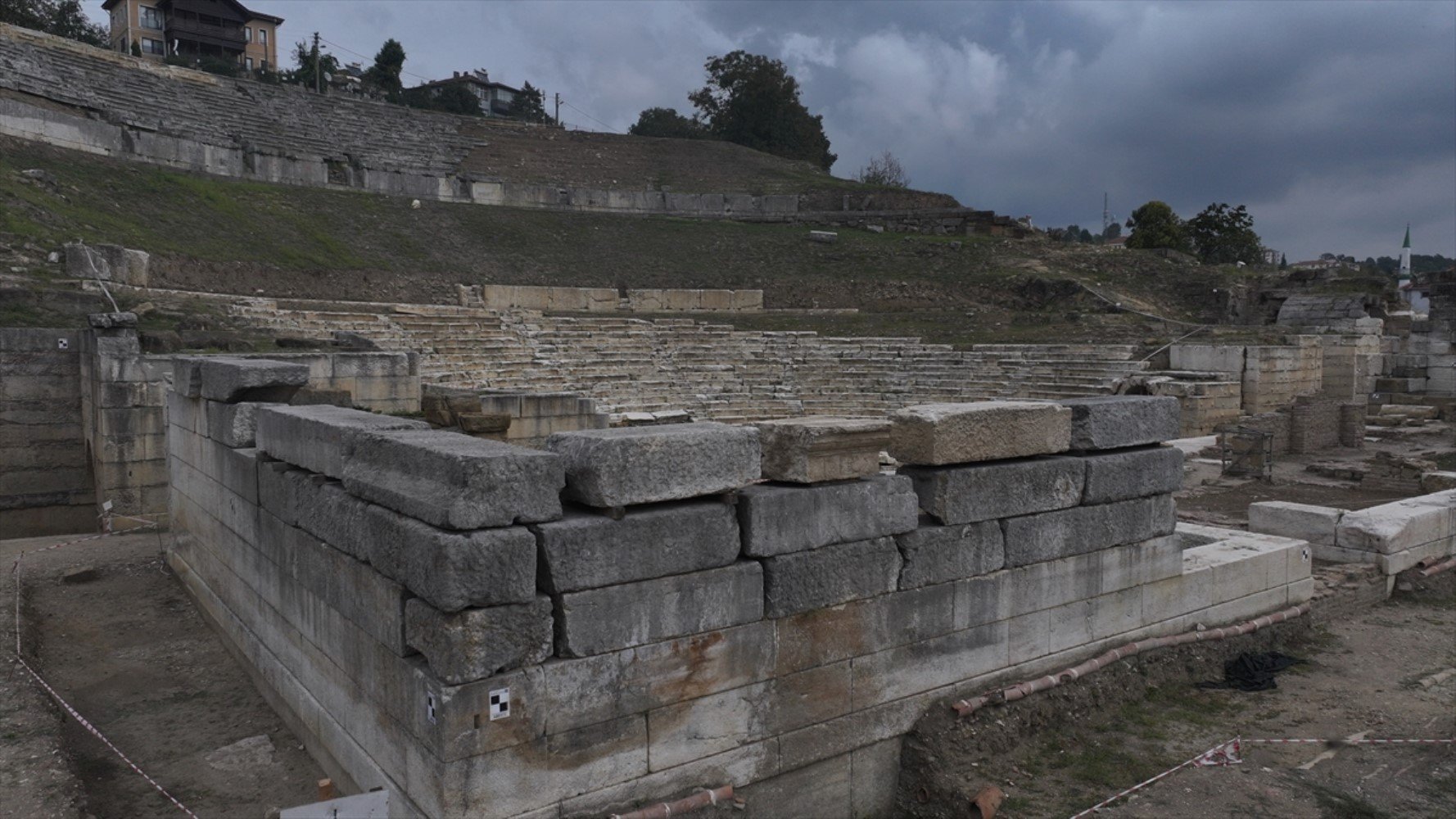
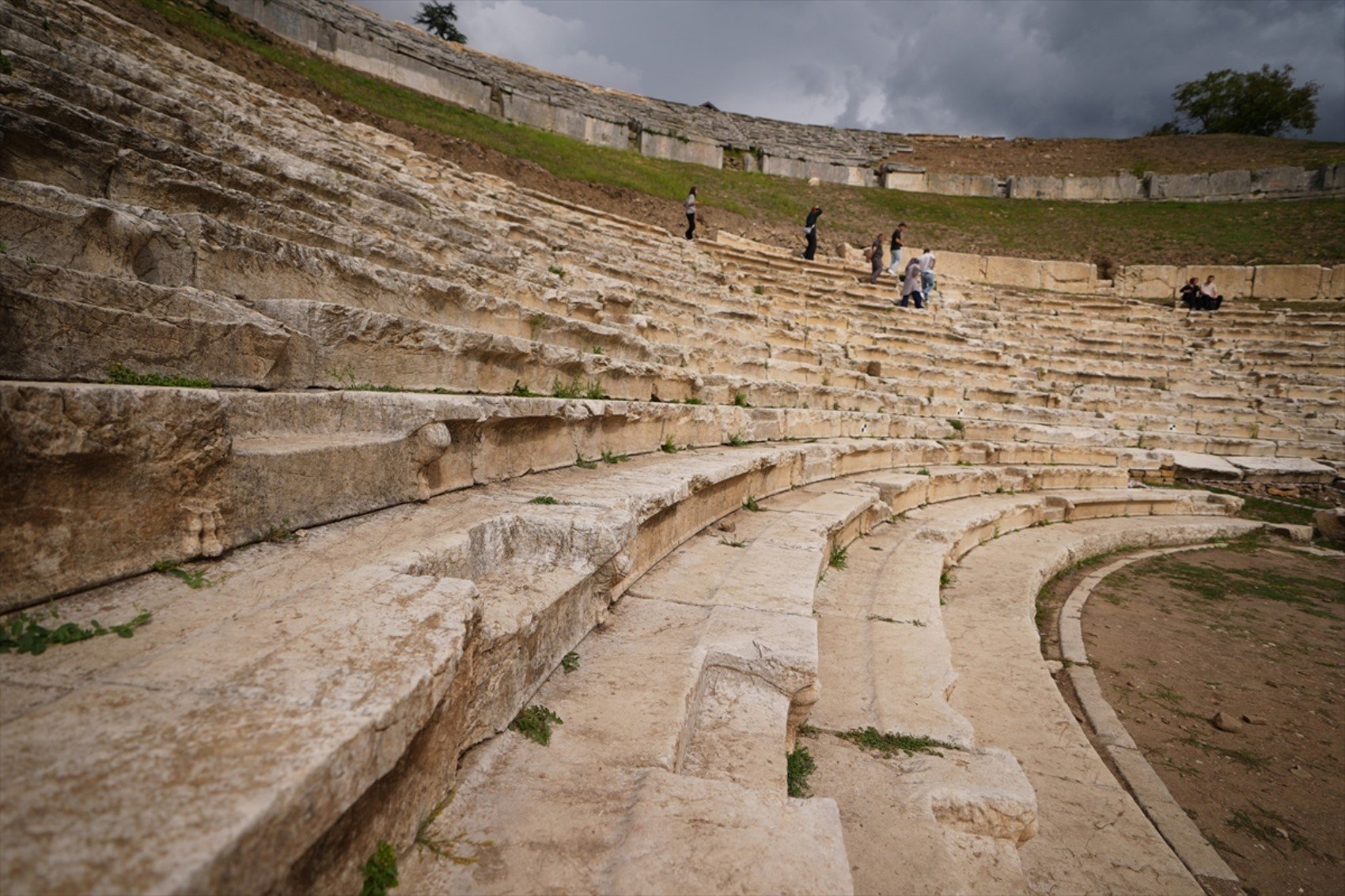
Despite this, the theater, which was unearthed largely intact, stands out as one of the best-preserved theaters not only in the Bithynia region but also in all of Anatolia.
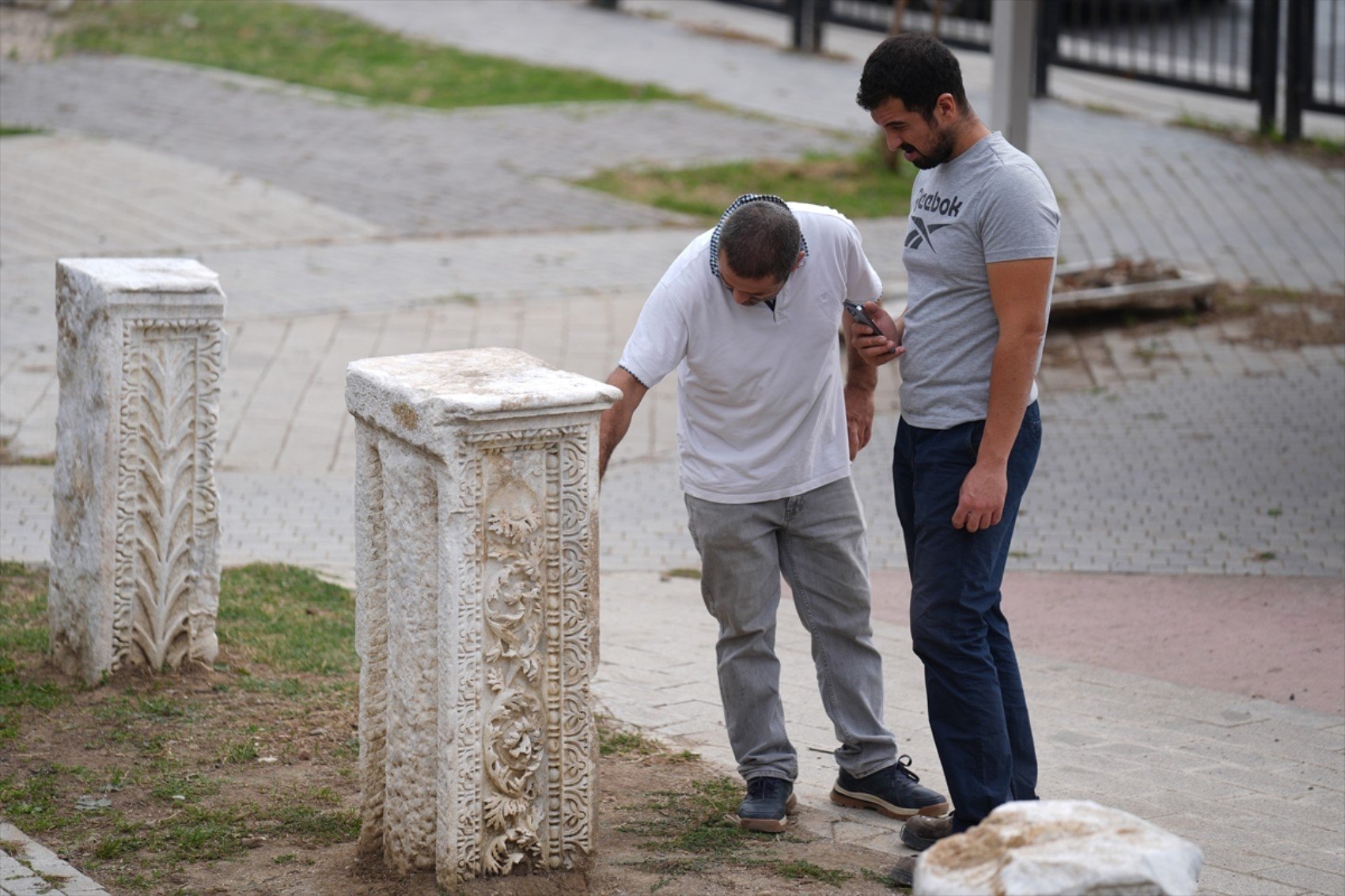
As part of the excavation work, an 1800-year-old portrait bust, believed to belong to M. Iulius Proklos, who commissioned the stage building of the ancient theater, was recently discovered last month.
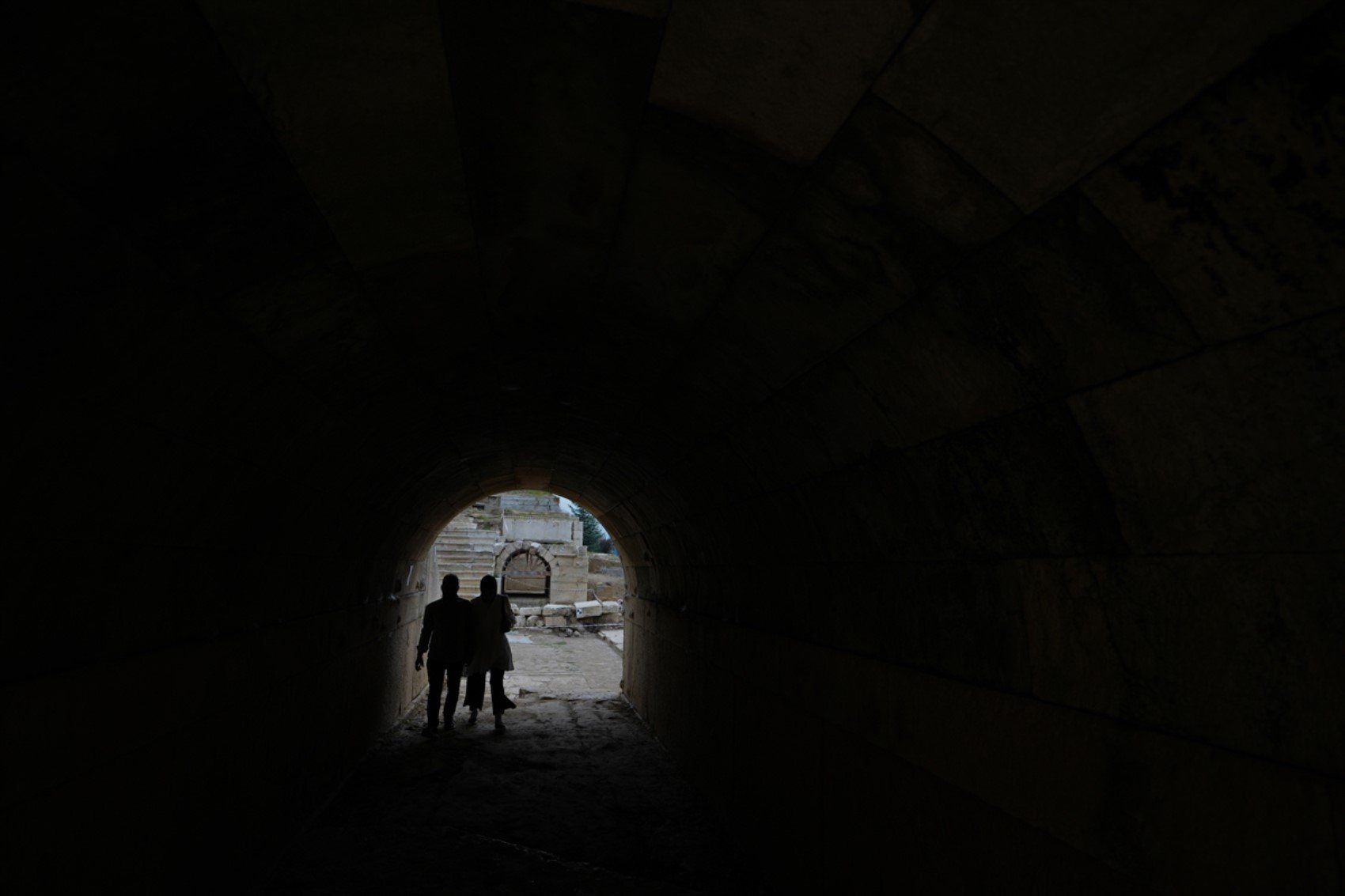
Caner Mutlu, an archaeologist at the Düzce Municipality Directorate of Cultural Affairs, stated that they have encountered significant findings during the excavations.
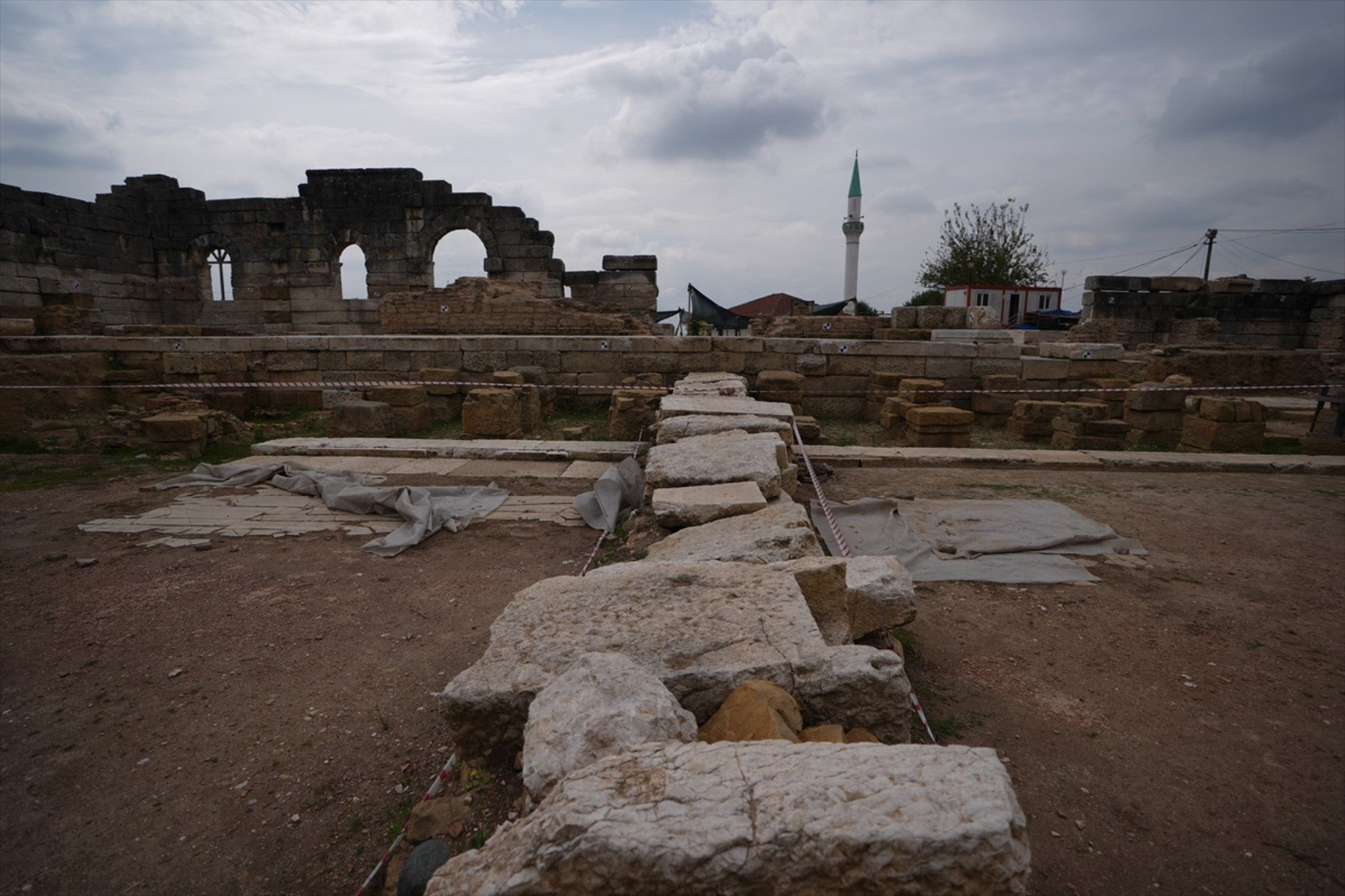
Mutlu noted that the lion mosaic located at the top of the theater section indicates that the region was one of the wealthiest cities of the period.
Stating that the bust they encountered during the excavations, which is considered to belong to M. Iulius Proklos, excited them and also attracted the attention of scientists, Mutlu said, "The discovery of this bust has served as a driving force, motivating us to work even harder in this field where we have put in so much effort."
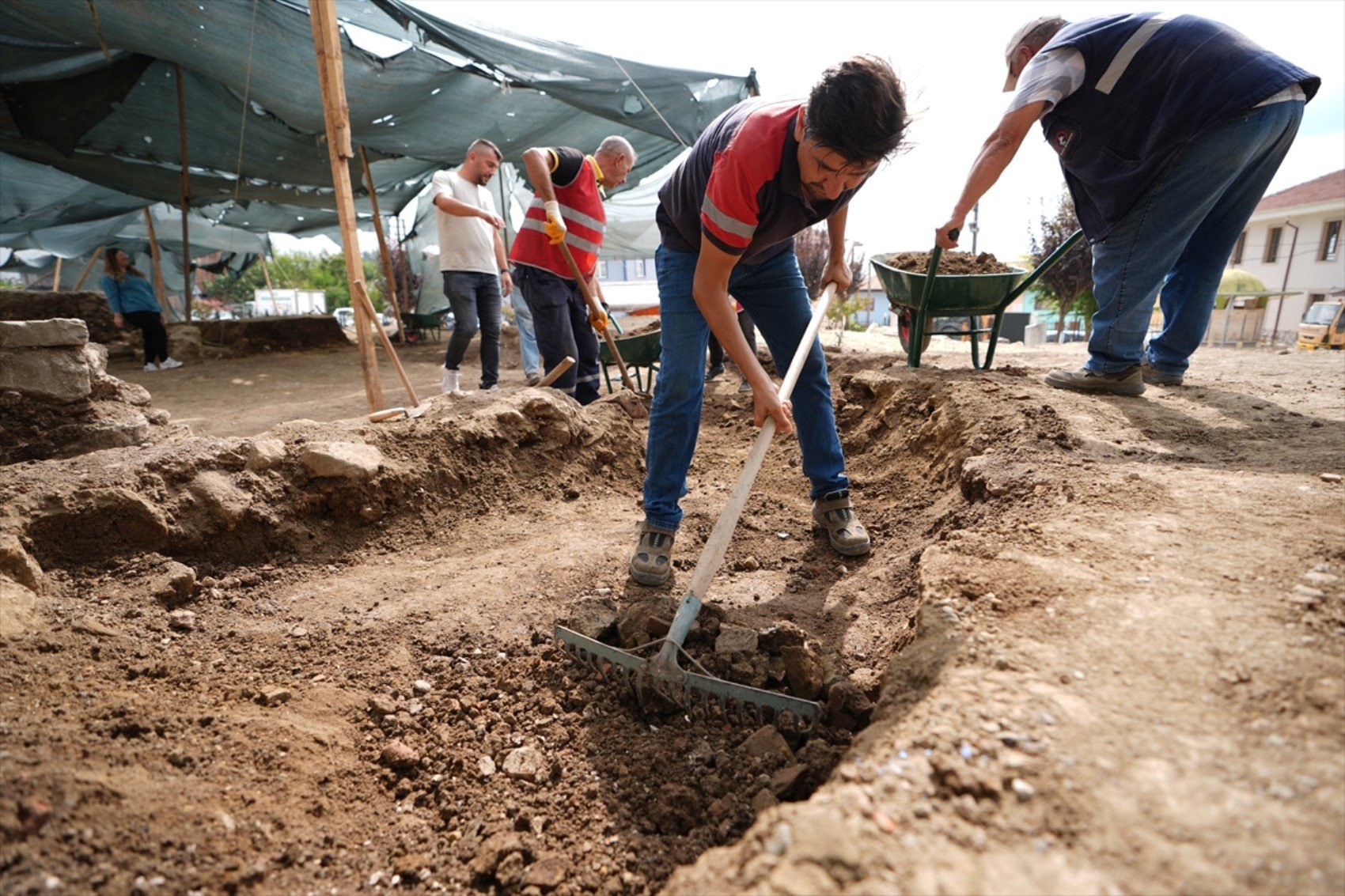
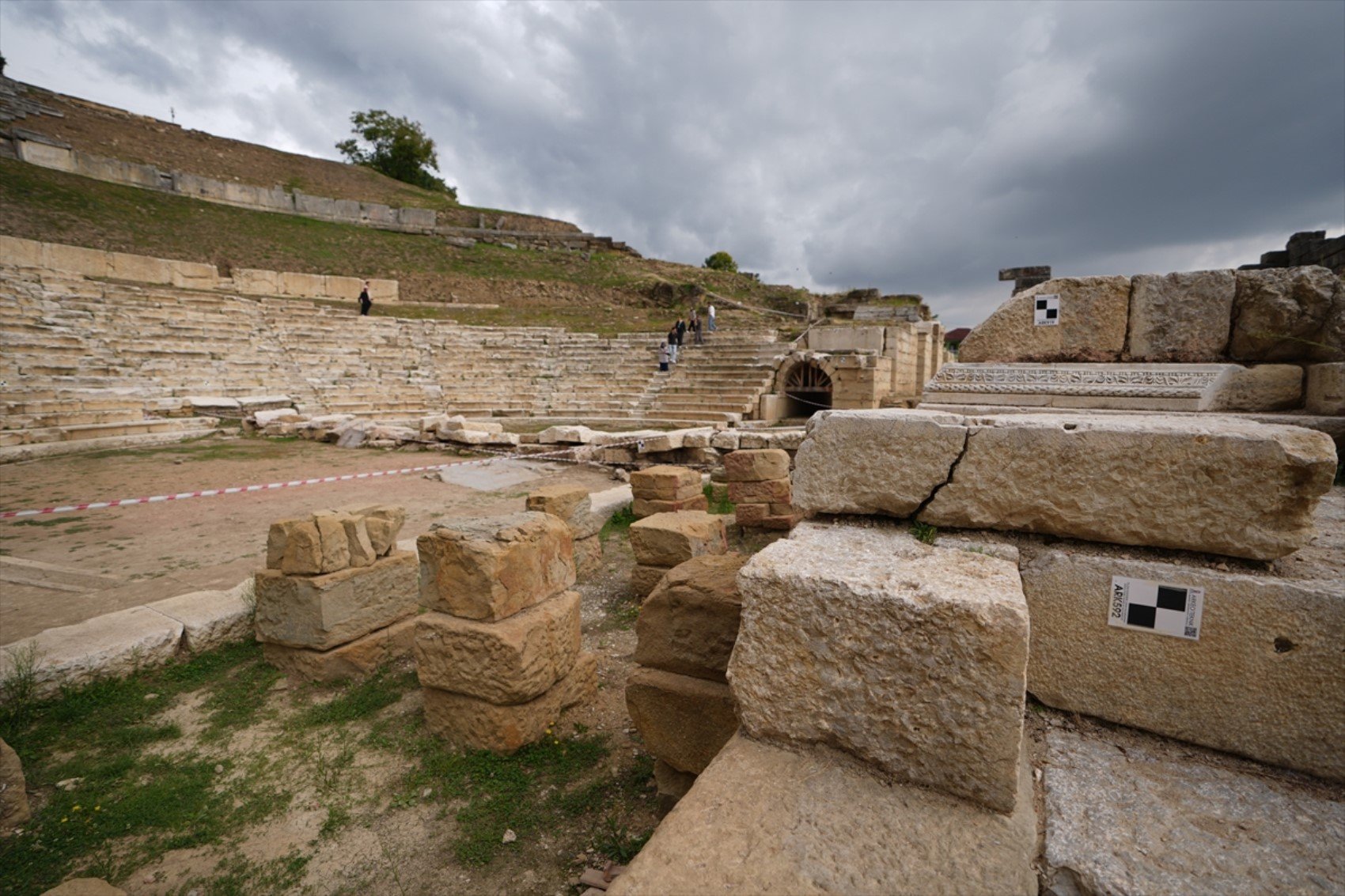
Mutlu explained that they have been continuing their work 7 days a week with a daily team of 37 personnel, 6 archaeologists, 1 art historian, and 1 restoration architect, stating, "We believe that the fill materials of the old structures in front of our stage building will be completely removed, and we are continuing our work in this direction. The work here is progressing rapidly. We are receiving significant support."
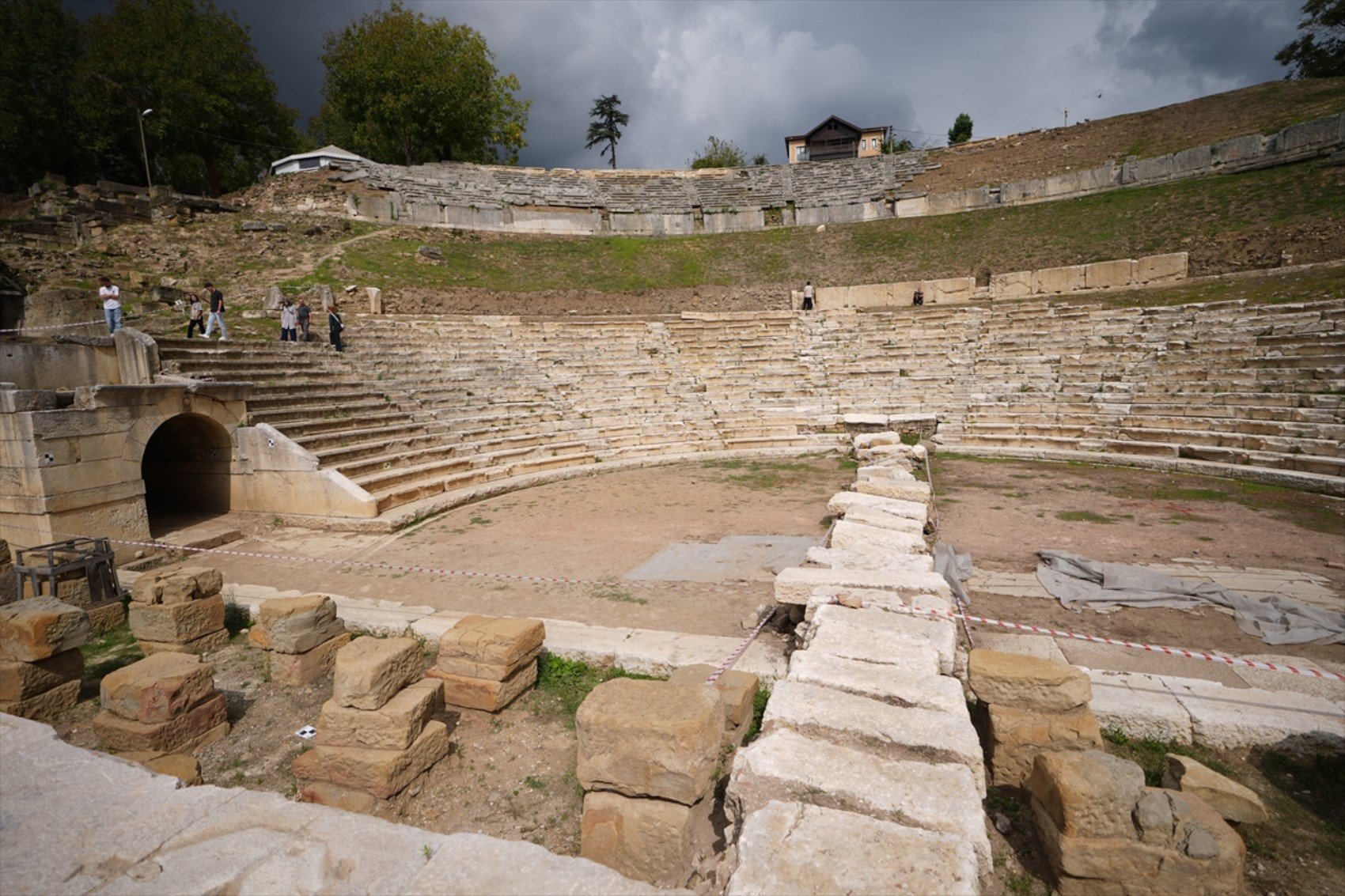
Stating that the region has recently attracted the attention of visitors, Mutlu said, "We are personally attending to our visiting citizens. In fact, there are works here similar to all the artifacts found in the ancient theaters in the Aegean and Mediterranean, and it offers an opportunity for a historical excursion for people living in the Western Black Sea Region. We are just beginning the restoration work, and the theater area is emerging completely original. When we look at comparable theaters, this is not a 'tired' theater like the others. It is not a theater that has been subjected to human intervention. I can say that especially the western part of the theater is identical to its original state. When we look at the capacity and originality of theaters in Turkey, I can say that this is the theater closest to the original. The theater is a great asset for the region in terms of cultural heritage."