Fake doctors on TikTok are spreading danger: Deepfake doctor warning!
Artificial intelligence-generated "TikDocs" are acting like real health experts, providing misleading medical advice and suggesting suspicious treatments. Cybersecurity company ESET has revealed the scale of the danger through its research and investigations, while also providing information on what users should watch out for. Here are the details...
12punto
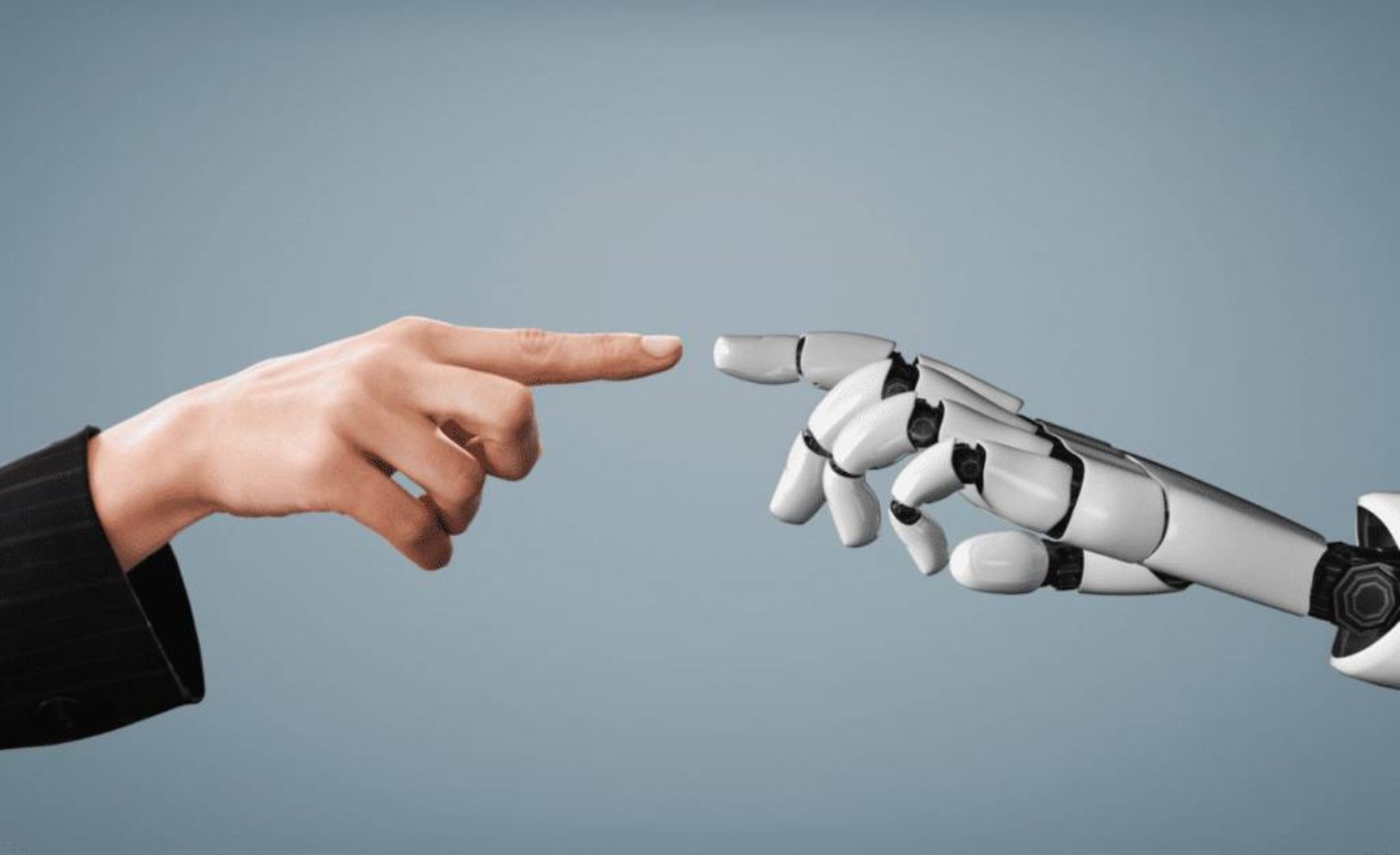
Once limited to research laboratories, generative artificial intelligence is now available to everyone; this includes those with malicious intent. These individuals are using AI tools not to foster creativity, but to fuel deception. Deepfake technology, which can create highly realistic videos, images, or audio, is becoming an increasingly common method not only for impersonating celebrities or attempting to influence public opinion, but also for identity theft and all manner of fraud.
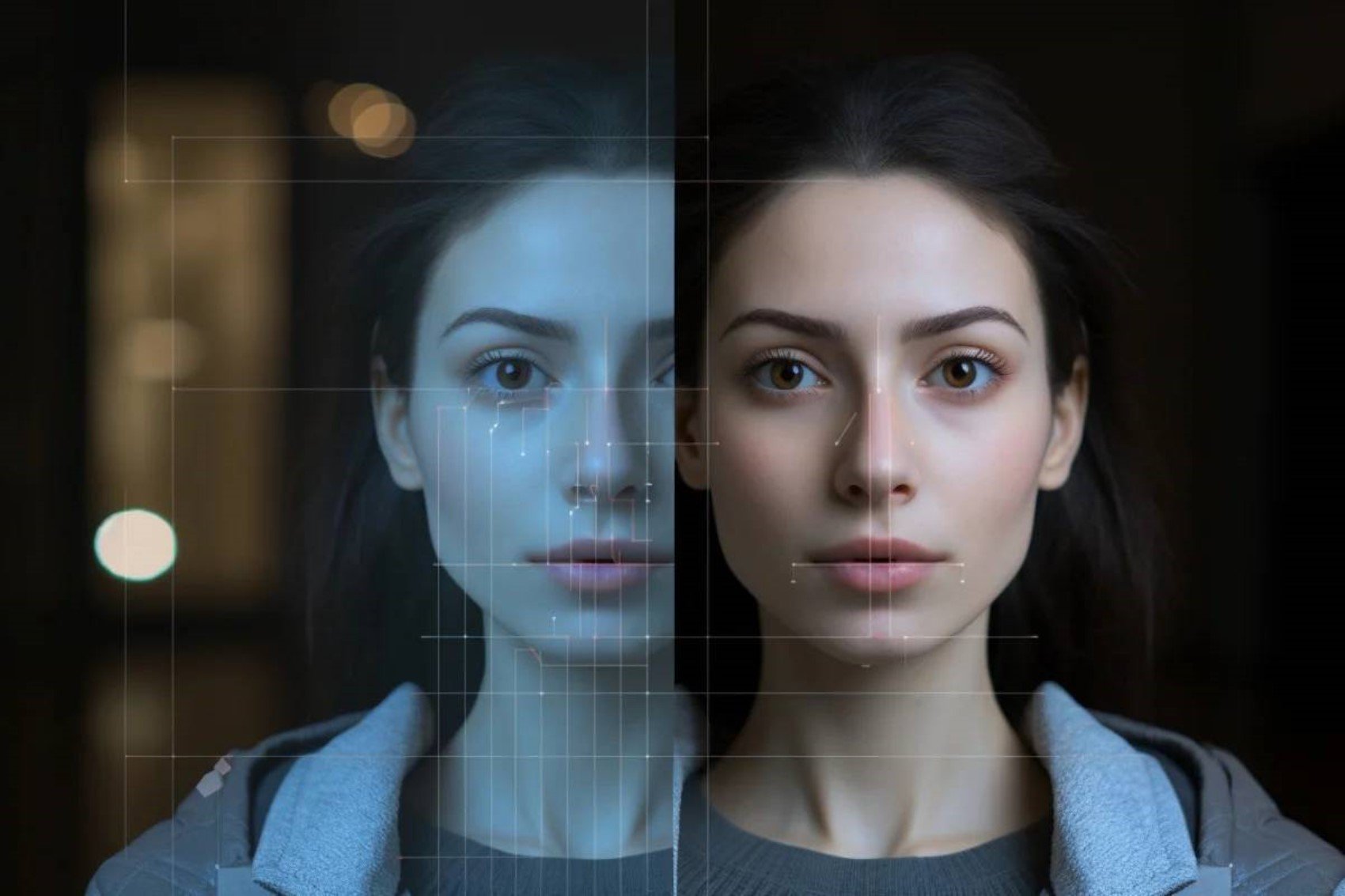
A TIKTOK DECEPTION
On social media platforms like TikTok and Instagram, the reach and potential for harm of deepfakes can be particularly staggering. Researchers recently encountered a campaign in Latin America where AI-generated avatars posed as gynecologists, nutritionists, and other health experts to promote supplements and wellness products. These videos, which are often highly polished and persuasive, disguise sales pitches as medical advice, leading careless individuals to make suspicious and potentially entirely risky purchases.
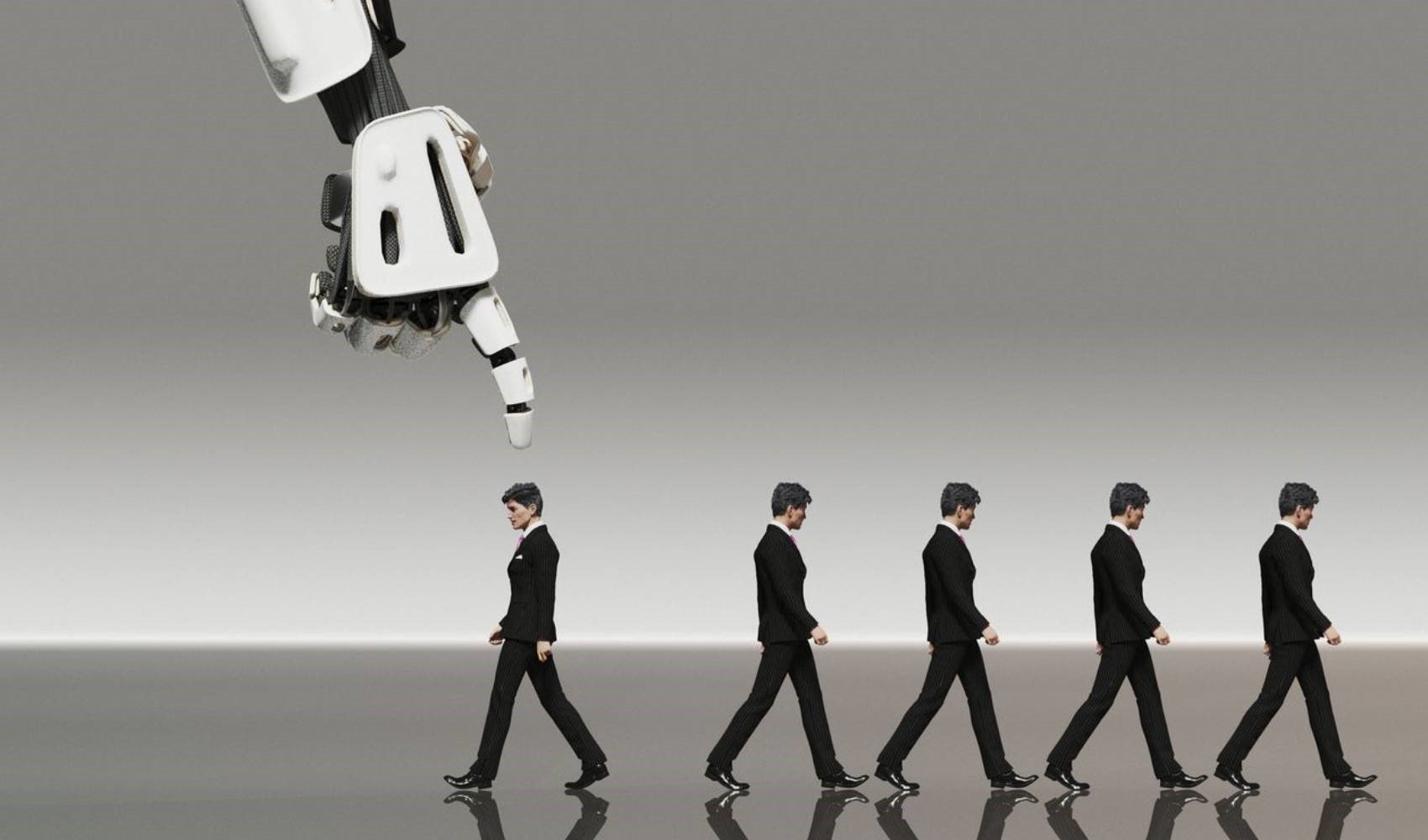
TRUST IS BEING EXPLOITED
Every video follows a similar scenario: A talking avatar, usually tucked into a corner of the screen, gives health or beauty tips. The advice, delivered with an air of authority, directs viewers to specific products for sale. By masquerading as expert advice, these deepfakes exploit trust to boost sales, and this tactic can be as effective as it is unethical. Other videos raise the stakes even further by promoting unapproved drugs or fake cures for serious illnesses, sometimes even impersonating real, well-known doctors.
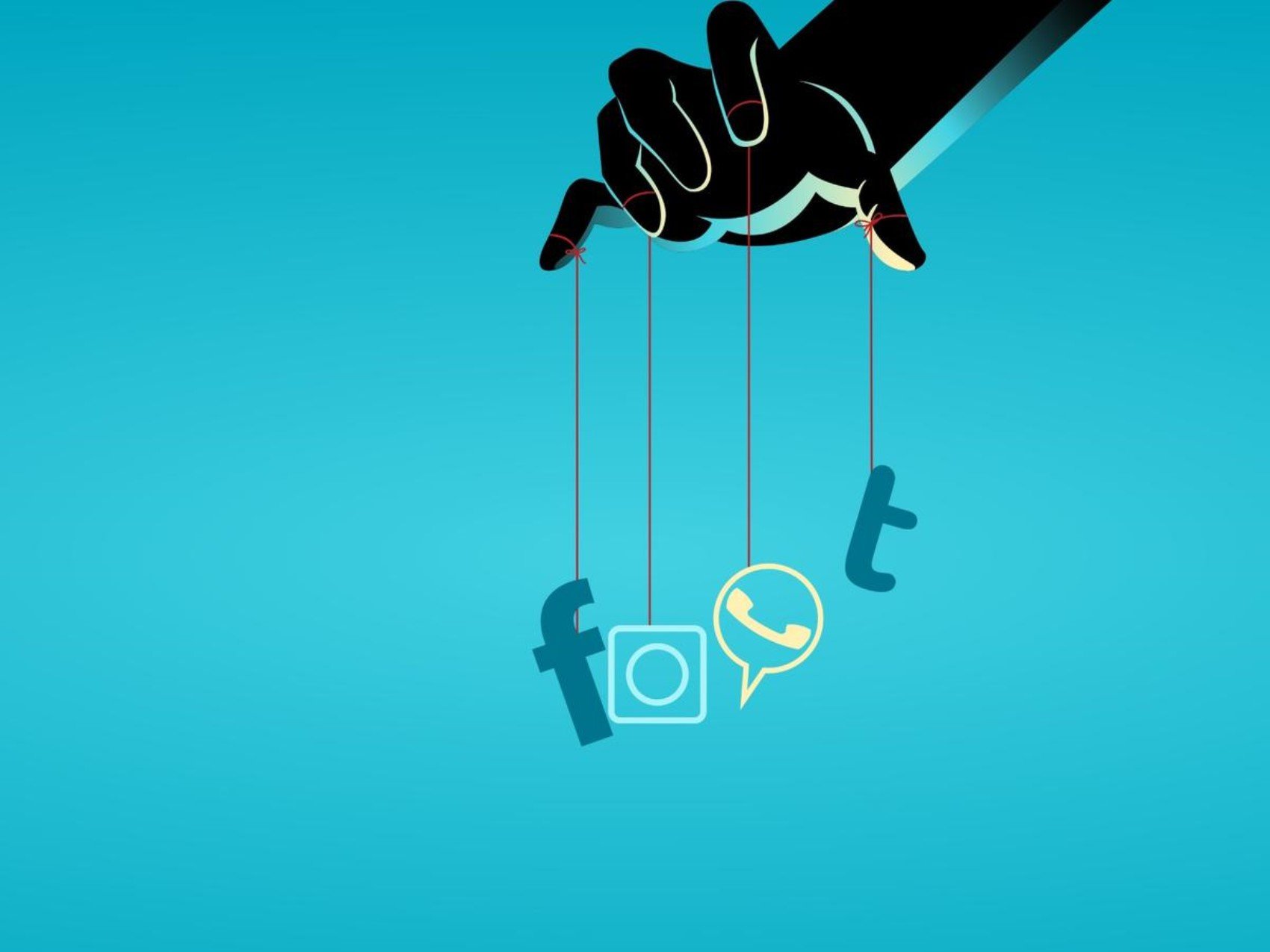
THE "RESCUE" LIE WITH AI ON TIKTOK
The videos are created with legitimate AI tools that allow anyone to upload short clips and turn them into a polished avatar. While this is a boon for influencers looking to scale their production, the same technology can be used for misleading claims and deception. What might work as a marketing gimmick can quickly turn into a mechanism for spreading misinformation.
AS IF THEY HAVE 13 YEARS OF EXPERIENCE...
ESET researchers identified more than 20 TikTok and Instagram accounts using deepfake doctors to promote their products. One of these, which posed as a gynecologist with 13 years of experience, was traced directly back to the app's avatar library. Such abuses violate the terms and conditions of common AI tools while also highlighting how easily they can be weaponized.
STAY AWAY FROM TIKTOK DANGERS
As artificial intelligence becomes more accessible, detecting these frauds becomes more difficult, posing a greater challenge even for tech-savvy users.
Here are a few signs that can help you detect deepfake videos:
- Lip movements that are not synchronized with the audio or stiff and unnatural facial expressions,
- Visual glitches such as blurry edges or sudden changes in lighting,
- A robotic or overly polished voice,
- Also check the account itself: New profiles with few followers or no history are suspicious,
- Beware of exaggerated claims such as “miracle cures,” “guaranteed results,” and “doctors hate this trick,” especially if they lack credible sources,
- Always verify claims with reliable medical sources, avoid sharing suspicious videos, and report misleading content to the platform.