Get ready for a cultural journey during Museums Week
One of the most special times has arrived for those who want to meet history, follow the traces of the past, and get to know our cultural heritage up close: Museums Week!
12punto
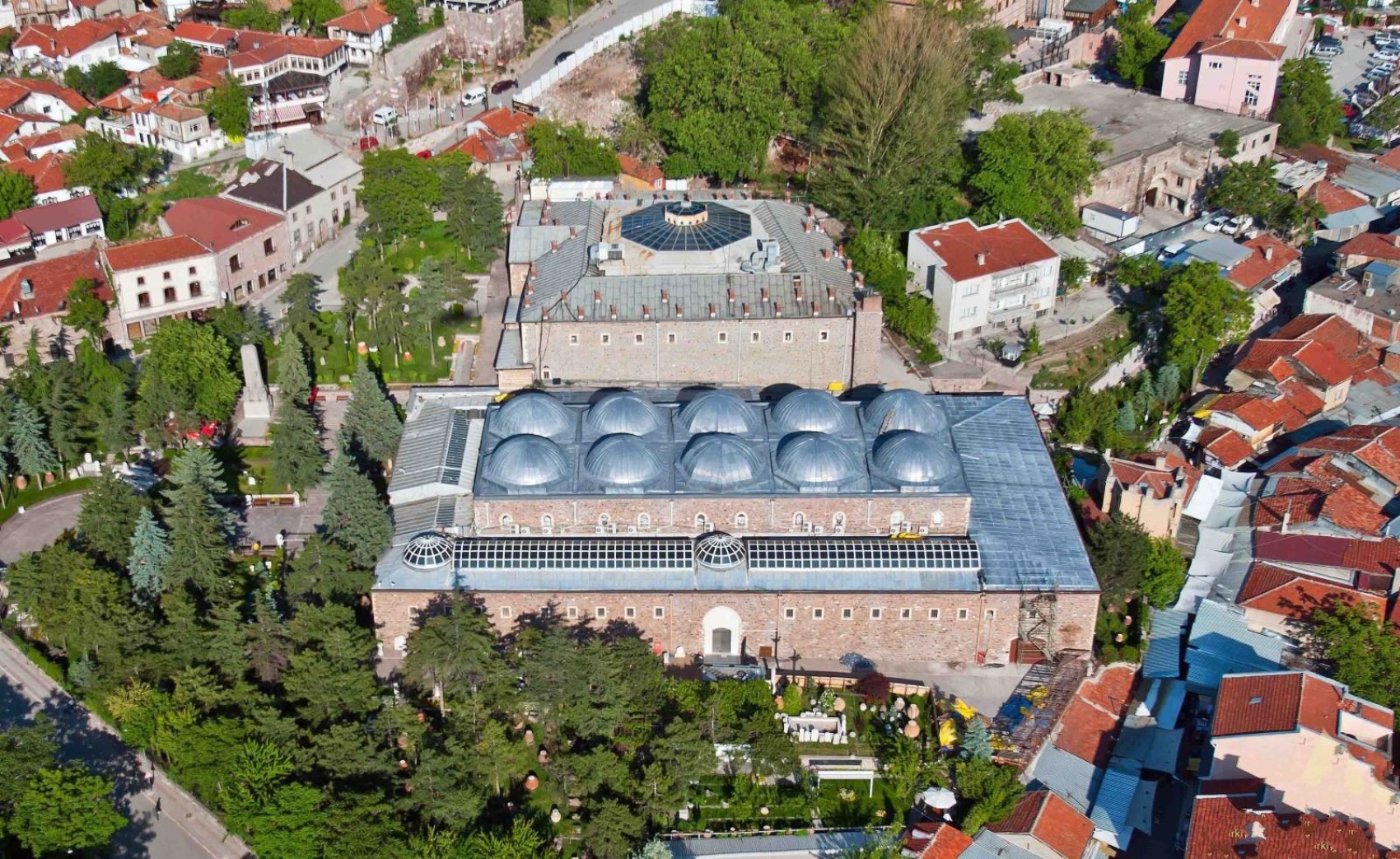
AN ANATOLIAN TALE: MUSEUM OF ANATOLIAN CIVILIZATIONS
The world-renowned Ankara Museum of Anatolian Civilizations, which dates back to 1921 and showcases Anatolia's rich archaeological history, is at the top of the list of places that must be visited in Ankara. Serving in the Mahmut Paşa Bedesten and Kurşunlu Han buildings dating back to the Ottoman period, the museum displays traces left by civilizations that lived in Anatolia, starting from the Paleolithic Age and including the Neolithic, Chalcolithic, Early Bronze Age, Assyrian Trade Colonies, Hittite, Phrygian, Urartian, and Roman periods, with thousands of years of artifacts from those eras exhibited in chronological order.
Selected as the European Museum of the Year in 1997 and housing unique collections containing many archaeological artifacts from ancient times, the Ankara Museum of Anatolian Civilizations is one of the most important museums in the world and ranks among the world's leading archaeology museums. Artifacts are exhibited in separate halls in chronological order. The upper hall features the Paleolithic Age, Early Bronze Age, Old Hittite Age and Hittite Empire, Phrygian Kingdom, Late Hittite Kingdom, and Urartian Kingdom, while the lower hall contains pieces from Ankara and the classical periods.
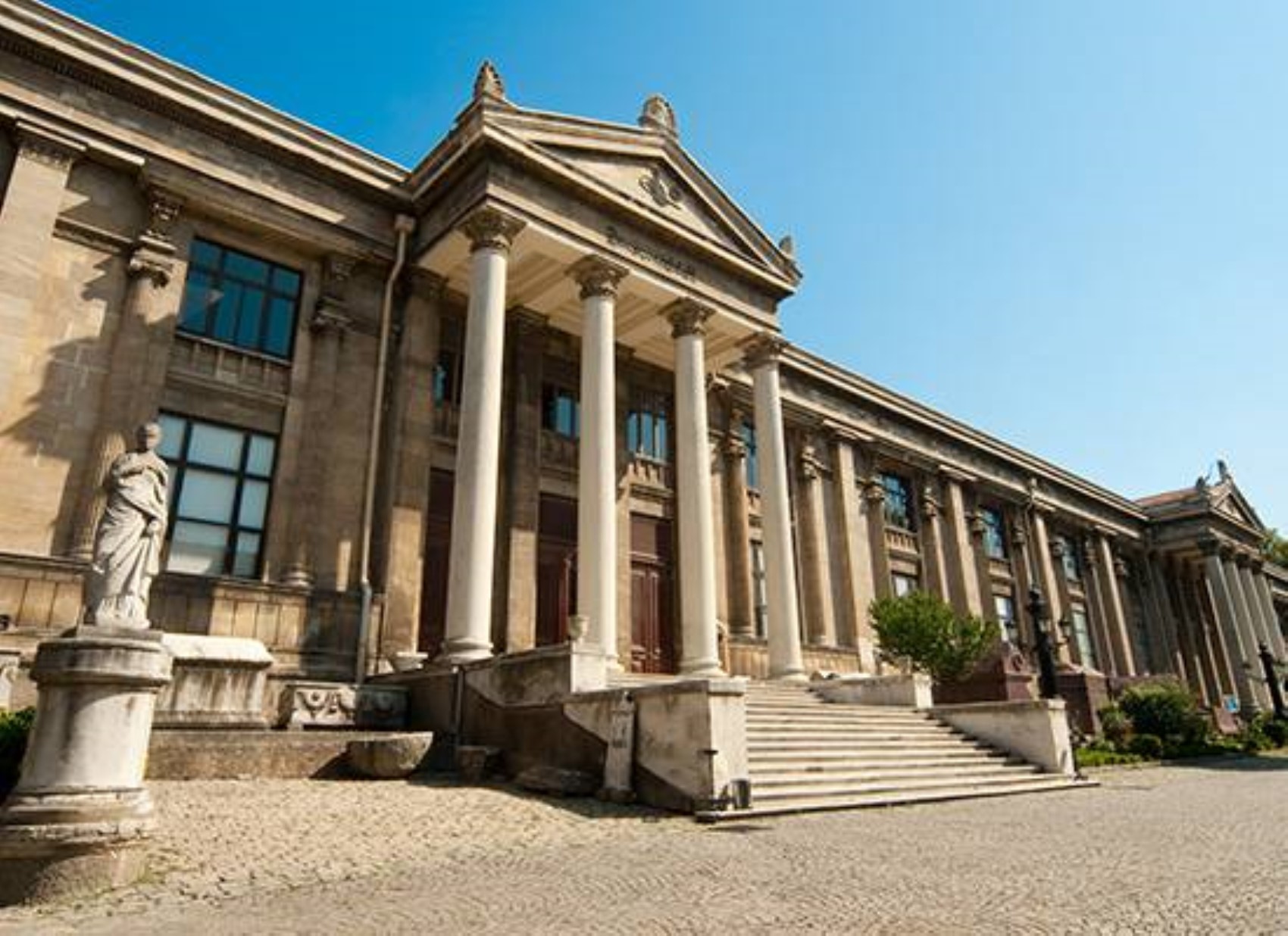
AN ANCIENT HISTORY: ISTANBUL ARCHAEOLOGY MUSEUMS
Located in the very heart of Istanbul, the Istanbul Archaeology Museums, which are among the first institutional museums of the Ottoman Empire and were founded in 1891 by the famous archaeologist of the period, Osman Hamdi Bey, host artifacts brought from a vast geography ranging from Troy to Egypt, and from Mesopotamia to Anatolia and the Balkans. Always fascinating history enthusiasts with its rich collection, the museum consists of three main units: the "Archaeology Museum," the "Museum of the Ancient Orient," and the "Tiled Kiosk." It exhibits hundreds of thousands of artifacts that shed light on human history, such as the Alexander Sarcophagus, the Sarcophagus of the Mourning Women, the Sidon Royal Necropolis, the cuneiform tablet of the Treaty of Kadesh, Babylonian and Assyrian reliefs, ancient statues, grave stelae, coin collections, and documents from the Ottoman period. If you are interested in art and history, the Istanbul Archaeology Museum, which reflects the cultural diversity and richness of the world and is unique with its historical texture and impressive atmosphere, should be at the top of your list of things to do in Istanbul.
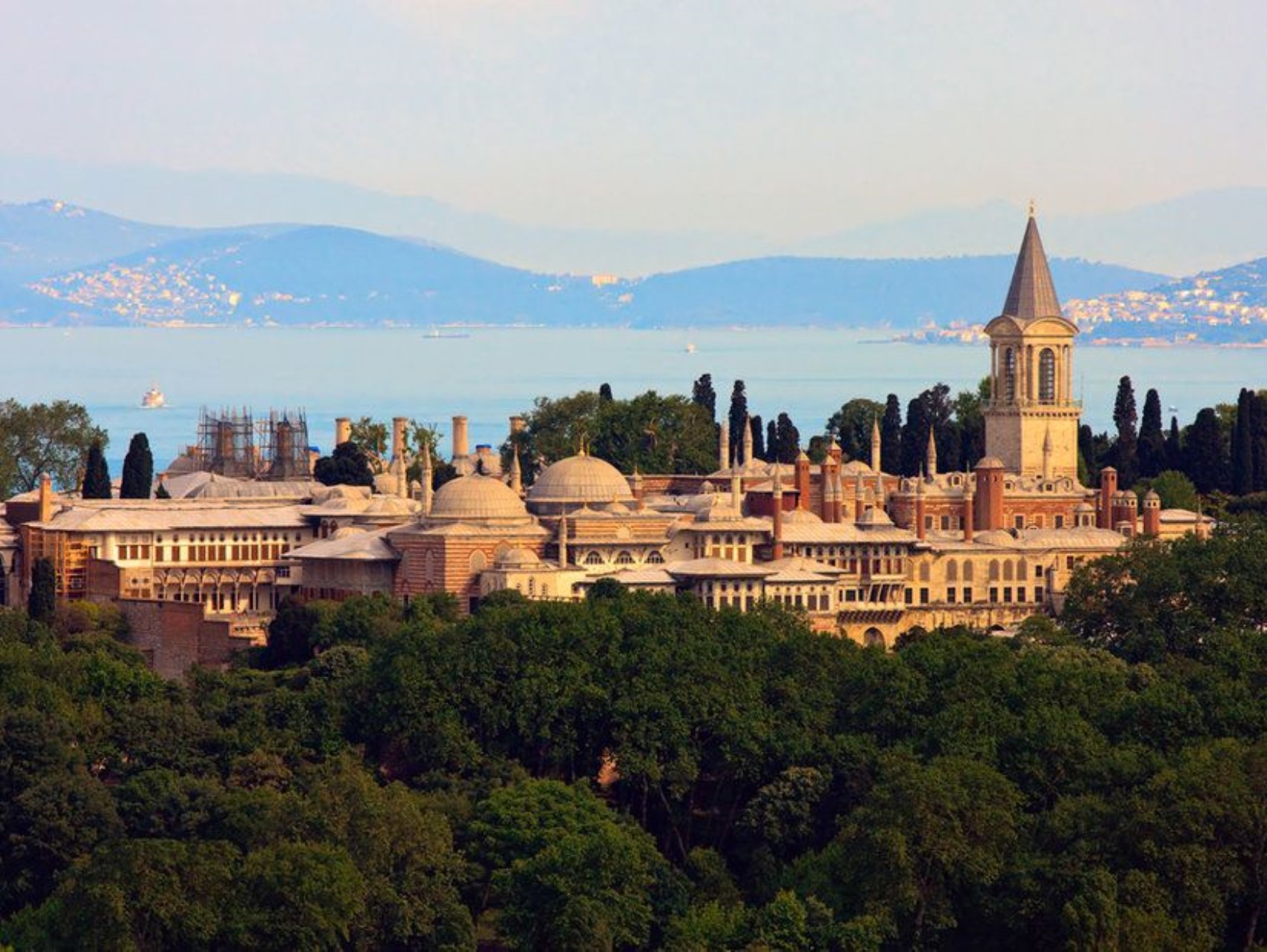
FROM THE PAST TO THE PRESENT: ISTANBUL TOPKAPI PALACE
Situated on a hill overlooking the Sea of Marmara, the Bosphorus, and the Golden Horn, Topkapı Palace, built in the 15th century by Fatih Sultan Mehmet, is not only a sovereign's residence but also one of the unique works that played an important role as the center of administration, culture, and art of the Ottoman Empire for 400 years. In Topkapı Palace, where every corner is full of elegance and history and which reflects the traces of Ottoman life and palace culture in all its glory, you can visit impressive sections such as the Harem, the Chamber of the Holy Relics, the Imperial Council (Divan-ı Hümayun), the Enderun Courtyards, the sultan's thrones, the Spoonmaker's Diamond, and rich porcelain collections. In the museum, it is possible to see rare Islamic works and valuable historical artifacts such as the world-famous Topkapı Dagger, as well as the personal belongings of the sultans. If you want to discover the splendor of the past in Istanbul, you can turn your route to Topkapı Palace with its view overlooking the Bosphorus, magnificent architecture, and unique collections.
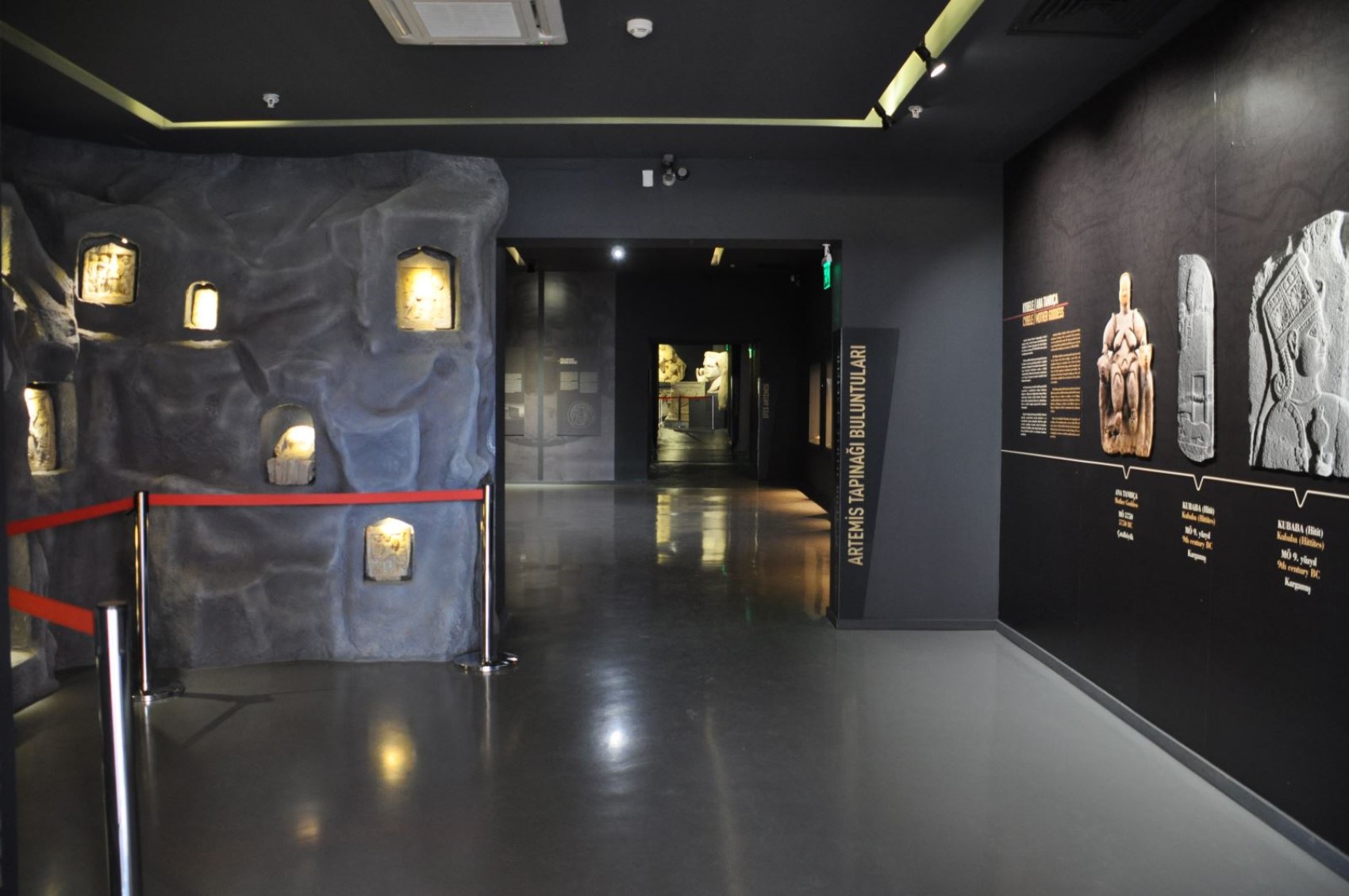
A JOURNEY TO THE ANCIENT WORLD: IZMIR EPHESUS MUSEUM
The Ephesus Museum, located in the ancient city of Ephesus, one of the most important cities of the ancient period in the Selçuk district of İzmir, is also one of the unique museums worth seeing, taking its visitors back thousands of years and connecting them with a deep-rooted history. The museum's collection, which includes numerous artifacts from the Roman, Hellenistic, Byzantine, and Archaic periods, features many fascinating pieces such as statues from the Temple of Artemis, busts from the Roman period, ancient jewelry, sarcophagi, marble reliefs, mosaics, and the legendary Statue of Artemis of Ephesus. In the Ephesus Museum, which carries the splendor of the ancient age to the present day, it is also possible to see traces of the daily life of the people of Ephesus. Artifacts brought from the Temple of Artemis and findings regarding the lives of gladiators are among the highlights of the museum. If you want to trace history while visiting İzmir, be sure to turn your route to the Ephesus Museum.
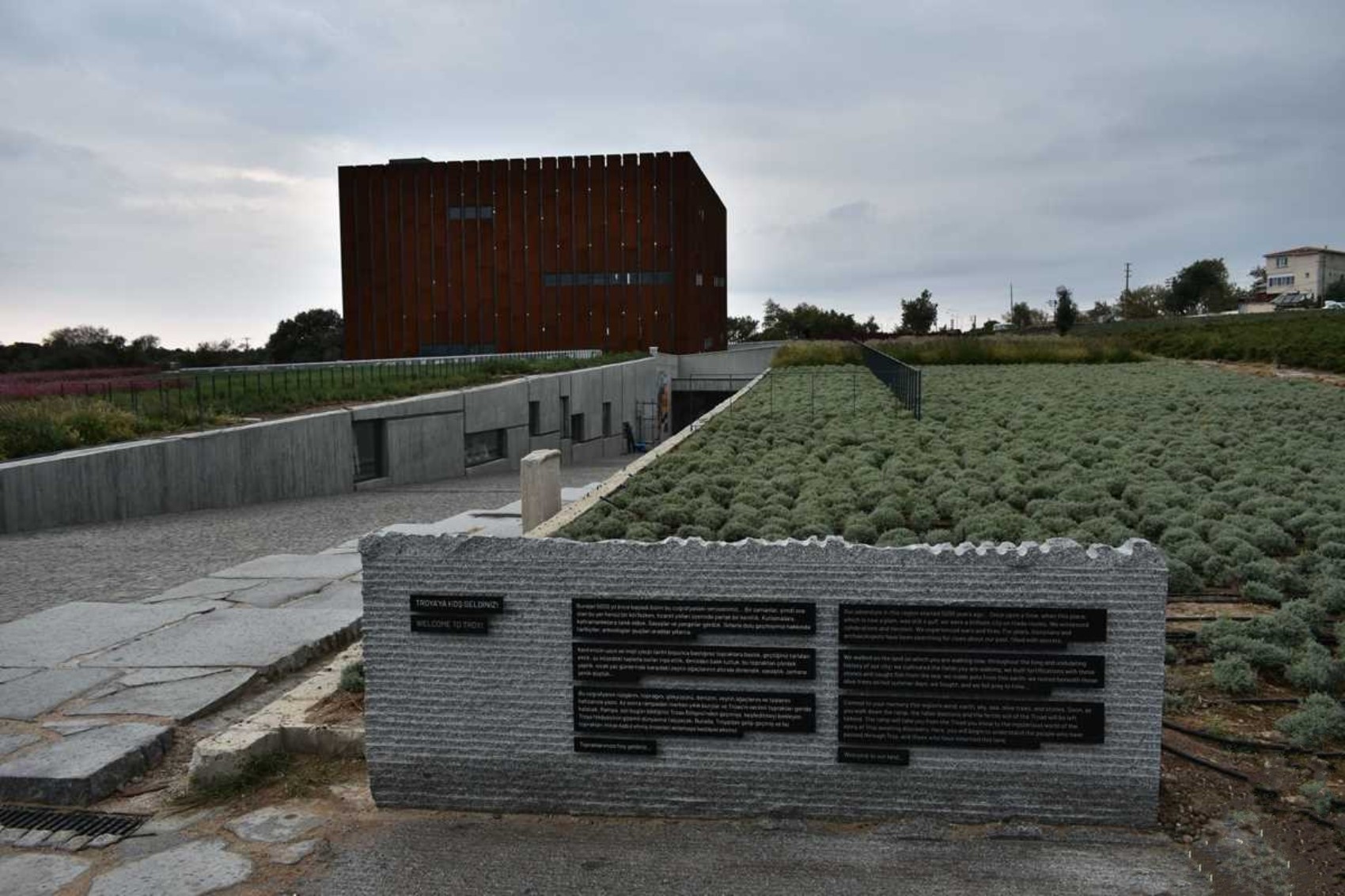
IN THE FOOTSTEPS OF EPICS: ÇANAKKALE TROY MUSEUM
Located at the entrance of the legendary Ancient City of Troy in Çanakkale, which was included in the UNESCO World Heritage List in 1998, the Troy Museum carries our cultural heritage to the present day with a modern understanding. Appealing to visitors of all ages with its educational and interactive presentations, the Troy Museum is one of the first museums that those who want to feel the magic of the ancient world up close should discover. You can start your exploration at the Troy Museum by observing the ramp walls where the different layers of Troy are explained with tombstones, statues, and large-scale photographs inside niches. In the museum, which has a 3,000-square-meter exhibition hall and an 11,200-square-meter indoor area, many artifacts such as tear bottles, ornaments, jewelry, and pottery that reveal past lives, as well as stones, sarcophagi, statues, inscriptions, terracotta, and war tools unearthed during the Troy excavations are exhibited.
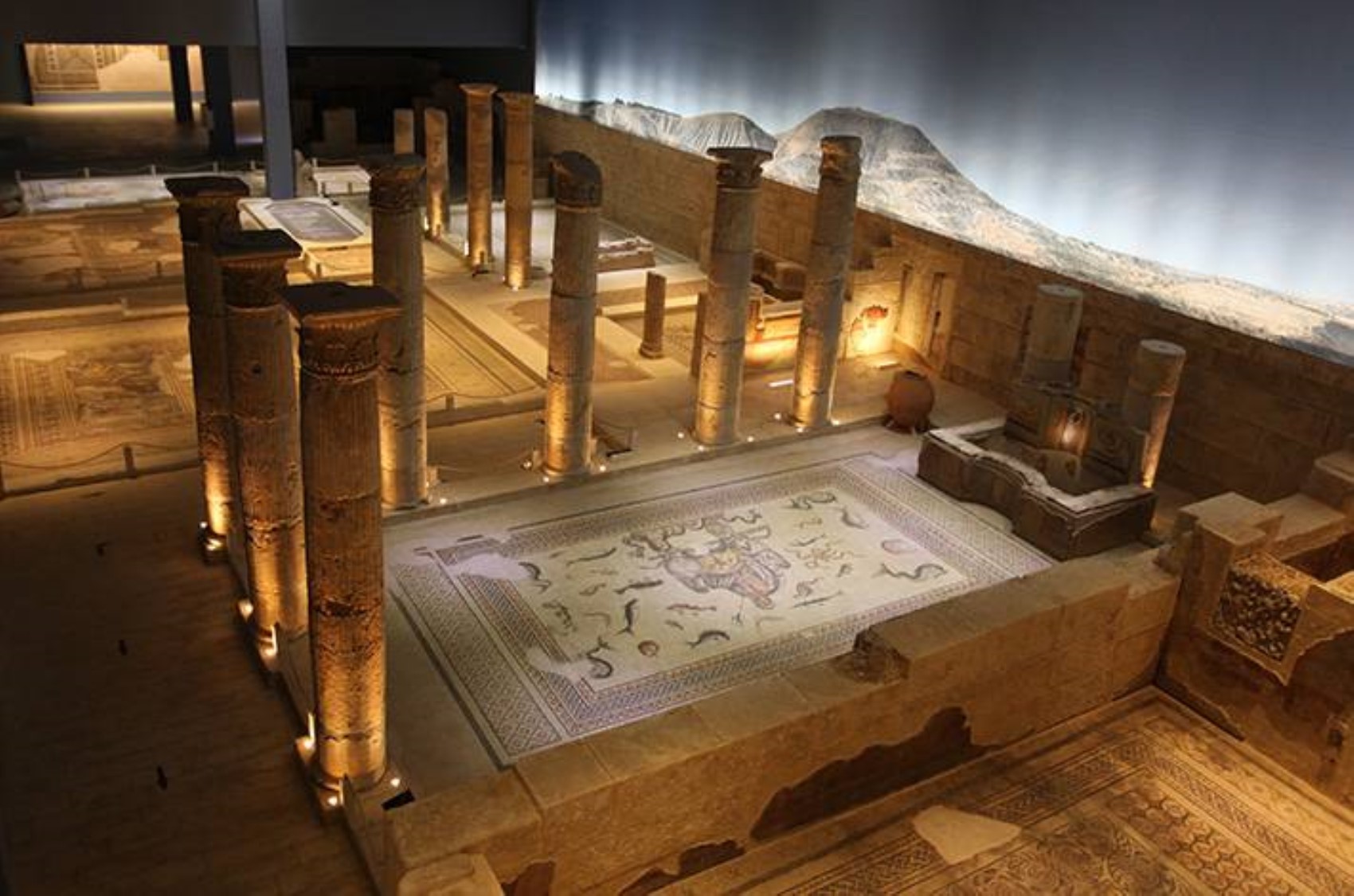
THE MAGIC OF MOSAICS: GAZIANTEP ZEUGMA MOSAIC MUSEUM
The Zeugma Mosaic Museum in Gaziantep, one of the largest mosaic museums in the world, is also a unique museum worth seeing. The museum, where mosaics unearthed from the ancient city of Zeugma, which was established on the banks of the Euphrates River and remained underwater, are exhibited, is a unique museum that reveals the aesthetic understanding and lifestyle of thousands of years ago. In the museum, which houses the "Gypsy Girl" mosaic, world-famous for its mysterious gaze, there are also Roman-period statues, massive floor mosaics depicting mythological scenes, frescoes, sculptures, and many archaeological artifacts related to daily life. Designed with a modern museology approach, the Zeugma Mosaic Museum offers its visitors an unforgettable experience not only with its artifacts but also with its impressive presentations and digitally supported narratives.
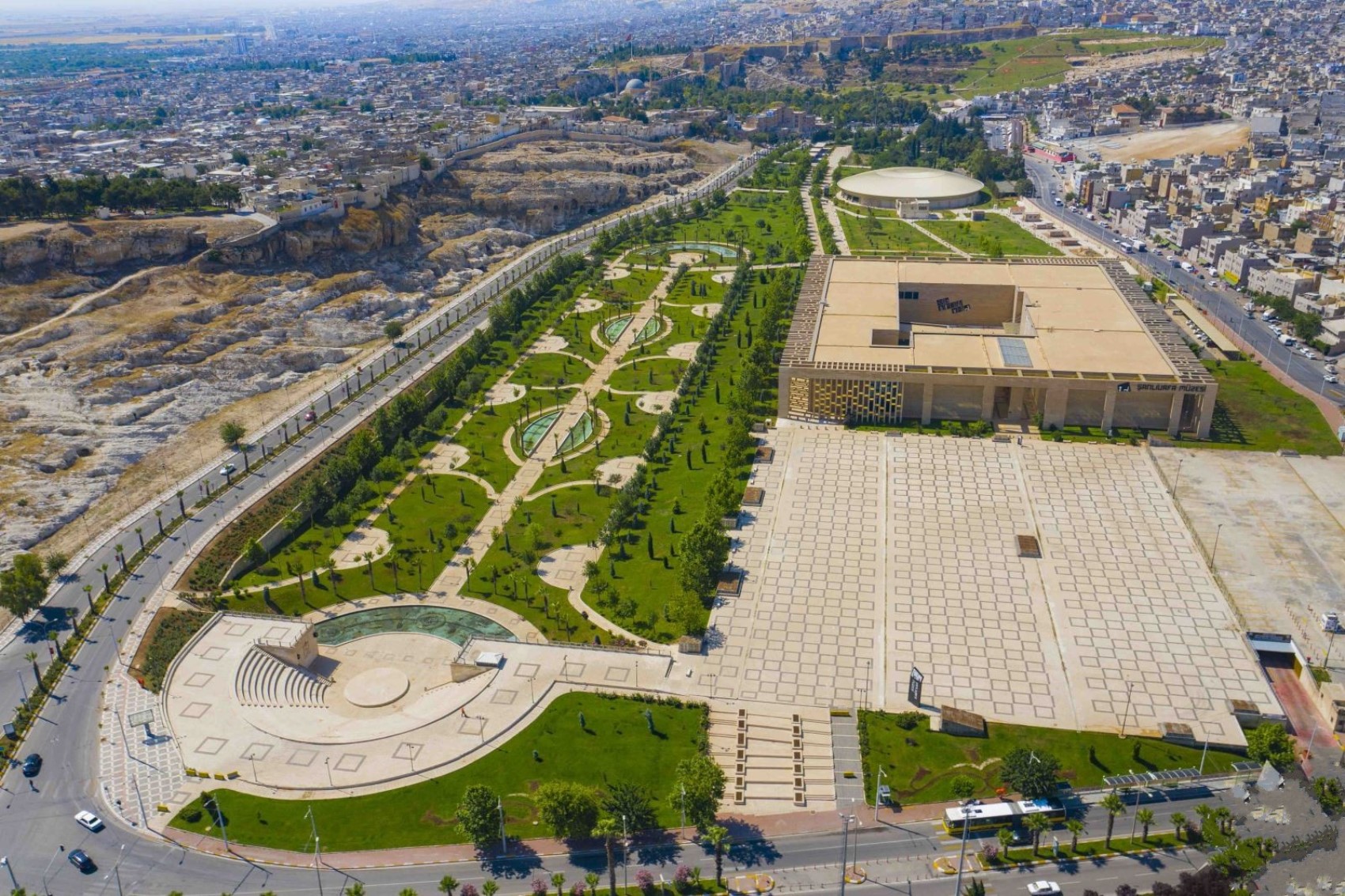
A JOURNEY TO THE ZERO POINT: ŞANLIURFA ARCHAEOLOGY MUSEUM
Located in the heart of Mesopotamia with its thousands of years of history, Şanlıurfa holds the oldest traces of human history. One of the most important addresses that brings this deep-rooted past to light is the Şanlıurfa Archaeology Museum. The museum, which houses artifacts obtained from many important excavation sites in the region, especially Göbeklitepe, takes its visitors on a journey through time. In the Şanlıurfa Archaeology Museum, one of Turkey's largest and most modern archaeology museums, there are many artifacts belonging to a wide time frame extending from the Paleolithic Age to the Roman Period. In particular, the statues belonging to Göbeklitepe, which provides important clues about the world's oldest known temple, and the replicas of T-shaped obelisks attract great attention from visitors. The Şanlıurfa Archaeology Museum offers not just a visit, but also an opportunity to witness the birth of humanity for archaeology enthusiasts and history lovers.
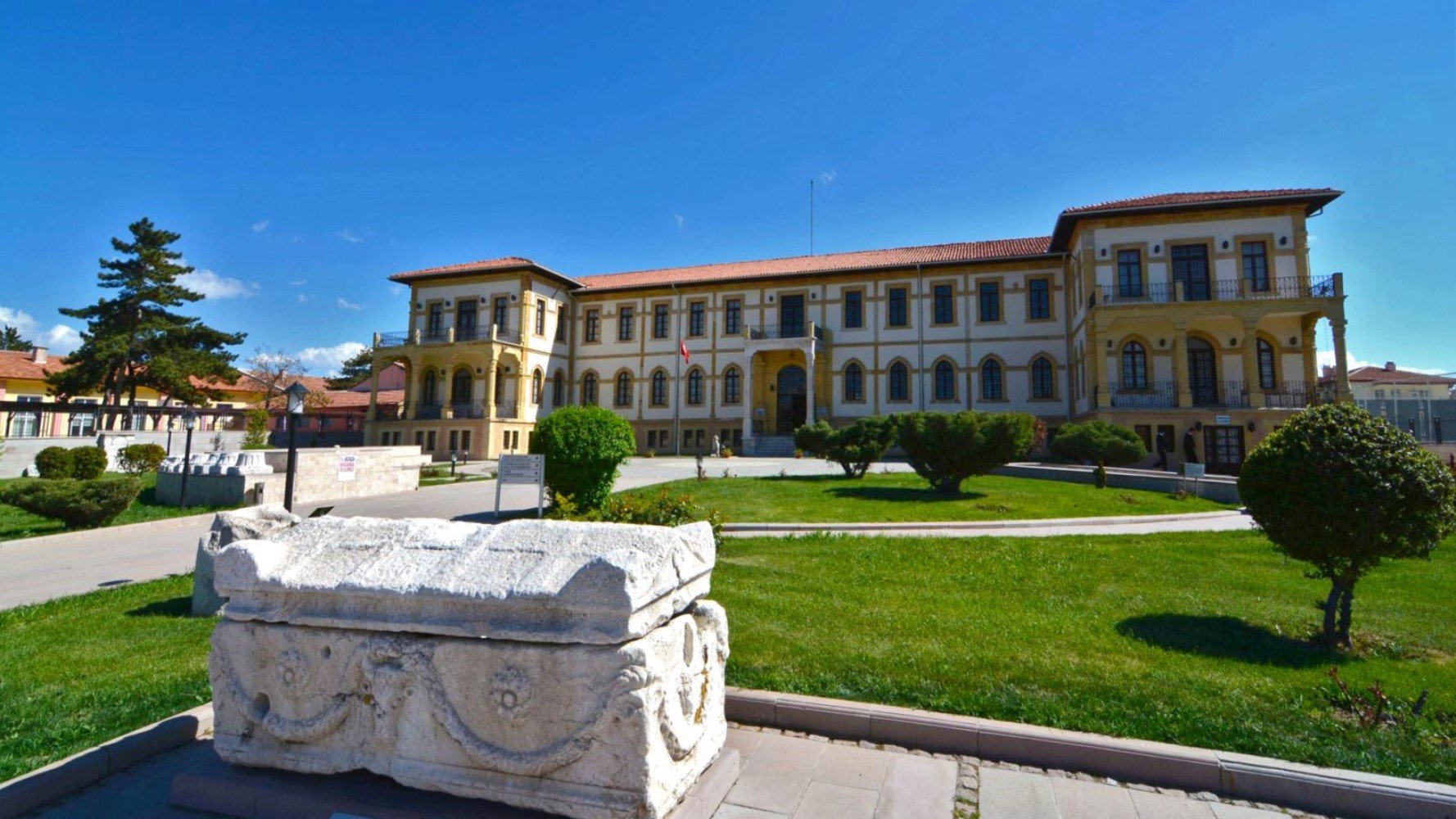
THE SILENT WITNESS OF HISTORY: ÇORUM MUSEUM
The Çorum Museum, located in the center of Çorum, which is home to Hattusa, the capital of the Hittite civilization, and which fascinates its visitors with thousands of years of artifacts unearthed in excavations in and around Hattusa, is also one of the most popular museums worth seeing in Anatolia. The museum, where artifacts from the Chalcolithic, Early Bronze Age, Phrygian, Roman, and Byzantine periods are exhibited, offers archaeology enthusiasts the opportunity to witness time. The museum exhibits artifacts unearthed from important excavation sites such as Alacahöyük, Boğazköy (Hattusa), Ortaköy (Şapinuva), and Eskiyapar. There are many artifacts that shed light on history, such as tablets belonging to the Hittites, god figurines, daily life items, and impressive cuneiform documents. If you want to discover the hidden treasures of Anatolia, you must see the Çorum Museum.