Historic stagnation in second-hand car sales: Sales period exceeds 2.5 months
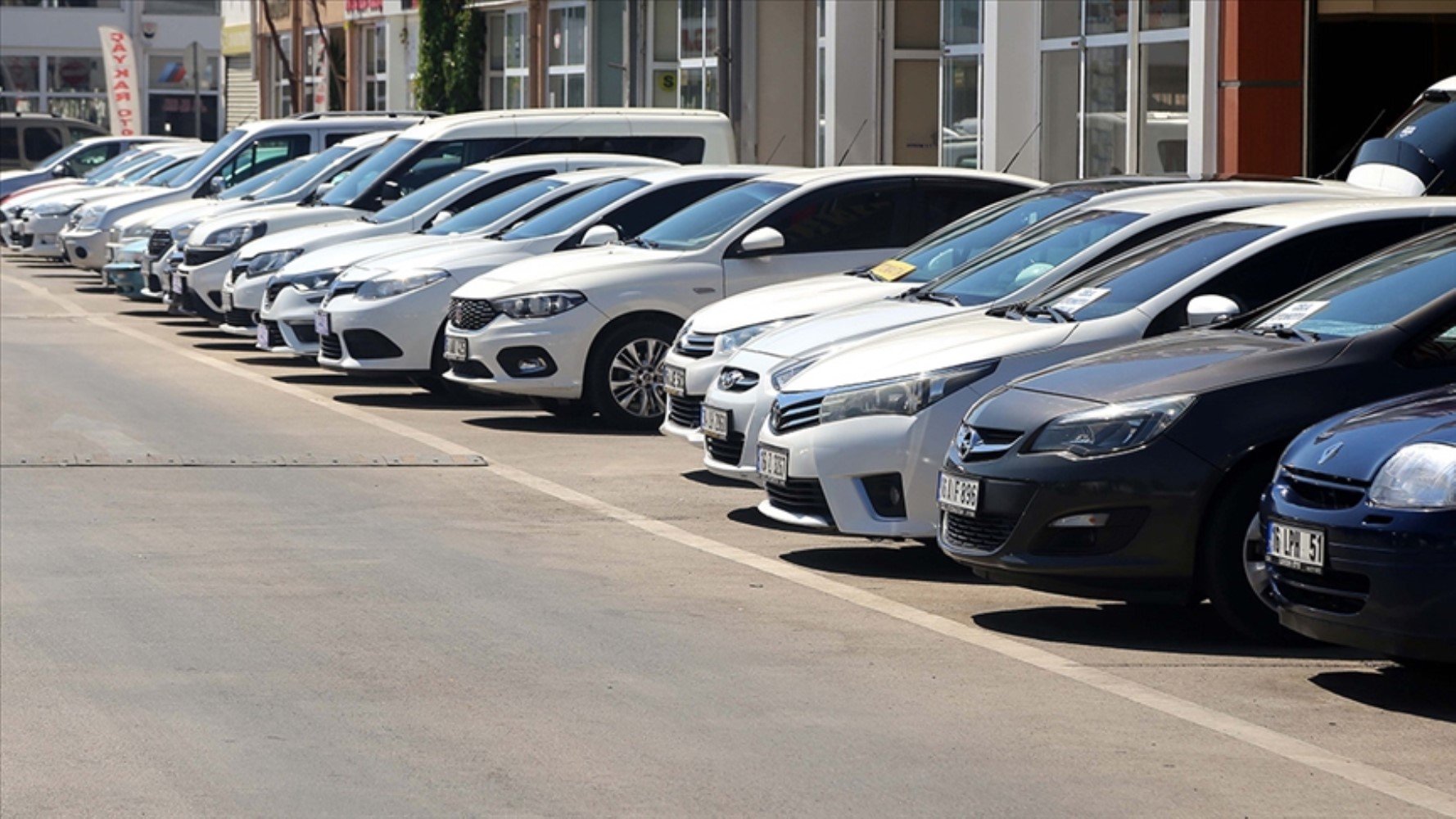
The increase in new car sales has pushed the second-hand car market into one of its most stagnant periods in history. In the second-hand car market, which has contracted by approximately 18 percent compared to last year, the time it takes to sell a vehicle has exceeded 2 to 2.5 months.
12punto

As new car sales broke records in the first seven months of the year, the second-hand vehicle market experienced its most stagnant period in history. While this stagnation did not lead to a noticeable drop in second-hand vehicle prices, it caused them to remain stagnant when considering factors such as foreign exchange rates and inflation.

In the first seven months of the year, sales of brand-new automobiles increased by 3.4 percent compared to the same period last year, reaching 536 thousand 351 units and setting a January-July record.
In the January-June 2024 period, the number of second-hand automobile transfers decreased by 17.7 percent compared to the same period last year, remaining at 3 million 224 thousand units.
According to the latest data released by the Turkish Statistical Institute (TÜİK), inflation rose by 28.7 percent and the dollar exchange rate increased by 12.4 percent from the beginning of 2024 through the end of July.
According to a current report prepared by the second-hand vehicle platform VavaCars through an analysis of publicly available data, second-hand vehicle prices recorded an increase of only 6 percent in the first half of the year and remained stable in July. The report stated, "Second-hand vehicle prices, which showed a decline in May and June, remained stable in July."

Evaluating the index results, VavaCars Commercial Group President Serdıl Gözelekli stated the following:
“Although the rate of nominal decline in second-hand vehicle prices has slowed compared to previous months, prices continue to lag in real terms when data such as deposit interest rates, foreign exchange, and inflation are taken into account. It is a critical factor for individual customers considering selling their vehicles to keep in mind the average sales period, which can reach up to 2-2.5 months, when setting their price expectations. As a result of a survey we recently conducted, we observed that second-hand vehicle sales have extended to periods reaching 8-10 weeks.”

The inflationary environment and fluctuations in the economy are causing major expenditures to be postponed. During this process, it would be prudent to take into account the risk of continued price declines, the potential for loss of value against other instruments, and the possibility of missing out on alternative investment opportunities.”

Hüsamettin Yalçın, General Manager of the automotive analysis company Cardata, highlighted in an assessment for Hürriyet newspaper that even in the best-selling segments of the second-hand vehicle market, sales periods have lengthened, commenting: "While C-segment vehicles, which sold very well last year, were sold within 20-25 days, this period has now extended to 40-45 days. This indicates a decrease in market demand and a slowdown in sales."

CARDATA General Manager Hüsamettin Yalçın continued his speech with the following statements:
“There are several important factors behind the stagnation. High interest rates make it difficult for consumers to use credit, which negatively affects vehicle purchases. At the same time, people prefer to sell their vehicles and invest their money in deposits. This causes an increase in supply and a decrease in demand in the second-hand vehicle market. As a result, a 1-2 percent decrease is observed in second-hand vehicle prices on a monthly average.”
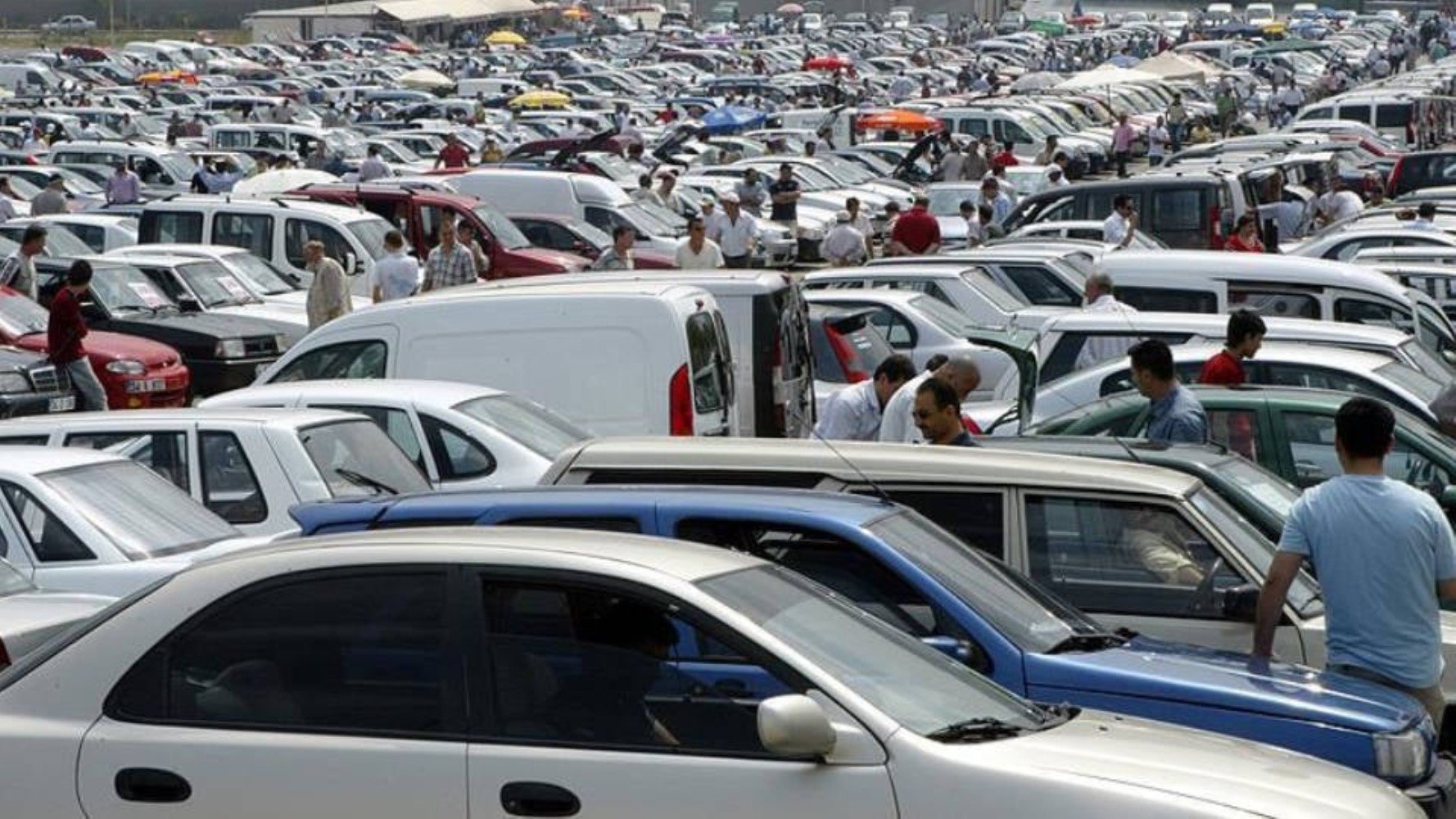
Promotions on brand-new vehicles are also impacting the demand for used cars. The narrowing price gap between new and used vehicles is further reducing interest in the second-hand market. Campaigns expected toward the end of the year, in particular, may continue this downward trend in used car prices. For these reasons, used car prices are expected to continue falling by an average of 1-2 percent per month until the end of the year.