How much will the dues increase in the new year? Here are the 2025 dues rates...
With only a few days left until the new year, calculations for apartment and residential complex dues have begun. Since the largest expense item is personnel salaries, all eyes are on the upcoming minimum wage increase. Once the hike is determined, meetings will be held first, and then the 2025 dues schedule will go into effect. So, what should be kept in mind to avoid exorbitant hikes and unfair demands during this process?
12punto
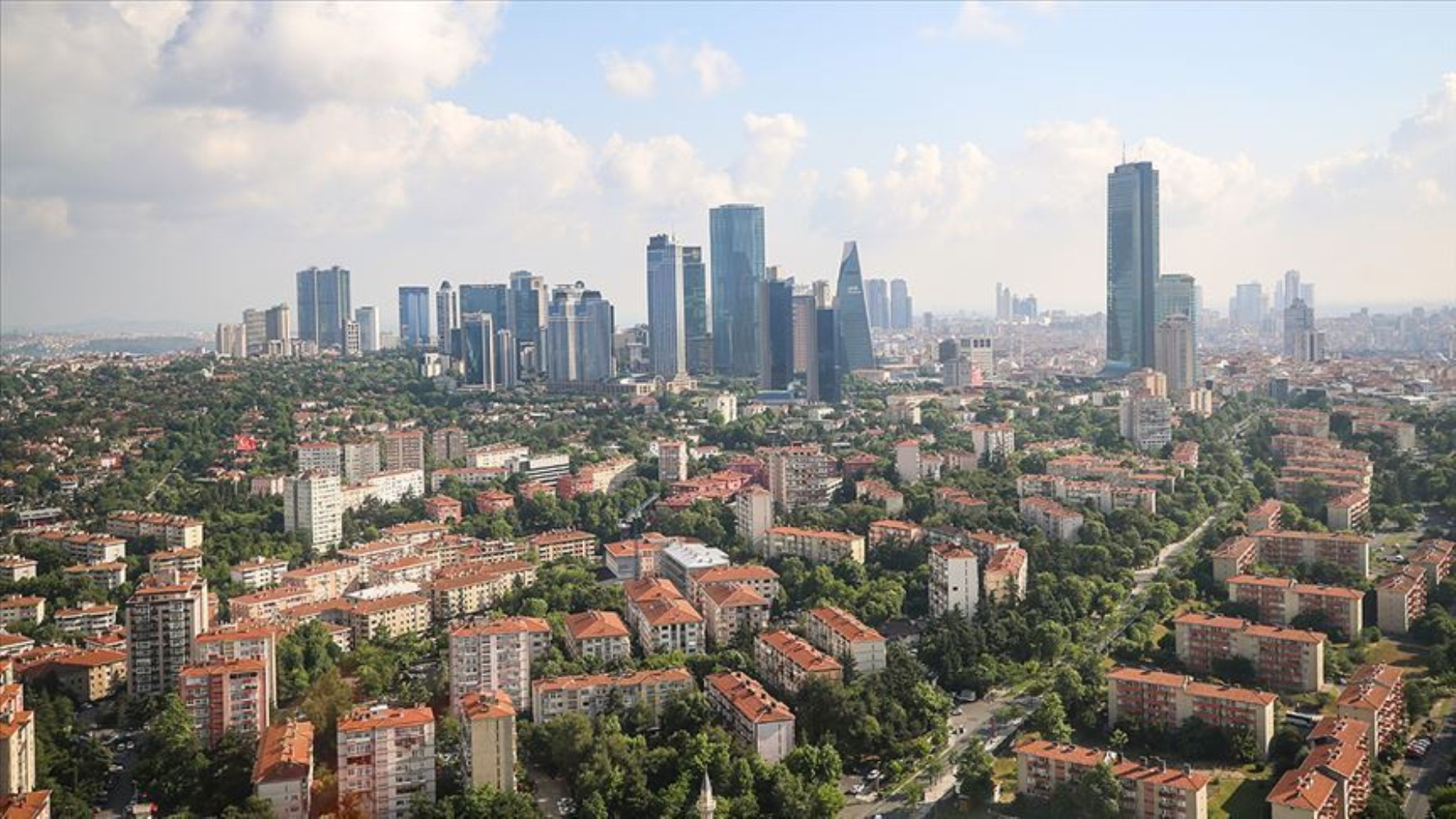
With the new year, everyone's eyes and ears will be on the rate of the minimum wage increase. Along with the hike rate, changes will occur in many items. One of these is dues fees. Here are the dues rates for the new year...
Gülistan Alagöz from Hürriyet has compiled what needs to be known before the dues hike. Here are the important points to know...
1- HOW IS THE HIKE DETERMINED?
Managers or management boards decide on dues increases through the budget or supplementary budget they prepare at the general assembly. The condominium owners' meeting is held at the times indicated in the management plan, at least once a year; if no time is specified, it is held in the first month of the year. The board convenes with more than half of the condominium owners in terms of number and land share, and decides on the hike rate by majority vote.

You can see how the hike is determined and object by attending this meeting. Unfortunately, very low participation in meetings leads to hike decisions being made by a small number of people. Because if a majority is not reached in the first meeting, the decision is made by the majority of those attending the second. An important point regarding general assemblies is this: Homeowners can attend the meetings, while tenants can only participate if they receive a power of attorney from the homeowner.

2- DO YOU HAVE THE RIGHT TO OBJECT?
All owners, whether they attend the general assembly or not, can object to the hike decision made. Every condominium owner who attended the board meeting but voted against it can file a cancellation lawsuit in the civil court of peace within one month starting from the date of the decision; every owner who did not attend the meeting can file within one month starting from when they learned of the decision; and those who did not receive the general assembly invitation can file within six months.

Legal experts recommend going to court if there is an irregularity. If you do not think there is an irregularity but want to object to the increase rate, you should request an extraordinary general assembly. 1/3 of the owners can come together and evaluate potential cost-saving measures.

3- IS THERE A CEILING APPLIED?
There is no upper limit for dues figures or the increase to be made. However, there is an exception for tenants: “A tenant is not obligated to pay dues higher than the rent they pay. For example, if the rent is 6,000 TL and the dues are 7,000 TL, the landlord pays the 1,000 TL difference.” The issue of sharing dues in residential complexes is also frequently debated. For instance, it is not equitable for a 2+1 apartment and a 3+1 apartment to pay the same dues. However, the issue taken into account here is the management plan, which is seen as the constitution of the residential complexes. If equal sharing is written in the management plan, this can be applied even if it is not fair. If such a situation exists, the management plan needs to be changed.
If there is no contrary decision, the sharing is as follows: Residents of the complex or apartment are obligated to contribute equally to the expenses for the doorman, heating technician, gardener, and watchman, and to the dues collected for these; and to contribute in proportion to their land share for the insurance premiums of the main real estate, maintenance, protection, reinforcement, and repair expenses of common areas, other expenses such as manager salary, operating expenses of common facilities, and dues collected for these expenses.

4- IS THE TENANT RESPONSIBLE FOR EVERY EXPENSE?
While many of us pay the reported figure for residential complex dues, we do not look at the expenses item by item. Yet, tenants can reduce the dues amount by examining these expenses. Specifically, budgets in residential complexes are divided into operating and investment budgets.

Expenses arising from usage, such as personnel salaries and common area expenses, are within the scope of the operating budget and are the responsibility of the tenants. But major renovations and maintenance to be done on fixtures are the responsibility of the homeowner. For example, if the elevator is to be changed, insulation is to be done, or severance pay is to be given to personnel leaving the job, these expenses fall under the investment budget and cannot be requested from the tenant.
5- CAN I SAY I AM NOT PAYING FOR A SERVICE I DO NOT USE?
Sometimes, such remarks come from residents of the complex or apartment: ‘I don’t use the pool, why am I paying?’ ‘I don’t use the elevator, I don’t want to pay for its maintenance.’ It is not possible to object to dues with these justifications. Since not using it is the person's own choice, participating in common expenses is mandatory. However, it is not mandatory to participate in expenses that are made later, are luxurious, or are for the exclusive use of some owners.

For example, if it is desired to build a baby-child care room with a caregiver within the complex, condominium owners who do not have children are not obligated to participate in this expense. Furthermore, a note for those who do not pay: A lawsuit can be filed or enforcement proceedings can be initiated against those who do not pay dues by any of the other condominium owners or by the manager. A monthly late payment interest of 5 percent is also charged.