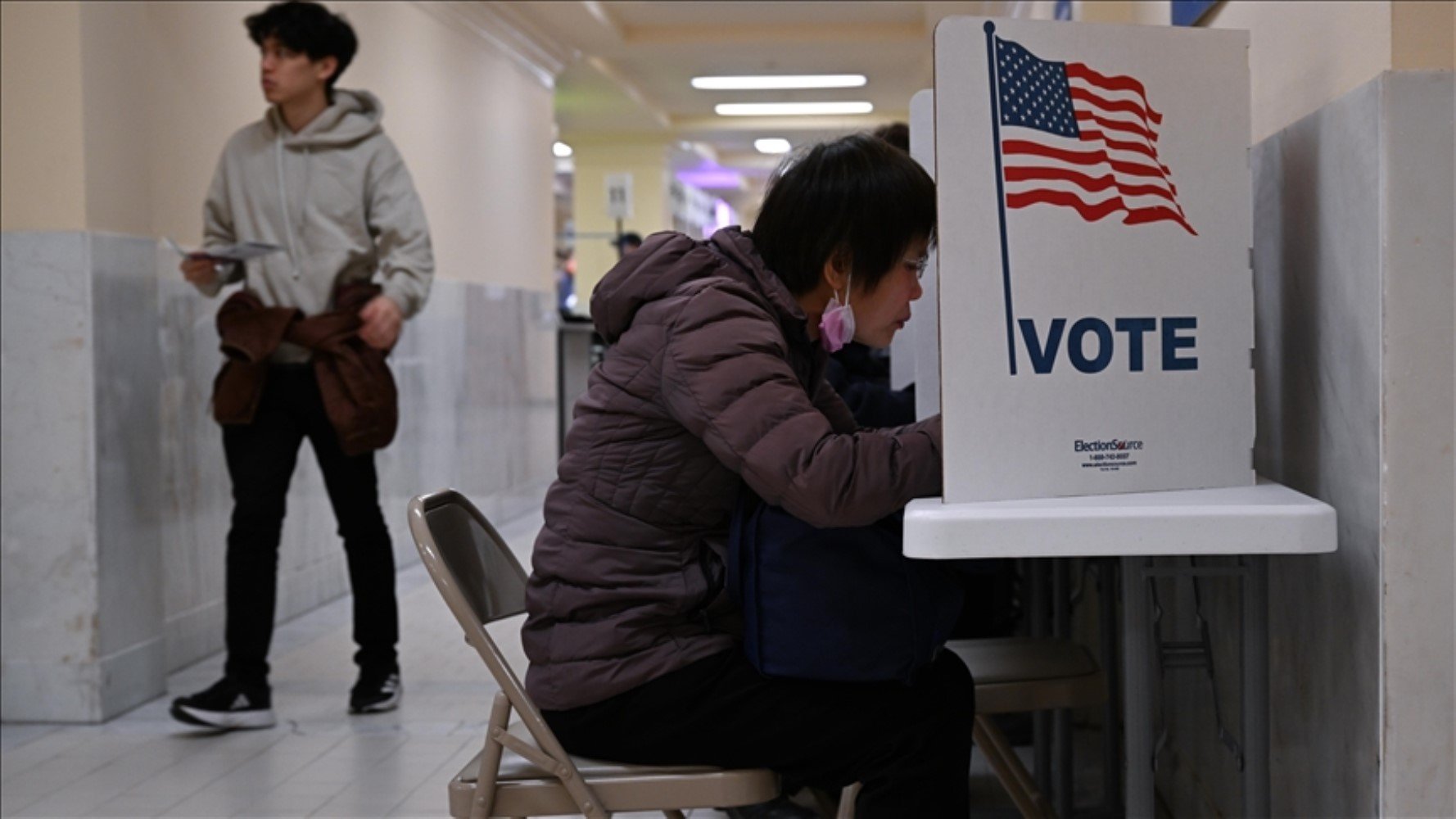
How often are US presidential elections held? How many years will Trump serve as US president?
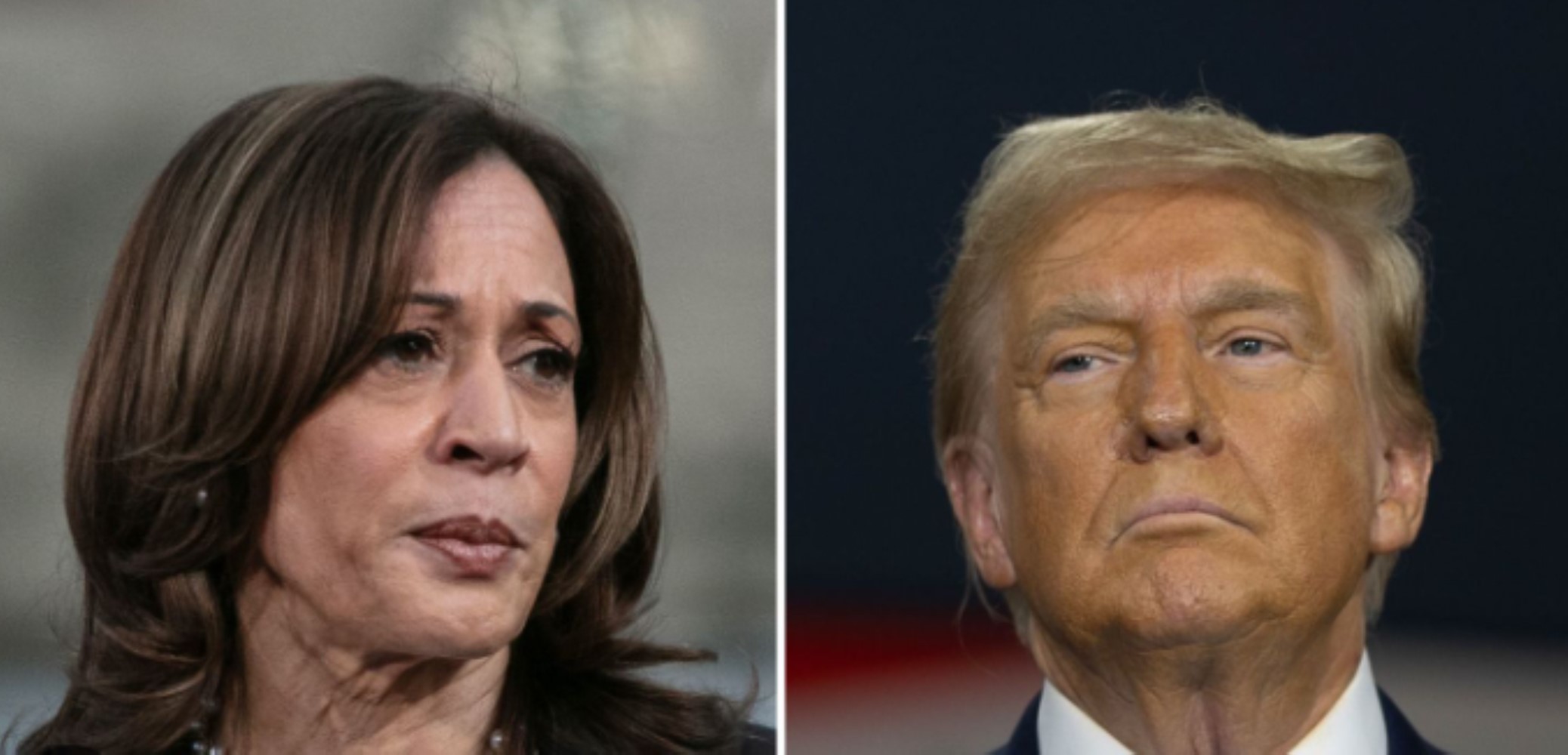
Donald Trump and Kamala Harris competed in the US presidential election held on November 5. According to unofficial results, Republican Party candidate Donald Trump has become the 47th president of the United States. Following the elections in the US, the answers to the questions 'How often are US presidential elections held? How many years will Trump serve as US president?' have become a subject of curiosity. Here are the details of the election in the US...
12punto
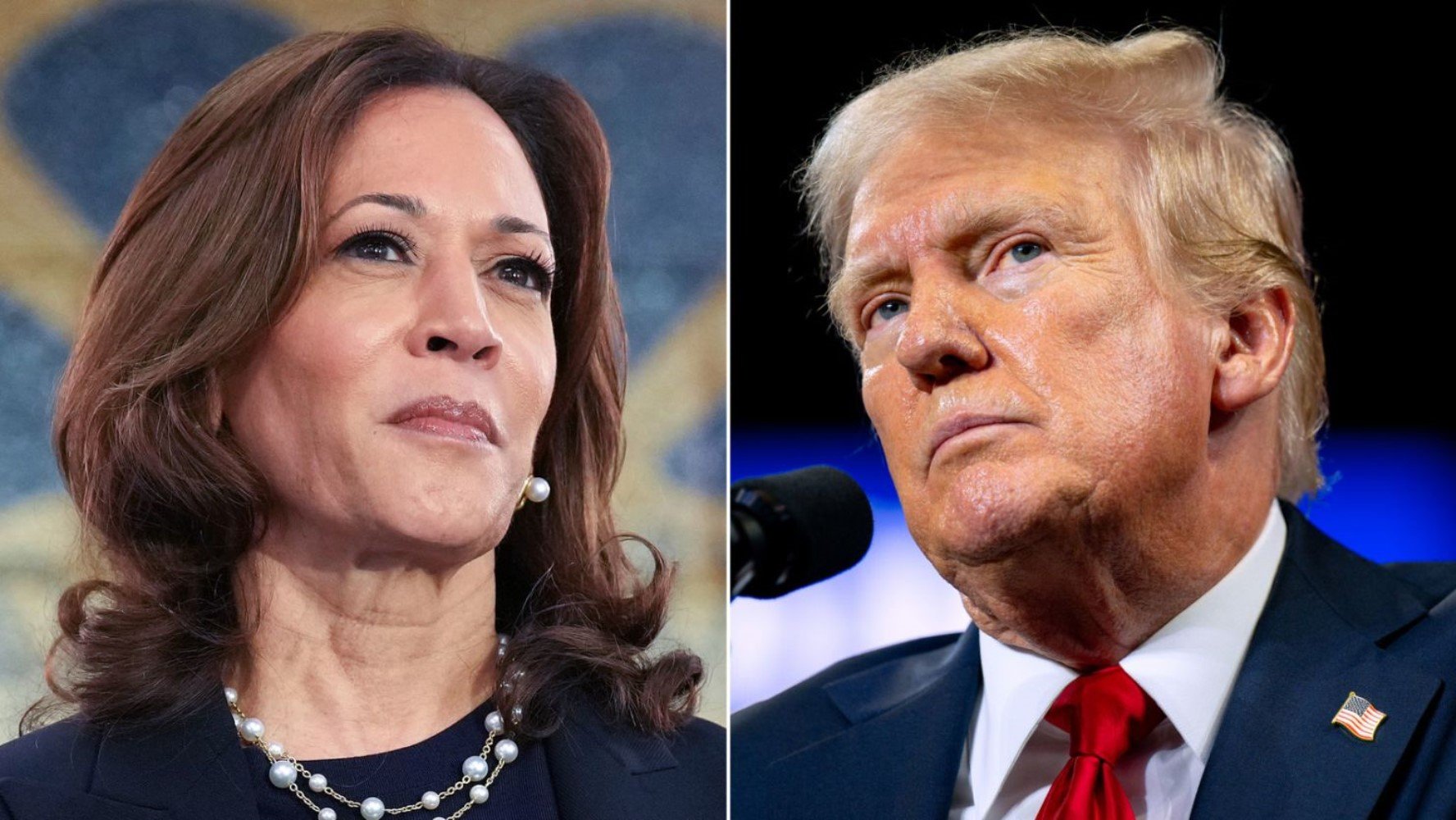
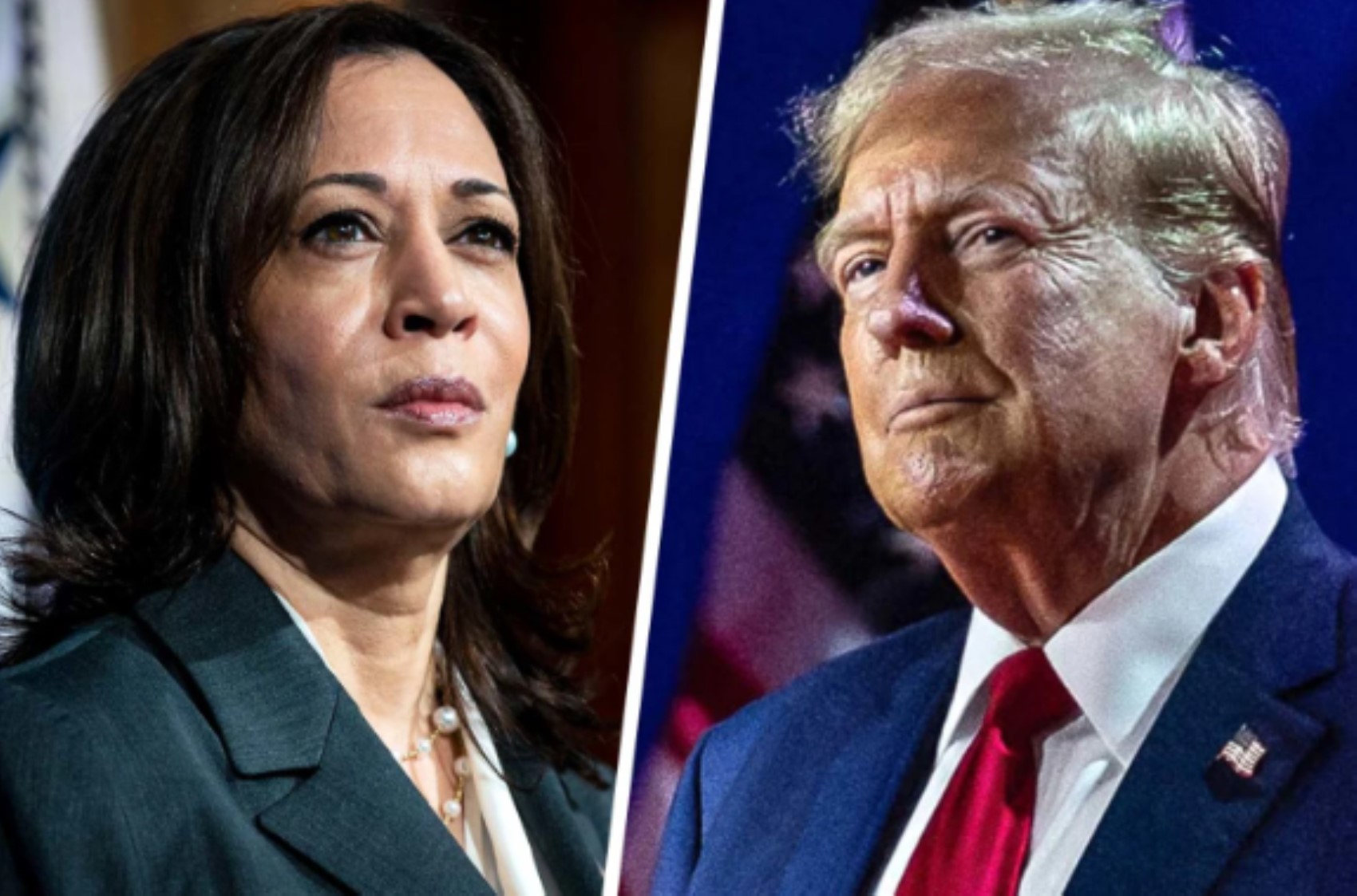
Donald Trump and Kamala Harris competed in the presidential election held in the US on November 5.
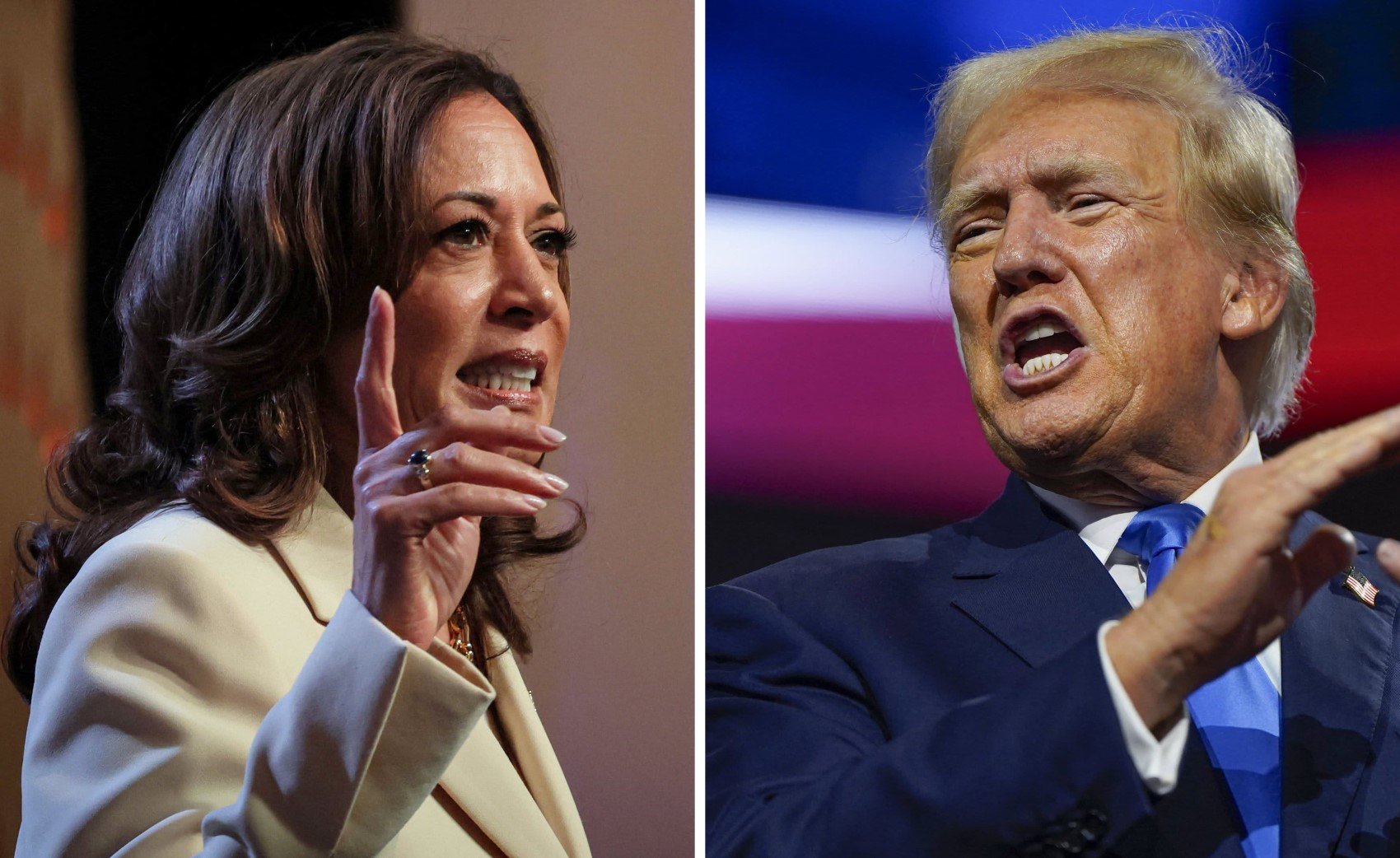
According to unofficial results, Republican Party candidate Donald Trump has become the 47th president of the US.
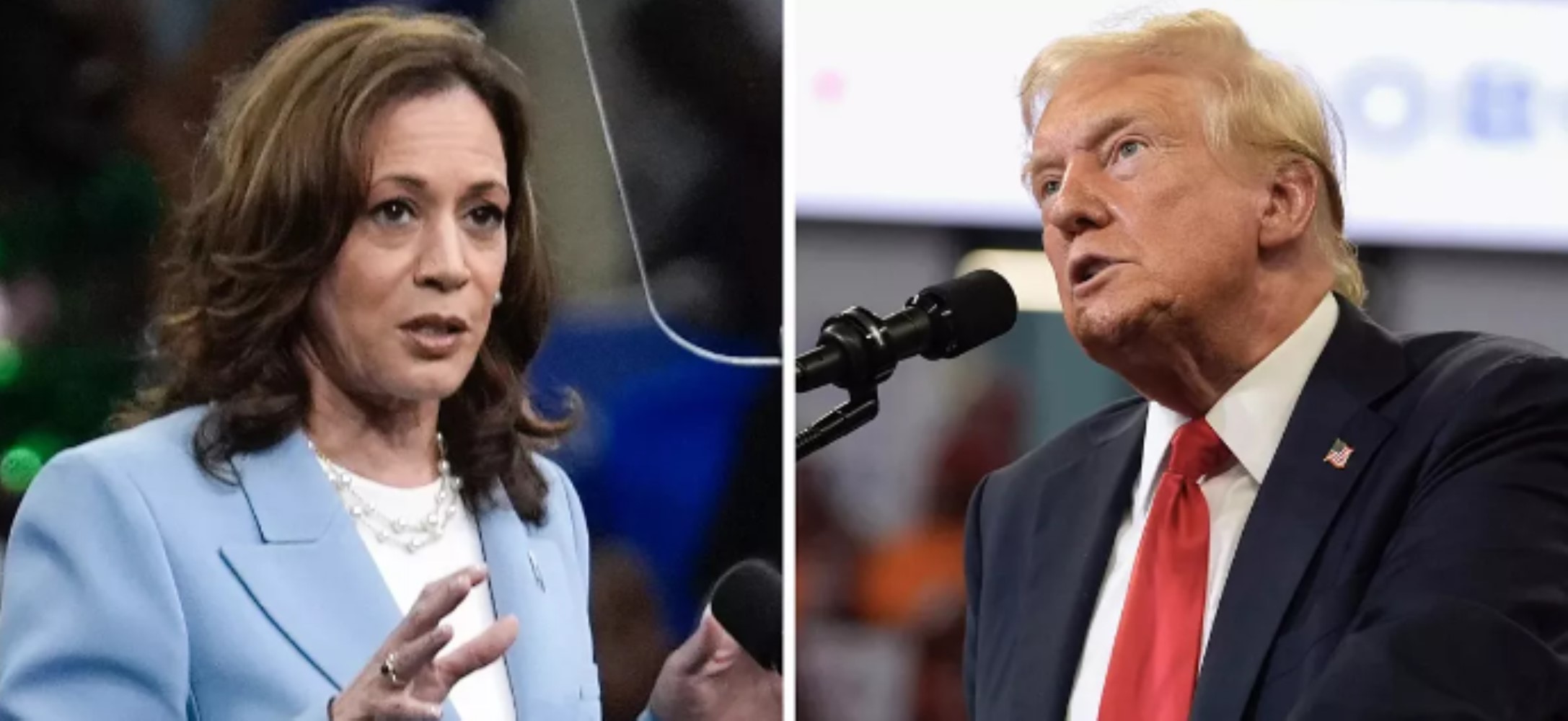
Following the elections in the US, the answers to the questions 'How often are US presidential elections held? How many years will Trump serve as US president?' have become a subject of curiosity.
Here are the details of the election in the US...
HOW OFTEN ARE US PRESIDENTIAL ELECTIONS HELD?
US presidential elections are held every 4 years (starting from 1792) on the Tuesday following the first Monday in November to elect the president and vice president of the United States.
According to this formula, the date of the elections varies between November 2 and November 8 depending on the year.
The last US presidential election was held on November 3, 2020.
In US presidential elections, voters do not actually elect the president and vice president directly.
Voters from each state elect members to represent their state in a body called the Electoral College.
After the elections, this Electoral College convenes to carry out the election of the president and vice president.
The number of members in each state's Electoral College is equal to the total number of that state's senators and representatives in the House of Representatives.
Washington, the capital of the US, has the right to send a number of members equal to the state that sends the fewest members to the Electoral College.
Residents of US-dependent territories such as Puerto Rico, Guam, and American Samoa cannot vote in US presidential elections and therefore cannot send members to the Electoral College.
WHEN ARE THE RESULTS CERTIFIED?
The results of the presidential election are certified by the US Congress in January following the election.
In the event of a dispute regarding the outcome of the elections, this dispute is resolved by the US Congress.
WHEN WILL TRUMP TAKE OFFICE?
The president and vice president who win the election take office at noon on the first January 20 following the election.
HOW ARE CANDIDATES DETERMINED?
Every political party participating in US presidential elections determines its presidential candidate internally. There is no provision in the US Constitution regulating this candidate selection process.
However, over the years, certain traditions have emerged that regulate this process by the parties. The two major parties in the US, the Democratic Party and the Republican Party, determine their presidential candidates through primary elections.
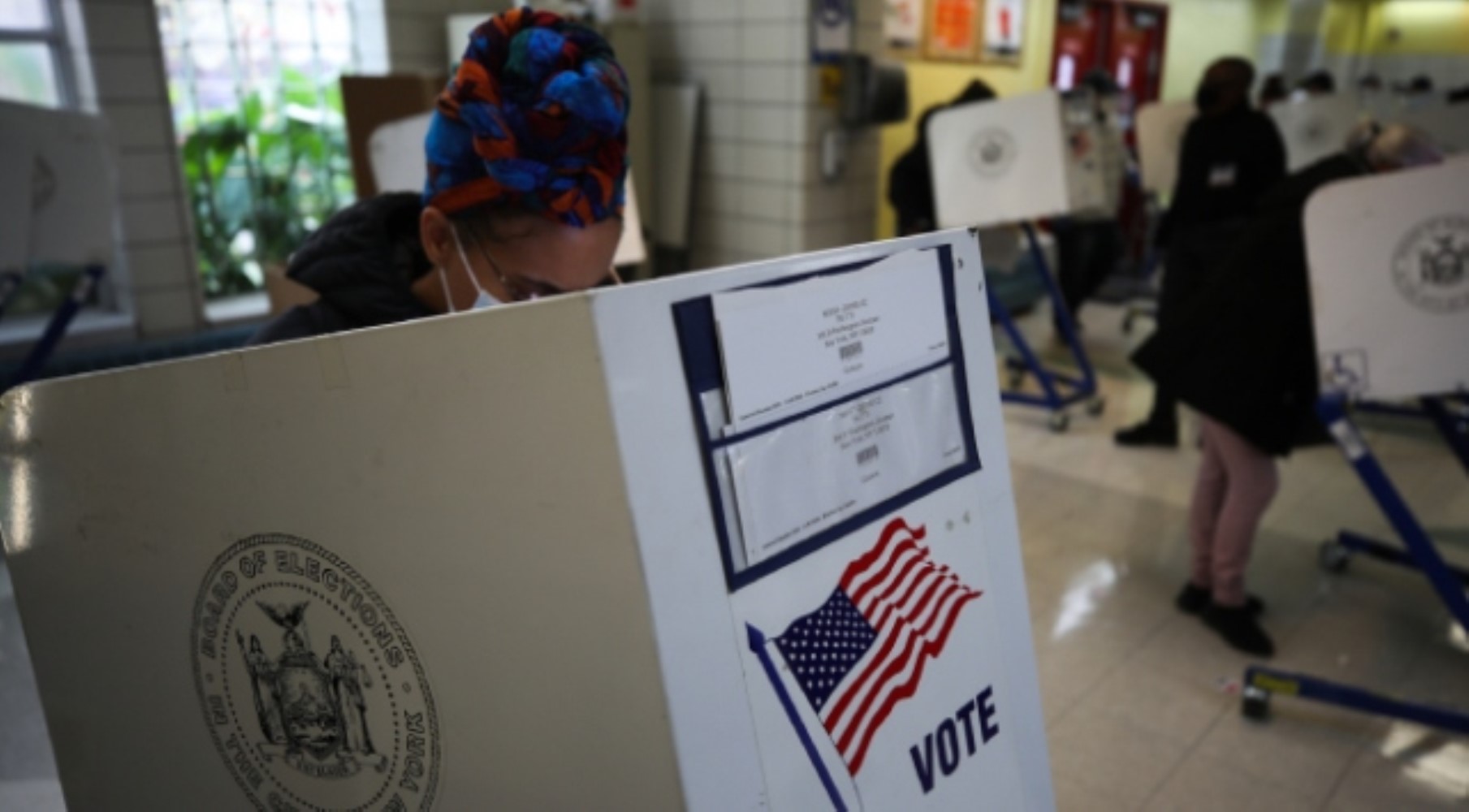
These primary elections are held using either the Primary or Caucus method, depending on the state.
The Primary method is an election open to every US citizen who is a supporter of the party. The Caucus method is only open to registered members of the party.
PRIMARY ELECTIONS
Primary elections are not held on the same day in all states. Primary elections begin in some states individually in January of the year the presidential election is to be held and continue from state to state until June.
Traditionally, the first states where primary elections are held are Iowa and New Hampshire. These states are followed by others in sequence. On some days, only 1 or 2 states hold primary elections, while on other days, many states can vote on the same day.
On a special Tuesday falling in February or March, the primary elections of many states coincide on the same day. That day is known as Super Tuesday.

Since primary elections take place over a long process, the status of candidates can change throughout the nomination race, and sometimes unexpected surprises can occur.
Generally, it is observed that within the first 2-3 months, one candidate from each party pulls ahead of the other candidates and gains an advantage.
However, in some elections, such as the 2008 presidential election, it was seen that the party's candidate was not determined until the very last primary elections.
The US presidential system gives presidents the opportunity to be elected for a second term.
Although parties are not obligated to nominate presidents elected from within their own ranks for a second time, traditionally, presidents who have served one term are easily nominated for a second time by their parties.
ELECTION CAMPAIGN
One of the most important consequences of the Electoral College system is that it leads candidates and the US media to evaluate states in three different categories:
BLUE STATES
These are states where Democrats have a solid majority. This group, which generally includes states in the coastal regions of the US (New England states, New York, Maryland, California, Washington, Oregon), consists of urbanized areas with high population density.
RED STATES
These are states where Republicans have a solid majority. These states are mostly located in the southern and interior western parts of the US. This group, which includes states such as South Carolina, Arkansas, Tennessee, Utah, and Arizona, generally consists of regions with low population density.
SWING STATES
These are the states remaining from the blue and red states. They are called by this name because the votes of these states in presidential elections swing back and forth like a pendulum. Midwestern states such as Ohio, Iowa, Indiana, and Michigan, located around the Great Lakes region in the north of the US, are examples of this group. Although the state of Florida is located in the south, it has acquired the character of a swing state due to high internal migration.
Since the results in presidential elections are based on the majority within each state in accordance with the Electoral College system, these blue and red states, where the outcome of the election is already known, do not receive much attention from candidates during the election campaign. Candidates prefer to concentrate their efforts on swing states. The candidate who wins the majority of the swing states is elected president.
HOW MANY YEARS WILL TRUMP SERVE?
Donald Trump, who won the presidential election against Kamala Harris, will serve for 4 years.