How to increase the chances of success in IVF? An expert answers!
Obstetrics, Gynecology, and IVF Specialist Prof. Dr. Erkut Attar stated that comprehensive evaluation and genetic screening prior to treatment are of great importance for achieving successful results in IVF treatment.
12punto

Drawing attention to the effect of maternal age on success rates, Prof. Dr. Attar emphasized that the chance of pregnancy decreases in women over 35, and that genetic tests are a guide in this process.
"GENETIC RESEARCH SHOULD BE DONE BEFORE PREGNANCY"
Stating that patients should undergo chromosome analysis before starting IVF treatment, Prof. Dr. Attar said that genetic screenings are much more critical, especially in couples who have consanguineous marriages. Attar, who said, "Genetic tests can be performed after the embryo is formed, but the ideal is to plan this process before pregnancy," also stated that screenings for hereditary diseases such as SMA have gained importance today.
"FAILURE SHOULD NOT BE A REASON FOR DESPAIR"
Stating that success rates in IVF worldwide are at the 50-60 percent level, Prof. Dr. Attar expressed that the failure of one or two attempts should be seen as a natural part of the treatment.
Stating that diseases such as polycystic ovary syndrome and endometriosis must be evaluated before IVF, Attar pointed out that ignoring such problems could reduce treatment success.
"EMBRYO QUALITY AND UTERINE SUITABILITY ARE DETERMINING FACTORS"
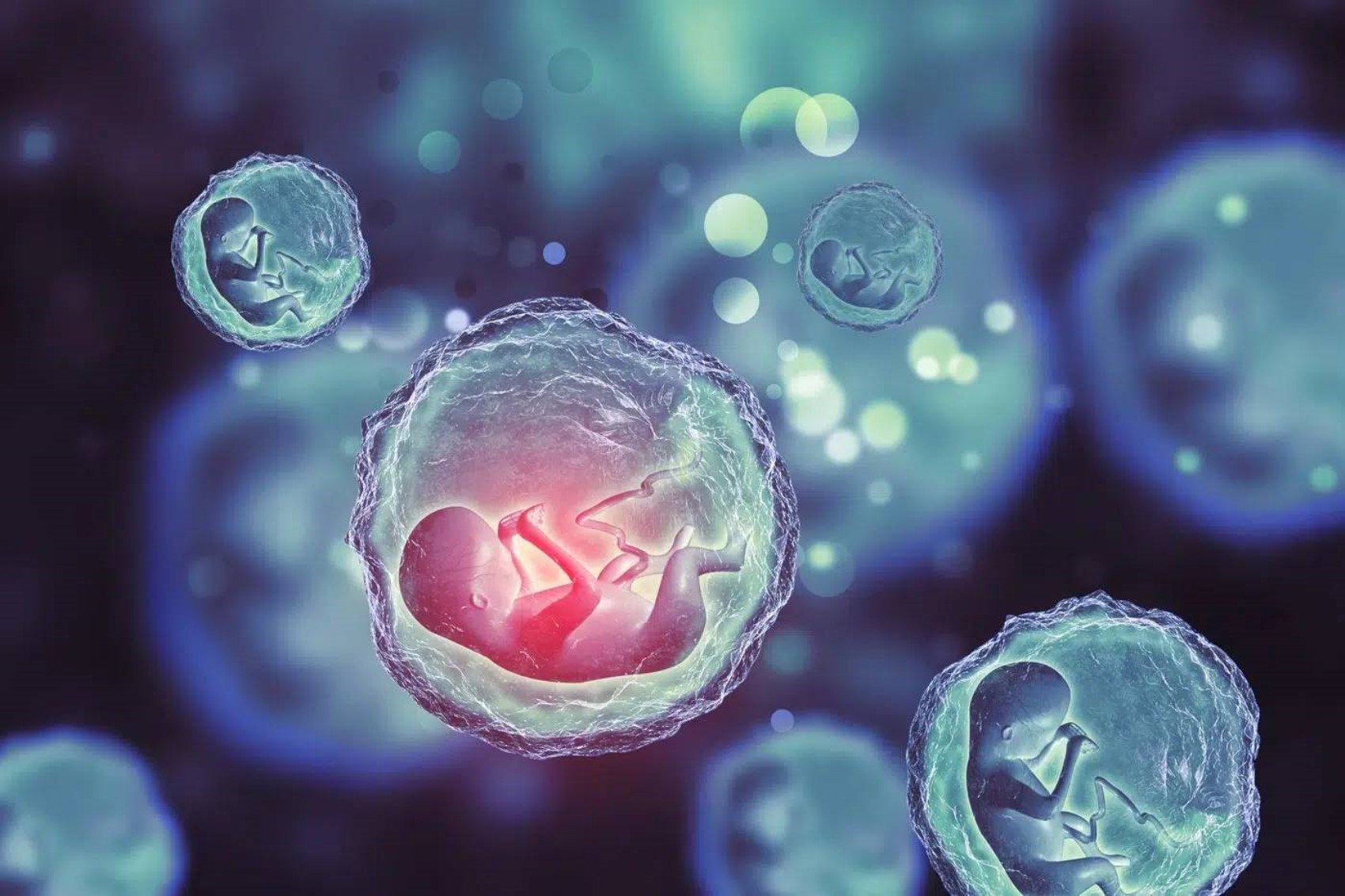
Expressing that embryo quality is 80-90 percent effective in the success of the treatment, while the uterus being ready for pregnancy is 10-20 percent effective, Prof. Dr. Attar said, "For example, 5 out of 10 embryos may carry genetic problems. This can only be understood with genetic tests. Therefore, these tests must be applied in the correct patient group."
'GENETIC SCREENING' IS A MUST IN CONSANGUINEOUS MARRIAGES
Pointing out that the risk of genetic diseases is higher in consanguineous marriages, Attar said that it is essential to apply the Preimplantation Genetic Diagnosis (PGT) method in these couples. He said, "Starting the process with karyotype analysis is critical for both healthy pregnancies and IVF success."
"STRESS AND ENVIRONMENTAL FACTORS AFFECT SUCCESS"
Stating that the risk of genetic anomalies such as Down syndrome increases in women over 35, Prof. Dr. Attar said, "The chance of success decreases in women who postpone pregnancy for career or social reasons.

However, stress, environmental conditions, and lifestyle are also effective in this process. For this reason, patients should be supported both physically and psychologically," he said.
Emphasizing that intrauterine structures should also be evaluated in detail for a successful IVF treatment, Prof. Dr. Attar said, "Uterine structure should be examined with methods such as imaging, ultrasound, or hysteroscopy. Embryo transfer performed with proper timing increases the chance of success."
"PATIENT-PHYSICIAN COMMUNICATION FORMS THE BASIS OF TREATMENT"
Drawing attention to the importance of the secure relationship established between the patient and the doctor during the IVF process, Prof. Dr. Attar concluded his words as follows: "The patient should be patient and communicate correctly with their physician. Quality laboratories, experienced embryologists, and individualized treatment plans are determining factors for increasing success. In addition, a high-quality embryology laboratory, an experienced expert staff, and a treatment protocol planned specifically for the patient directly affect the success rate," he said.

Finally, Prof. Dr. Erkut Attar emphasized that patient-physician harmony is indispensable for the treatment process and stated, "For a successful treatment, the patient needs to establish a trust-based and open communication with their physician. It is possible to achieve success without falling into despair, with patience and correct planning."