How will the US elections affect the Fed's interest rate policy?
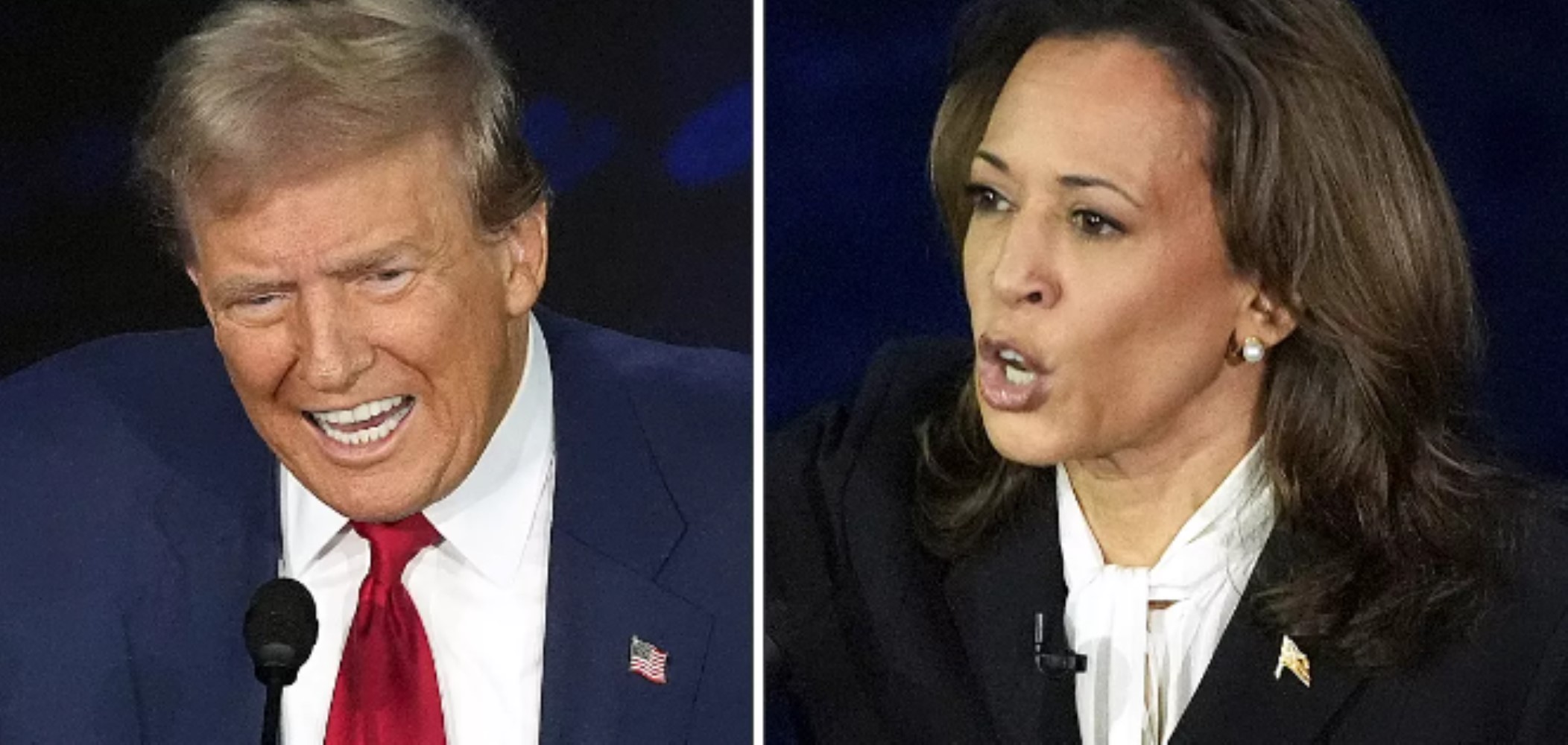
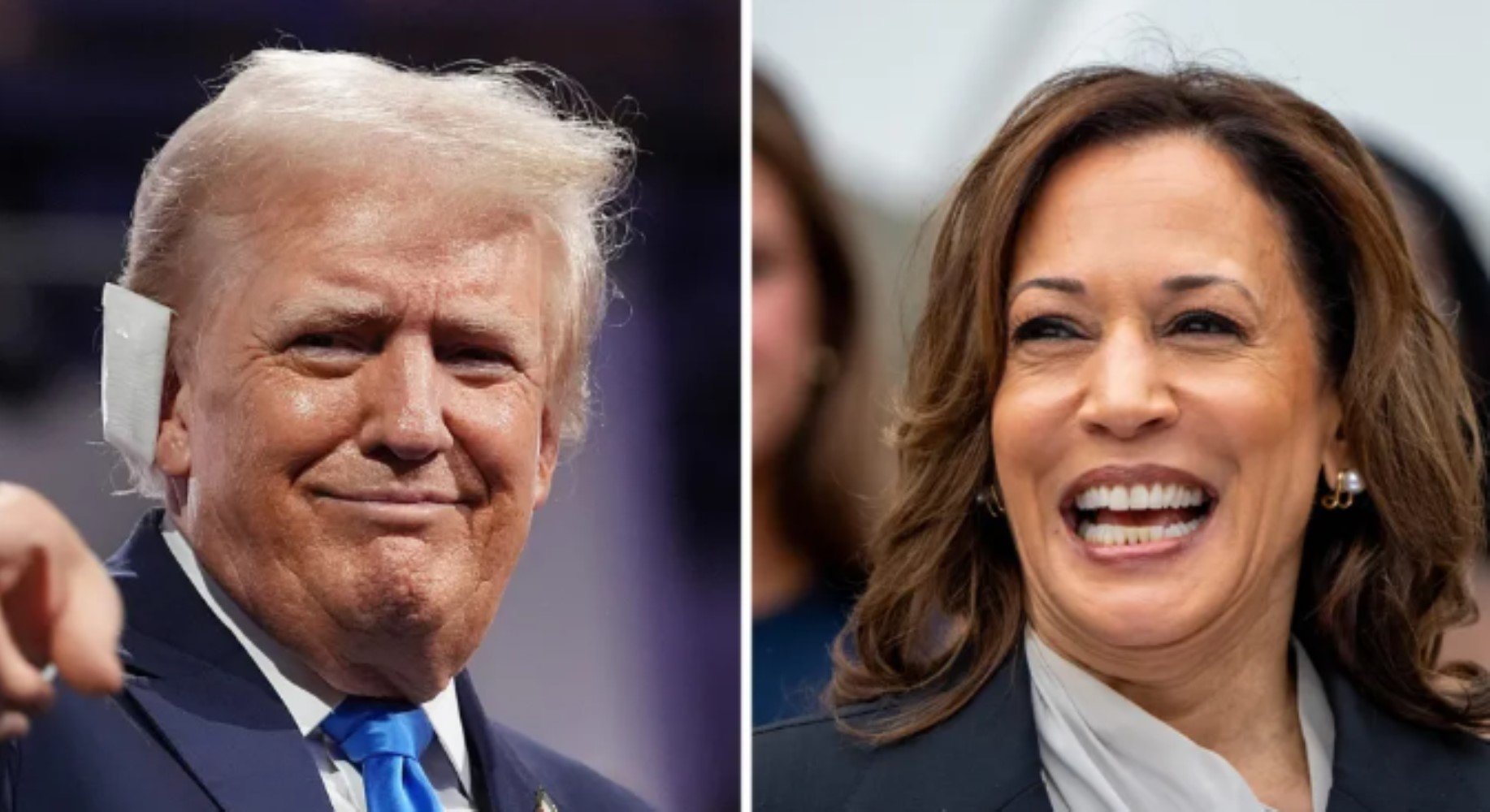
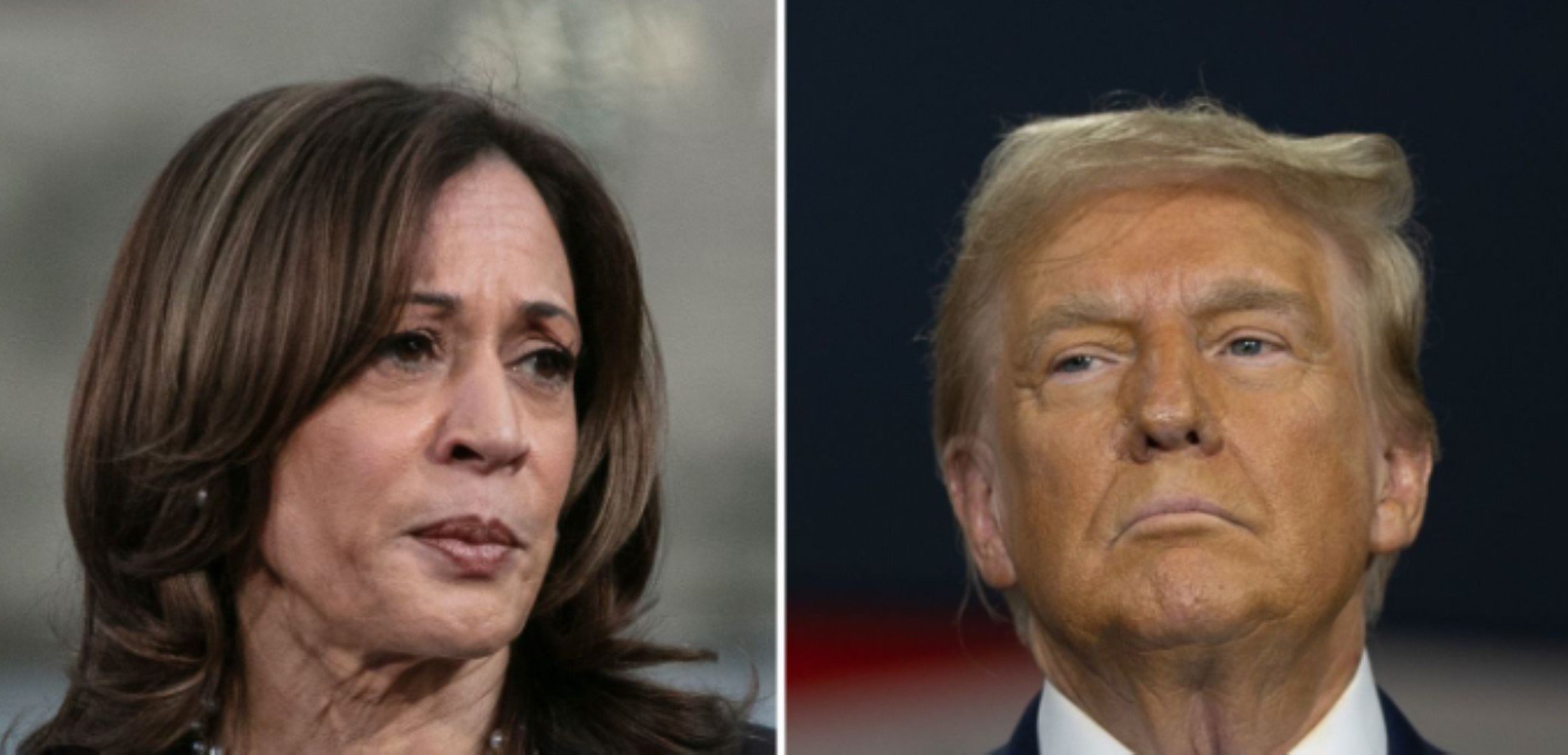
Experts state that the continuation of the US Federal Reserve's (Fed) interest rate cut cycle may depend on the results of the presidential election. While the election of Kamala Harris as president increases the likelihood of the Fed continuing its interest rate cuts, a victory for Donald Trump could halt the rate-cutting cycle. New interest rate cuts, starting with the November 7 meeting, will be shaped by US economic and inflation data.
12punto
Berenberg Senior Economist Dr. Felix Schmidt stated that after the initial 50 basis point cut, the Fed might likely settle for a 25 basis point cut on November 7.
Expressing that the reason for this is the US economy's strong performance despite tight monetary policy and stubborn inflation, Schmidt noted that whether interest rate cuts will continue in the coming months may largely depend on the outcome of the US Presidential election.
Schmidt stated that if Donald Trump returns to the White House, tax cuts could stimulate the economy in the first stage.

Noting that additional tariffs and stricter immigration policies could also lead to higher inflation, Schmidt emphasized that this would likely force the Fed to end its interest rate cut cycle sooner.
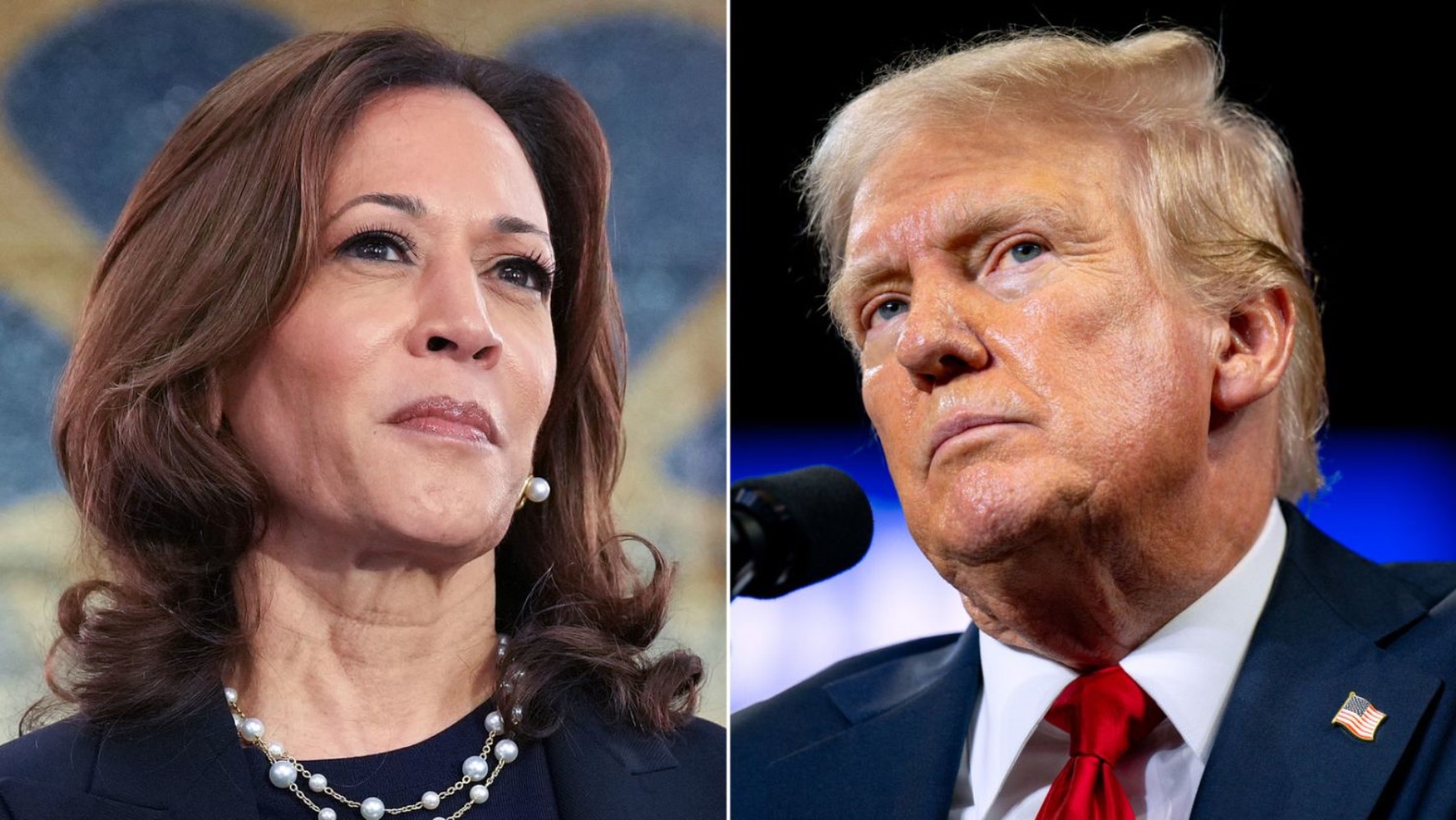
Rabobank Senior US Strategist Philip Marey also expressed that the Fed could proceed with 25 basis point interest rate cuts at each of its November, December, and January meetings.
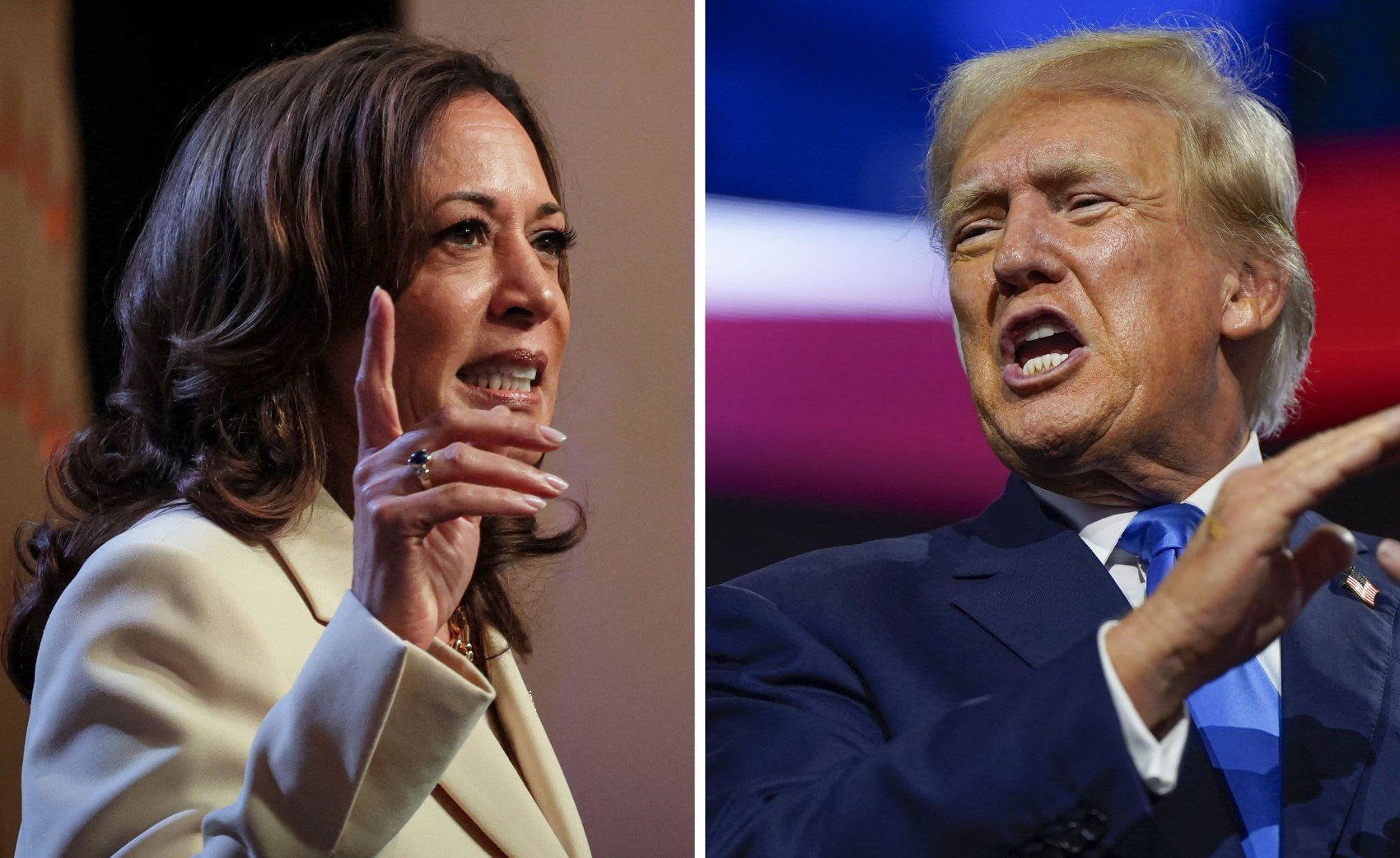
"Beyond January, our Fed forecasts depend on the outcome of the presidential election," commented Marey, adding, "If Trump becomes president, it is likely that we will see an acceleration in inflation when he introduces a global tariff. For the Fed, this would mean the Bank needs to pause its interest rate cut cycle."
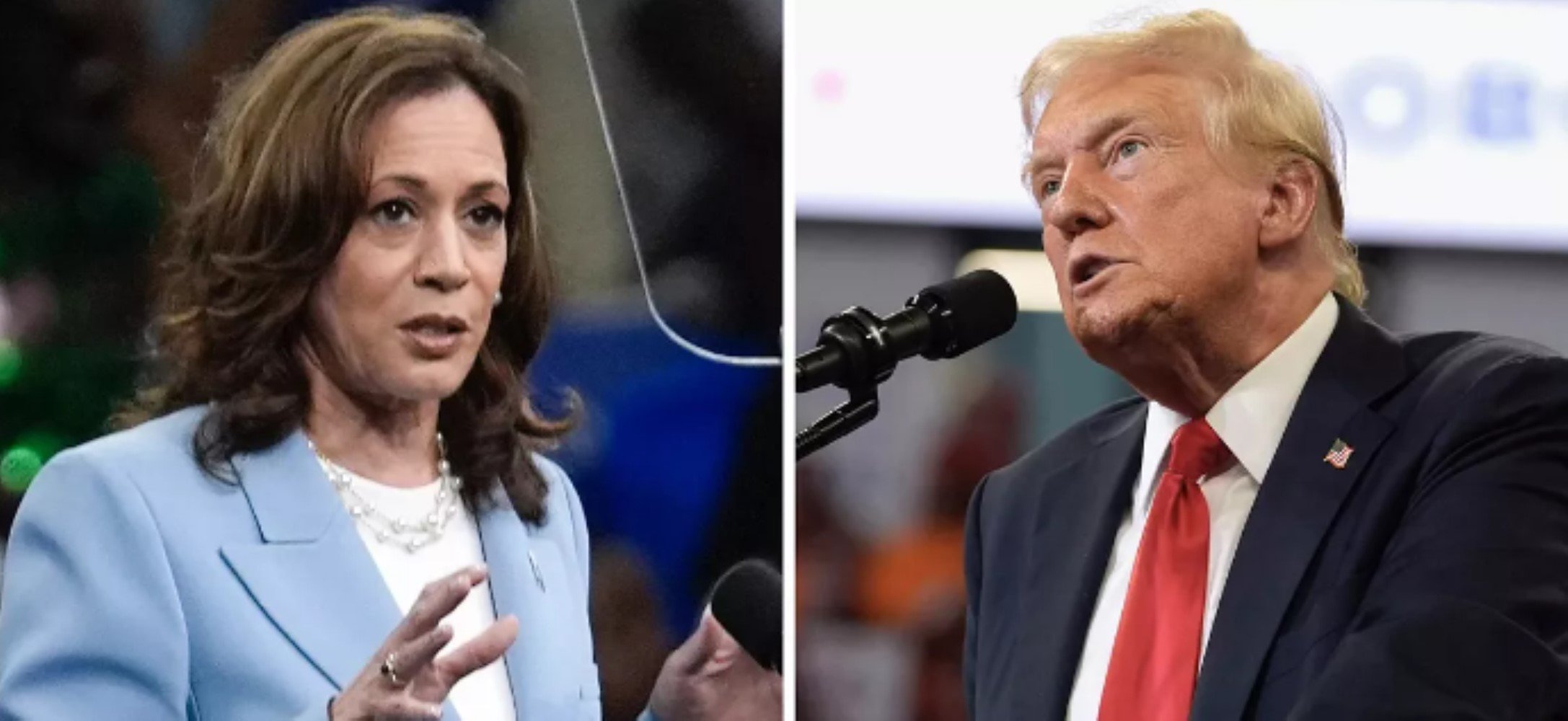
In contrast, Marey pointed out that if Kamala Harris wins, there would be no global tariff, making it likely to see slower inflation, which he indicated makes it more probable for the Fed to continue its interest rate cut cycle.
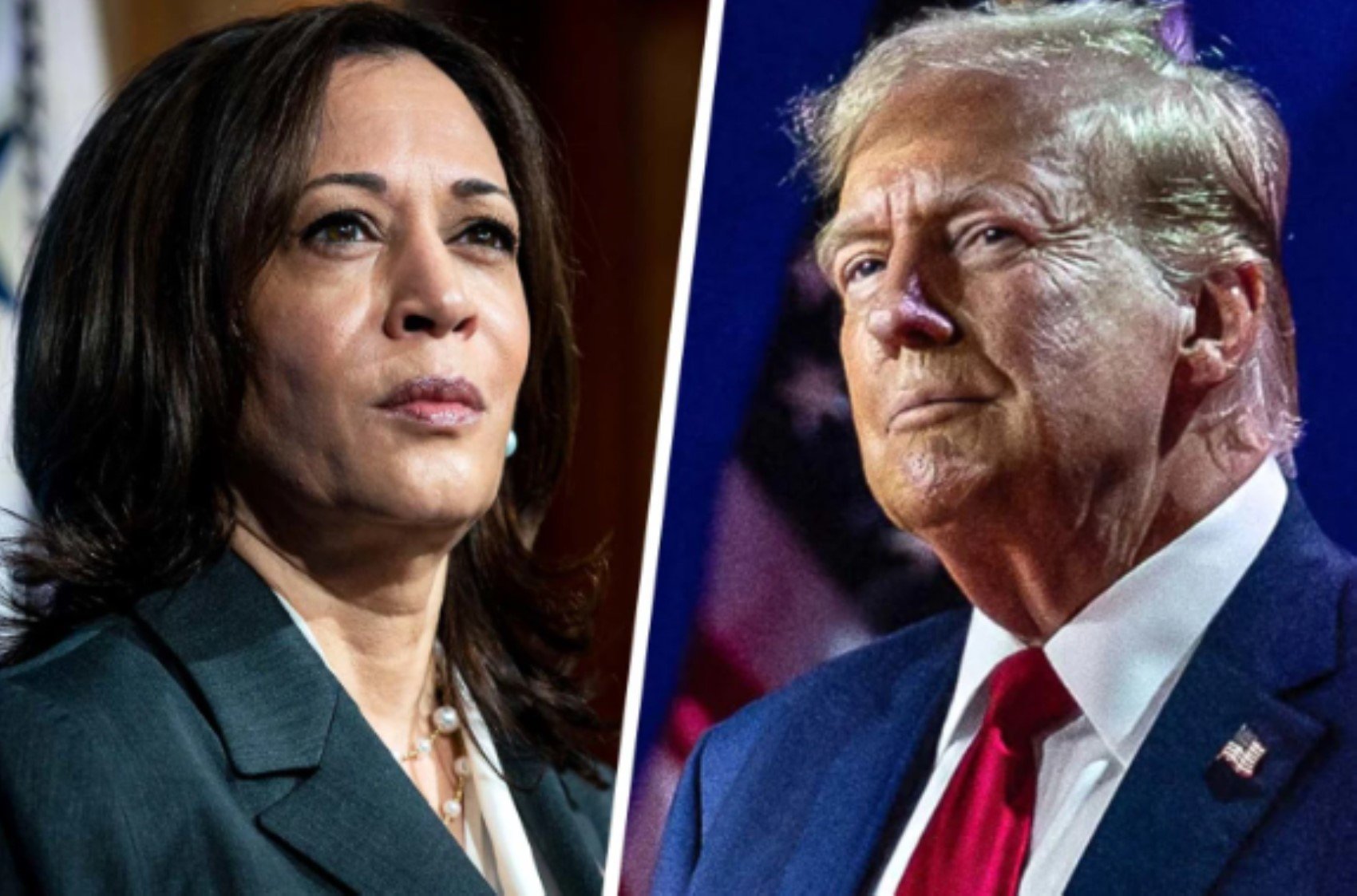
ING International Chief Economist James Knightley also predicted that the Fed would make a 25 basis point interest rate cut at its November meeting, regardless of the election results.
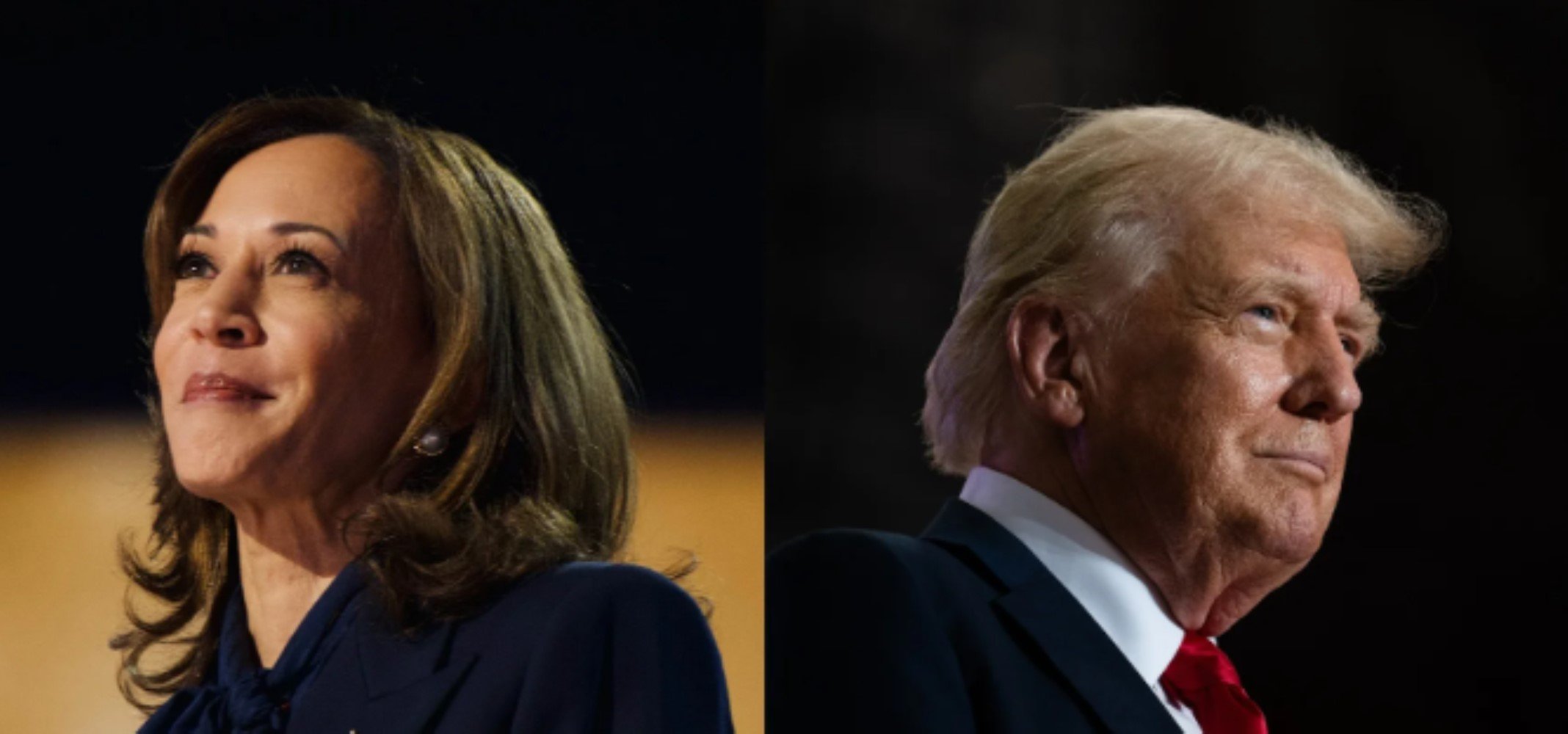
Stating that inflation is less of a concern and the Fed is focusing more on the cooling labor market, Knightley expressed that, regardless of which candidate wins the US Presidential election, the Bank could continue to lower interest rates toward a neutral level.
Knightley noted that while a 25 basis point interest rate cut is generally expected and priced in, the comments from Fed Chair Jerome Powell regarding the current economic environment and how the outlook for the next US president might affect it will be of great importance.
Stating that the Fed will be aware of how its actions and comments could affect financial markets that are already experiencing quite volatile conditions, Knightley said, "Markets seem to be increasingly confident in a Donald Trump victory, with stocks, the dollar, and bond yields rising in recent weeks. If Trump wins, these trends could continue."
Knightley said the Fed could make a total of 100 basis points in interest rate cuts this year.
"We argue that a Trump victory will provide a lower-tax environment in the near term, which will increase corporate spending and business confidence," Knightley said, but pointed out that promised tariffs, immigration controls, and higher borrowing costs could become increasingly counteracting effects throughout his presidential term.
Knightley commented, "We think that if Trump becomes president, the interest rate could fall to 3.5 percent by the summer months, but under a Harris presidency, we could see the Fed go a bit deeper and lower the interest rate to 3 percent in the second half of 2025."