Increasing jellyfish population in the Sea of Marmara raises mucilage risk
The increasing jellyfish population in the Sea of Marmara is lowering water quality and raising the risk of mucilage. Research conducted by Istanbul University and the Ministry of Environment, Urbanization and Climate Change has revealed that jellyfish are also having a devastating impact on fish stocks. Here are the details...
AA
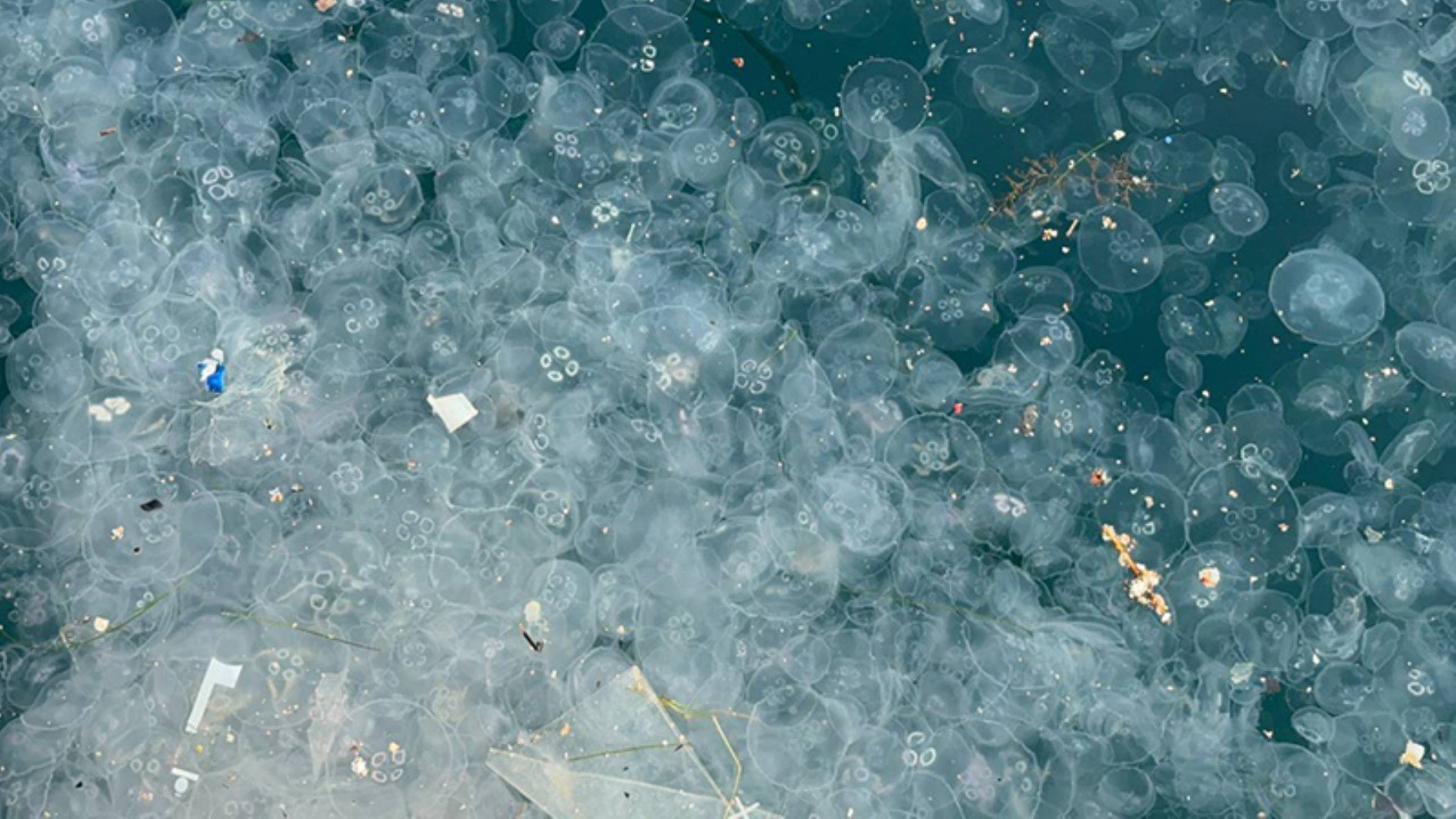
The recent increase in the jellyfish population in the Sea of Marmara is triggering the risk of mucilage formation.
A two-year project titled "Causes and Consequences of Jellyfish Increases in the Sea of Marmara," conducted by Istanbul University Faculty of Aquatic Sciences and the Ministry of Environment, Urbanization and Climate Change, has been completed.
As part of the research, jellyfish samples were collected from different depths of the Sea of Marmara for examination, underwater observations were made by divers, and laboratory studies were carried out.
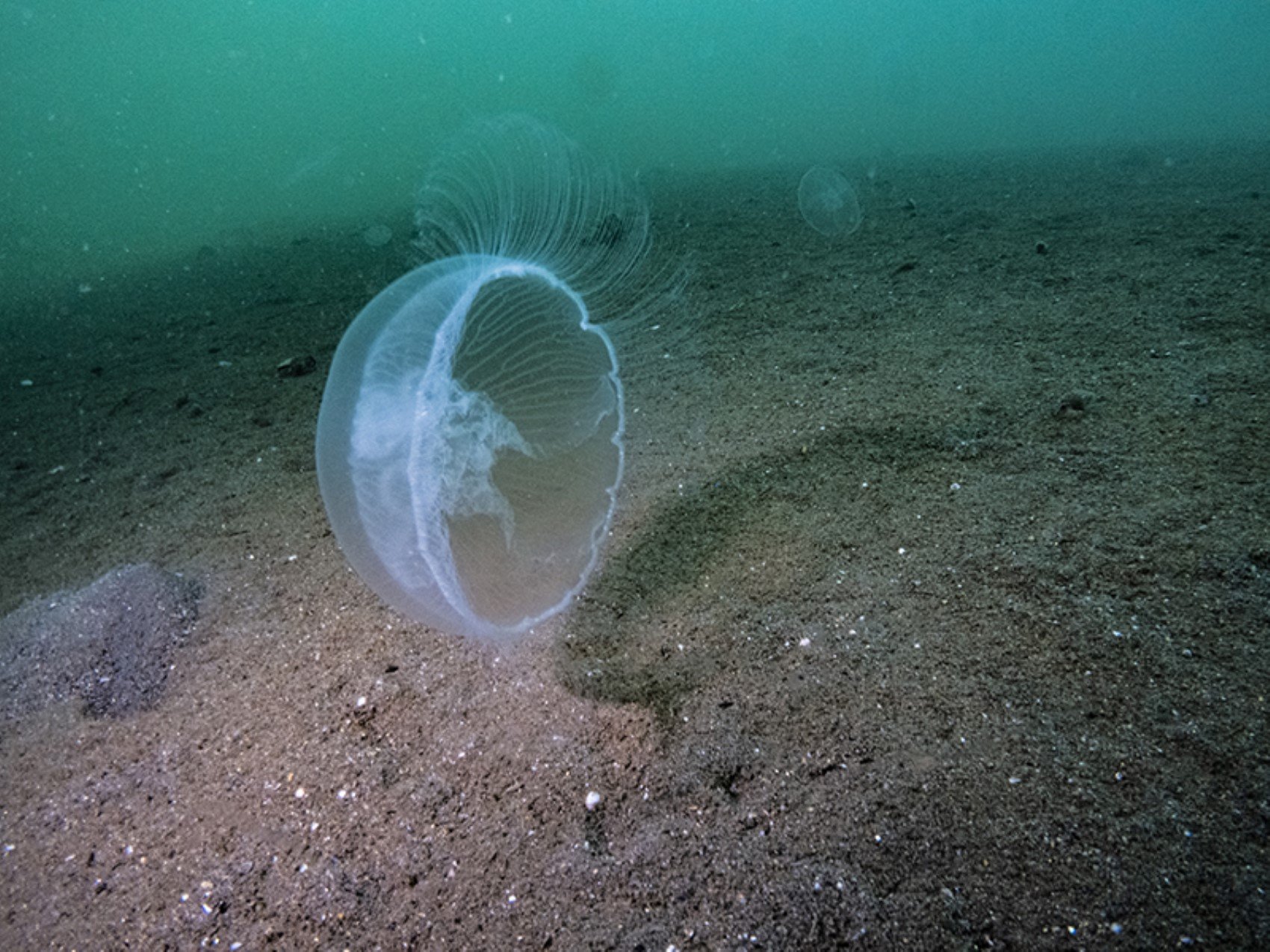
In his statements, academician Prof. Dr. Okyar noted that the Sea of Marmara has become enriched in terms of phytoplankton and stated that this situation has led to an increase in the jellyfish population.
Okyar said that when high amounts of nutrient salts, nitrogen, and phosphorus are discharged into the sea, the environment becomes as if it were fertilized, which leads to the overgrowth of phytoplankton and degrades water quality.
This caused the death or displacement of species that jellyfish feed on. He emphasized that examinations revealed large quantities of anchovy eggs in the stomachs of jellyfish, which poses a major risk to anchovy stocks.
Stating that global warming increases the jellyfish population, Okyar said that with the rise in temperature, jellyfish species are spreading over wider areas. He stated that the Sea of Marmara is polluted and the Black Sea is nutrient-rich, which causes the jellyfish population to multiply.
He expressed that jellyfish transported to the Sea of Marmara via the Bosphorus multiply excessively, especially during periods when temperatures are high, such as spring, summer, and autumn.
Stating that the presence of jellyfish in the Marmara has increased by 100 percent in the last 10 years, Okyar reported that the southeastern part of the Gulf of İzmit, as well as the Gemlik and Bandırma bays, are regions with dense jellyfish populations.
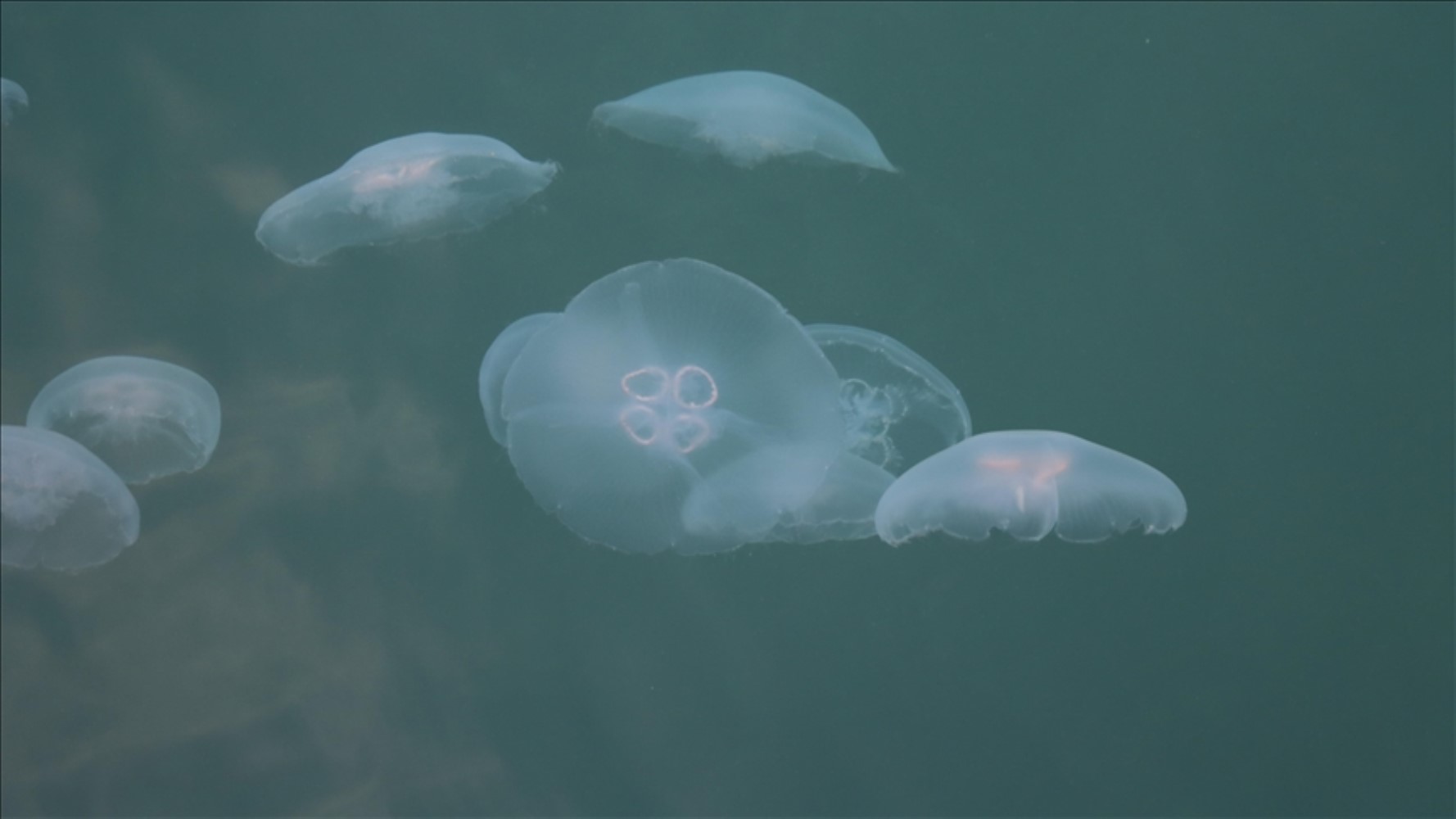
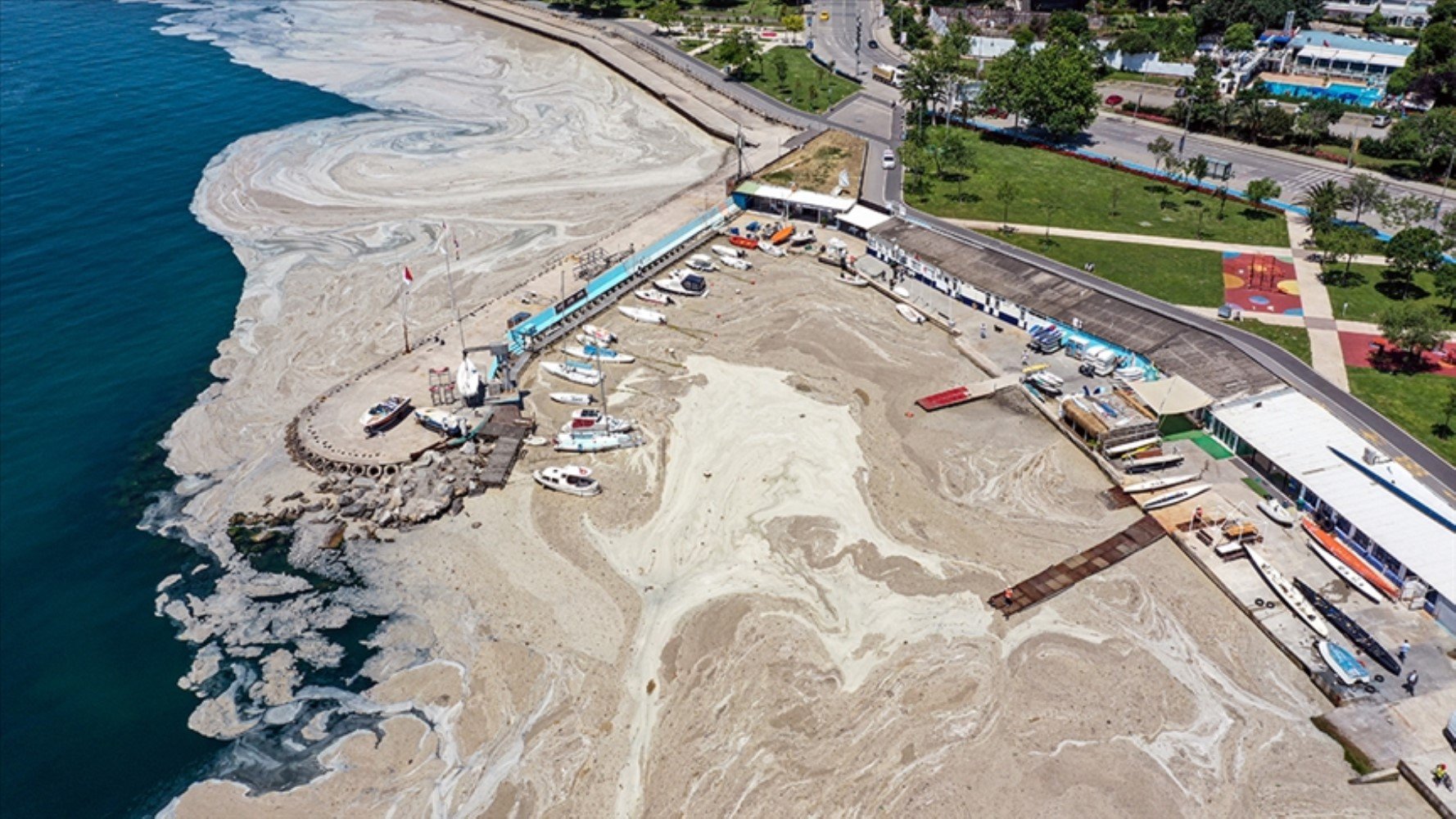
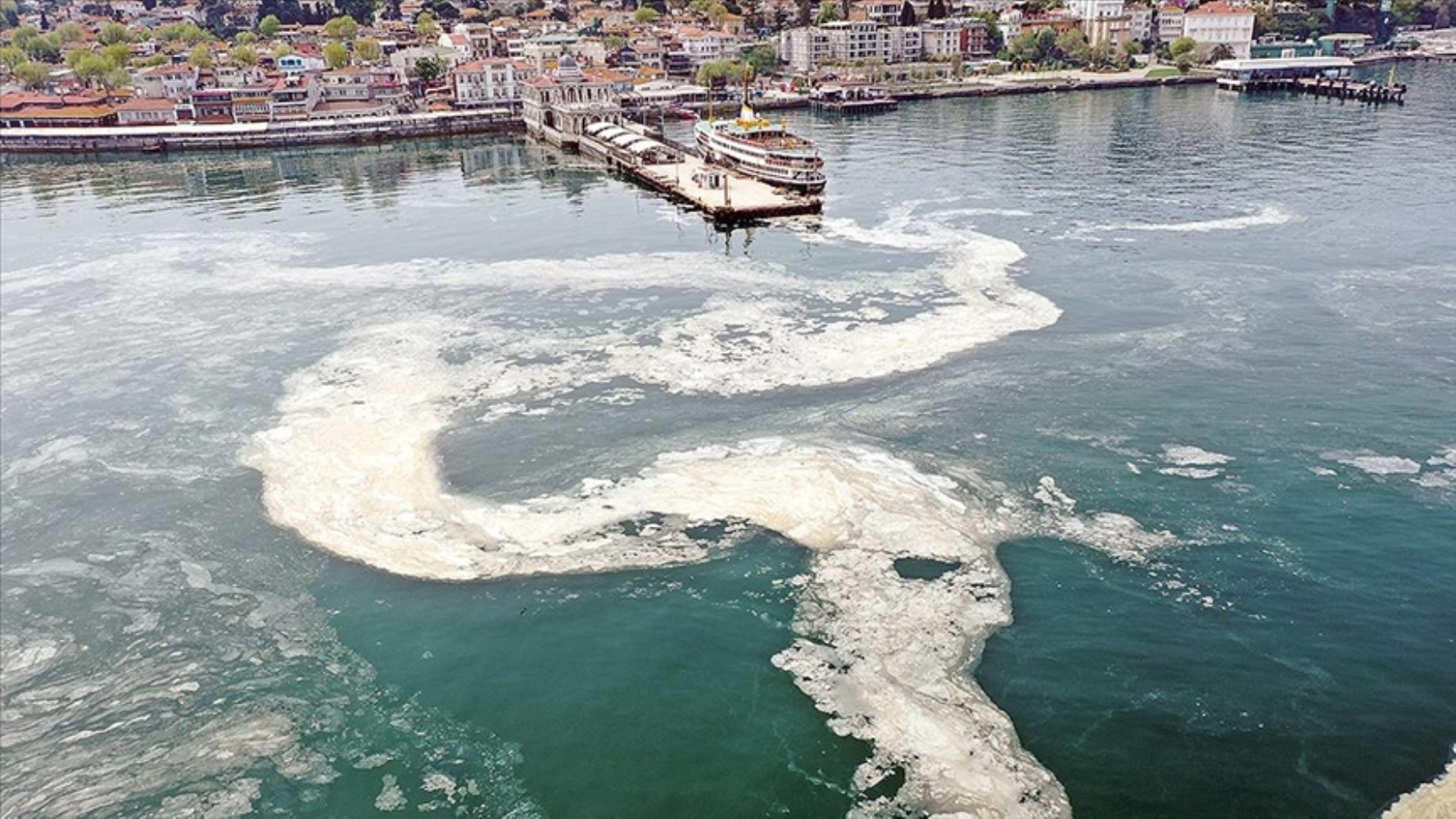
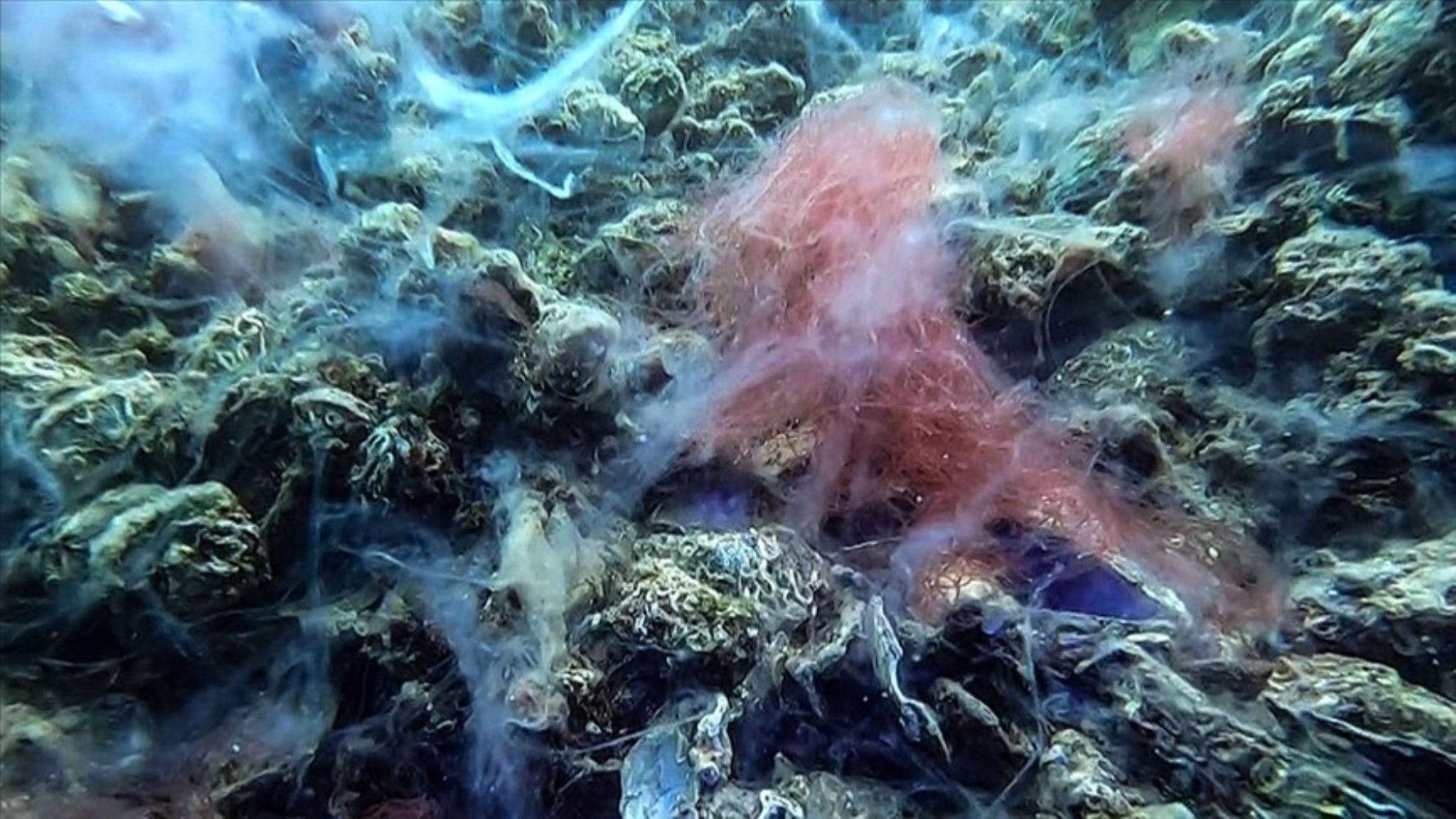
Stating that jellyfish are not organisms that directly form mucilage but contribute to its formation, Okyar noted that in their experiments, they observed that after an excessive increase in jellyfish, dissolved organic matter and particles stress bacterial activity and trigger the conditions that form mucilage. Okyar emphasized that the risk of mucilage will increase along with the rise in the jellyfish population.
Stating that jellyfish have a wide range of uses from the cosmetics sector to the food industry, Okyar also touched upon studies on the use of jellyfish in the biotechnological field.
He added that because jellyfish contain natural collagen, they have potential for use in the health and biomaterial sectors.