Is there a fault line in Konya? Here is the 2025 MTA active fault map
Konya was shaken by a 4.2 magnitude earthquake today. Following the earthquake, questions such as “Is there a fault line in Konya?” and “Does a fault line pass under my house?” have come to the fore. Experts state that Konya is in a region close to fault lines and that the soil structure could increase the impact of an earthquake.
12punto
Konya has once again become the focus of earthquake risk discussions due to recent tremors. In particular, the 4.2-magnitude earthquake that occurred in the Kulu district of Konya on March 14, 2025, was felt in the city center and surrounding provinces. Following the earthquake, questions such as "Are there fault lines in Konya?", "Does a fault line pass under my house?", and "What is the earthquake zone degree of Konya?" have come to the fore.
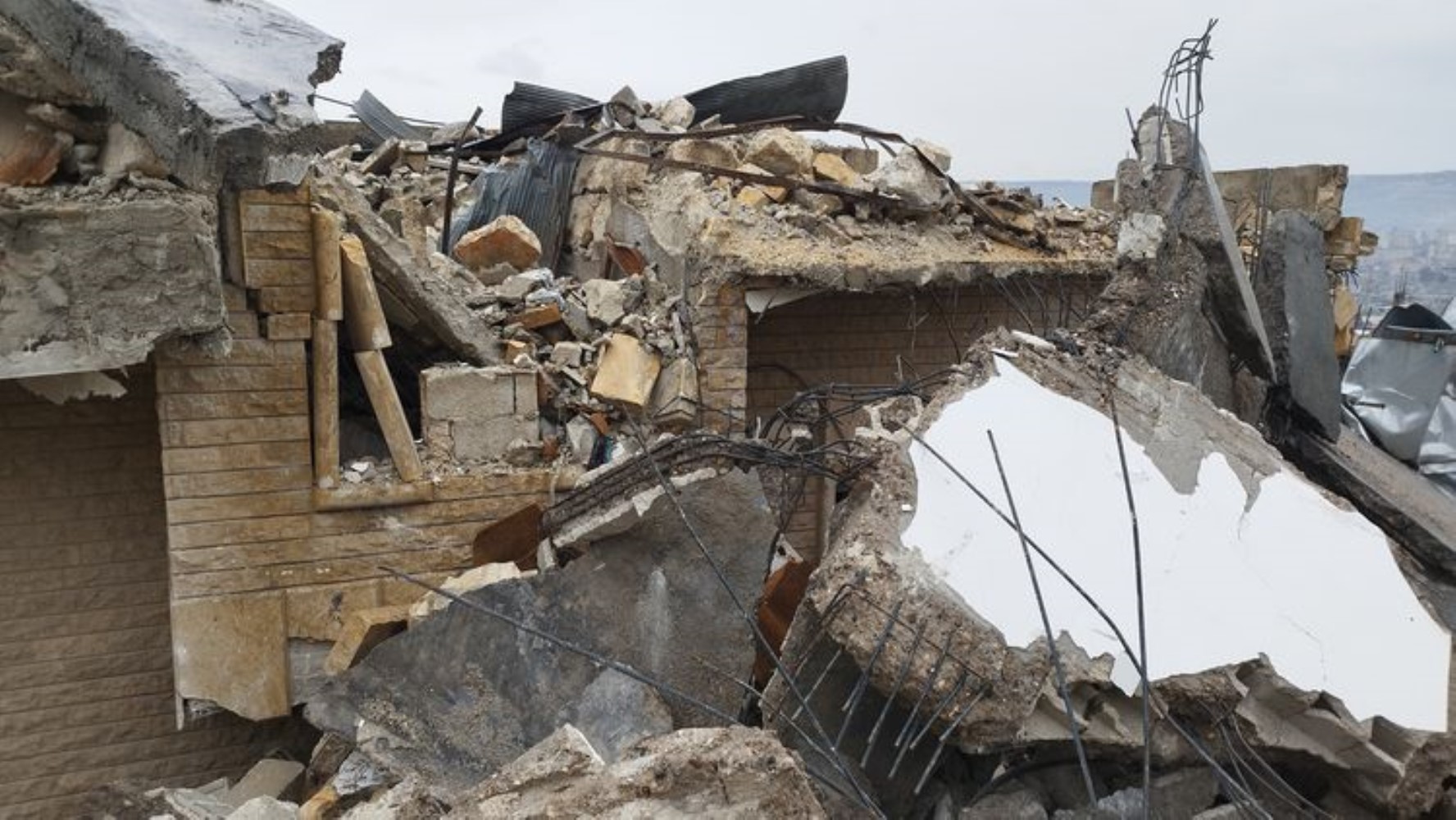
Experts emphasize that Konya is located near active fault lines and that its soil structure could increase the impact of an earthquake. Citizens are researching the earthquake risk of the region where they live by examining the 2025 active fault map published by the General Directorate of Mineral Research and Exploration (MTA). Many people, who also query whether a fault line passes under their homes via the Turkey Earthquake Hazard Map Interactive Web Application, are curious about current information regarding Konya's earthquake risk.
Here are all the details regarding Konya's earthquake risk, active fault lines, and the Turkey Earthquake Map...
EARTHQUAKE PANIC IN KONYA
According to data from the Disaster and Emergency Management Authority (AFAD), a 4.2-magnitude earthquake occurred in the Kulu district of Konya at 14:44. While the earthquake was felt in the Konya city center and surrounding provinces, another aftershock with a magnitude of 3.6 occurred shortly after.
Following the tremors, citizens began researching Konya's earthquake danger and fault lines. The current status of active fault lines in Konya, in particular, has become a subject of curiosity.

ARE THERE FAULT LINES IN KONYA?
According to the 2025 active fault map published by the General Directorate of Mineral Research and Exploration (MTA), although Konya is not a first-degree earthquake zone, fault lines do pass under the city center.
The Akşehir-Ilgın Fault, in particular, stands out as one of the most notable active fault lines in Konya. Experts state that while these faults have not produced major earthquakes in the past, the possibility of them producing a large earthquake in the future should not be ignored.
Although Konya is not among the provinces where major earthquakes occur frequently, it carries the risk of severe shaking in the event of a possible earthquake due to its weak soil structure.
DOES A FAULT LINE PASS UNDER MY HOUSE?
Citizens can use the Turkey Earthquake Hazard Map Interactive Web Application to learn whether a fault line passes under their homes.
To perform a query:
Turkey Earthquake Hazard Map Interactive Web Application
By logging in via e-Devlet on this platform, regional earthquake risk and active fault lines can be examined.
WHAT IS THE EARTHQUAKE ZONE DEGREE OF KONYA?
According to the Turkey Earthquake Hazard Map, Konya is located within a third-degree earthquake zone. However, the weakness of the soil can cause the intensity to be felt more strongly in the event of a possible earthquake.
The high number of old buildings, especially in the city center, is cited as one of the factors increasing earthquake risk. For this reason, experts state that urban transformation efforts should be accelerated.
DO FAULT LINES PASS THROUGH KONYA?
The provinces on the fault line announced by the MTA are as follows:
Aksaray, Aydın, Balıkesir, Bolu, Burdur, Bursa, Bingöl, Denizli, Eskişehir, Erzincan, Erzurum, Hakkari, Hatay, İzmir, Kahramanmaraş, Manisa, Muğla, Kocaeli, Konya, Osmaniye, Sakarya, Tokat.
Additionally, 110 districts are located directly on active fault lines.

PROVINCES WITH LOWER EARTHQUAKE RISK
Provinces that are third-degree earthquake zones:
Eskişehir, Antalya, Tekirdağ, Edirne, Sinop, Istanbul, Kastamonu, Ordu, Samsun, Giresun, Artvin, Şanlıurfa, Mardin, Kilis, Adana, some regions of Gaziantep, Kahramanmaraş, Sivas, Gümüşhane, Bayburt, Kayseri, Yozgat, Çorum, Ankara, Konya, Mersin, Nevşehir.
Least risky regions:
Sinop, Giresun, Trabzon, Rize, Artvin, Kırklareli, Ankara, Edirne, Adana, Nevşehir, Niğde, Aksaray, Konya, Karaman.
Although these regions are considered safer in terms of earthquakes, experts emphasize that measures regarding structural safety should be taken in every province.