It may show no symptoms, is detected by chance, and occurs in one in 50 men!
Kidney tumors, which often do not show symptoms in their early stages and settle in the body unnoticed, pose a major danger to individuals aged 45 and over. Identifying the symptoms and ways to protect against kidney tumors, where early diagnosis saves lives, is also crucial for the treatment of the disease.
12punto
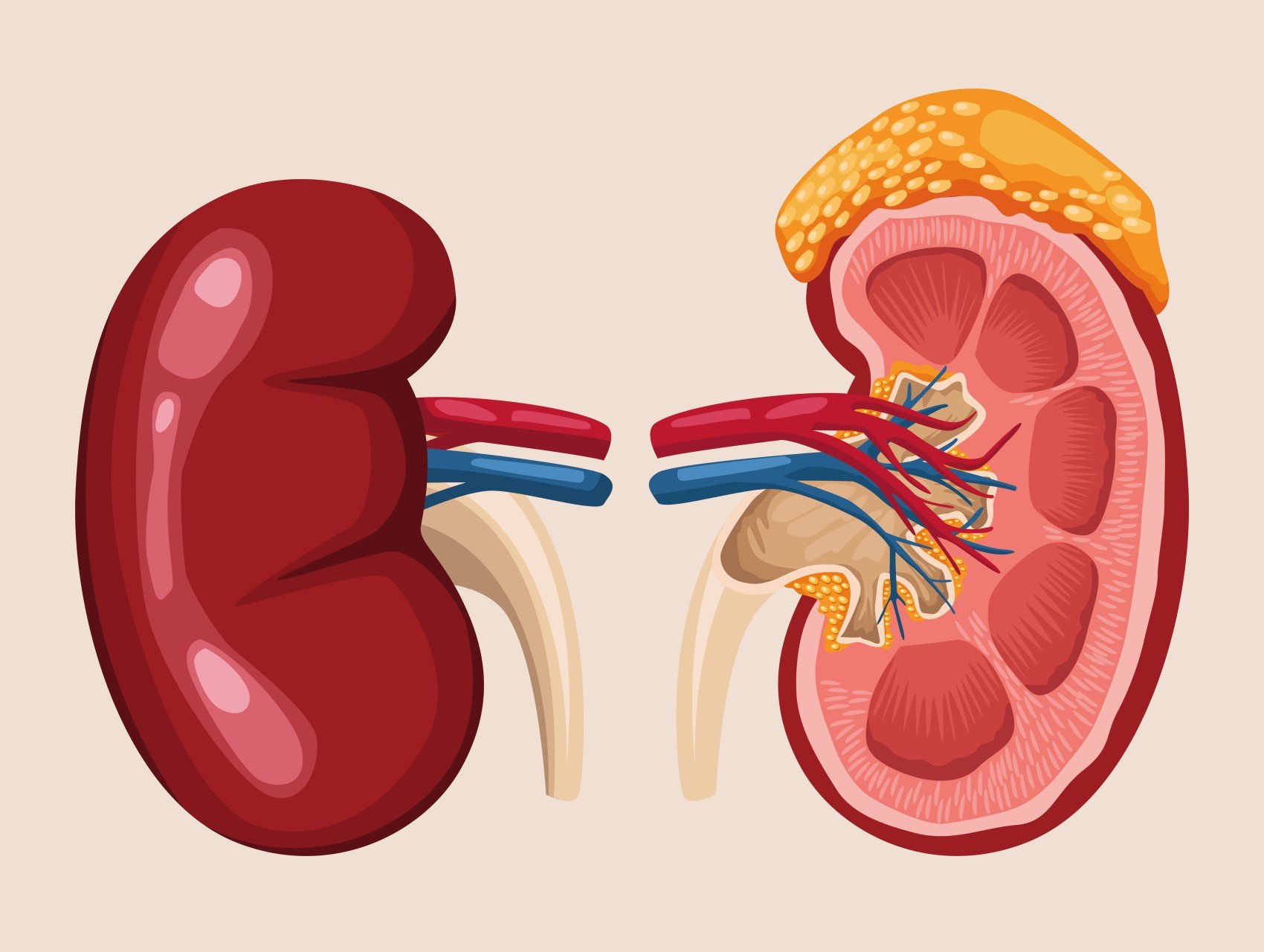
SEEN IN ONE OUT OF EVERY 50 MEN!
A kidney tumor is a disease that is more common in men and can lead to serious consequences if not diagnosed early. This condition, which can be seen in one out of every 50 men, causes 65 thousand new patients to be diagnosed with kidney cancer each year according to studies conducted in the USA.
Although kidney tumors can manifest themselves with symptoms such as blood in the urine, weight loss, and loss of appetite, they are usually detected by chance during medical examinations performed for another reason without showing any symptoms.
WHAT ARE THE FACTORS THAT CAUSE KIDNEY TUMOR FORMATION?
Factors that influence the formation of kidney tumors include obesity, smoking, genetic predisposition, and occupational exposure to chemical substances. In addition, the presence of kidney stones for a long time can also increase the risk of tumors. In cases showing familial transmission, tumors can be detected in both kidneys.
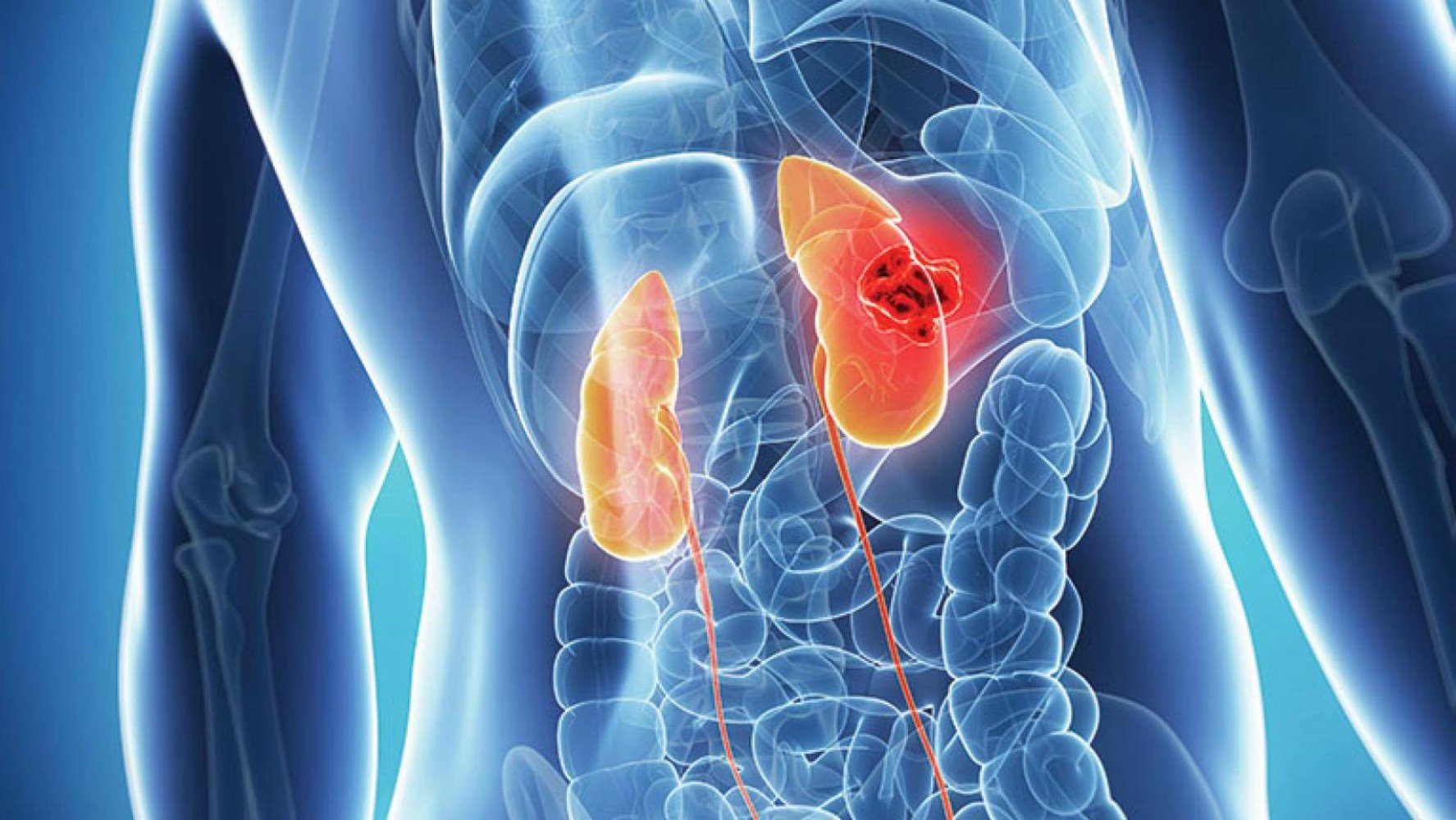
EARLY DIAGNOSIS IS IMPORTANT!
Not every mass seen in the kidneys means cancer. While benign masses usually grow slowly without carrying the risk of spreading, malignant ones can progress without showing symptoms. For this reason, early diagnosis with imaging methods such as ultrasonography (USG) is of great importance. The chance of treatment is much higher in kidney cancers caught at an early stage.
WHAT ARE THE SYMPTOMS OF A KIDNEY TUMOR?
Since it generally does not show symptoms in the early stage, diagnosis is made late in most cases, but some symptoms can be distinctive. Although its most common symptom is hematuria, this symptom is also frequently seen in kidney stones or urinary tract infections.
The symptoms that may emerge with the growth of kidney tumors are as follows:
-Seeing dark red or brown blood in the urine (hematuria)
-Persistent pain felt in the lower back and back region

-Swelling in the lower back region
-High fever, excessive sweating
-Fatigue, feeling weak
-Loss of appetite and weight loss
-Anemia
Kidney tumors can usually be diagnosed with computed tomography (CT) and magnetic resonance (MR) scans. In necessary cases, the structure of the tumor can also be examined using the biopsy method.
HOW IS IT TREATED, WHAT ARE THE WAYS OF PROTECTION?
The treatment method can vary depending on the size and location of the tumor. Surgical intervention is the most common treatment method and is performed with laparoscopic or robot-assisted surgery.
For smaller tumors, minimally invasive techniques such as cryotherapy (freezing) or radiofrequency ablation can be applied.
Although partial nephrectomy (the procedure of directly removing the tumor or the section where it is located) is preferred for tumors smaller than 4 cm, it can also be applied for the removal of tumors reaching up to 7 cm in size in some cases and according to the experience of specialist physicians.
WHAT SHOULD BE DONE TO PROTECT KIDNEY HEALTH?
Have regular health check-ups: Regular health check-ups and ultrasonography are recommended, especially after the age of 45, to protect kidney health.

Healthy lifestyle: Adopting a healthy lifestyle, staying away from cigarettes, and maintaining an ideal weight also play an important role in reducing risks.
Do not hesitate to consult a doctor: It should not be forgotten that early diagnosis is life-saving. Therefore, do not hesitate to consult a specialist doctor when you notice any symptoms.
Exercise regularly: Keeping the body mobile and dynamic also leads it to develop self-protection methods. Regular exercise ensures that the body is active and strong.
Sleep pattern: Getting the sleep the body needs on time is also very important for being fit. Keeping your sleep pattern in a routine and allowing the body to rest are the cornerstones of protecting physical health.