Japanese Earthquake Expert Moriwaki lists 32 cities at risk: Critical warning for these Istanbul districts
Drawing attention to the North Anatolian fault line, Japanese Earthquake Expert Yoshinori Moriwaki has listed 32 cities at risk. Addressing the potential major Istanbul earthquake, Moriwaki also identified the districts that will be most affected.
12punto

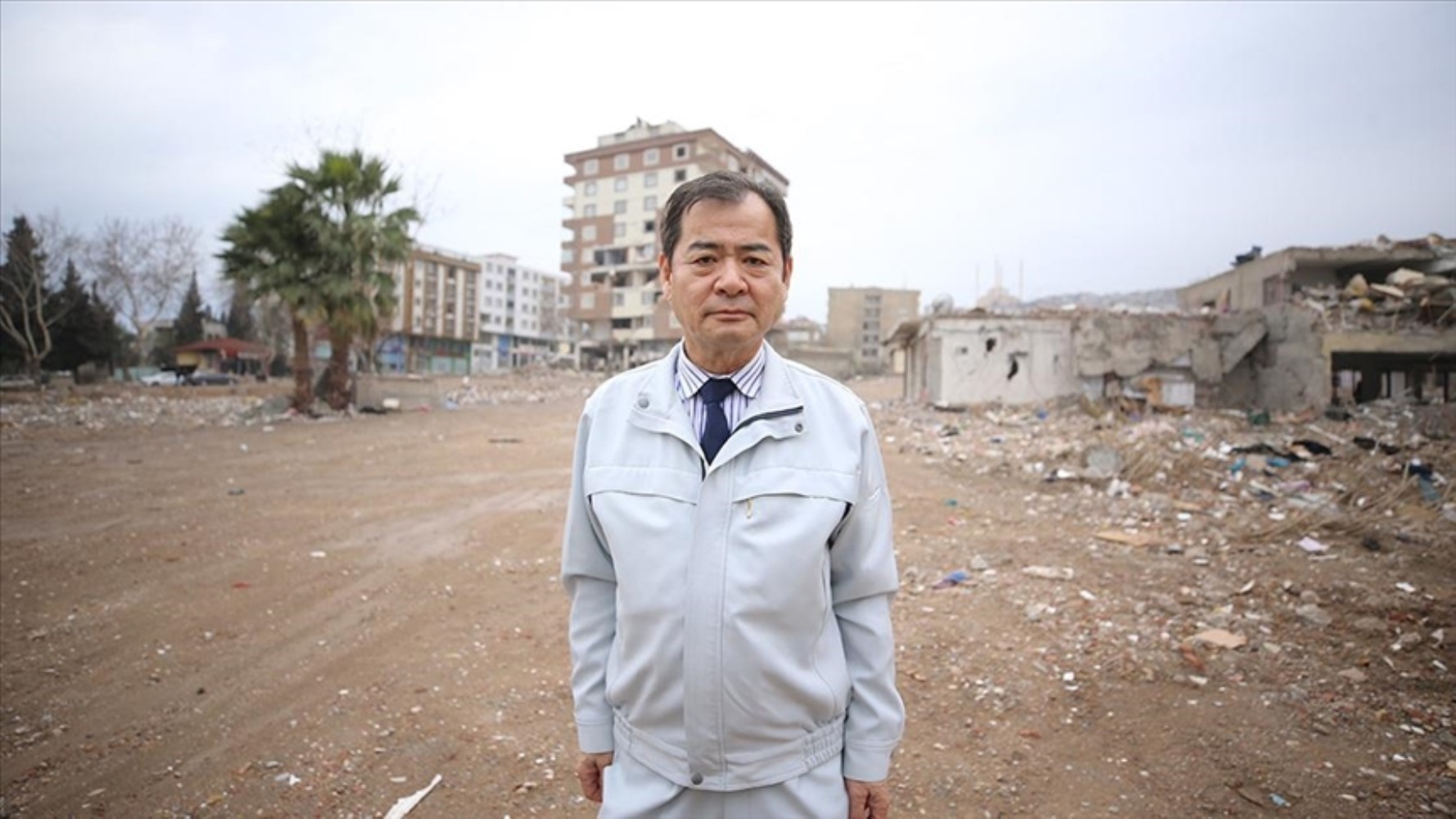
Japanese earthquake expert Yoshinori Moriwaki issued important warnings during a television program he attended.

Speaking on Tv100, Moriwaki listed the regions in Istanbul that are under earthquake risk one by one.

Stating that there is no province left in Turkey where an earthquake will not occur, Moriwaki noted that earthquakes have begun to occur even in cities previously considered to be free of seismic risk.

A Japanese earthquake expert stated that the largest earthquakes in Turkey will occur in cities along the North Anatolian Fault line and issued specific warnings for 32 cities.

In his statement, Moriwaki noted that Turkey must take urgent measures.
ATTENTION TO THE CYPRUS FAULT
A Japanese expert stated, "Since the East Anatolian fault line has begun to release the energy it has accumulated for a long time, the fault lines in the west are being triggered. We can consider the activation of the fault lines located in the West and their progression toward Cyprus as the reason for the earthquake experienced in Adana. The triggering of the fault line extending to Cyprus will increase earthquakes in the Mediterranean region."

"FAULT LINES ARE LIKE DOMINOES"
"The fault lines across Turkey have begun to exert so much pressure on one another that earthquakes have started to occur even in cities where it was said there would never be any," said Moriwaki, continuing as follows:
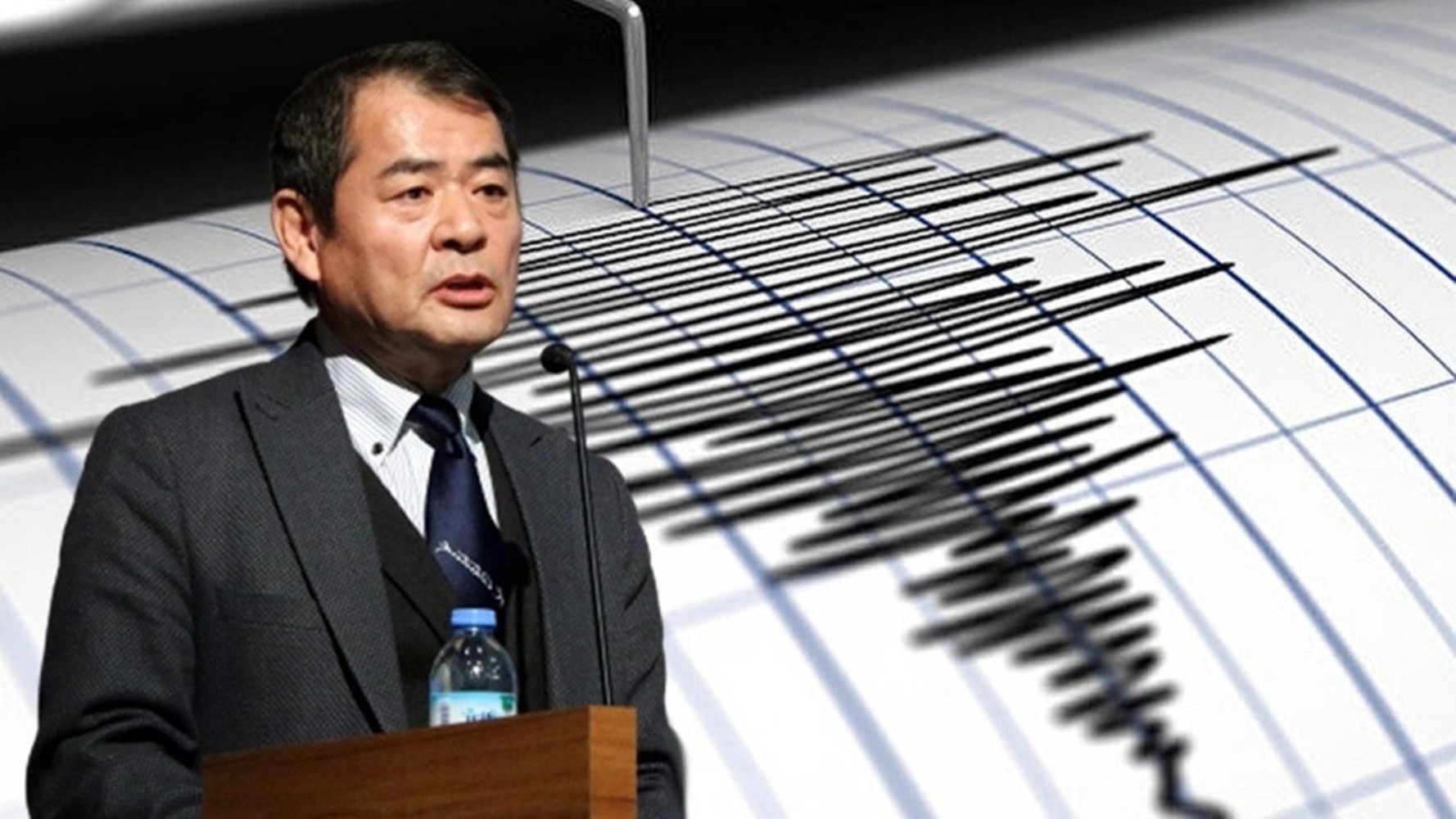
"The earthquake that occurred in Konya actually emerged as a result of these pressures. Fault lines are like dominoes; when one moves, the others inevitably move as well."

"AN EARTHQUAKE IN IZMIR IS INEVITABLE"
The Japanese expert stated that he does not expect a magnitude 7 earthquake in Izmir, adding the following:
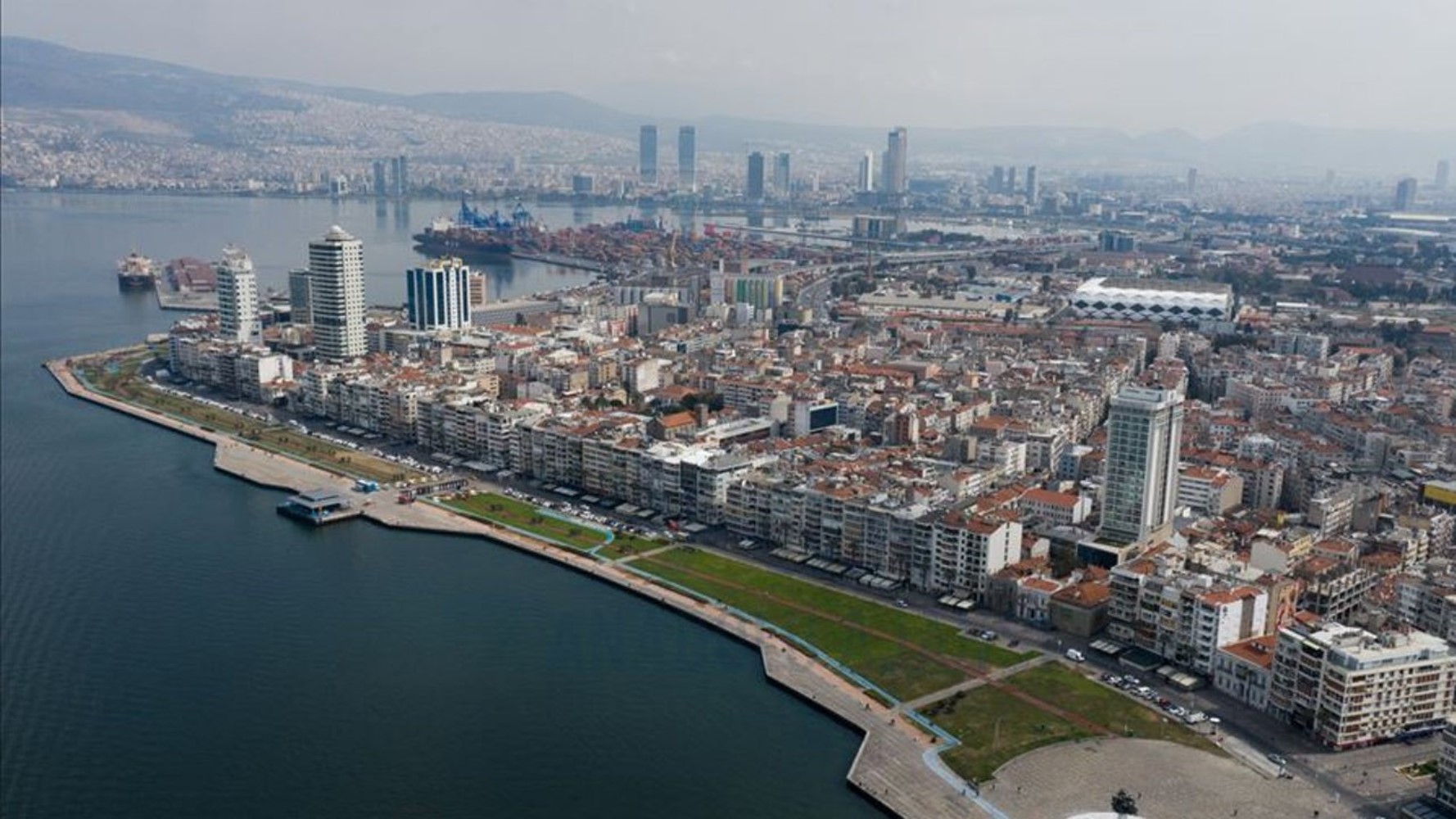
"We see that the fault line passing through İzmir is a very thin fault line. Earthquakes caused by a thin fault line would have a maximum magnitude of 5 or 6. An earthquake of magnitude 7 is a very unlikely possibility. However, as you know, the major earthquake experienced in İzmir was centered in Greece. There are lines in İzmir that have not yet ruptured, and for this reason, an earthquake in that region is inevitable."
MAJOR EARTHQUAKE WARNING
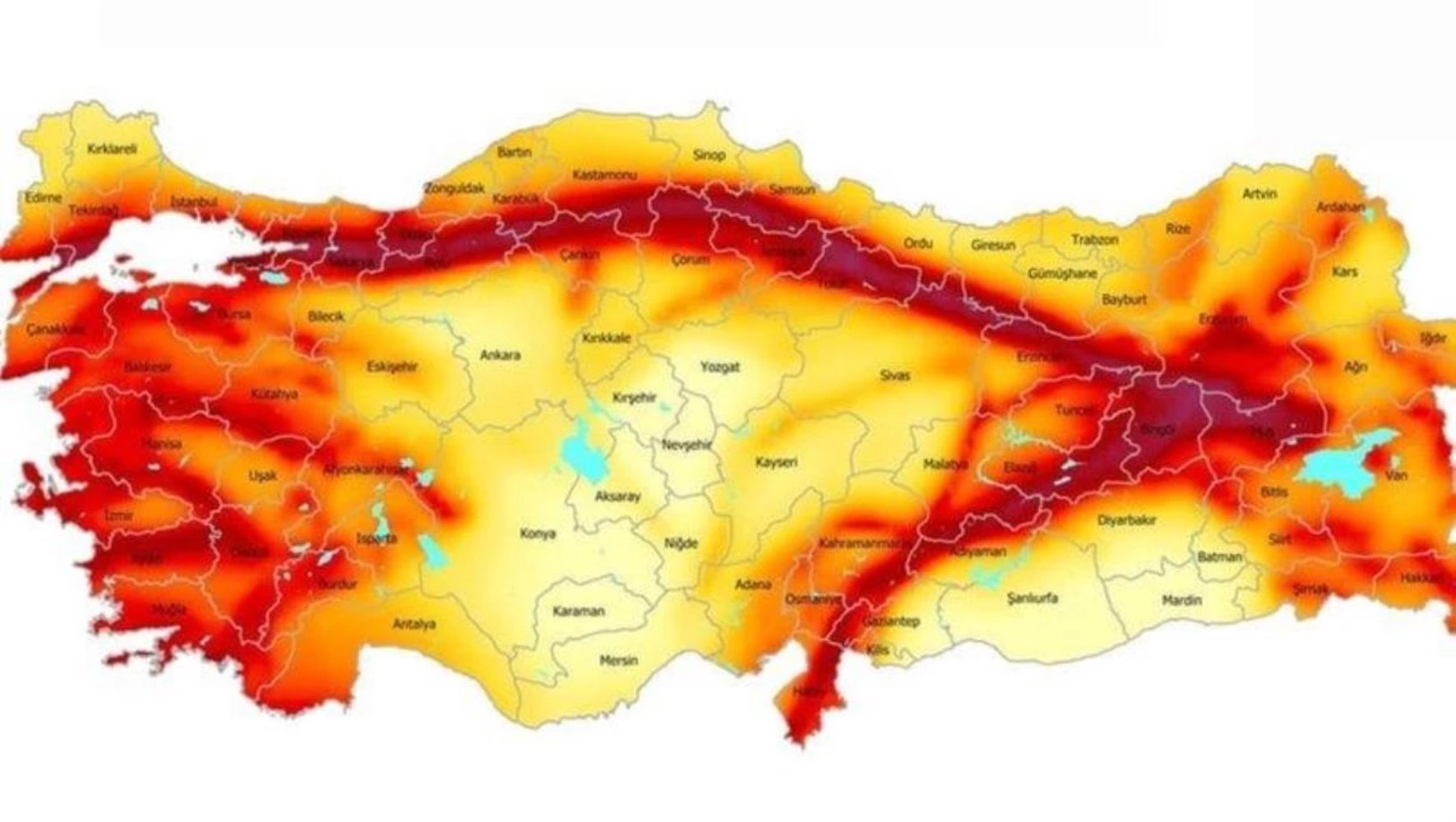
"The largest earthquakes in Turkey will occur in areas where the North Anatolian fault line passes," said Moriwaki, as he listed the provinces one by one and issued a warning.
Moriwaki stated the following:
"The North Anatolian fault line is one of the fastest-moving and most active fault lines in the world. Therefore, citizens living in İzmir, Balıkesir, Manisa, Muğla, Aydın, Denizli, Isparta, Uşak, Bursa, Bilecik, Yalova, Sakarya, Düzce, Kocaeli, Kırşehir, Bolu, Karabük, Hatay, Bartın, Çankırı, Tokat, Amasya, Çanakkale, Erzincan, Tunceli, Bingöl, Muş, Hakkâri, Osmaniye, Kırıkkale, and Siirt need to take extra precautions."
AT-RISK DISTRICTS IN ISTANBUL
The Japanese expert also drew attention to areas of the megacity with poor soil conditions due to the potential Istanbul earthquake.
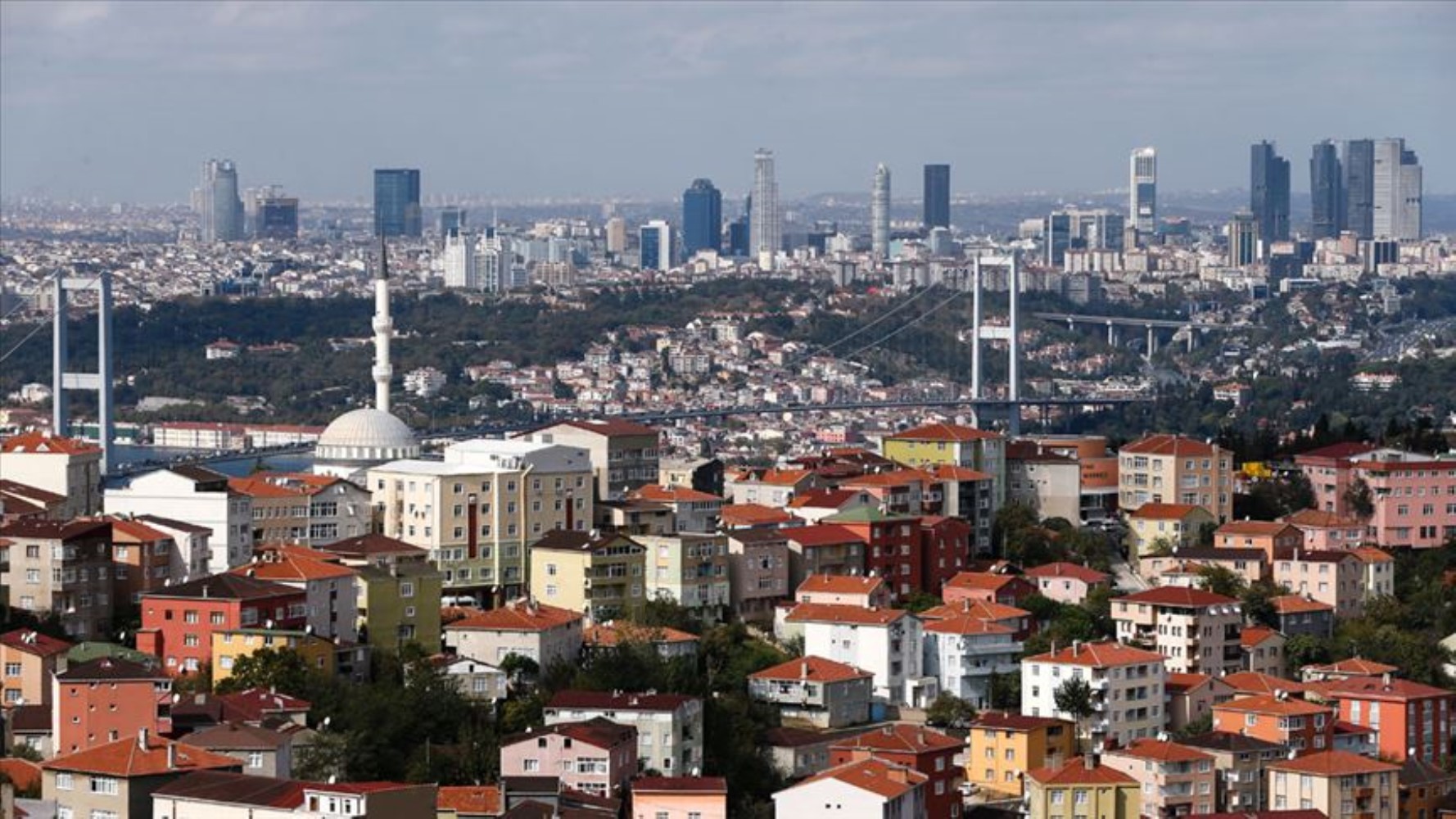
Listing the areas with soft ground, Moriwaki continued as follows:
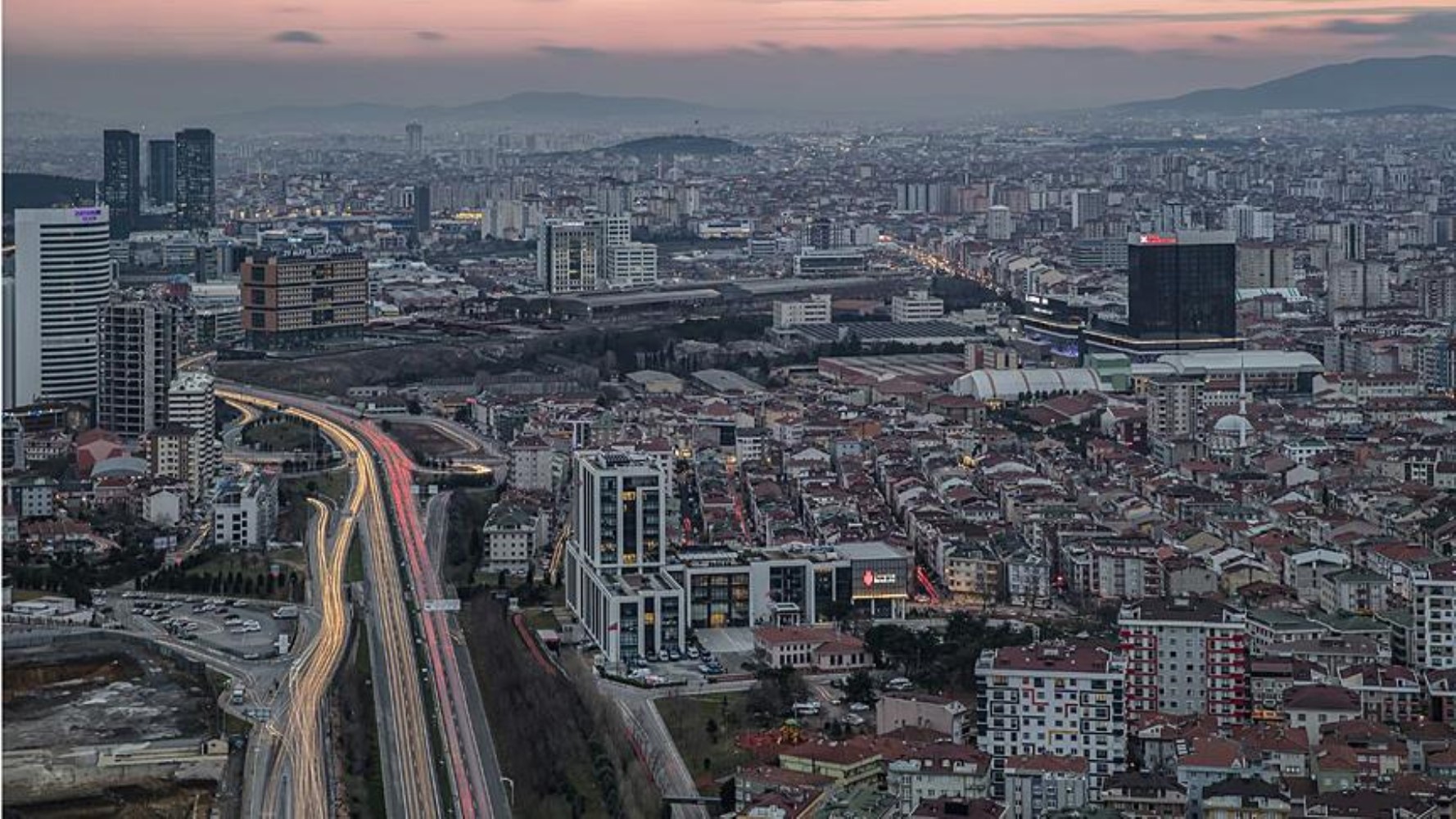
"Atatürk Airport is on the western side. That is, Ataköy, Zeytinburnu, Küçükçekmece, Büyükçekmece, Avcılar, Yeşilköy. That region is soft. But even so, if a building is constructed after improving the ground, such as with a pile foundation system, there will be no problem."

"Whether on the Anatolian side or the European side, if the ground is hard and good, there is not much damage in an earthquake. But in the '99 earthquake, many buildings collapsed in Avcılar. Because it was soft ground. When earthquake waves travel slowly and hit soft ground, the wave amplification is high," he said.