The earthquake in Malatya is linked to that 2021 earthquake! Expert issues warning, calling it a 'dog-tail type' fracture...
Experts have commented on the 5.9-magnitude earthquake that occurred in the Kale district of Malatya. Here are the assessments from Prof. Dr. Şener Üşümezsoy and Dr. Ramazan Demirtaş...
12punto
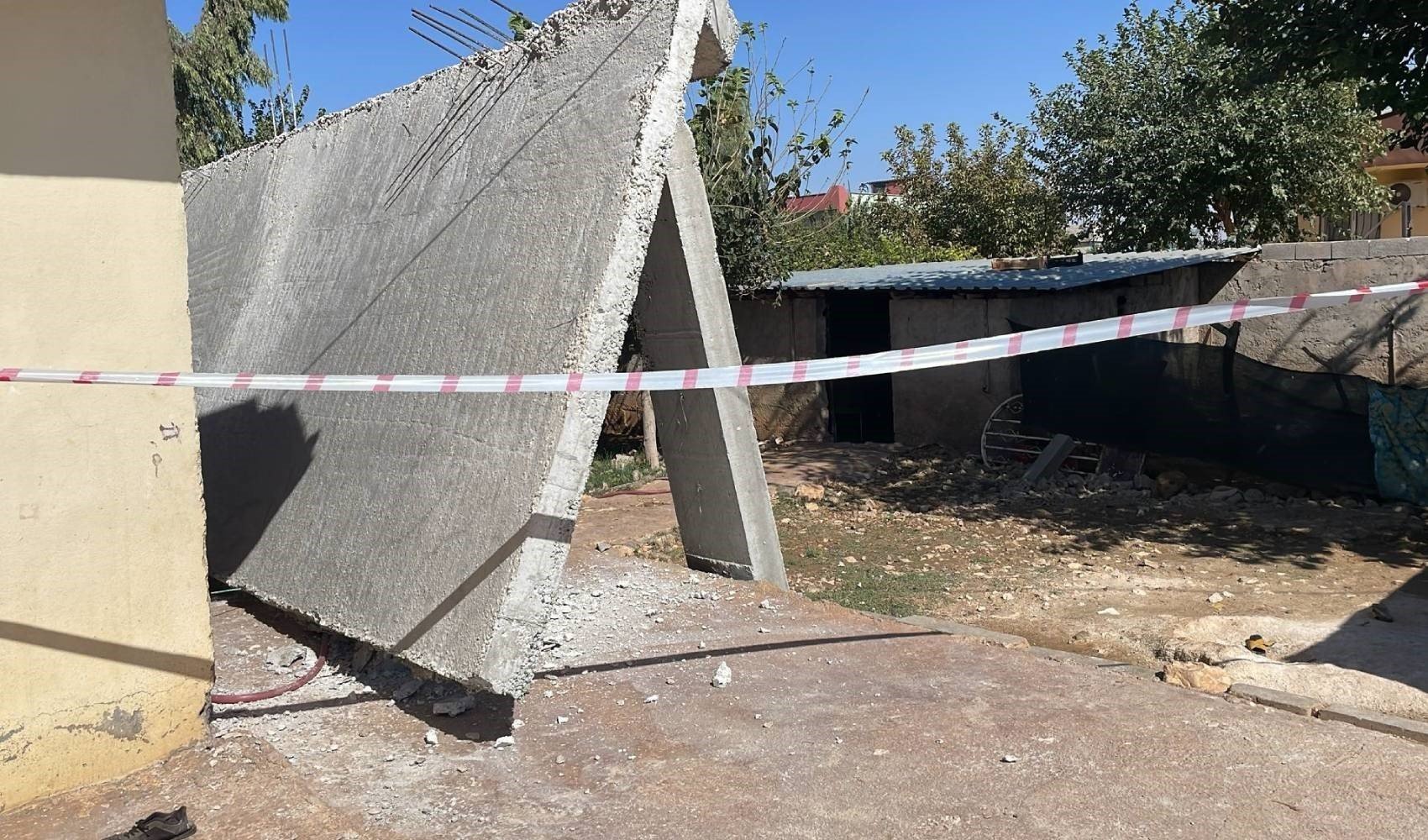
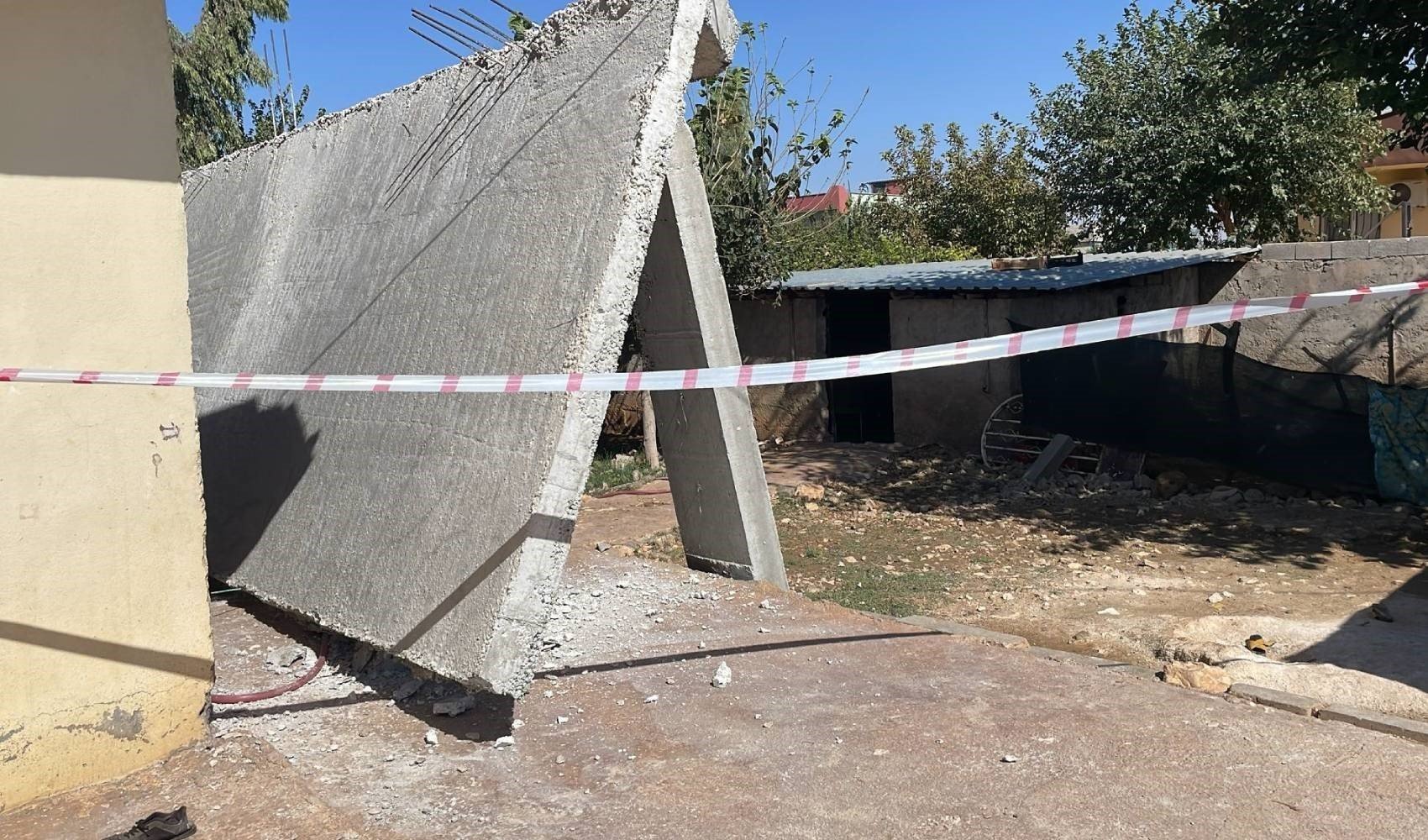
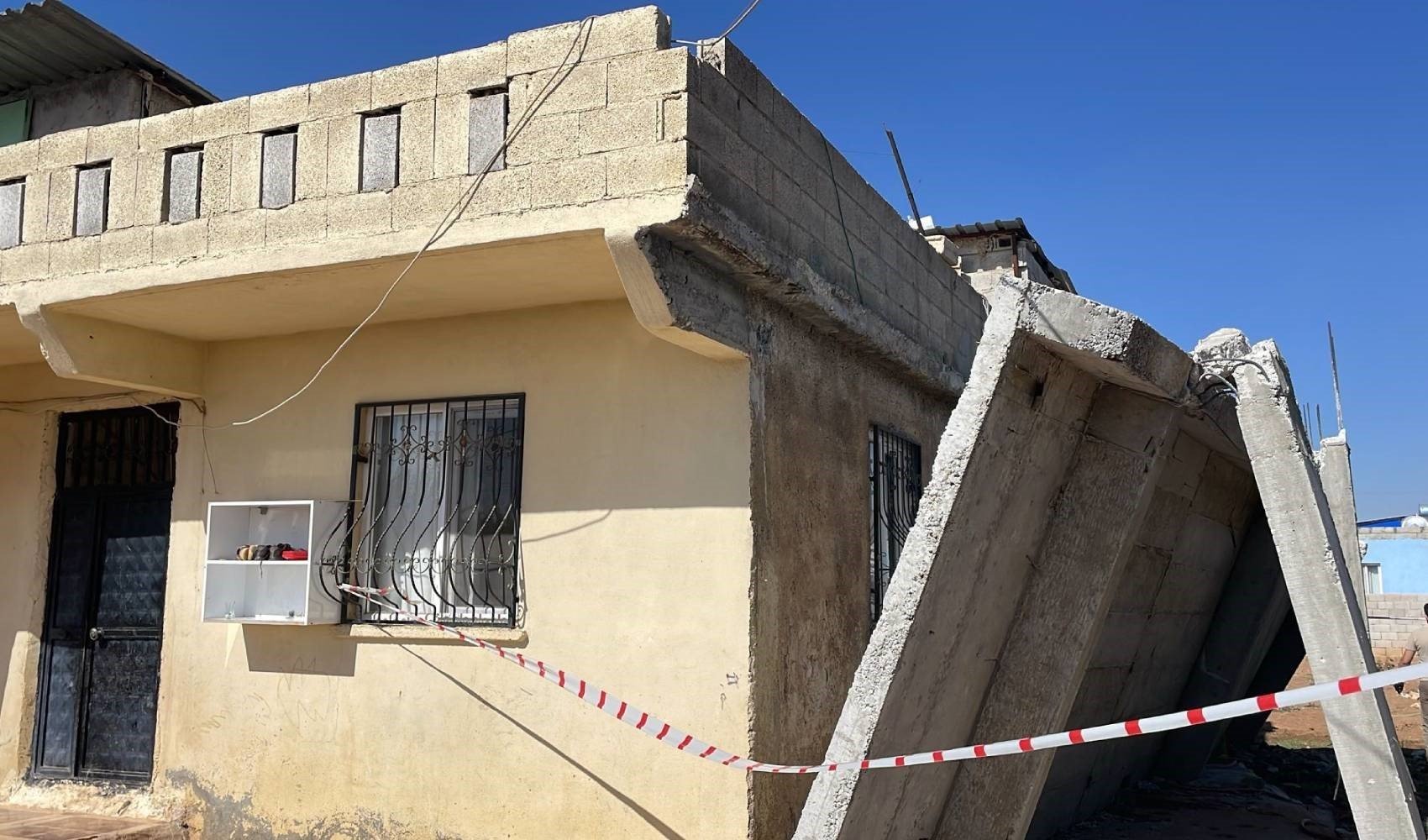
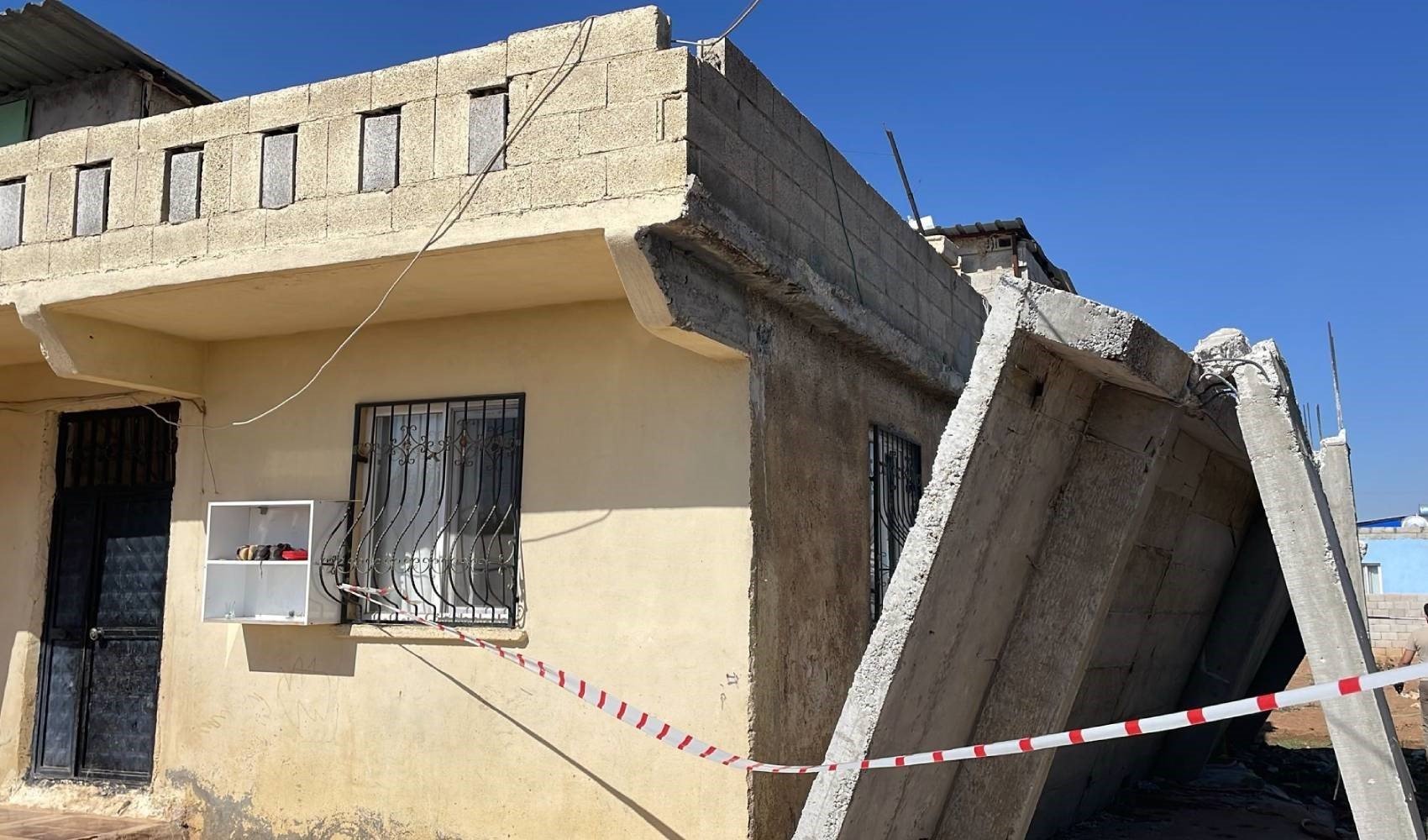
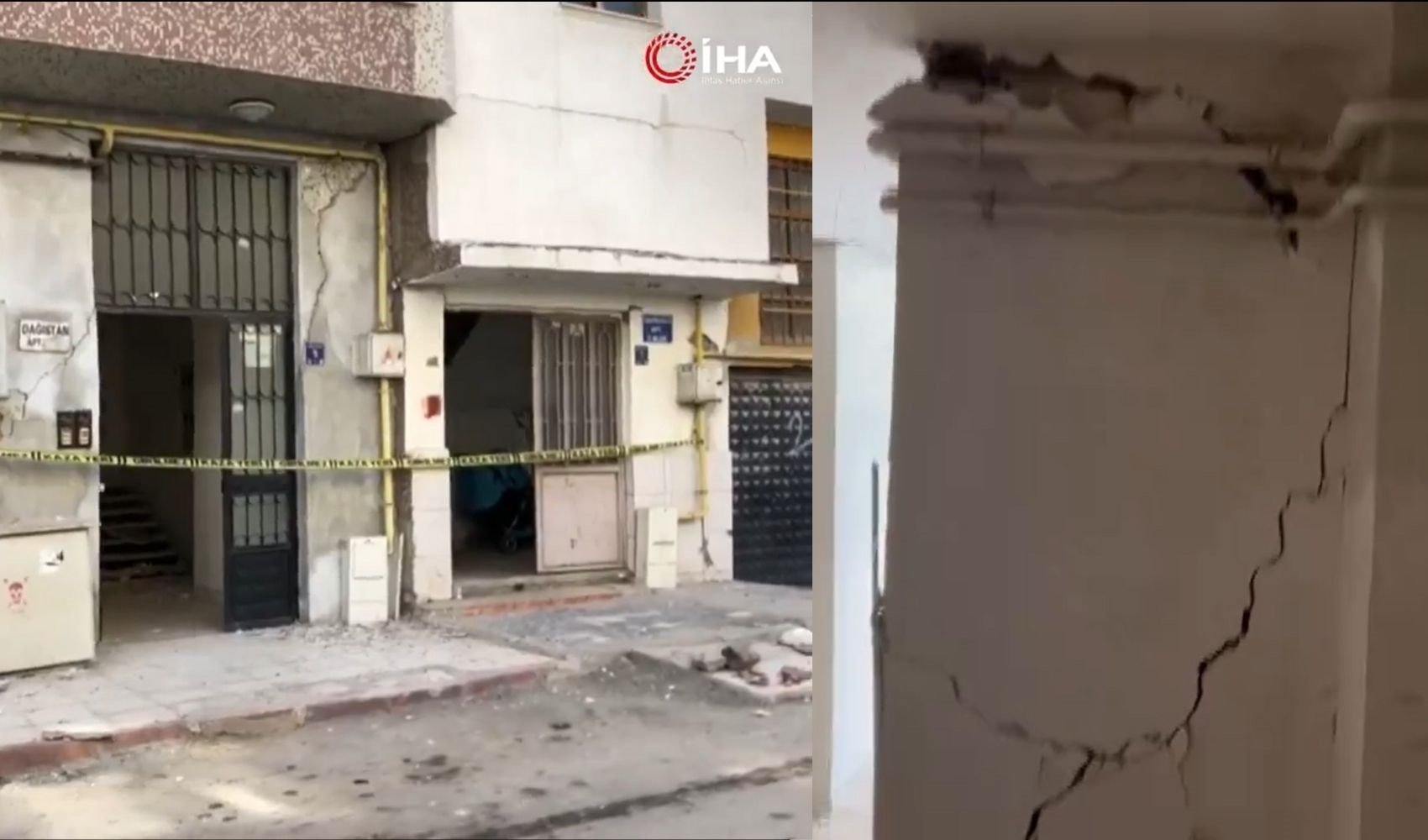
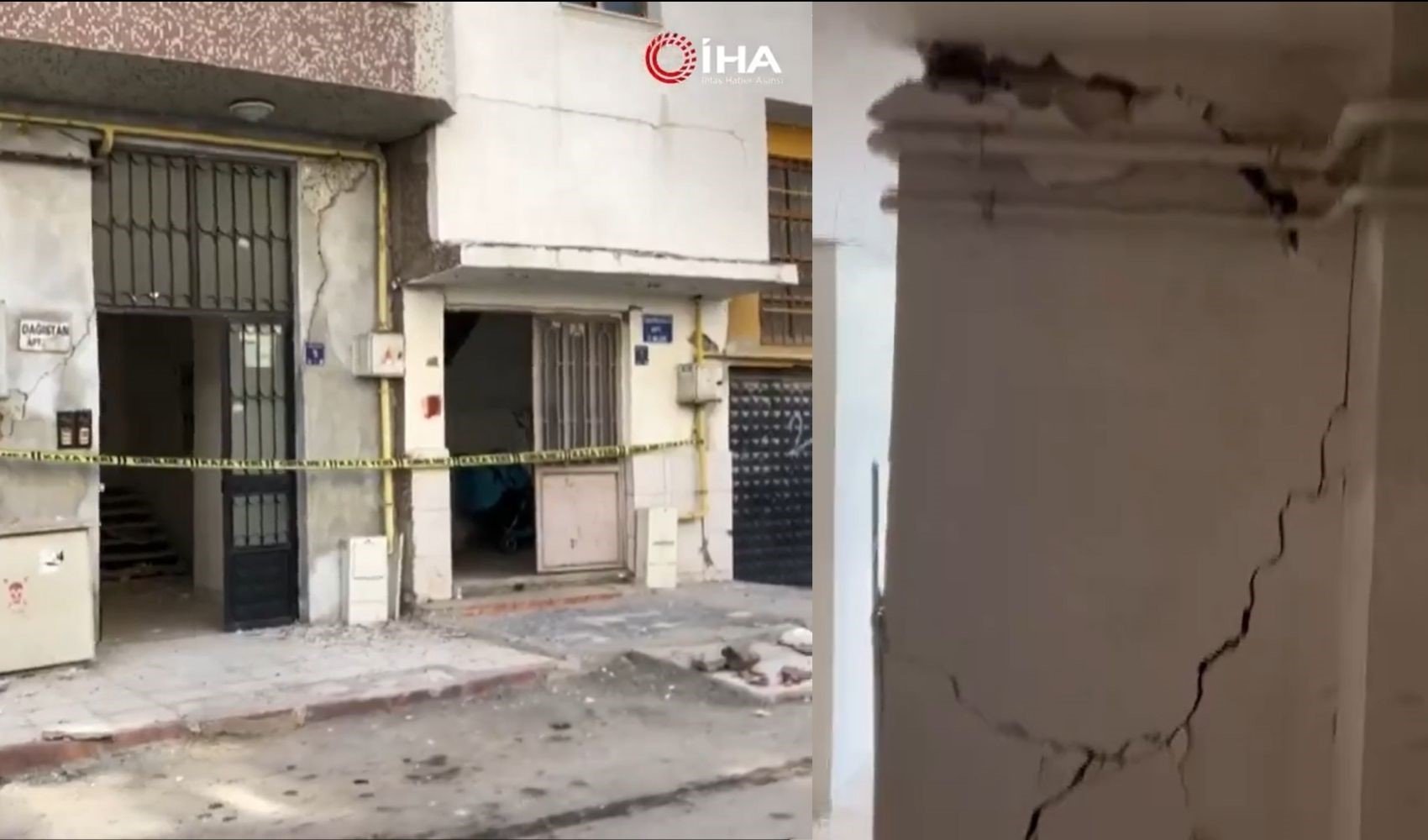
Earthquake geology expert Dr. Ramazan Demirtaş shared his assessments on social media following the earthquake that occurred in the Kale district of Malatya.
Dr. Demirtaş stated the following:
On the Kale segment of the Yeşilyurt-Kavaktepe fault zone (Çöşnük fault), a left-lateral strike-slip fault zone approximately 150 km long consisting of at least 5 segments extending between Yeşilyurt-#Malatya south-Kavaktepe-Keban Dam, near Kale (#Malatya),
a Mw=6.0 #earthquake occurred on 16.10.2024 at 10:46.
REMINDING OF 2023
Regarding the Yeşilyurt-Kavaktepe fault zone, particularly at its western end, around Yeşilyurt and Öncü:
Earthquakes ranging from 4.0 to 5.3 occurred between August 10-24, 2023; an earthquake of Mw=4.3 occurred on October 09, 2023; an earthquake of Mw=5.2 occurred on January 25, 2024; and an earthquake of Mw=5.3 occurred at the eastern end on December 27, 2020.
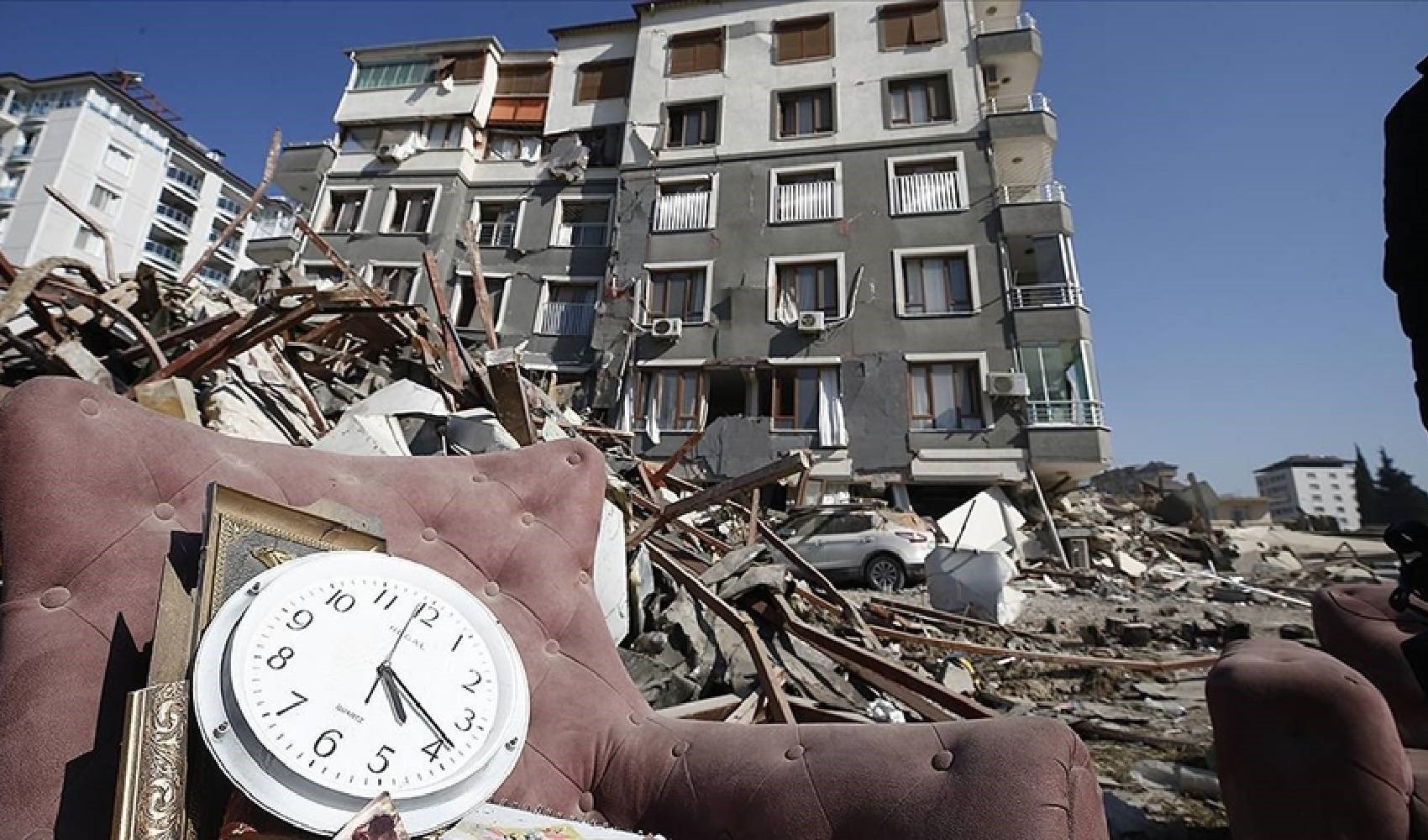
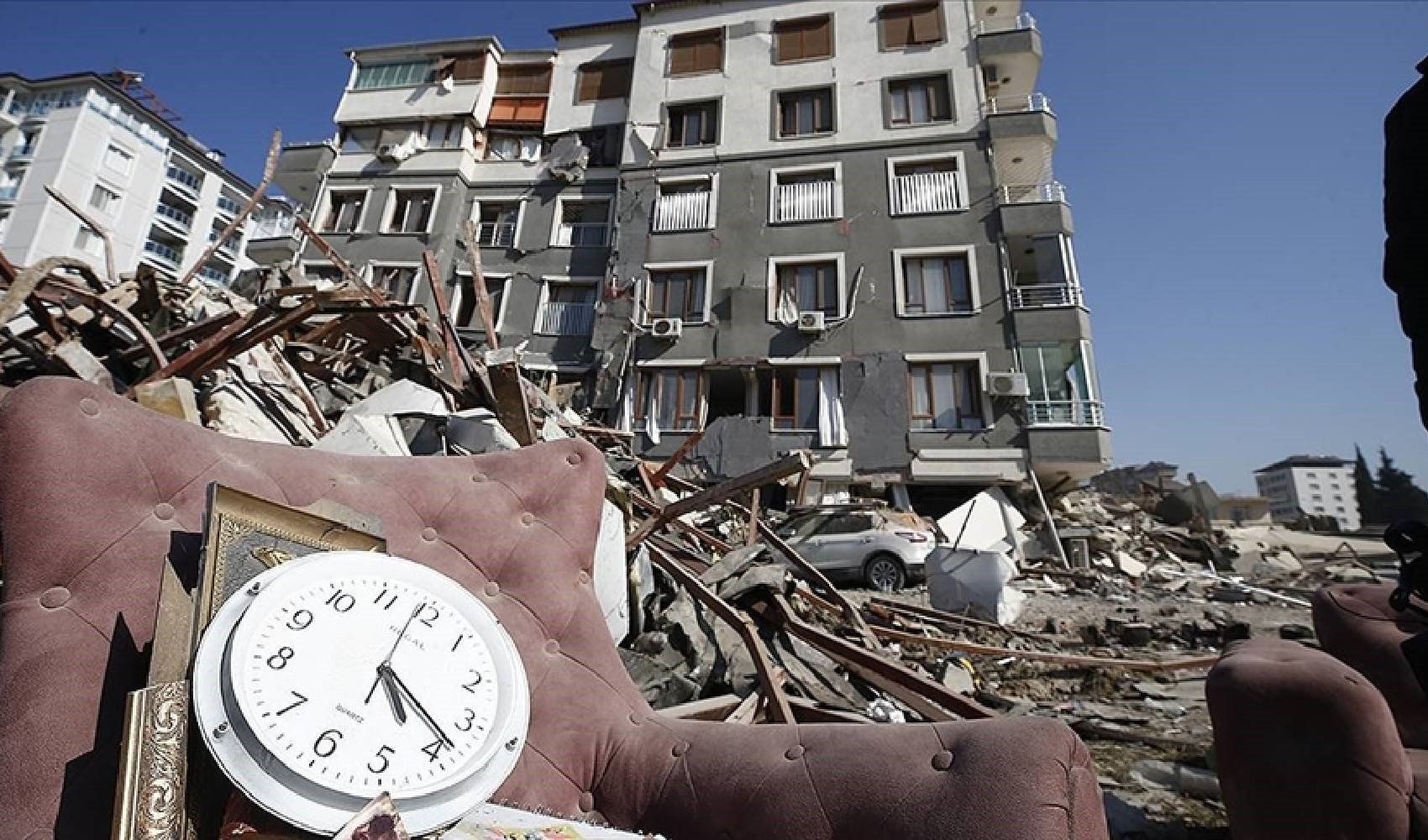
Prof. Dr. Şener Üşümezsoy, on the other hand, stated that the earthquake is not related to the February 6 earthquakes centered in Kahramanmaraş, noting that this was an expected earthquake.
Prof. Dr. Üşümezsoy said the following:
In the 6.8-magnitude earthquake that occurred in Sivrice in 2021, a fault line was ruptured that started from Sivrice Lake and extended to Doğanyol and Pötürge.
However, while the rupture centered in Doğanyol relieved the stress in Sivrice, the displacement in the section extending toward Palu was very low,
This also meant that the stress was very low. I had emphasized that there would be a subsequent rupture on the fault here. We called this a dog-tail type rupture.
In a dog-tail type rupture, the stress accumulated on the fault had been fully released in a certain northern section, but due to the downward descent of the tail, the stress release decreases gradually.
That is why I had emphasized that the fault could rupture with an earthquake close to 6.5 in Pötürge. Instead of a rupture on that fault, earthquakes of around 5.4 occurred toward Battalgazi and Kale.
This earthquake was not a continuation of the February 6 earthquake, but rather a phenomenon that was a continuation of the Sivrice earthquake. Three separate faults ruptured during the February 6 earthquake.
What happened here is the Sivrice Fault, which we have been expecting from the beginning, ruptured, but it did not fully release its stress; however, the earthquake to the north of this, which runs parallel to the Pötürge fault, is a section of that in Pötürge.
It is not connected to February 6.