Malaysia bans plastic waste imports from the US
Malaysia has definitively banned the import of plastic waste from the US and accompanying countries that have not signed the Basel Convention, which regulates the international movement of waste.
İHA
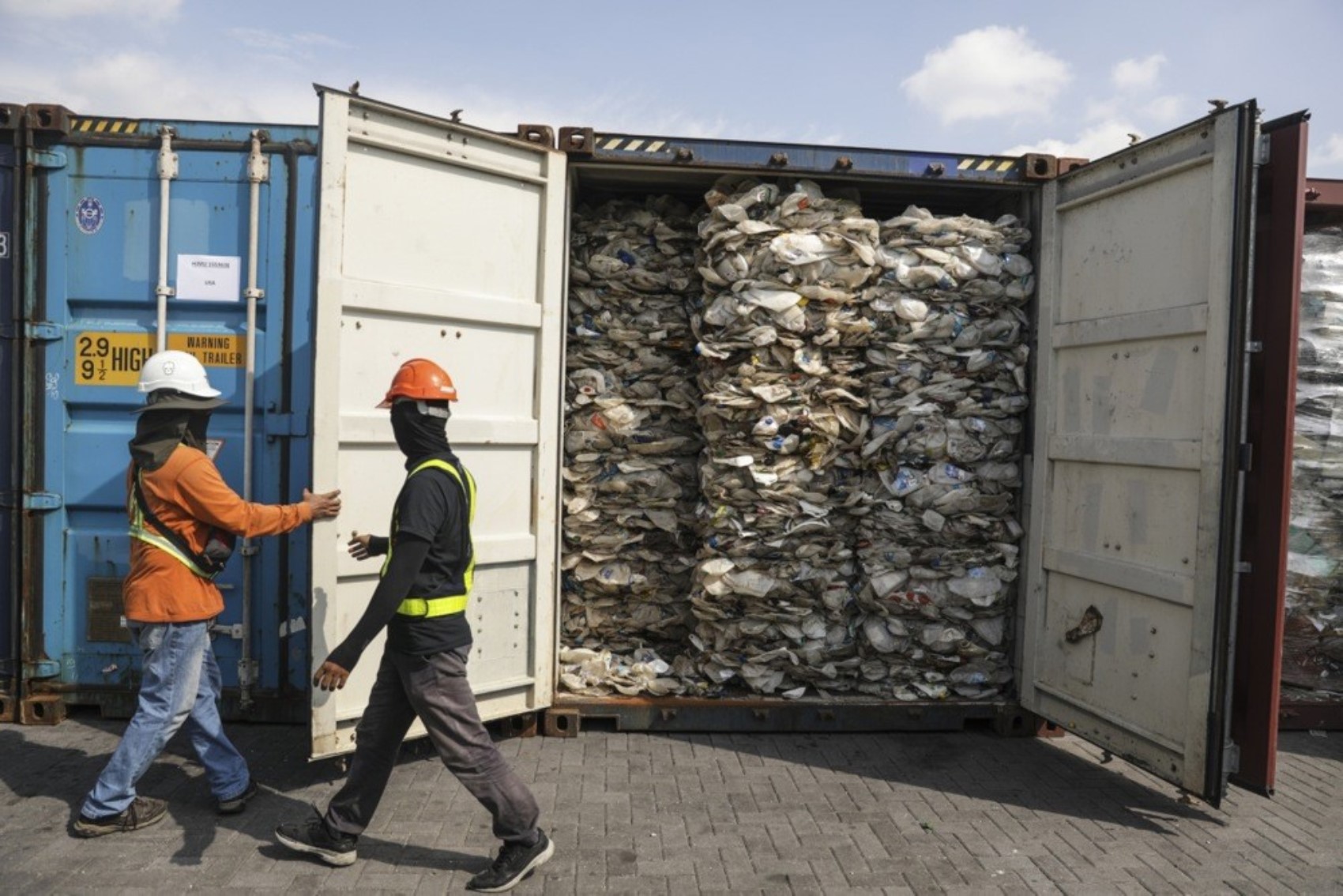
In line with its broad goals to limit the flow of foreign plastic waste, Malaysia has definitively banned plastic waste imports from the US and certain other countries as of July 1, 2025. Malaysian authorities announced that, due to the fact that the US and some accompanying countries have not signed the Basel Convention—which regulates the international movement of hazardous and plastic waste—shipments of waste, including electronic plastics from these countries, will no longer be accepted under the new regulations.
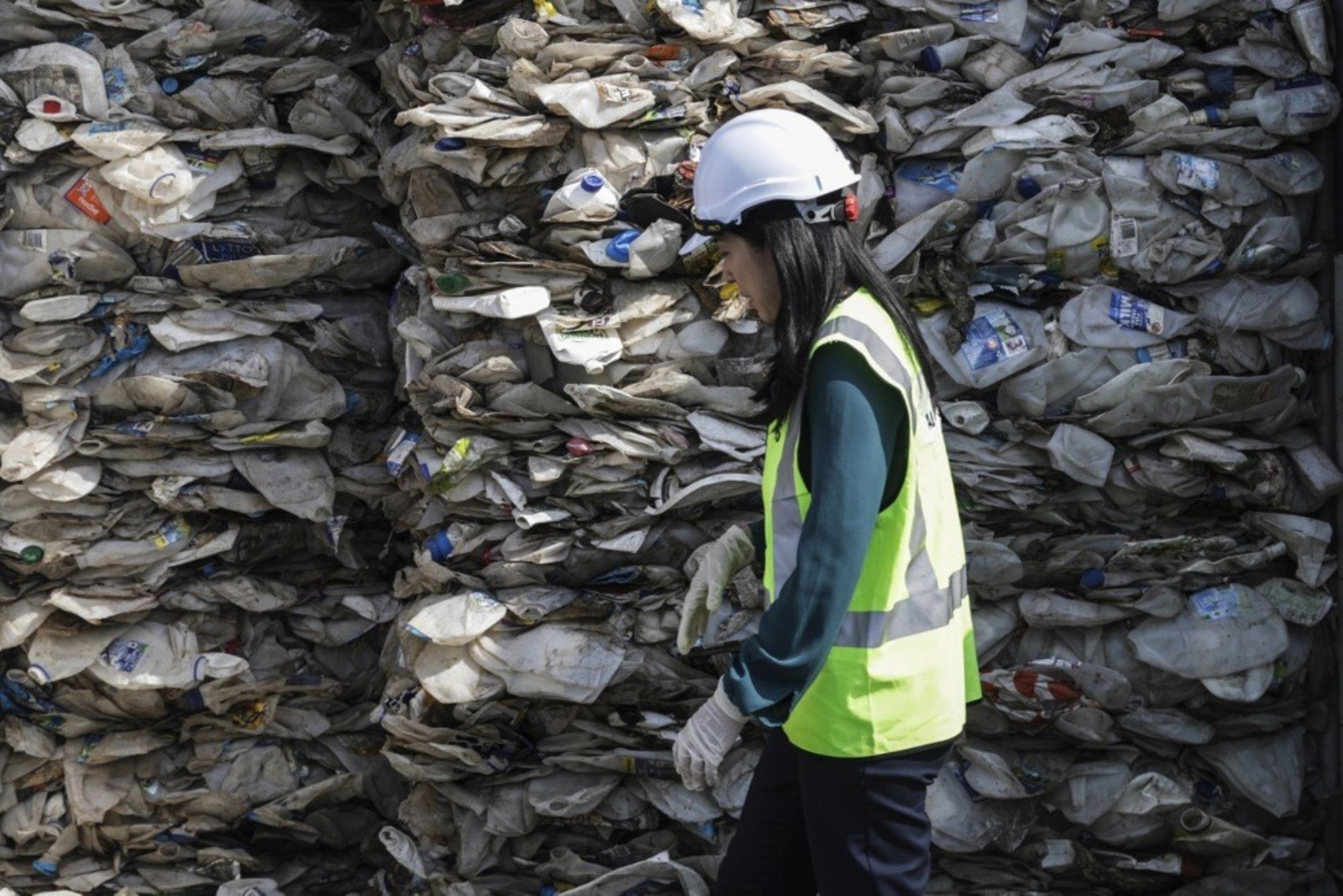
Under the new rules, imports will only be possible through a process conducted by the certification body known as the Standards and Industrial Research Institute of Malaysia (SIRIM) Berhad, which has government approval.
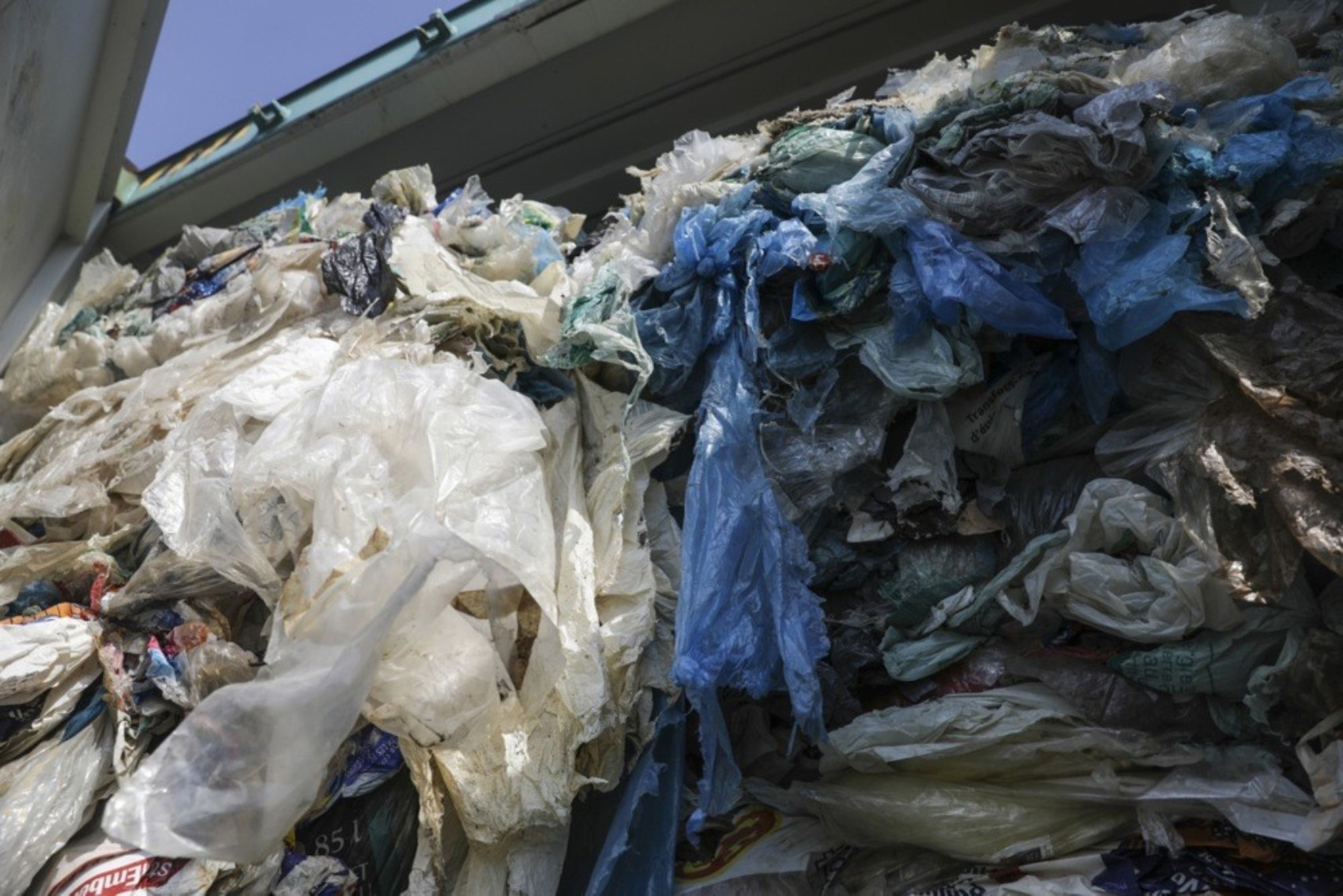
HIGH PURITY CRITERIA TO BE MANDATED
The ban has already caused a serious disruption in the plastic waste market, leading to a buildup of stocks at ports and recycling sites in Malaysia due to uncertainties regarding the implementation schedule and process. Industry representatives stated that the imported plastic waste market has effectively come to a standstill, emphasizing that significant challenges have emerged for administrative jurisdictions such as the US state of California, which sent 4.5 million kilograms of plastic waste to Malaysia in 2024. Malaysian authorities also stated that they will continue to accept plastic waste from countries that have ratified the Basel Convention, but that waste imports will be subject to strict pre-audits and high purity criteria to ensure compliance with the convention's articles.
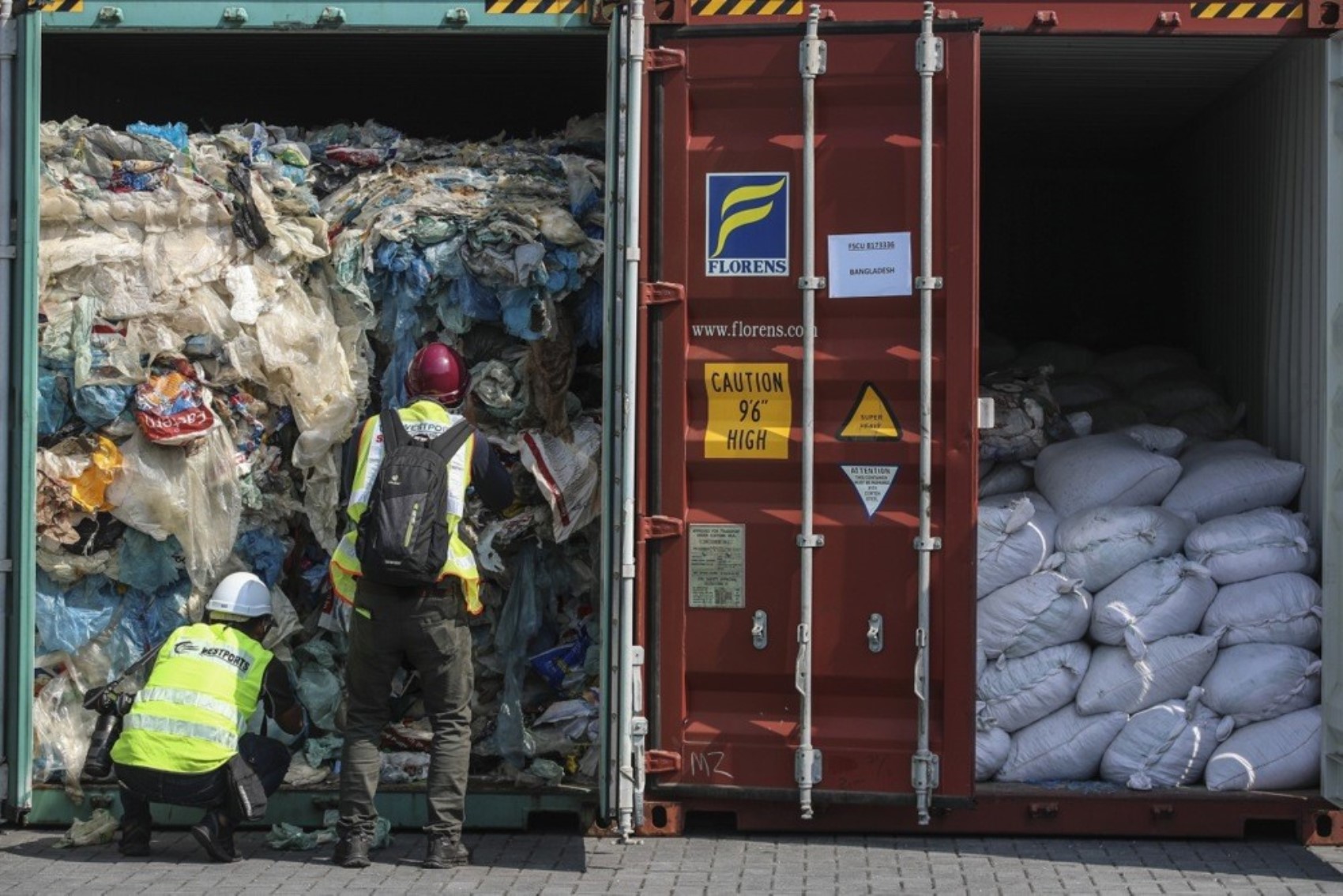
"IT IS VERY REASSURING THAT IT IS CONSIDERED ILLEGAL"
Jim Puckett, founder and strategic director of the Basel Action Network (BAN), also stated, "We are very pleased with this agreement, which aims to stop the many containers of harmful plastic waste sent every day from Los Angeles to Port Klang under the guise of recycling. This so-called recycling has done more harm than good, as only a very small fraction of the imported waste is recyclable. Waste that is not suitable for recycling or that contains microplastics is dumped directly into trash, burned, or poured into water channels. Importing plastic waste under the pretext of recycling is a fraud, and it is very reassuring that the US's contribution to this plastic waste scam is now considered illegal."
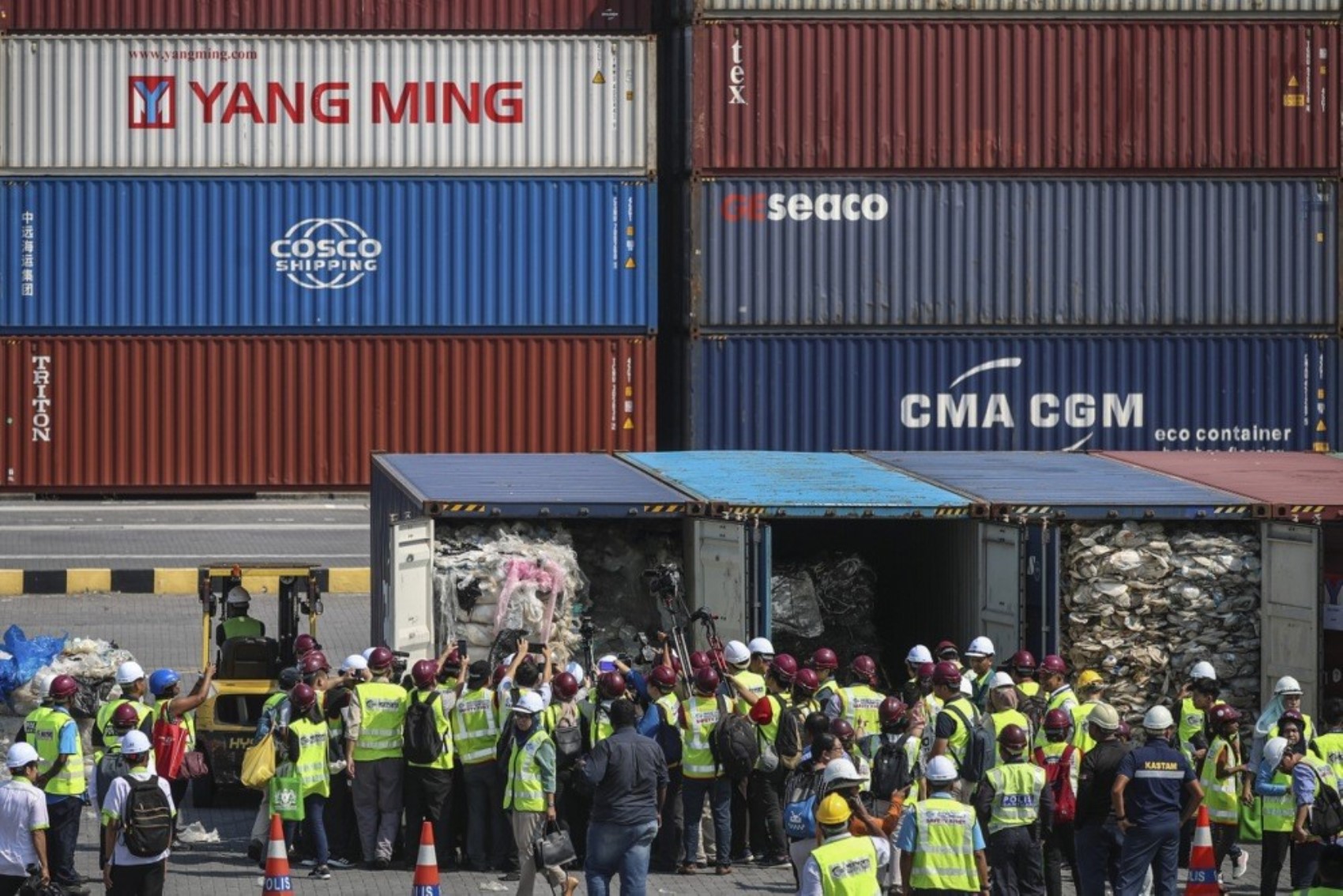
MALAYSIA HAS BEEN FIGHTING WASTE SINCE 2019
Following China's ban on waste imports from the US in 2018, Malaysia had become one of the primary destination countries for US plastic waste. In this context, Malaysia, which has been actively returning illegal plastic waste shipments to their countries of origin since 2019, has long resisted the country being turned into a dumping ground for foreign waste while remaining committed to environmental sustainability and international waste management standards.