Ministry of Agriculture and Forestry takes action: How will uncultivated agricultural lands be leased?
The first list regarding uncultivated agricultural lands is expected to be announced on September 30. Accordingly, the first list concerning lands that have remained uncultivated for two consecutive years is planned to be published in September of next year, with the first leasing process scheduled for October.
12punto
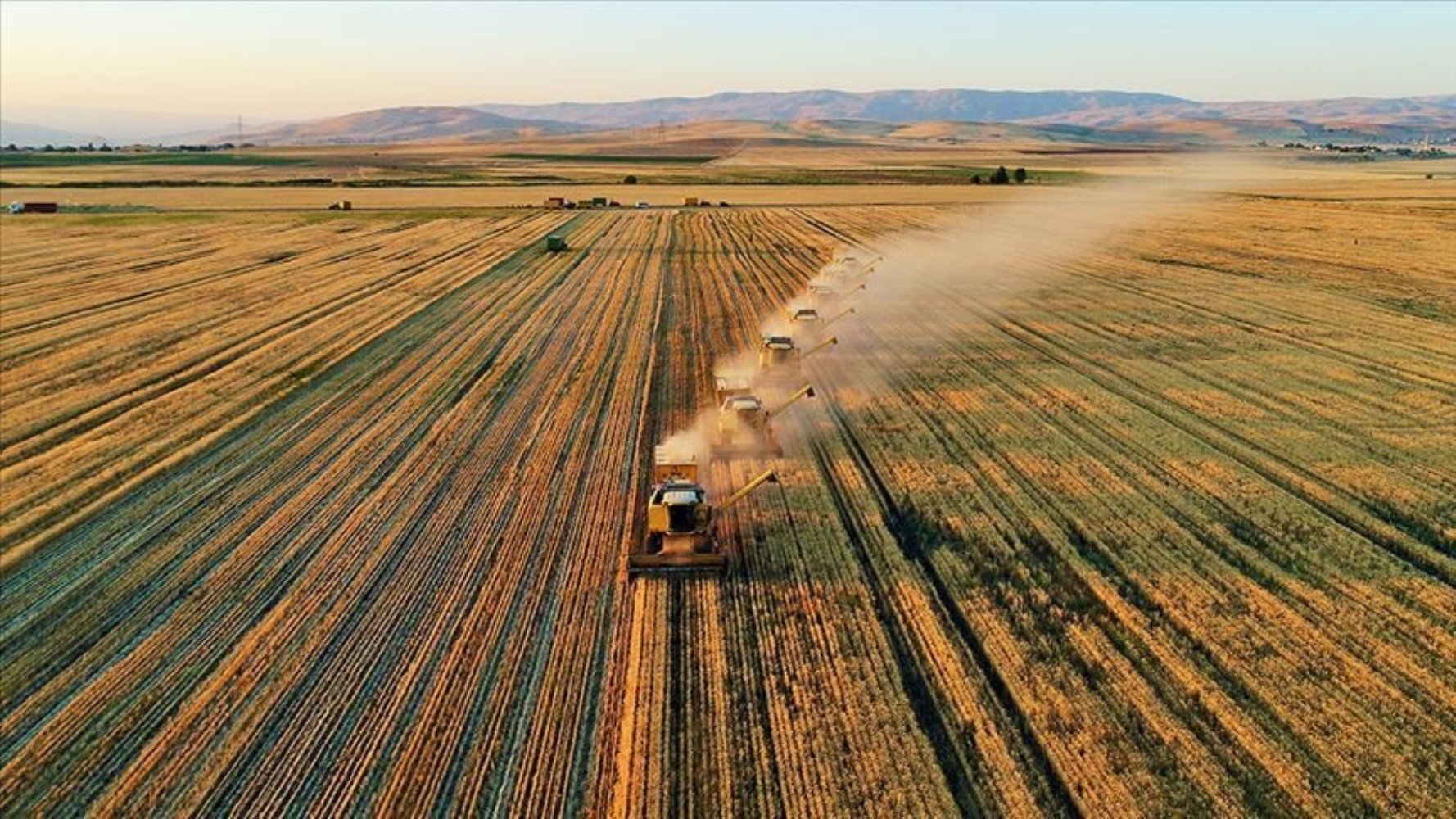
The Ministry of Agriculture and Forestry has recently implemented a series of regulations centered on production, including the leasing of uncultivated agricultural lands. Having initiated a new era this year by transitioning to production planning in agriculture, the ministry has introduced new support models for aquaculture, livestock, and crop production within this scope.
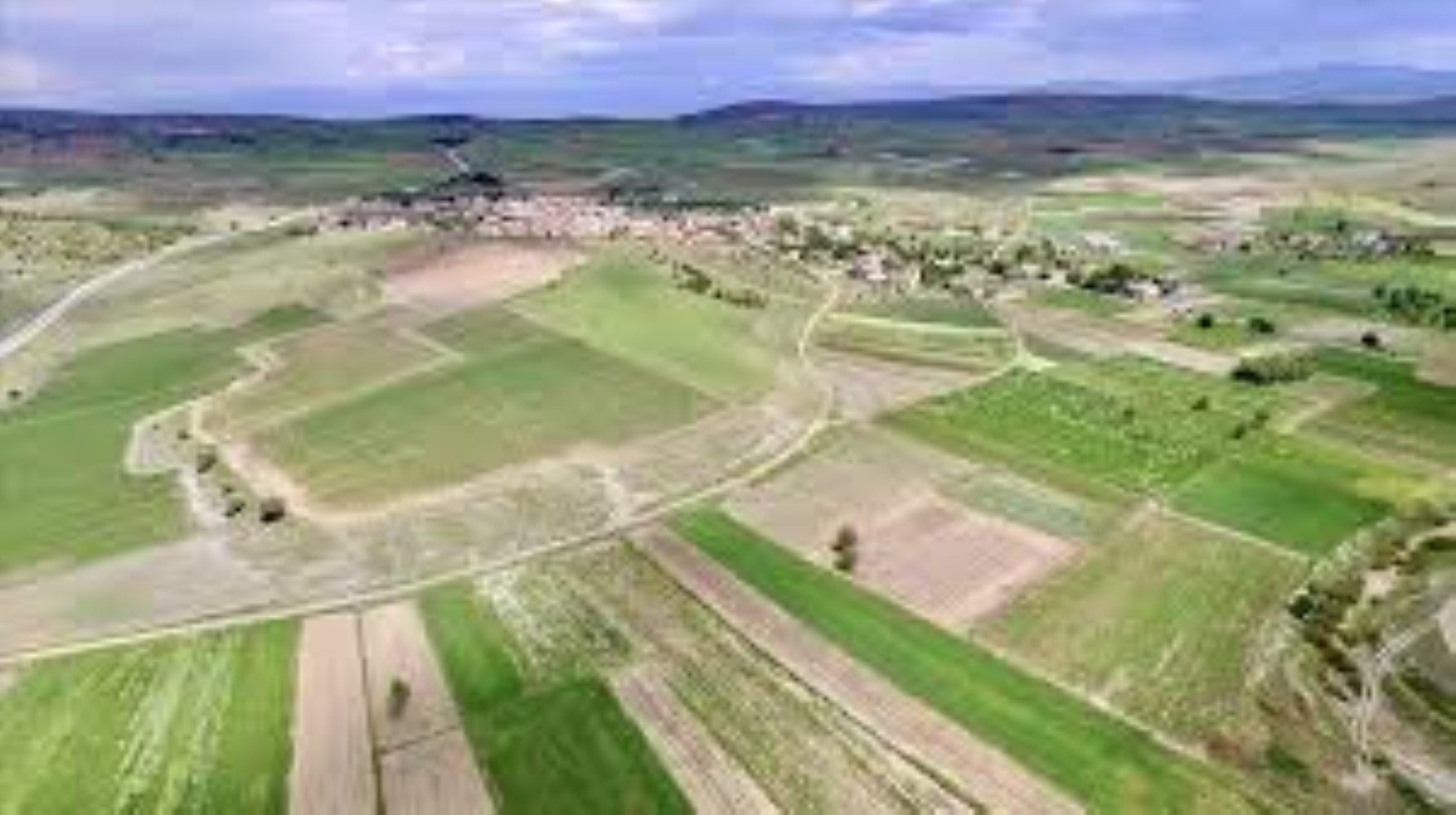
The Ministry has taken another significant step regarding uncultivated agricultural lands. Under the umbrella of a production mobilization, it has established regulations for the seasonal leasing of these lands for agricultural purposes.
The regulation aims to increase agricultural production in the country. Here are 10 frequently asked questions and answers regarding the seasonal leasing of uncultivated agricultural lands for agricultural purposes:
1- Which lands will be leased?
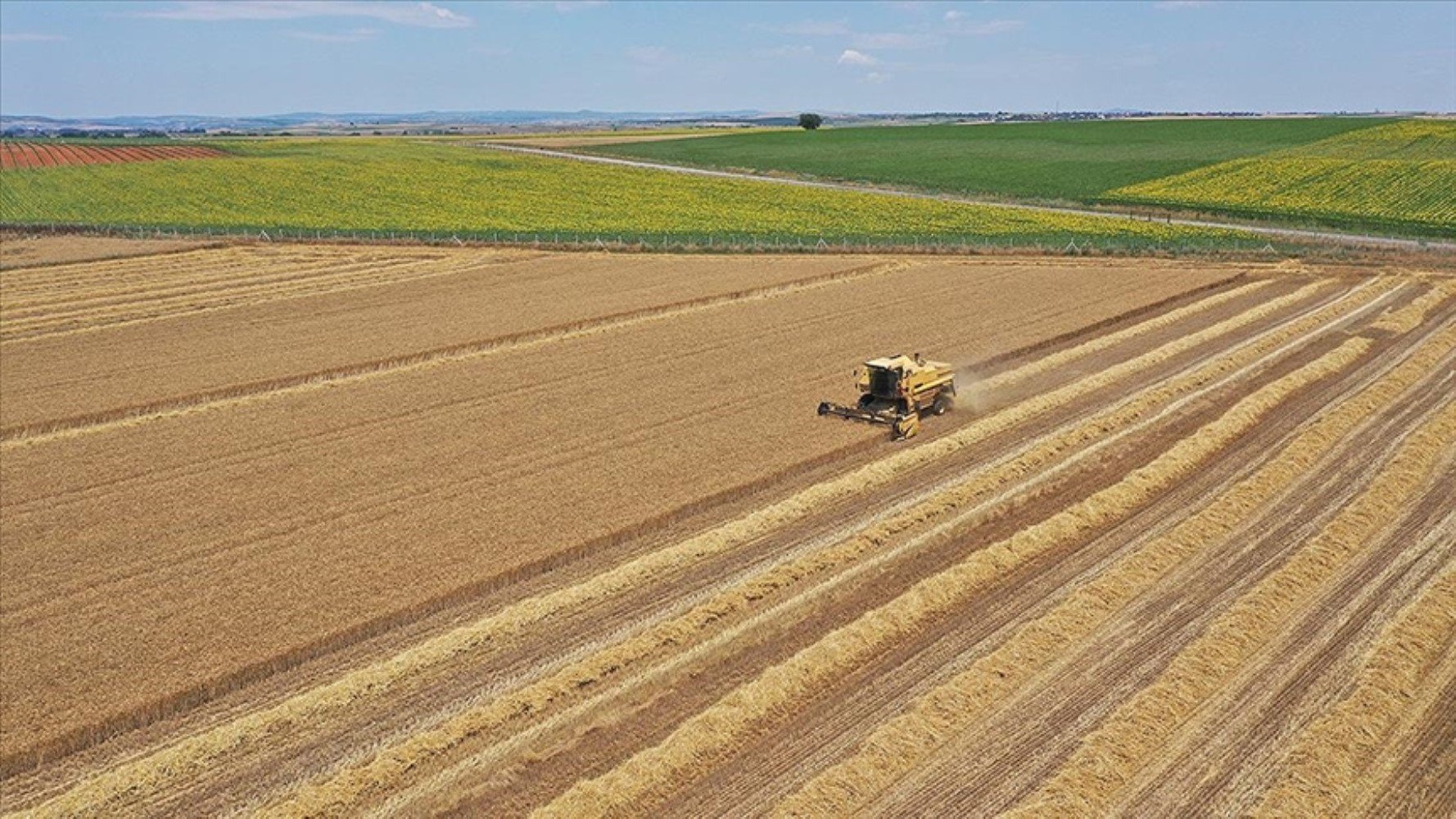
Excluding agricultural lands under the private ownership of the Treasury or under the authority and disposal of the state, agricultural lands owned by natural or legal persons that have remained uncultivated for two consecutive years will be leased on a seasonal basis, provided that the nature of the land is not altered and that it is used for agricultural production by the lessee.
2 - How will the lands to be leased be identified?
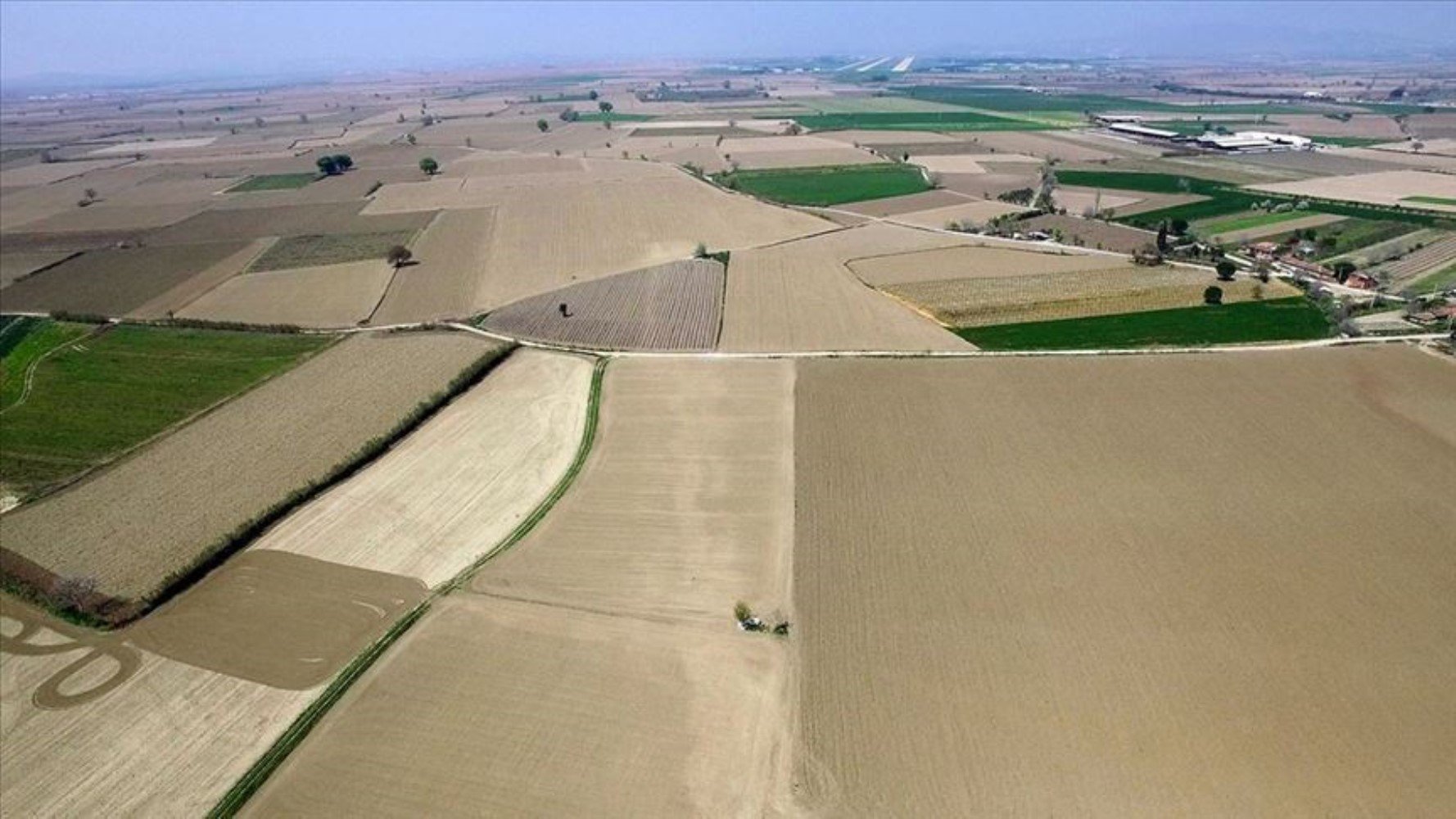
To identify the lands to be leased, the Land Identification Commission, established within the provincial or district directorates of agriculture and forestry, will identify uncultivated agricultural lands through studies based on cadastral parcel data, satellite imagery, geographic information systems, data obtained from other public institutions, and on-site land inspections. In identifying the land, the period from September 1 to August 31 will be taken into account, also considering the harvest periods of the regions.
3 - Where will uncultivated agricultural lands be announced?
The list of uncultivated agricultural lands will be announced by provincial or district directorates on the notice boards of neighborhood headmen (muhtars), in electronic format, and on the provincial directorate's website. Landowners and other interested parties will be able to submit their objections regarding the lists to the commission within the announcement period.
The Regulation on the Leasing of Uncultivated Agricultural Lands for Agricultural Purposes entered into force on August 22, 2024. The first lists regarding agricultural lands that remained uncultivated between September 1, 2023, and August 31, 2024, for the current first assessment year, will be published on September 30, 2024. The first list regarding lands that have remained uncultivated for two consecutive years is planned to be published on September 1, 2025, and the first leasing process is scheduled to take place on October 16, 2025.
4 - How will the status of the land be evaluated in the leasing process?
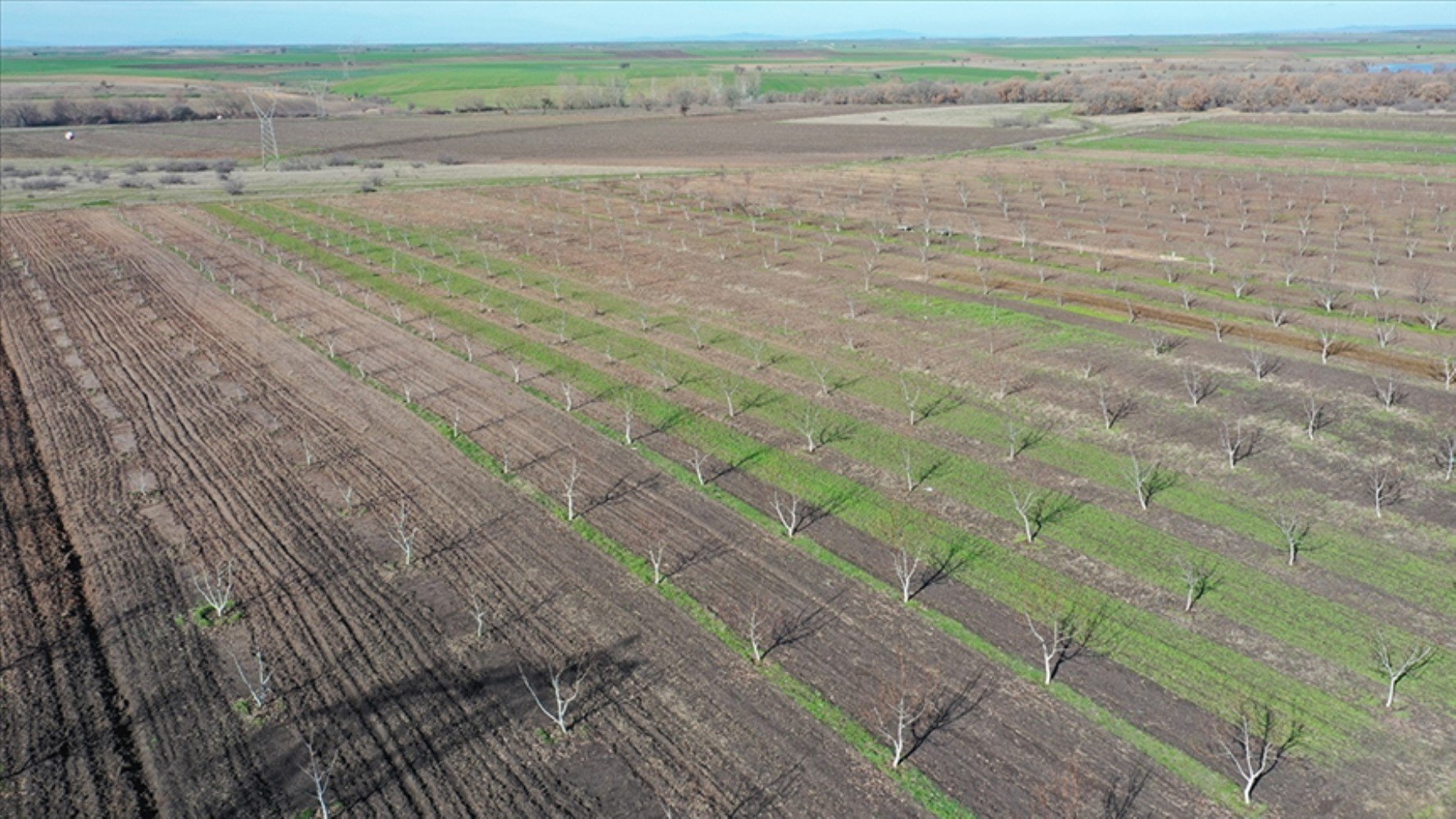
Perennial and greenhouse agricultural lands will not be included in the scope of leasing transactions. The status of lands that are not economically viable for agricultural production due to land class, parcel size, and productivity may be recorded in minutes and excluded from that year's leasing transactions.
5 - How will the rental price be determined?
The rental price cannot be lower than the market value determined by the commission. To be used as a benchmark in determining the market rental value of agricultural lands, at least three rented agricultural lands with similar characteristics and located in the same settlement area as the agricultural land to be leased will be identified.
6 - How will those who want to lease land apply?
Those who wish to lease the announced agricultural lands must fill out the agricultural land lease request form completely and apply to the provincial directorate within the announcement period. Lease applications can also be made through the Agricultural Land Valuation and Acquisition Information System.
7- Who will be given priority in the leasing process?
Leasing will be granted primarily to those residing in the settlement where the agricultural land to be leased is located, as well as to non-governmental organizations and professional chambers. If there is more than one applicant from the priority groups, the lease will be awarded to the one who submits the highest bid; if no applicants from the priority groups emerge, the lease will be awarded to the highest bidder among the other applicants.
8 - To whom will the rent payments be made?
The rent payment will be made to the landowner. In cases where the landowners or rights holders cannot be reached, the rent payments will be deposited into a three-month term account opened specifically for the land at a public bank designated by the ministry, where they will accrue interest. In cases of agricultural land with disputed ownership, once the dispute is resolved, the accumulated rental income will be distributed to the rights holders in proportion to their shares.
9 - Will the lands be leased again the following year?
During the leasing season, if no application is made by any of the owners of the leased agricultural lands stating that they will engage in production in the following season, these lands will be added to the list of agricultural lands that have remained uncultivated for two consecutive years. In determining the agricultural land to be used as a benchmark, attention will be paid to the ability of rental prices with specific purposes—such as leasing between relatives and shareholders or leasing for social reasons—to represent market conditions.
10 - Will tenants be able to benefit from the support?
Leased agricultural lands will be registered in the recording systems determined by the ministry, and tenants will be allowed to benefit from agricultural support related to these lands.