Ministry of Health responds: The "monkeypox" virus in 11 questions
The Ministry of Health has shared the answers to 11 questions regarding the M-pox (monkeypox) disease.
12punto
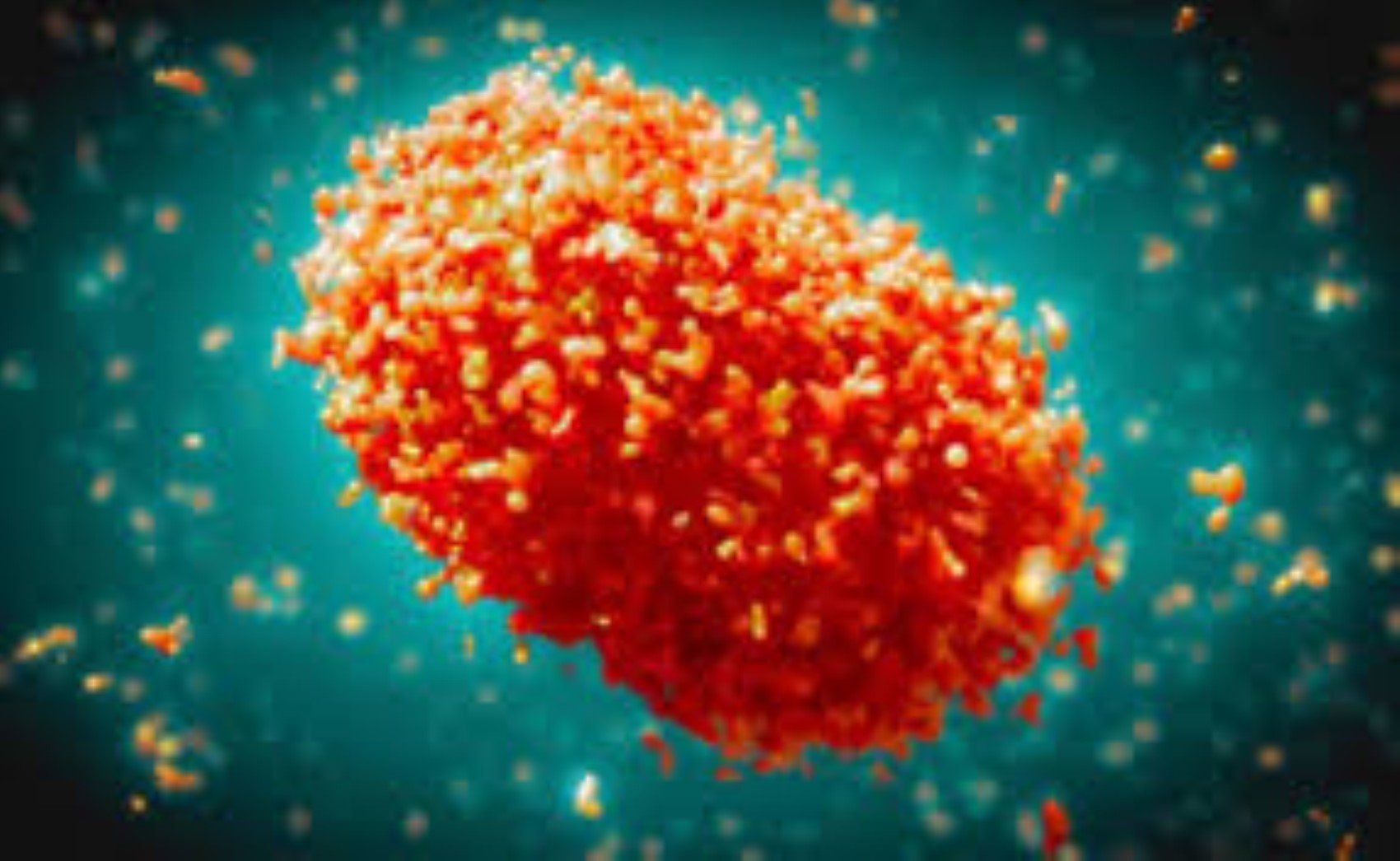
WHAT IS MPOX?
Although clinically milder, mpox is a virus that can be transmitted from animals to humans, with symptoms similar to those seen in smallpox patients in the past, and it can also be transmitted from human to human, though it is rarely fatal. Following the declaration of the eradication of smallpox in 1980 and the subsequent cessation of smallpox vaccination, mpox became a disease that, while rare, is primarily seen in Central and West Africa.
WHEN SHOULD YOU GET TESTED FOR MPOX?
Those who think they have mpox or have been in close contact with someone who has mpox should consult a healthcare facility to determine whether testing is necessary. If a doctor decides that testing is required, they will collect samples and send them to an appropriate laboratory for testing.
WHAT ARE THE SYMPTOMS OF MPOX?
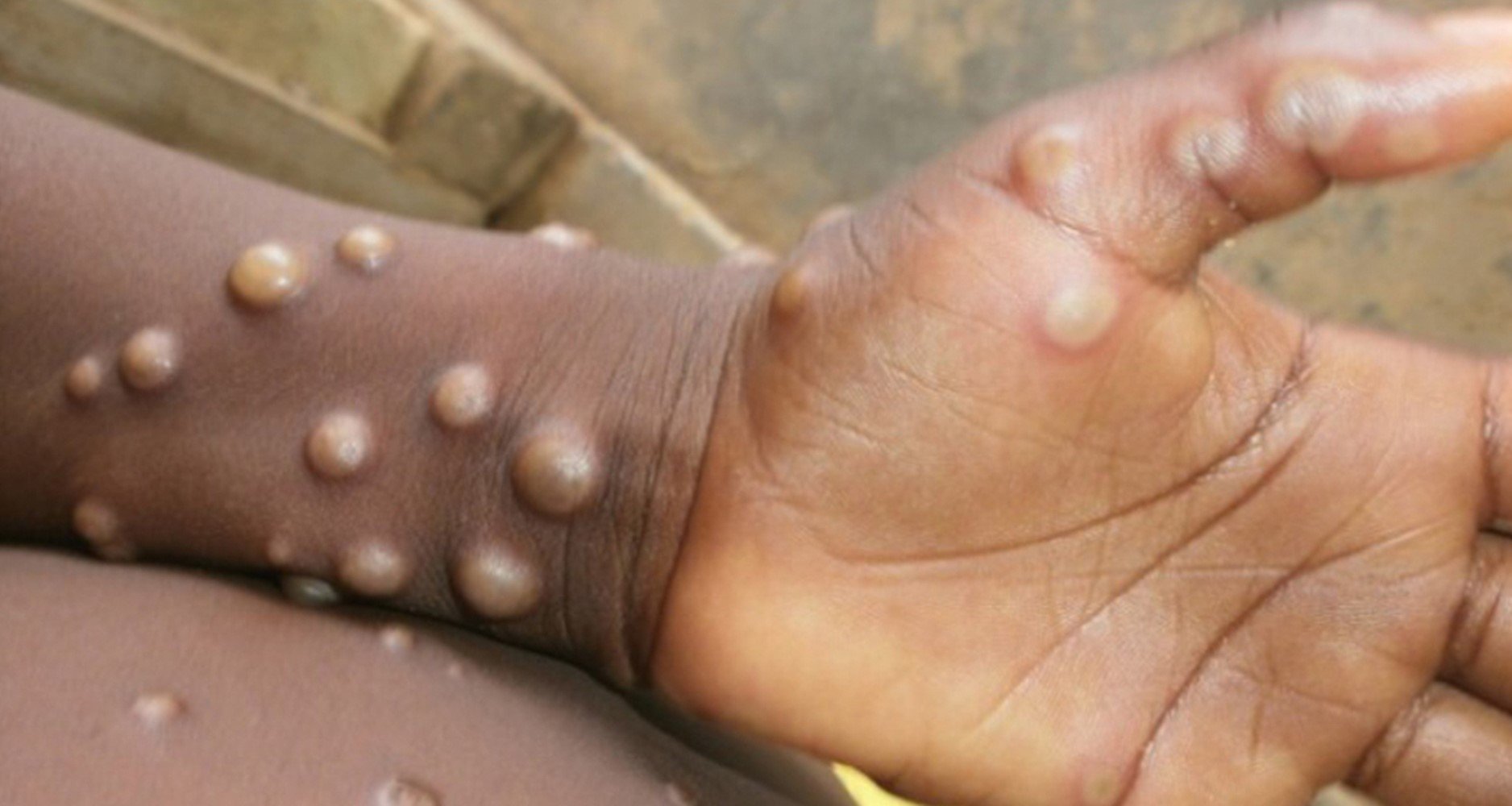
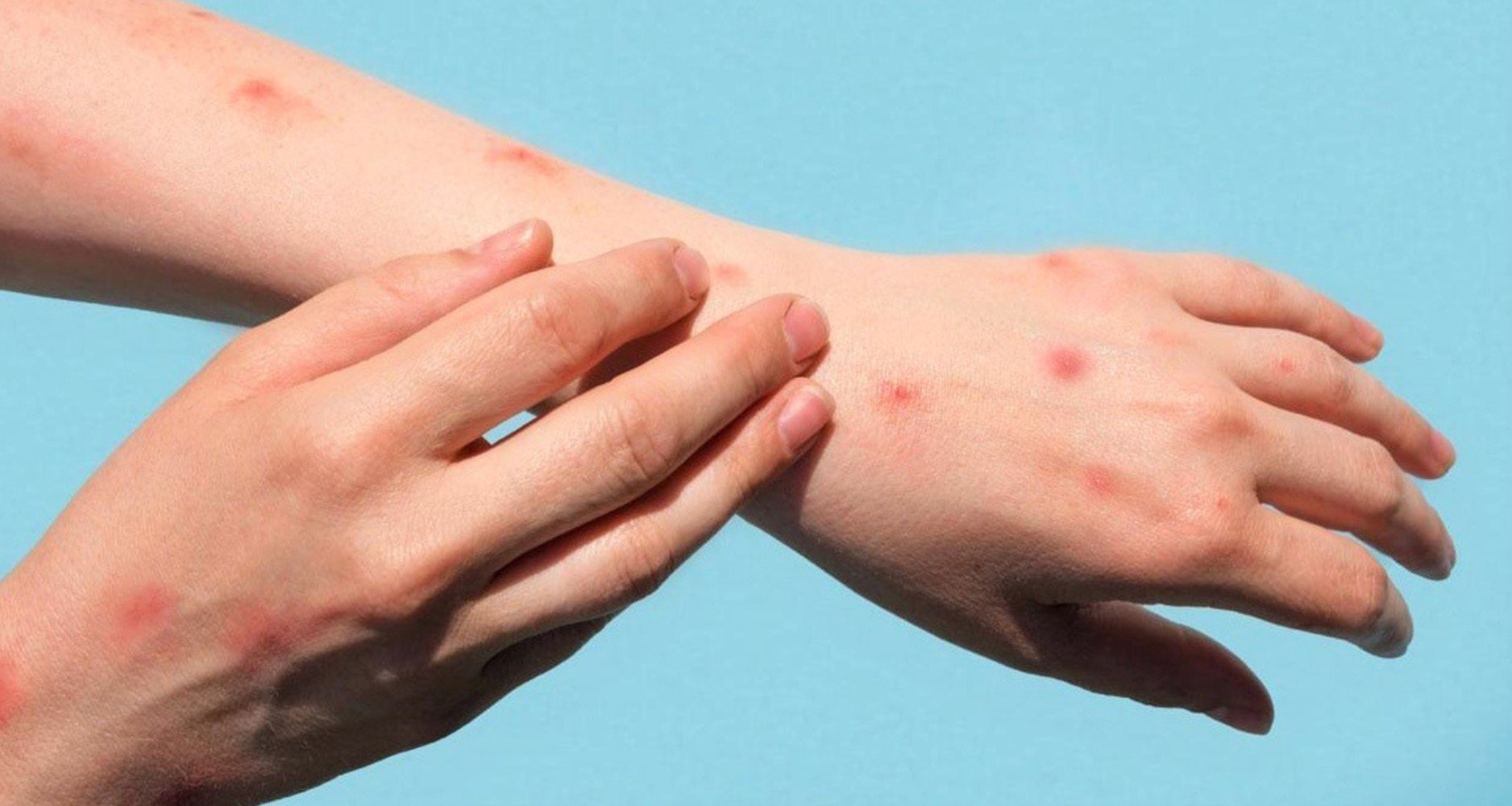
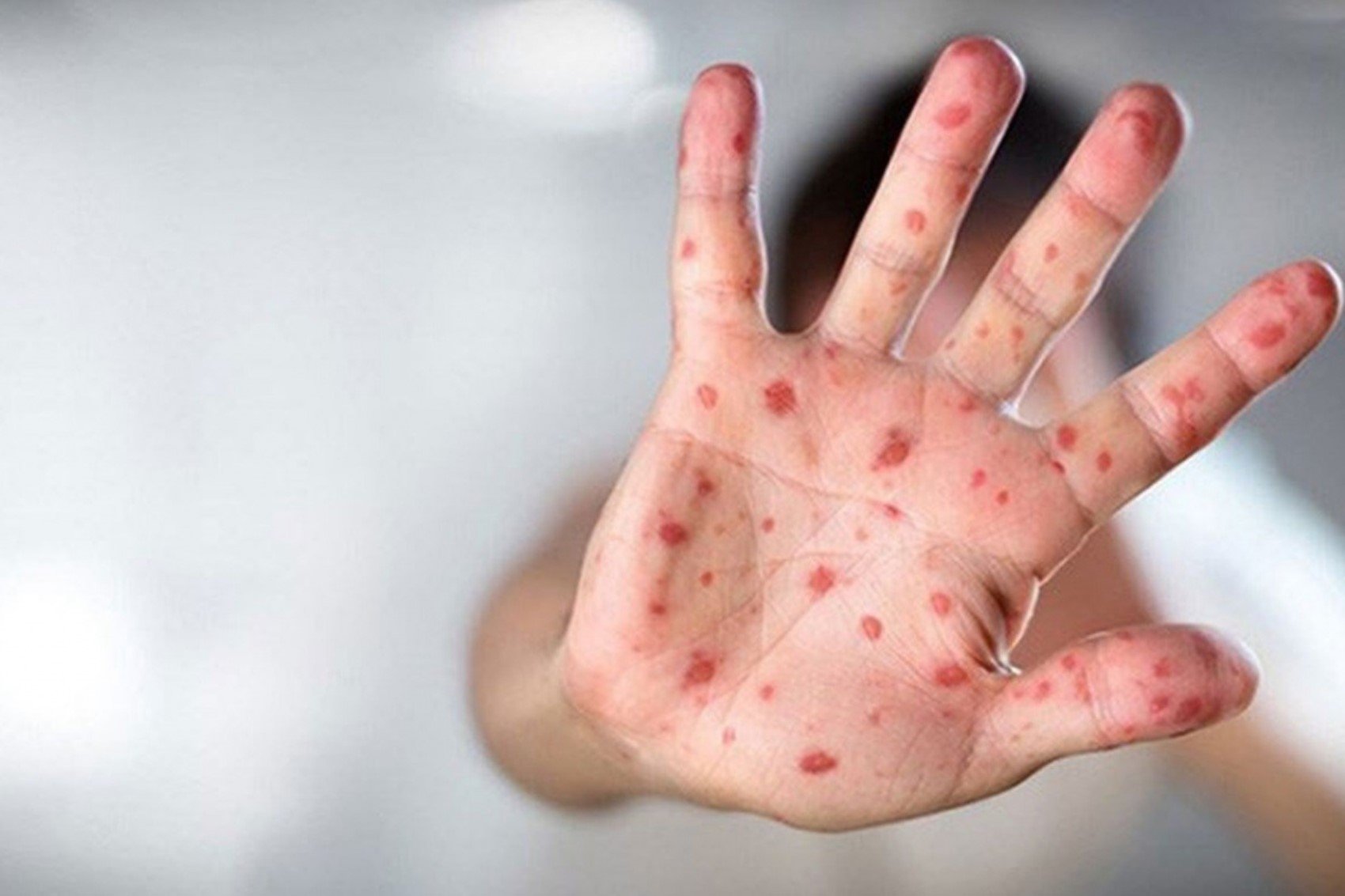
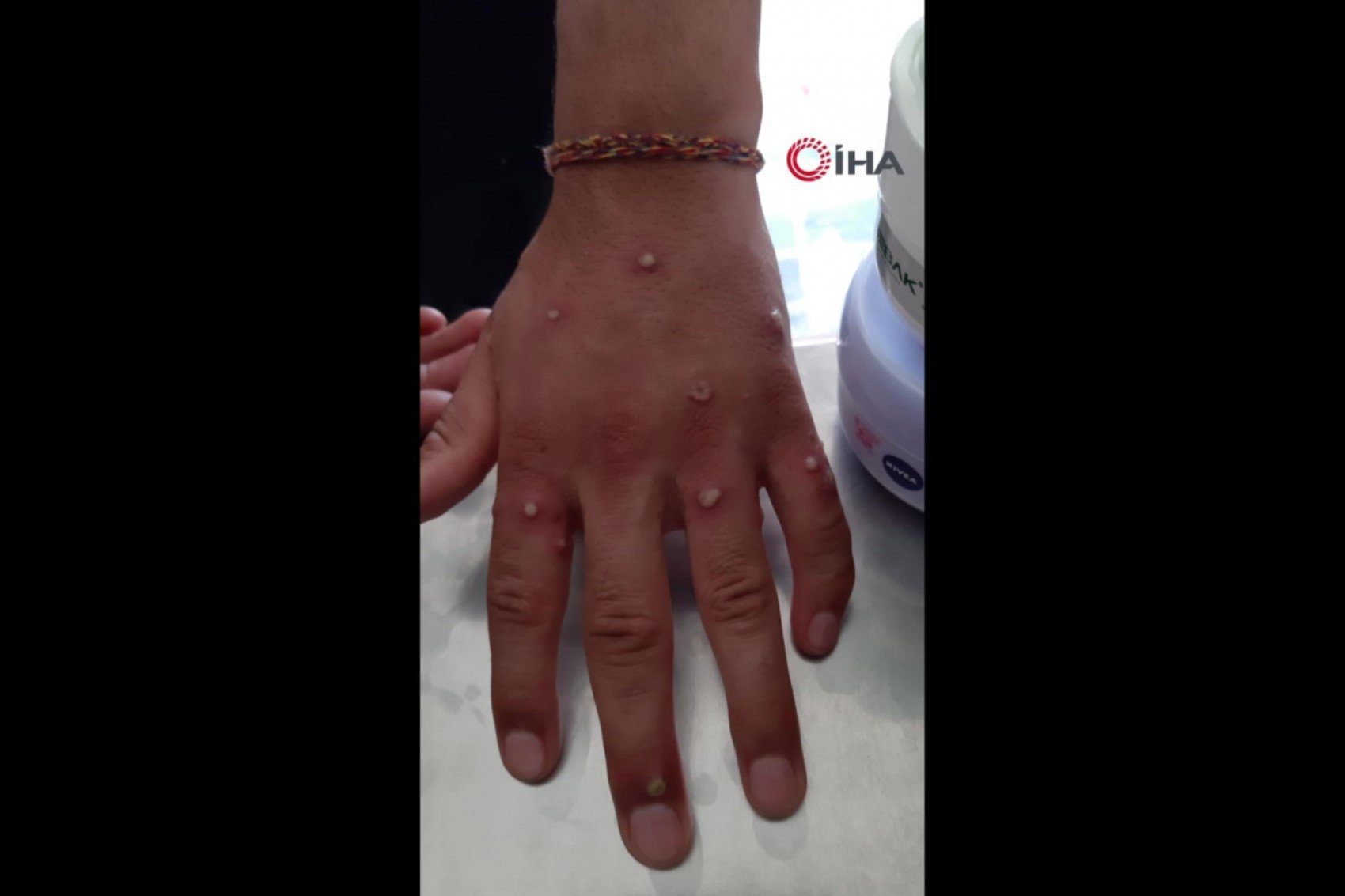
Mpox symptoms typically include fever, headache, muscle aches and back pain, swollen lymph nodes, respiratory symptoms (sore throat, nasal congestion, or cough), and characteristic skin rashes specific to the disease.
WHAT SHOULD I DO IF I HAVE SYMPTOMS?
If you notice a new or unexplained skin rash or other symptoms of Mpox, contact a healthcare facility. Avoid close contact (including sexual contact) with others until you have been seen at a healthcare facility. Avoid close contact with pets or other animals until you have been seen at a healthcare facility. If you are waiting for your test results, continue to follow the same precautions. If your test result is positive, continue to isolate yourself and follow other precautions until your skin rashes have scabbed over, fallen off, and a healed, clean, and intact skin layer has formed. Continue to isolate yourself if you have a fever, sore throat, nasal congestion, or cough. Only go out to see a doctor or for emergencies. Avoid using public transportation. If you must leave isolation, cover your skin rashes and wear a well-fitting face mask.
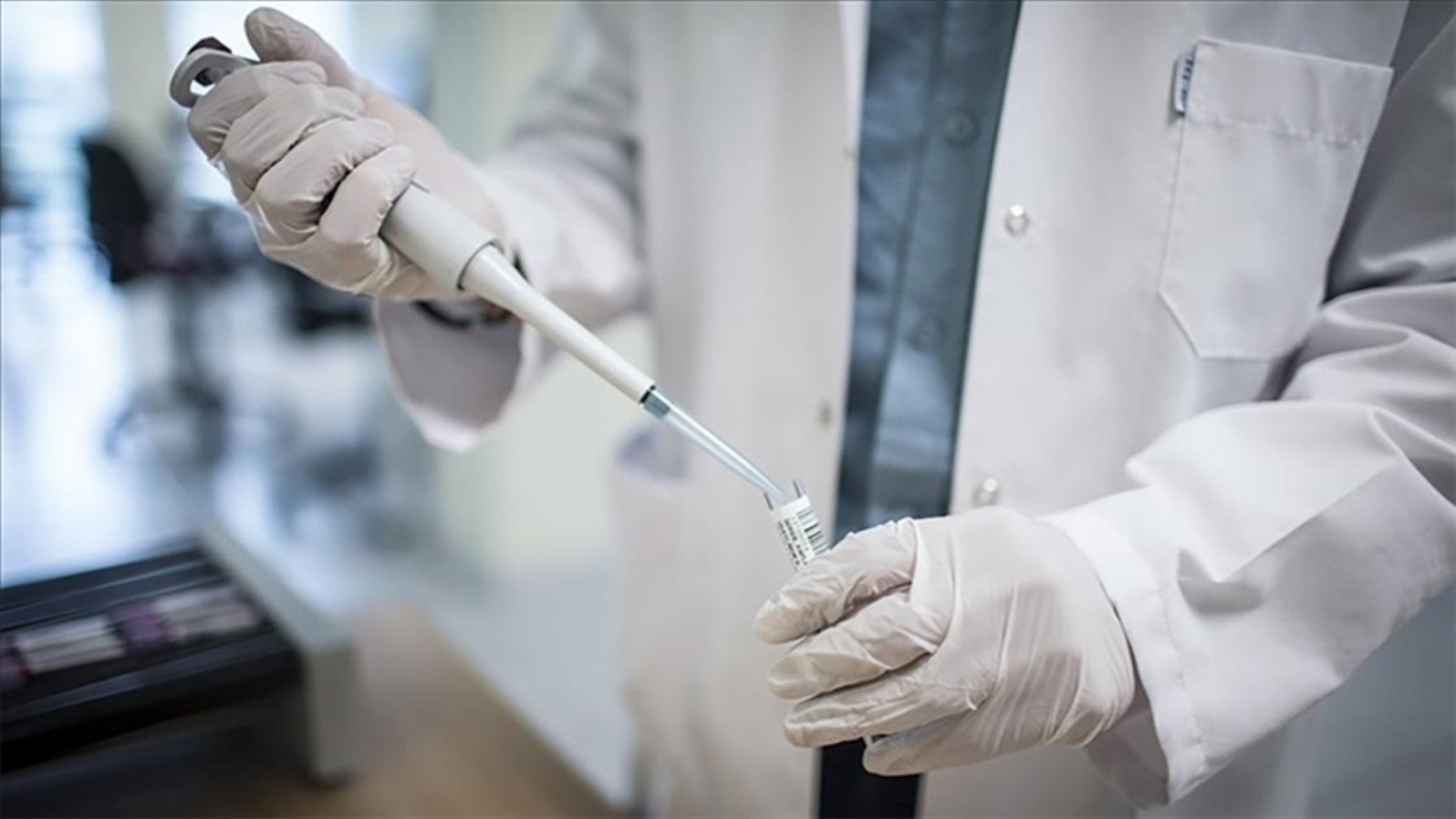
HOW IS MPOX TRANSMITTED?
Mpox can spread from person to person through direct contact with skin rashes, scabs, or body fluids. It can also spread during prolonged, close contact or sexual contact (such as kissing, hugging, or sexual intercourse).
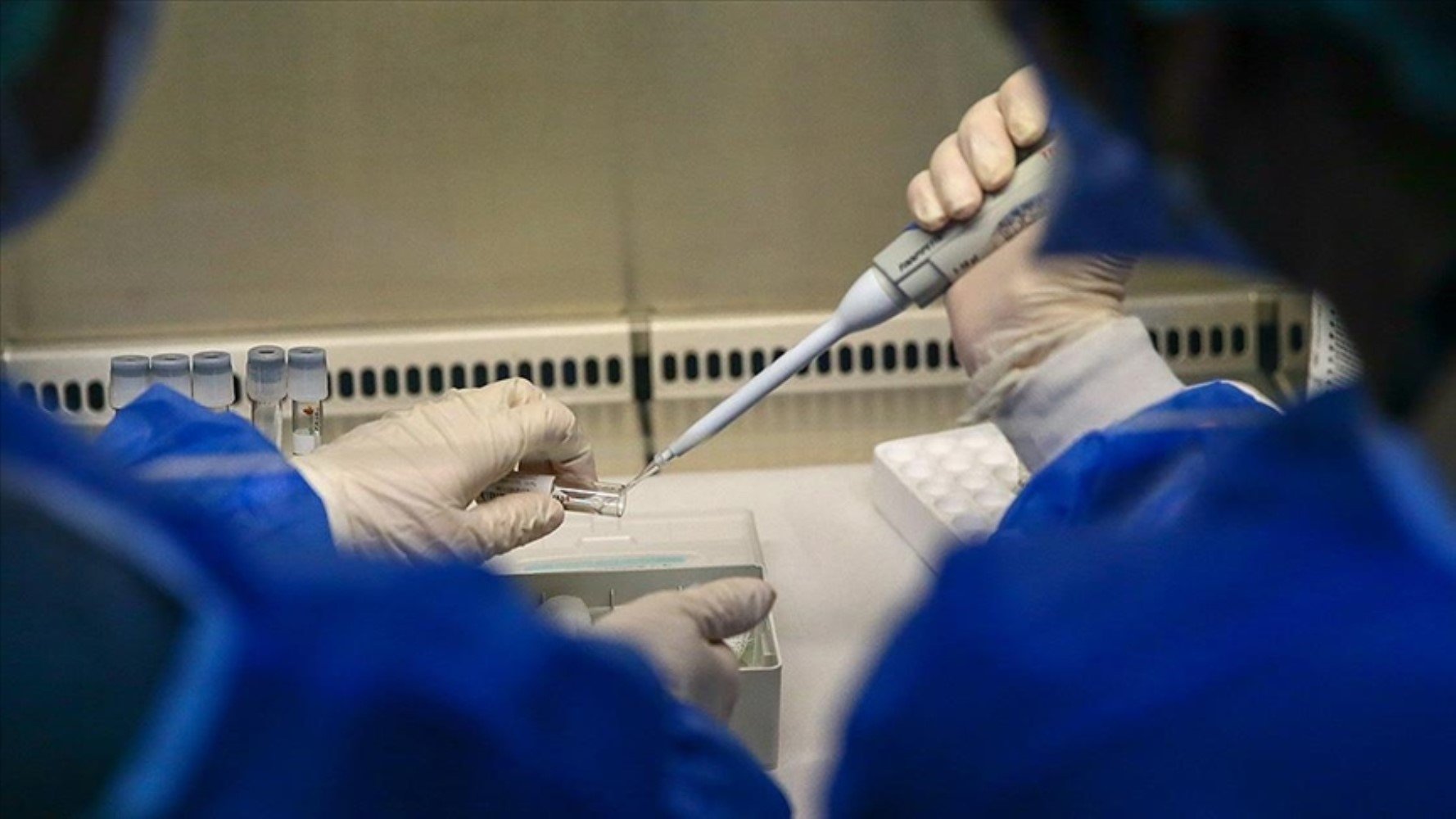
A person with mpox can transmit the virus to others from the onset of symptoms until the skin rash has completely healed and a fresh, intact layer of skin has formed. Some patients may transmit mpox 1 to 4 days before their symptoms begin. However, there is no evidence that individuals who show no symptoms at all transmit the virus.
IS MPOX A SEXUALLY TRANSMITTED DISEASE?
Mpox can be defined as a disease that can be transmitted sexually. In other words, sexual intercourse is just one of the ways mpox can be transmitted. In the past, mpox outbreaks occurred as a result of direct contact with infected animals and animal products, but human-to-human transmission was limited. In the current outbreak, the virus is primarily transmitted through close contact. Transmission can occur through contact with lesions during sexual contact or through close contact with respiratory secretions. However, having close and prolonged skin-to-skin contact with someone who has mpox, even without sexual intercourse, can also lead to the transmission of the virus.
HOW CAN MPOX BE PREVENTED?
Avoid close skin-to-skin contact with individuals who have a skin rash suspected to be mpox. Avoid contact with items and materials used by an mpox patient. Wash your hands frequently with soap and water or use an alcohol-based hand sanitizer. Maintain hand hygiene, especially before eating, before touching your face, and after using the restroom.
SHOULD I BE WORRIED ABOUT ATTENDING CROWDED EVENTS?
Transmission can occur when you have close contact or skin-to-skin contact with someone who has mpox. Initial findings indicate that events where people have close, sustained skin-to-skin contact have led to mpox cases. If you are planning to attend an event, you should consider how much close, personal skin-to-skin contact will occur.
WHAT TREATMENTS ARE AVAILABLE FOR MPOX?
There is no treatment specifically developed for mpox. Due to genetic similarities between viruses, antiviral drugs used to treat smallpox may be used in the treatment of mpox, although their effectiveness has not been fully proven.
CAN MY PET CONTRACT MPOX?
Mpox is a zoonotic disease, meaning it can be transmitted between animals and humans. However, pets are currently not considered to be at high risk for mpox.
CAN MPOX BE TRANSMITTED THROUGH WATER IN A POOL, HOT TUB, OR WATER PARK?
There are no studies showing a clear link that mpox can be transmitted through water in pools, hot tubs, or water parks. However, it is possible for the virus to be transmitted from person to person through close contact or skin-to-skin contact. The disease can also be transmitted to a healthy person if they use items belonging to an mpox patient, such as a towel, kickboard, pool toy, or clothing. The risk of mpox virus transmission is eliminated in recreational water facilities through proper disinfection and adequate chlorination of pools.