NASA's $250 million deal: A journey to Saturn's moon!
NASA has announced a $256.6 million contract with SpaceX to explore Saturn's moon, Titan. The nuclear-powered spacecraft named 'Dragonfly,' expected to launch in 2028, will search for signs of life on Titan and analyze carbon-rich surface materials.
12punto
$250 MILLION CONTRACT
NASA is collaborating with SpaceX to explore Saturn's moon, Titan.
In a statement released by the US Space Agency, it was announced that a $256.6 million contract has been signed with SpaceX to support the launch of the Dragonfly mission.
TRIP TO TITAN WILL COST $3.35 BILLION
This mission, conducted under NASA's 'New Frontiers Program,' funds medium-class spacecraft exploration, and Dragonfly, as the fourth mission under this program, will cost a total of $3.35 billion.

JOURNEY WILL TAKE 6 YEARS
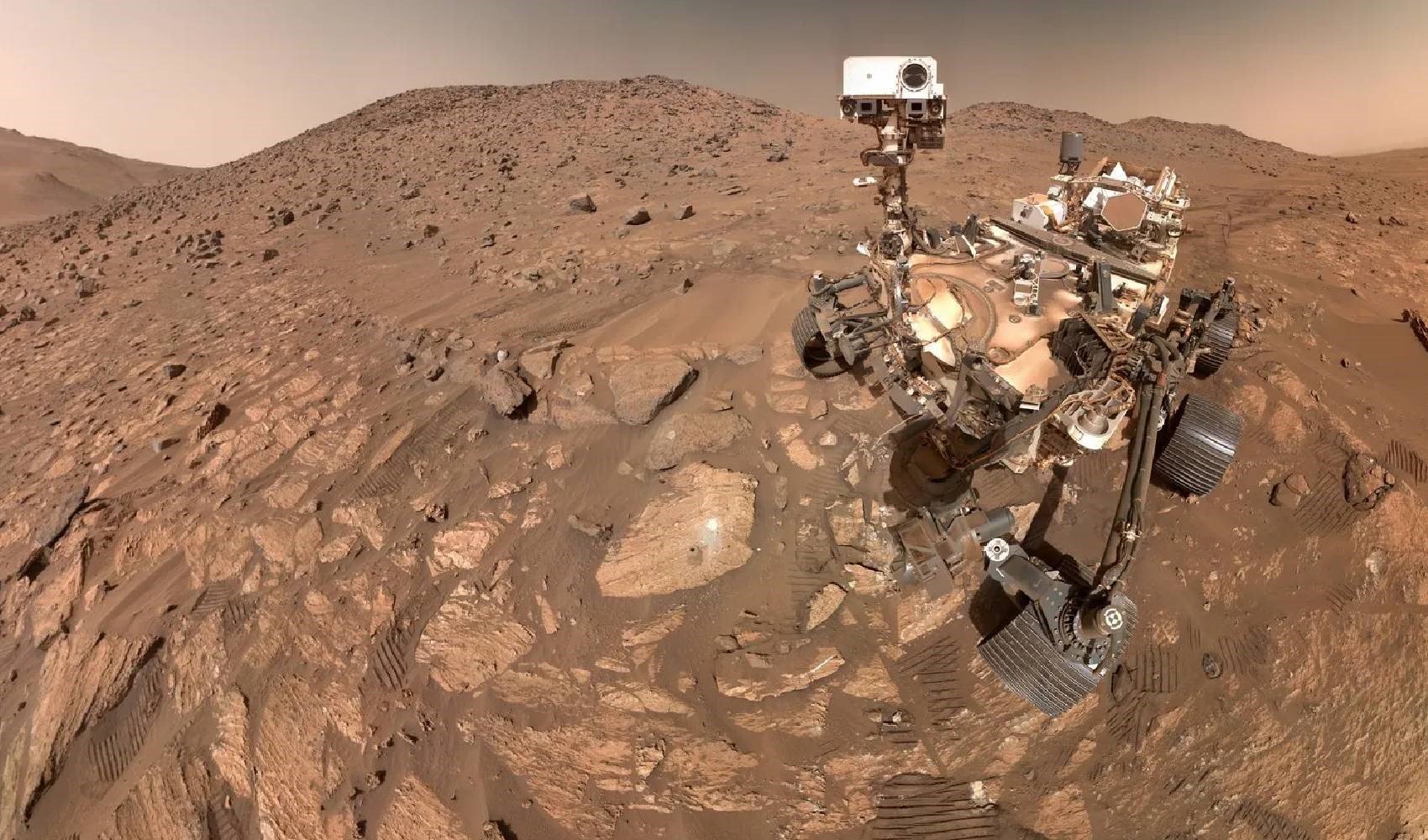
Dragonfly, a nuclear-powered spacecraft the size of a Mars Rover that can fly like a drone, will collect material samples from Titan's surface and analyze their composition.
It will take six years for the craft to reach Titan, and the spacecraft is expected to remain there for approximately two and a half years.

"SEARCHING FOR TRACES OF LIFE"
NASA stated, "Dragonfly's scientific equipment will assess Titan's potential to support life, examine the progression of prebiotic chemistry on this moon where carbon-rich materials and liquid water may have mixed for a long period, and search for chemical signs of water or hydrocarbon-based life."

EXPECTED TO LAUNCH IN 2028
Titan is the second-largest moon in the Solar System (Jupiter's moon Ganymede is in first place) and is known for its dense atmosphere and lakes of liquid methane and ethane.
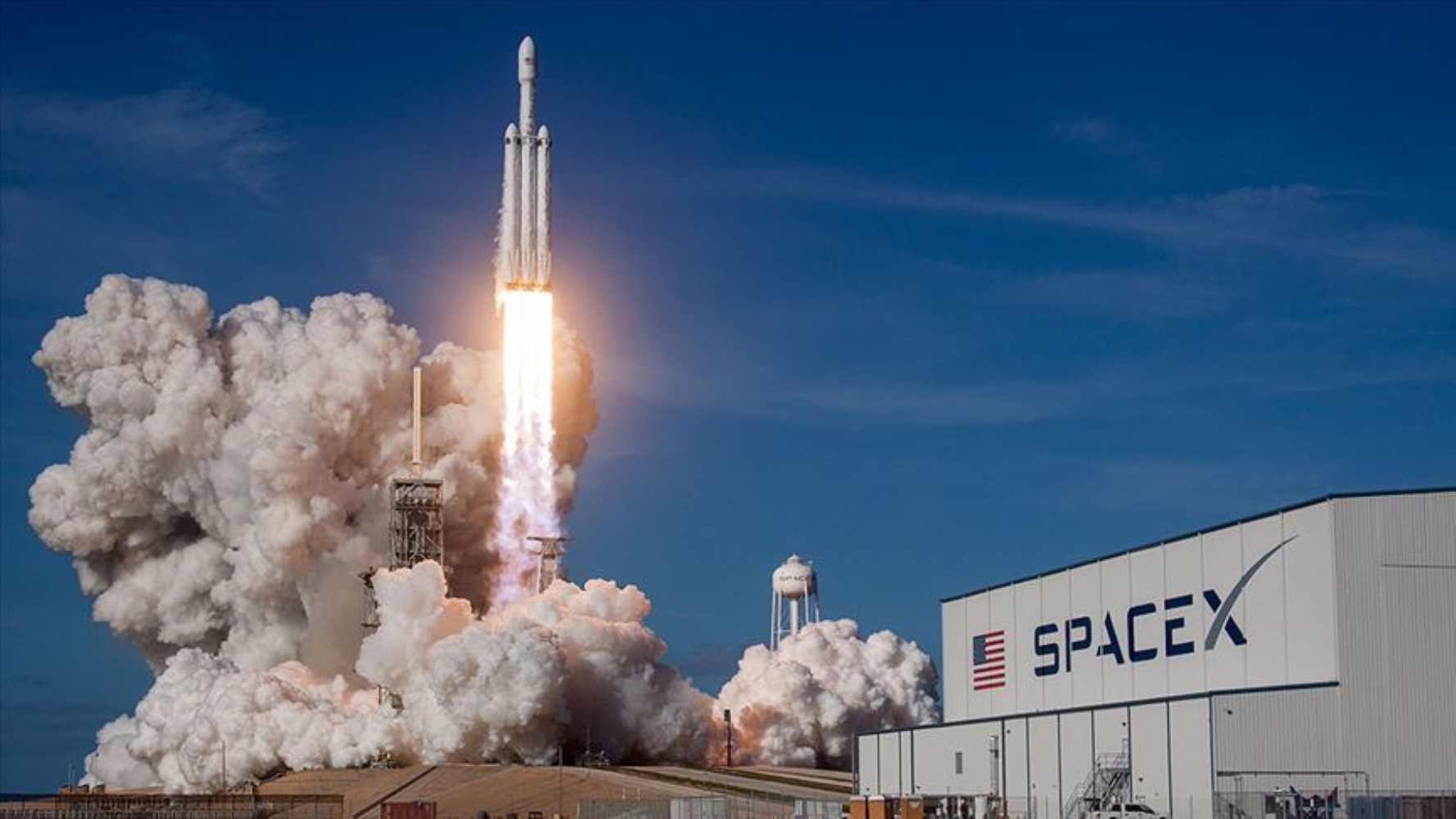
The Dragonfly mission is expected to launch in July 2028 from NASA's Kennedy Space Center in Florida aboard a SpaceX Falcon Heavy rocket.
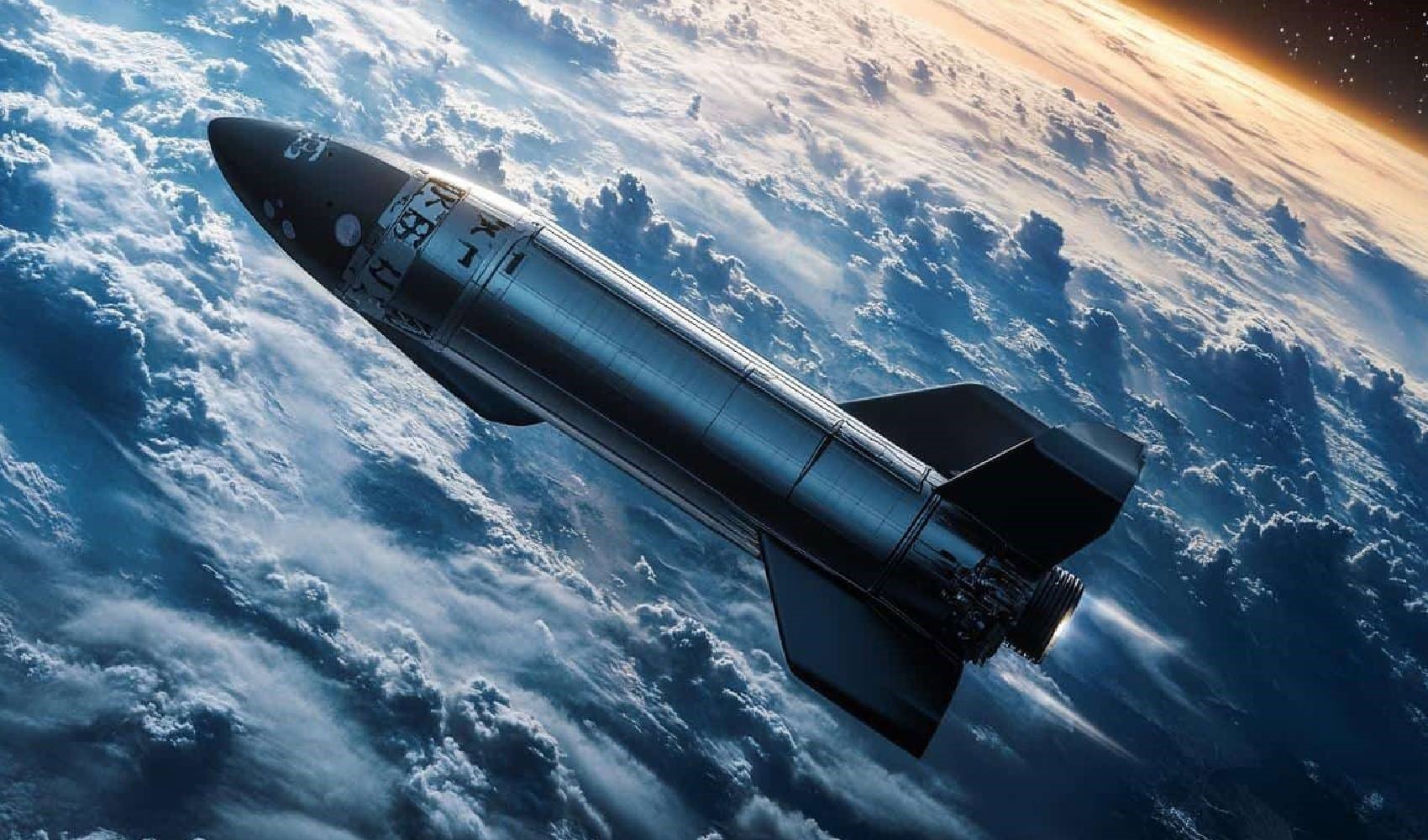
WORKING ON STARSHIP FOR MOON LANDING
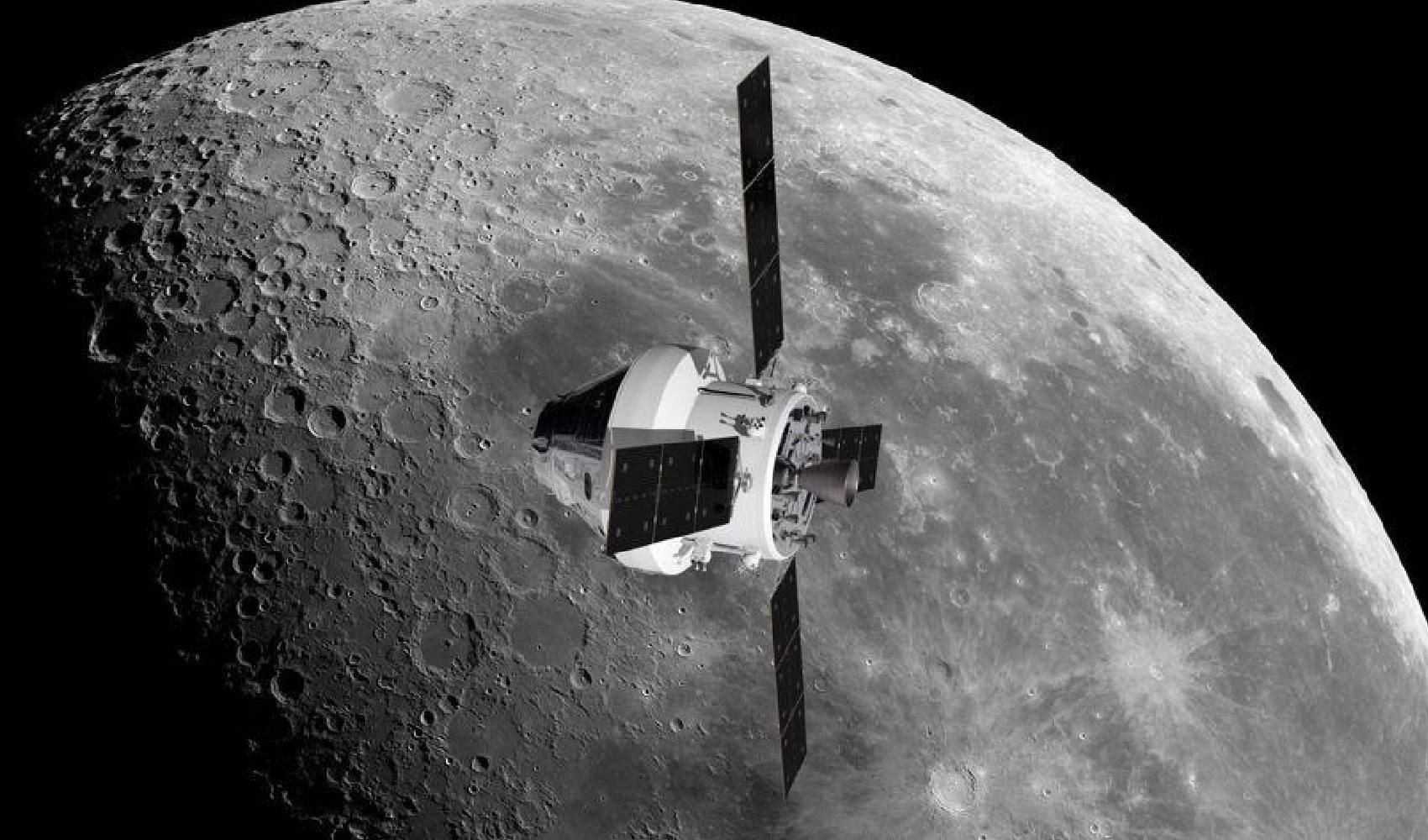
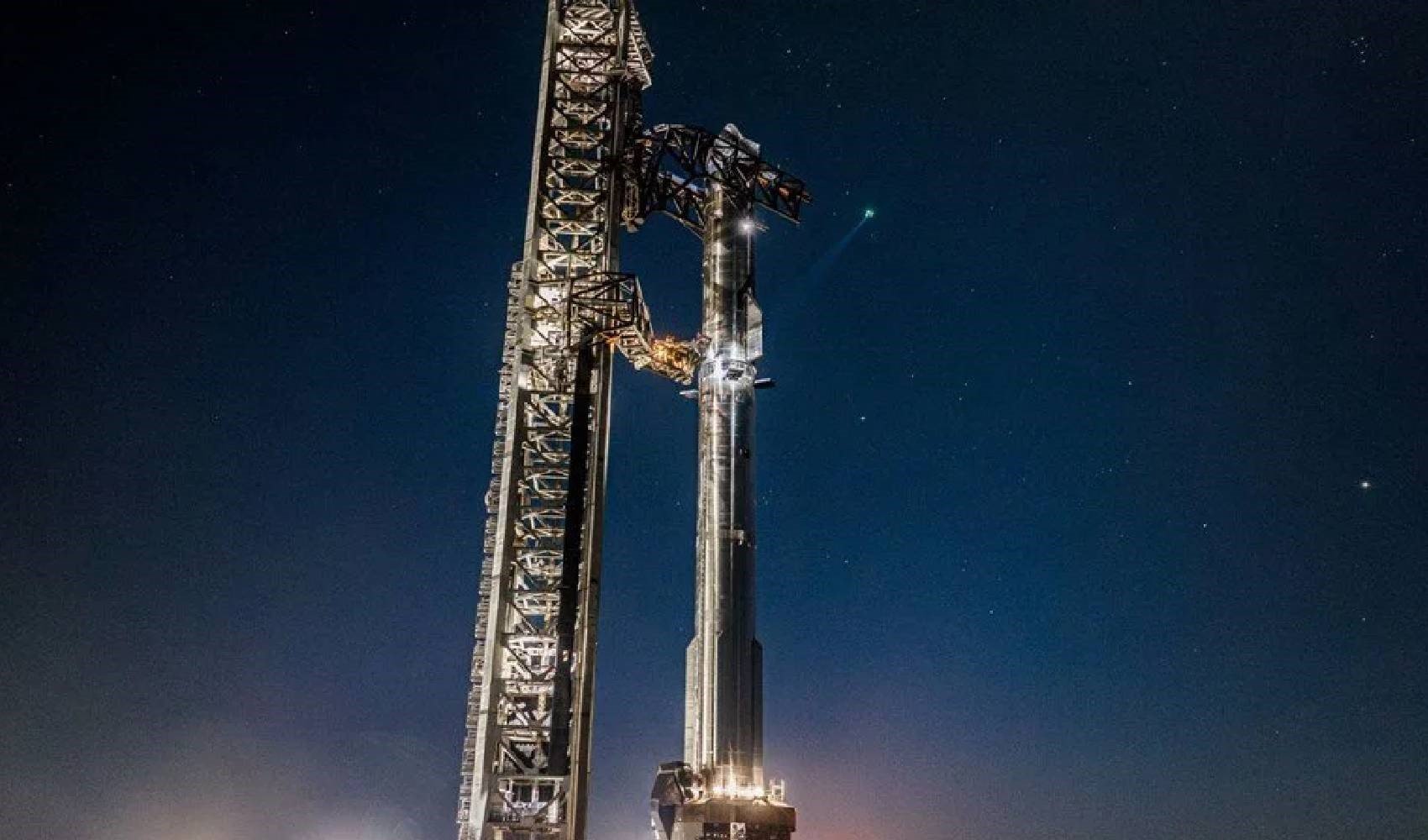
The company, founded by Tesla CEO Elon Musk, is also working on a Starship lander that will provide a landing on the Moon for NASA's Artemis III mission.
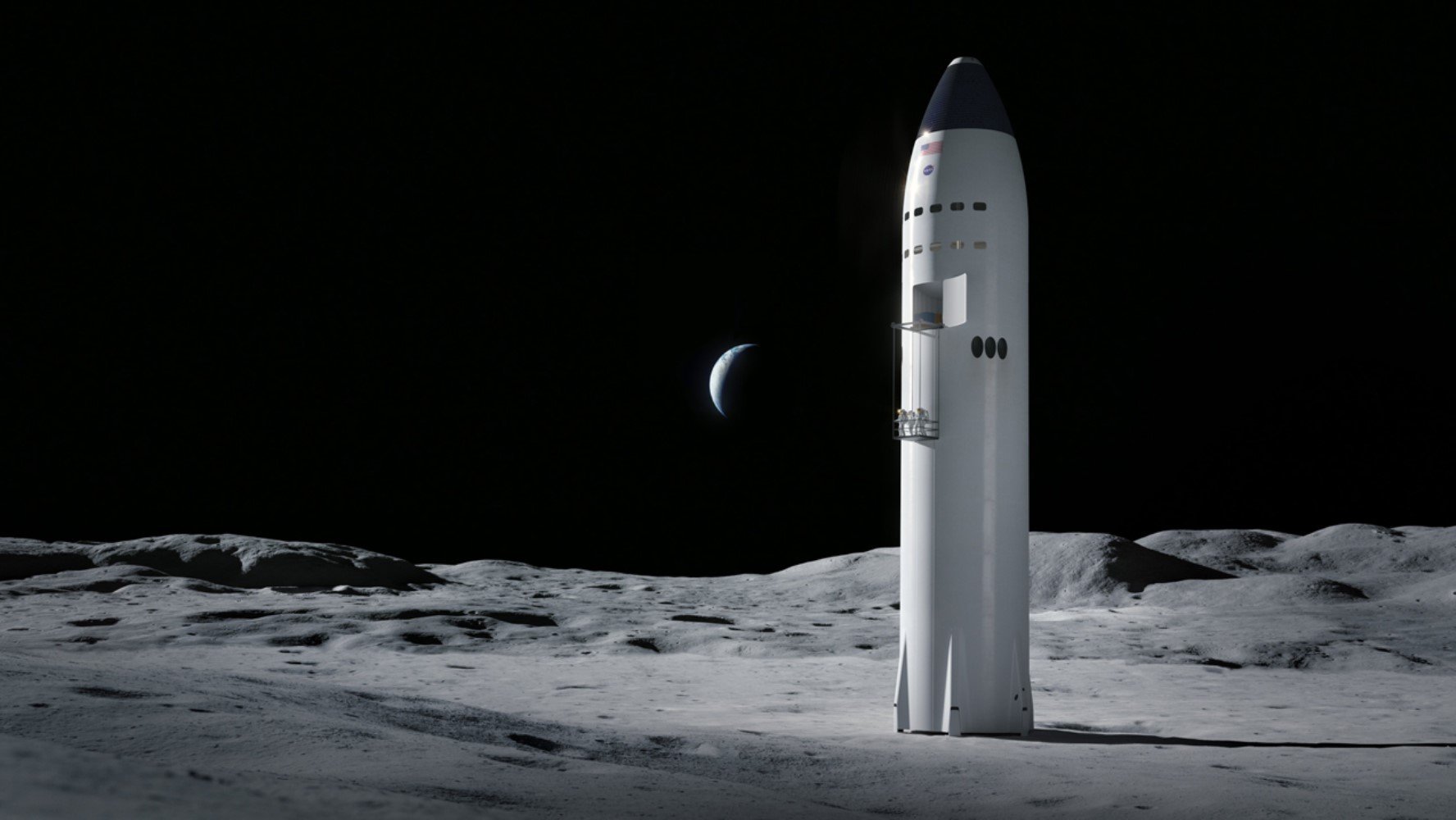
"AIMS TO SEND THE FIRST WOMAN ASTRONAUT TO THE MOON"
The Artemis III project aims to send the first woman astronaut to the Moon and is currently scheduled to take place in September 2026.
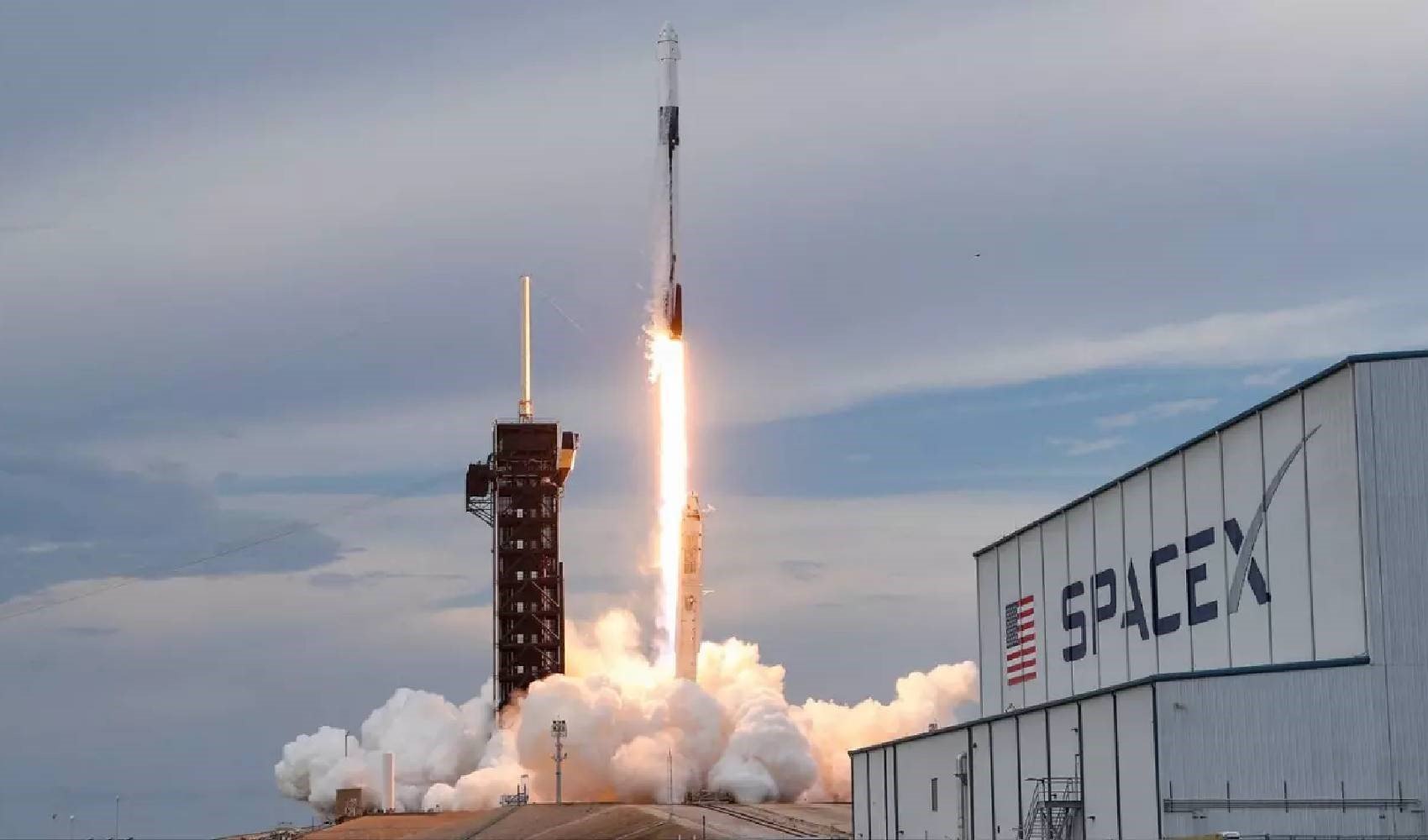
Meanwhile, SpaceX stated in an announcement this week that it aims to increase the launch frequency of Starship rockets to 25 per year by 2025.
The Starship project forms the foundation of the company's Moon and Mars exploration goals.