New scam method for stolen iPhones
A young architect whose iPhone was stolen while traveling in Istanbul stated that thieves are sending fake messages to the owners of stolen phones that appear to be from Apple, and that users who click the link in the message and enter their iCloud information lose control of their phones. Following the incident, the young woman filed a complaint against those responsible.
İHA
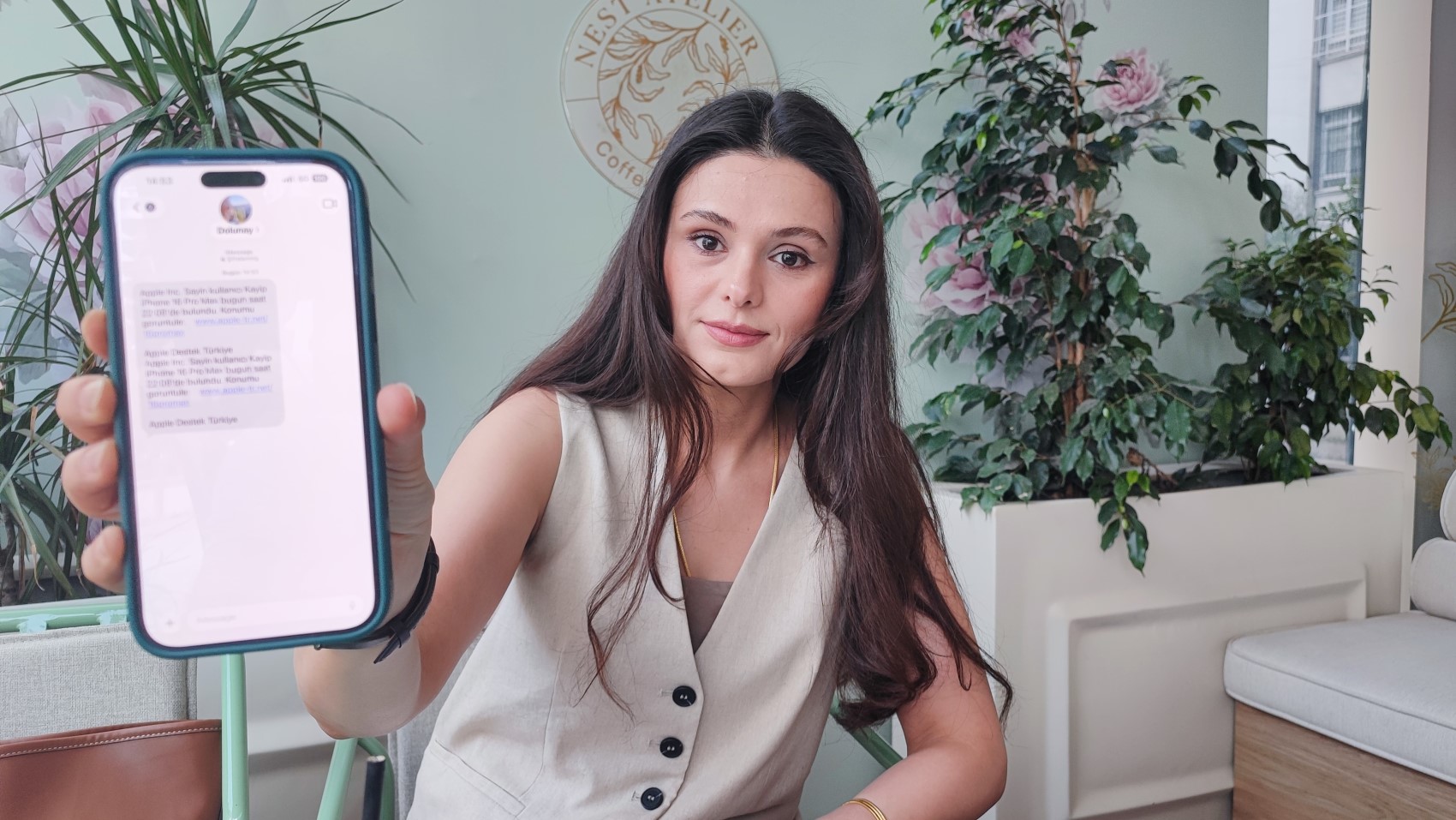
Architect İncilay Tuyğun (37) recounted her experience after her iPhone was stolen during a trip to Istanbul about a month ago. Tuyğun stated that after the phone was stolen, a person identifying themselves as a phone repair shop owner contacted her family, noting that the scammers use professional methods to deceive users.
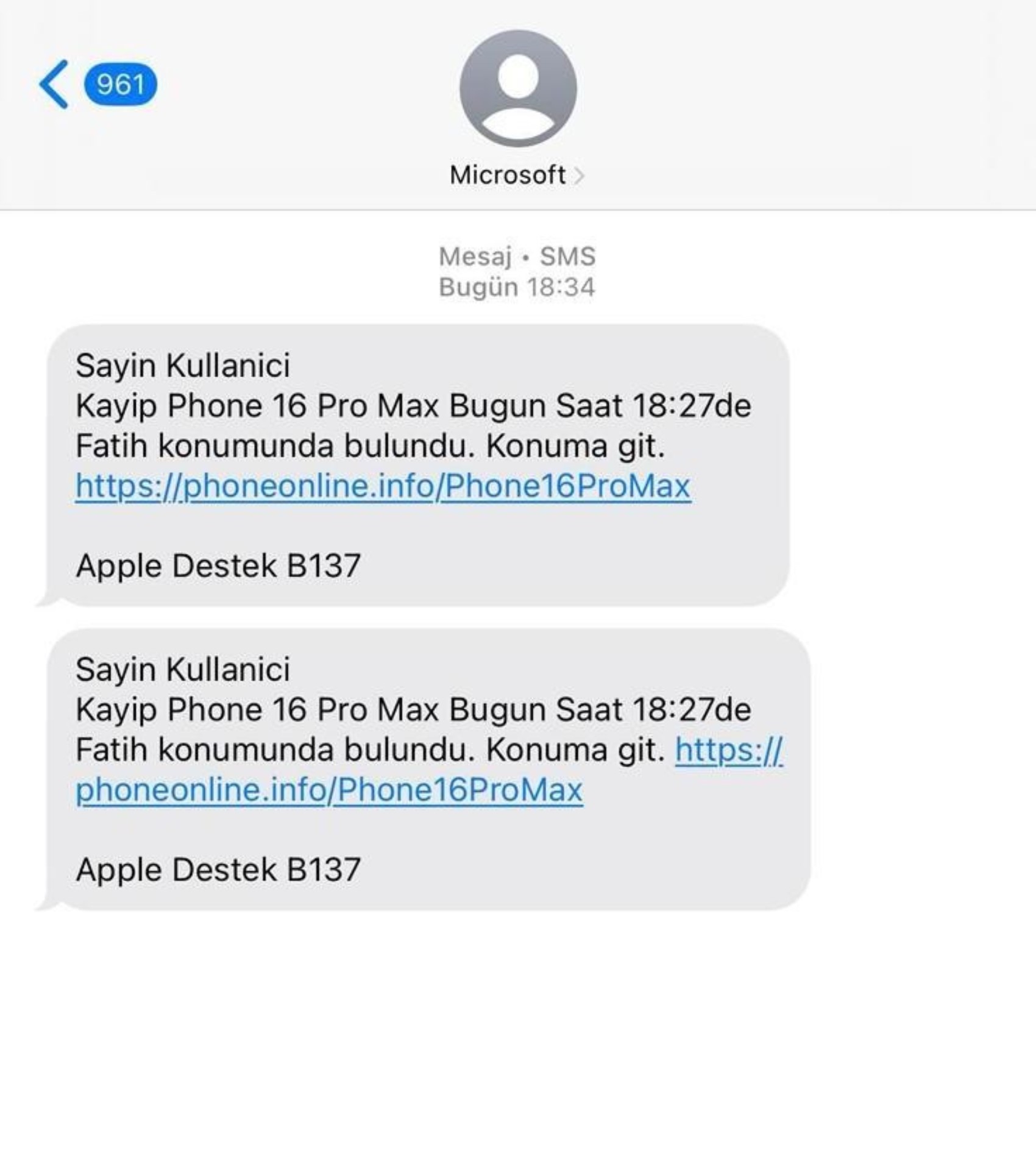
Providing details on the matter, Tuyğun said, "My Apple phone was stolen during my trip to Istanbul a month ago. Our phones have emergency contact settings so they can be reached in urgent situations. After the phone was stolen, a person who identified himself as a phone repairman reached out to my family. He gave various instructions, claiming he would help us."
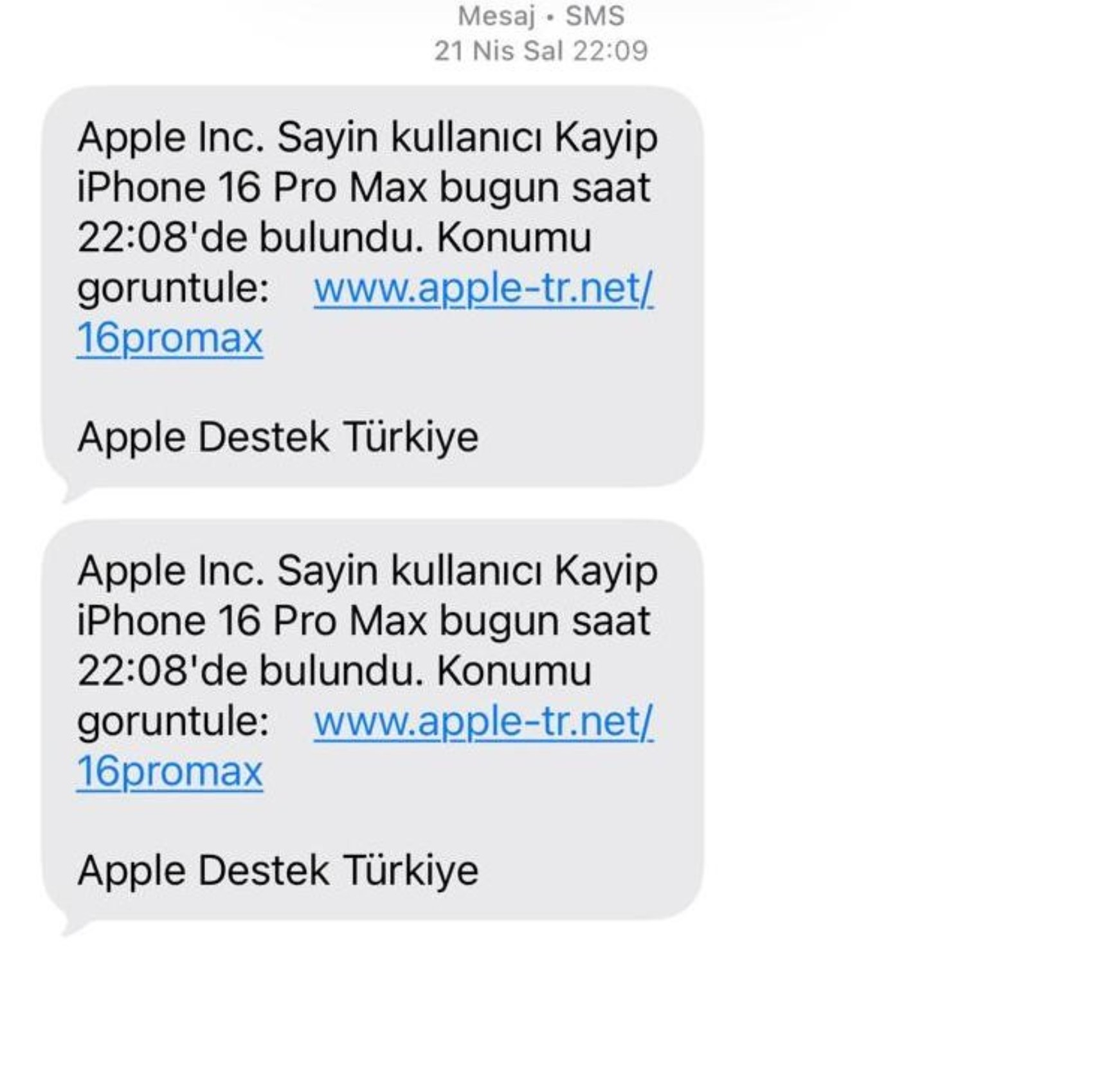
Stating that the link sent by the scammers gives the impression of being Apple's official page, Tuyğun said, "He tried to help through a link he sent. Since I have another Apple device, we locked the phone through that device. However, the link sent by the person claiming to be a phone repairman appears to open Apple's own page. As soon as information is entered into the page that opens, control of the phone passes into the hands of the scammers."
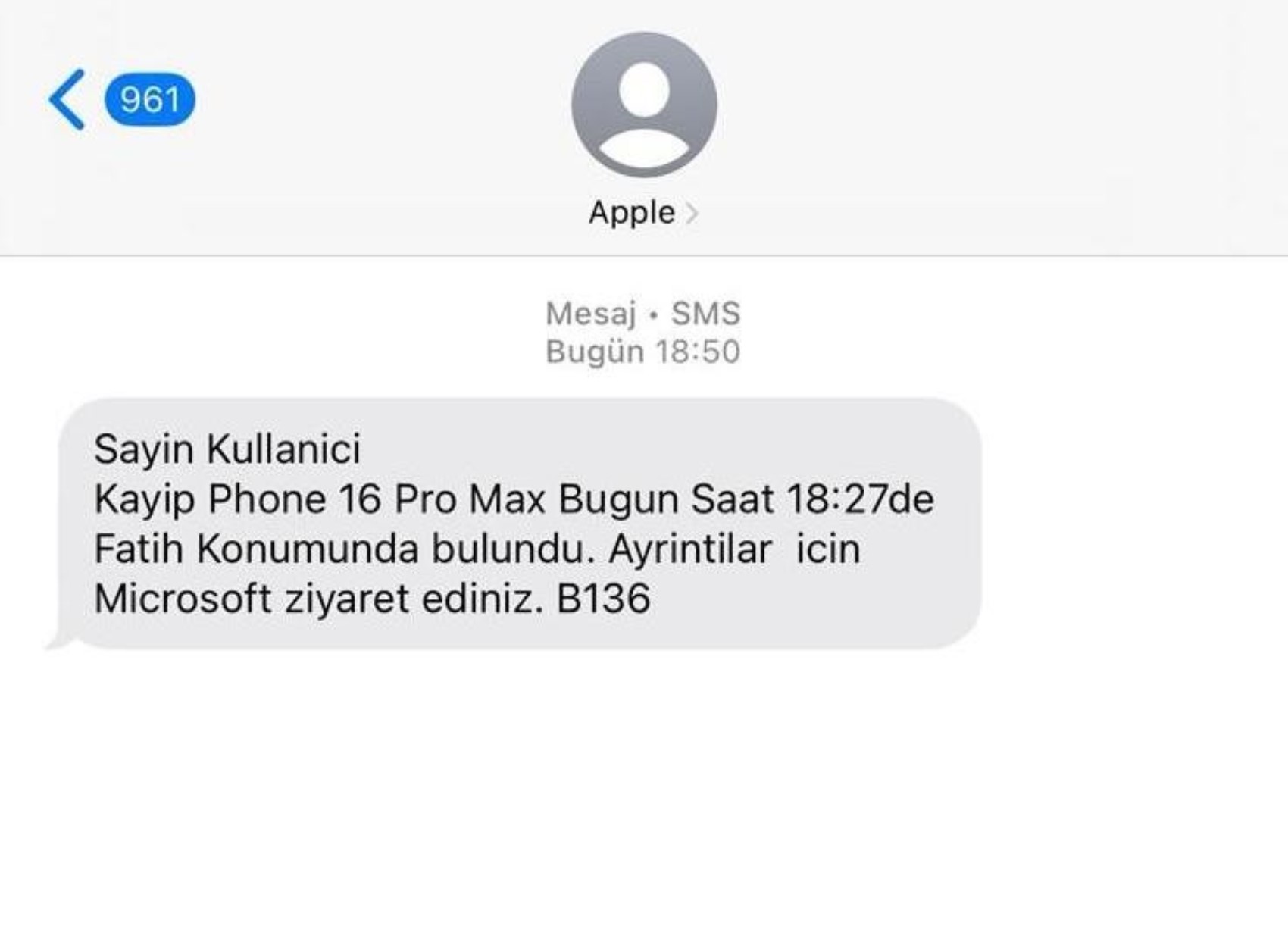
Stating that she did not fall for this trap but that many people have been victimized, Tuyğun said, "We did not fall for this trap, but there are many people who have been victimized by this method. We prepared a video about this on social media. There are many people who lost their phones and were victimized by clicking that link and entering their iCloud password."
Explaining that they received information that the fraud network operates in different cities, Tuyğun said, "It is stated that this gang operates in Istanbul, Adana, Aksaray, and Bursa. We want this situation to be prevented. After the phone is stolen, they call you, introduce themselves as a phone repairman, and send a link. As soon as you click that link and enter your iCloud password, control of the phone passes to them. Then they reset the phone and sell it to someone else."
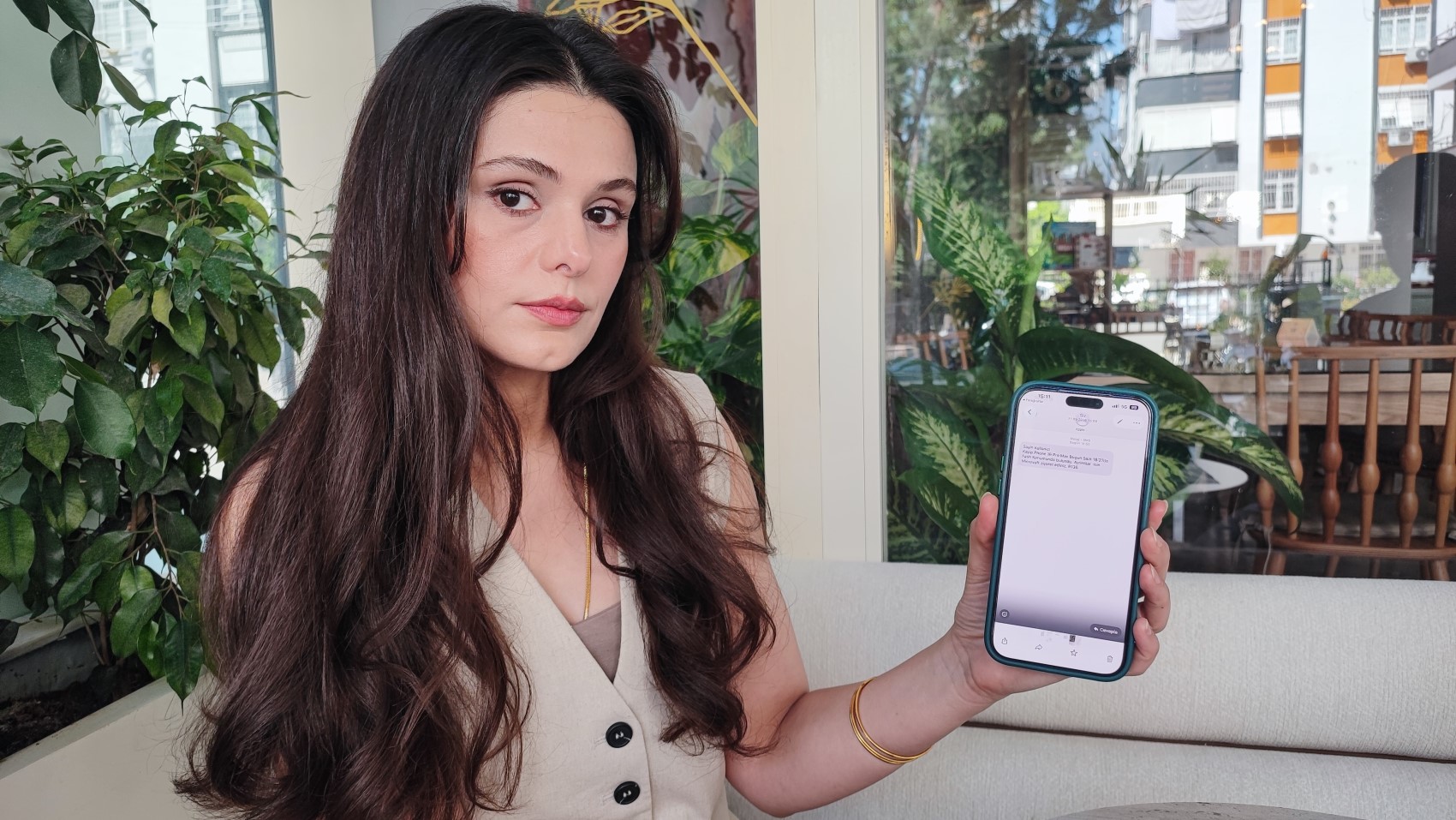
Emphasizing that the scammers constantly update the methods they use, Tuyğun said, "We also shared these numbers in the video we prepared on social media. The messages appear to come from Apple and Microsoft. There were numbers used previously, but they have updated their methods and the numbers they use."
Having filed a complaint with the authorities following her ordeal, the young architect urged citizens who might encounter similar situations to be careful, specifically calling for caution against links sent with the promise of finding the phone or unlocking it.