Number of sinkholes increasing in Konya's Karapınar district! Agricultural lands at risk
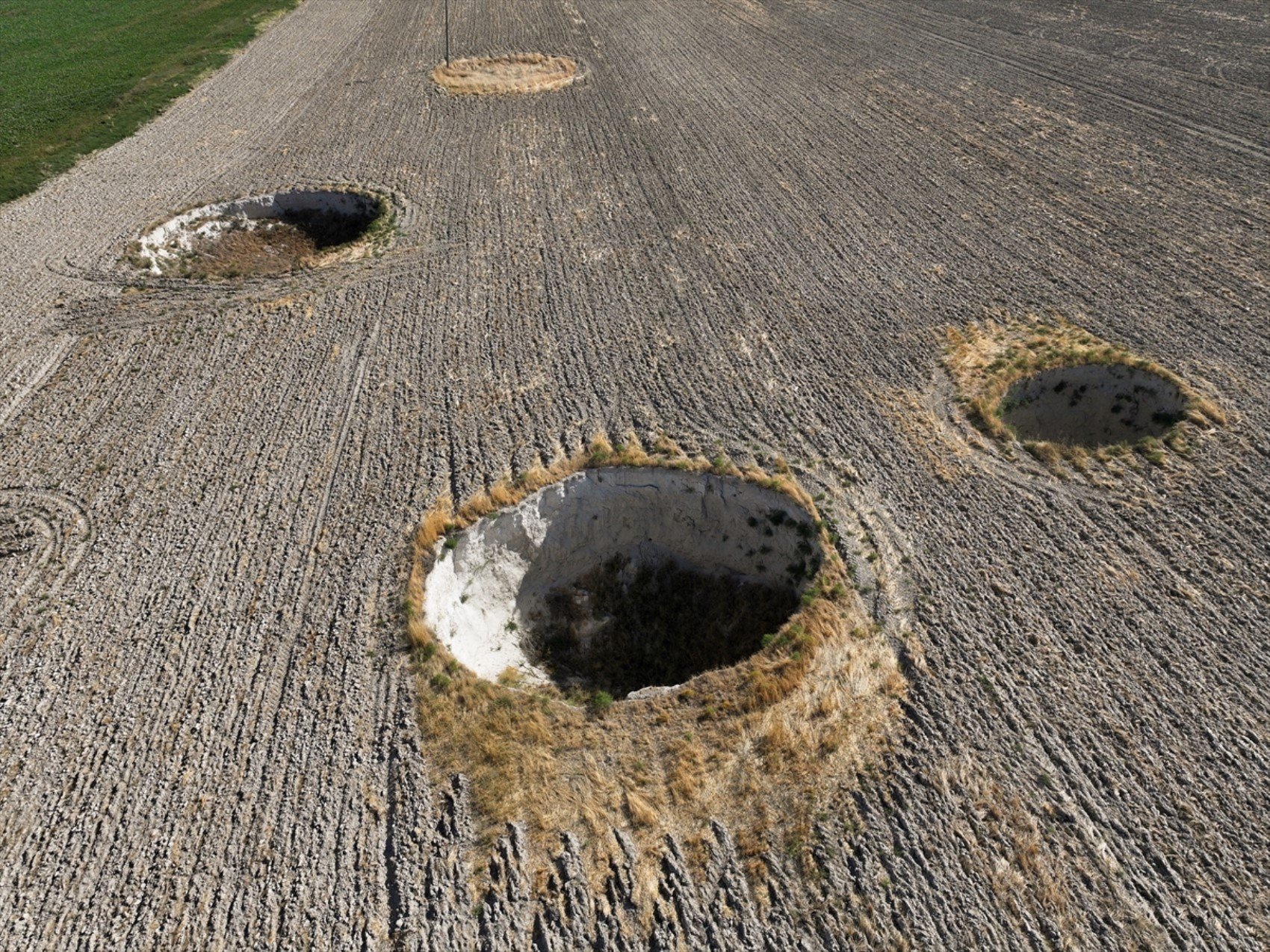
More than 100 sinkholes, reaching depths of up to 5 meters, have formed in agricultural lands in the Karapınar district of Konya. Climate change and uncontrolled groundwater usage are triggering the increase in sinkholes.
AA
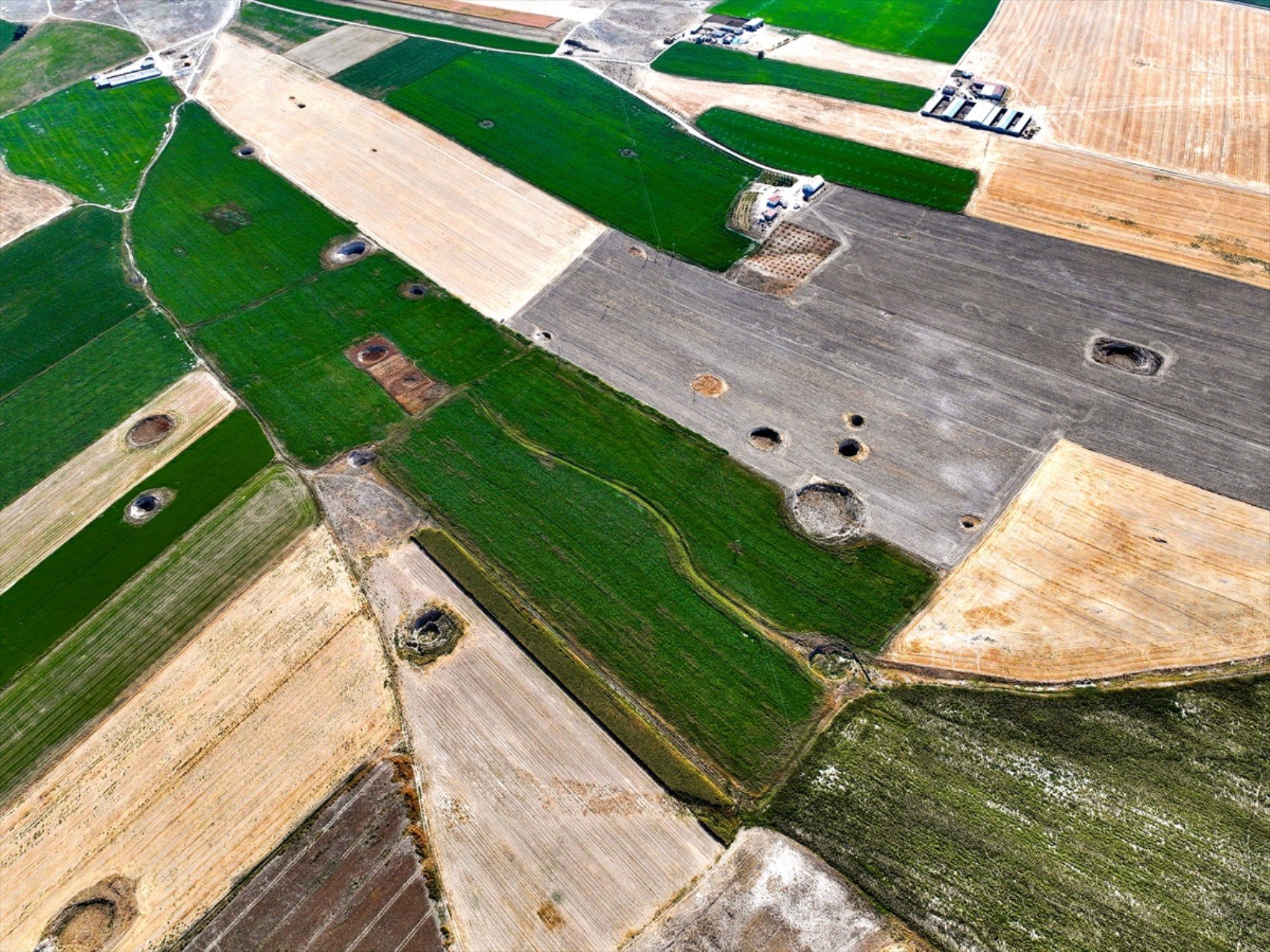
In the Karapınar district of Konya, more than 100 sinkholes of varying diameters and depths are formed as limestone underground dissolves over time, creating cavities and causing the ground to collapse.
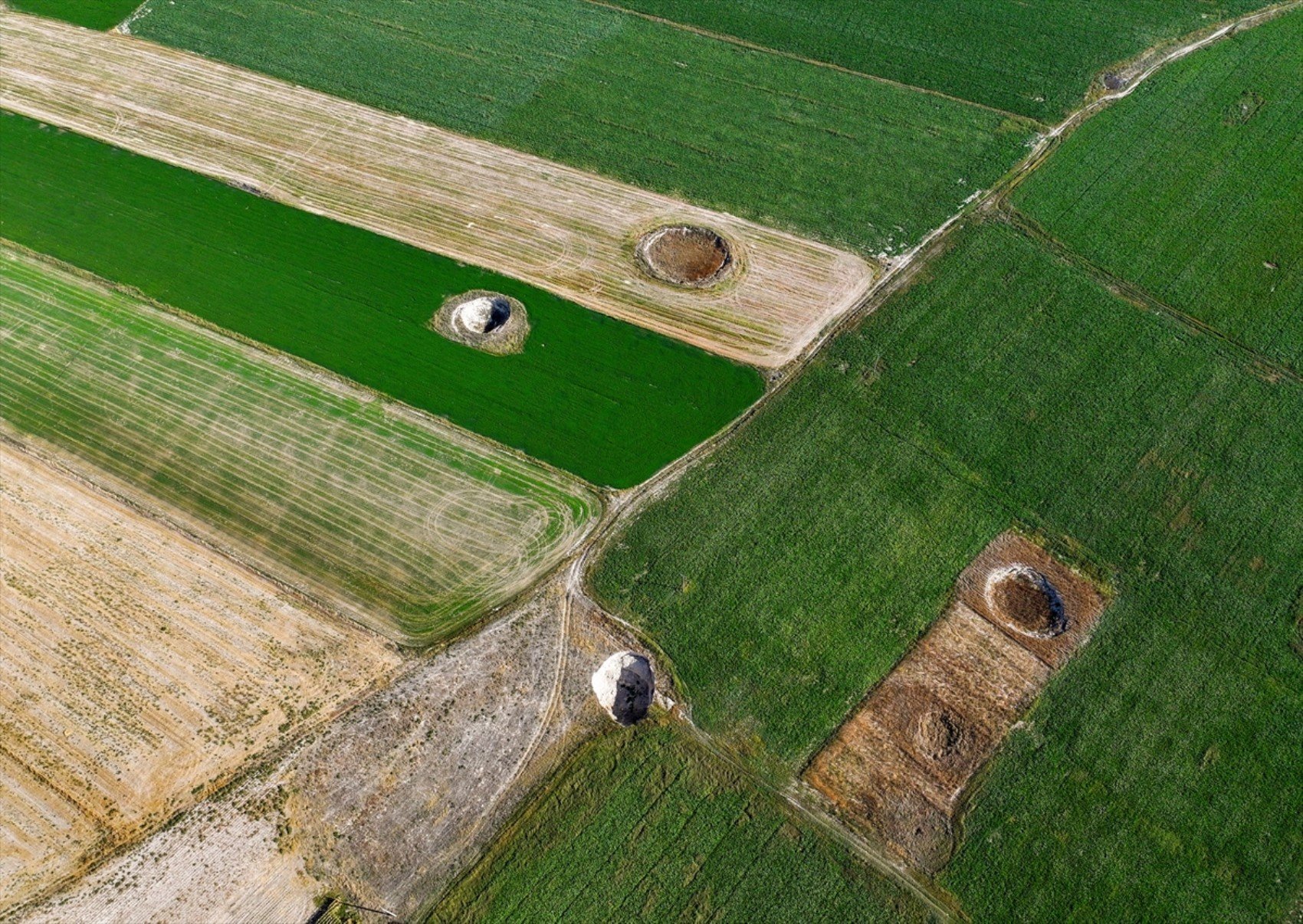
Sinkholes, which are increasing in number every day in the Konya Basin due to climate change, drought, and uncontrolled groundwater usage, are increasing anxiety.
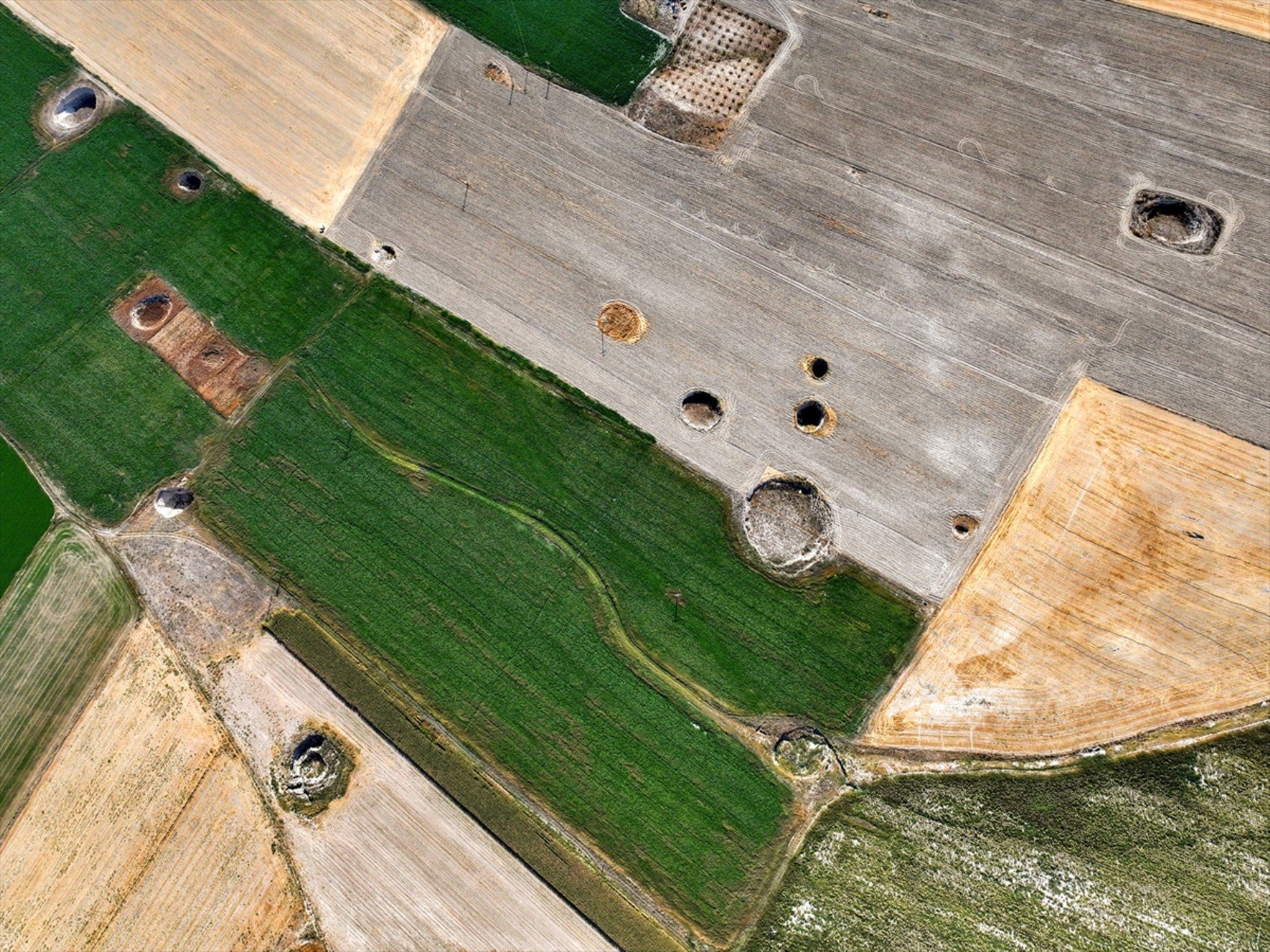
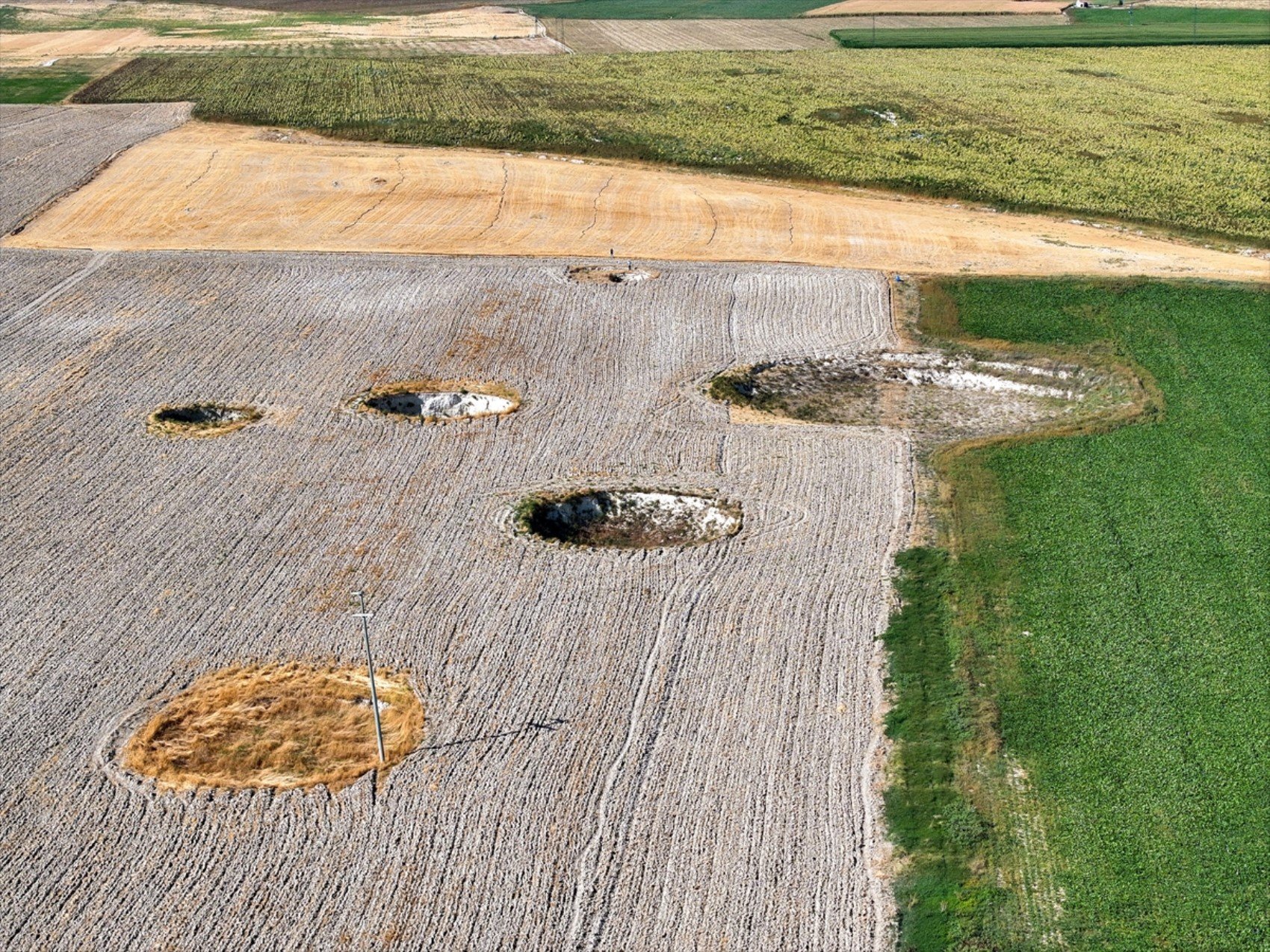
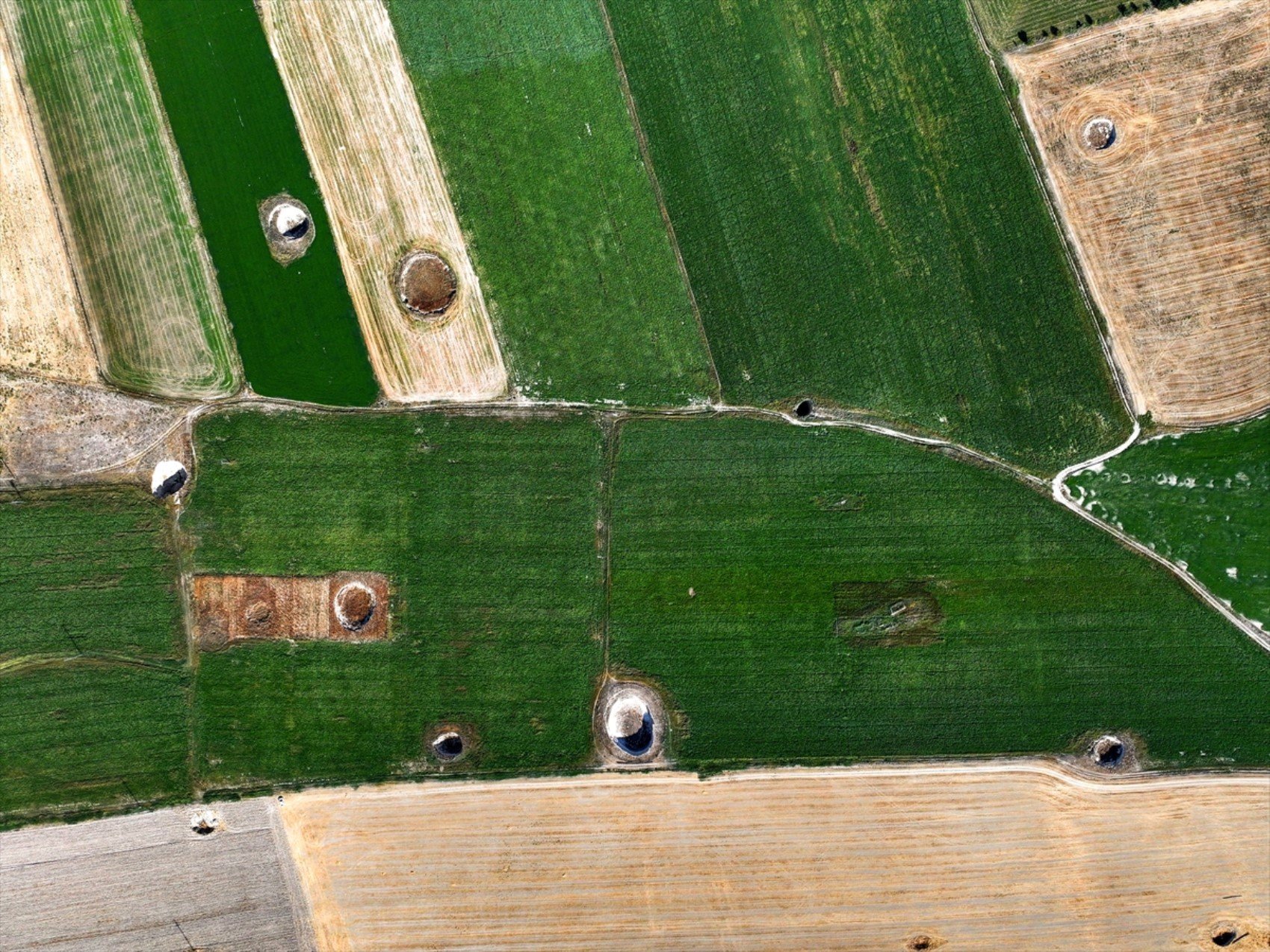
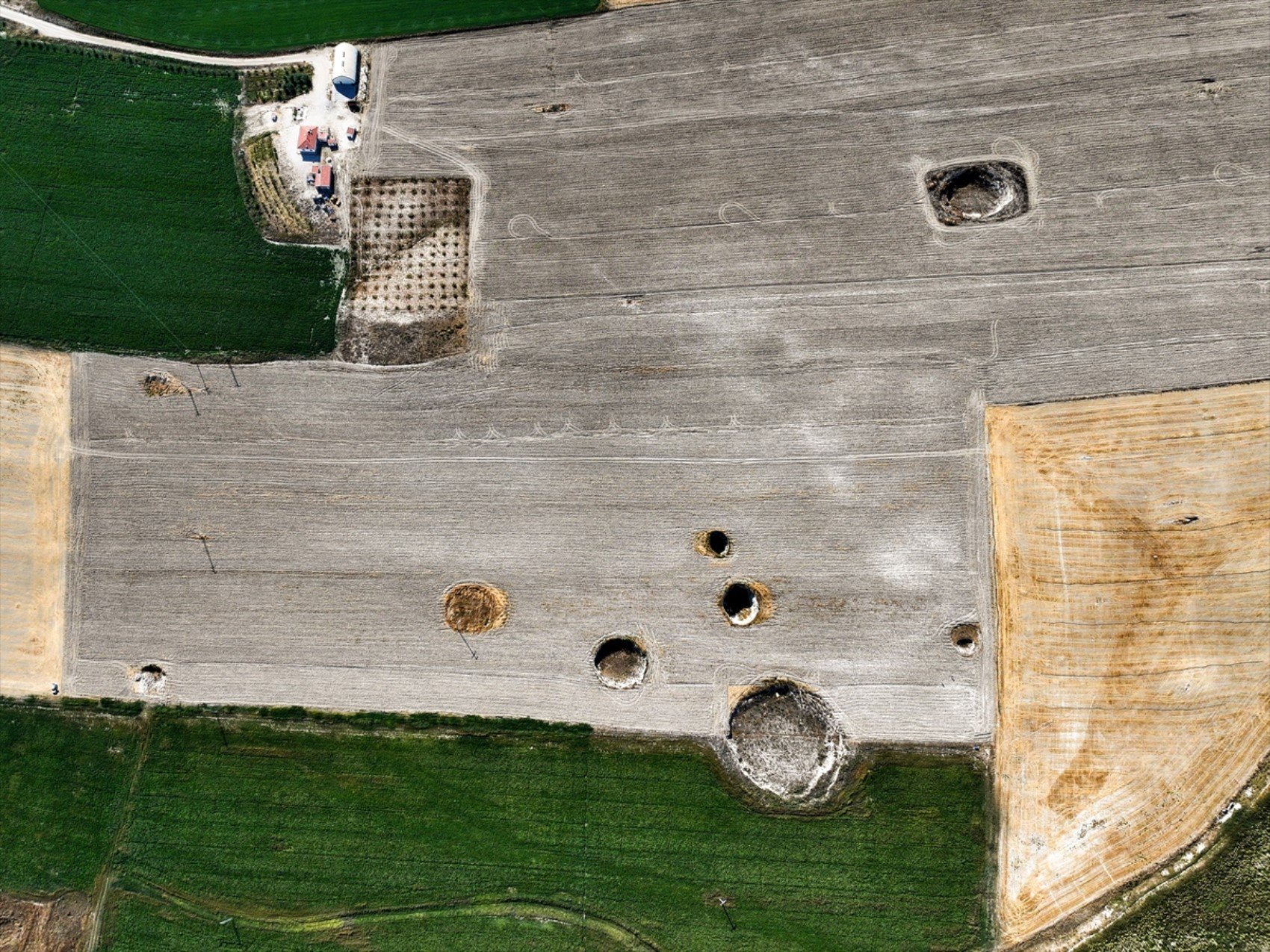
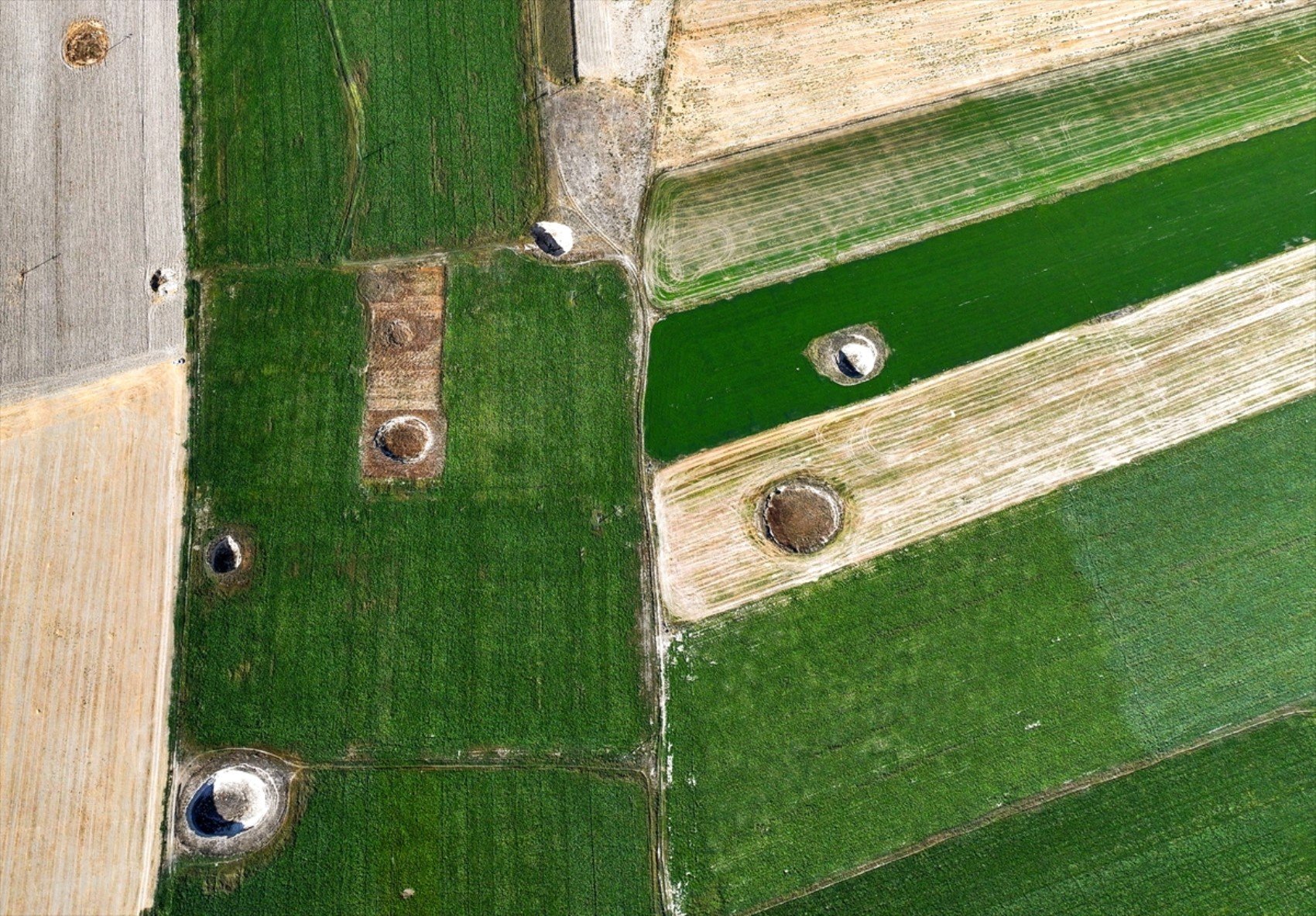
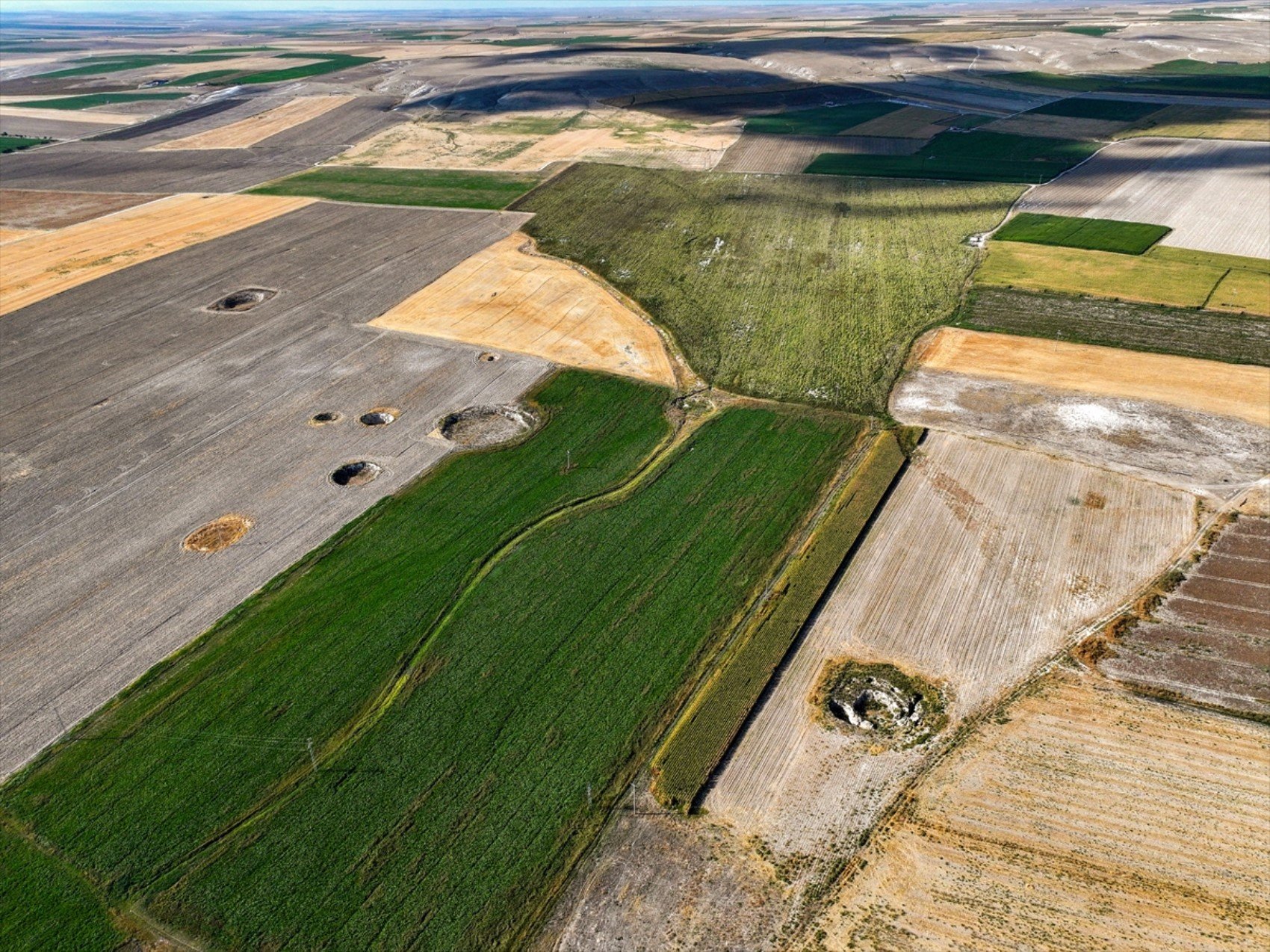
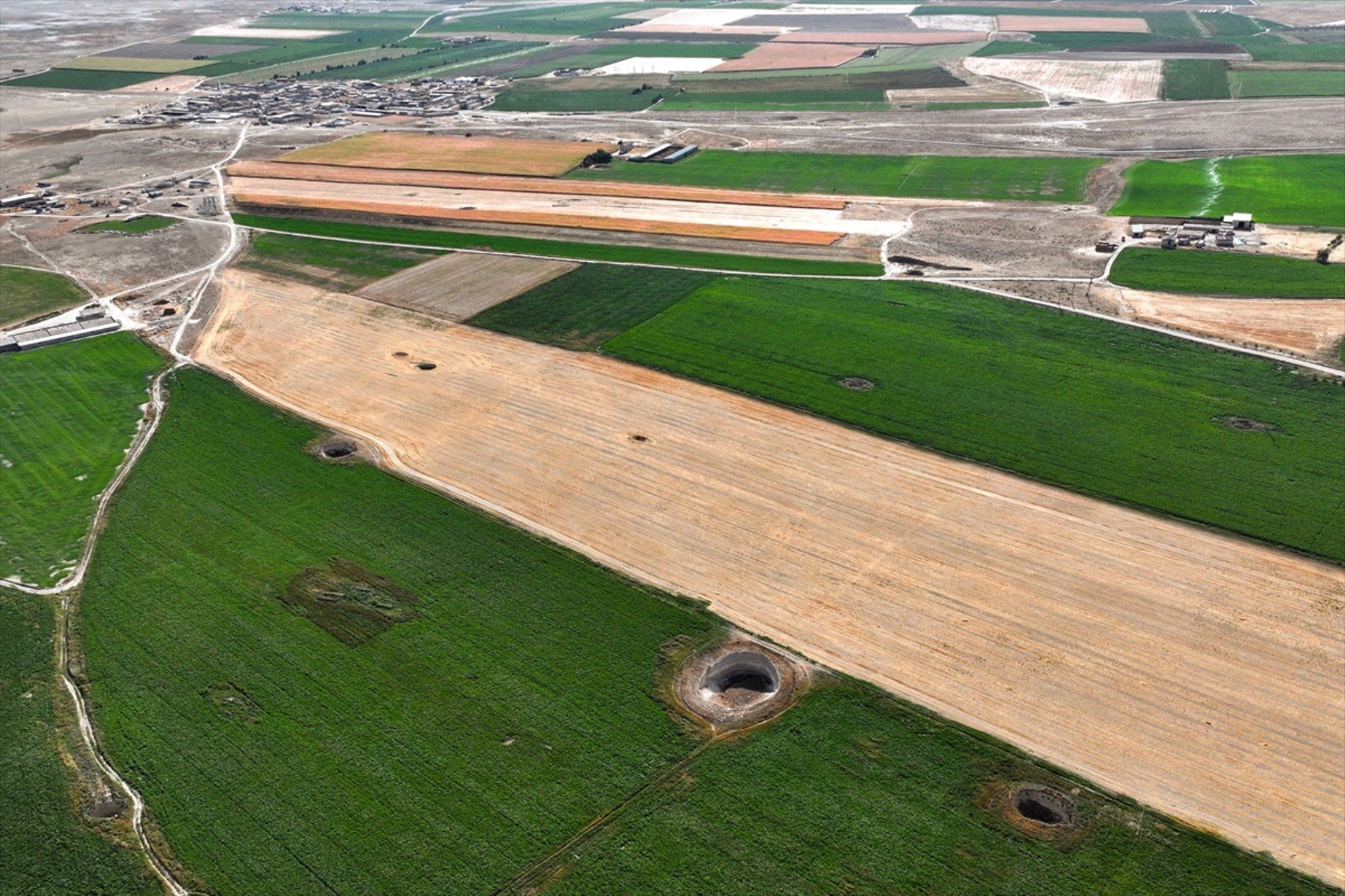
Numerous sinkholes are being observed in the fields of Eşeli Plateau, located within the borders of Reşadiye Neighborhood in the northwest of Karapınar district, where the formation of sinkholes has rapidly increased in recent years.
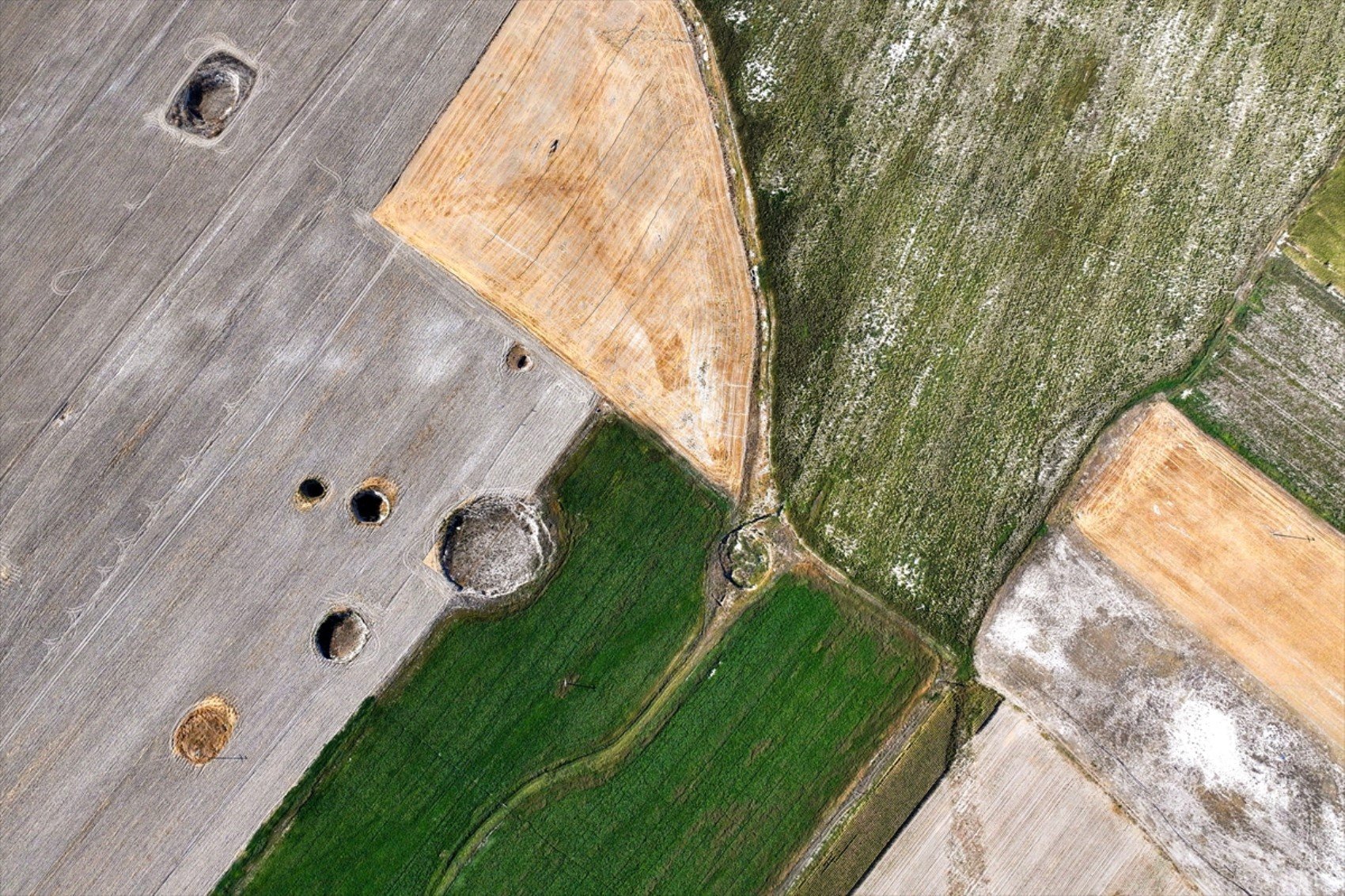
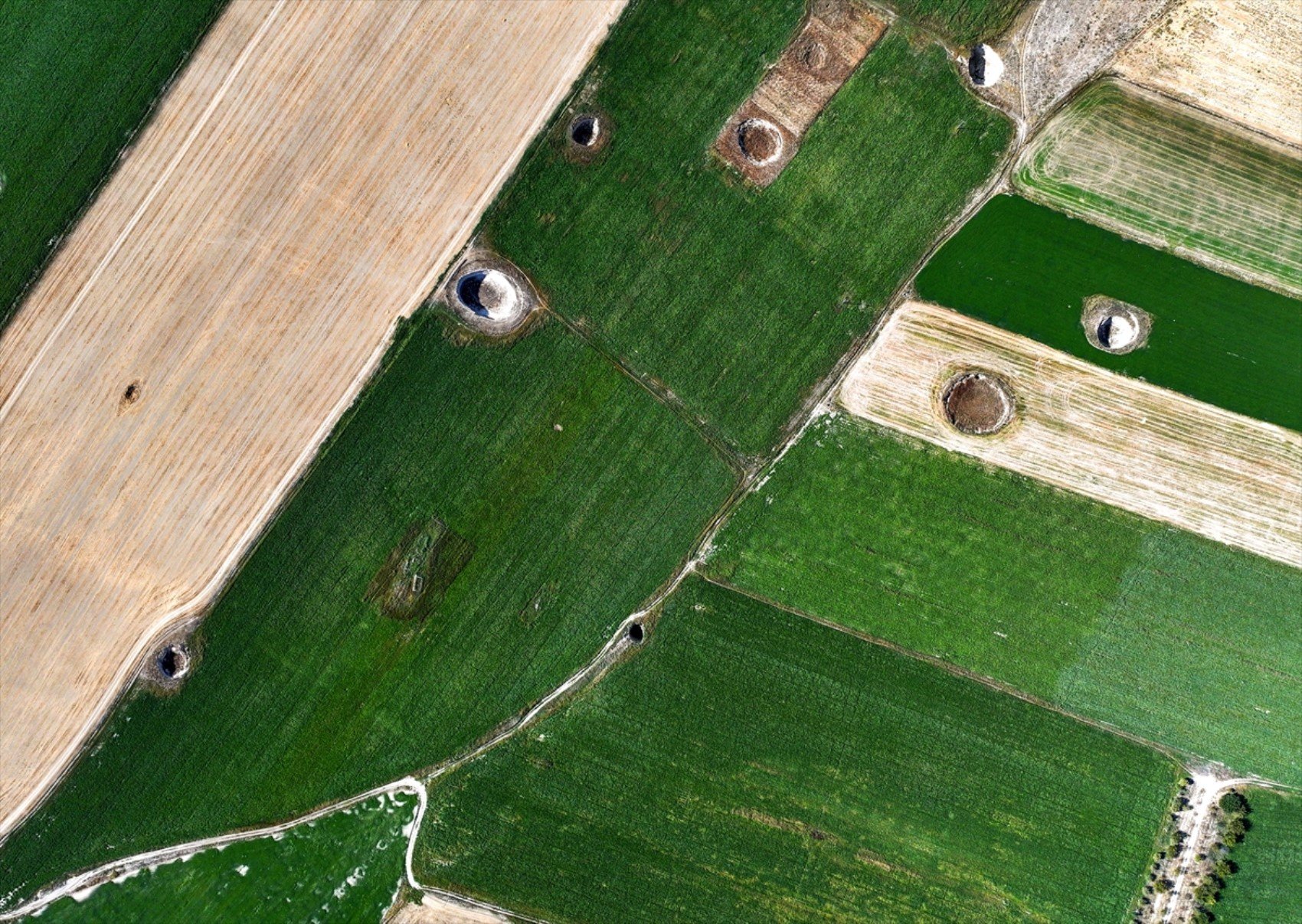
In an area where the distance between two sinkholes has dropped to as little as 5 meters, and where there are more than 100 depressions of varying diameters and depths, 24 sinkholes appear in a single aerial photograph.
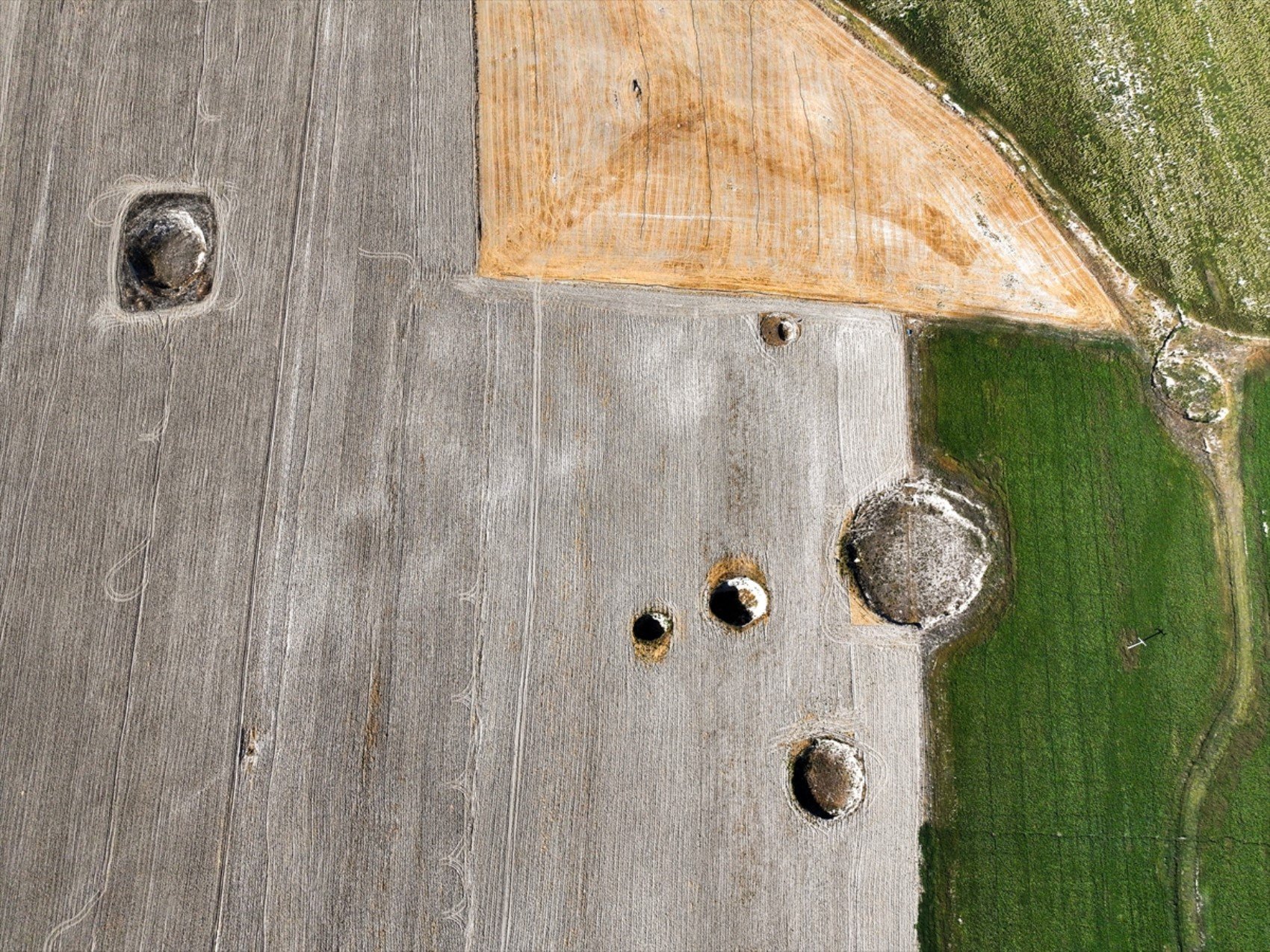
REGION WITH THE HIGHEST DENSITY OF SINKHOLES FILMED FROM THE AIR
Prof. Dr. Fetullah Arık, Director of the Sinkhole Research and Application Center at Konya Technical University, stated that collapses are increasing in areas where numerous sinkholes have already formed.
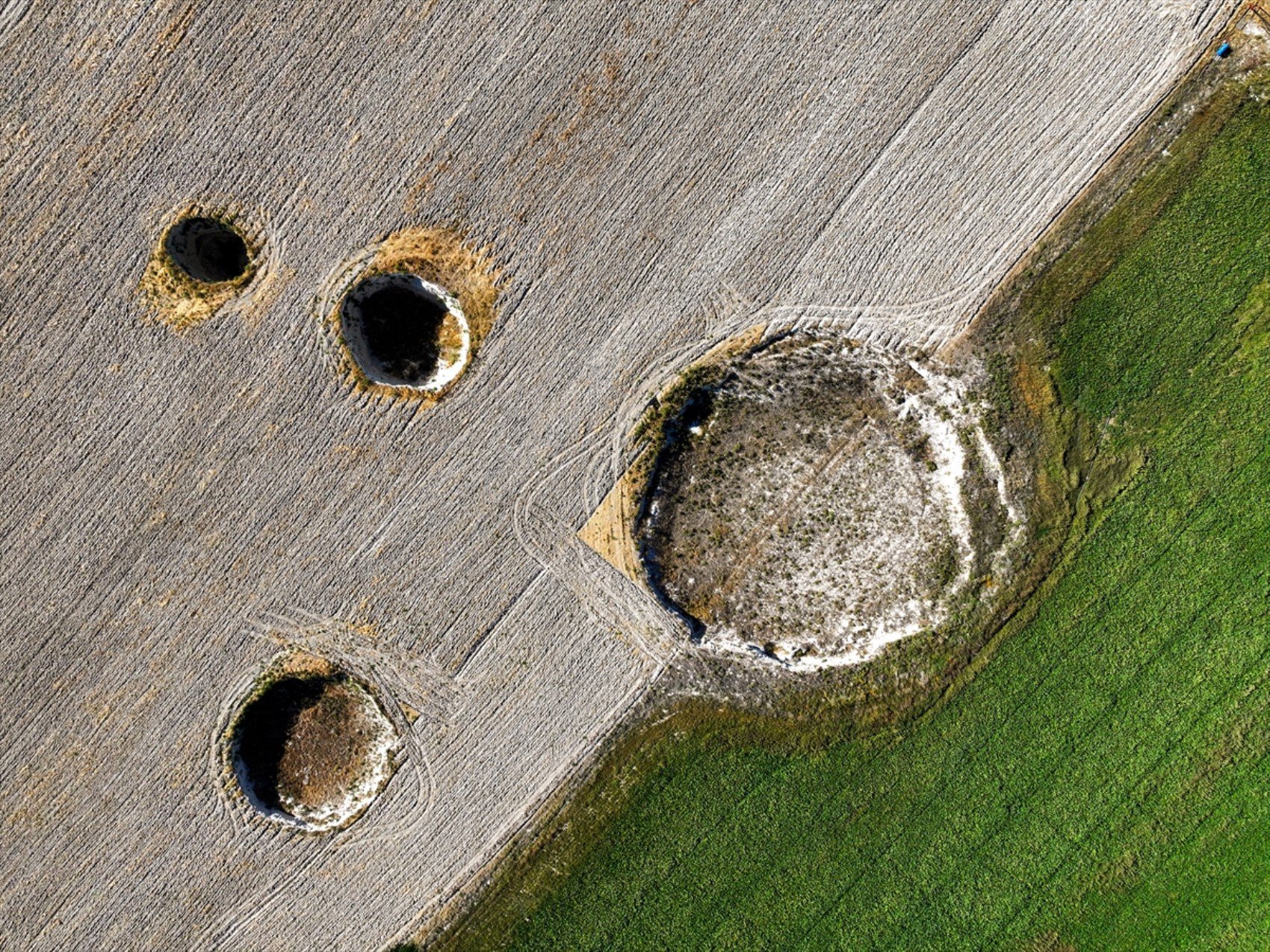
Pointing out that the number of sinkhole formations, which began to appear in the Reşadiye neighborhood in the 2000s, is increasing, Arık stated the following:
"Sinkholes have become widespread in this region, forming almost every year since 2007. The sinkholes are side by side and quite close to each other. We are in the region with the highest density of sinkholes of this depth. There are agricultural lands in this area. Some of the sinkholes that have occurred in this area are within residential zones. Therefore, they pose a danger. The number of sinkholes in the region has been gradually increasing due to the ongoing drought since the 2000s and the use of groundwater for agricultural irrigation."
THERE ARE 8 SINKHOLES IN ONE FIELD
Arık pointed out that there are a large number of sinkholes in the area where agriculture is widespread, and stated the following:
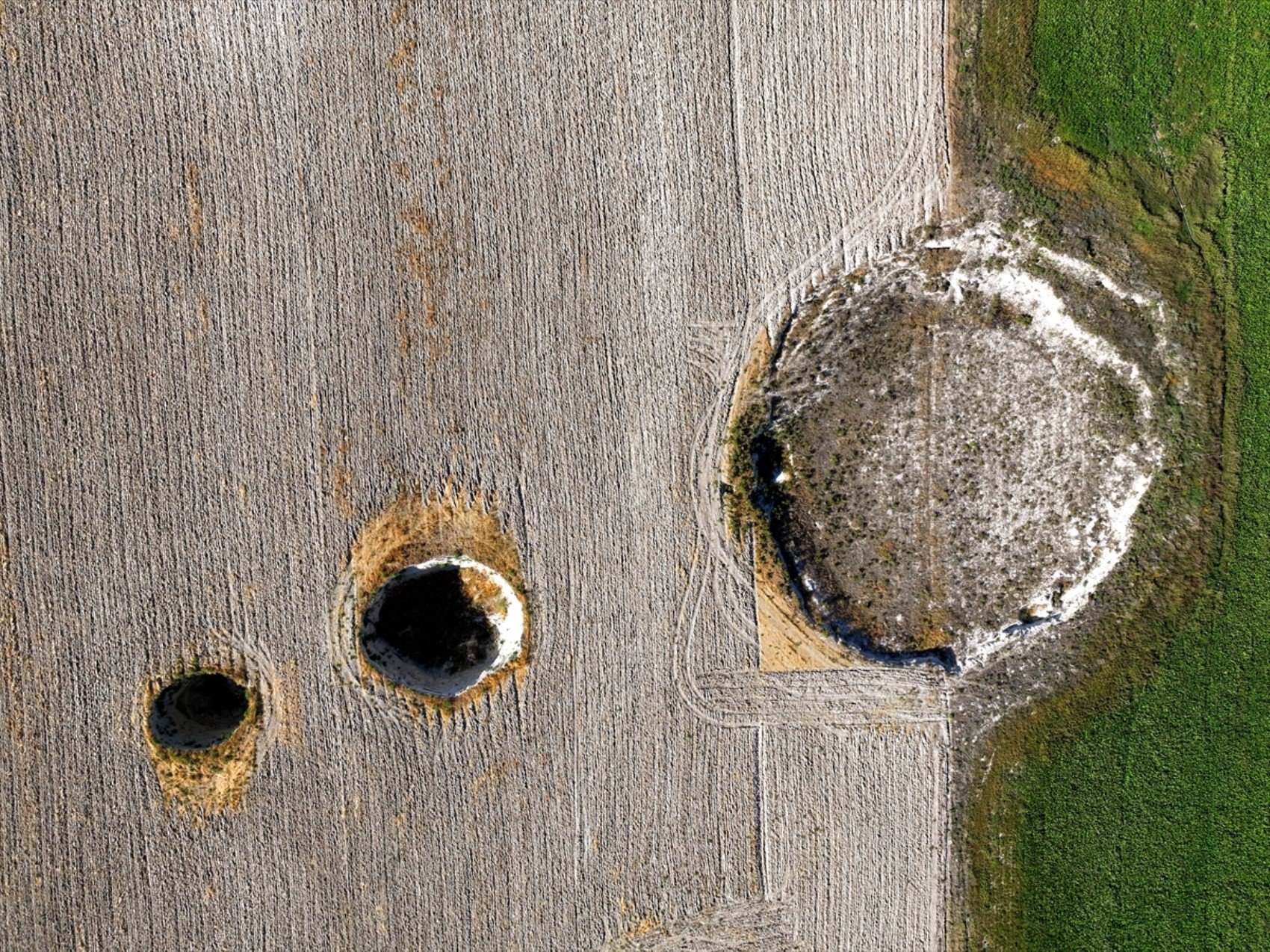
"There are 8 sinkholes in one field, and they are still forming. In satellite images, this place looks like a sieve, like a lunar surface, as if it were a region with a high density of craters. The formation of 8 sinkholes in the same field is a serious problem. In the past, sinkholes occurred in higher places and in areas where people did not live, and for us geoscientists, they were seen as interesting karst features. However, the sinkholes that have formed in recent years have now come very close to residential areas, agricultural lands, and investment zones. For this reason, they pose a danger."
"THE NUMBER OF SINKHOLES FORMED IN THE REGION THIS YEAR IS OVER 10"
Emphasizing that new sinkholes have formed in the same region in recent weeks, Arık continued his remarks as follows:
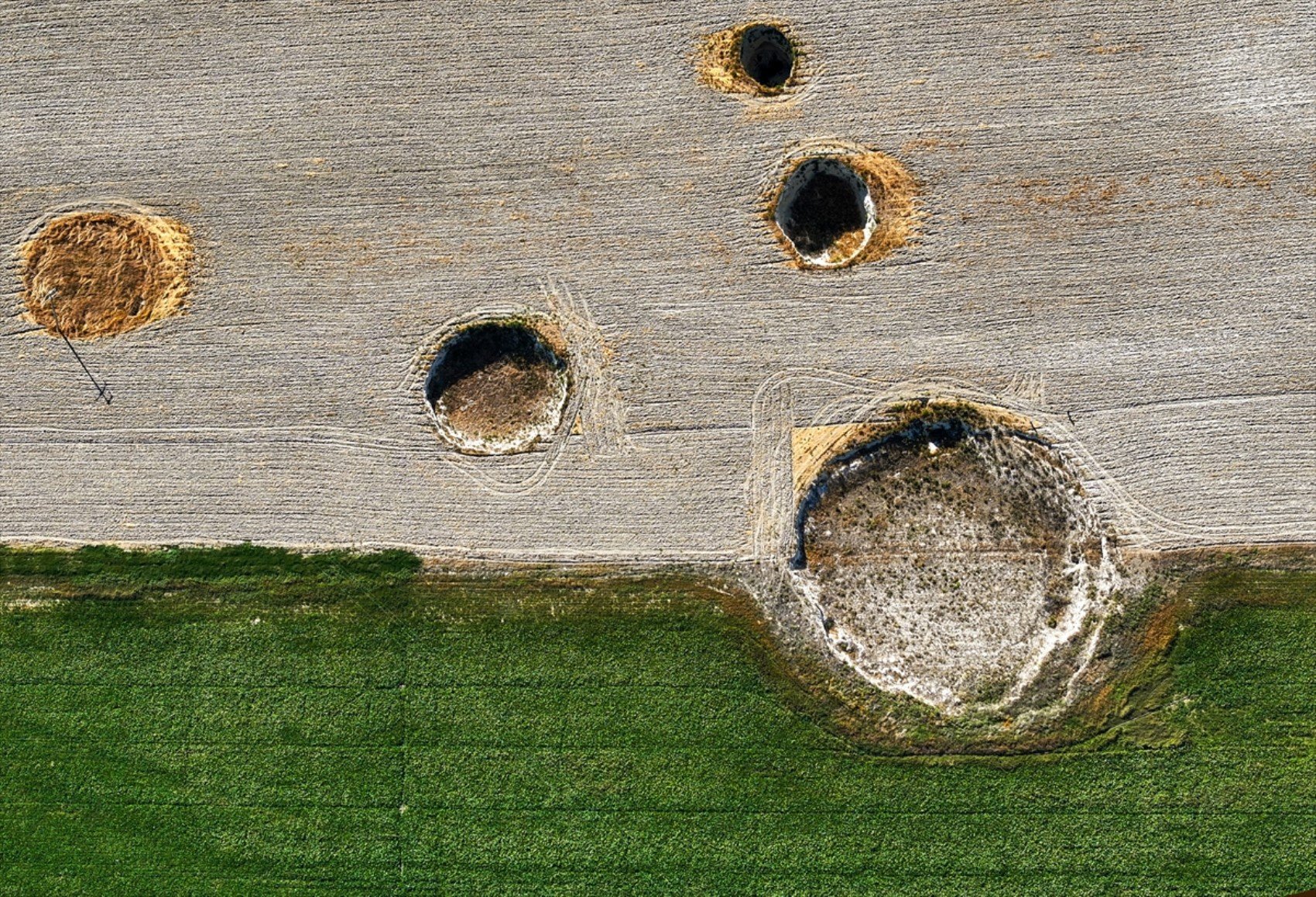
"Sinkholes continue to form. About 6 sinkholes have occurred just in the last two weeks. Sinkholes are forming in the Mısırlı Plateau just to our west, in the Ekmekçi Plateau slightly to our east, and in the Hotamış region further south. They continue to form. The number of sinkholes formed in the region this year is over 10. We are in a period where the year has not yet ended. Therefore, we are also concerned about the sinkholes that will form when the new agricultural season begins in the coming period. We anticipate that the number will gradually increase."
THERE ARE 620 SINKHOLES OF FRIGHTENING DIMENSIONS
Reminding that the sinkholes in Konya are recorded in AFAD's Disaster Risk Reduction System (ARAS), Arık stated, "Apart from these, there are quite a few collapse structures, both large and small. The number is not very important. The number is increasing; it could perhaps reach the thousands. Including the most recent open-well-shaped ones with frightening depths, there are 620 sinkholes."