Prince Frederik's illness: What is POLG? How does POLG disease develop? What are the symptoms of POLG disease?
Prince Robert of Luxembourg has announced that his son, Prince Frederik, has died at the age of 22 from a rare genetic disorder. In a statement shared on the POLG Foundation's website, Frederik's father stated that he had a rare genetic condition called POLG Mitochondrial Disease. Following the news of this passing, many people have begun searching for answers to the questions, 'What is POLG Disease? How does POLG disease develop? What are the symptoms of POLG disease?' Here are all the details about POLG disease...
12punto
Prince Robert of Luxembourg has announced that his son, Prince Frederik, has passed away at the age of 22 due to a rare genetic disease. In a statement published on the POLG Foundation's website, Prince Robert expressed that his son had been battling a rare genetic condition called POLG Mitochondrial Disease. Many people have begun researching the answers to questions such as "What is POLG disease?", "How does POLG disease develop?" and "What are the symptoms of POLG disease?". Here are all the details that are being wondered about POLG disease...
HOW DOES POLG DISEASE DEVELOP?
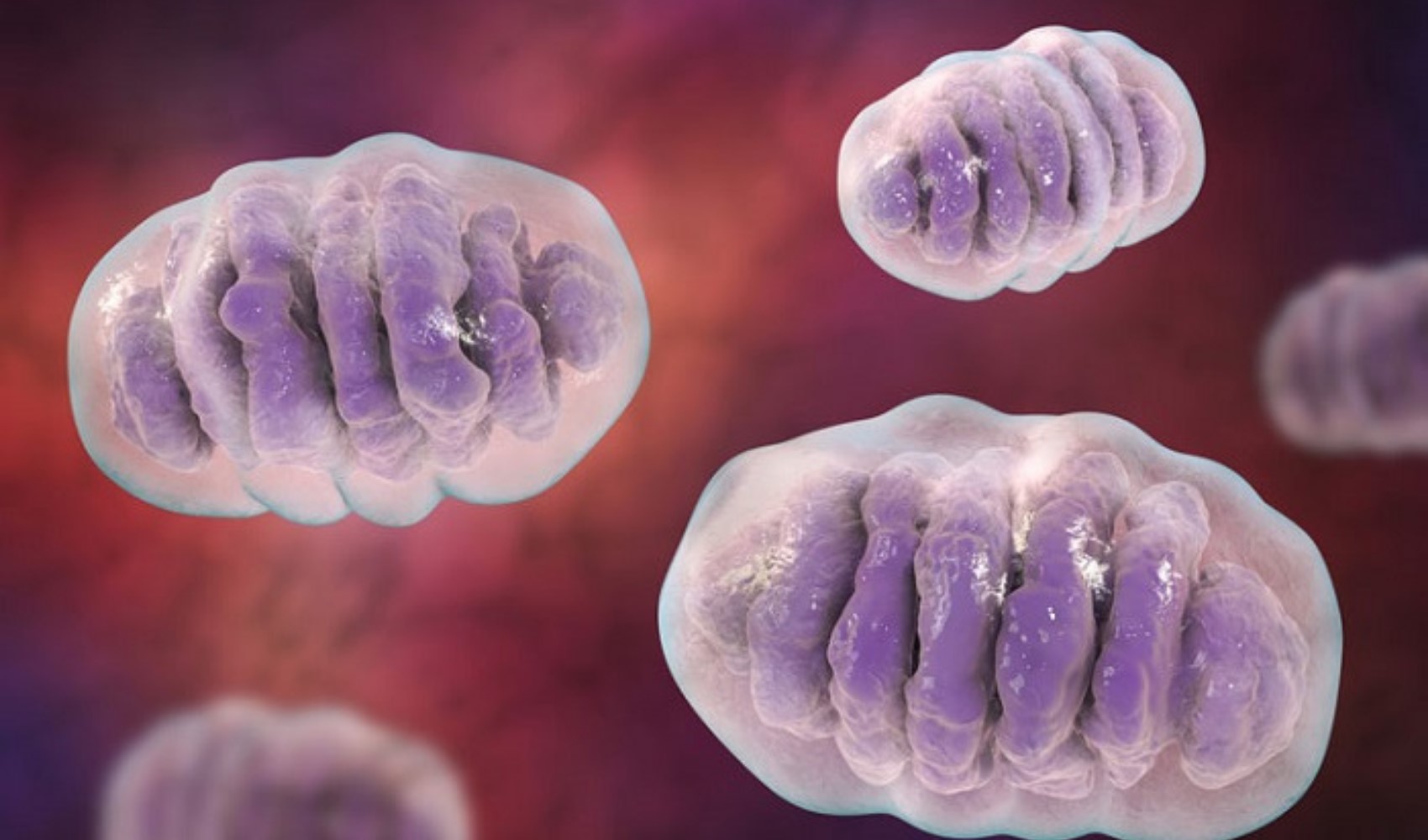
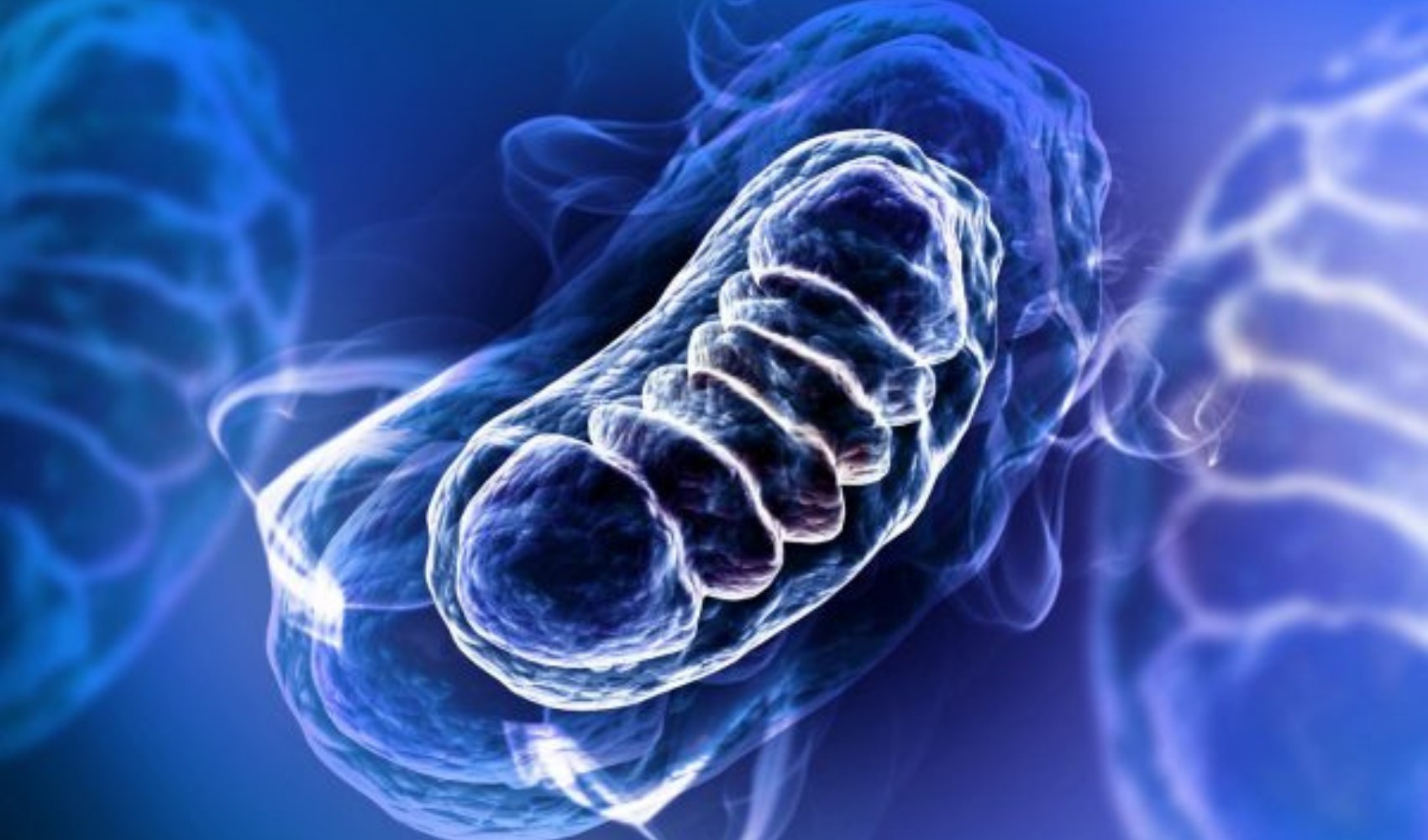
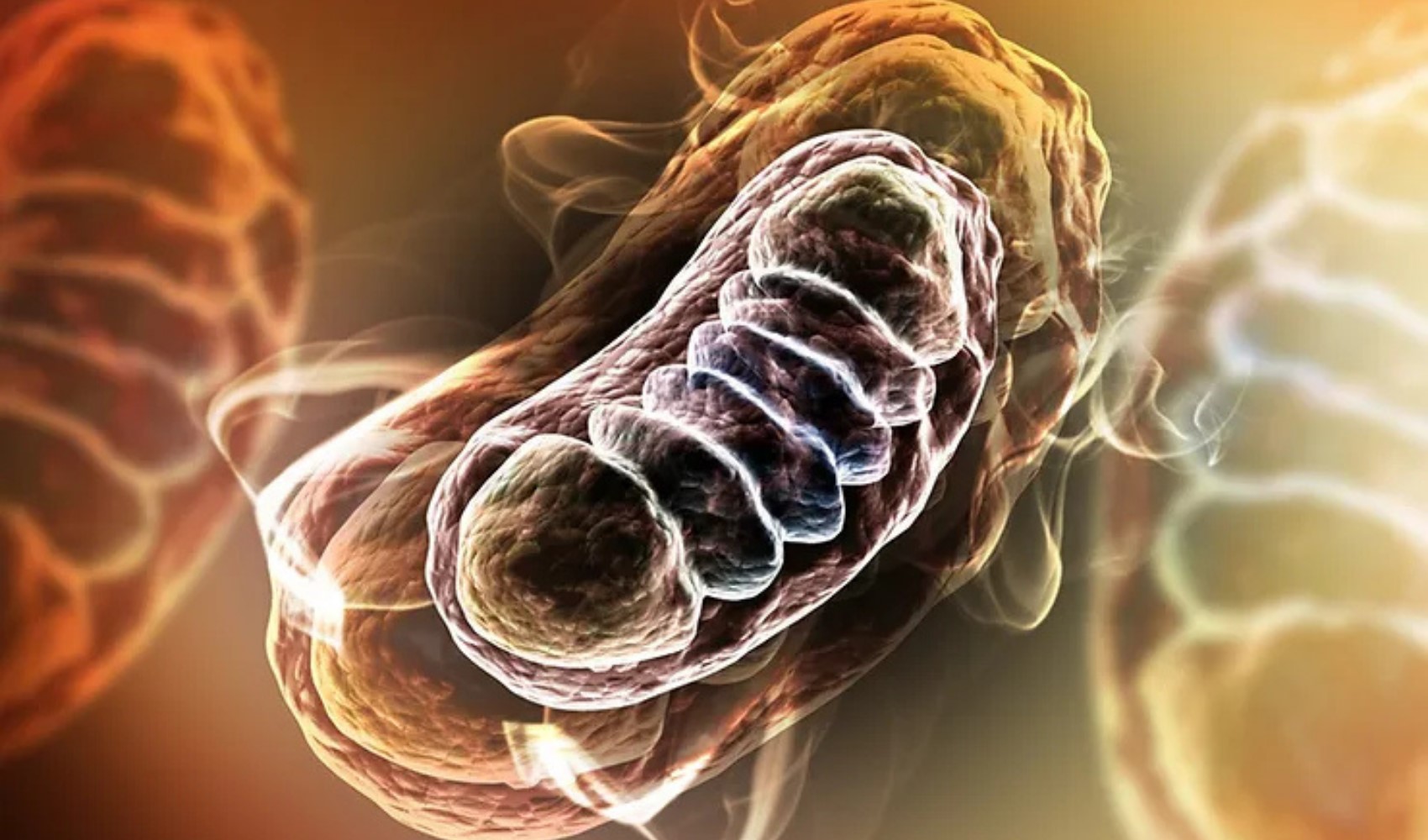
POLG disease is a rare genetic disorder caused by mutations in the POLG (DNA polymerase gamma) enzyme, which is responsible for the synthesis of mitochondrial DNA. This disease severely affects the energy production of cells by disrupting the function of mitochondria.
WHAT ARE THE SYMPTOMS OF POLG DISEASE?
Symptoms of POLG disease include serious health issues such as muscle weakness, fatigue, vision problems, seizures, movement disorders, and liver failure. These symptoms may worsen over time due to the progressive nature of the disease. Forms that begin in childhood, in particular, tend to progress more rapidly.
HOW IS POLG DISEASE DIAGNOSED?
Diagnosis of POLG disease is made through clinical findings, genetic testing, and laboratory analysis. Detecting mutations in mitochondrial DNA is critical for a definitive diagnosis of the disease. However, because it is a rare disease and the symptoms show similarities to other neurological conditions, the diagnostic process can be long and complex.
WHAT ARE THE TREATMENT METHODS FOR POLG DISEASE?
Although there is no known definitive cure for the disease, various treatment methods are applied to manage the symptoms. Physical therapy, muscle-strengthening exercises, and antiepileptic drugs to control seizures can help improve the quality of life for patients. Additionally, in cases of serious complications such as liver failure, surgical interventions like organ transplantation may be required.
WHY ARE POLG DISEASE AND GENETIC COUNSELING IMPORTANT?
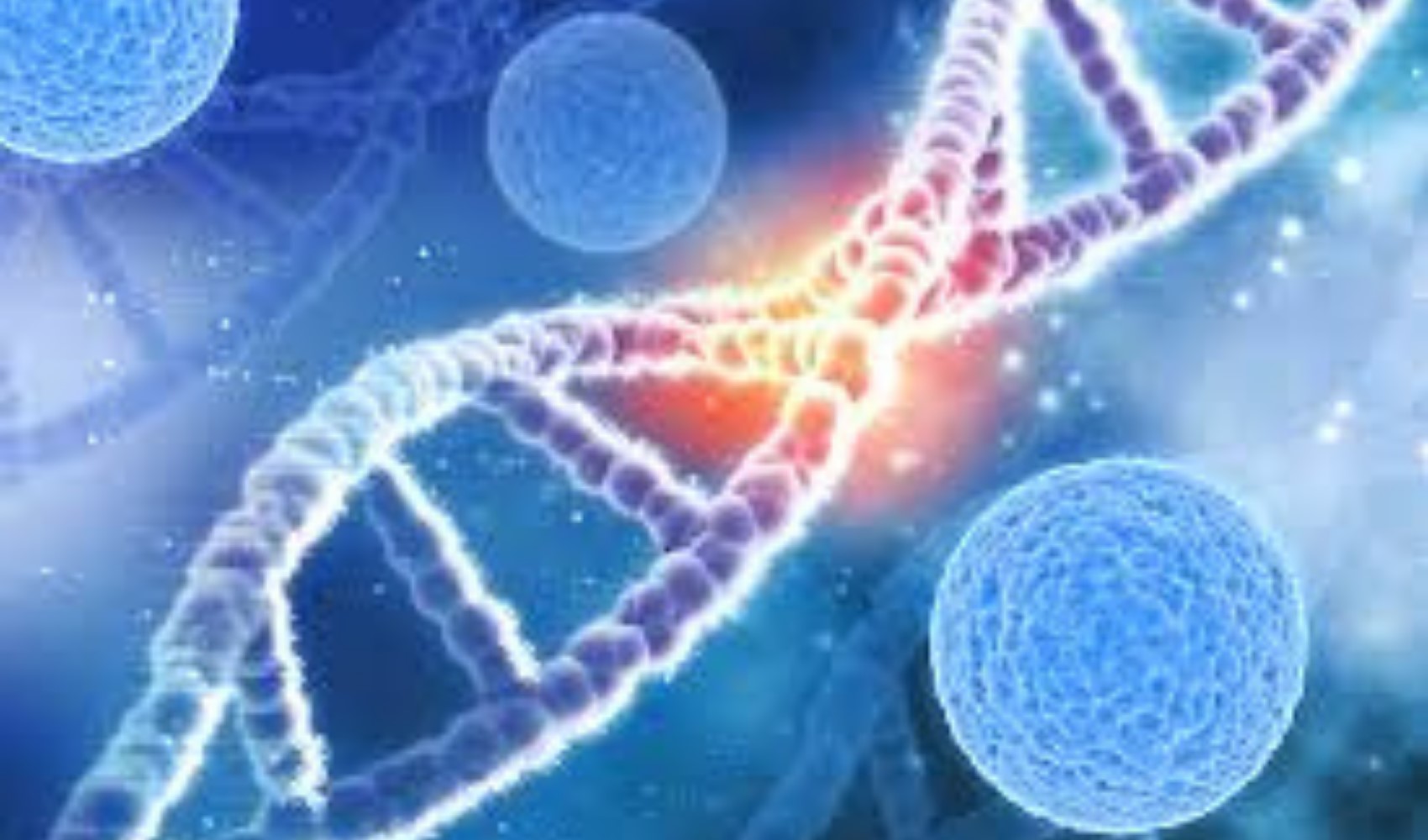
Because POLG disease is a genetically transmitted disorder, it is of great importance for families to receive genetic counseling. The fact that the disease can be transmitted by individuals who are carriers without showing symptoms can pose a risk for future generations. Therefore, genetic testing and family history evaluations play a critical role in the prevention and management of the disease.