Property tax coming for 600 thousand vacant homes in Turkey
With the second tax package, a property tax will be introduced for 600 thousand vacant homes across Turkey.
12punto
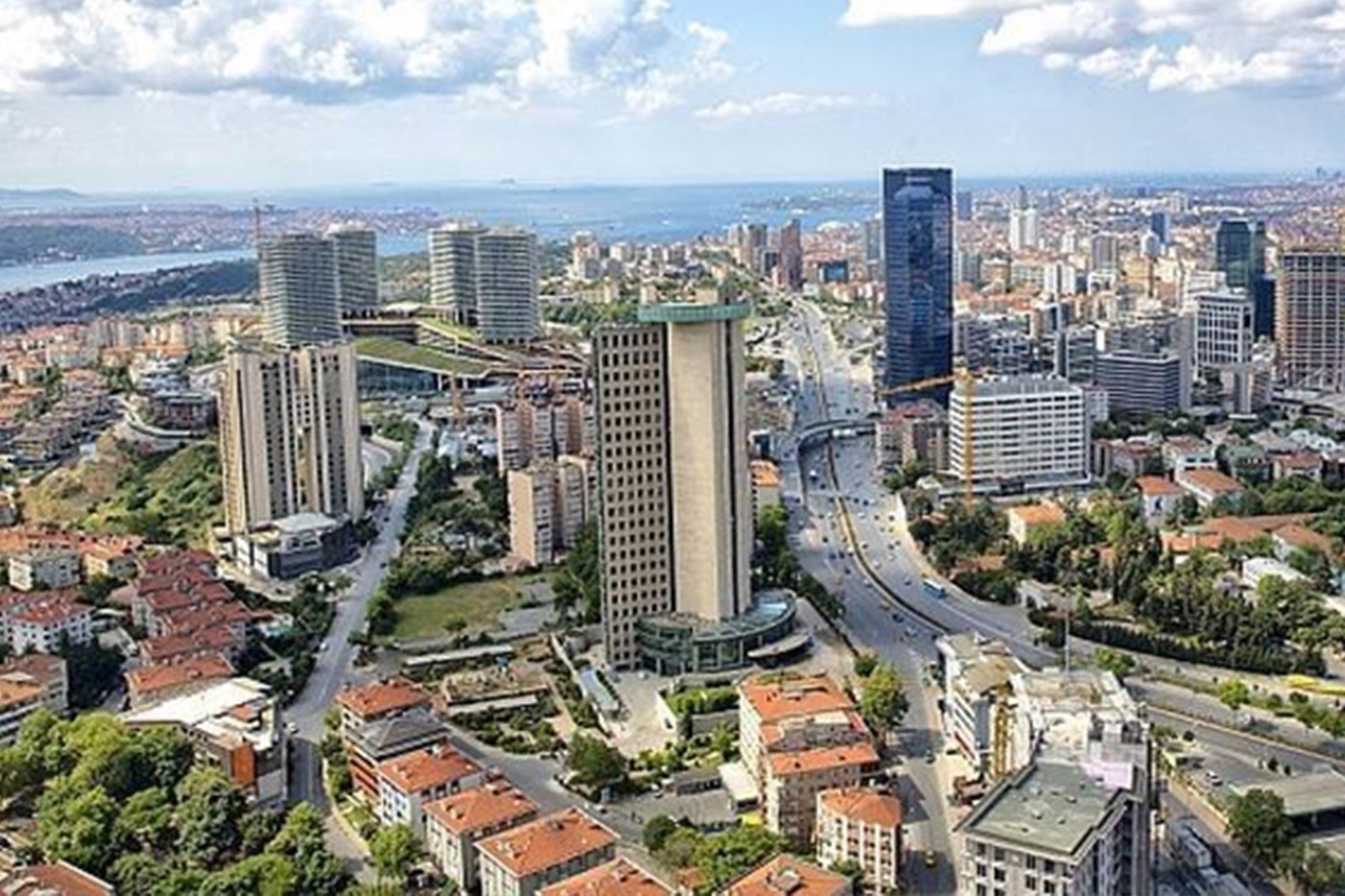
As the first tax package begins to be debated in Parliament, details of the second tax package have also begun to emerge. Accordingly, an "incrementally increasing" additional property tax will be levied on those who own a second or subsequent home, and property tax will be collected on 600 thousand vacant residences.
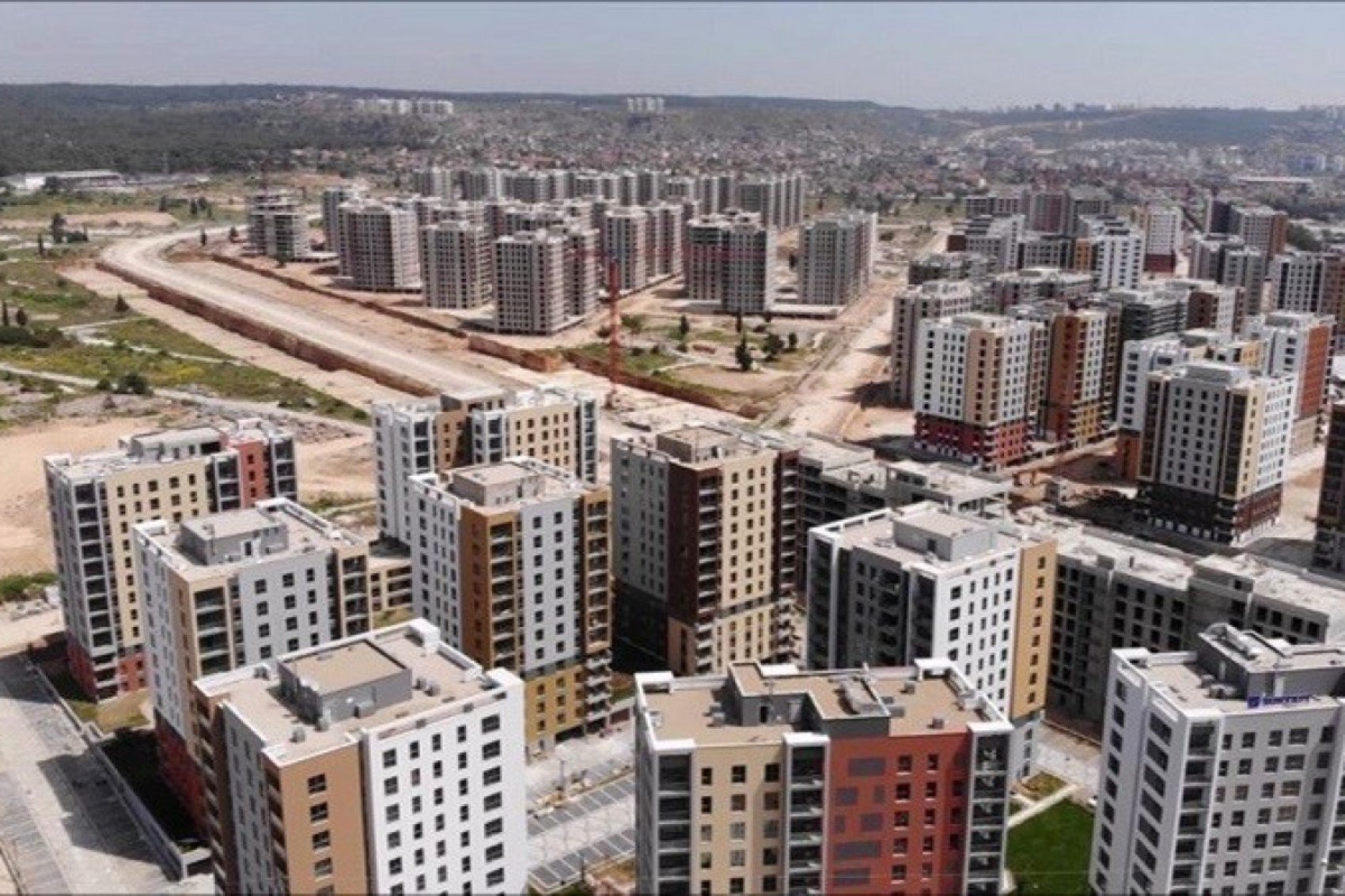
Deliberations on the first tax package began yesterday at the Parliamentary Planning and Budget Committee. According to a report by Ferit Parlak from Dünya, the priority in the second tax package will be the taxation of "real estate." Studies, including impact analyses, to determine new tax rates to be applied to rents and real estate transactions have reached the final stage.

Accordingly, it has been finalized that the second tax package will include the taxation of residential and office sales and rentals based on market value, as well as a 2-fold tax increase for those who sell their property within 3 years of purchase, and a 1-fold increase for those who sell within 5 years. Additionally, a "gradually increasing" additional property tax will be requested from those who own a second or subsequent home, and an "additional property tax" will be levied on the 600 thousand vacant homes referred to as ghost houses.

Penalty amounts will also be increased for those who do not declare or under-declare their rental income. Similarly, penalty amounts for those who do not declare rental expenses will also be increased. A "rental price" regulation will also be implemented for public housing units, which number over 230 thousand. Public housing units will be made available with a 20 percent price advantage compared to the market rental value.
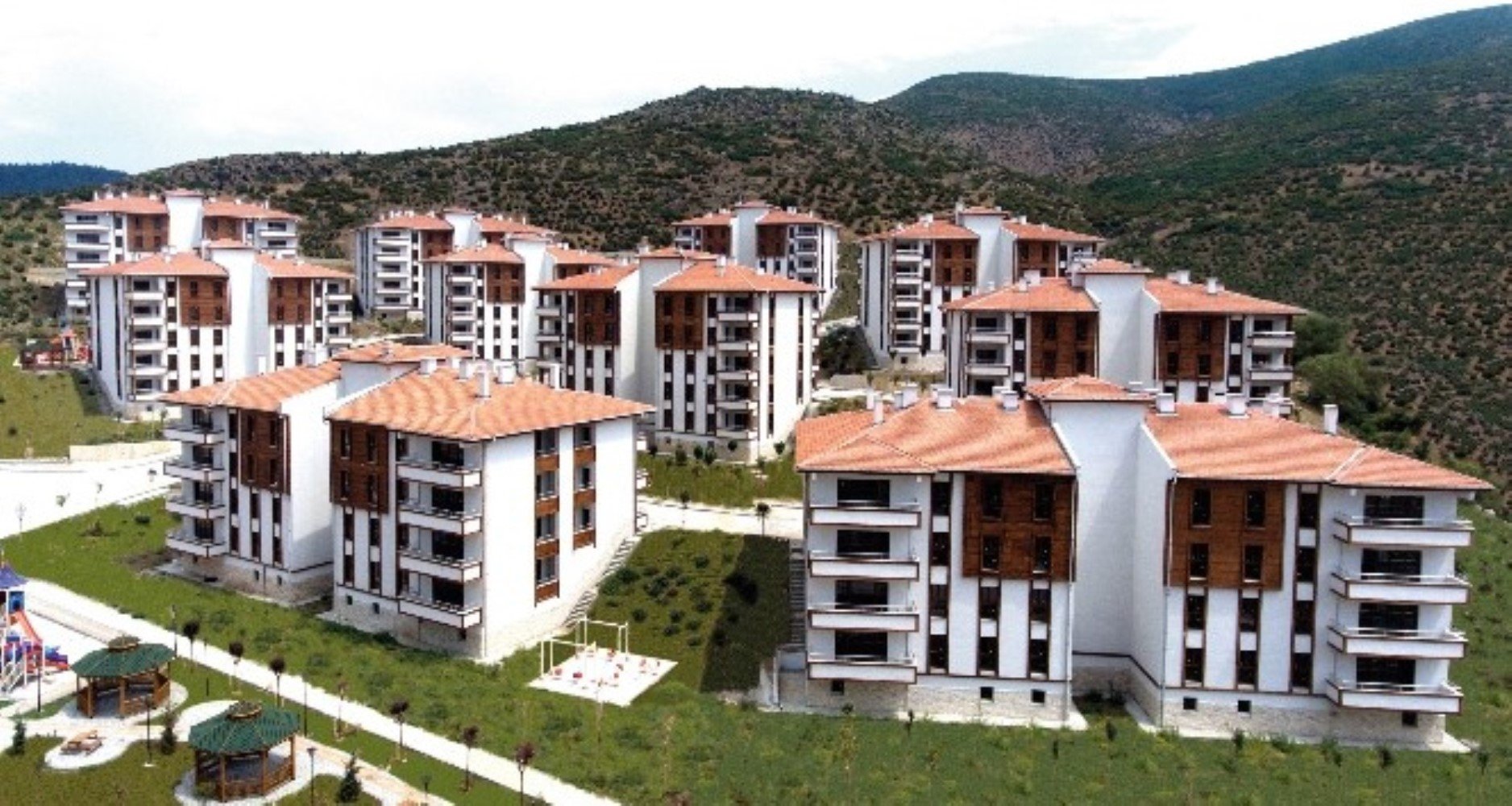
For this reason, price research will be conducted in regions where staff housing is located. Priority areas where inspections will be intensified have also been determined. Priority in inspections will be given to kiosks, beauty salons, aestheticians, doctors, and hairdressers, which have been identified as areas with high levels of loss, leakage, and informality relative to their earnings.

The fiscal impact of the regulations concerning tax and social security has been analyzed. Accordingly, setting the short-term insurance branch premium rate at 2.25 percent will result in a 12.5 percent increase in the Social Security Institution's (SGK) revenues. The regulation regarding the implementation of a domestic minimum corporate tax will generate an additional 70 billion lira in annual revenue. The increase of the international departure fee to 500 lira will have an annual revenue impact of 4.3 billion lira.